Ruby Beet & Citrus Salad Recipe with Pomegranate, Feta & Toasted Walnuts: A Winter Stunner
This Ruby Beet & Citrus Salad Recipe with Pomegranate, Feta & Toasted Walnuts is the dish you bring to every holiday gathering and instantly become the hero of the party. Honestly, this salad feels like a celebration on a plate. The earthy sweetness of roasted beets pairs perfectly with the bright, tangy burst of fresh citrus. Then you get that salty pop of feta and the satisfying crunch of toasted walnuts. It is a combination of flavors and textures that wakes up your palate.
First, you roast the beets until they become incredibly tender and sweet. While they cool, you segment the oranges and grapefruit. You toss the ruby beet & citrus salad recipe with pomegranate, feta & toasted walnuts in a simple citrus vinaigrette. The final result is a stunning, jewel-toned dish that looks as good as it tastes. It is naturally gluten-free and packed with vitamins, making it a smart choice for anyone looking for a nutritious side dish.
This salad is perfect for a winter meal when citrus is at its peak. It brightens up a heavy holiday table. You can serve it alongside roasted meats, or you can enjoy it as a light lunch on its own. The contrast between the warm, soft beetroot and the cold, juicy citrus is absolutely sublime. Every single bite offers something different, so you never get bored.
Quick Recipe Highlights
- Flavor Profile: You get a beautiful balance of sweet roasted beets, tangy citrus, salty feta, and earthy toasted walnuts. The pomegranate arils add a pop of tart sweetness that ties everything together perfectly.
- Texture: This salad is a textural playground. You have the velvety softness of the beets, the juicy segments of orange, the creamy crumbles of feta, and the crisp snap of the walnuts. Each forkful provides a new sensation.
- Aroma: When you roast the beets, your kitchen fills with a sweet, earthy scent. The citrus adds a fresh, zesty note. You will also smell the warm, nutty aroma of the toasting walnuts, which is incredibly inviting.
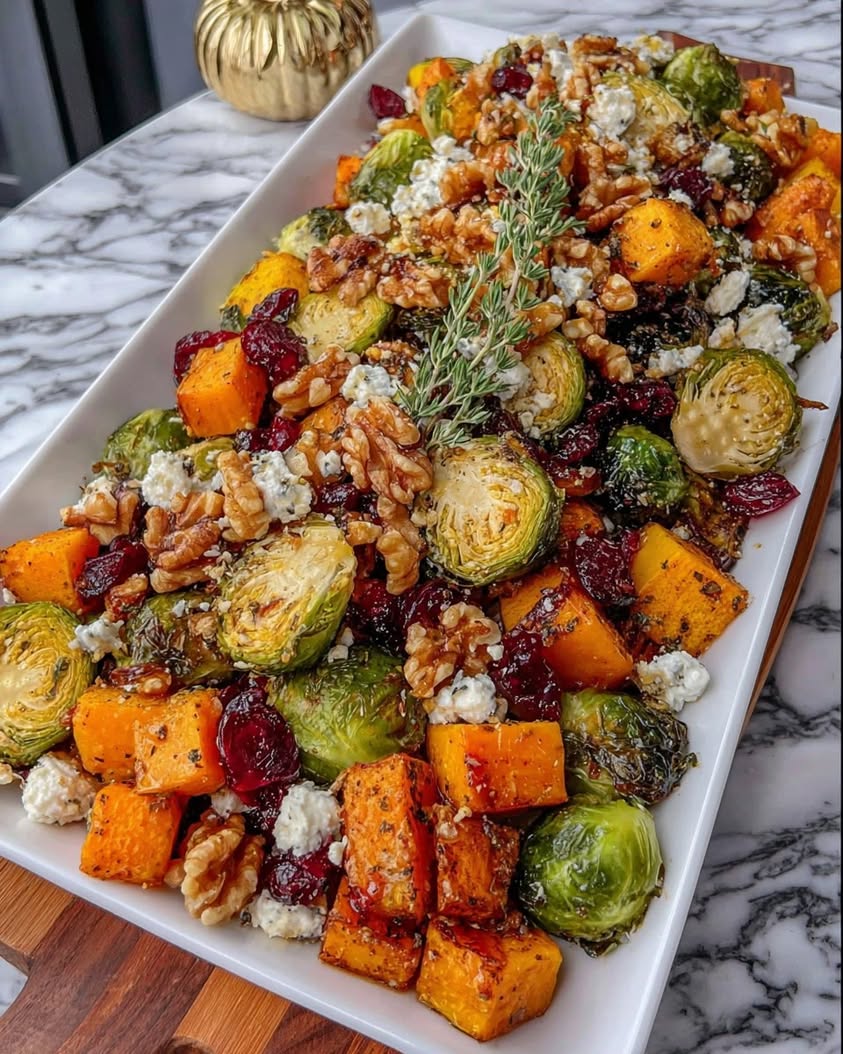
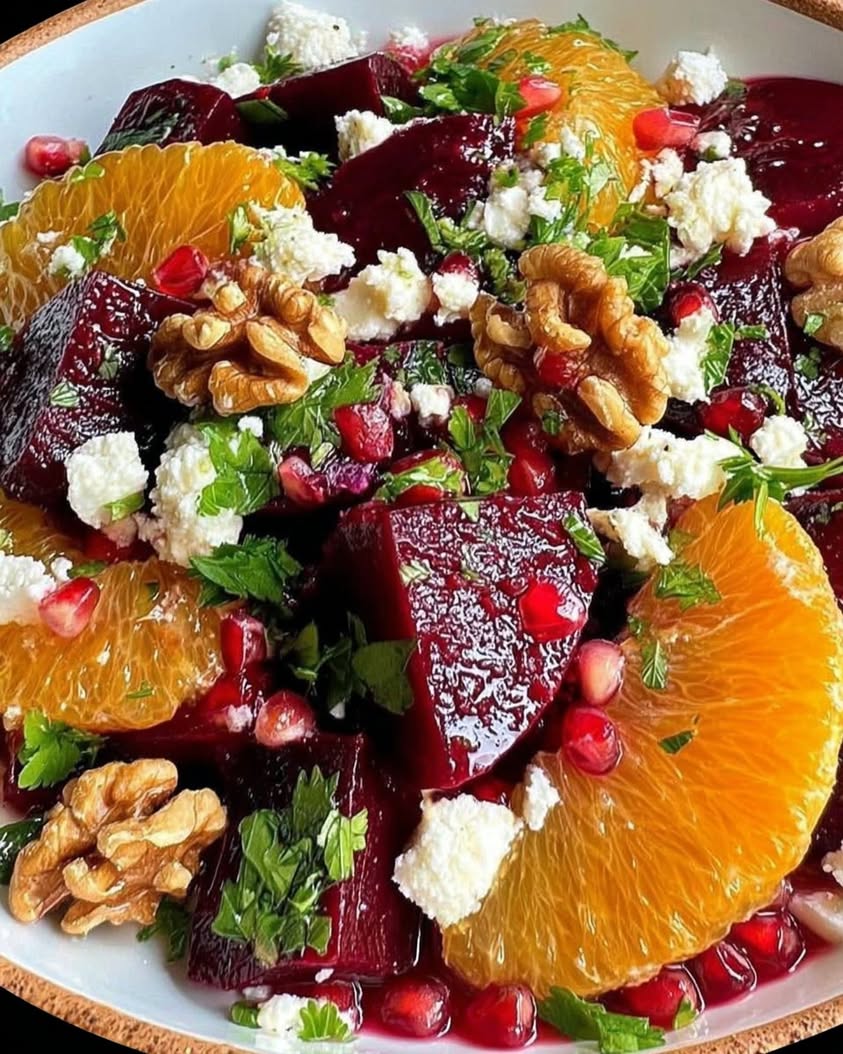
- Visual Appeal: This dish is a showstopper. The deep ruby red of the beets contrasts with the bright orange of the citrus and the vibrant red of the pomegranate seeds. The white feta and golden walnuts add beautiful accents.
- Skill Level Needed: This is an easy recipe that is accessible to any home cook. You need basic knife skills for segmenting citrus and cutting beets. The roasting process is very hands-off and straightforward.
- Special Equipment: You will need a baking sheet for roasting the beets, a sharp chef knife, a cutting board, and a mixing bowl. A citrus reamer is helpful but not required for the dressing.
Recipe Overview
- Difficulty Level: I rate this recipe as easy because the techniques are simple and forgiving. Roasting beets requires no active effort, and assembling the salad is just a matter of tossing everything together. You do not need any advanced culinary skills to succeed.
- Category: This dish works perfectly as a side salad, a light main course, or a festive holiday appetizer. It is a wonderful addition to a Thanksgiving or Christmas spread. It also holds its own as a healthy lunch option during the week.
- Cuisine: While the ingredients are globally available, this salad draws inspiration from Mediterranean and Middle Eastern flavor profiles. The combination of beets, citrus, walnuts, and feta is a classic pairing in these culinary traditions. It highlights fresh, vibrant produce and bold contrasting flavors.
- Cost: This is a moderately priced salad, largely depending on the season. Beets and oranges are generally inexpensive. Pomegranates and feta can be a bit pricier, but you get a lot of flavor from a small amount. Toasted walnuts are a cost-effective nut choice.
- Season: This Ruby Beet & Citrus Salad Recipe with Pomegranate, Feta & Toasted Walnuts is best during the winter and early spring. This is when citrus fruits are at their peak sweetness and juiciest. Beets are also a hearty root vegetable that stores well through the cold months.
- Occasion: This salad is ideal for holiday dinners, potlucks, dinner parties, and special brunches. Its vibrant colors make it a natural centerpiece for a festive table. You can also make it for a simple weekend meal to brighten up a gray day.
Why You Will Love This Recipe
The flavor combination is simply addictive. The earthy sweetness of the beets is a perfect canvas for the bright, acidic citrus. When you add the salty, creamy feta, it creates a savory balance. Then the pomegranate arils burst with a sweet-tart juice that cuts through everything. The toasted walnuts provide a warm, nutty crunch. Every single ingredient complements the others, creating a truly harmonious dish.
This recipe is incredibly convenient for busy cooks. You can roast the beets and make the dressing up to three days in advance. This makes assembly on the day of serving a five-minute job. You do not need to stand over a hot stove. The hands-on time is very short. It is a perfect make-ahead dish for entertaining.
Nutritionally, this salad is a powerhouse. Beets are rich in folate and antioxidants. Citrus fruits are loaded with vitamin C. Walnuts provide healthy omega-3 fatty acids. Pomegranate is famous for its anti-inflammatory properties. Feta adds protein and calcium. You get a wide variety of nutrients in one delicious bowl.
This Ruby Beet & Citrus Salad Recipe with Pomegranate, Feta & Toasted Walnuts is a social entertainers dream. It looks incredibly impressive on a buffet table without requiring any complicated plating. Guests love the vibrant colors and the unique combination of flavors. It sparks conversation and always gets compliments. It is a dish that looks and tastes gourmet.
Cost-wise, this salad is very accessible. Beets and citrus are some of the most affordable produce items at the grocery store. You can sometimes find pomegranates on sale during the winter season. Feta is relatively inexpensive, and a little goes a long way. Walnuts are a great value for their nutritional density. You get a stunning, flavorful dish for a very reasonable price.
Historical Background and Cultural Significance
Beets have been cultivated for thousands of years, originally grown for their leafy greens. The ancient Romans and Greeks prized the root for its medicinal properties. It was not until the 16th century that the deep red beet we know today became popular in Europe. Farmers selected for sweetness and color. The beet eventually became a staple in Eastern European cuisine, where it stars in dishes like borscht. Its earthy flavor is a foundation for many traditional winter recipes.
Citrus fruits have a similarly ancient history, originating in Southeast Asia. Traders brought them to the Mediterranean, where they flourished. Oranges, lemons, and grapefruit became symbols of wealth and health. In many cultures, citrus is associated with the winter solstice and the return of the sun. The bright, sunny flavor is a welcome respite from the cold, dark months. This tradition of using citrus in winter salads is deeply rooted in European cooking.
The combination of beets, citrus, and nuts appears in many cuisines. In Morocco, beets are often paired with orange flower water and almonds. In Greece, beet salad often includes walnuts and a citrus vinaigrette. The addition of pomegranate is a nod to Middle Eastern flavors, where the fruit is a symbol of fertility and abundance. Feta cheese brings a distinctly Greek and Balkan character to the dish.
This recipe is a modern evolution of these ancient traditions. It brings together ingredients that have been valued for centuries into a fresh, contemporary dish. The global availability of these ingredients makes this a truly international salad. It celebrates the best of winter produce. When you make this Ruby Beet & Citrus Salad Recipe with Pomegranate, Feta & Toasted Walnuts, you are participating in a long history of seasonal cooking.
Ingredient Deep Dive
Beets. Beets are the heart of this salad, providing a sweet, earthy base. Historically, they were used as a natural dye and a medicinal tonic. Nutritionally, they are packed with folate, manganese, and potassium. They also contain betalains, which are powerful antioxidants with anti-inflammatory properties. When buying beets, look for firm, smooth-skinned bulbs with fresh, green tops. The greens should not be wilted. Store beets in the refrigerator in a plastic bag for up to two weeks. For this recipe, you can substitute golden beets or even Chioggia beets for a different color and slightly milder flavor.
Citrus. You will use a mix of oranges and grapefruit for this salad. Navel oranges are sweet and seedless, making them an ideal choice. Blood oranges add a beautiful deep red hue and a slightly berry-like flavor. Grapefruit provides a sharper, more tart contrast. All citrus is an excellent source of vitamin C. Look for fruit that feels heavy for its size, as this indicates juiciness. The skin should be smooth and brightly colored. Store citrus at room temperature for up to a week or in the refrigerator for longer. You can substitute with tangerines or clementines for a sweeter profile.
Pomegranate. These jewel-like seeds are a burst of sweet-tart flavor and a beautiful garnish. Pomegranates are native to Iran and have been cultivated for over 4,000 years. They are rich in antioxidants, particularly punicalagins. To select a good pomegranate, choose one that feels heavy and has a deep, rich color. The skin should be firm and unblemished. Store whole pomegranates in a cool, dry place for up to a month. You can also buy pre-seeded pomegranate arils in the refrigerated section of most grocery stores. If you cannot find pomegranate, dried cranberries make a decent, though sweeter, substitute.
Feta Cheese. Feta adds a salty, tangy, creamy element that balances the sweetness of the beets and citrus. Authentic Greek feta is made from sheep milk or a mixture of sheep and goat milk. It is brined, which gives it a distinctively salty flavor and crumbly texture. Feta is a good source of calcium and protein. When buying feta, look for blocks stored in brine rather than pre-crumbled, as it holds its texture better. Store feta in its brine in the refrigerator for up to two weeks. For a dairy-free option, you can use a high-quality vegan feta or omit it entirely and add more nuts.
Walnuts. Toasted walnuts provide a warm, nutty flavor and a satisfying crunch. Walnuts are rich in omega-3 fatty acids, which are essential for brain health. They also contain antioxidants and vitamin E. When selecting walnuts, look for shelled halves that are plump and free of any rancid smell. Store them in an airtight container in the refrigerator or freezer to keep them fresh longer. Toasting them is crucial for enhancing their flavor. You can substitute with pecans, almonds, or even pumpkin seeds for a different texture and taste.
Common Mistakes to Avoid
- Do not skip roasting the beets. Boiling them will leach out flavor and color. Roasting concentrates their natural sweetness and creates a better texture.
- Avoid using tired or mushy beets. Fresh beets should be firm and vibrant. Old beets have a woody texture and dull flavor.
- Do not overcook the beets. They should be tender enough to pierce with a fork but still hold their shape. Overcooking makes them mushy and watery.
- Do not skip toasting the walnuts. Raw walnuts are bitter and soft. Toasting them in a dry pan or oven brings out their natural oils and creates a deep, nutty flavor and a crisp texture.
- Be careful not to use all the dressing at once. You want to lightly coat the ingredients, not drown them. Add the dressing gradually and toss gently.
- Avoid adding the dressing too early. If you add it more than 15 minutes before serving, the acid will start to cook the beets and wilt everything. Dress the salad right before you serve it.
- Do not crumble the feta too finely. You want nice, chunky pieces so you get a distinct hit of salty, creamy flavor in each bite. Large crumbles are more visually appealing as well.
- Do not cut the citrus segments too small. They should be large, juicy pieces that hold their shape. You want to taste the fruit itself, not just the juice.
- A common mistake is to slice the beets too thick. Aim for even, bite-sized cubes or wedges. This ensures a uniform texture and consistent flavor in every forkful.
- Do not forget to season the dressing properly. A good vinaigrette needs enough salt and acid to bring all the flavors together. Taste and adjust it before you use it.
Essential Techniques
How to Roast Beets. This is the most important technique for this recipe. First, preheat your oven to 400 degrees Fahrenheit. Scrub the beets clean but do not peel them. Trim the tops and roots, leaving about an inch attached. This prevents the color from bleeding too much. Wrap each beet individually in aluminum foil and place them on a baking sheet. Roast them for 45 to 60 minutes, depending on their size. You will know they are done when a fork slides in easily. Let them cool completely before peeling. The skins will slip right off under running water. This method concentrates the sweetness and keeps the beets moist.
How to Segment Citrus (Supremes). This technique removes the bitter pith and membranes, leaving you with perfect, juicy segments. First, use a sharp knife to slice off the top and bottom of the fruit so it sits flat on the cutting board. Then cut away the peel and white pith in strips, following the curve of the fruit. You want to expose the flesh completely. Then hold the fruit in your hand over a bowl and cut between the membranes to release each segment. Squeeze the leftover membranes over the bowl to catch the juice for your dressing. This technique takes practice, but it makes the salad look beautiful.
How to Toast Walnuts. Toasting nuts is a quick process that dramatically improves their flavor. You can do this in a dry skillet or in the oven. For the skillet method, place the walnuts in a single layer over medium heat. Shake the pan frequently and watch them closely. They will go from fragrant to burnt very quickly. It usually takes about 3 to 5 minutes. You will know they are done when they turn a shade darker and smell wonderfully nutty. Transfer them immediately to a plate to stop the cooking process. Let them cool completely before adding them to the salad.
How to Make a Vinaigrette. A good vinaigrette is all about balance. For this salad, you will whisk together olive oil, fresh citrus juice, a touch of honey, salt, and pepper. The classic ratio is three parts oil to one part acid. Start with that base and adjust to your taste. Whisk vigorously until the dressing is emulsified and creamy. You can also shake it in a mason jar for an easy emulsion. Always taste the dressing and adjust the seasoning before you add it to the salad. A well-seasoned dressing can elevate the entire dish.
Pro Tips for Perfect Ruby Beet & Citrus Salad
Wear disposable gloves when handling the beets. The deep red juice will stain your hands for hours. It is much easier to just use gloves from the start. You can find them in any grocery store.
Let the roasted beets cool completely before you peel and cut them. Warm beets are very soft and tend to fall apart. Cold beets maintain a better shape and are much easier to handle with a knife.
Use a mix of citrus for the best flavor. Combining sweet navel oranges with tart grapefruit and maybe some blood oranges creates a complex and interesting taste profile that a single type of fruit cannot achieve.
Toast the walnuts in the oven for more even results. Spread them in a single layer on a baking sheet and bake at 350 degrees for 5 to 7 minutes. This method is more consistent than a skillet for larger batches.
Crush the feta cheese with your hands instead of a knife. Knives tend to make the cheese grainy. Gently crumbling it with your fingers gives you nice, organic-looking chunks that hold their texture better in the salad.
Do not toss the salad too much. You want to keep the ingredients distinct and beautiful. Gently fold everything together with a large spoon or your hands to avoid breaking up the feta or squishing the citrus.
For the best presentation, arrange the ingredients on a platter instead of mixing them in a bowl. This shows off the beautiful colors. Just layer the beets and citrus, then sprinkle the pomegranate, feta, and walnuts on top.
Variations and Adaptations
Regional variations of this salad are endless. In the Mediterranean, you might see the addition of fresh mint or dill, which adds a bright, herbaceous note. Some versions include a dollop of Greek yogurt on the side. In the Middle East, sumac is often sprinkled on top for a tangy, lemony flavor. You can also find versions that use tahini in the dressing for a nutty, creamy twist. These variations show how versatile the core ingredients are.
Seasonal adaptations are easy to make. In the spring, substitute the beets with shaved raw asparagus or radishes for a peppery crunch. In the summer, use grilled peaches or nectarines instead of citrus. You can also add fresh berries like strawberries or raspberries. In the fall, swap the citrus for sliced apples or pears, and use pecans instead of walnuts. This way, you can enjoy this salad all year long.
Dietary modifications are simple. To make this salad vegan, simply omit the feta cheese. You can add a sprinkle of nutritional yeast for a cheesy flavor or use a vegan feta alternative. To make it low-carb, reduce the amount of citrus and add more avocado or cucumber. For a nut-free version, substitute the walnuts with toasted pumpkin seeds or sunflower seeds. These changes maintain the spirit of the salad while meeting dietary needs.
Flavor variations can transform this dish. Add a pinch of red pepper flakes to the dressing for a subtle heat. Include a handful of arugula for a peppery bite. Use a balsamic reduction instead of the citrus vinaigrette for a sweeter, more intense flavor. You can also add pickled red onions for a tangy crunch. Experimenting with different herbs like basil or cilantro can also create a new flavor profile.
Texture modifications offer new experiences. Instead of roasting the beets, you can grate them raw for a crunchy, earthy salad. You can also slice the beets very thinly on a mandoline for a delicate, carpaccio-style presentation. For a creamier texture, add a scoop of whipped goat cheese or ricotta. Toasting the walnuts for a longer time makes them crunchier, while leaving them raw keeps them softer and more pliable.
Presentation alternatives are fun to try. Instead of a tossed salad, you can serve the ingredients in individual bowls as a composed salad. Layer the beets on the bottom, then the citrus, and then the toppings. This is very elegant for a dinner party. You can also serve the salad in a hollowed-out grapefruit or orange rind for a fun, edible bowl. For a buffet, arrange the ingredients in a line on a long platter for a beautiful, rustic look.
Serving and Presentation Guide
For the most beautiful plating, use a large, white platter. The white background makes the vibrant colors of the beets, citrus, and pomegranate really pop. First, arrange the roasted beet wedges in a single layer. Then place the citrus segments over and around the beets. This creates a beautiful mosaic of color. Finally, sprinkle the pomegranate seeds, crumbled feta, and toasted walnuts over the top. This layered approach is much more visually impressive than a tossed salad.
Garnishing is the final touch that elevates the dish. A few sprigs of fresh mint or microgreens add a fresh, green contrast. A drizzle of the vinaigrette over the top just before serving adds a beautiful gloss. A light sprinkle of flaky sea salt, like Maldon, adds a final burst of flavor and a pleasant crunch. These small details make a big difference in the overall presentation.
Traditional accompaniments for this salad include crusty bread to soak up the juices. It also pairs wonderfully with grilled chicken, seared fish, or a roasted leg of lamb. For a vegetarian meal, serve it alongside a hearty grain like farro or quinoa. It also balances out a rich pasta dish or a creamy risotto perfectly. The bright acidity cuts through heavy, rich foods.
Modern serving suggestions are also very popular. You can serve this salad in individual mason jars for a grab-and-go lunch. Layer the ingredients so the dressing is on the bottom and the greens are on top. This keeps everything crisp. You can also serve it on a bed of arugula or mixed greens for added freshness. This is perfect for a summer cookout or a picnic.
Temperature is crucial for this salad. The beets can be served at room temperature or slightly warm, which is nice for a cold day. The citrus and pomegranate should be cold from the refrigerator. The contrast between warm and cold elements is a delightful sensory experience. The feta and walnuts should be at room temperature to maximize their flavor. This combination creates a dynamic temperature profile in every bite.
Portion control is simple. As a side dish, this recipe serves about six people comfortably. As a main course, it will serve four. If you are serving it on a buffet, you can expect about one cup per person. It is a hearty salad, so a little goes a long way. You can always make extra, as leftovers are excellent the next day when the flavors have melded.
Wine and Beverage Pairing
For wine pairings, you want something that can handle the acidity of the citrus and the earthiness of the beets. A dry Riesling is a fantastic choice. Its natural acidity mirrors the citrus, and its slight sweetness can balance the tannins in the walnuts. Another excellent choice is a Sauvignon Blanc from New Zealand. It has bright, herbaceous notes that complement the flavors. For a red wine, a light-bodied Pinot Noir works well. Its earthy, fruity character pairs beautifully with the beets.
Non-alcoholic alternatives are just as delicious. A sparkling water with a splash of pomegranate juice makes a beautiful and festive drink. You can also make a simple citrus spritzer with club soda, fresh orange juice, and a squeeze of lime. For a more elegant option, serve your guests a glass of cold-pressed apple cider. Its tart and sweet notes are a wonderful match for the salad. Herbal iced tea, like hibiscus or mint, also pairs beautifully.
Coffee and tea pairings are less common for a salad, but they can work for a brunch setting. A light, floral green tea is a wonderful palate cleanser. It does not overpower the delicate flavors of the salad. For coffee, a light roast with bright, fruity notes can be surprisingly good. It is best to serve it iced. Avoid dark roasts or strong black teas, as they can clash with the acidity of the citrus.
Temperature considerations are important for all beverages. Wine should be served slightly chilled, around 45 to 50 degrees Fahrenheit. This keeps the acidity bright and refreshing. Sparkling water and spritzers should be served very cold. Avoid serving beverages at room temperature, as they will not provide the same refreshing contrast to the salad. If you are serving a warm beverage, make sure it is not too hot, as it could wilt the fragile greens.
Serving suggestions for beverages are simple. For a dinner party, offer one wine option and one non-alcoholic option to accommodate your guests. Have the wine already poured when guests sit down. For a buffet, set up a drink station with the beverages in a large ice bucket. This allows guests to serve themselves. Label the non-alcoholic options clearly. This makes your guests feel taken care of and adds a professional touch to your meal.
Storage and Shelf Life
Proper storage is key to making this salad last. The components should be stored separately for the best results. The roasted beets can be stored in an airtight container in the refrigerator for up to five days. The citrus segments are best eaten within two days, as they can become mushy. The pomegranate seeds can be stored for up to three days. Feta cheese should stay in its brine. Walnuts are best kept in an airtight container at room temperature for a week.
Temperature requirements are straightforward. All components except the walnuts need to be refrigerated. The salad itself should never be left out at room temperature for more than two hours. If you are serving it outdoors in hot weather, that time drops to one hour. After that, you should return it to the refrigerator. Keeping everything cold ensures food safety and maintains the best texture.
Container recommendations are important. Use glass containers for the beets and citrus, as plastic can absorb odors and stains. For the walnuts, a glass jar is also best. For the feta, keep it in its original brine in a plastic or glass container. Never store the assembled salad in a metal container, as the acid from the citrus can react with the metal and create a metallic taste. A large ceramic or glass bowl is best for serving.
Signs of spoilage are easy to spot. Beets will become slimy or soft if they go bad. Citrus will develop a fermented smell or become mushy. Pomegranate seeds will turn brown and lose their firmness. Feta will develop a strong, ammonia-like smell. Walnuts will become rancid, tasting bitter and smelling like paint. If you see any of these signs, you should discard the ingredient immediately. It is always better to be safe than sorry.
Reheating instructions are simple but rarely needed. You should not reheat this salad. It is meant to be served cold or at room temperature. If you have leftover assembled salad, you can remove the walnuts and feta and serve the rest cold. The beets and citrus are still delicious the next day. The walnuts will have softened, so you can toast a fresh batch to add back to the leftovers.
Freezing guidelines are not recommended for this salad. Beets become watery and mushy when thawed. Citrus segments turn to mush. Feta becomes crumbly and dry. Pomegranate seeds burst and lose their texture. Walnuts can become rancid faster in the freezer if not properly sealed. The only component that freezes well is the vinaigrette. You can freeze the dressing in an ice cube tray and pop out a cube to use later.
Make Ahead Strategies
A good prep timeline makes entertaining stress-free. Up to three days before serving, you can roast the beets. Let them cool, then peel and cube them. Store them in an airtight container in the refrigerator. You can also make the vinaigrette up to a week in advance. Store it in a mason jar in the refrigerator. The day before, you can segment the citrus and store the segments in a separate container. Also, toast the walnuts and crumble the feta.
Storage between steps is critical for quality. Keep all components in separate containers. Never mix the dressing with the salad until just before serving. The beets and citrus should be stored separately to prevent the beet juice from staining the citrus. The walnuts should be kept at room temperature to maintain their crunch. The feta should stay in its brine until you are ready to use it. This organization prevents any sogginess or flavor transfer.
The quality impact of making ahead is minimal if you follow these steps. The beets actually taste better after a day or two in the refrigerator, as the flavors meld. The dressing will still be fresh. The citrus will still be juicy. The only element that suffers slightly is the walnuts, which may lose a bit of their crunch. You can easily fix this by toasting a fresh batch right before serving. The pomegranate seeds are best added fresh for the best pop.
Assembly tips are crucial for the final result. Take all the components out of the refrigerator about 20 minutes before serving to let them come to room temperature. This enhances the flavors. Arrange the salad on a platter or in a large bowl. Do not toss it yet. Drizzle about half the vinaigrette over the top. Then gently toss to coat. Add more dressing if needed. Sprinkle the feta and walnuts on top last. This preserves their texture.
Reheating guidelines are not applicable to this cold salad. However, if you want to serve the beets slightly warm, you can microwave them for about 30 seconds just before assembling. Do not heat the entire salad. The citrus and other elements should stay cold. This warm-cold contrast is a signature of this dish. Just be careful not to overheat the beets, or they will break down too much.
Fresh element additions are the key to a vibrant salad. Always add the pomegranate seeds, feta, and walnuts right before serving. These elements are the stars of the show in terms of texture and flavor. If you add them too early, they will become soggy or lose their appeal. The same goes for any fresh herbs you use. Add them at the very last moment to ensure they are bright and fresh-looking.
Scaling Instructions
Halving the recipe is straightforward. Use one large beet instead of two. You can also use one large orange and half a grapefruit. Reduce the pomegranate to about a third of a cup. Use half the amount of feta and walnuts. The dressing is easy to scale down by using a simple equal parts ratio of oil and juice. The roasting time for a single beet will be slightly shorter. Everything else remains the same.
Doubling or tripling the recipe is expected for a party. You will need a larger baking sheet to roast the beets, or you can use two sheets. Make sure they are in a single layer for even roasting. The citrus will take a bit longer to segment. Use a large mixing bowl to toss everything. You may need to make multiple batches of dressing in a larger container. The cooking time for the beets will not change significantly.
Equipment adjustments are necessary for larger batches. You will need a very large platter or bowl to serve the salad. A roasting pan is better than a baking sheet for a large quantity of beets. You might need two pans. For the dressing, a large mason jar or a blender will make emulsifying a large batch much easier. A large chef knife is essential for handling the volume of citrus. A mandoline can speed up slicing beets if you are making a huge batch.
Timing modifications are minimal. Roasting multiple beets takes the same amount of time as roasting a few, as long as they are similar in size. The hands-on prep time will increase proportionally. Estimate about 15 minutes of prep time per batch of beets. Segmenting citrus will take about 5 minutes per fruit. Tossing the salad in a large batch might take an extra minute to ensure even coating. The total time will increase due to the volume of work.
Storage considerations are more important for larger batches. You will need more containers in the refrigerator. Make sure you have enough space before you start. Do not store the assembled salad in a single large container, as the weight will crush the lower layers. Store components in multiple smaller containers. This also makes it easier to serve. The leftovers from a large batch are great, but be mindful of the three-day rule for the beets.
Nutritional Deep Dive
This salad is a nutritional powerhouse. A single serving is relatively low in calories but high in volume. You get a good amount of fiber from the beets, citrus, and walnuts. The healthy fats from the walnuts and olive oil support heart health. The protein content is moderate, coming from the walnuts and feta. Overall, this is a very balanced and satiating dish. It provides steady energy without a crash.
Micronutrients are abundant in this recipe. Beets are one of the best sources of folate, which is essential for cell growth. Citrus fruits are famously high in vitamin C. Pomegranate is loaded with vitamin K and potassium. Feta provides a significant amount of calcium and vitamin B12. Walnuts are a great source of copper and manganese. This salad delivers a wide spectrum of vitamins and minerals in a delicious format.
The health benefits extend beyond basic nutrition. The antioxidants in beets and pomegranate help reduce inflammation. The vitamin C in citrus supports the immune system, which is important during the winter months. The omega-3s in walnuts are linked to improved brain function and heart health. The calcium from feta supports bone density. Eating this salad is a simple way to boost your overall health and well-being.
Dietary considerations are well met by this recipe. It is naturally gluten-free, making it safe for those with celiac disease. It is also vegetarian. With the simple omission of feta, it becomes vegan. It is low in added sugars, with the only sweetness coming from the honey in the dressing. It is also naturally low in saturated fat. You can easily adjust it to fit most dietary patterns without losing its flavor appeal.
Portion analysis is important for weight management. A serving size is about one cup, which is quite filling. The high fiber and water content from the vegetables help you feel full on fewer calories. The healthy fats provide satisfaction. You can enjoy a generous portion of this salad without worrying about overeating. It is an excellent choice for anyone looking to maintain or lose weight while still enjoying delicious food.
Weight management tips are simple. This Print
Ruby Beet & Citrus Salad with Pomegranate, Feta & Toasted Walnuts
- Total Time: 1 hour
- Yield: 4
Description
A vibrant and refreshing winter salad featuring earthy roasted beets, bright citrus segments, juicy pomegranate arils, creamy feta cheese, and crunchy toasted walnuts, all dressed in a zesty citrus vinaigrette.
Ingredients
- 4 medium red beets, scrubbed and tops trimmed
- 2 large oranges (such as navel or blood orange)
- 1 large grapefruit
- 1/2 cup pomegranate arils
- 1/2 cup crumbled feta cheese
- 1/3 cup walnut halves, toasted and roughly chopped
- 3 tablespoons extra-virgin olive oil
- 2 tablespoons fresh orange juice
- 1 tablespoon fresh lemon juice
- 1 teaspoon honey or maple syrup
- 1/2 teaspoon Dijon mustard
- Salt and freshly ground black pepper to taste
- 2 cups mixed greens or arugula (optional)
Instructions
- Preheat oven to 400°F (200°C). Wrap each beet individually in aluminum foil and roast for 45-60 minutes until fork-tender. Allow to cool, then peel and cut into wedges or slices.
- Meanwhile, using a sharp knife, cut off the top and bottom of the oranges and grapefruit. Stand each fruit on a cut end and slice off the peel and white pith. Cut between the membranes to release segments into a bowl. Squeeze the remaining membranes to extract juice for the dressing.
- In a small bowl, whisk together 2 tablespoons of the reserved citrus juice, olive oil, lemon juice, honey, Dijon mustard, salt, and pepper to make the vinaigrette.
- Toast the walnuts in a dry skillet over medium heat for 3-4 minutes, stirring frequently, until fragrant. Set aside to cool.
- On a large platter or individual plates, arrange the beet wedges, citrus segments, and greens (if using). Sprinkle with pomegranate arils, feta cheese, and toasted walnuts.
- Drizzle the vinaigrette over the salad just before serving. Toss gently, if desired, and serve immediately.
Notes
You can customize the seasonings to taste. For a vegan version, omit the feta or use a plant-based alternative. To save time, use pre-cooked beets from the refrigerated section.
- Prep Time: 15 minutes
- Cook Time: 45 minutes
- Method: Salad
- Cuisine: Mediterranean-inspired