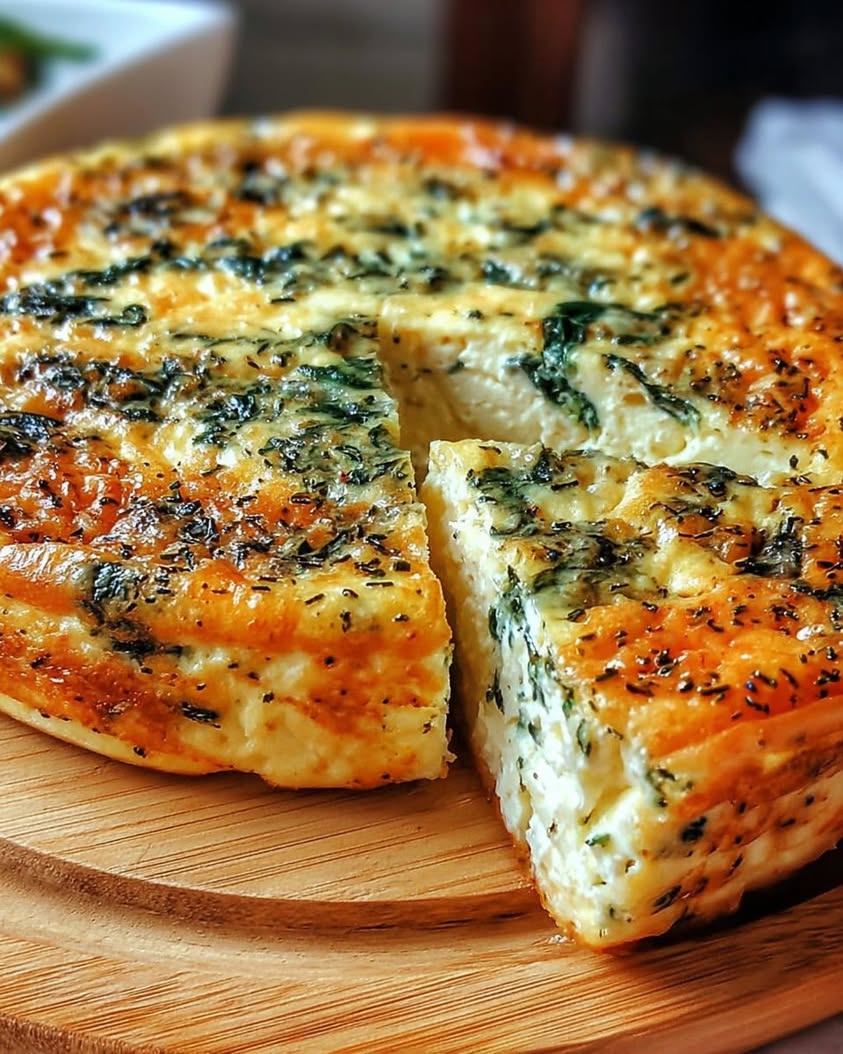
Cottage Cheese Spinach Crustless Quiche: A High-Protein Breakfast
Imagine a breakfast that is both incredibly satisfying and remarkably healthy. This cottage cheese spinach crustless quiche delivers exactly that. It is a perfect harmony of creamy, savory, and fresh flavors baked into a simple, no-fuss dish. Furthermore, it skips the traditional pastry crust, making it a lighter, lower-carb option that does not sacrifice an ounce of deliciousness. The result is a protein-packed meal that will keep you energized all morning long.
This recipe is a true kitchen hero for busy weekdays and leisurely brunches alike. It combines the mild tang of cottage cheese with the earthy sweetness of fresh spinach, all bound together with rich eggs and sharp cheddar. The texture is wonderfully light yet substantial, with a golden-brown top that gives way to a tender, almost soufflé-like interior. Additionally, it is a fantastic way to incorporate more greens and protein into your diet without any compromise on taste.
Whether you are meal-prepping for the week or hosting a special breakfast gathering, this cottage cheese spinach crustless quiche is a reliable choice. It is forgiving for novice cooks and impressive enough for seasoned chefs. Ultimately, it proves that healthy eating can be simple, delicious, and deeply comforting.
Quick Recipe Highlights
- Flavor Profile: This dish offers a savory, cheesy base with the fresh, earthy notes of spinach. The cottage cheese provides a subtle tang, while the sharp cheddar adds a rich, salty depth. A hint of onion and garlic powder rounds out the flavor perfectly.
- Texture: The texture is delightfully light and creamy, thanks to the blended cottage cheese, yet it has a satisfying firmness from the eggs. The melted cheddar creates lovely pockets of gooeyness, and the quiche sets with a beautifully golden, slightly puffed top.
- Aroma: While baking, your kitchen will fill with the irresistible, comforting smell of melting cheese and baking eggs. The subtle herbal scent of the spinach and the warm note of garlic create an aroma that promises a delicious meal.
- Visual Appeal: This quiche boasts a beautiful golden-brown surface speckled with darker bits of baked cheese. Vibrant green spinach flecks throughout the pale yellow interior make for a very appetizing slice. It looks rustic, wholesome, and inviting on any plate.
- Skill Level Needed: This is a beginner-friendly recipe. The process involves simple mixing and pouring—no pastry skills required. The most complex step is wilting the spinach, which is a very straightforward technique. Anyone comfortable with a blender and an oven can achieve excellent results.
- Special Equipment: You will need a standard 9-inch pie dish or a similar baking dish. A blender or food processor is essential for creating the smooth, creamy base with the cottage cheese and eggs. Other than that, just basic mixing bowls and utensils are required.
Recipe Overview
- Difficulty Level: We rate this recipe as “Easy” because it involves fundamental cooking techniques like wilting greens, blending, and baking. There is no finicky crust to make or roll out. The ingredient list is simple, and the steps are sequential and hard to mess up. Even a first-time quiche maker can follow this guide with confidence.
- Category: This dish fits beautifully into several meal categories. Primarily, it is a stellar breakfast or brunch centerpiece. It also works wonderfully as a light lunch or dinner, served with a side salad. Moreover, it is an ideal candidate for healthy meal prep.
- Cuisine: While the concept of a crustless egg bake has roots in many cultures, this version leans into American home cooking with its use of cottage cheese and cheddar. It is a modern, health-conscious take on the classic quiche Lorraine, swapping heavy cream for protein-rich cottage cheese.
- Cost: This is a very budget-friendly recipe. Cottage cheese and eggs are inexpensive protein sources. Fresh spinach and block cheddar are affordable, especially when purchased in larger quantities. Overall, you can make this entire, family-sized dish for less than the cost of eating out for one.
- Season: This cottage cheese spinach crustless quiche is truly a year-round recipe. However, it shines in spring when fresh spinach is at its peak. It also makes for a cozy, comforting meal in fall and winter. During summer, you can serve it at room temperature for a lovely light lunch.
- Occasion: It is perfect for casual family breakfasts, elegant weekend brunches with friends, and holiday mornings like Easter or Mother’s Day. Because it reheats so well, it is also the ultimate make-ahead dish for busy workweeks or postpartum meal trains.
Why You’ll Love This Recipe
First and foremost, the taste and texture of this cottage cheese spinach crustless quiche are utterly delightful. The flavor is deeply savory and cheesy, with the fresh pop of spinach in every bite. The creamy, light texture feels indulgent without being heavy. Consequently, it satisfies cravings for comfort food while still feeling nourishing and clean. You will love how each slice holds together perfectly, offering a uniform, tender crumb that is a joy to eat.
From a convenience standpoint, this recipe is a true winner. The preparation is remarkably straightforward, with minimal active kitchen time. You simply wilt the spinach, blend the wet ingredients, combine everything, and bake. There is no need to pre-bake a crust or worry about soggy bottoms. Furthermore, it is a one-dish meal that requires little cleanup. This makes it an ideal choice for hectic mornings or when you simply do not want to spend hours cooking.
Nutritionally, this dish is a powerhouse. Cottage cheese is an excellent source of slow-digesting casein protein, which promotes muscle repair and keeps you full. Spinach adds a hefty dose of iron, vitamins A, C, and K, along with fiber. Eggs contribute high-quality protein and essential choline. Together, they create a balanced meal that supports energy levels, satiety, and overall health. It is a fantastic way to fuel your body right from the start of the day.
For social and entertaining value, this quiche is incredibly versatile. It can be served warm, at room temperature, or even chilled. It slices neatly and presents beautifully on a brunch buffet. Guests will appreciate that it feels special and homemade, yet it is not fussy. You can easily double the recipe for a crowd by using a larger baking dish or making two batches. It is a dish that appeals to a wide range of tastes and dietary preferences, especially when you consider its lower-carb profile.
Finally, the cost-effectiveness and accessibility of this cottage cheese spinach crustless quiche cannot be overstated. The ingredients are pantry and refrigerator staples for many households. If you do not have fresh spinach, frozen works perfectly. Likewise, you can swap the cheddar for another melting cheese you have on hand. This adaptability means you can often make it without a special grocery trip. It delivers restaurant-quality flavor and satisfaction for a fraction of the price, making healthy eating both easy and economical.
Historical Background and Cultural Significance
The story of the quiche begins in the medieval kingdom of Lotharingia, a region that later became Lorraine, France. The word “quiche” itself is derived from the German “kuchen,” meaning cake. Originally, quiche Lorraine was a simple custard baked in bread dough, made by German cooks in the region. It was a practical, hearty dish for laborers. Over centuries, it evolved, with the bread crust replaced by pastry and the addition of local ingredients like bacon and cream. This rustic pie became a staple of French provincial cuisine.
Culturally, quiche crossed into mainstream American consciousness in the 1970s, largely thanks to the popularization of French cuisine. It became a symbol of casual, elegant entertaining. The “crustless” variation, however, is a more modern innovation, born from dietary trends focusing on lower-carbohydrate and gluten-free eating. Removing the pastry crust simplified preparation and altered the nutritional profile, aligning the dish with contemporary health goals. This adaptation demonstrates how classic recipes evolve to meet new culinary philosophies.
The evolution of this specific recipe, featuring cottage cheese, reflects a mid-20th century American interest in incorporating dairy for protein and health. Cottage cheese enjoyed several waves of popularity as a diet food. Combining it with eggs and vegetables in a baked format was a natural progression for home cooks seeking high-protein, low-cost meals. This cottage cheese spinach crustless quiche is a direct descendant of those kitchen experiments, merging French technique with American ingredient pragmatism.
Regional variations of crustless egg bakes exist worldwide. In Italy, a similar dish might include ricotta and Parmesan. In the Middle East, eggah or ijjeh incorporates greens and spices. The Jewish dish kugel, while often sweet, can also be a savory baked pudding. Our version, with its focus on cottage cheese and cheddar, is distinctly North American. It is a testament to the global language of combining eggs, dairy, and greens into a comforting, nourishing, and versatile meal that transcends its specific origins.
Ingredient Deep Dive
Cottage Cheese: Culturally, cottage cheese is a fresh cheese with a history dating back thousands of years, made by acidifying milk. It became a diet staple in America in the 1950s. Nutritionally, it is a superstar, offering a high amount of casein protein, calcium, and B vitamins with relatively few calories. For this recipe, select a small-curd, 4% milkfat variety for the creamiest texture and richest flavor. Full-fat blends smoother and bakes more luxuriously than fat-free versions. Store it tightly sealed in the coldest part of your fridge. For a substitution, blended ricotta or full-fat Greek yogurt can work, though the texture and tang will differ slightly.
Fresh Spinach: Spinach has a storied history, originating in Persia and spreading via trade routes to China and later Europe. It is celebrated in many cuisines. It is a nutrient-dense leafy green, packed with iron, vitamins A, C, and K, magnesium, and antioxidants. When selecting, look for vibrant, dark green leaves without yellowing or sliminess. For storage, keep it dry in the original container or a bag with a paper towel in the crisper drawer. If fresh is unavailable, frozen chopped spinach, thoroughly thawed and squeezed very dry, is an excellent and economical substitute. You will need about 10 ounces of frozen.
Eggs: Eggs have been a dietary cornerstone across virtually every culture, symbolizing life and nourishment. They are a complete protein source, containing all nine essential amino acids, along with choline for brain health and lutein for eye health. Choose large eggs for consistent results. For the best flavor and nutritional profile, consider pasture-raised eggs if accessible. Store them in their carton on a shelf in the refrigerator, not in the door. There is no direct substitute for eggs in this binding role, but for a dairy-free version, a commercial egg replacer may be attempted, though results will vary.
Sharp Cheddar Cheese: Cheddar originated in the English village of Cheddar in the 12th century. Its aging process develops a complex, tangy flavor. It provides calcium, protein, and fat, which contributes to the quiche’s richness and browning. Select a block of cheese and grate it yourself; pre-shredded cheese contains anti-caking agents that can hinder melting. Sharp or extra-sharp cheddar offers the best flavor punch without needing a large quantity. Store leftover cheese tightly wrapped in parchment and then foil. For substitutions, Gruyère, Monterey Jack, or a Swiss cheese would all be delicious alternatives.
Common Mistakes to Avoid
- Not Squeezing Spinach Dry Enough: Excess water from the spinach is the enemy of a properly set quiche. It will steam during baking and create a watery, loose texture. After wilting, you must cool the spinach and then squeeze it in a clean kitchen towel or with your hands until it feels very dry and compact. This step is non-negotiable for perfect results.
- Using Pre-Shredded Cheese: Pre-shredded bagged cheese is coated with cellulose or potato starch to prevent clumping. These additives can prevent the cheese from melting smoothly into the custard, resulting in a grainy texture. Always take the extra minute to grate a block of cheese yourself for the creamiest outcome.
- Over-blending the Custard: While you want the cottage cheese and eggs to be smooth, over-blending can incorporate too much air. This can cause the quiche to puff dramatically in the oven and then collapse unevenly as it cools. Blend just until the mixture is uniform and no large curds remain.
- Skipping the Rest Time: Pulling the quiche from the oven and slicing it immediately is tempting. However, the custard needs time to finish setting from residual heat. Let it rest on a cooling rack for at least 15-20 minutes. This allows the proteins to firm up, ensuring clean slices that hold their shape.
- Under-seasoning the Mixture: Eggs and cottage cheese need ample seasoning. Do not be shy with the salt and pepper. Taste the mixture before adding the cheese and spinach—it should taste slightly saltier than you want the final product, as baking mellows flavors. Remember to account for the saltiness of your cheddar as well.
- Using the Wrong Dish Size: A 9-inch pie dish is ideal. Using a significantly larger dish will result in a thin, overcooked quiche. Using a smaller dish may cause it to overflow or not cook through in the center. If you must use a different size, adjust the baking time accordingly and keep a close eye on it.
- Overbaking: The goal is a set but still slightly jiggly center. An overbaked quiche becomes rubbery and dry. Start checking at the 35-minute mark. The edges should be fully set and puffed, and a knife inserted near the center should come out clean or with moist crumbs, not wet batter.
- Not Greasing the Dish: Even with non-stick coatings, a light greasing with butter or cooking spray is essential. This ensures easy release and helps achieve those beautifully golden, crispy edges that are a highlight of any crustless quiche.
Essential Techniques
Wilting and Drying Spinach: This technique is crucial for concentrating flavor and removing excess moisture that would ruin the quiche’s texture. Simply add fresh spinach to a pan over medium heat with just the water clinging to its leaves from washing. Cover briefly to steam, then stir until fully wilted. The importance lies in the subsequent drying: you must cool the spinach and squeeze it aggressively in a clean towel. Mastery means getting it as dry as possible—a small, dense ball. The common pitfall is rushing this step. Visual success is a handful of spinach that releases no green liquid when squeezed tightly.
Blending the Custard Base: Creating a smooth, homogeneous custard is key to a uniform texture. Blending the cottage cheese and eggs breaks down the curds and fully incorporates air and protein. It is important because it ensures the quiche sets evenly without pockets of grainy cheese. To master it, use a blender or food processor and pulse until completely smooth. A common mistake is leaving it chunky, which results in an uneven bake. The visual cue is a pale yellow, creamy liquid with no visible white curds. Do not over-blend to a froth, however.
The “Jiggle Test” for Doneness: Determining when a custard-based bake is perfectly cooked is a vital skill. Unlike a cake, a toothpick test can be misleading. Instead, rely on the jiggle test. Gently shake the oven rack. The edges of the quiche should look firm and set, while the center (about the size of a quarter) should have a slight, gentle jiggle—like Jell-O, not liquid. It is important because the residual heat will continue to cook the center as it rests. The pitfall is waiting for the center to look completely firm in the oven, which leads to overbaking. Visual success is a golden-brown top and a center that moves as one cohesive mass, not in waves.
Pro Tips for Perfect Cottage Cheese Spinach Crustless Quiche
- For an extra flavor boost, sauté a finely chopped shallot or 1/4 cup of diced onion in the pan after wilting the spinach. Let it cool before adding it to the mixture.
- Let all your ingredients—eggs, cottage cheese, spinach—come to room temperature for 20-30 minutes before mixing. This helps them combine more smoothly and promotes even baking.
- Add a pinch of freshly grated nutmeg to the custard. It is a classic pairing with spinach and adds a warm, complex note that elevates the entire dish.
- For a prettier presentation, reserve a small handful of grated cheese and a few spinach leaves. Arrange the leaves on top and sprinkle with the cheese before baking for a decorative finish.
- If you are concerned about sticking, line your pie dish with parchment paper after greasing it. This guarantees a flawless release and makes cleanup even easier.
- Use a kitchen scale to measure your squeezed-dry spinach. Aim for 4-5 ounces (about 1 cup packed) after all the water is removed for perfect consistency.
- For a deeper, more savory flavor, use a combination of cheeses. Try half sharp cheddar and half Gruyère, or add a tablespoon of grated Parmesan to the mix.
- Bake the quiche on a preheated baking sheet. This ensures intense bottom heat, helping to set the base quickly and prevent sogginess.
Variations and Adaptations
Regional Variations: To take this dish on a global tour, consider these twists. For a Mediterranean version, use feta cheese, add kalamata olives and sun-dried tomatoes, and include oregano. For a Southwest flair, mix in diced green chiles, use pepper Jack cheese, and top with avocado and salsa after baking. An Italian-inspired adaptation could feature ricotta instead of cottage cheese, add roasted red peppers and basil, and use mozzarella and Parmesan.
Seasonal Adaptations: Embrace produce throughout the year. In spring, add chopped asparagus and fresh herbs like chives and dill. For summer, incorporate sautéed zucchini or yellow squash and fresh cherry tomatoes (seeded). In autumn, roasted mushrooms and caramelized onions are sublime. Winter calls for hearty greens like chopped kale or Swiss chard in place of spinach.
Dietary Modifications: This recipe is naturally gluten-free. For a dairy-free version, use a high-quality, firm tofu blended smooth in place of cottage cheese, a dairy-free cheese shred, and nutritional yeast for a cheesy flavor. To make it vegetarian, ensure no animal rennet is in your cheese. For a keto or stricter low-carb version, increase the fat by using full-fat everything and consider adding cooked, crumbled bacon.
Flavor Variations: The base recipe is a perfect canvas. Add cooked and crumbled breakfast sausage or diced ham for a meatier quiche. Stir in roasted garlic for a sweet, mellow punch. For an herby profile, mix in a 1/4 cup of fresh, soft herbs like parsley, dill, or chives. A teaspoon of Dijon mustard or a dash of hot sauce blended into the custard adds wonderful complexity.
Texture Modifications: For a denser, firmer quiche ideal for slicing cold, increase the number of eggs to 6. For an even lighter, fluffier texture, separate two of the eggs. Blend the yolks with the cottage cheese, then whip the whites to soft peaks and fold them in at the very end before baking.
Presentation Alternatives: Instead of a pie dish, bake individual portions in a greased muffin tin for perfect “quiche cups.” Reduce baking time to 20-25 minutes. For a rustic look, bake it in a seasoned cast-iron skillet. For a more elegant presentation, use a decorative ceramic quiche dish with fluted edges.
Serving and Presentation Guide
Plating Techniques: For a beautiful presentation, run a thin, sharp knife under hot water, wipe it dry, and slice the quiche. Wipe the knife clean between cuts. Use a pie server or thin spatula to lift each slice onto a warm plate. For a family-style service, place the whole quiche, still in its dish, on a trivet or charger in the center of the table. The golden top makes its own statement.
Garnishing Ideas: Simple garnishes add color and freshness. A sprinkle of chopped fresh herbs like chives, parsley, or dill is classic. Thinly sliced radishes or green onions add a nice crunch and color. A dollop of herbed sour cream or Greek yogurt on the side is lovely. For a special touch, a light drizzle of high-quality olive oil or a balsamic glaze reduction just before serving adds sophistication.
Traditional Accompaniments: This quiche pairs wonderfully with a simple mixed green salad dressed with a bright vinaigrette to cut the richness. For breakfast, serve with fresh fruit salad or seasonal berries. Roasted potatoes or hash browns make it a heartier meal. A side of crispy bacon or breakfast sausage links is always a crowd-pleaser.
Modern Serving Suggestions: For a trendy brunch board, slice the quiche and arrange it alongside smoked salmon, capers, cream cheese, bagel chips, and fresh cucumber slices. Alternatively, serve small, cold squares as part of a picnic or lunchbox. For a dinner option, pair it with a hearty soup like tomato basil or a roasted vegetable medley.
Temperature Considerations: This quiche is delicious served warm, at room temperature, or even chilled straight from the refrigerator. For the best texture and flavor, let it cool for at least 15-20 minutes after baking if serving warm. This allows the proteins to set fully. If reheating, do so gently to avoid overcooking.
Portion Control Tips: A standard 9-inch quiche yields 6 generous wedges. For a lighter meal or as part of a larger buffet, you can cut it into 8 smaller slices. When meal-prepping, slice the entire quiche and store portions individually for easy grab-and-go meals throughout the week.
Wine and Beverage Pairing
Wine Pairings: The creamy, savory, and slightly tangy profile of this quiche calls for wines with good acidity to cleanse the palate. A crisp, dry white wine like Sauvignon Blanc or Pinot Grigio is a classic and excellent choice. For a more robust option, a light-bodied, low-tannin red like Beaujolais or Pinot Noir works beautifully, especially if you have added mushrooms or sausage. A dry sparkling wine or Champagne is always a celebratory and perfect pairing for brunch, as the bubbles cut through the richness delightfully.
Non-Alcoholic Alternatives: For a refreshing non-alcoholic option, a sparkling water with a squeeze of lemon or lime is ideal. Iced herbal teas, like mint or lemon verbena, complement the dish well. A Virgin Bloody Mary or a tomato-based gazpacho shooter served on the side offers a savory, spicy counterpoint. For something creamy, a chai latte or a golden turmeric milk provides a warm, comforting pairing.
Coffee and Tea Pairings: For a classic brunch, a medium-roast coffee with low acidity pairs nicely, especially with a splash of cream. A black tea like English Breakfast or Earl Grey is a timeless match. For a more unique pairing, try a green tea with grassy notes, which can echo the flavor of the spinach. Herbal teas such as chamomile or rooibos offer a caffeine-free, soothing complement.
Temperature Considerations: Serve white and sparkling wines well-chilled, between 45-50°F. Light reds like Pinot Noir should be slightly cool, around 55°F. Iced beverages should be cold but not diluted; use large ice cubes or frozen fruit. Hot coffee and tea should be served piping hot to provide a pleasant temperature contrast with the warm or room-temperature quiche.
Serving Suggestions: Always offer water alongside any other beverage. For a group, set up a coffee station and a pitcher of infused water with citrus and herbs. When serving wine, consider the time of day—lighter wines and non-alcoholic options are often preferred for brunch, while dinner service might welcome a fuller red. Ultimately, let your guests’ preferences guide you for the most enjoyable experience.
Storage and Shelf Life
Storage Methods: Once completely cooled, cover the quiche tightly with plastic wrap or aluminum foil. Alternatively, transfer individual slices to an airtight container. You can store the whole quiche in its baking dish if covered well. The key is to prevent air exposure, which can dry it out and allow odors from the fridge to be absorbed.
Temperature Requirements: This quiche must be refrigerated. Do not leave it at room temperature for more than two hours. Store it in the main body of the refrigerator, not in the door, where temperatures fluctuate more. The ideal fridge temperature is 40°F or below to ensure food safety and preserve quality.
Container Recommendations: For the whole quiche, a glass or ceramic pie dish with a tight-fitting lid is ideal. If you do not have a lid, use a layer of plastic wrap pressed directly onto the surface, then cover the whole dish with foil. For slices, stack them with parchment paper between layers in a rectangular glass container with a sealable lid.
Signs of Spoilage: Discard the quiche if you notice an off or sour smell, significant discoloration (like gray or green patches), or visible mold. If the texture becomes excessively slimy or watery, it is a sign of bacterial growth. When in doubt, follow the golden rule: when unsure, throw it out.
Reheating Instructions: To reheat a whole quiche, cover it with foil and warm it in a 300°F oven for 15-20 minutes, until heated through. For a single slice, the microwave is convenient: heat on a microwave-safe plate for 45-60 seconds. For best texture, use the oven or a toaster oven. You can also reheat slices in a non-stick skillet over low heat with a lid to steam it gently.
Freezing Guidelines: This quiche freezes very well. Cool it completely, then wrap the whole quiche or individual slices tightly in plastic wrap, followed by a layer of heavy-duty aluminum foil. Label with the date. Freeze for up to 2-3 months. Thaw overnight in the refrigerator before reheating. Note that the texture may be slightly more watery after freezing and thawing, but it will still taste great.
Make Ahead Strategies
Prep Timeline: You can prepare this quiche fully 1-2 days in advance. Simply bake as directed, cool completely, cover, and refrigerate. Reheat before serving. For components, you can wilt and dry the spinach and grate the cheese up to 2 days ahead, storing them separately in airtight containers in the fridge. The custard mixture can be blended and stored in the fridge for up to 24 hours, though it may separate slightly; just give it a good stir before using.
Storage Between Steps: If prepping components ahead, keep the dried spinach in a sealed container with a paper towel to absorb any residual moisture. Store grated cheese in a zip-top bag, pressing out all the air. Keep the blended custard base in a pitcher or bowl with a lid. Assemble the quiche just before baking for the freshest results, or assemble the night before and bake in the morning.
Quality Impact Assessment: Making the quiche a day ahead often improves the flavor, as the ingredients have time to meld. The texture may be slightly denser after refrigeration, but reheating restores much of its freshness. Pre-assembling and refrigerating unbaked is possible but not ideal, as the salt can draw more moisture from the spinach over time, potentially creating a wetter bake.
Assembly Tips: For best results with make-ahead assembly, layer the dry ingredients (spinach, cheese) in the greased dish. Pour the custard over just before baking. If you must assemble completely ahead, let the filled dish sit on the counter for 20-30 minutes before baking to take the chill off, which promotes even cooking.
Reheating Guidelines: Reheat a whole refrigerated quiche, covered with foil, at 325°F for 20-25 minutes, or until the internal temperature reaches 165°F. For slices, a toaster oven or conventional oven will yield a better texture than a microwave. If using a microwave, cover the slice with a damp paper towel to prevent rubberiness.
Fresh Element Additions: If making ahead, consider adding fresh elements after reheating. A sprinkle of flaky sea salt, a crack of black pepper, a drizzle of fresh herb oil, or a garnish of microgreens added just before serving will make the dish taste freshly made and bright.
Scaling Instructions
Halving the Recipe: To make a smaller quiche, simply divide all ingredient quantities by two. Use a 7-inch pie dish or a standard loaf pan. The baking time will be shorter; start checking for doneness at 25 minutes. Halving is perfect for couples or small families and reduces leftovers. Ensure you still blend the custard base smoothly, even with smaller volumes.
Doubling or Tripling: Doubling is straightforward for a crowd. Multiply all ingredients by two or three. For two quiches, use two 9-inch dishes and swap their positions in the oven halfway through baking. For one large batch, use a 9×13 inch baking dish. The baking time will increase; a 9×13 may take 50-60 minutes. Check for the same visual and jiggle cues. Tripling is best done in multiple standard dishes for even cooking.
Equipment Adjustments: When scaling up, ensure your blender can handle the increased volume of the custard base. You may need to blend in batches. For a 9×13 dish, a standard blender pitcher should hold a double batch. Have enough mixing bowls on hand for combining the scaled ingredients. Use a larger whisk or a hand mixer if needed to combine everything thoroughly.
Timing Modifications: As a general rule, smaller, thinner quiches bake faster, and larger, thicker ones bake slower. Do not rely solely on the original timer. Instead, watch for the visual cues: golden-brown top, set edges, and the slight jiggle in the center. Use an instant-read thermometer for precision; the center should register 160-165°F when done.
Storage Considerations: Scaling up means more leftovers. Plan your storage containers in advance. Consider freezing portions if you have made a very large batch. Label everything clearly with the date. Remember that a larger dish may be more cumbersome to cover and store in the refrigerator, so transferring slices to containers might be more practical.
Nutritional Deep Dive
Macro Breakdown: A serving of this cottage cheese spinach crustless quiche is an excellent source of high-quality protein and healthy fats, with minimal carbohydrates. The cottage cheese and eggs provide the majority of the protein, contributing to muscle maintenance and satiety. The fats come primarily from the egg yolks, cheese, and the milkfat in the cottage cheese, which aid in nutrient absorption and provide sustained energy. The carbohydrates are low and come mainly from the spinach and the natural lactose in the dairy, making this a suitable dish for lower-carb eating plans.
Micronutrient Analysis: This dish is rich in several essential vitamins and minerals. Spinach delivers a powerhouse of Vitamin K for bone health, Vitamin A for vision and immunity, and folate. Eggs are one of the best food sources of choline, critical for brain function and liver health. Dairy provides a significant amount of calcium and phosphorus for strong bones and teeth. Additionally, you get B vitamins from the eggs and cheese, which support energy metabolism.
Health Benefits: Regularly consuming meals like this can support weight management due to the high protein and fat content promoting fullness. The combination of protein and calcium is beneficial for bone density. The antioxidants in spinach, like lutein and zeaxanthin, support eye health. The healthy fats support hormone production and cell membrane integrity. It is a balanced meal that stabilizes blood sugar levels, preventing mid-morning energy crashes.
Dietary Considerations: This recipe is naturally gluten-free. It is high in protein and can be adapted for low-carb and keto diets by ensuring full-fat dairy is used. It contains dairy and eggs, so it is not suitable for vegan or dairy-free diets without modification. Those with lactose intolerance may tolerate it well due to the lower lactose content in aged cheddar and the culturing of cottage cheese, but sensitivity varies.
Portion Analysis: One-sixth of the quiche is a substantial and satisfying portion. For those with higher calorie needs, pair it with a side of whole-grain toast or roasted potatoes. For lower calorie needs, a single slice with a large side salad makes a complete meal. The portion size is flexible, allowing you to adjust based on your individual hunger and nutritional goals.
Weight Management Tips: This quiche is a fantastic tool for weight management. Its high protein content increases thermogenesis (calories burned during digestion) and reduces ghrelin, the hunger hormone. To keep calories in check, use a strong-flavored cheese like extra-sharp cheddar so you can use less. Ensure you squeeze the spinach thoroughly to avoid a watery texture that feels less satisfying. Pair it with a volume-rich side like a big green salad to increase Print
Cottage Cheese & Spinach Crustless Quiche
- Total Time: 45 minutes
- Yield: 4
Description
A light, protein-packed quiche with cottage cheese and fresh spinach, baked without a crust for a simple, wholesome meal.
Ingredients
- 6 large eggs
- 1 cup cottage cheese
- 1 cup fresh spinach, chopped
- 1/2 cup shredded cheddar cheese
- 1/4 cup diced onion
- 1/4 teaspoon salt
- 1/4 teaspoon black pepper
- 1/4 teaspoon garlic powder
Instructions
- Preheat oven to 375°F (190°C) and grease a 9-inch pie dish.
- In a large bowl, whisk the eggs until smooth. Stir in cottage cheese, spinach, cheddar cheese, onion, salt, pepper, and garlic powder.
- Pour the mixture into the prepared pie dish and bake for 30-35 minutes, or until the center is set and the top is golden brown.
- Let cool for 5 minutes before slicing and serving.
Notes
You can customize the seasonings to taste.
- Prep Time: 15 minutes
- Cook Time: 30 minutes
- Method: Main
- Cuisine: American