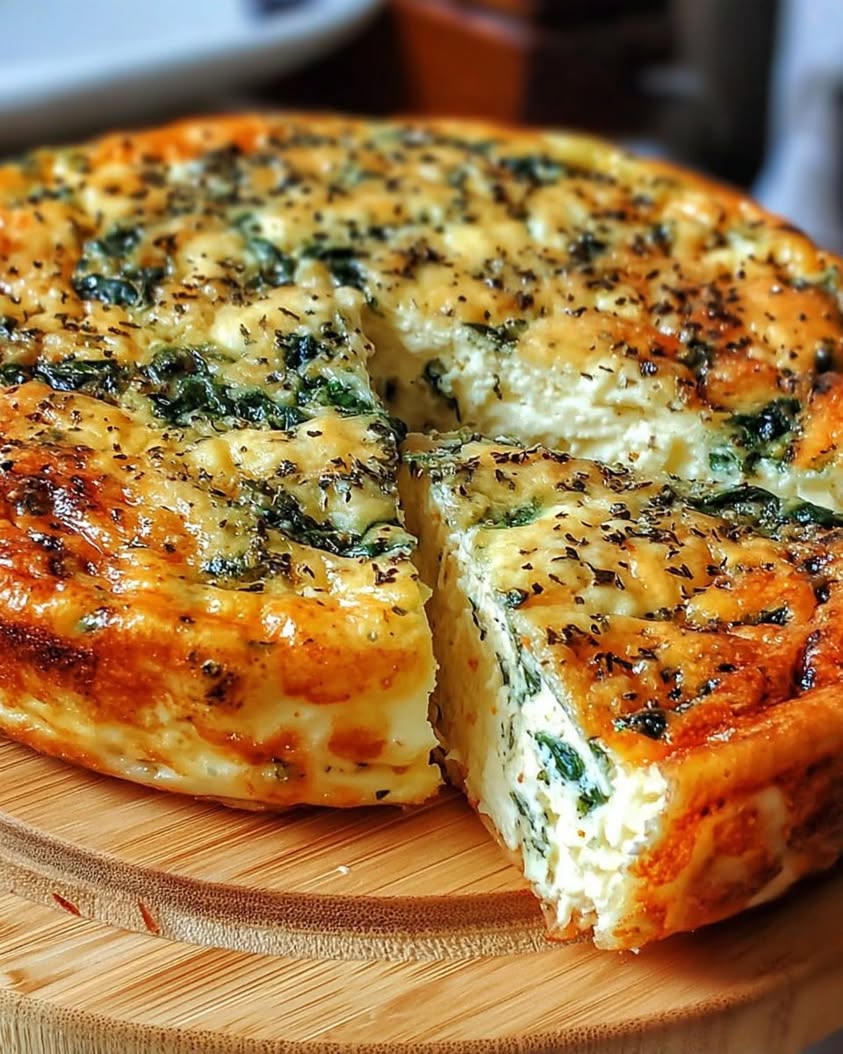
Easy Cottage Cheese & Spinach Crustless Quiche: A Protein-Packed Brunch Hero
This Easy Cottage Cheese & Spinach Crustless Quiche delivers everything you crave in a classic quiche without the fuss of rolling out pastry dough. Therefore, you get a tender, custardy center loaded with protein-rich cottage cheese and vibrant spinach in every single bite. Because the recipe skips the crust entirely, it comes together quickly on busy mornings and works just as beautifully for a lazy Sunday brunch. Moreover, the filling bakes into a golden, slightly puffed masterpiece that looks impressive on any table.
If you love savory breakfast dishes that keep you full for hours, this Easy Cottage Cheese & Spinach Crustless Quiche will quickly become your go-to. The cottage cheese melts into the egg mixture and creates a creamy texture that rivals heavy cream versions, yet it adds a boost of lean protein. Meanwhile, the spinach contributes color, iron, and a mild earthy flavor that pairs beautifully with sharp cheese and sweet sautéed onions. Consequently, each slice feels both indulgent and nourishing at the same time.
Furthermore, this recipe welcomes customization, so you can adapt it to your family’s tastes without any stress. Whether you serve it warm from the oven, at room temperature on a buffet, or chilled the next day for meal prep, the quiche holds its shape and flavor beautifully. In addition, it reheats in minutes and freezes well, which makes it a smart choice for weekly meal planning. As a result, you get a versatile, crowd-pleasing dish that fits almost any occasion.
Quick Recipe Highlights
- Flavor Profile: The quiche blends savory eggs with tangy cottage cheese, nutty Gruyère, and sweet caramelized onions. Earthy spinach rounds out the flavor with a fresh, garden-like note. Consequently, every bite tastes balanced and rich without feeling heavy.
- Texture: The interior bakes into a soft, velvety custard that practically melts on your tongue. Meanwhile, the top develops a light golden crust that adds a subtle bite. Additionally, the spinach leaves introduce a tender, leafy contrast.
- Aroma: Warm notes of sautéed onion and melting cheese fill your kitchen as the quiche bakes. Nutmeg adds a gentle, cozy warmth that enhances the eggs. Therefore, the smell alone draws everyone to the table.
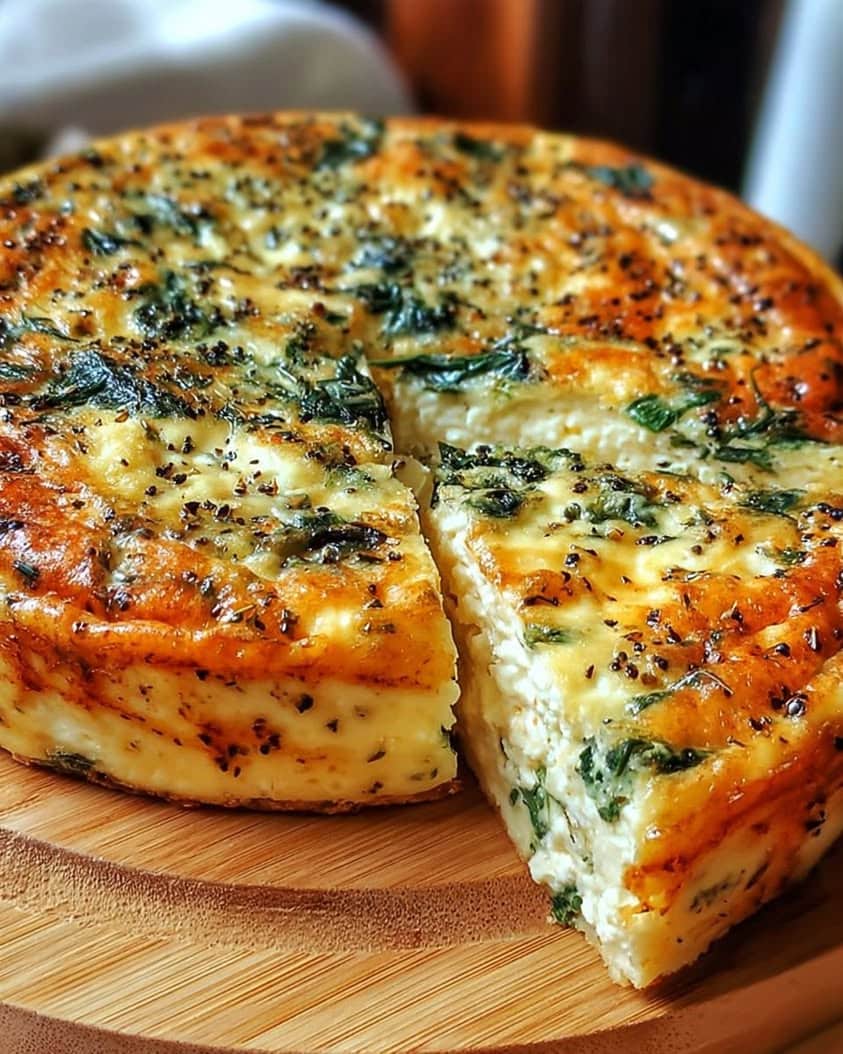
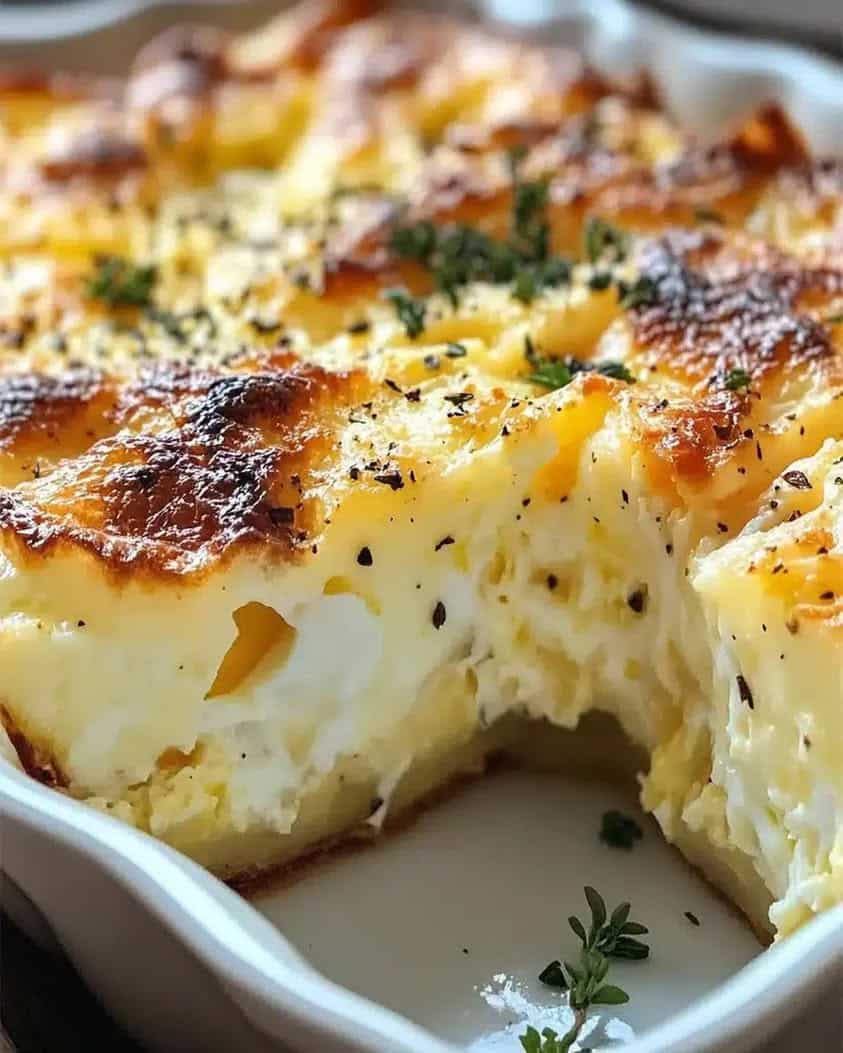
- Visual Appeal: The finished quiche shows off a golden top with flecks of green spinach scattered throughout. Moreover, the sliced wedges reveal a creamy, pale yellow interior that looks elegant on any plate. As a result, it photographs beautifully for brunch spreads.
- Skill Level Needed: This recipe suits beginners because it requires only whisking, sautéing, and baking. You do not need pastry skills or advanced techniques. In fact, anyone who can crack eggs and stir a bowl can master this dish.
- Special Equipment: You need a 9-inch pie dish or round baking pan, a large skillet, and a mixing bowl. A whisk and a spatula handle the rest. Additionally, a sharp knife makes slicing clean wedges simple.
Recipe Overview
- Difficulty Level: This recipe earns an easy rating because each step uses basic kitchen skills. You simply sauté the vegetables, whisk the eggs, and bake the mixture. Furthermore, the oven does most of the work, so you can tidy up while it bakes. Therefore, even a first-time quiche maker will succeed.
- Category: This dish fits breakfast, brunch, lunch, and light dinner categories with equal ease. You can serve it as a main course or slice it into small squares as an appetizer. Consequently, it covers many menu needs throughout the week.
- Cuisine: The recipe draws from classic French quiche traditions but simplifies them for American home kitchens. French cooks perfected the savory egg custard centuries ago, and this version honors that heritage while removing the crust. Additionally, it reflects modern American preferences for high-protein, low-carb meals. As a result, it feels both timeless and current.
- Cost: The ingredients cost roughly ten to twelve dollars total, depending on cheese choices. Eggs and cottage cheese rank among the most affordable protein sources at the grocery store. Moreover, spinach costs little whether you buy it fresh or frozen. Therefore, each serving lands under two dollars.
- Season: This quiche shines in spring when fresh spinach peaks, yet it works year-round thanks to frozen spinach. Fall and winter gatherings love its warm, comforting qualities. Meanwhile, summer brunches appreciate its light, protein-forward profile. In short, you can make it any month.
- Occasion: Serve it for Easter brunch, Mother’s Day, baby showers, or holiday mornings. It also suits casual weekend breakfasts and meal-prep Sundays. Additionally, potlucks and office parties welcome this dish because it travels well and tastes great at room temperature.
Why You’ll Love This Recipe
First, the taste and texture of this Easy Cottage Cheese & Spinach Crustless Quiche will win you over instantly. The cottage cheese melts into the eggs and creates a creamy, luxurious custard without any heavy cream. Meanwhile, the Gruyère adds a nutty depth that complements the spinach perfectly. Because the onions caramelize slightly during sautéing, they bring a natural sweetness that balances the savory notes. Consequently, every slice delivers a restaurant-quality experience from your own oven.
Second, convenience sets this recipe apart from traditional quiche versions. You skip the crust entirely, which saves you thirty minutes of chilling, rolling, and blind baking. Instead, you whisk the filling, pour it into a dish, and bake. Furthermore, the whole process uses one skillet and one bowl, so cleanup stays minimal. As a result, you can pull off an impressive brunch dish even on a rushed weekday morning.
Third, the nutritional profile gives you plenty of reasons to celebrate. Each serving packs around eighteen grams of protein thanks to the eggs and cottage cheese. Additionally, spinach delivers iron, vitamin K, and folate, while the eggs contribute choline and B vitamins. Because the recipe skips the crust, it also cuts unnecessary carbs and calories. Therefore, you enjoy a satisfying meal that supports your health goals.
Fourth, this quiche excels as a social and entertaining dish. It feeds six people generously, and you can double it in a larger baking dish for bigger crowds. Because it tastes delicious warm, at room temperature, or chilled, you can bake it ahead and focus on your guests. Moreover, its golden top and green flecks make a beautiful centerpiece on any buffet table. Consequently, hosts love how effortlessly it impresses.
Fifth, the cost-effectiveness and accessibility make this recipe a weeknight staple. All the ingredients come from any standard grocery store, and none of them require a specialty market trip. Additionally, you can swap in whatever cheese, greens, or add-ins you already have on hand. Because cottage cheese costs far less than heavy cream or specialty cheeses, you save money without sacrificing flavor. As a result, this dish delivers incredible value for your grocery budget.
Historical Background and Cultural Significance
The story of quiche begins in the medieval kingdom of Lorraine, a region that now straddles France and Germany. Bakers there created savory egg tarts using local ingredients like eggs, cream, and bacon. Over time, the dish evolved into the quiche Lorraine that diners recognize today. Consequently, the quiche earned a permanent place in French culinary tradition.
During the twentieth century, quiche crossed the Atlantic and became a staple of American brunch culture. Home cooks embraced it because it offered elegance with simple preparation. Meanwhile, the crustless variation emerged as health trends shifted toward lower-carb eating. Therefore, the crustless quiche represents a natural evolution of a beloved classic.
The recipe evolved further as cottage cheese gained popularity among fitness-focused cooks. Because cottage cheese blends smoothly into custards, it replaces heavy cream while adding protein. Additionally, spinach became a favored addition for its nutrients and mild flavor. As a result, the modern cottage cheese and spinach quiche bridges old-world technique with contemporary nutrition science.
Regional variations abound across the United States and Europe. In the American South, cooks add ham, grits, or pimento cheese to their quiches. Meanwhile, Mediterranean versions incorporate feta, olives, and tomatoes. French bakers still favor cream-based fillings with bacon or leeks. Regardless of the variation, the core idea remains the same: a savory egg custard that satisfies deeply.
Ingredient Deep Dive
Cottage Cheese: Cottage cheese has fed families for centuries, with origins tracing back to ancient dairy-farming cultures. It offers an impressive protein-to-calorie ratio, along with calcium and vitamin B12. When you shop, choose a small-curd variety with low moisture for the smoothest texture. Store it in the coldest part of your fridge and use it within a week of opening. If you want a substitute, ricotta or Greek yogurt works well in equal amounts.
Moreover, cottage cheese blends into a silky custard when you whisk it with eggs. Because it contains whey and curds, it adds body without making the quiche dense. Additionally, it contributes a mild tang that elevates the overall flavor. Therefore, it deserves a permanent spot in your brunch rotation.
Fresh Spinach: Spinach originated in ancient Persia and traveled to Europe through trade routes centuries ago. Today, it ranks among the most nutrient-dense greens available, offering iron, vitamin K, and antioxidants. When selecting fresh spinach, look for crisp, deep green leaves without yellowing or wilting. Store it in a breathable bag in your refrigerator’s crisper drawer and use it within five days. If you prefer convenience, frozen spinach substitutes perfectly after you squeeze out the excess water.
In addition, spinach brings a gentle earthy flavor and a pop of green color to the quiche. Because it wilts quickly, it folds into the custard with minimal effort. Furthermore, its mild taste appeals even to picky eaters. As a result, it makes an ideal vegetable partner for eggs and cheese.
Eggs: Eggs have served as a kitchen staple across nearly every culture for thousands of years. They provide complete protein, healthy fats, and essential vitamins like D and B12. Select eggs with clean, uncracked shells, and check the sell-by date for freshness. Keep them refrigerated at around forty degrees Fahrenheit for up to five weeks. As a substitute, liquid egg products or egg whites work, though the texture shifts slightly.
Beyond nutrition, eggs create the structure that holds the entire quiche together. Because they coagulate during baking, they turn the liquid filling into a sliceable custard. Additionally, they carry flavors beautifully from the cheese and vegetables. Therefore, eggs form the backbone of this recipe.
Gruyère Cheese: Gruyère hails from the Swiss Alps, where cheesemakers have produced it for nearly a thousand years. It delivers calcium, protein, and a rich, nutty flavor that melts smoothly. When buying Gruyère, look for a firm wheel with small holes and a smooth rind. Store it wrapped tightly in the refrigerator for up to three weeks. If you need a swap, Swiss, Jarlsberg, or sharp white cheddar each work beautifully.
Additionally, Gruyère elevates the quiche from simple to sublime with its deep, savory notes. Because it melts evenly, it distributes flavor throughout every bite. Meanwhile, its golden hue contributes to the quiche’s appealing color. Consequently, it remains the top cheese choice for this dish.
Onion: Onions grow worldwide and have anchored savory cooking since ancient times. They supply antioxidants and prebiotic fiber that support gut health. Choose firm, dry onions with tight skins and no soft spots. Keep them in a cool, dark, well-ventilated spot for several weeks. If you want a milder option, shallots or leeks make excellent substitutes.
Furthermore, sautéed onions bring a caramelized sweetness that transforms the filling. Because they soften and sweeten as they cook, they add depth without overpowering the other ingredients. Additionally, they contribute moisture that keeps the quiche tender. As a result, they play a small but vital role.
Common Mistakes to Avoid
- Skipping the spinach squeeze: Frozen spinach holds a surprising amount of water, and that liquid will turn your quiche soggy if you skip this step. Therefore, wrap the thawed spinach in a clean towel and wring it out thoroughly. You should end up with dry, crumbly spinach before you fold it into the filling.
- Overbeating the eggs: Whisking too aggressively incorporates excess air, which causes the custard to puff and then collapse. Instead, whisk gently until the yolks and whites just combine. Consequently, you get a smooth, even texture rather than a spongy one.
- Under-seasoning the custard: Eggs and dairy absorb salt slowly, so a light hand leads to a flat-tasting quiche. Therefore, season the custard generously with salt, pepper, and nutmeg. Then taste a tiny bit of the raw mixture to check the balance before baking.
- Using wet cottage cheese: Large-curd cottage cheese with visible pools of whey creates a watery filling. Instead, drain the cottage cheese in a fine mesh strainer for ten minutes before whisking. This step keeps the custard thick and creamy.
- Baking at too high a temperature: High heat causes the eggs to curdle and develop a rubbery, weeping texture. Therefore, stick with a moderate oven around 350 degrees Fahrenheit. As a result, the custard sets slowly and stays silky.
- Not greasing the dish: Even though the quiche contains fat, it can stick to ungreased glass or ceramic. Therefore, brush the dish generously with butter or oil before pouring in the filling. Consequently, each wedge slides out cleanly.
- Overbaking the quiche: An overbaked custard turns dry, cracked, and spongy. Therefore, pull the quiche from the oven when the center still jiggles slightly. It will finish setting as it cools.
- Adding watery vegetables raw: Vegetables like tomatoes, zucchini, or mushrooms release liquid during baking. Therefore, sauté or roast them first and drain any excess moisture. This step protects your custard from turning soupy.
- Cutting too soon: Slicing a hot quiche causes the filling to run and the wedges to fall apart. Instead, let it rest for at least ten minutes before you cut. As a result, the custard firms up and slices cleanly.
- Neglecting the salt-to-cheese ratio: Salty cheeses like feta or Parmesan can overwhelm the custard if you salt the eggs first. Therefore, taste your cheese and adjust the added salt accordingly. This small step keeps the flavor balanced.
Essential Techniques
Whisking the Custard Gently: Gentle whisking matters because it controls how much air enters the egg mixture. When you whisk slowly, the custard bakes into a dense, creamy texture that slices beautifully. To master this technique, use a balloon whisk and move it in wide, slow circles until the yolks and whites just blend. Watch for a uniform pale yellow color with no streaks of white or yolk. If you see foam on the surface, you have whisked too long.
Sautéing the Aromatics: Sautéing onions and garlic develops the flavor foundation for the entire quiche. This step matters because raw onions taste harsh and sharp, while cooked onions turn sweet and mellow. To master it, heat your skillet over medium heat, add butter or oil, and cook the onions until they turn translucent and lightly golden. Stir occasionally to prevent burning, and watch for a soft, glossy texture. If the onions brown too fast, lower the heat immediately.
Wringing Out Spinach: Removing excess water from spinach keeps the custard from turning soggy. This technique matters because water dilutes the egg mixture and prevents proper setting. To master it, place the spinach in a clean kitchen towel, gather the corners, and twist firmly over the sink. Continue squeezing until no more liquid drips out. The spinach should look dry and clump together when you finish.
Testing for Doneness: Knowing when to pull the quiche from the oven guarantees a creamy texture every time. This skill matters because the difference between silky and rubbery custard comes down to a few minutes. To master it, gently shake the pan; the center should wobble slightly like set gelatin. You can also insert a knife an inch from the edge; it should come out clean, while the center remains slightly soft. If the whole surface looks firm, you have baked it too long.
Cooling and Resting: Resting the quiche allows the custard to finish setting and the flavors to meld. This step matters because slicing too early creates a runny mess on the plate. To master it, transfer the baked quiche to a wire rack and let it sit for at least ten minutes. The residual heat continues cooking the center gently. You will notice the surface firm up as it cools.
Pro Tips for Perfect Easy Cottage Cheese & Spinach Crustless Quiche
Blend the cottage cheese briefly in a food processor or blender before whisking it with the eggs. This step breaks down the curds and creates an ultra-smooth custard that mimics heavy cream. Consequently, even cottage cheese skeptics will love the finished texture.
Preheat your oven fully before you slide the quiche inside. A hot oven helps the custard set evenly from the edges inward. Additionally, it promotes a lightly golden top without drying out the center.
Place your pie dish on a rimmed baking sheet before baking. This simple move catches any spills and makes transferring the quiche in and out of the oven safer. Moreover, it stabilizes the dish so the custard stays level.
Add a pinch of fresh nutmeg to the custard. Nutmeg complements spinach and eggs beautifully and adds a subtle warmth that diners notice without identifying. Furthermore, it enhances the overall savory profile.
Let the sautéed onions cool for five minutes before adding them to the eggs. Hot vegetables can start cooking the eggs prematurely, which creates lumps. Therefore, spread them on a plate to cool quickly.
Use a water bath if you want an extra silky custard. Set the pie dish inside a larger pan, then pour hot water halfway up the sides. Because the water insulates the custard, it bakes gently and evenly. This technique adds a few minutes to the bake time but delivers impressive results.
Check the quiche at the lower end of the baking window. Every oven runs differently, and a few minutes can mean the difference between creamy and dry. Therefore, start testing at forty minutes and add time as needed.
Garnish with fresh herbs right before serving for a burst of color and freshness. Chives, parsley, or dill each pair wonderfully with the spinach and cheese. As a result, the quiche looks and tastes restaurant quality.
Variations and Adaptations
Regional Variations: In Provence, cooks add herbes de Provence, goat cheese, and roasted tomatoes to their crustless quiche. Meanwhile, Italian-American kitchens fold in ricotta, mozzarella, and basil for a caprese-inspired twist. Greek versions incorporate feta, olives, and oregano for a Mediterranean flair. Additionally, Southwestern cooks add green chiles, pepper jack, and cumin for a spicy kick. Each regional adaptation reflects local ingredients and traditions.
Seasonal Adaptations: Spring brings fresh peas, asparagus, and ramps that pair beautifully with spinach. Summer welcomes zucchini, tomatoes, and fresh herbs, though you should sauté watery vegetables first. Fall invites mushrooms, caramelized onions, and sage for a cozy flavor profile. Winter calls for hearty greens like kale and Swiss chard along with smoked cheeses.
Dietary Modifications: Gluten-free eaters already enjoy this recipe because it contains no flour or crust. Dairy-free cooks can substitute dairy-free cottage cheese, plant-based milk, and nutritional yeast for the cheese. Vegan bakers can use a chickpea flour base or silken tofu blended with turmeric for color. Each modification changes the texture slightly, so adjust seasonings to taste.
Flavor Variations: Add crumbled bacon, diced ham, or smoked salmon for a heartier version. Meanwhile, sun-dried tomatoes, roasted red peppers, or artichoke hearts bring Mediterranean notes. For a spicy kick, stir in jalapeños, pepper jack, and a dash of hot sauce. Additionally, truffle oil or fresh herbs can elevate the flavor to something elegant.
Texture Modifications: For a denser, sliceable quiche, reduce the milk by a quarter cup. If you prefer a lighter, soufflé-like texture, whip the egg whites separately and fold them in gently. Meanwhile, adding a tablespoon of cornstarch or almond flour thickens the custard for cleaner slices. Each tweak changes the mouthfeel without altering the core flavor.
Presentation Alternatives: Bake the filling in a muffin tin for individual portions that work beautifully for parties. Alternatively, use a tart pan for a more elegant look, or bake it in a cast-iron skillet for a rustic farmhouse feel. You can also cut the quiche into small squares and serve them on skewers as appetizers. Each presentation suits a different occasion.
Serving and Presentation Guide
Plating Techniques: Place a single wedge slightly off-center on a white plate to let the golden top and green flecks shine. Add a small side salad dressed with lemon vinaigrette to balance the richness. Moreover, a drizzle of herb oil or a dollop of crème fraîche adds visual interest. Consequently, the plate looks polished with minimal effort.
Garnishing Ideas: Fresh chives, microgreens, or torn basil leaves add color and freshness. Meanwhile, a light dusting of paprika or cracked black pepper gives a subtle textural finish. For special occasions, top each slice with a tiny dollop of pesto or a shaving of Parmesan. These small touches transform a simple dish into something memorable.
Traditional Accompaniments: Classically, a green salad with a tangy vinaigrette cuts through the richness beautifully. Additionally, roasted potatoes, crusty bread, or a fruit salad round out the plate. For brunch, pair it with fresh berries, yogurt, and mimosas. Each side complements the quiche without competing with its flavor.
Modern Serving Suggestions: Serve slices over a bed of arugula dressed with lemon and olive oil for a contemporary café feel. Alternatively, tuck a wedge into a warm croissant or brioche bun for a quiche sandwich. You can also cube the quiche and serve it on a charcuterie board alongside olives and pickles. These modern twists suit casual gatherings and upscale events alike.
Temperature Considerations: This quiche tastes delicious warm, at room temperature, or chilled. Warm slices emphasize the melted cheese, while room-temperature slices feel lighter and more portable. Chilled slices work well for meal prep and lunch boxes. Therefore, choose the temperature that suits your occasion.
Portion Control Tips: Cut the quiche into six generous wedges for a main course or twelve smaller squares for appetizers. For buffet service, pre-slice and arrange the wedges on a platter so guests can serve themselves easily. Additionally, pair each portion with a light side to keep the meal balanced. As a result, everyone leaves the table satisfied.
Wine and Beverage Pairing
Wine Pairings: A crisp Sauvignon Blanc complements the spinach and tangy cottage cheese beautifully. Meanwhile, an unoaked Chardonnay brings a buttery quality that echoes the custard’s richness. For red wine lovers, a light Pinot Noir offers red fruit notes without overwhelming the dish. Additionally, a dry rosé or sparkling wine works wonderfully for brunch celebrations.
Non-Alcoholic Alternatives: Sparkling water with lemon and fresh mint refreshes the palate between bites. Alternatively, a virgin Bloody Mary brings a savory, spicy kick that pairs beautifully with eggs. Fresh-pressed apple cider offers a sweet contrast in autumn, while iced tea with peach works well in summer. Each option keeps the meal festive without alcohol.
Coffee and Tea Pairings: A medium-roast coffee with nutty or chocolate notes complements the Gruyère and caramelized onions. Meanwhile, a lightly brewed green tea or an English breakfast tea adds a gentle bitterness that balances the richness. For a special touch, serve a lavender or chamomile tea to enhance the floral notes of spinach. Each pairing elevates the brunch experience.
Temperature Considerations: Serve white wines well chilled around fifty degrees Fahrenheit for maximum crispness. Red wines taste best slightly below room temperature, around sixty degrees. Non-alcoholic beverages should stay ice cold for refreshment. Meanwhile, hot coffee and tea should arrive at a comfortable sipping temperature.
Serving Suggestions: Set up a beverage station so guests can pour their own drinks. Additionally, offer a variety of options so everyone finds something they enjoy. Keep white wine in an ice bucket and red wine at room temperature. As a result, your brunch flows smoothly and guests feel cared for.
Storage and Shelf Life
Storage Methods: Cool the quiche completely before storing it to prevent condensation and sogginess. Then, wrap it tightly in plastic wrap or transfer slices to an airtight container. Additionally, place parchment paper between layers if you stack slices. This approach keeps the quiche fresh and prevents sticking.
Temperature Requirements: Store the quiche in the refrigerator at or below forty degrees Fahrenheit. It keeps safely for up to four days. Meanwhile, never leave it at room temperature for more than two hours, especially in warm weather. Following these guidelines protects both flavor and food safety.
Container Recommendations: A glass or plastic airtight container works best for refrigerator storage. For single slices, wrap each one in foil or beeswax wrap for easy grabbing. Meanwhile, a shallow container prevents the quiche from getting crushed. Consequently, your leftovers stay neat and ready to eat.
Signs of Spoilage: Discard the quiche if you notice a sour smell, sliminess, or visible mold. Additionally, an off color or a watery texture signals that bacteria have taken over. When in doubt, throw it out. Food safety always comes first.
Reheating Instructions: Reheat individual slices in the microwave for thirty to forty-five seconds on medium power. Alternatively, warm the whole quiche in a 325-degree oven for fifteen minutes. Moreover, covering it with foil prevents the top from drying out. As a result, the quiche tastes nearly as fresh as the day you baked it.
Freezing Guidelines: Freeze baked quiche for up to two months by wrapping slices tightly in plastic and foil. Then, place the wrapped slices in a freezer bag and label them with the date. To reheat, thaw overnight in the refrigerator and warm in the oven. Because the custard holds up well, you can enjoy this dish weeks later.
Make Ahead Strategies
Prep Timeline: You can prepare the entire quiche a day ahead and refrigerate it before baking. Simply assemble the filling, pour it into the greased dish, cover, and chill overnight. The next morning, bake it straight from the fridge, adding five extra minutes to the bake time. This strategy makes holiday brunches effortless.
Storage Between Steps: Sauté the onions and wilt the spinach up to three days in advance. Store them separately in airtight containers in the refrigerator. Meanwhile, whisk the custard the night before and keep it covered. Then, combine everything right before baking for the freshest result.
Quality Impact Assessment: Make-ahead quiche retains nearly all its flavor and texture when stored properly. However, the top may lose some crispness after refrigeration. Therefore, a quick reheat in the oven restores its golden finish. Overall, the convenience far outweighs any minor quality changes.
Assembly Tips: Layer the spinach and onions evenly across the bottom of the dish before pouring in the custard. This step ensures every slice gets a balanced distribution of vegetables. Additionally, scatter the cheese in an even layer so it melts uniformly. As a result, each wedge looks and tastes consistent.
Reheating Guidelines: Reheat the whole quiche covered with foil at 325 degrees for fifteen to twenty minutes. For single slices, use the microwave on medium power to avoid rubbery eggs. Additionally, let reheated quiche rest for two minutes before serving. These simple steps keep the texture creamy.
Fresh Element Additions: Add fresh herbs, a squeeze of lemon, or a spoonful of salsa right before serving. These bright finishes wake up the flavors after storage. Meanwhile, a light drizzle of olive oil adds shine and richness. Consequently, leftovers taste anything but tired.
Scaling Instructions
Halving the Recipe: Cut all ingredients in half and bake in a smaller dish, such as a six-inch round pan. Reduce the baking time by ten to fifteen minutes and start checking early. Additionally, use a smaller skillet for the onions. As a result, you get a perfectly portioned quiche for two or three people.
Doubling or Tripling: Use a larger baking dish, such as a 9×13 pan, when you double the recipe. Keep the oven temperature the same but extend the baking time by ten to twenty minutes. Meanwhile, whisk the custard in a larger bowl to avoid spills. Consequently, you can feed a crowd without stress.
Equipment Adjustments: Larger batches require a bigger skillet for sautéing and a larger whisk for blending. Additionally, use a rimmed baking sheet that fits your dish to catch spills. Meanwhile, ensure your oven racks sit level for even baking. These adjustments keep the process smooth.
Timing Modifications: Larger quiches bake longer because the center takes more time to set. Therefore, begin checking at the original time and add five-minute increments. Conversely, smaller quiches bake faster, so start testing early. Always rely on visual cues rather than strict timing.
Storage Considerations: Doubled batches create more leftovers, so plan your storage containers accordingly. Use multiple airtight containers rather than cramming everything into one. Additionally, label each container with the date for easy tracking. This organization prevents waste and keeps your fridge tidy.
Nutritional Deep Dive
Macro Breakdown: Each serving delivers roughly eighteen grams of protein, ten grams of carbohydrates, and fourteen grams of fat. The protein comes primarily from the eggs and cottage cheese. Meanwhile, the fat arrives mostly from the cheese and eggs, providing satiety. Therefore, the quiche fits well into balanced eating plans.
Micronutrient Analysis: Spinach supplies generous amounts of vitamin K, vitamin A, iron, and folate. Eggs contribute choline, vitamin D, and B12. Additionally, cottage cheese adds calcium and phosphorus for bone health. As a result, this dish delivers far more than basic calories.
Health Benefits: The high protein content supports muscle repair and keeps hunger at bay for hours. Meanwhile, the spinach delivers antioxidants that fight inflammation. Because the recipe skips the crust, it also avoids refined carbohydrates. Consequently, it suits a variety of wellness goals.
Dietary Considerations: This quiche naturally fits vegetarian, low-carb, and gluten-free diets. With small swaps, it also works for dairy-free and keto lifestyles. Therefore, it accommodates many diners at once.
Portion Analysis: A standard wedge contains around 240 calories, which makes it appropriate for breakfast, lunch, or a light dinner. Pair it with a side salad to round out the meal. Additionally, smaller appetizer portions keep the calorie count low. Consequently, you can enjoy it without guilt.
Weight Management Tips: Choose low-fat cottage cheese and skip the extra cheese on top to trim calories. Additionally, load the quiche with extra spinach for volume and fiber. Meanwhile, serve it with vegetables rather than bread. These small choices support weight goals while keeping the meal satisfying.
Dietary Adaptations
Gluten-Free: This recipe already qualifies as gluten-free because it contains no crust or flour. However, always check labels on cottage cheese and cheese to rule out additives. Additionally, verify that any add-ins like bacon or sausage are gluten-free. As a result, you can serve it confidently to gluten-sensitive guests.
Dairy-Free: Substitute dairy-free cottage cheese made from almond, soy, or cashew milk. Meanwhile, replace Gruyère with a dairy-free cheese shred or nutritional yeast. Additionally, use unsweetened plant milk instead of dairy milk. The texture changes slightly, but the flavor remains delicious.
Vegan: Replace the eggs with a blend of silken tofu, chickpea flour, and turmeric for color. Use dairy-free cottage cheese and cheese alternatives. Additionally, add kala namak for an egg-like flavor. Consequently, plant-based eaters can enjoy a satisfying quiche.
Low-Carb: The recipe naturally fits low-carb plans because it skips the crust. Moreover, the carbs come primarily from vegetables and dairy Print
Cottage Cheese & Spinach Crustless Quiche
- Total Time: 55 minutes
- Yield: 6
Description
A light and fluffy crustless quiche packed with protein from cottage cheese and fresh spinach. Perfect for breakfast, brunch, or a simple dinner.
Ingredients
- 2 cups low-fat cottage cheese
- 6 large eggs
- 1/2 cup grated Parmesan cheese
- 1/4 cup all-purpose flour
- 1/2 teaspoon salt
- 1/4 teaspoon black pepper
- 1/4 teaspoon ground nutmeg
- 1 (10 oz) package frozen chopped spinach, thawed and squeezed dry
- 1/2 cup chopped green onions
- 1/2 cup shredded mozzarella cheese (optional)
Instructions
- Preheat oven to 350°F (175°C). Grease a 9-inch pie dish.
- In a large bowl, whisk together cottage cheese, eggs, Parmesan cheese, flour, salt, pepper, and nutmeg until well blended.
- Stir in spinach and green onions. Pour mixture into prepared pie dish. Sprinkle with mozzarella cheese if desired.
- Bake for 35-40 minutes, or until center is set and edges are lightly golden. Let cool for 5 minutes before slicing.
Notes
You can customize the seasonings to taste. Add cooked bacon, ham, or other vegetables for variation.
- Prep Time: 15 minutes
- Cook Time: 40 minutes
- Method: Main
- Cuisine: American