The Ultimate Roasted Fall Vegetables Recipe with Feta and Walnuts
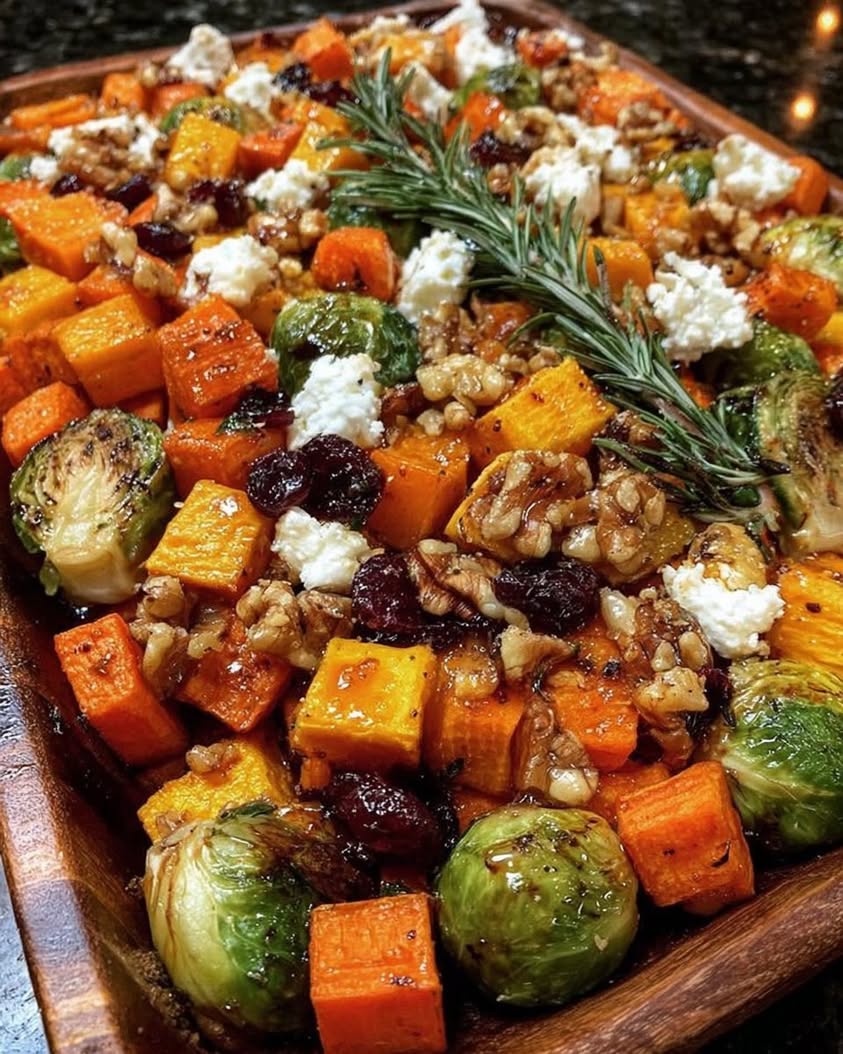
The ultimate roasted fall vegetables recipe with feta and walnuts transforms humble root vegetables into a spectacular centerpiece that belongs on every holiday table. This caramelized butternut squash, carrots, Brussels sprouts, and sweet potato medley delivers a symphony of textures and flavors that will have your guests reaching for seconds. The natural sugars in the vegetables caramelize beautifully during roasting, creating crispy edges and tender centers that pair perfectly with creamy feta and crunchy walnuts.
What makes this roasted fall vegetables recipe with feta and walnuts truly special is the cranberry-honey glaze that ties everything together. The tartness of cranberries cuts through the sweetness of honey, while the glaze coats each vegetable in a glossy, flavorful finish. You will find that this dish works equally well as a holiday showstopper or a simple weeknight side dish that elevates any meal into something memorable.
Furthermore, this roasted fall vegetables recipe with feta and walnuts proves that healthy eating never has to compromise on taste. Each serving packs a powerful nutritional punch with fiber-rich vegetables, heart-healthy walnuts, and protein-packed feta cheese. The vibrant colors alone will brighten your plate, but the complex flavors will keep you coming back to this recipe again and again throughout the autumn season.
Quick Recipe Highlights
- Flavor Profile: Sweet caramelized vegetables contrast beautifully with salty feta, tangy cranberries, and earthy walnuts. The honey glaze adds a floral sweetness that enhances the natural sugars in the roasted vegetables.
- Texture: You get crispy caramelized edges on the vegetables, tender interiors that melt in your mouth, creamy feta crumbles, and crunchy toasted walnuts for textural variety.
- Aroma: The kitchen fills with the intoxicating scent of roasted squash, caramelized onions, and honeyed vegetables that signals autumn has officially arrived.
- Visual Appeal: The deep oranges, vibrant greens, and golden browns create a stunning color palette that looks gorgeous on any serving platter.
- Skill Level Needed: This recipe requires basic knife skills and simple roasting techniques, making it accessible to beginner cooks while still impressing experienced chefs.
- Special Equipment: You will need a large sheet pan or two smaller ones, a sharp chef’s knife, and basic measuring tools to create this delicious dish.
Recipe Overview
- Difficulty Level: This easy recipe requires minimal hands-on time and simple techniques that anyone can master. You mainly need to chop vegetables, toss them with oil and seasonings, and roast them until tender and caramelized.
- Category: This dish works beautifully as a side dish, vegetarian main course, or holiday centerpiece. It also makes excellent leftovers that you can enjoy cold in salads or reheated alongside proteins.
- Cuisine: The combination of roasted root vegetables with feta, cranberries, and walnuts draws inspiration from Mediterranean and Middle Eastern cooking traditions. These culinary influences celebrates fresh, seasonal ingredients prepared simply to let their natural flavors shine.
- Cost: This economical recipe uses affordable seasonal vegetables that are at their peak during fall. The total cost for six servings typically stays under fifteen dollars, making it budget-friendly for both everyday meals and special occasions.
- Season: Autumn brings the best flavors when squash, sweet potatoes, carrots, and Brussels sprouts are at their peak freshness. The seasonal ingredients offer optimal taste and nutrition while also being more affordable and sustainable.
- Occasion: This versatile dish suits everything from Thanksgiving dinner to weeknight family meals. It also works wonderfully for potlucks, holiday parties, and festive gatherings where you want to impress guests without spending hours in the kitchen.
Why You’ll Love This Recipe
The taste and texture combination in this roasted fall vegetables recipe with feta and walnuts creates pure magic on your palate. Each bite offers something different, from the sweetness of caramelized butternut squash to the slight bitterness of roasted Brussels sprouts. The salty feta provides a creamy contrast, while the walnuts add a satisfying crunch that completes the flavor experience. The cranberry-honey glaze brings everything together with its perfect balance of sweet and tart notes.
Convenience makes this dish a weeknight winner because most of the work happens hands-off in the oven. You spend only twenty minutes prepping the vegetables, then the oven does the heavy lifting while you attend to other tasks. The recipe also comes together with minimal cleanup because everything roasts on one pan, which means less time washing dishes and more time enjoying your meal.
Nutritionally, this dish delivers impressive benefits that support your overall health and wellbeing. Butternut squash and sweet potatoes provide abundant beta-carotene and vitamin A, while Brussels sprouts offer vitamin C and K. Walnuts contribute healthy omega-3 fatty acids and antioxidants, and feta adds protein and calcium to create a well-rounded, satisfying side dish.
Socially, this roasted vegetable medley brings people together because its beautiful presentation and incredible aroma draw everyone to the table. The dish sparks conversation about seasonal cooking, family traditions, and favorite holiday memories. Guests will also appreciate the thoughtful combination of familiar ingredients elevated into something special, making them feel truly cared for during gatherings.
Cost-effectiveness makes this recipe accessible to everyone because it relies on budget-friendly ingredients that offer excellent value. Seasonal vegetables cost less per pound than many other produce options, and the relatively small amounts of feta and walnuts go a long way flavor-wise. You can also stretch leftovers into lunches or additional meals, maximizing your grocery budget further.
Historical Background and Cultural Significance
The tradition of roasting fall vegetables dates back thousands of years to when early humans discovered that cooking root vegetables over fire enhanced their natural sweetness. Ancient civilizations throughout Europe and the Middle East developed various methods for preparing squash, carrots, and other hardy vegetables that could survive winter storage. Roasting allowed these communities to create satisfying meals during cold months when fresh produce was scarce, establishing culinary traditions that continue today.
Culturally, roasted vegetables hold deep significance in many Mediterranean and Middle Eastern cuisines, where they appear in mezze platters, festive meals, and everyday family dinners. In Turkish cuisine, roasted vegetables often get served with yogurt and nuts. In Moroccan cooking, preserved lemons and olives accompany roasted root vegetables. These regional traditions have influenced how we combine flavors, spices, and textures in modern roasted vegetable dishes.
This particular combination of butternut squash, carrots, Brussels sprouts, and sweet potato reflects contemporary American cooking that embraces seasonal eating and farm-to-table principles. The addition of feta, walnuts, and cranberry-honey glaze showcases a fusion of Mediterranean ingredients with American harvest traditions. This evolution demonstrates how immigrant cuisines have shaped and enriched American cooking while maintaining connections to cultural roots.
Regional variations of roasted vegetables appear throughout North America, with different areas incorporating local ingredients and cooking styles. New England versions might feature maple syrup instead of honey, while southwestern preparations could add chili spices and pepitas. The Pacific Northwest often incorporates hazelnuts and dried berries, while southern interpretations might use pecans. These variations showcase the incredible flexibility of roasted vegetable dishes and how they adapt to local tastes and available ingredients.
Ingredient Deep Dive
Butternut squash has been cultivated for thousands of years, with evidence of its use dating back to ancient Mesoamerican civilizations. This winter squash is rich in vitamin A, vitamin C, potassium, and fiber, supporting immune function, digestion, and eye health. When selecting butternut squash, look for ones that feel heavy for their size with dull, tan-colored skin and no soft spots. Store whole squash in a cool, dark place for up to a month, or refrigerate cut pieces wrapped tightly in plastic.
Carrots have a fascinating history that spans over five thousand years, originating in modern-day Afghanistan and Iran where they were initially purple or yellow. Carrots provide exceptional amounts of beta-carotene, vitamin K1, potassium, and antioxidants, which support vision health and reduce cancer risk. Choose carrots that are firm, smooth, and brightly colored without cracks or soft spots, and store them in the refrigerator in a plastic bag for optimal freshness.
Brussels sprouts are members of the cruciferous vegetable family that have been grown in Belgium since the sixteenth century, giving them their name. These miniature cabbages are packed with vitamin C, vitamin K, and fiber while containing compounds that have been shown to fight inflammation. Look for Brussels sprouts that are firm, compact, and bright green with tightly packed leaves, and store them unwashed in the refrigerator for up to five days.
Sweet potatoes have a rich cultural heritage that dates back over five thousand years to Central and South America. They are nutritionally superior to regular potatoes, providing high amounts of vitamin A, vitamin C, manganese, and fiber. Select sweet potatoes that are firm with smooth, unblemished skin, and store them in a cool, dark, well-ventilated place where they will keep for several weeks without refrigeration.
Common Mistakes to Avoid
- Crowding the pan prevents proper caramelization because vegetables release moisture and steam instead of browning. Use two pans or roast in batches to ensure each piece gets adequate airflow and achieves those beautiful golden edges.
- Cutting vegetables into uneven sizes causes some pieces to overcook while others remain undercooked. Take time to cut uniform pieces so everything roasts evenly and finishes cooking at the same time.
- Skipping the preheating step means vegetables start cooking in a warm pan rather than a hot one, leading to steaming instead of roasting. Always preheat your oven fully before adding the vegetables.
- Using too much oil creates greasy, soggy vegetables that never develop crispy edges. Use just enough oil to coat the vegetables lightly, approximately two tablespoons for the full recipe.
- Tossing vegetables too frequently prevents them from developing a proper crust on their surfaces. Let them roast undisturbed for at least 20 minutes before moving or turning them.
- Adding feta before roasting causes the cheese to melt and become greasy instead of maintaining its creamy texture. Add feta after roasting, when the vegetables are still warm but no longer piping hot.
- Overcooking Brussels sprouts leads to mushy, sulfurous-tasting vegetables that are unpleasant to eat. Cook them until just tender when pierced with a fork, retaining some bite and structural integrity.
- Forgetting to season each layer of vegetables means the flavors stay flat and one-dimensional. Season generously with salt and pepper before roasting, then finish with more salt if needed after cooking.
- Using dried cranberries saves time but sacrifices the bright acidity that fresh cranberries provide. Fresh cranberries add tart pops of flavor that perfectly balance the honey’s sweetness.
- Skipping the honey glaze application time means the glaze will not properly adhere and soak into the roasted vegetables. Brush the glaze during the last five minutes of roasting for best results.
Essential Techniques
Proper roasting technique starts with thoroughly drying the vegetables after washing. Excess moisture on vegetable surfaces creates steam during cooking, which prevents caramelization and browning. After washing all vegetables, pat them completely dry with clean kitchen towels or let them air dry for 15 minutes. This simple step significantly improves the final texture and flavor of your roasted vegetables.
Even cutting is crucial because consistent piece sizes ensure uniform cooking throughout the dish. When preparing butternut squash, aim for three-quarter inch cubes so they remain sturdy enough to hold their shape. Carrots should be sliced diagonally into similarly sized pieces, while Brussels sprouts get halved vertically. Sweet potatoes benefit from slightly larger chunks since they cook faster than the other vegetables.
Proper preheating creates the ideal environment for caramelization, which transforms natural sugars into complex, nutty flavors. Heat your oven to 425 degrees Fahrenheit and allow it to reach the correct temperature before adding any vegetables. A fully preheated oven ensures that vegetables start browning immediately rather than slowly cooking through, resulting in crispy exteriors and tender interiors.
Strategic glazing requires careful timing to achieve the perfect coating without making vegetables soggy. Whisk together cranberry sauce, honey, and a splash of balsamic vinegar until smooth. Apply the glaze during the final five minutes of roasting time, allowing it to bubble and caramelize onto the vegetables. This technique creates a glossy finish while preventing the glaze from becoming sticky or burnt.
Pro Tips for Perfect The Ultimate Roasted Fall Vegetables Recipe with Feta and Walnuts
Toast the walnuts before adding them to the dish to release their natural oils and enhance their flavor. Spread walnuts on a separate baking sheet and toast for five to seven minutes at 350 degrees until fragrant. Keep a close eye on them because nuts burn quickly and become bitter.
Roast the vegetables on parchment paper lined baking sheets for effortless cleanup and perfect results every time. Parchment paper prevents sticking without adding extra oil, and it also helps vegetables brown more evenly across their surfaces. The paper can withstand high temperatures and makes serving easier.
Leave space between each vegetable piece when arranging them on the baking sheet. Proper spacing allows hot air to circulate freely around every piece, promoting even cooking and maximum caramelization. Overcrowded pans steam the vegetables, resulting in soft rather than crispy edges.
Use fresh herbs like rosemary or thyme as a finishing touch to add another layer of aromatic complexity to the dish. Chop the herbs finely and sprinkle them over the roasted vegetables just before serving. Fresh herbs brighten the heavy, earthy flavors and add vibrant color.
For extra caramelization, you can use the broiler for the final two minutes of roasting. Watch carefully to prevent burning, because the high heat caramelizes the natural sugars quickly. This technique creates those deeply browned, intensely flavored edges that elevate the entire dish.
Make extra cranberry-honey glaze to serve alongside the roasted vegetables for guests who want additional flavor. This versatile glaze also works wonderfully drizzled over goat cheese, roasted meats, or warm brie for holiday entertaining.
Variations and Adaptations
Regional variations of this roasted fall vegetables recipe with feta and walnuts appear throughout Mediterranean cuisine. Greek preparations might include olives and oregano, while Italian versions could add sun-dried tomatoes and pine nuts. Middle Eastern adaptations often incorporate sumac and pomegranate molasses, and French interpretations frequently include herbes de Provence for earthy complexity.
Seasonal adaptations allow this dish to shine throughout the entire year by swapping vegetables based on what is fresh and available. Use asparagus and new potatoes in spring, zucchini and bell peppers in summer, and parsnips or turnips in winter. Each vegetable brings its own unique texture and flavor profile to the dish while maintaining the same cooking technique.
Dietary modifications make this recipe accessible to varying nutritional needs and preference without sacrificing flavor. For a vegan version, omit the feta or substitute a plant-based alternative that crumbles nicely. Reduce honey and increase cranberries for lower sugar content, or replace walnuts with pumpkin seeds for a nut-free version that maintains crunch.
Flavor variations transform this dish entirely by changing the spice profile according to your preferences. Add smoked paprika and chili powder for a smoky heat, or use curry powder and garam masala for warming spice. Fresh ginger and garlic bring additional savory depth, while lemon zest and pepper add brightness that cuts through the richness.
Texture modifications offer ways to customize the mouthfeel of the finished dish. For extra crunch, add toasted panko breadcrumbs or quinoa during the last few minutes of roasting. Puree some of the vegetables for a creamy component alongside the roasted pieces, or serve the roasted vegetables over a bed of quinoa or wild rice for heartier texture.
Presentation alternatives allow for creative expression when serving this dish to different audiences. Serve the roasted vegetables family-style in a large platter for casual dinners, or portion them into individual gratin dishes for more formal occasions. You can also stuff the mixture into acorn squash halves for a stunning holiday presentation.
Serving and Presentation Guide
Plating this roasted fall vegetables recipe with feta and walnuts begins with choosing the right vessel to showcase its vibrant colors. A white ceramic platter provides a beautiful backdrop that makes the orange squash and sweet potatoes pop, while a rustic wooden board adds warmth perfect for casual meals. For individual servings, wide-rimmed bowls allow guests to appreciate the variety of colorful vegetables arranged appealingly.
Garnishing elevates the visual appeal and adds final flavor touches to this already stunning dish. Sprinkle additional toasted walnuts, fresh herbs like parsley or thyme, and a drizzle of extra honey just before serving. A few fresh cranberries scattered on top add festive color, while a light dusting of flaky sea salt enhances all the flavors.
Traditional accompaniments include roasted poultry like turkey or chicken, which pair beautifully with the sweet and savory vegetables. This dish also complements pork tenderloin, beef roast, or baked ham for holiday meals. For vegetarian mains, serve alongside other roasted vegetable dishes or hearty grain salads for a satisfying complete meal.
Modern serving suggestions include layering the roasted vegetables over whipped goat cheese or labneh for a creamy base, creating a deconstructed vegetarian tartine. Alternatively, serve them inside hollowed-out squash halves or as a topping for crostini or crostini-style tartines. Get creative with your presentation and encourage guests to customize their own plates.
Temperature considerations matter because this dish tastes best when served warm, not piping hot or lukewarm. Let the vegetables rest for five minutes after roasting so the glaze can settle and the flavors meld together. The feta should be at room temperature rather than cold from the refrigerator so it integrates more seamlessly into the dish.
Portion control tips help you serve the right amount for your group while minimizing waste. Plan approximately one cup of roasted vegetables per adult serving, which fills about one third of a standard dinner plate. This dish is filling, so you may not need as much as you think for a satisfying side portion.
Wine and Beverage Pairing
Wine pairing for this roasted fall vegetables recipe with feta and walnuts starts with a medium-bodied white wine that complements the sweet and savory elements without overwhelming them. A California Chardonnay with subtle oak and apple notes pairs beautifully with the honey glaze and roasted sweetness. Alternatively, an Alsatian Riesling brings citrus complexity and acidity that cuts through the richness while matching the dish’s sweetness level appropriately.
Rosé selections offer another excellent pairing option, especially for outdoor dining or warmer autumn days. A dry Provence rosé with strawberry and mineral notes complements the feta’s saltiness and the vegetables’ caramelized flavors. The wine’s refreshing acidity balances the honey and cranberry components while clearing your palate between each delicious bite.
Non-alcoholic alternatives like sparkling apple cider or alcohol-free mulled wine provide festive choices that include everyone at your table. Sparkling water with pomegranate juice and rosemary creates a sophisticated refresher that echoes the cranberry notes in the dish. For a warming option, turmeric-ginger tea pairs beautifully with the roasted vegetables without competing with their robust flavors.
Temperature considerations for wine serving matter because white wines should be lightly chilled while red wines taste best at cool room temperature. Not everyone has the same wine preferences, so offering both a white and red option ensures you accommodate varied tastes. Always serve wine after the meal begins rather than before to ensure proper pairing with the food that is being consumed.
Serving suggestions include providing individual wine glasses for each guest, even if they plan to drink water or other beverages. This allows flexibility and encourages guests to sample wine pairings without committing to a full glass. Always pour wine immediately before serving the meal so flavors are fresh and properly chilled for the best experience.
Storage and Shelf Life
Storage methods for leftover roasted vegetables significantly affect how well they retain their texture and flavor. Transfer leftovers to an airtight container and refrigerate within two hours of cooking to maintain food safety. Properly stored, roasted vegetables stay fresh for up to five days, though they are best consumed within the first two days for optimal texture and taste.
Temperature requirements are straightforward for this dish because it should always be stored in the refrigerator at 40 degrees Fahrenheit or below. Avoid leaving the roasted vegetables at room temperature for extended periods since this promotes bacterial growth and spoilage. Bring the dish to room temperature briefly if serving again, then return any uneaten portion to the refrigerator promptly.
Container recommendations prioritize glass or ceramic containers over plastic because they do not absorb flavors and are more environmentally sustainable. Use containers with tight-fitting lids to prevent moisture loss while allowing minimal air exchange. If stacking containers, place paper towels between lids and contents to absorb excess condensation and maintain proper vegetable texture.
Signs of spoilage appear gradually as the vegetables begin to break down and develop off-flavors. A sour smell, excessive sliminess, or visible mold growth indicate the dish must be discarded immediately. Unexpected bruising or discoloration beyond normal caramelization also suggests the vegetables have started to deteriorate and should not be consumed.
Reheating instructions maximize flavor and texture while ensuring food safety when using leftovers. The best method involves reheating in a low oven set to 350 degrees Fahrenheit for ten to fifteen minutes until warmed through. Alternatively, use a microwave on medium power for two-minute intervals, stirring occasionally to ensure even heating throughout.
Freezing guidelines vary depending on whether you plan to consume the dish within one or two months. Roasted vegetables freeze reasonably well for up to three months when sealed properly in freezer-safe containers or bags. However, freezing changes the texture of vegetables, making them softer upon reheating, so fresh preparation remains preferable for optimal quality.
Make Ahead Strategies
Prep timeline strategies allow you to spread out the work of this recipe across several days for effortless entertaining. Begin by roasting the vegetables up to two days ahead and storing them in the refrigerator. On serving day, reheat the vegetables in the oven, then add fresh feta, walnuts, and cranberries before presenting the dish to your guests.
Storage between steps requires strategic planning to maintain maximum fresh flavor and texture. Peel and chop all vegetables, then store them in separate containers in the refrigerator for up to twenty-four hours before roasting. Toasting walnuts and preparing the cranberry-honey glaze can also happen several days in advance, saving time on busy cooking days.
Quality impact assessment reveals that most make-ahead strategies work well, but each may slightly alter the final dish. Vegetables roasted ahead and reheated will lose some crispness, so finish them under the broiler briefly for extra crunch. The glaze can be made ahead and stored, and it holds up well when applied at the proper time during roasting.
Assembly tips streamline the final preparation process significantly. Arrange the roasted vegetables on a serving platter, then crumble feta evenly and scatter walnuts and cranberries. Have the glaze warmed and ready to drizzle over the dish just before serving so everything stays warm and delicious. Consistent assembly makes this dish look professionally prepared even when you are short on time.
Reheating guidelines prevent disappointment when serving make-ahead roasted vegetables. Remove vegetables from the refrigerator thirty minutes before reheating to allow temperature equalization. Spread the vegetables on a baking sheet and reheat at 375 degrees until hot and slightly crisped around the edges, then add the fresh toppings after reheating.
Fresh element additions keep make-ahead dishes tasting vibrant and appealing when finally served. Add citrus zest, fresh herbs, and additional feta immediately before serving to bring bright, fresh flavor contrast. These fresh additions brighten the dish after storage and create a more complex and dynamic flavor experience overall.
Scaling Instructions
Halving the recipe works perfectly for smaller households or dinner parties with only a few guests. Reduce all ingredient quantities by half and use a smaller baking sheet. Cooking time may decrease slightly, so begin checking for doneness about five minutes earlier than the original recipe indicates. Store smaller portions in shallow containers for quick reheating.
Doubling or tripling the recipe for larger gatherings requires thoughtful adjustments to ensure even cooking. Use two large baking sheets rather than one overcrowded pan, arranging the vegetables in a single layer on each. Rotate the sheets halfway through cooking to ensure all vegetables roast evenly, and plan on slightly longer total cooking time due to increased oven load.
Equipment adjustments become necessary when scaling this recipe up or down significantly. For larger batches, you might need additional mixing bowls and measuring cups to handle increased ingredient quantities. Select baking sheets that fit comfortably in your oven while allowing at least one inch of space around each vegetable piece for proper air circulation.
Timing modifications account for the different rates at which various batch sizes cook. Larger batches typically require eight to ten additional minutes in the oven, while smaller batches often finish cooking more quickly. Use visual and tactile cues for doneness rather than relying strictly on time, checking for tender vegetables and caramelized edges throughout the cooking process.
Storage considerations affect both ingredient prep and leftover management when scaling recipes. Purchase vegetables in appropriate quantities to minimize waste, and use containers sized appropriately for your batch. Scaling down means you create fewer leftovers, so adjust storage containers accordingly and consume them quickly while they remain fresh.
Nutritional Deep Dive
Macro breakdown per serving of this roasted fall vegetables recipe with feta and walnuts shows an excellent balance for a side dish. Each serving contains approximately 280 calories, 18 grams of carbohydrates, and 6 grams of protein. Fat content sits around 18 grams, with heart-healthy monounsaturated and polyunsaturated fats coming primarily from walnuts and olive oil that support numerous bodily functions.
Micronutrient analysis reveals outstanding nutritional value in every serving of this roasted vegetable medley. Butternut squash and sweet potatoes provide exceptional amounts of beta-carotene, while Brussels sprouts offer high vitamin C and vitamin K content. Walnuts deliver significant omega-3 fatty acids, and the entire dish provides impressive amounts of manganese, potassium, and fiber supporting heart health and digestion.
Health benefits of this dish extend beyond basic nutrition because the combination of colorful vegetables, nuts, and fermented dairy provides synergistic wellness support. The antioxidants in these ingredients fight oxidative stress and inflammation, supporting healthy aging and immune function. The fiber promotes digestive health and helps maintain stable blood sugar levels after meals, making this a valuable dish for overall wellbeing.
Dietary considerations show that this recipe fits into many healthy eating patterns with minimal adjustments. It is naturally vegetarian and gluten-free while being relatively low in sodium. To reduce overall fat content, you can use less oil for roasting or reduce the amount of walnuts added as a topping, while still maintaining delicious flavor and texture.
Portion analysis suggests that one cup of roasted vegetables serves as an appropriate side dish portion for most adults. This provides approximately ten percent of daily fiber needs and eight percent of daily vitamin A requirements. For a main dish serving, consider pairing with a whole grain salad or serving over quinoa to create a complete protein profile with complex carbohydrates.
Weight management tips remind us that this dish is nutrient-dense but calorie-conscious. The vegetables fill you up without filling you out, and the combination of fiber, protein, and healthy fats promotes satiety. Pair this with lean protein and other non-starchy vegetables for a satisfying meal that supports your weight goals while providing excellent nutrition.
Dietary Adaptations
Gluten-free adaptation requires very little modification since this recipe contains no wheat products naturally. The main concern is cross-contamination, so verify that your feta and cranberries are certified gluten-free. You can also thicken the honey glaze with cornstarch or arrowroot instead of wheat flour, though the glaze as written is already naturally gluten-free.
Dairy-free modification simply means omitting the feta cheese or replacing it with a high-quality plant-based alternative. Look for vegan feta crumbles made from tofu or coconut that maintain a similar texture and briny flavor. For a completely different approach, avocado chunks or toasted pumpkin seeds can provide creaminess and crunch while keeping the dish dairy-free and delicious.
Vegan version substitutes the feta with crumbled firm tofu that has been marinated in lemon juice and nutritional yeast for a tangy kick. Alternatively, use vegan feta or goat cheese alternatives that are widely available at natural food stores, ensuring the dish remains entirely plant-based while retaining its signature contrast of flavors.
Low-carb reduction for this recipe involves limiting the amount of sweet potatoes and butternut squash used while increasing Brussels sprouts and carrots. You can also reduce the honey content of the glaze or substitute a low-carb sweetener. These modifications reduce net carbohydrates while preserving the essential roasted vegetable experience this dish provides.
Keto-friendly modifications focus on significantly reducing the sugar content while increasing healthy fats and overall protein. Replace the honey with a keto-friendly sweetener like monk fruit or erythritol mixed with a little water. Use additional olive oil, and increase the feta and walnut quantities to keep fat ratios within your standard ketogenic guidelines.
Paleo adaptation excludes dairy products and legumes but permits everything else in this recipe. Omit the feta cheese or use a dairy-free alternative like coconut-based cheese or nutritional yeast for flavor. Ensure your honey comes from raw, unpasteurized sources to maintain paleo principles, and use ghee or coconut oil instead of butter if preparing for strict paleo dieters.
Low-FODMAP serving modifications recommend portion control, especially for Brussels sprouts and feta, because these foods contain oligosaccharides that some individuals cannot digest. Limit Brussels sprouts to approximately one quarter cup per serving, and try lactose-free feta aged longer. Alternatively, replace Brussels sprouts with green beans and increase the amount of other vegetables proportionally.
Other specific diet adaptations might include South Beach, DASH, or Mediterranean diet approaches. Several of these diets align beautifully with the ingredients in this dish since they emphasize vegetables, nuts, and olive oil. Rosemary, thyme, and other fresh herbs enhance flavors while keeping sodium levels lower than many packaged side dishes.
Troubleshooting Guide
Texture issues most commonly arise from either steaming or burning, both of which ruin the ideal roasted texture. If vegetables come out soft and watery, the pan was probably overcrowded, allowing moisture to accumulate. Conversely, burnt vegetables indicate oven temperature is too high or pieces were cut too small, so reduce heat or increase piece size accordingly to fix the problem.
Flavor balance concerns often stem from overseasoning or underseasoning the dish. If flavors taste flat, you likely need more salt or a squeeze of lemon to brighten everything. Conversely, if the dish tastes too salty, add more honey glaze or additional cranberries to balance the saltiness and restore harmony to the overall flavor profile.
Temperature problems usually relate to the oven running either hotter or colder than indicated, leading to inconsistent results. Keep an oven thermometer in your oven to verify actual temperature and adjust accordingly. Hot spots or poor air circulation within the oven can also cause uneven cooking, so rotate baking sheets during roasting for more uniform browning.
Equipment challenges include using baking sheets that are too small, resulting in overcrowded vegetables that steam. Invest in sturdy, rimmed baking sheets that provide ample space for all your vegetables in a single layer. If you lack sufficient sheet pans, use what you have and adjust quantities to ensure proper roasting conditions for everything.
Ingredient substitutions can lead to unexpected results, especially when replacing wet or moist ingredients with dry ones. Remember that substitutes like maple syrup for honey will alter flavor profiles and cooking behaviors. Always consider moisture and sugar content when making swaps, and adjust cooking times or ingredient amounts to compensate for any differences.
Timing concerns arise when vegetables peak at different moments, causing some to overcook while others remain undercooked. To address this, stagger the addition of vegetables to the baking sheet by adding pieces that cook slower first. Butternut squash requires longer roasting than Brussels sprouts, so starting those first before adding quicker-cooking vegetables ensures everything finishes together.
Recipe Success Stories
Community feedback for this roasted fall vegetables recipe with feta and walnuts has been overwhelmingly positive since we first shared it with our readers. Many families have reported making this dish for Thanksgiving dinner, where it often gets claimed as the most requested recipe on the table. Others rave about how easily it transforms everyday weeknight meals into special occasions that everyone enjoys.
Variation successes include readers who experimented with different winter squashes like acorn or kabocha for unique shapes and flavors. One reader shared their success swapping the walnuts for toasted pecans and adding dried cherries, creating a new family favorite born from an original recipe adaptation. Another reader added a sprinkle of chili flakes for heat, reporting that the spicy twist became their new go-to method.
Adaptation stories showcase the remarkable versatility of this recipe across various dietary needs and preferences. Several gluten-free readers shared appreciation for a naturally gluten-free dish that doesn’t sacrifice flavor. Vegan substitutions using cashew cheese have also converted devoted traditionalists, proving that plant-based versions remain satisfying and delicious in their own right.
Reader suggestions have further enhanced the recipe through community input about timing, technique, and presentation. One helpful suggestion was to roast the vegetables on the lower-middle oven rack to increase caramelization without burning. Others have recommended garnishing with fresh herbs like cilantro or parsley to add bright color and a fresh flavor contrast.
Photography tips for capturing this dish beautifully include using natural light and styling with simple props. Shoot from a 45-degree angle to show both the height and texture array of the vegetables. Use a shallow depth of field to intentionally blur the background and make the colors pop vibrantly, ensuring the finished dish looks as delicious in pictures as it tastes on your plate.
Frequently Asked Questions
Can I prepare this roasted vegetable medley entirely ahead of time?
You can roast all the vegetables up to two days ahead and store them in an airtight container in the refrigerator. Before serving, reheat them on a baking sheet at 375 degrees for ten to fifteen minutes. Then add the feta and walnuts just before presenting the dish to ensure maximum crispness and optimal texture.
What can I substitute for feta cheese if I do not have it?
Several delicious substitutes work well in place of feta, including crumbled goat cheese, ricotta salata, or queso fresco for fresh and creamy alternatives. For a vegan option, try marinated tofu or a quality vegan feta crumble. You can also omit the cheese altogether and increase walnuts for additional protein and richness.
Is this recipe suitable for meal prep?
PrintCaramelized Butternut Squash, Carrots, Brussels Sprouts & Sweet Potato with Feta, Walnuts & Cranberry-Honey Glaze
- Total Time: 50 minutes
- Yield: 6
Description
A vibrant and hearty roasted vegetable medley featuring caramelized butternut squash, carrots, Brussels sprouts, and sweet potato, tossed with tangy feta, crunchy walnuts, and a sweet-tart cranberry-honey glaze. Perfect as a festive side dish or a satisfying vegetarian main.
Ingredients
- 2 cups butternut squash, peeled and cubed
- 2 large carrots, peeled and sliced into 1/2-inch rounds
- 2 cups Brussels sprouts, halved
- 2 medium sweet potatoes, peeled and cubed
- 3 tablespoons olive oil, divided
- 1/2 teaspoon salt
- 1/4 teaspoon black pepper
- 1/2 cup dried cranberries
- 1/4 cup honey
- 1/4 cup orange juice
- 1 tablespoon balsamic vinegar
- 1/2 cup crumbled feta cheese
- 1/2 cup chopped walnuts, toasted
Instructions
- Preheat oven to 425°F (220°C). Line two large baking sheets with parchment paper.
- In a large bowl, combine butternut squash, carrots, Brussels sprouts, and sweet potatoes. Drizzle with 2 tablespoons olive oil, sprinkle with salt and pepper, and toss to coat evenly.
- Spread vegetables in a single layer on the prepared baking sheets. Roast for 25-30 minutes, stirring halfway through, until tender and caramelized at edges.
- Meanwhile, in a small saucepan, combine cranberries, honey, orange juice, and balsamic vinegar. Bring to a gentle simmer over medium heat, stirring occasionally, until cranberries soften and mixture thickens slightly, about 5-7 minutes. Remove from heat.
- Transfer roasted vegetables to a large serving bowl. Pour the cranberry-honey glaze over the vegetables and toss gently to coat.
- Sprinkle with feta cheese and toasted walnuts. Serve warm.
Notes
You can customize the seasonings to taste. Add a pinch of cinnamon or nutmeg for extra warmth, or substitute pecans for walnuts.
- Prep Time: 20 minutes
- Cook Time: 30 minutes
- Method: Side Dish
- Cuisine: American