Mediterranean Breakfast Power Plate with Eggs, Avocado & Olives: Your Ultimate Morning Fuel
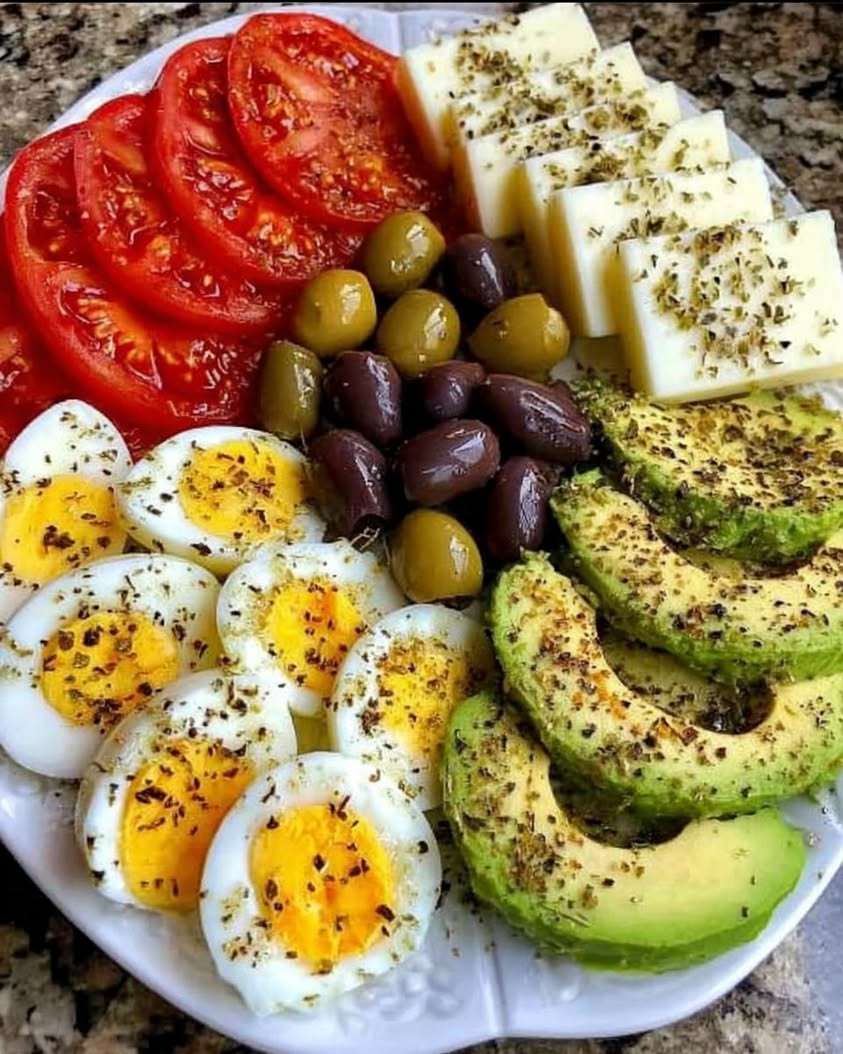
Imagine starting your day with a vibrant plate that looks like a sun-drenched Mediterranean landscape. This Mediterranean Breakfast Power Plate with Eggs, Avocado & Olives is not just a meal; it is a delicious declaration of intent for a healthy, energetic day. Consequently, it brings together creamy avocado, protein-rich eggs, and briny olives in a beautiful, no-fuss arrangement. Ultimately, this recipe delivers a perfect balance of healthy fats, clean protein, and complex carbohydrates to keep you satisfied for hours.
The beauty of this Mediterranean breakfast power plate lies in its elegant simplicity. For instance, you can assemble it in mere minutes with minimal cooking required. Moreover, the combination of textures and flavors is incredibly satisfying. You get the rich creaminess of avocado, the savory depth of a perfectly cooked egg, and the bright, salty punch of Kalamata olives. Additionally, a sprinkle of feta cheese and a drizzle of olive oil tie everything together into a cohesive and utterly delicious experience.
This plate is the ultimate answer to busy mornings when you want something nutritious that also feels special. It is a fantastic alternative to sugary cereals or bland toast. Furthermore, it is naturally gluten-free and packed with nutrients that support brain function and sustained energy. Whether you are fueling up for a busy workday or enjoying a leisurely weekend brunch, this Mediterranean protein breakfast plate is a reliable and delicious choice that never gets old.
Quick Recipe Highlights
- Flavor Profile: This plate offers a harmonious blend of rich, savory, and bright notes. The creamy avocado provides a mild, buttery base, while the eggs add a deep, satisfying umami. Simultaneously, the Kalamata olives contribute a sharp, briny saltiness, and the feta cheese introduces a tangy creaminess that balances the entire dish.
- Texture: Enjoy a wonderful contrast of textures in every bite. The avocado is luxuriously soft and smooth, while the egg offers a tender, yielding quality. Conversely, the olives provide a firm, meaty chew, and the optional cucumber or tomato adds a refreshing, crisp crunch that makes the meal more interesting.
- Aroma: The scent of this Mediterranean breakfast power plate is fresh and inviting. Primarily, you will notice the clean, grassy aroma of high-quality extra virgin olive oil. Additionally, the warm, comforting smell of cooked eggs mingles with the earthy, herbal fragrance of fresh dill or oregano, creating an irresistible morning bouquet.
- Visual Appeal: This dish is a feast for the eyes with its stunning color palette. The vibrant green of the avocado, the bright white and yellow of the egg, the deep purple of the olives, and the red of cherry tomatoes create a visually stunning plate. Therefore, it is as Instagram-worthy as it is nutritious.
- Skill Level Needed: Absolutely beginner-friendly. This recipe requires only basic kitchen skills like cracking an egg and slicing an avocado. Moreover, there is no complex technique or fancy equipment needed. Essentially, if you can use a frying pan and a knife, you can master this Mediterranean protein breakfast plate with ease.
- Special Equipment: You need only a non-stick skillet for cooking the eggs. Otherwise, a good chef’s knife for slicing the avocado and a cutting board are the only other essentials. Ultimately, a simple plate for serving completes the setup, making this an accessible recipe for any kitchen.
Recipe Overview
- Difficulty Level: We rate this Mediterranean Breakfast Power Plate as “Easy” for several compelling reasons. First, the ingredient list is short and familiar. Second, the cooking process involves just one primary step: preparing the eggs. Finally, assembly is intuitive and forgiving, allowing for personal customization without risk of failure.
- Category: This dish fits perfectly into multiple meal categories. Primarily, it is an ideal breakfast or brunch option that breaks the monotony of standard morning fare. Additionally, it works wonderfully as a light lunch or a high-protein post-workout meal. Its versatility is one of its greatest strengths.
- Cuisine: This recipe draws direct inspiration from the healthy and flavorful eating patterns of the Mediterranean region. It celebrates core ingredients like olive oil, olives, and fresh herbs that are staples in Greek, Italian, and Spanish cuisines. Consequently, it embodies the principles of the Mediterranean diet, which is renowned for its health benefits.
- Cost: Preparing this Mediterranean protein breakfast plate is surprisingly economical. Eggs and avocado offer high nutritional value at a low cost per serving. Meanwhile, olives and feta cheese, while premium ingredients, are used in small, impactful quantities. Overall, you can create this restaurant-quality meal at home for a fraction of the price.
- Season: This recipe is truly a year-round champion. However, it shines brightest in the spring and summer when avocados are at their peak creaminess and fresh herbs are abundant. Nevertheless, because its core components are available globally year-round, you can enjoy this healthy breakfast plate any day you choose.
- Occasion: It is perfect for a quick yet impressive weekday breakfast. Furthermore, it is elegant enough for a weekend brunch with guests or a special Mother’s Day morning. Essentially, any occasion that calls for a nourishing, beautiful, and delicious start to the day is the right occasion for this plate.
Why You’ll Love This Recipe
First and foremost, the taste and texture appeal of this Mediterranean Breakfast Power Plate is undeniable. Each component brings its own unique character to create a symphony of flavor. The creamy avocado melts in your mouth, while the savory egg yolk adds a rich, luxurious sauce. Meanwhile, the salty pop of the olives cuts through the richness, and the fresh herbs provide a bright, clean finish. Every forkful is different, keeping your palate engaged and satisfied from the first bite to the last. This is not a boring, monotonous meal; it is a culinary experience that makes you look forward to breakfast.
Convenience is another major winning point for this Mediterranean protein breakfast plate. From start to finish, you can have this gorgeous meal on your table in about fifteen minutes. The prep is minimal—mostly just slicing and arranging. Moreover, cooking the eggs is the only step that requires any heat. This makes it an ideal solution for rushed mornings when you still want to eat well. You can even prep some components the night before. For instance, slice your cucumber or whisk your eggs in advance to shave off precious minutes when you are half-awake and hungry.
Nutritionally, this plate is a powerhouse. It is designed to provide balanced, sustained energy without the crash that comes from sugary alternatives. The eggs offer complete protein and essential choline for brain health. Simultaneously, the avocado delivers heart-healthy monounsaturated fats and fiber. Olives contribute antioxidants and anti-inflammatory compounds. Together, these ingredients create a meal that supports stable blood sugar, keeps you full for hours, and fuels both your body and mind. It is a delicious way to invest in your well-being every single morning.
This Mediterranean breakfast power plate also holds significant social and entertaining value. It looks incredibly impressive when plated, making you feel like a professional chef. Consequently, it is a fantastic dish to serve to guests for brunch. You can easily multiply the ingredients to feed a crowd, and everyone can customize their plate to their liking. It encourages a relaxed, interactive dining experience. Furthermore, its bright, colorful presentation is guaranteed to elicit compliments and spark conversation about healthy, delicious eating.
Finally, the cost-effectiveness and accessibility of this recipe are huge benefits. You do not need expensive, hard-to-find ingredients. Most items are pantry staples or readily available at any grocery store. By making this at home, you save a considerable amount of money compared to ordering a similar “avocado toast” or breakfast bowl at a cafe. Additionally, the recipe is highly adaptable based on what you have on hand. Don’t have feta? Use goat cheese. Out of cherry tomatoes? Add some bell pepper strips. This flexibility makes it a practical and reliable go-to meal.
Historical Background and Cultural Significance
The origin story of this dish is not tied to a single recipe but to a way of life. The Mediterranean Breakfast Power Plate is a modern interpretation of eating patterns that have existed for centuries around the Mediterranean Sea. People in regions like Greece, Southern Italy, and the coastal Middle East have long started their days with simple, fresh, and nutrient-dense foods. Traditionally, a morning meal might include olives from the tree, bread dipped in olive oil, fresh cheese, and perhaps an egg from the backyard chickens. This contemporary plate elegantly condenses those timeless principles into a single, visually appealing meal.
Culturally, this style of eating is the cornerstone of the renowned Mediterranean diet, which UNESCO recognizes as an Intangible Cultural Heritage of Humanity. This designation is not about a specific dish but about a set of skills, knowledge, and traditions surrounding food. It emphasizes freshness, seasonality, community, and the celebration of simple ingredients. Therefore, when you prepare this Mediterranean protein breakfast plate, you are participating in a culinary tradition that values health, sustainability, and pleasure in equal measure. It is a small, daily ritual that connects you to a broader, healthier food culture.
The evolution of this recipe is a direct response to modern nutritional science and global food trends. While the core ingredients are ancient, their assembly into a dedicated “power plate” is a recent phenomenon. Nutritionists and food bloggers have championed the concept of balanced plates that include protein, healthy fats, and fiber at every meal. This Mediterranean breakfast perfectly exemplifies that macro-balanced ideal. Consequently, it has evolved from a traditional way of eating into a targeted wellness strategy, embraced by health-conscious individuals worldwide for its proven benefits.
Regional variations of this concept are endless, which speaks to its adaptability. In Spain, you might find a similar plate with Manchego cheese and Serrano ham. In Lebanon, it could include labneh (strained yogurt) and za’atar spice. The Greek version, which closely inspires this recipe, proudly features feta and Kalamata olives. This global tapestry of variations shows the universal appeal of combining fresh, savory, and satisfying elements to start the day. Your version of the Mediterranean breakfast power plate can become a personal tradition, adapting to local ingredients and your own taste preferences.
Ingredient Deep Dive
Eggs: Eggs are a nutritional cornerstone of this Mediterranean protein breakfast plate. Culturally, they have symbolized life and renewal across countless civilizations. Nutritionally, they are a complete protein source, providing all nine essential amino acids your body cannot make. They are also rich in choline, which is vital for brain and liver health, and lutein for eye health. For the best results, choose pasture-raised eggs when possible; they often have darker yolks and a richer flavor. Store eggs in their original carton on a shelf in the refrigerator, not in the door, to maintain a consistent temperature. If you need a substitution, a scoop of seasoned tofu scramble can work for a vegan version.
Avocado: Although native to Central America, the avocado has found a beloved home in Mediterranean-inspired cuisine for its creamy texture and healthy fat profile. Historically, it was called “ahuacatl” by the Aztecs. It is packed with monounsaturated fats, which support heart health, and fiber, which aids digestion and promotes satiety. To select a perfect avocado, gently press near the stem; it should yield slightly to gentle pressure. To speed up ripening, place it in a paper bag with a banana. Store cut avocado with the pit in place and wrapped tightly to minimize browning. As a substitute, a generous dollop of hummus can provide similar creaminess and fat.
Kalamata Olives: These distinctive purple-black olives are a hallmark of Greek cuisine and are essential for an authentic Mediterranean breakfast power plate. They are traditionally grown in the region around Kalamata, Greece, and are cured in a brine of wine vinegar and sea salt, giving them a complex, fruity, and wine-like flavor. They are a great source of healthy fats and antioxidant compounds like oleuropein. Look for olives sold in brine from the deli section for the best flavor and texture. Store them in their liquid in an airtight container in the fridge. If you cannot find Kalamatas, other brine-cured black olives like Niçoise can be used, though the flavor profile will shift slightly.
Extra Virgin Olive Oil: This is the liquid gold of the Mediterranean diet and the final flourish on your plate. True extra virgin olive oil (EVOO) is cold-pressed, unrefined, and retains the natural flavors and antioxidants of the olive fruit. It contains potent anti-inflammatory compounds and has been linked to numerous health benefits. For drizzling, invest in a good-quality, fresh EVOO with a harvest date on the bottle. Store it in a cool, dark place away from the stove to prevent it from becoming rancid. There is no true substitute for its unique flavor, but a high-quality avocado oil can work in a pinch for its health properties.
Feta Cheese: Feta cheese, protected by EU law to only come from Greece, is made from sheep’s milk or a sheep-goat blend. It has a crumbly texture and a tangy, salty flavor that elevates the entire Mediterranean breakfast power plate. It provides protein and calcium, though it is higher in sodium. For the best quality, buy feta packed in brine in a block, not pre-crumbled. The brine keeps it moist and flavorful. Store it submerged in its brine in the refrigerator. If you need a dairy-free option, a crumbled vegan “feta” made from almonds or tofu can mimic the salty, tangy role, though the texture will differ.
Common Mistakes to Avoid
- Using Overripe or Underripe Avocado: An underripe avocado will be hard and tasteless, ruining the creamy element of your plate. Conversely, an overripe avocado can be mushy and brown. The key is planning ahead and selecting an avocado that yields slightly to gentle pressure at the stem end.
- Overcooking the Eggs: The goal for this Mediterranean protein breakfast plate is a soft, runny yolk that acts as a sauce. Overcooking the eggs until the yolks are hard and chalky removes this luxurious texture. Cook your eggs over medium-low heat and cover the pan briefly to set the whites while keeping the yolk runny.
- Using Pre-Crumbled, Dry Feta: Pre-crumbled feta is often coated in anti-caking agents and can be dry and less flavorful. For a superior taste and creamy texture, always buy a block of feta stored in brine and crumble it yourself just before serving.
- Skipping the Fresh Herbs: While they may seem like a garnish, fresh dill, oregano, or parsley are critical. They add a burst of fresh aroma and flavor that cuts through the richness of the other ingredients. Dried herbs cannot replicate this bright, finishing touch.
- Using Low-Quality Olive Oil: The final drizzle of olive oil is a featured flavor, not just a cooking fat. Using a bland or rancid oil will detract from the dish. Always finish your plate with a fresh, high-quality extra virgin olive oil you would enjoy tasting on its own.
- Forgetting to Season the Eggs: Eggs need seasoning. Simply adding a pinch of salt and pepper while they cook makes a world of difference in bringing out their natural savory flavor. Do not rely solely on the saltiness of the olives and feta to season the entire plate.
- Crowding the Pan When Cooking Eggs: If you are making multiple servings, cook the eggs in batches. Crowding the pan lowers the temperature and can lead to steaming instead of frying, resulting in rubbery whites. Give each egg its own space for the best texture.
- Serving Everything Ice Cold: While some components like cucumber are nice cool, the eggs should be warm and the avocado should be room temperature for the best flavor and mouthfeel. Assemble the plate quickly after cooking the eggs so you can enjoy the contrast of temperatures.
Essential Techniques
Selecting and Slicing an Avocado: Mastering the avocado is crucial for your Mediterranean breakfast power plate. First, choose an avocado that yields to gentle pressure near the stem. To slice, use a sharp chef’s knife to cut lengthwise around the seed. Twist the halves apart. Safely remove the seed by tapping it with the knife’s heel and twisting. Then, make lengthwise and crosswise cuts in the flesh while still in the skin, and scoop out perfect cubes with a spoon. The key is using a sharp knife to avoid mashing the delicate flesh and creating clean, presentable pieces.
Frying an Egg with a Runny Yolk: The perfect fried egg for this plate has set whites and a gloriously runny yolk. Heat a non-stick skillet over medium-low heat with a small amount of oil or butter. Crack the egg directly into the pan. For even cooking, you can cover the pan with a lid for about 1-2 minutes. This traps steam to gently cook the top of the white without overcooking the yolk. The visual cue for success is a fully set, opaque white with a yolk that jiggles slightly when you shake the pan. Immediately transfer it to your plate to stop the cooking process.
Balancing Flavors on the Plate: This technique is about composition, not cooking. The goal is to ensure each bite has a bit of each element: creamy, salty, rich, and fresh. Arrange your ingredients in distinct sections but close enough together that they can be easily combined with a fork. Do not pile everything on top of each other. The drizzle of olive oil and sprinkle of herbs at the end are not afterthoughts; they are essential for tying all the separate flavors into one cohesive Mediterranean experience.
Pro Tips for Perfect Mediterranean Breakfast Power Plate
First, bring your avocado to room temperature before slicing. A cold avocado straight from the fridge has muted flavor and a harder texture. Letting it sit out for 30 minutes before preparing your plate allows its natural, buttery taste to shine through.
Warm your plate slightly before assembling. You can do this by placing it in an oven on the “warm” setting or running it under hot water and drying it. A warm plate keeps your eggs hot longer and makes the entire meal more enjoyable.
Season each component individually. Lightly salt and pepper your avocado slices and your eggs while cooking. This builds layers of flavor throughout the dish rather than having all the seasoning in one spot.
If your feta cheese is very salty, give it a quick rinse under cold water before crumbling. This can temper the saltiness slightly, ensuring it doesn’t overpower the other delicate flavors on your Mediterranean protein breakfast plate.
Add a squeeze of fresh lemon juice over the avocado. This not only adds a bright note of acidity but also helps slow down the oxidation process, keeping your avocado looking vibrant green for longer after plating.
For an extra flavor dimension, toast your bread (if using) in the same pan after cooking the eggs. The bread will soak up any delicious leftover fats and flavors, making it an even more delicious base or side for your plate.
Use the olive brine as a secret ingredient. A tiny teaspoon of the Kalamata olive brine drizzled over the plate adds an incredible depth of salty, tangy flavor that enhances everything without adding more solid ingredients.
Finally, take a moment to arrange the plate with intention. Think about color contrast and placement. The visual appeal is a huge part of the pleasure of this meal, making it feel special and restaurant-quality.
Variations and Adaptations
Regional Variations: Travel your taste buds by incorporating regional twists. For a Spanish flair, swap feta for Manchego cheese and add a slice of jamón serrano. For a Middle Eastern version, replace the feta with a scoop of labneh (strained yogurt), use green olives, and sprinkle generously with za’atar and sumac. An Italian-inspired plate might include fresh mozzarella (mozzarella di bufala), sun-dried tomatoes, and a drizzle of basil pesto instead of plain olive oil.
Seasonal Adaptations: Embrace seasonal produce to keep your Mediterranean breakfast power plate exciting year-round. In summer, add juicy cherry tomatoes and fresh sweet corn. For fall, incorporate roasted sweet potato cubes or sautéed mushrooms. Winter calls for hearty additions like roasted Brussels sprout halves or a spoonful of warm, spiced lentils. In spring, celebrate with asparagus tips and fresh peas.
Dietary Modifications: This plate is incredibly adaptable. For a vegan Mediterranean breakfast plate, replace the egg with a seasoned chickpea scramble or a crispy tofu patty, and use a vegan feta alternative. To make it Paleo or Whole30-compliant, omit the cheese and ensure any added meat (like sausage) is sugar-free. For a stricter keto version, increase the avocado portion, add more olives, and include a side of smoked salmon while skipping any bread or high-carb veggies like tomatoes.
Flavor Variations: Change the flavor profile easily with different spices and condiments. Add a spicy kick with a sprinkle of red pepper flakes or a dash of hot sauce. For an herby plate, mix fresh chopped mint, basil, and parsley. Create a smoky version by adding a pinch of smoked paprika to the eggs or using oil-packed sun-dried tomatoes. A teaspoon of capers can add another layer of briny complexity.
Texture Modifications: Play with textures to suit your preference. For more crunch, add toasted pine nuts (pignoli), pumpkin seeds, or a handful of radish slices. For extra creaminess, include a spoonful of full-fat Greek yogurt or tahini sauce on the side. If you prefer your eggs differently, try soft-boiled or poached eggs instead of fried for a change in mouthfeel.
Presentation Alternatives: Instead of a free-form plate, arrange all the ingredients in sections on a large wooden board for a beautiful, shareable brunch centerpiece. For a portable version, layer the ingredients in a mason jar (start with dressing, then hardy veggies, then eggs, then avocado and cheese on top) for a breakfast jar. You can also deconstruct it into a breakfast salad by chopping all ingredients and serving them over a bed of fresh arugula or spinach.
Serving and Presentation Guide
Plating Techniques: Start with a large, flat plate or a shallow bowl to give your ingredients space. Place your base (like toast or a bed of greens) slightly off-center. Arrange the avocado slices or chunks in a fan or a neat pile. Position the warm egg next to it, allowing the yolk to face upward. Scatter the olives and cherry tomatoes around, creating little bursts of color. Finally, place the crumbled feta in a small mound. The goal is a composition that looks abundant but not messy, with clear definition between components.
Garnishing Ideas: The final garnish elevates the plate from simple to stunning. Always finish with a generous drizzle of high-quality extra virgin olive oil. Then, sprinkle with your chosen fresh herbs—dill, oregano, or flat-leaf parsley work beautifully. A final grind of black pepper and a light flake of sea salt (like Maldon) add visual texture and a last hit of seasoning. A tiny sprinkle of paprika or sumac can add a pop of color and subtle flavor.
Traditional Accompaniments: In the Mediterranean, this type of meal is often served with fresh, crusty bread to soak up the olive oil and egg yolk. A warm pita bread or a slice of whole-grain sourdough toast is perfect. On the side, a small bowl of plain Greek yogurt drizzled with honey can balance the savory notes. A simple cup of black coffee or herbal tea completes the traditional experience.
Modern Serving Suggestions: For a contemporary twist, serve the components in small, separate dishes on a tray for a DIY “breakfast mezze” experience. Alternatively, pair it with a fresh green smoothie for a fully balanced wellness-focused meal. If serving for brunch with friends, offer a selection of hot sauces, different olive oils, and extra herb options so guests can customize their own Mediterranean breakfast power plate.
Temperature Considerations: Temperature contrast is key. The eggs should be served hot or warm straight from the pan. The avocado, cheese, and olives are best at room temperature. If using cucumber or tomato, they can be cool and crisp. This variety in temperature makes each bite more dynamic and interesting. Avoid putting hot eggs directly on cold avocado, as it can cause the avocado to become mushy too quickly.
Portion Control Tips: This recipe is designed as a satisfying single serving. To reduce calories, you can use one egg instead of two and slightly reduce the amount of avocado and feta. To increase it for a larger appetite or post-workout meal, add an extra egg, more avocado, or a side of lean turkey sausage. Listen to your hunger cues; the beauty of this plate is that you can easily scale each element up or down.
Wine and Beverage Pairing
Wine Pairings: If you are enjoying this Mediterranean breakfast power plate for a luxurious brunch, a light, crisp white wine is an excellent choice. A Greek Assyrtiko, with its high acidity and citrus notes, cuts through the richness of the avocado and egg beautifully. Alternatively, a Spanish Albariño or a Provençal Rosé would complement the salty olives and tangy feta without overpowering the meal. Remember to keep the wine chilled and the servings moderate for a daytime meal.
Non-Alcoholic Alternatives: For a refreshing non-alcoholic pairing, consider a sparkling water with a twist of lemon or lime to cleanse the palate between bites. A freshly squeezed grapefruit juice provides a bitter counterpoint that balances the plate’s richness. An iced herbal tea, like mint or lemon verbena, offers a light, aromatic accompaniment that won’t compete with the food’s flavors.
Coffee/Tea Pairings: A medium-roast coffee is a classic and perfect partner. Its slight acidity and roasted notes stand up well to the savory, fatty components of the plate. For tea drinkers, a strong black tea like English Breakfast or an Earl Grey with its citrusy bergamot note pairs wonderfully. If you prefer herbal, a ginger-turmeric tea can add a warming, anti-inflammatory boost that aligns with the meal’s healthful theme.
Temperature Considerations: Serve your chosen beverage at its ideal temperature. Coffee and tea should be piping hot. White wine and sparkling water should be well-chilled. This attention to temperature enhances the overall sensory experience of your meal, making the warm eggs and cool avocado even more pronounced and enjoyable.
Serving Suggestions: Present beverages in clear glassware to complement the bright, colorful food. A carafe of water with cucumber slices or fresh mint on the table encourages hydration. If serving wine, pour it just before sitting down to eat to ensure it’s at its peak freshness and temperature alongside your freshly prepared Mediterranean protein breakfast plate.
Storage and Shelf Life
Storage Methods: This Mediterranean breakfast power plate is best enjoyed immediately after assembly. However, you can store components separately for quick assembly later. Cooked eggs can be stored in an airtight container in the refrigerator for up to 2 days. Sliced avocado should be stored with the pit, tightly wrapped in plastic wrap, and used within 24 hours. Feta and olives will keep for weeks in their brine in the fridge.
Temperature Requirements: All components except the fresh herbs must be refrigerated if not consumed immediately. Keep everything at or below 40°F (4°C) to prevent bacterial growth. Do not leave the assembled plate at room temperature for more than 2 hours, as the eggs and avocado are particularly perishable.
Container Recommendations: Use glass containers with tight-sealing lids for storing prepped ingredients. They are non-porous and won’t absorb odors. For sliced avocado, a small container where the avocado can be pressed flat against the surface with plastic wrap directly on it will minimize air exposure and browning.
Signs of Spoilage: Discard any component that has an off smell, slimy texture, or unusual color. Eggs should not have a sulfurous odor. Avocado that is excessively brown or mushy beyond the surface layer should be thrown out. If the feta or olive brine becomes cloudy or develops mold, discard the entire contents.
Reheating Instructions: Only reheat the cooked eggs. Gently warm them in a microwave at 50% power for 20-30 seconds or in a non-stick pan over low heat. Do not reheat the avocado, cheese, or fresh vegetables, as they will become mushy and unappetizing. Assemble your plate with the cold components after reheating the eggs.
Freezing Guidelines: Freezing is not recommended for this dish. The textures of avocado, eggs, and fresh vegetables are destroyed by the freezing and thawing process, resulting in a watery, unappealing meal. This is a “fresh assembly” recipe meant to be made and enjoyed promptly.
Make Ahead Strategies
Prep Timeline: You can efficiently prep for this Mediterranean breakfast power plate the night before. Wash and chop any vegetables like cucumber or tomatoes and store them in a container in the fridge. Crumble your feta cheese and keep it in a separate small container. Measure out your olives. In the morning, all you need to do is cook the eggs, slice the avocado, and assemble.
Storage Between Steps: Keep all prepped ingredients in separate, clearly labeled containers. This prevents cross-contamination of flavors and moisture (e.g., wet tomatoes making the feta soggy). Having everything measured and ready turns the morning assembly into a quick, stress-free process that takes less than 5 minutes.
Quality Impact Assessment: Pre-chopping vegetables has minimal impact on quality if stored properly. Pre-crumbling feta may dry it out slightly, so storing it with a tiny drop of olive oil can help. The key is to not slice the avocado or cook the eggs ahead of time, as these have the most significant quality drop when stored.
Assembly Tips: When ready to assemble, follow the order: base first, then room-temperature ingredients (avocado, cheese), then add the warm eggs straight from the pan, and finally the cold prepped veggies. This order maintains the desired temperature contrasts and ensures the avocado doesn’t get warmed by the eggs prematurely.
Reheating Guidelines: As noted, only reheat the eggs if you pre-cooked them. For the best texture, it’s superior to cook the eggs fresh. If you must reheat, do so gently to avoid rubbery eggs. The other components should always be added cold or at room temperature to the final plate.
Fresh Element Additions: No matter what you prep ahead, always add the final fresh elements just before serving. This includes the drizzle of olive oil, the sprinkle of fresh herbs, a crack of black pepper, and a squeeze of lemon juice. These last-minute additions provide the bright, vibrant flavors that define the dish.
Scaling Instructions
Halving the Recipe: Halving this Mediterranean protein breakfast plate is straightforward for a smaller serving. Use one egg, half an avocado, and proportionally reduce all other ingredients. The cooking method remains exactly the same. This is perfect for when you are cooking for just yourself or if you want a lighter meal.
Doubling or Tripling: To serve a crowd, simply multiply each ingredient by the number of guests. The key adjustment is cooking the eggs. Do not try to cook more than 2-3 eggs at a time in a single large skillet, as they will steam and not fry properly. Use multiple skillets or cook in batches, keeping the cooked eggs warm on a baking sheet in a low oven (200°F) while you finish the rest. Prep all other components in large bowls for easy assembly.
Equipment Adjustments: When scaling up, you’ll need larger bowls for prepped ingredients and more plates for serving. Consider using a baking sheet to keep multiple plates warm in the oven before final assembly. For very large groups, a buffet-style setup where guests can build their own plates from bowls of each ingredient is efficient and fun.
Timing Modifications: Scaling up adds prep time for chopping more vegetables and cooking eggs in batches. Allow an extra 10-15 minutes of active time for every 2 additional servings. Mise en place (prepping everything before you start cooking) is even more critical when scaling to keep the process smooth and organized.
Storage Considerations: If you have leftover prepped ingredients from a scaled-up batch, store them separately as described in the storage section. Cooked eggs from a large batch can be refrigerated and used for quick assemblies on subsequent days, though they are best fresh.
Nutritional Deep Dive
Macro Breakdown: This Mediterranean Breakfast Power Plate provides an excellent balance of macronutrients. The eggs and feta deliver high-quality protein crucial for muscle repair and satiety. The avocado and olive oil are sources of healthy monounsaturated fats, which support heart health and hormone function. While low in traditional carbohydrates, the fiber from the avocado and vegetables provides sustained energy and supports digestive health. This macro profile is ideal for stabilizing blood sugar and preventing mid-morning energy crashes.
Micronutrient Analysis: This plate is a micronutrient powerhouse. Eggs provide choline for brain function, vitamin B12 for energy, and selenium for antioxidant defense. Avocado is rich in potassium (more than a banana), vitamin K for bone health, and folate. Olives and olive oil are loaded with vitamin E and polyphenols, potent antioxidants that fight inflammation. Feta cheese adds calcium for strong bones. Together, they cover a wide spectrum of essential vitamins and minerals.
Health Benefits: Regularly consuming meals like this aligns with the well-researched Mediterranean diet, linked to reduced risk of heart disease, stroke, and cognitive decline. The combination of healthy fats, lean protein Print
Breakfast Power Plate Mediterranean Protein Breakfast Plate with Eggs, Avocado & Olives
- Total Time: 25 minutes
- Yield: 2
Description
A vibrant and protein-packed Mediterranean-inspired breakfast plate featuring perfectly cooked eggs, creamy avocado, briny olives, and fresh vegetables for a nutritious start to the day.
Ingredients
- 4 large eggs
- 1 ripe avocado, sliced
- 1/2 cup Kalamata olives, pitted
- 1 cup cherry tomatoes, halved
- 1/2 cucumber, sliced
- 1/4 red onion, thinly sliced
- 2 tablespoons extra virgin olive oil
- 1 tablespoon lemon juice
- 1 teaspoon dried oregano
- Salt and black pepper to taste
- Fresh parsley, chopped (for garnish)
- 4 slices whole-grain bread, toasted (optional)
Instructions
- Prepare the vegetables: In a medium bowl, combine cherry tomatoes, cucumber, red onion, olives, olive oil, lemon juice, oregano, salt, and pepper. Toss gently and set aside to marinate.
- Cook the eggs: In a non-stick skillet over medium heat, cook the eggs to your preference (fried, scrambled, or poached). Season with salt and pepper.
- Assemble the plate: Arrange the marinated vegetable mixture on a large plate. Add sliced avocado and the cooked eggs.
- Garnish and serve: Sprinkle with fresh parsley. Serve immediately with toasted whole-grain bread on the side, if desired.
Notes
You can customize the seasonings to taste.
- Prep Time: 15 minutes
- Cook Time: 10 minutes
- Method: Breakfast
- Cuisine: Mediterranean