Irresistible Boston Cream Pie Cupcakes: An Easy Homemade Recipe
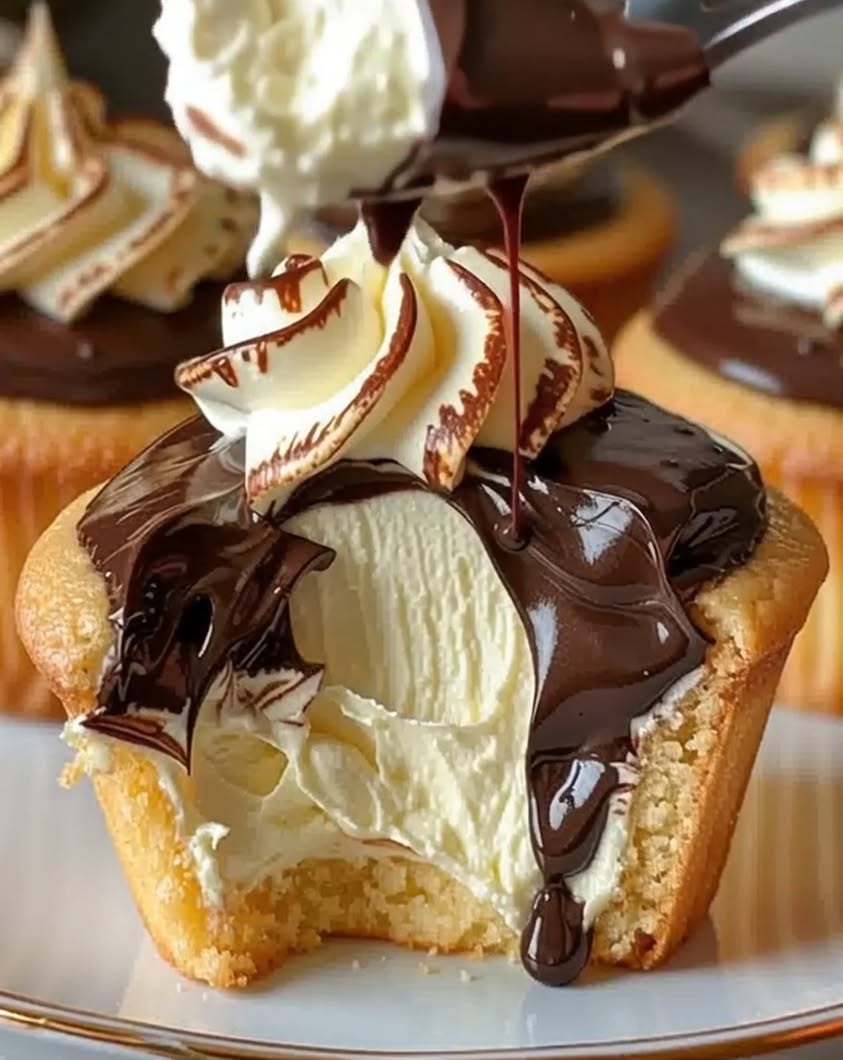
Imagine biting into a perfect, single-serving dessert that captures the entire magic of a classic Boston Cream Pie. These Irresistible Boston Cream Pie Cupcakes deliver exactly that experience. They combine a tender, buttery vanilla cupcake with a luscious, silky vanilla custard filling, all crowned by a decadent chocolate ganache glaze. Ultimately, this recipe transforms a beloved layer cake into a portable, party-perfect treat that is sure to impress.
Furthermore, the beauty of these homemade Boston Cream Pie Cupcakes lies in their elegant simplicity. Each component is straightforward, yet when layered together, they create a symphony of textures and flavors. The moist cake crumb gives way to the cool, creamy center, while the rich chocolate shell provides a satisfying snap. Consequently, they offer a gourmet bakery experience right from your own kitchen, perfect for everything from afternoon tea to celebratory gatherings.
Moreover, this guide will walk you through every step to ensure your Irresistible Boston Cream Pie Cupcakes turn out flawless. We will cover essential techniques, common pitfalls to avoid, and pro tips for the smoothest pastry cream and shiniest ganache. Therefore, whether you are a seasoned baker or a confident beginner, you can master this iconic dessert in cupcake form.
Quick Recipe Highlights
- Flavor Profile: These Boston Cream Pie Cupcakes offer a classic trio of sweet vanilla cake, rich vanilla custard, and deep, dark chocolate. The balance is perfect, with no single element overpowering the others. Finally, the result is a sophisticated, well-rounded dessert flavor.
- Texture: Experience a delightful contrast in every bite. The cupcake is soft and moist, the pastry cream is luxuriously smooth and creamy, and the chocolate ganache sets into a firm, glossy shell. This interplay is the hallmark of an authentic Boston Cream Pie experience.
- Aroma: As the vanilla cupcakes bake, they fill your kitchen with a warm, comforting scent. Subsequently, the vanilla bean in the custard adds a floral, complex note, while the melting dark chocolate introduces a deep, roasty aroma that promises indulgence.
- Visual Appeal: These cupcakes are stunning with their domed, golden tops, a hidden pocket of yellow cream, and a mirror-like chocolate glaze. A final drizzle of chocolate or a delicate garnish makes them look professionally crafted and utterly tempting.
- Skill Level Needed: This recipe is intermediate, as it involves three separate components: baking, custard-making, and chocolate work. However, each step is clearly explained. With careful attention to timing and temperature, a home baker can absolutely achieve stunning results.
- Special Equipment: You will need a standard 12-cup muffin pan, cupcake liners, a piping bag with a Bismarck or small round tip for filling, and a small saucepan. A whisk and a fine-mesh sieve are also crucial for a lump-free custard and smooth ganache.
Recipe Overview
- Difficulty Level: We rate these Irresistible Boston Cream Pie Cupcakes as intermediate. The challenge lies not in complexity, but in managing three components that require different skills: proper cupcake baking, tempering eggs for a stable custard, and correctly emulsifying chocolate ganache. Nevertheless, the process is broken down into manageable stages.
- Category: This recipe falls squarely into the dessert and baking categories. Specifically, it is a composed dessert, meaning multiple elements are prepared separately and assembled. It is perfect for special occasions, bake sales, or as a show-stopping homemade treat.
- Cuisine: The dessert has deep roots in American cuisine, with its origins tied to a Boston hotel in the 19th century. While the original was a cake, this cupcake adaptation modernizes the format while staying true to the essential flavors and textures of the classic.
- Cost: Making these Boston Cream Pie Cupcakes at home is surprisingly cost-effective compared to buying them from a bakery. Basic pantry staples form the foundation. The primary costs are for quality vanilla extract, good cocoa powder or chocolate for the ganache, and perhaps vanilla beans for an extra-special custard.
- Season: These cupcakes are truly a year-round delight. They are light enough for spring and summer gatherings yet rich and comforting for fall and winter holidays. Their elegant appearance makes them a versatile choice for any seasonal table.
- Occasion: They are ideal for birthdays, potlucks, holiday parties, or as a thoughtful homemade gift. Their individual portions make serving effortless. Additionally, they are a fantastic project for a fun baking weekend, creating memories along with delicious treats.
Why You’ll Love This Recipe
First and foremost, the taste and texture of these Irresistible Boston Cream Pie Cupcakes are utterly divine. The combination of soft vanilla cake, cool custard, and rich chocolate is timeless for a reason. Each component complements the others perfectly, creating a harmonious bite that is neither too sweet nor too heavy. Ultimately, it is a dessert that feels both nostalgic and elegantly gourmet, satisfying a deep craving for something truly special.
From a convenience standpoint, these cupcakes offer incredible preparation benefits. Unlike a layered cake that can be tricky to slice and serve, these are pre-portioned and easy to transport. You can bake the cupcakes and make the custard a day ahead, then assemble and glaze them just before serving. This make-ahead strategy makes them a stress-free choice for entertaining, allowing you to enjoy your own party.
Regarding nutritional advantages, homemade baking always allows for control over ingredients. You can choose organic dairy, source high-quality chocolate with a higher cocoa content, and adjust sugar levels slightly if desired. While certainly a treat, making your own Boston Cream Pie Cupcakes means you avoid the preservatives and artificial flavors often found in store-bought versions. You are nourishing your guests with real, recognizable ingredients.
The social and entertaining value of these cupcakes is immense. They are conversation starters, often evoking fond memories of the classic cake. Their beautiful appearance shows care and effort, making guests feel valued. Furthermore, because they are handheld, they encourage mingling and are perfect for buffet-style gatherings. They are a dessert that promises and delivers a memorable experience.
Finally, these Irresistible Boston Cream Pie Cupcakes are remarkably cost-effective and accessible. The ingredient list is straightforward, with items commonly found in a well-stocked pantry. By investing a little time, you can create a dozen bakery-quality desserts for a fraction of the cost. This accessibility empowers you to create impressive treats regularly, turning everyday moments into small celebrations.
Historical Background and Cultural Significance
The origin story of Boston Cream Pie is a delightful piece of American culinary history. Contrary to its name, it is a cake, not a pie. The dessert was first created in 1856 by Armenian-French chef M. Sanzian at Boston’s iconic Parker House Hotel. At the time, the terms “pie” and “cake” were often used interchangeably, especially for desserts baked in pie tins. Sanzian’s creation, originally called the “Parker House Chocolate Cream Pie,” was a revolutionary two-layer sponge cake filled with custard and topped with a chocolate glaze.
The cultural importance of this dessert cannot be overstated. In 1996, the Boston Cream Pie was officially declared the state dessert of Massachusetts, beating out other contenders like the toll house cookie. This designation cemented its status as a New England icon and a symbol of Boston’s rich culinary heritage. It represents a period of American history when grand hotels were centers of social life and culinary innovation, setting trends that would become national classics.
The evolution of the recipe from a full-sized layer cake to individual Boston Cream Pie Cupcakes is a modern adaptation that reflects changing eating habits and the popularity of portable, single-serve desserts. While the original Parker House recipe used a sponge cake, many contemporary versions, including this one, use a richer, butter-based vanilla cake for a more tender crumb. The fundamental architecture, however—cake, custard, chocolate—remains sacred and unchanged.
Regional variations of the concept are few, as the formula is so specific. However, some bakeries might add a rum syrup to the cake layers or use a chocolate buttercream instead of a poured ganache. The cupcake adaptation itself is a significant variation, offering new possibilities for presentation, such as injecting the custard or creating a chocolate-dipped top. These Irresistible Boston Cream Pie Cupcakes honor the tradition while embracing a modern, convenient format that today’s bakers and eaters love.
Ingredient Deep Dive
Let us start with the foundation: all-purpose flour. This pantry staple provides the structure for your vanilla cupcakes. For best results, spoon the flour into your measuring cup and level it off to avoid dense cakes. While cake flour can make a more tender crumb, all-purpose offers a sturdier base that can support the weight of the filling and glaze. Store flour in a cool, dry place to prevent moisture absorption and spoilage.
Granulated sugar does more than just sweeten. In the cupcake batter, it helps create a tender texture by weakening gluten strands and promotes browning through caramelization. In the custard, sugar is essential for texture and stability. You can use regular white granulated sugar without issue. For a subtle depth, some bakers substitute a small percentage with light brown sugar in the cake batter, introducing a hint of molasses.
Eggs are the multitaskers in this recipe. In the cupcakes, they provide structure, leavening, and richness. In the pastry cream, egg yolks are non-negotiable. Their proteins thicken the custard, and their fats provide an unparalleled silky, luxurious mouthfeel. Always use large eggs at room temperature for proper emulsification. The leftover egg whites can be saved for a meringue or macarons.
Whole milk and heavy cream are the liquid heroes. The milk hydrates the cupcake batter and contributes to a soft crumb. In the custard, whole milk is standard, but for an extra-rich filling, you can use half milk and half cream. The heavy cream’s high fat content is crucial for the ganache, ensuring a smooth, glossy, and stable chocolate glaze that sets beautifully without becoming brittle.
High-quality vanilla is the soul of this dessert. Pure vanilla extract is a must in both the cake and custard. For an exceptional pastry cream, scraping the seeds from a real vanilla bean pod adds beautiful flavor and specks. Avoid imitation vanilla, as its artificial notes will be prominent in such a vanilla-forward component. Store vanilla extract in a cool, dark cabinet.
Finally, the chocolate for the ganache defines the finish. Use a good-quality semi-sweet or bittersweet chocolate bar or high-quality chocolate chips. The cocoa solids and cocoa butter in real chocolate create a superior sheen and snap compared to candy melts. You can also use dark chocolate cocoa powder for the glaze variation. The choice of chocolate allows you to control the final sweetness and intensity of your Boston Cream Pie Cupcakes.
Common Mistakes to Avoid
- Overmixing the Cupcake Batter: Vigorously mixing after adding the flour develops gluten, leading to tough, dense cupcakes. Instead, mix just until the last streaks of flour disappear. A few small lumps are preferable to overmixing.
- Overfilling the Cupcake Liners: Filling liners more than two-thirds full causes the batter to spill over, creating messy, flat-topped cupcakes. These are difficult to fill and glaze. Use a cookie scoop for even, controlled portions.
- Undercooking the Pastry Cream: Not cooking the custard long enough after adding the egg yolks leaves it thin and runny. You must cook it over medium heat, stirring constantly, until it thickly coats the back of a spoon and reaches about 170°F.
- Not Tempering the Eggs: Adding hot milk directly to the egg yolk mixture will scramble the eggs. Always temper by slowly whisking a portion of the hot milk into the yolks first to gradually raise their temperature.
- Skipping the Custard Chill: Attempting to fill warm cupcakes with warm custard is a disaster. The custard will be too soft and melt into the cake. Chill it thoroughly, for at least 2 hours, until it is very firm.
- Using Hot Cupcakes for Filling: Filling cupcakes before they are completely cool causes the custard to melt and soak into the crumb. Let the cupcakes cool in the pan for 10 minutes, then transfer to a wire rack to cool completely.
- Ganache that is Too Hot or Too Cold: Pouring ganache that is too hot will melt the custard and make a mess. Ganache that is too cool will be thick and gloppy. Let it cool slightly until it is pourable but still warm.
- Not Creating a Filling Hole: Simply piping custard onto the top of the cupcake is incorrect. You must core the cupcake to create a reservoir for the filling. Use a cupcake corer, apple corer, or small knife to remove a plug of cake.
Essential Techniques
The creaming method is fundamental for the cupcake batter. This technique involves beating room-temperature butter and sugar together until light, pale, and fluffy. This process incorporates tiny air bubbles that expand during baking, resulting in a tender, fine-crumbed cake. The key is to beat for a full 3-5 minutes. Properly creamed mixture will look almost like whipped cream. Rushing this step is a primary cause of dense cupcakes.
Tempering eggs is the critical skill for a smooth, lump-free pastry cream. The goal is to gradually raise the temperature of the egg yolks to prevent them from curdling when added to the hot milk. After whisking the yolks and sugar, slowly drizzle in about one-third of the hot milk while whisking constantly. Then, you can safely whisk this tempered yolk mixture back into the remaining hot milk in the saucepan. Constant stirring over medium heat is then required until thickening.
Testing custard doneness relies on visual and tactile cues. The pastry cream is done when it thickly coats the back of a wooden spoon. If you run your finger through the coating, it should leave a clear, clean path that does not run back together. For precision, use an instant-read thermometer; it should register between 170°F and 175°F. Immediately straining it through a fine-mesh sieve removes any potential cooked egg bits for a perfectly silky texture.
Creating a perfect chocolate ganache requires proper emulsification. Chopped chocolate is combined with hot, steaming heavy cream. The heat from the cream melts the chocolate. Then, you must stir gently from the center outward until the mixture is completely smooth, glossy, and uniform. Avoid vigorous whisking, as this can incorporate air bubbles. If the ganache splits or looks oily, add a teaspoon of warm cream and stir gently to bring it back together.
Filling the cupcakes neatly demands the right tools. After coring the cooled cupcakes, transfer your chilled pastry cream to a piping bag fitted with a Bismarck tip or a small round tip. Insert the tip into the center of the cupcake and squeeze gently until you feel slight resistance, indicating the cupcake is full. A small dome of cream might peek out, which is fine as the ganache will cover it. This method ensures a hidden, generous pocket of custard in every bite.
Pro Tips for Perfect Irresistible Boston Cream Pie Cupcakes
For the fluffiest cupcakes, ensure all your refrigerated ingredients—eggs, milk, butter—are truly at room temperature. This allows for better emulsion and aeration during the creaming process, resulting in a superior rise and texture.
When making the pastry cream, press plastic wrap directly onto its surface before chilling. This prevents a rubbery skin from forming on top, ensuring your filling stays perfectly smooth and creamy.
To easily core cupcakes, use a small, sharp paring knife. Angle the blade and cut a small, cone-shaped piece out of the center, going about two-thirds down. Save these cake plugs to place back on top of the filling for a completely hidden surprise.
If your ganache seems too thin to set properly, let it sit at room temperature for 10-15 minutes to thicken slightly. Conversely, if it thickens too much while you work, gently re-warm it for 5-second intervals in the microwave, stirring between each.
For a professional bakery look, dip the top of each filled cupcake directly into the slightly cooled ganache. Twist your wrist slightly as you lift it out to create a smooth, even coating that drips beautifully down the sides.
Add a flavor twist to your custard by infusing the warm milk with a strip of orange zest or a tablespoon of instant espresso powder before tempering the eggs. Strain it out to keep the flavor subtle and sophisticated.
Let the glazed cupcakes set at room temperature. Do not refrigerate them immediately, as condensation can form on the beautiful chocolate glaze, making it sticky and dull.
For the ultimate presentation, use a fork or a small piping bag to drizzle a contrasting line of white chocolate or a second layer of ganache over the set glaze just before serving.
Variations and Adaptations
For regional variations, consider a New Orleans-inspired twist by adding a tablespoon of bourbon or dark rum to the pastry cream. Alternatively, incorporate a layer of toasted coconut between the custard and ganache for a tropical flair. These adaptations honor the classic structure while introducing new, exciting flavor dimensions to your Boston Cream Pie Cupcakes.
Seasonal adaptations are simple and effective. In the fall, add a pinch of cinnamon or pumpkin pie spice to the cupcake batter. For a winter holiday version, fold mini chocolate chips into the batter and use a peppermint-infused ganache. Spring calls for a garnish of fresh berries or edible flowers alongside the chocolate glaze.
Dietary modifications are entirely possible. For gluten-free cupcakes, use a reliable 1:1 gluten-free flour blend. To make dairy-free Boston Cream Pie Cupcakes, use plant-based milk and butter in the cake, coconut cream for the custard, and dairy-free chocolate with coconut cream for the ganache. Vegan versions also require egg substitutes like flax eggs and cornstarch-thickened custard.
Flavor variations can personalize your batch. Substitute the vanilla custard with a chocolate or coffee pastry cream. Infuse the ganache with orange oil or a pinch of chili powder for a sophisticated kick. You can even replace the vanilla cupcake with a chocolate cupcake base for a double-chocolate experience, though this strays from the traditional profile.
Texture modifications can cater to different preferences. For a lighter filling, fold whipped cream into the chilled custard to create a Chantilly cream. For a more intense chocolate experience, sprinkle a few flakes of sea salt over the wet ganache before it sets. Adding a thin layer of raspberry jam beneath the custard introduces a fruity, tart element and another texture.
Presentation alternatives offer creative freedom. Instead of a full dip, simply dollop ganache on top and let it cascade naturally. Serve the cupcakes deconstructed, with the custard in a small dish on the side for dipping. For a children’s party, roll the filled cupcakes in chocolate sprinkles immediately after glazing for a fun, crunchy exterior.
Serving and Presentation Guide
Plating techniques for these cupcakes can elevate them from simple to stunning. Serve them on a tiered cake stand for a dramatic effect at parties. Alternatively, place each cupcake on a small, decorative dessert plate, perhaps with a doily or a dusting of powdered sugar around the base. The individual plating makes each guest feel special and highlights the beauty of your homemade Irresistible Boston Cream Pie Cupcakes.
Garnishing ideas should complement, not overwhelm. A single gold leaf flake, a delicate chocolate curl, or a fresh raspberry placed centrally on the glaze adds elegance. For a simpler touch, a light dusting of cocoa powder or confectioners’ sugar just before serving creates a professional finish. A tiny mint leaf can add a pop of color and a hint of freshness.
Traditional accompaniments are minimal, as the cupcake is a complete dessert. However, a dollop of lightly sweetened whipped cream on the side is always welcome. A small cup of strong coffee or a glass of cold milk is the classic beverage pairing, cutting through the richness and cleansing the palate.
Modern serving suggestions might include deconstructing the elements for an interactive dessert. Serve the cupcake base, a pot of custard, and a bowl of warm ganache for guests to assemble themselves. For a dinner party, present them as part of a dessert trio with a mini fruit tart and a chocolate truffle.
Temperature considerations are crucial. These cupcakes are best served at cool room temperature. If refrigerated, remove them 20-30 minutes before serving to allow the cake to soften and the flavors to bloom. The custard should remain cool and firm, but the cake should not be cold and dense.
Portion control is built-in, as each cupcake is a perfect single serving. For a lighter option, you can make mini Boston Cream Pie Cupcakes using a mini muffin pan. Simply reduce the baking time to 10-12 minutes and use a smaller amount of filling and glaze. These are ideal for large gatherings where guests may want to sample multiple desserts.
Wine and Beverage Pairing
Wine pairings for these rich desserts should focus on sweetness and body to match the chocolate and custard. A late-harvest Riesling or a Moscato d’Asti, with their bright acidity and honeyed notes, cut through the sweetness beautifully. For red wine lovers, a Brachetto d’Acqui or a Lambrusco Dolce offers fruity, sparkling sweetness that complements rather than competes with the dessert’s flavors.
Non-alcoholic alternatives are equally important. A glass of cold, whole milk is a timeless and perfect match. For something more sophisticated, a sparkling apple cider or a homemade vanilla cream soda mirrors the dessert’s vanilla notes. Iced coffee or a cold brew with a splash of cream echoes the dessert’s richness and provides a pleasant bitter contrast.
Coffee and tea pairings are exceptional with Boston Cream Pie Cupcakes. A medium-roast coffee with notes of caramel and nut enhances the toasted flavors in the cake and ganache. For tea, a strong, malty Assam black tea stands up to the chocolate, while an Earl Grey with its citrusy bergamot offers a refreshing counterpoint to the sweet custard.
Temperature considerations for beverages depend on the season. In warmer months, iced coffee, cold milk, or a chilled dessert wine is ideal. During colder months, serve with a hot cup of French press coffee, a steaming mug of black tea, or even a small snifter of brandy for a truly decadent adult treat.
Serving suggestions for beverages should be thoughtful. Offer a choice of pairings if you are hosting. Present coffee in a carafe with cream and sugar on the side. If serving dessert wine, use smaller glasses to encourage sipping. Ultimately, the goal is to provide a drink that cleanses the palate and enhances the overall enjoyment of your Irresistible Boston Cream Pie Cupcakes.
Storage and Shelf Life
Storage methods are key to maintaining quality. Once assembled and glazed, store the cupcakes in a single layer in a rigid, airtight container. Do not stack them, as the weight will damage the glaze and smash the cupcakes. If you must stack, place parchment paper between layers and be very gentle.
Temperature requirements depend on timing. For serving within 24 hours, you can store them at cool room temperature in a cool, dry place. For longer storage, refrigeration is necessary due to the dairy-based custard. Always bring them to room temperature before serving for the best texture and flavor.
Container recommendations include cake carriers with locking lids or large food storage containers. Line the bottom with a paper towel to absorb any minimal moisture. For the refrigerator, ensure the container is sealed tightly to prevent the cupcakes from absorbing other food odors, as they can be quite porous.
Signs of spoilage are usually obvious. The custard may become watery or develop an off smell. The ganache may develop a white bloom (fat bloom), which is safe to eat but indicates temperature fluctuation and affects texture. If the cake develops mold or an unusual odor, discard the cupcake immediately.
Reheating instructions are not generally recommended, as heat will melt the glaze and custard. These are meant to be enjoyed cool. However, if you have stored only the un-filled cupcake bases, you can gently warm them in a microwave for 5-10 seconds to refresh them before filling and glazing fresh.
Freezing guidelines apply best to the components separately. Unfilled cupcake bases freeze beautifully for up to 3 months wrapped tightly. The pastry cream does not freeze well, as it can separate and become grainy upon thawing. It is best to make the custard fresh. Assembled cupcakes are not ideal for freezing, as the texture of the custard and cake will suffer.
Make Ahead Strategies
A smart prep timeline makes hosting effortless. Day 1: Bake the vanilla cupcakes, let them cool completely, then store them in an airtight container at room temperature. Also, prepare the pastry cream, cover it with plastic directly on the surface, and refrigerate. Day 2 (or several hours before serving): Core the cupcakes, fill them with the chilled custard, prepare the ganache, and glaze. Let set at room temperature before serving.
Storage between steps is straightforward. The baked and cooled cupcakes will stay fresh at room temperature for one day. For longer holds, freeze them. The pastry cream must always be refrigerated and is best used within 2-3 days for optimal freshness and texture. Keep all components covered to prevent drying or absorbing odors.
Quality impact assessment is important. Making the cupcakes a day ahead can actually improve their texture, as the crumb settles and becomes more moist. The custard benefits from chilling, as it sets firmly and the flavors meld. The only component that must be done close to serving is the ganache glaze, for the shiniest appearance and best snap.
Assembly tips for make-ahead success: Fill the cupcakes with custard no more than a few hours before glazing and serving. If filled too far in advance, the moisture from the custard can start to make the cake soggy. Have your ganache ingredients measured and chocolate chopped so the final step is quick and smooth.
Reheating guidelines are not applicable for the finished product. The strategy is about advanced preparation of parts, not reheating a whole dessert. If you need to soften a refrigerated assembled cupcake, simply let it sit on the counter for 20-30 minutes before serving.
Fresh element additions can be last-minute. Add any delicate garnishes like berries, mint, or chocolate curls right before serving so they look their best. If you did a simple ganache dip, a final drizzle of a contrasting chocolate can be done an hour before serving to let it set.
Scaling Instructions
Halving the recipe is simple for smaller batches. Use 6 cupcake liners in a muffin pan. Precisely halve all ingredient measurements. The baking time may reduce by 1-2 minutes, so start checking for doneness early. For the custard, halving works perfectly; just use a smaller saucepan. You may have a little extra ganache, which can be saved for another use.
Doubling or tripling the recipe is great for events. Double all ingredients systematically. You will need to bake in multiple batches unless you have multiple ovens and pans. Do not overcrowd the oven racks; bake one pan at a time on the center rack for even heat. For the custard, it is best to make two separate batches rather than one giant one, as tempering and cooking a large volume evenly is difficult.
Equipment adjustments for scaling are necessary. For a double batch, ensure you have a large enough mixing bowl for the cupcake batter. You will likely need two muffin pans. When making more custard, use a heavy-bottomed, wider saucepan to promote even, quick heating and prevent scorching on the bottom.
Timing modifications are key when baking multiple pans. The first pan may bake while you prepare the batter for the second. Allow the muffin pan to cool completely between batches; a hot pan will start cooking the batter immediately, affecting the rise. Factor in this extra cooling time into your total prep schedule.
Storage considerations for large batches are important. You will need multiple airtight containers or a very large one. Label containers if making different variations. Remember, filled and glazed cupcakes have a shorter shelf life, so time your large-batch assembly closer to the serving time for the best quality.
Nutritional Deep Dive
A macro breakdown for one Irresistible Boston Cream Pie Cupcake shows it is a energy-dense treat. It provides carbohydrates from the flour and sugar for quick energy, fats from the butter, egg yolks, cream, and chocolate for satiety and flavor, and a modest amount of protein from the eggs and milk. This balance contributes to the satisfying nature of the dessert, preventing a rapid sugar crash.
The micronutrient analysis reveals some benefits amidst the indulgence. Eggs provide choline for brain health and vitamin D. Milk and cream offer calcium and vitamin A. Dark chocolate contributes antioxidants like flavonoids. While not a health food, using quality ingredients means you are consuming real food nutrients, not empty calories from artificial sources.
Health benefits are more about the experience than physical nutrition. Homemade baking can reduce stress and provide a sense of accomplishment. Sharing these cupcakes fosters social connection. Enjoying a thoughtfully made dessert mindfully is part of a balanced relationship with food, promoting satisfaction without overindulgence.
Dietary considerations are important for those with restrictions. This standard recipe contains gluten, dairy, eggs, and soy (if using chocolate with soy lecithin). It is not suitable for vegan, gluten-free, or dairy-free diets without significant modifications. Always inform guests of the ingredients if you are serving them.
Portion analysis is inherent in the cupcake form. Each one is a designed serving, which helps with mindful eating. It is easier to enjoy one complete, satisfying cupcake than to cut a “small slice” from a large cake, which often leads to underestimating intake. The individual portion supports enjoying a treat without overdoing it.
Weight management tips for enjoying these treats include balancing them within your overall diet. Have one as a planned dessert after a healthy meal. Savor it slowly to maximize enjoyment. You can also make mini versions to reduce the calorie load per piece while still getting the full flavor experience. Ultimately, moderation and mindfulness are key.
Dietary Adaptations
For a gluten-free version, replace the all-purpose flour with a trusted 1:1 gluten-free baking blend that contains xanthan gum. Be careful not to overmix the batter, as GF blends can sometimes become gummy. The texture may be slightly more delicate, but the flavor will be excellent. Ensure your baking powder and other ingredients are certified gluten-free.
Dairy-free Boston Cream Pie Cupcakes require plant-based substitutes. Use vegan butter and unsweetened almond, soy, or oat milk in the cake. For the custard, full-fat coconut milk is the best substitute for dairy milk to achieve a rich, thick consistency. Use dairy-free chocolate and coconut cream for the ganache. The result will be delicious, with a subtle coconut note.
A vegan adaptation is more complex but possible. Replace eggs in the cake with flax eggs or commercial egg replacer. For the custard, use cornstarch or agar-agar as a thickener with plant-based milk. The ganache can be made with dairy-free chocolate and coconut cream. Expect a different, but still delightful, texture and flavor profile focused on plant-based ingredients.
Low-carb and keto adaptations involve significant changes. Use almond flour and a sugar substitute like erythritol in the cupcake. The custard can be made with heavy cream, egg yolks, and a sugar-free sweetener thickened with xanthan gum. The ganache requires sugar-free chocolate chips. These versions will be much higher in fat and lower in net carbs, fitting those specific dietary frameworks.
For a paleo version, use almond or coconut flour, coconut sugar or honey, and ghee or coconut oil. The custard can be made with coconut milk and arrowroot powder as a thickener. Use a paleo-approved dark chocolate for the ganache. This adaptation avoids grains, refined sugar, and dairy, aligning with paleo dietary principles while capturing the essence of the dessert.
Troubleshooting Guide
If your cupcakes are dense and gummy, the likely culprit is overmixing the batter after adding the flour, which over-develops gluten. Another cause could be using cold ingredients, which prevent proper creaming. To fix future batches, mix dry ingredients just until incorporated and ensure all ingredients are at room temperature before starting.
If your pastry cream is lumpy, it means the eggs scrambled slightly. This can happen if the milk was too hot when added or if the mixture was not stirred constantly over heat. To salvage it, immediately strain it through a fine-mesh sieve to remove the cooked egg bits. For next time, temper the eggs slowly and use a heavy-bottomed saucepan on medium, not high, heat.
If the ganache is too thin and won’t set, you may have used a chocolate with a low cocoa butter content or the ratio of cream to chocolate was off. To thicken it, add more finely chopped chocolate and let the residual heat melt it, stirring until smooth. Alternatively, chill it briefly, stirring every 5 minutes, until it reaches a pourable but thicker consistency.
If the filled cupcakes become soggy, you may have filled them while the cupcakes or custard were still warm. Moisture from the custard migrates into the cake. Unfortunately, you cannot fix this once it happens. For next time, ensure both components are completely cooled—the cupcakes to room temperature and the custard thoroughly chilled—before assembly.
If the ganache cracks when you bite into it or looks dull, it may have been cooled too quickly or in too cold an environment. Rapid temperature change causes the cocoa butter to crystallize in an unappealing way. To prevent this, let the glazed cupcakes set at cool room Print
Irresistible Boston Cream Pie Cupcakes
- Total Time: 45 minutes
- Yield: 4
Description
A delightful twist on the classic Boston cream pie, these cupcakes feature moist vanilla cake filled with creamy custard and topped with a rich chocolate ganache.
Ingredients
- 1 box vanilla cake mix (plus required ingredients: eggs, oil, water)
- 1 cup vanilla pudding or custard (store-bought or homemade)
- 1 cup semi-sweet chocolate chips
- 1/2 cup heavy cream
- 1 teaspoon vanilla extract
- Pinch of salt
Instructions
- Prepare the vanilla cake mix according to package instructions and bake as cupcakes. Let cool completely.
- Using a small knife or cupcake corer, remove the center of each cupcake. Fill each with vanilla pudding or custard.
- In a microwave-safe bowl, heat heavy cream until steaming. Pour over chocolate chips and let sit for 2 minutes, then stir until smooth. Add vanilla extract and salt.
- Spoon or drizzle the chocolate ganache over the top of each cupcake. Allow to set before serving.
Notes
You can customize the seasonings to taste.
- Prep Time: 15 minutes
- Cook Time: 30 minutes
- Method: Dessert
- Cuisine: American