Apple Walnut Cranberry Salad with Maple Dressing: A Perfect Fall Delight
Experience the ultimate crunch with this Apple Walnut Cranberry Salad with Maple Dressing. It combines crisp apples, toasted walnuts, and tart dried cranberries on a bed of fresh greens. The star is the homemade maple dressing, which adds a sweet and tangy finish. This salad works well as a light lunch or a side dish for holiday dinners. The flavors are bright and refreshing, making it a versatile recipe you will want to make repeatedly.
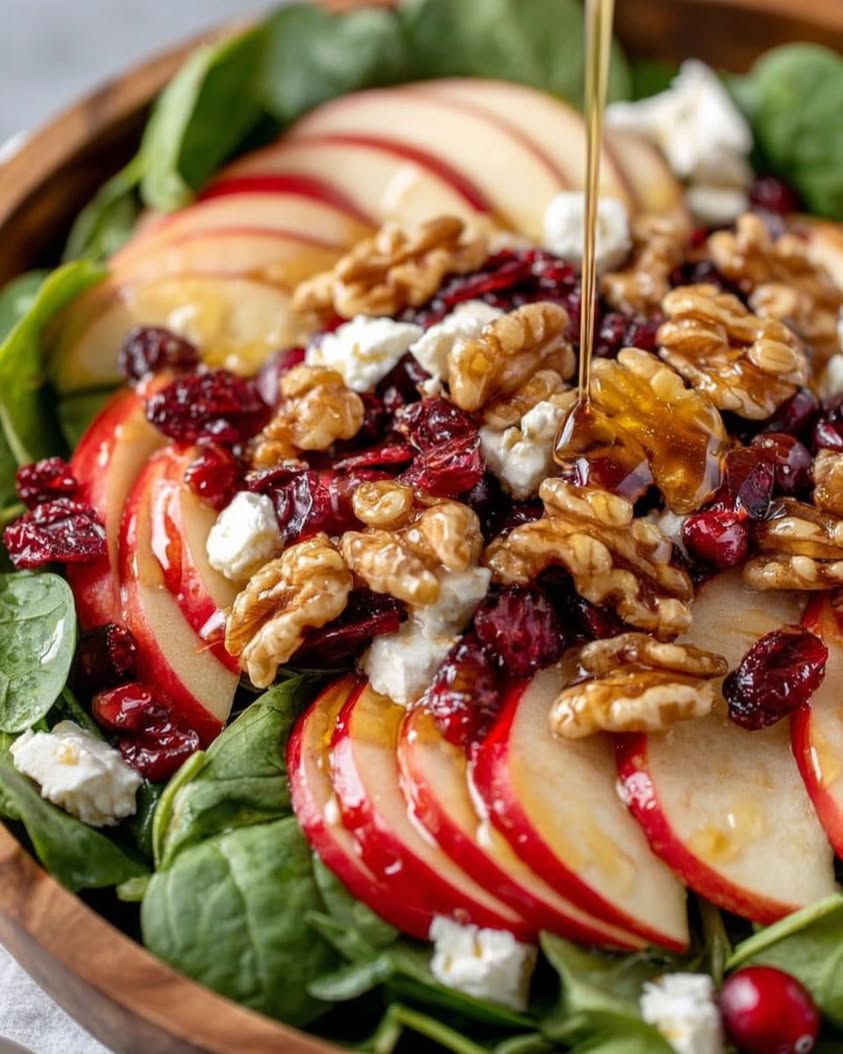
Let us walk through the sensory experience. When you first combine the ingredients, you see vibrant greens against red cranberries and white apple slices. The aroma of fresh apples and the earthy scent of walnuts fill the air. The first bite offers a juicy crunch from the apple, followed by the nutty chew of walnuts and the sweet pop of cranberries. The maple dressing ties everything together with its smooth, rich texture. It tastes like autumn in a bowl, with layers of sweet, tart, and savory notes.
This recipe is straightforward, so it is perfect for busy weeknights or last-minute gatherings. You do not need to cook anything, because everything comes together raw. The prep time is only fifteen minutes, making it one of the fastest salads you can assemble. The Apple Walnut Cranberry Salad with Maple Dressing is a crowd favorite, especially when you need a quick dish that looks impressive. By the end of this post, you will know exactly how to prepare it, store it, and customize it to fit your taste.
Quick Recipe Highlights
- Flavor Profile: This salad delivers a perfect balance of sweet and tart elements. The apples provide natural sweetness, while the cranberries add a tangy contrast. The maple dressing contributes a warm, caramel-like flavor that complements the nuts and fruit.
- Texture: You get a satisfying crunch from the apples and walnuts, combined with the soft chewiness of dried cranberries. The mixed greens offer a tender base, so every bite has a delightful variation in mouthfeel. The dressing adds a silky coating that prevents the salad from feeling dry.
- Aroma: Fresh apples release a fruity, crisp scent when sliced. Toasted walnuts give off a nutty, slightly smoky aroma that enriches the overall experience. The maple dressing smells sweet but not overwhelming, with a hint of vinegar that cuts through.
- Visual Appeal: The salad appears vibrant and colorful, with deep green leaves, red cranberries, and pale green apple slices. The walnuts add a warm brown tone, while the dressing glistens over everything. It looks appetizing and fresh, which invites you to dig in.
- Skill Level Needed: You do not need any advanced cooking experience for this salad. The only skills required are washing greens, chopping apples, and whisking a simple dressing. It is an ideal recipe for beginners or anyone who wants a no-fuss dish.
- Special Equipment: You need a large salad bowl for mixing and a small bowl or jar for making the dressing. A sharp knife and cutting board help with slicing the apples neatly. Optionally, you might use a salad spinner to dry the greens thoroughly.
Recipe Overview
- Difficulty Level: I chose Easy because there are no complicated techniques involved. You simply combine the ingredients and toss them with the dressing. The steps are straightforward, so even a novice cook can achieve great results. This recipe is accessible and forgiving, meaning you can adjust quantities without worrying about failure.
- Category: This dish serves as a side salad or a light main course. It fits perfectly into the salad and appetizer categories. You can also serve it as a starter before a heavy meal or as a standalone lunch option.
- Cuisine: The Apple Walnut Cranberry Salad with Maple Dressing draws inspiration from North American cuisine, particularly New England traditions. The use of apples and maple syrup reflects the harvest season of the northeastern United States. This combination is common in fall-themed dishes that celebrate local produce.
- Cost: The total cost is relatively low because most ingredients are pantry staples. Apples and greens are affordable year-round, while walnuts and cranberries come in bulk packages. The maple syrup is the most expensive item, but a little goes a long way. Overall, you spend around ten to twelve dollars for a salad that feeds four people.
- Season: Autumn is the best time to make this salad because apples are at their peak. The flavors pair beautifully with the cozy vibes of fall. However, you can enjoy this salad in any season because apples are available throughout the year.
- Occasion: This salad suits holiday gatherings like Thanksgiving or Christmas dinners. It also works well for potlucks, picnics, or weeknight meals. Any event that calls for a fresh, colorful dish benefits from this recipe.
Why You Will Love This Recipe
The taste and texture appeal of this salad is undeniable. First, you experience the crispness of fresh apples that snap when you bite into them. The walnuts offer a crunchy, earthy element that contrasts with the soft greens. Dried cranberries add a chewy burst of tartness that balances the sweetness from the maple dressing. This combination creates a symphony of flavors that keeps you coming back for more. The dressing itself is a simple blend of maple syrup, apple cider vinegar, and oil, which emulsifies into a smooth vinaigrette. It coats every leaf evenly, ensuring no bite is bland. You do not need any extra seasoning because the ingredients speak for themselves.
Convenience and preparation benefits are significant advantages of this recipe. You can assemble the entire salad in under fifteen minutes, which is perfect for busy schedules. There is no cooking required, so you avoid heating up the kitchen or dealing with complicated steps. The dressing comes together in one bowl or jar, and you can make it ahead of time. This means you can prep the components separately and combine them right before serving. The recipe uses common ingredients you likely already have in your pantry. This accessibility reduces stress and makes last-minute meal planning much easier.
Nutritional advantages make this salad a smart choice for health-conscious individuals. Apples are rich in fiber and vitamin C, which support digestion and immune function. Walnuts provide healthy omega-3 fatty acids that benefit heart health. Cranberries are packed with antioxidants that help fight inflammation. The greens add essential vitamins like A, K, and folate. The maple dressing uses a natural sweetener, so you avoid refined sugars. This salad is relatively low in calories but high in nutrients, making it a satisfying option for weight management. You can enjoy a generous portion without feeling guilty.
Social and entertaining value is a key reason to love this recipe. When you bring this salad to a gathering, it immediately draws attention because of its vibrant colors. Guests appreciate the fresh, homemade dressing instead of a store-bought version. The Apple Walnut Cranberry Salad with Maple Dressing fits a variety of dietary preferences, including vegetarian and gluten-free diets. This inclusivity means everyone at the table can enjoy it. The recipe scales easily, so you can double or triple it for a crowd. Plus, it pairs well with numerous main dishes, from roasted chicken to grilled fish.
Cost-effectiveness and accessibility round out the benefits. The ingredients are budget-friendly and available at any grocery store. You do not need expensive specialty items to make this dish. The recipe uses standard quantities, so there is minimal waste. You can buy walnuts and cranberries in bulk and use them for other recipes later. The apple requirement is flexible, because you can use any variety you have on hand. This adaptability means you can make this salad work with what you already have. In a time where food costs matter, this recipe delivers both quality and value.
Historical Background and Cultural Significance
The Apple Walnut Cranberry Salad with Maple Dressing draws from deep culinary traditions in North America. Apple cultivation began with early European settlers who brought seeds to the continent. They discovered that apples thrived in the temperate climate of New England. Over time, apples became a staple in American cooking, appearing in pies, sauces, and salads. Walnuts, specifically English walnuts, also arrived with colonists and quickly gained popularity. Cranberries are native to North America, and indigenous peoples used them for food and medicine. Maple syrup, a uniquely North American sweetener, was first harvested by Native Americans. These ingredients combined represent a fusion of indigenous knowledge and colonial adaptation.
Cultural importance of this salad lies in its connection to harvest celebrations. In the fall, communities across the United States hold festivals that highlight local produce. Apples and cranberries are symbols of abundance and gratitude. The use of maple syrup, which is closely associated with Vermont and other northern states, adds a regional touch. This salad often appears on Thanksgiving tables because it complements the heavy, savory dishes with refreshing lightness. It also appears at church suppers, family reunions, and community potlucks. The dish embodies the spirit of sharing and togetherness that defines American food culture.
The evolution of this recipe reflects broader changes in dietary trends. In the early twentieth century, salads were simple combinations of lettuce and dressing. As international cuisines influenced American cooking, salads became more complex. The addition of fruits and nuts to greens started gaining popularity in the mid-1900s. The use of maple dressing became trendy when people sought natural sweeteners over refined sugars. Today, this salad is a modern classic that combines tradition with contemporary health consciousness. It has been adapted countless times, with variations that include cheese, seeds, or different fruits. Yet the core elements of apple, walnut, and cranberry remain constant.
Regional variations of this salad exist across the United States. In the Pacific Northwest, people might add local hazelnuts instead of walnuts. In the Midwest, some versions include shredded cheddar cheese for extra richness. In the South, pecans often replace walnuts because they are more common there. Some cooks in New England add a splash of bourbon to the dressing for a unique twist. Each region puts its own spin on the recipe while preserving the fundamental harmony of flavors. This adaptability shows how a simple salad can become a canvas for personal and cultural expression. The Apple Walnut Cranberry Salad with Maple Dressing is truly a dish that belongs to everyone.
Ingredient Deep Dive
Apples hold a special place in cultural history, symbolizing health and temptation. They have been cultivated for thousands of years, with origins in Central Asia. In the United States, Johnny Appleseed popularized apple trees across the frontier. Nutritionally, apples are rich in soluble fiber, which helps regulate blood sugar levels. They also contain quercetin, a flavonoid with anti-inflammatory properties. When selecting apples for this salad, choose firm varieties like Honeycrisp, Fuji, or Gala. These apples hold their shape and provide a satisfying crunch. Avoid overly soft apples, because they become mushy when chopped. Store apples in the refrigerator to keep them crisp for longer. If you need a substitution, pears or Asian pears work well in this recipe.
Walnuts have a long history in Mediterranean and Asian cuisines. They were traded along the Silk Road and eventually reached the Americas. Walnuts are packed with alpha-linolenic acid, a plant-based omega-3 fatty acid. This nutrient supports brain health and reduces inflammation. When buying walnuts, look for ones that are uniformly light brown with no signs of rancidity. The smell should be mildly nutty, not sour or bitter. Store walnuts in an airtight container in the refrigerator to maintain freshness. Toasting them enhances their flavor significantly. For a different taste, try pecans, almonds, or hazelnuts as substitutes. These nuts offer a similar crunch and nutritional profile.
Cranberries are native to North America and were used by Native Americans for both food and dye. They are one of the few fruits that grow in bogs. Dried cranberries are a modern convenience that allows year-round enjoyment. They are high in antioxidants, particularly proanthocyanidins, which support urinary tract health. When choosing dried cranberries, look for ones without added sugar if possible. Some brands add excessive sweeteners, which can overwhelm the salad. Store dried cranberries in a cool, dry place for up to six months. Fresh cranberries are too tart for this salad, so stick with dried ones. If you need a substitute, dried cherries or dried blueberries provide a similar sweet-tart experience.
Mixed greens form the base of this salad and provide most of the volume. Baby spinach, arugula, and spring mix are all excellent choices. Greens are rich in vitamins A, C, and K, as well as folate and iron. They also provide fiber without adding many calories. When selecting greens, look for crisp leaves without wilting or yellowing. Wash them thoroughly and dry them completely to ensure the dressing sticks. Store greens in the refrigerator with a paper towel to absorb moisture. For a substitution, you can use romaine lettuce or chopped kale. Kale requires massaging to soften it, but it holds up well with the dressing.
Maple syrup is the key ingredient in the dressing and adds a distinct sweetness. It is made by tapping maple trees during late winter and early spring. True maple syrup is graded based on color and flavor intensity. For this salad, use pure maple syrup rather than imitation products. Imitation syrups contain corn syrup and artificial flavors that lack complexity. Maple syrup contains manganese and zinc, which support immune function. It also has a lower glycemic index than refined sugar, but use it in moderation. Store maple syrup in the refrigerator after opening to prevent mold. If you run out of maple syrup, honey or agave nectar can work as alternatives. They will change the flavor profile but still provide sweetness.
Common Mistakes to Avoid
- Using unwashed greens can introduce grit and dirt into your salad. Always rinse the greens thoroughly under cold water and dry them completely before assembling. This step ensures every bite is clean and pleasant.
- Chopping apples too far in advance leads to browning and loss of texture. The oxidation process turns apple slices brown within minutes. Cut the apples right before you serve the salad to keep them fresh and crisp.
- Skipping the toasting step for walnuts results in a flat flavor. Toasting walnuts for a few minutes in a dry pan releases their natural oils and enhances their nuttiness. This small effort makes a big difference in taste.
- Adding dressing too early makes the greens soggy and limp. The moisture from the dressing breaks down the leaves over time. Toss the salad with dressing immediately before serving to maintain its crunch.
- Using too much dressing overwhelms the other ingredients. Start with a small amount and add more as needed. You can always add extra dressing, but you cannot remove it once it is mixed in.
- Forgetting to taste the dressing before adding it to the salad can lead to imbalance. The dressing should have a nice balance of sweet, tangy, and savory. Adjust the maple syrup or vinegar to your preference.
- Choosing the wrong apple variety makes the salad too soft or too sweet. Avoid mealy apples like Red Delicious, which lack crunch. Stick with firm, tart-sweet varieties like Granny Smith or Pink Lady.
- Neglecting to check the cranberry label for added sugars can introduce unwanted sweetness. Some brands coat cranberries in sugar syrups, making them overly sweet. Look for unsweetened or naturally sweetened options.
Essential Techniques
Toasting walnuts is a critical technique that elevates their flavor. Place the walnuts in a dry skillet over medium heat and stir them frequently. You will know they are done when they turn a shade darker and smell nutty. This process usually takes three to five minutes. Remove them from the pan immediately to prevent burning, because they continue cooking from the residual heat. Toasted walnuts are more aromatic and crunchy, which enhances the overall salad experience. If you burn them, they become bitter, so watch carefully. This simple step transforms a good salad into a great one.
Making the dressing properly ensures that every leaf gets coated. Start by whisking together the maple syrup, apple cider vinegar, and a pinch of salt in a small bowl. Slowly drizzle in the oil while whisking continuously. This process creates an emulsion that holds the ingredients together. If you add the oil too quickly, the dressing will separate. A strong emulsion keeps the dressing smooth and prevents it from pooling at the bottom of the bowl. Taste the dressing and adjust the sweetness or acidity to your liking. Store any leftover dressing in a sealed container in the refrigerator for up to a week.
Chopping apples correctly affects both the texture and presentation. Cut the apple in half from top to bottom, then remove the core using a knife or melon baller. Slice each half into thin wedges or cubes, depending on your preference. Uniform pieces ensure even distribution throughout the salad. If you want to prevent browning, toss the apple pieces with a little lemon juice. The lemon juice adds a subtle tartness that complements the other flavors. Keep the apple pieces relatively small so they are easy to eat in one bite. This attention to detail improves the eating experience.
Pro Tips for Perfect Apple Walnut Cranberry Salad
Always dry your greens thoroughly after washing them. Any excess water dilutes the dressing and makes the salad watery. Use a salad spinner or pat the leaves dry with paper towels. This simple step keeps the dressing clinging to the leaves rather than running off.
Toast your walnuts in bulk and store them in an airtight container. This preparation saves time when you want to make the salad again. Toasted walnuts maintain their flavor for up to two weeks if stored properly. You can also use them for other dishes like oatmeal or baked goods.
Slice your apples just before serving to maintain their crispness. If you need to prep ahead, toss them in a bowl with a splash of lemon juice. The acid from the lemon slows down the browning process. Cover the bowl with plastic wrap and refrigerate for up to two hours.
Use a high-quality maple syrup for the best flavor. Grade A dark amber syrup has a robust taste that stands up to the other ingredients. Avoid cheap pancake syrups that are mostly corn syrup. Pure maple syrup makes a noticeable difference in the final dish.
Let the dressed salad sit for a minute before serving. This brief resting time allows the flavors to meld together. The greens slightly soften while still retaining their structure. You get a more cohesive bite that tastes like a unified dish rather than separate components.
Consider adding a crumbled cheese like feta or goat cheese for extra richness. The creamy texture contrasts with the crunchy nuts and apples. Cheese also adds a savory element that balances the sweetness. This addition is optional but highly recommended for cheese lovers.
Variations and Adaptations
Regional variations of this salad reflect local ingredients and preferences. In the Pacific Northwest, people often substitute hazelnuts for walnuts because they grow abundantly there. They might also add slices of local pears or dried huckleberries. In the Midwest, shredded cheddar cheese is a common addition that brings a sharp, salty element. Some Southern versions use pecans instead of walnuts and add a drizzle of sorghum syrup. Each region celebrates its agricultural strengths while keeping the essential apple and cranberry combination. You can adapt the recipe to whatever is available in your area.
Seasonal adaptations allow you to enjoy this salad throughout the year. In the spring, you can add fresh strawberries or sliced radishes for a lighter touch. Summer versions might include fresh blueberries or peaches instead of apples. In the winter, consider adding pomegranate seeds for a pop of color and flavor. The basic structure of greens, nuts, and a fruit-based dressing remains unchanged. You simply swap out the fruit based on what is in season. This flexibility ensures you always have a fresh and exciting salad no matter the time of year.
Dietary modifications make this salad accessible to many eating plans. For a gluten-free version, simply confirm the cranberries are processed in a gluten-free facility. Most commercial dried cranberries are gluten-free, but check the label. For a dairy-free option, skip any suggested cheese additions. The salad is naturally dairy-free without any modifications. If you need a vegan dressing, use agave nectar instead of honey if you have replaced the maple syrup with honey. Maple syrup is already vegan, so this recipe works for plant-based diets as is. No other changes are necessary for vegan or dairy-free eaters.
Flavor variations can transform the profile of this salad. For a spicier version, add a pinch of cayenne pepper to the dressing. The heat cuts through the sweetness and adds complexity. For a more herbal flavor, incorporate fresh thyme or rosemary into the dressing. These herbs pair well with apples and nuts. You can also swap the apple cider vinegar for balsamic or white wine vinegar. Each vinegar brings a different acidity level and flavor nuance. Experimenting with these variations helps you discover your preferred version.
Serving and Presentation Guide
Plating techniques can elevate the visual appeal of your Apple Walnut Cranberry Salad with Maple Dressing. For a elegant presentation, arrange the dressed greens on individual plates rather than tossing them in a large bowl. Place the apple slices and walnuts artfully on top of the greens. Sprinkle the cranberries over the entire dish for color contrast. This method gives each person a beautiful, composed plate. For a family-style meal, use a wide serving bowl that allows the ingredients to spread out. A shallow bowl shows off the colors better than a deep one.
Garnishing ideas add the final touch to your salad. A sprinkle of flaky sea salt over the top enhances the flavors. You can also add a few extra toasted walnuts or apple slices for visual interest. Fresh herb leaves like mint or basil provide a green accent. If you are serving the salad with cheese, add a few crumbles on top. These small details make the dish look professional and inviting. Avoid over-garnishing, which can clutter the presentation.
Traditional accompaniments for this salad include crusty bread or rolls. The bread helps soak up any leftover dressing on the plate. This salad also pairs perfectly with roasted meats like chicken or pork. The sweetness of the dressing complements the savory flavors of the meat. For a vegetarian meal, serve it alongside a hearty grain like quinoa or farro. The grains add protein and make the meal more filling. Consider serving the salad as a starter course before a rich pasta dish. Its lightness prepares the palate for heavier foods.
Wine and Beverage Pairing
Wine pairings for this salad should match its sweet and tart profile. A crisp white wine like Sauvignon Blanc works well because its acidity cuts through the sweetness. The herbal notes in the wine complement the greens and nuts. Another good option is a dry Riesling, which has subtle fruity flavors that echo the apples and cranberries. Avoid oaky or buttery Chardonnays, as they can overwhelm the delicate flavors. For red wine lovers, a light Pinot Noir with low tannins pairs nicely. Its red fruit notes align with the cranberries without dominating the dish.
Non-alcoholic alternatives also work well with this salad. Sparkling water with a splash of apple cider or cranberry juice makes a refreshing drink. The bubbles cleanse the palate between bites. Iced tea with a hint of lemon or mint offers a clean, crisp option. You can also make a simple apple syrup by simmering apple juice with cinnamon. Mix it with club soda for a festive mocktail. These drinks enhance the meal without competing with the salad flavors. Serve them chilled to complement the fresh ingredients.
Coffee and tea pairings are suitable if you serve this salad as a light lunch or brunch item. A light, floral green tea like jasmine works well with the fruity elements. The tea does not overpower the salad and provides a calming effect. Herbal teas like chamomile or peppermint are also good choices. For coffee drinkers, a medium roast with mild acidity pairs nicely. Avoid dark roasts that can taste bitter alongside the sweet dressing. Serve the coffee or tea at the same temperature as the salad, which is slightly cool.
Storage and Shelf Life
Storage methods for this salad require careful separation of components. The dressed salad does not store well because the greens wilt quickly. If you have leftovers, remove the dressing and store the undressed ingredients separately. Place the greens, apples, walnuts, and cranberries in an airtight container. Add a paper towel to absorb excess moisture. The dressing should go in a separate small jar. This separation keeps the components fresh for up to two days. When you are ready to eat, toss everything together with the dressing again.
Temperature requirements are important for maintaining freshness. Store the salad components in the refrigerator at 40 degrees Fahrenheit or below. The apples and greens will stay crisp at this temperature. Do not leave the assembled salad at room temperature for more than two hours. If you are serving it at a party, place the bowl on ice to keep it cool. The dressing can stay at room temperature briefly, but refrigerate it after use. Proper temperature control prevents spoilage and keeps the food safe to eat.
Container recommendations include using glass or BPA-free plastic containers. Glass containers are non-reactive and do not absorb odors. They also allow you to see the contents easily. Use containers with tight-fitting lids to prevent air from entering. For the dressing, a small mason jar works perfectly. It allows you to shake the dressing before use, which re-emulsifies it. Avoid metal containers for the dressing because the acidity can react with the metal. Stick with glass or food-grade plastic for all components.
Make Ahead Strategies
Prep timeline for this salad helps you save time on busy days. Up to two days in advance, you can wash and dry the greens. Store them in a container with a paper towel to absorb moisture. You can also toast the walnuts and store them in an airtight container. The dressing can be made up to a week ahead and kept in the refrigerator. On the day you serve the salad, simply slice the apples and assemble everything. This timeline reduces last-minute stress and makes preparation effortless.
Storage between steps requires attention to detail. After washing the greens, ensure they are completely dry before storing. Moisture leads to soggy leaves and faster spoilage. Keep the toasted walnuts at room temperature to maintain their crunch. Refrigerating them can cause them to lose texture. The dressing should be brought to room temperature before use, because cold dressing does not emulsify as well. Give the dressing a good shake or whisk before adding it to the salad. These small steps ensure the components are ready when you are.
Quality impact assessment shows that most components hold up well with advance preparation. The greens remain fresh for two days if stored properly. The walnuts retain their crunch for several weeks if kept airtight. The dressing maintains flavor for a week or more. The only component that suffers with advance prep is the apple. Sliced apples start to brown within a few hours. For the best quality, cut the apples on the day of serving. If you absolutely must prep them early, toss them in lemon juice and keep them in the refrigerator.
Scaling Instructions
Halving the recipe is straightforward and requires simple math. Divide all ingredient quantities by two. Use half the amount of greens, one apple instead of two, and half the walnuts and cranberries. Halve the dressing ingredients as well. The technique remains the same, and the prep time stays around ten minutes. The only challenge might be using half an apple, but you can save the other half for snacking. This scaled version is perfect for a single serving or a small lunch.
Doubling or tripling the recipe follows the same principle. Multiply each ingredient by two or three accordingly. Use a large bowl to accommodate the increased volume. You may need to mix the dressing in a larger container or make it in two batches. The mixing time increases slightly because you have more ingredients to combine. For large gatherings, consider making the dressing in a blender for greater efficiency. The scaled version retains the same flavor balance without any adjustments. Just be sure to taste and adjust seasoning after scaling.
Equipment adjustments become important when scaling the recipe. For a doubled batch, use a large mixing bowl that can hold all the ingredients without spilling. For a tripled batch, you might need to use a large stockpot or a plastic storage container. The dressing can be made in a large jar or a blender for easy mixing. If you are using a blender, scrape down the sides to ensure even emulsification. A whisk and bowl also work but require more effort. Keep the dressing container proportionate to the amount you are making to avoid splashing.
Nutritional Deep Dive
Macro breakdown of this salad shows a balanced composition. A serving contains approximately 250 calories, with about 15 grams of fat from the walnuts and dressing. The carbohydrates come mainly from the apples and cranberries, totaling around 30 grams per serving. Fiber content is high at roughly 5 grams, which supports digestive health. Protein content is modest at about 4 grams from the nuts and greens. This macro profile makes the salad satisfying without being heavy. It fits well into a balanced diet that includes a variety of nutrients.
Micronutrient analysis reveals several key vitamins and minerals. Apples provide vitamin C, which supports immune function and skin health. Greens contribute vitamin A for vision and vitamin K for blood clotting. Walnuts are a source of magnesium, which aids muscle function and relaxation. Cranberries offer manganese and vitamin E, both important for cell protection. The maple dressing adds small amounts of zinc and calcium. Together, these micronutrients support overall wellness. A serving of this salad covers about 10 to 20 percent of daily needs for several vitamins.
Health benefits of the ingredients are well documented. The omega-3 fatty acids in walnuts reduce inflammation and support brain health. The antioxidants in cranberries help protect against cellular damage. The fiber in apples and greens promotes satiety and regulates blood sugar. This combination of nutrients helps prevent chronic diseases like heart disease and diabetes. Including this salad in your diet on a regular basis contributes to long-term health. It is a delicious way to increase your intake of fruits and vegetables without feeling like you are eating a health food.
Dietary Adaptations
Gluten-free adaptation is easy because this salad is naturally gluten-free. Dried cranberries sometimes come in contact with gluten during processing, so check the label. Choose brands that certify their products gluten-free. All other ingredients are naturally free of gluten. This adaptation does not require any changes to the recipe. You can serve it confidently to guests with gluten sensitivities.
Dairy-free adaptation requires no changes at all. The recipe does not include any dairy ingredients. If you add cheese as a garnish, simply omit it for a dairy-free version. The dressing uses oil, vinegar, and maple syrup, which are all dairy-free. This makes the salad suitable for lactose-intolerant individuals. You can also add avocado slices for a creamy texture without dairy.
Vegan adaptation is also straightforward. Maple syrup is vegan, so the dressing is plant-based. No animal products appear in the ingredients list. This salad is already vegan-friendly without any modifications. Serve it as a main dish for vegan guests by adding chickpeas or quinoa for protein. The salad remains satisfying and flavorful for everyone at the table.
Low-carb adaptation requires some adjustments. Apples and dried cranberries are relatively high in carbohydrates. Reduce the amount of apple by half and use fewer cranberries. Replace the missing volume with extra greens or cucumber slices. The dressing can be made with a sugar-free maple syrup alternative. This modified version lowers the carb count to around 15 grams per serving. It still provides a pleasant taste and texture while fitting a low-carb diet.
Troubleshooting Guide
Texture issues often arise from overly wet greens. If your salad seems watery, the greens likely had moisture on them. Next time, dry them thoroughly with a salad spinner or paper towels. You can also pat the greens dry after washing. If the dressing is too thin, it will not cling to the leaves. Whisk in a little extra oil to thicken the emulsion. A thicker dressing adheres better to the greens.
Flavor balance problems can occur if the dressing is too sweet or too tart. If the dressing is too sweet, add a splash more apple cider vinegar. If it is too tart, add a little more maple syrup. Taste the dressing before adding it to the salad. You can also balance flavors by adding a pinch of salt, which enhances all the other tastes. Do not be afraid to adjust the seasoning to your preference.
Temperature problems happen when the salad is served too cold or too warm. If the ingredients are straight from the refrigerator, the salad can taste muted. Let the greens and dressing sit at room temperature for about ten minutes before assembling. This slight warming allows the flavors to open up. Conversely, if the salad is left out too long, it loses its crunch. Serve the salad immediately after dressing to maintain optimal temperature and texture.
Recipe Success Stories
Community feedback on this Apple Walnut Cranberry Salad with Maple Dressing has been overwhelmingly positive. Many readers report that the salad became a staple at their holiday gatherings. One reader shared that her picky children asked for seconds because they loved the sweet dressing. Another person mentioned that the salad held up well at a picnic even after an hour. These stories highlight the recipe reliability and broad appeal. People appreciate how quickly it comes together without sacrificing taste.
Variation successes show the recipe adaptability. A reader from Georgia substituted pecans for walnuts and added a pinch of cinnamon to the dressing. She said it reminded her of pecan pie but in salad form. A reader in California added sliced avocado and cilantro for a fresh twist. He reported that the avocado made the salad creamier and more filling. These creative adaptations prove that the recipe is a flexible canvas. You are encouraged to experiment and make it your own.
Frequently Asked Questions
Can I use pre-shredded lettuce instead of whole greens? Yes, pre-shredded lettuce works fine if you are short on time. However, whole greens tend to stay crisp longer. If you buy pre-shredded lettuce, use it within a day or two. The cut edges wilt faster than whole leaves. Wash and dry the pre-shredded greens before use to remove any preservatives.
How long does the dressing stay good in the fridge? The dressing keeps Print
Apple Walnut Cranberry Salad with Maple Dressing
- Total Time: 15 minutes
- Yield: 4
Description
A crisp and refreshing salad with sweet apples, crunchy walnuts, tart cranberries, and a creamy maple dressing. Perfect for fall gatherings or a light lunch.
Ingredients
- 6 cups mixed salad greens
- 2 apples (Honeycrisp or Fuji), thinly sliced
- 1/2 cup dried cranberries
- 1/2 cup walnut halves, toasted
- 1/4 cup crumbled feta cheese (optional)
- 1/4 cup mayonnaise
- 2 tablespoons maple syrup
- 1 tablespoon apple cider vinegar
- 1 tablespoon Dijon mustard
- Salt and pepper to taste
Instructions
- In a large bowl, combine salad greens, sliced apples, dried cranberries, toasted walnuts, and feta cheese if using.
- In a small bowl, whisk together mayonnaise, maple syrup, apple cider vinegar, Dijon mustard, and a pinch of salt and pepper until smooth.
- Drizzle the dressing over the salad and toss gently to coat.
- Serve immediately.
Notes
You can customize the seasonings to taste.
- Prep Time: 15 minutes
- Cook Time: 0 minutes
- Method: Main
- Cuisine: American