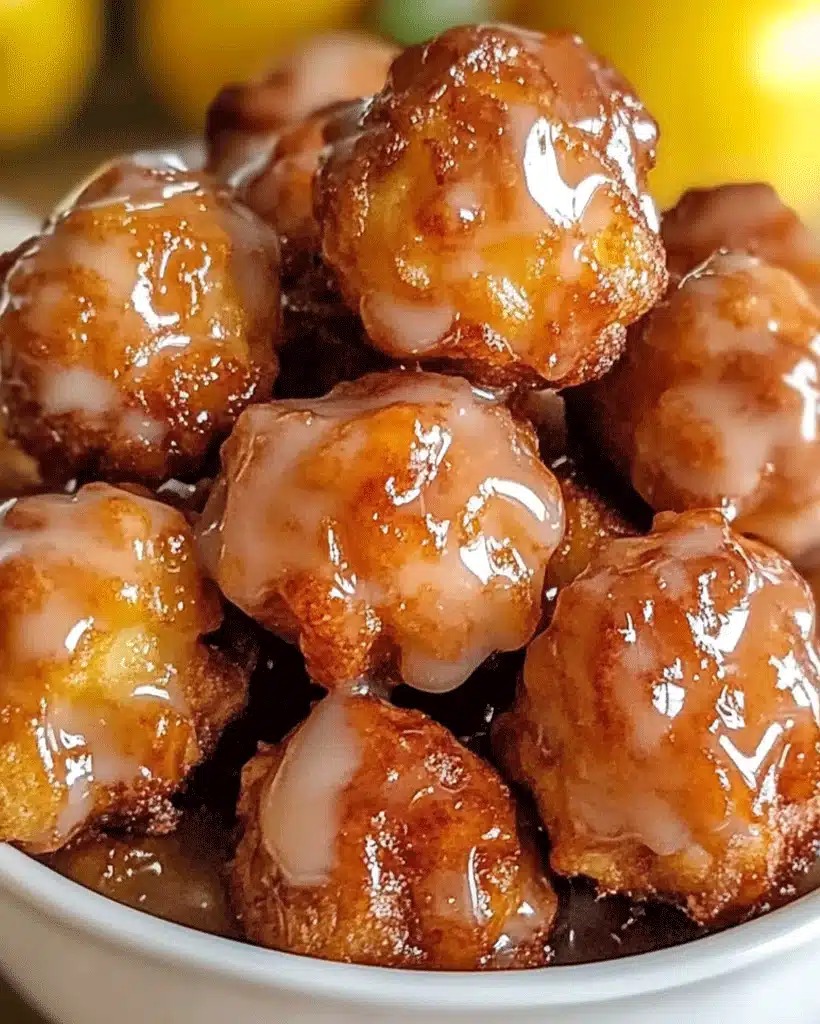
Irresistible Apple Cinnamon Fritters with Sweet Glaze: Your New Favorite Fall Treat
Imagine biting into a warm, golden-brown fritter with a perfectly crisp exterior that gives way to a soft, tender center bursting with sweet apple and warm cinnamon. This is the magic of a well-made apple cinnamon fritter. Moreover, these irresistible apple cinnamon fritters with sweet glaze are not just a dessert; they are a celebration of cozy flavors and simple baking joy. Consequently, they fill your kitchen with an aroma that feels like a hug, promising comfort in every single bite.
Creating these irresistible apple cinnamon fritters with sweet glaze is surprisingly straightforward. In fact, you do not need any special equipment or advanced pastry skills. Essentially, this recipe transforms basic pantry staples into something extraordinary. The process is forgiving and fun, making it a perfect project for a weekend morning or a festive brunch. Ultimately, the reward is a plate of homemade treats that are far superior to any bakery version, simply because you made them with your own hands.
The final drizzle of sweet glaze is the crowning glory. It adds a glossy, sugary finish that perfectly balances the spiced apple filling. This glaze seals in moisture and provides a delightful contrast to the fritter’s textured surface. Therefore, each component works in harmony. From the first whiff of frying dough to the last lick of glaze from your finger, this experience is pure culinary happiness. These irresistible apple cinnamon fritters with sweet glaze are guaranteed to disappear quickly from any platter.
Quick Recipe Highlights
- Flavor Profile: These fritters deliver a beautiful harmony of sweet and spiced notes. The natural sweetness of the apples shines through, while the cinnamon adds a warm, familiar depth. Finally, the simple sweet glaze provides a clean, sugary finish that ties all the flavors together perfectly.
- Texture: The texture journey is a key part of the appeal. First, you get a satisfying crunch from the golden fried exterior. Then, you discover a wonderfully soft, cake-like, and fluffy interior packed with tender pieces of apple. This contrast makes every bite interesting and deeply satisfying.
- Aroma: As they fry, the kitchen fills with an unmistakably comforting scent. The fragrance of cooking apples and warming cinnamon is absolutely intoxicating. Furthermore, this aroma creates anticipation and makes the entire house feel welcoming and cozy.
- Visual Appeal: These fritters are rustic and beautiful. They boast a craggy, irregular shape with deep golden-brown edges. The white glaze drips artfully down the sides, creating a very appetizing and homemade look that invites everyone to grab one immediately.
- Skill Level Needed: This is a beginner-friendly recipe. It requires basic mixing skills and careful attention to oil temperature. However, there is no intricate shaping or proofing required. Consequently, even novice cooks can achieve fantastic results on their first try.
- Special Equipment: You only need a few standard kitchen tools. A heavy-bottomed pot or Dutch oven for frying is ideal for maintaining steady heat. Additionally, a slotted spoon, a cooling rack, and a couple of mixing bowls are all you need to complete the recipe successfully.
Recipe Overview
- Difficulty Level: We rate this recipe as “Easy” for several important reasons. The dough comes together quickly without needing yeast or lengthy rise times. The frying technique is simple once you monitor the oil temperature. Also, the ingredient list is short and accessible, with no complicated techniques involved.
- Category: These fritters perfectly straddle multiple categories. They are a beloved breakfast pastry, a delightful dessert, and a fantastic snack. Moreover, they fit right in at a brunch buffet, a holiday gathering, or as a special afternoon treat with a cup of coffee or tea.
- Cuisine: While fritters appear in many global cuisines, this version is rooted in American home baking traditions. It draws inspiration from classic apple pie and doughnut shop favorites. Essentially, it is a comforting, all-American treat that celebrates seasonal produce with simple, honest flavors.
- Cost: This is an incredibly budget-friendly recipe. The main ingredients—flour, apples, sugar, milk—are pantry staples. Even with the oil for frying, the cost per fritter remains very low. Therefore, you can create an impressive and delicious treat for a crowd without straining your grocery budget.
- Season: Autumn is the undisputed peak season for this recipe, thanks to fresh apple harvests. However, these fritters bring joy year-round. They offer a taste of cozy fall warmth even in the middle of summer, making them a versatile recipe for any time you crave comfort.
- Occasion: These fritters are wonderfully versatile for events. They are perfect for weekend family breakfasts, holiday mornings like Christmas or Thanksgiving, bake sales, and potlucks. Furthermore, they make a thoughtful homemade gift when packaged prettily for a friend or neighbor.
Why You’ll Love This Recipe
First and foremost, the taste and texture combination is utterly addictive. The contrast between the crisp, sugary exterior and the soft, spiced apple interior is pure magic. Each bite delivers a burst of warm cinnamon and sweet fruit, followed by the rich finish of the glaze. This multi-sensory experience makes it truly impossible to eat just one. Consequently, these irresistible apple cinnamon fritters with sweet glaze become an instant favorite for anyone who tries them.
From a convenience standpoint, this recipe is a winner. It uses common ingredients you likely already have on hand. The process from bowl to plate is under forty minutes, delivering fresh, hot results faster than a trip to the bakery. Additionally, the recipe is forgiving; slight variations in apple size or batter consistency still yield delicious fritters. This reliability makes it a go-to recipe for both planned treats and spontaneous cravings.
While definitely a treat, these fritters offer some nutritional advantages when compared to heavily processed alternatives. By making them at home, you control the quality of ingredients. You can use fresh apples for fiber and vitamins. Also, you can adjust sugar levels slightly if desired. Choosing a neutral oil for frying ensures no unwanted trans fats are present. Therefore, enjoying a homemade treat can feel like a better choice.
The social and entertaining value of this recipe is incredibly high. A platter of warm, glazed fritters creates an immediate centerpiece for gathering. They encourage sharing and conversation. Serving them at a brunch or coffee date shows care and effort. Moreover, the process of making them can be a fun family activity, with tasks for everyone from peeling apples to drizzling glaze. They are a recipe that builds memories alongside delicious food.
Finally, the cost-effectiveness and accessibility are major benefits. This recipe transforms a few dollars worth of basic ingredients into a spectacular treat that can serve a dozen people. You do not need a deep fryer or professional tools. Essentially, it demystifies a beloved bakery item and makes it achievable in any home kitchen. This accessibility empowers you to create restaurant-quality flavors on a home cook’s budget.
Historical Background and Cultural Significance
The concept of frying dough is ancient and spans countless cultures, from Mediterranean zalabia to Indian jalebi. The fritter, as known in Western cooking, has roots in Roman times. Early recipes involved coating fruit or other ingredients in a simple batter and frying them. As trade routes expanded, spices like cinnamon became more accessible in Europe. Consequently, they began to flavor these fried doughs, leading to more recognizable ancestors of our modern treats.
In America, the fritter found a happy home in resourceful home baking. Settlers and farmers made use of seasonal gluts of fruit, like apples, by incorporating them into fried dough. These treats were economical and energy-dense, perfect for feeding families and farmhands. The apple cinnamon combination became particularly beloved in regions with apple orchards. Thus, it evolved into a symbol of harvest celebration and rustic, hearty cooking.
The recipe evolved significantly with the industrialization of baking ingredients. The widespread availability of reliable baking powder and powdered sugar in the 19th and 20th centuries standardized the texture and glaze we expect today. Doughnut shops popularized the cake-style fritter as a distinct item from ring doughnuts. Meanwhile, home cooks continued to cherish simpler, from-scratch versions. This dual evolution created the rich tradition we now enjoy.
Regional variations abound, showcasing local preferences. In the American South, you might find a touch of nutmeg or a bourbon-laced glaze. In New England, a sharper, tarter apple like Granny Smith might be preferred. Some versions are yeast-raised for a lighter texture, while others, like this one, use baking powder for speed. Regardless of the variation, the core appeal remains: hot, fried dough with sweet fruit and spice. This universal comfort has cemented the apple cinnamon fritter as a classic.
Ingredient Deep Dive
Apples: The star of the show, apples have been cultivated for thousands of years and are deeply woven into myth and history. For fritters, you want a firm, tart-sweet apple that holds its shape when cooked, like Granny Smith, Honeycrisp, or Braeburn. These varieties provide a pleasant tang that balances the sweet dough and glaze. They are also a good source of dietary fiber and vitamin C. Store apples in the refrigerator to maintain crispness, and always peel and core them before dicing for this recipe to ensure even cooking and a smooth texture in the batter.
All-Purpose Flour: This is the structural backbone of your fritters. Flour provides the gluten network that gives the batter strength to hold the apples and trap air from the baking powder. For a lighter texture, you can sift your flour to aerate it. While all-purpose is standard, for a slightly more tender crumb, some bakers substitute a small portion with cake flour. Store flour in a cool, dry place to prevent moisture absorption and spoilage. Properly measured flour (using the spoon-and-level method) is crucial to avoid dense, heavy fritters.
Ground Cinnamon: This warm, aromatic spice comes from the inner bark of cinnamon trees. It has been prized since ancient times for both flavor and purported medicinal properties. In this recipe, it provides the quintessential cozy flavor that pairs perfectly with apple. For the best flavor, ensure your cinnamon is fresh; old cinnamon loses its potency and can taste dusty. You can store it in a sealed container away from light and heat. For a more complex spice profile, consider adding a pinch of nutmeg or allspice alongside the cinnamon.
Granulated & Powdered Sugar: Sugar serves dual purposes here. Granulated sugar in the batter sweetens the dough and aids in browning during frying. Powdered sugar (confectioners’ sugar) is the base for the iconic glaze, creating a smooth, creamy consistency that clings to the fritters. Powdered sugar contains a small amount of cornstarch, which helps thicken the glaze. For the glaze, sifting the powdered sugar is a pro tip to avoid lumps. You can adjust the amount of milk in the glaze to achieve your desired thickness, from a thick drizzle to a thin icing.
Milk & Eggs: These are the primary wet ingredients that bind the dough and contribute to richness and browning. Milk adds moisture and helps activate the baking powder. The egg provides structure, fat, and helps create a tender crumb. For a dairy-free version, any plant-based milk like almond or oat milk works well as a 1:1 substitute. The egg can be more challenging to replace, but a commercial egg replacer or a “flax egg” can work in a pinch, though the texture may vary slightly.
Common Mistakes to Avoid
- Overmixing the Batter: This is the top mistake. Overmixing develops the gluten in the flour, leading to tough, chewy fritters instead of tender, cake-like ones. Mix the wet and dry ingredients just until they are combined and no dry flour streaks remain. A few lumps in the batter are perfectly fine and actually desirable.
- Incorrect Oil Temperature: Frying at oil that is too low will make your fritters greasy as they absorb excess oil. Conversely, oil that is too hot will burn the outside before the inside cooks through. Use a deep-fry or candy thermometer to maintain the ideal temperature of 350-365°F (175-185°C) for perfect results.
- Overcrowding the Pot: Adding too many fritters at once causes the oil temperature to plummet dramatically. This leads to uneven cooking and greasy food. Fry in small, manageable batches, giving each fritter plenty of space to float and cook evenly on all sides without touching its neighbors.
- Using the Wrong Apple: Choosing a very soft, mealy apple like a Red Delicious will result in mushy, disappearing pieces in your fritter. Always opt for a firm, baking-friendly apple such as Granny Smith, Honeycrisp, or Jonagold. These varieties soften nicely but still retain some texture and flavor after cooking.
- Glazing While Too Hot: If you drizzle the sweet glaze onto piping hot fritters, it will simply melt and run right off. Allow the fritters to cool on a rack for at least 5-10 minutes after frying. This lets the exterior set slightly so the glaze can cling beautifully and create those signature drips.
- Neglecting to Drain Properly: Removing fritters from the oil and placing them directly on a paper towel-lined plate can cause the bottom to become soggy from steam. Instead, use a wire cooling rack set over a baking sheet. This allows air to circulate all around the fritter, keeping the crisp exterior intact.
- Inaccurate Flour Measurement: Scooping flour directly from the bag with the measuring cup packs it down, leading to too much flour and a dry, dense batter. For accuracy, always spoon the flour lightly into your measuring cup and level it off with the flat edge of a knife.
- Skipping the Spice Toast (Optional but Impactful): For an even more intense cinnamon flavor, you can briefly toast your ground cinnamon in a dry pan over low heat for about 30 seconds before adding it to the dry ingredients. This wakes up the essential oils. However, skipping this step is a missed opportunity for flavor depth, not a critical error.
Essential Techniques
Controlling Fry Oil Temperature: This is the most critical technique for perfect fritters. Consistent oil temperature ensures even cooking and optimal texture. Use a deep-fry or candy thermometer clipped to the side of your pot. Heat the oil slowly to 365°F (185°C). When you add the batter, the temperature will drop; adjust the heat to bring it back to the target range of 350-365°F. A cube of bread should sizzle vigorously and turn golden in about 60 seconds when the oil is ready. The common pitfall is impatience—frying in oil that hasn’t reached the correct temperature.
Folding the Batter: The goal is to combine the wet and dry ingredients without overworking the gluten. Start by making a well in the center of your dry ingredients. Pour the wet mixture into this well. Using a rubber spatula or wooden spoon, gently fold the dry ingredients into the wet from the edges inward. Stop as soon as you see no more dry flour pockets. The batter will be thick and lumpy, which is correct. Visual cues for success include a shaggy, cohesive batter that holds its shape when scooped, not a smooth, runny one.
Testing for Doneness: Since fritters are irregular in shape, visual cues are key. They should be a deep, golden brown on all sides, which usually takes 2-3 minutes per batch. The most reliable method is to remove one “test” fritter and insert a toothpick or skewer into the center. It should come out clean or with a few moist crumbs, but no wet batter. If the outside is browning too quickly before the inside is done, your oil is too hot. Conversely, if they are taking much longer and absorbing oil, the temperature is too low.
Creating the Perfect Glaze Consistency: The glaze should be thick enough to coat the back of a spoon but thin enough to drizzle. Start by sifting your powdered sugar into a bowl to eliminate lumps. Add your liquid (milk, cream, or even apple cider) a tablespoon at a time, whisking thoroughly after each addition. The ideal consistency is similar to thick honey or pancake syrup. If it becomes too thin, add more sifted powdered sugar. If too thick, add more liquid drop by drop. A perfectly executed glaze will set slightly but remain tacky and delicious.
Pro Tips for Perfect Irresistible Apple Cinnamon Fritters
Chill your diced apples for 15 minutes before mixing them into the batter. This helps prevent them from releasing too much moisture into the dough while you are frying, which can affect the oil temperature and texture.
For extra flavor infusion, add a teaspoon of pure vanilla extract or a tablespoon of apple cider to your wet ingredients. This simple addition layers in more complexity and enhances the overall apple-cinnamon profile.
Use a small cookie scoop or two spoons to drop the batter into the hot oil. This creates a more uniform size and shape, leading to even cooking. It also minimizes the mess and keeps your hands clean.
After frying, let the fritters drain on the wire rack for a minute, then immediately roll them in a bowl of cinnamon sugar before glazing. This adds an extra layer of crunch and spice that is absolutely divine.
If you do not have a thermometer, test the oil with a small piece of bread or a drop of batter. It should sizzle actively and rise to the surface, turning golden brown in about 60 seconds. If it sinks or browns instantly, adjust the heat accordingly.
For a lighter variation, you can bake these fritters. Drop scoops of batter onto a parchment-lined baking sheet and bake at 375°F (190°C) for 15-18 minutes. Then, glaze as usual. The texture will be more muffin-like but still delicious.
Keep fried fritters warm in a 200°F (95°C) oven on a wire rack set over a baking sheet while you finish subsequent batches. This ensures everyone gets to enjoy a warm fritter at the same time.
Add a pinch of salt to your glaze. Salt is a flavor enhancer and will balance the intense sweetness of the powdered sugar, making the glaze taste richer and less one-dimensional.
Variations and Adaptations
Regional Variations: Explore global twists on the fritter concept. For a Dutch influence, add a handful of raisins or currants to the batter. For a Mexican-inspired version, incorporate a pinch of chili powder with the cinnamon and use piloncillo sugar in the glaze. An Italian variation might include a splash of anise liqueur or a dusting of lemon zest in the batter, offering a bright, sophisticated note.
Seasonal Adaptations: While apple is classic, other fruits shine in different seasons. In summer, try peach or blueberry cinnamon fritters. For winter, pear and ginger fritters are spectacular. You can even incorporate pumpkin puree into the batter in the fall for a pumpkin-spice fritter. The basic batter recipe is a wonderful canvas for whatever ripe, flavorful fruit you have available.
Dietary Modifications: To make gluten-free irresistible apple cinnamon fritters, use a 1:1 gluten-free all-purpose flour blend. For a dairy-free version, substitute the milk with almond, oat, or soy milk. A vegan adaptation can use a flax egg and plant-based milk, though the texture will be slightly denser. These modifications allow everyone to enjoy this treat regardless of dietary needs.
Flavor Variations: Do not be afraid to experiment with spices and extracts. Cardamom, nutmeg, or allspice can complement or replace some of the cinnamon. Adding orange or lemon zest to the batter provides a citrusy brightness. For a decadent twist, fold mini chocolate chips into the batter or drizzle the finished fritters with a salted caramel sauce instead of the classic glaze.
Texture Modifications: For added crunch, mix in finely chopped pecans or walnuts into the batter. For a creamier interior, use a softer apple variety or even a small amount of applesauce in the wet ingredients. If you prefer a yeast-raised, lighter fritter, you can adapt the recipe to use active dry yeast and a proofing time, resulting in an airier, doughnut-like texture.
Presentation Alternatives: Instead of free-form drops, you can pipe the batter using a piping bag with a large round tip for more uniform shapes. For mini fritters, use a teaspoon to drop tiny batter balls—perfect for parties. You can also serve them deconstructed: offer the warm, unglazed fritters with bowls of different glazes (maple, chocolate, vanilla) for dipping.
Serving and Presentation Guide
Plating Techniques: For a rustic, family-style presentation, pile the warm, glazed fritters high on a simple wooden board or a vintage cake stand. Allow the glaze to drip naturally for visual appeal. For individual plating, place one or two fritters slightly off-center on a small dessert plate. You can add a quenelle of whipped cream or a scoop of vanilla ice cream beside them to create height and contrast.
Garnishing Ideas: A light dusting of ground cinnamon or cinnamon sugar over the set glaze adds color and reinforces the flavor. Fresh apple slices or a fan of very thin apple slices make a beautiful, fresh garnish. A sprig of mint provides a pop of green. For a festive touch, sprinkle with edible gold dust or colorful fall-themed sprinkles.
Traditional Accompaniments: These fritters are traditionally served with a hot beverage. A strong cup of black coffee or a pot of hot tea is the classic pairing. For a brunch, they pair wonderfully with savory items like scrambled eggs, bacon, or breakfast sausages, balancing the sweet with the savory.
Modern Serving Suggestions: Turn them into a decadent dessert by serving them à la mode with a scoop of cinnamon or caramel ice cream. Drizzle with extra caramel or hot fudge sauce. For an adult gathering, offer a side of bourbon or rum-infused whipped cream. You can also skewer mini fritters on sticks for a fun, handheld dessert option.
Temperature Considerations: Irresistible apple cinnamon fritters with sweet glaze are truly best served warm. The glaze will be slightly tacky, and the interior will be soft. If they have cooled, you can briefly reheat them in a 350°F (175°C) oven for 5-8 minutes to restore the fresh-from-the-fryer warmth and texture. Avoid microwaving, as it can make them soggy.
Portion Control Tips: While it is tempting to eat several, these are rich treats. Serving them as part of a larger brunch spread or as a dessert course helps with portioning. Cutting larger fritters in half can also make them seem more plentiful and allows people to sample other items. Offering smaller, “two-bite” mini fritters is an excellent strategy for events.
Wine and Beverage Pairing
Wine Pairings: The sweet, spiced profile of these fritters calls for wines with complementary flavors. A late-harvest Riesling or Gewürztraminer with its notes of apricot and honey beautifully mirrors the apple and spice. A creamy, off-dry sparkling wine like Prosecco or Moscato d’Asti cuts through the richness with its bubbles and slight sweetness. For a richer pairing, a tawny Port or a cream sherry offers nutty, caramelized notes that align perfectly with the fried dough and glaze.
Non-Alcoholic Alternatives: Sparkling apple cider is the quintessential match, echoing the main ingredient with festive bubbles. A chai tea latte brings out the warm spices in the fritter. For a cooler option, a vanilla or cinnamon-spiced milkshake makes for an indulgent treat. Even a simple glass of cold milk is a timeless and perfect pairing that cleanses the palate.
Coffee/Tea Pairings: Coffee is a classic partner. A medium-roast coffee with notes of caramel or nut complements the fritter’s sweetness without overpowering it. For tea, a strong black breakfast tea, a spiced chai, or a creamy Earl Grey are all excellent choices. The tannins in black tea help cut through the fat of the fried dough, creating a balanced experience.
Temperature Considerations: Serve your pairing beverage at its ideal temperature. Coffee and tea should be piping hot. Sparkling wines and ciders should be well-chilled. Dessert wines are typically served slightly cooler than room temperature. The contrast between the warm fritter and a cool, sparkling beverage can be particularly delightful on the palate.
Serving Suggestions: Present the beverage pairing thoughtfully. Serve coffee in a large mug, wine in appropriate stemware, and milkshakes with a fun straw. For a brunch, consider setting up a coffee and tea station alongside the platter of fritters, allowing guests to create their own perfect pairing combination.
Storage and Shelf Life
Storage Methods: Once completely cooled, store unglazed fritters in a single layer in an airtight container at room temperature for up to 1 day. If glazed, they are best enjoyed the same day, as the glaze will soften the exterior over time. You can place parchment paper between layers if you must stack them, but this will compromise the crispness of the bottom layer.
Temperature Requirements: Room temperature storage is fine for short-term (1 day). For longer storage, refrigeration is necessary but will significantly alter the texture, making them denser. The ideal scenario is to fry and glaze the fritters just before serving to experience their peak quality. Never store them while still warm, as condensation will create sogginess.
Container Recommendations: A cake carrier with a tight seal or a large plastic storage container works well. Do not use a plastic bag, as it can trap moisture and cause the fritters to become sticky and lose their definition. If using a container, ensure it is large enough to avoid squishing them.
Signs of Spoilage: Discard fritters if you notice any mold growth, an off or sour smell, or an excessively greasy or slimy texture. While they may become stale (hard and dry) after a couple of days, this is a texture issue, not necessarily spoilage. However, stale fritters are not pleasant to eat.
Reheating Instructions: To recapture freshness, reheat in a 350°F (175°C) oven for 5-10 minutes on a wire rack set over a baking sheet. This will help re-crisp the exterior. The microwave is not recommended, as it will steam them and make them rubbery and soggy. You can also briefly refry them in hot oil for 30-60 seconds to restore crunch.
Freezing Guidelines: Freeze unglazed, fully cooled fritters. Place them in a single layer on a baking sheet to flash-freeze for 1 hour. Then, transfer to a heavy-duty freezer bag or airtight container, separating layers with parchment paper. They will keep for 1-2 months. Thaw at room temperature and reheat in the oven. Glaze after reheating for best results.
Make Ahead Strategies
Prep Timeline: You can prepare the dry ingredient mix (flour, sugar, baking powder, cinnamon, salt) and store it in an airtight container at room temperature up to 2 days ahead. Peel and dice the apples, then store them submerged in a bowl of water with a squeeze of lemon juice in the refrigerator for up to 1 day to prevent browning. Drain and pat very dry before using.
Storage Between Steps: The wet ingredients (milk, egg, vanilla) can be mixed and kept covered in the refrigerator for a few hours. However, combine the wet and dry ingredients only when you are ready to fry. The baking powder begins activating upon contact with liquid, and letting the mixed batter sit will result in less rise and denser fritters.
Quality Impact Assessment: Pre-mixing dry ingredients has no negative impact. Pre-cutting and soaking apples maintains freshness. The only step that cannot be done ahead is combining the final batter. For the absolute best texture and rise, mixing and frying should be a continuous process.
Assembly Tips: When ready to serve, set up your frying station with the oil heating in the pot. Drain and dry your apples. Mix your wet ingredients. Combine dry and wet ingredients, fold in the apples, and fry immediately. This streamlined approach minimizes last-minute stress and ensures optimal fritter quality.
Reheating Guidelines: If you must make the full fritters ahead, follow the storage and reheating instructions above. Reheat in the oven to restore texture. The glaze is always best applied fresh, so if making ahead, store unglazed and add the glaze just before serving after reheating.
Fresh Element Additions: Any garnish like fresh apple slices, mint, or a dusting of powdered sugar should be added right before serving. The glaze itself is a fresh element that should be applied no more than an hour before serving to maintain its glossy appearance and ideal consistency.
Scaling Instructions
Halving the Recipe: Halving this recipe is straightforward. Simply divide all ingredient quantities by two. Use one small egg or beat a whole egg and use approximately 2 tablespoons. A half-batch is perfect for a smaller household and will yield about 6 fritters. Use a smaller pot for frying to maintain the proper oil depth, and fry in two batches to avoid overcrowding.
Doubling or Tripling: For a crowd, doubling or tripling works well. Multiply all ingredients precisely. Use a very large, heavy pot or Dutch oven for frying to accommodate more oil and maintain temperature stability. Fry in consistent, small batches to prevent the oil temperature from dropping too much. You may need to adjust the heat more frequently as you add more cold batter. Have a second cooling rack and baking sheet ready to handle the increased yield.
Equipment Adjustments: Scaling up requires larger mixing bowls and a pot with a higher volume of oil. Ensure you have enough space on cooling racks. A larger slotted spoon or spider strainer is helpful for handling more fritters per batch. For very large batches, consider using two pots on separate burners, each with a thermometer, to speed up the process.
Timing Modifications: While prep time scales linearly, frying time does not. You still must fry in small batches regardless of the total quantity. Therefore, the total active cooking time will increase significantly. Plan for about 15-20 minutes of frying time per full batch of 12 fritters. Do not rush by overcrowding the pot.
Storage Considerations: A larger batch means more leftovers. Plan your storage containers in advance. If not serving all at once, consider frying in stages or holding finished fritters in a warm oven. Remember, freshly glazed fritters have the shortest shelf life, so glaze only what you plan to serve immediately if possible.
Nutritional Deep Dive
Macro Breakdown: A typical apple cinnamon fritter is a carbohydrate-rich treat due to the flour, sugar, and apples. It also contains a moderate amount of fat from the frying oil and egg. Protein content is relatively low, coming primarily from the flour and egg. The glaze adds a significant amount of simple sugars. Therefore, it is an energy-dense food best enjoyed in moderation as part of a balanced diet.
Micronutrient Analysis: The apples contribute valuable micronutrients, including vitamin C, potassium, and some B vitamins. They also provide dietary fiber, especially if the peel is left on (though it is typically peeled for this recipe). Cinnamon contains small amounts of calcium, iron, and manganese, along with beneficial antioxidants. The other ingredients contribute minimal micronutrients.
Health Benefits: The primary health benefits come from the apples (fiber for digestion, vitamin C for immunity) and the cinnamon (antioxidant and anti-inflammatory properties). However, these benefits are offset by the high calorie, sugar, and fat content from frying. View this recipe as an occasional source of enjoyment and comfort rather than a health food.
Dietary Considerations: This standard recipe contains gluten (flour), dairy (milk), and eggs. It is not suitable for those with related allergies or intolerances. The high sugar content makes it unsuitable for diabetics without significant modification. The frying process adds substantial fat, which may be a concern for heart health if consumed frequently.
Portion Analysis: One fritter is a reasonable serving size. Being mindful of portion control is key, as it is easy to consume multiple fritters due to their addictive quality. Pairing one fritter with a source of protein, like Greek yogurt or a handful of nuts, can help balance the meal and provide longer-lasting satiety.
Weight Management Tips: If managing weight, enjoy a fritter as a planned treat rather than an everyday snack. You can try the baked variation to reduce fat content. Sharing one with a friend is a great strategy. Most importantly, savor it slowly and mindfully to maximize satisfaction from a single serving.
Dietary Adaptations
Gluten-Free: To create gluten-free irresistible apple cinnamon fritters, replace the all-purpose flour with Print
Apple Cinnamon Fritters
- Total Time: 45 minutes
- Yield: 4
Description
Crisp golden edges, soft apple-cinnamon centers, and a sweet glaze that makes them impossible to stop at one. These bite-sized fritters are a perfect fall treat.
Ingredients
- 2 cups all-purpose flour
- 1/4 cup granulated sugar
- 1 tablespoon baking powder
- 1 teaspoon ground cinnamon
- 1/2 teaspoon salt
- 1 cup milk
- 2 large eggs
- 1 teaspoon vanilla extract
- 1 1/2 cups finely chopped apples (such as Granny Smith)
- Vegetable oil for frying
- 1 cup powdered sugar
- 2 tablespoons milk or apple cider
Instructions
- In a large bowl, whisk together flour, sugar, baking powder, cinnamon, and salt.
- In another bowl, beat milk, eggs, and vanilla. Pour into dry ingredients and stir until just combined. Fold in chopped apples.
- Heat 2 inches of oil in a deep pot to 350°F (175°C). Drop tablespoonfuls of batter into hot oil, frying in batches for 2-3 minutes per side until golden brown. Drain on paper towels.
- Whisk powdered sugar and milk or cider until smooth. Drizzle glaze over warm fritters. Serve immediately.
Notes
You can customize the seasonings to taste.
- Prep Time: 15 minutes
- Cook Time: 30 minutes
- Method: Dessert
- Cuisine: American