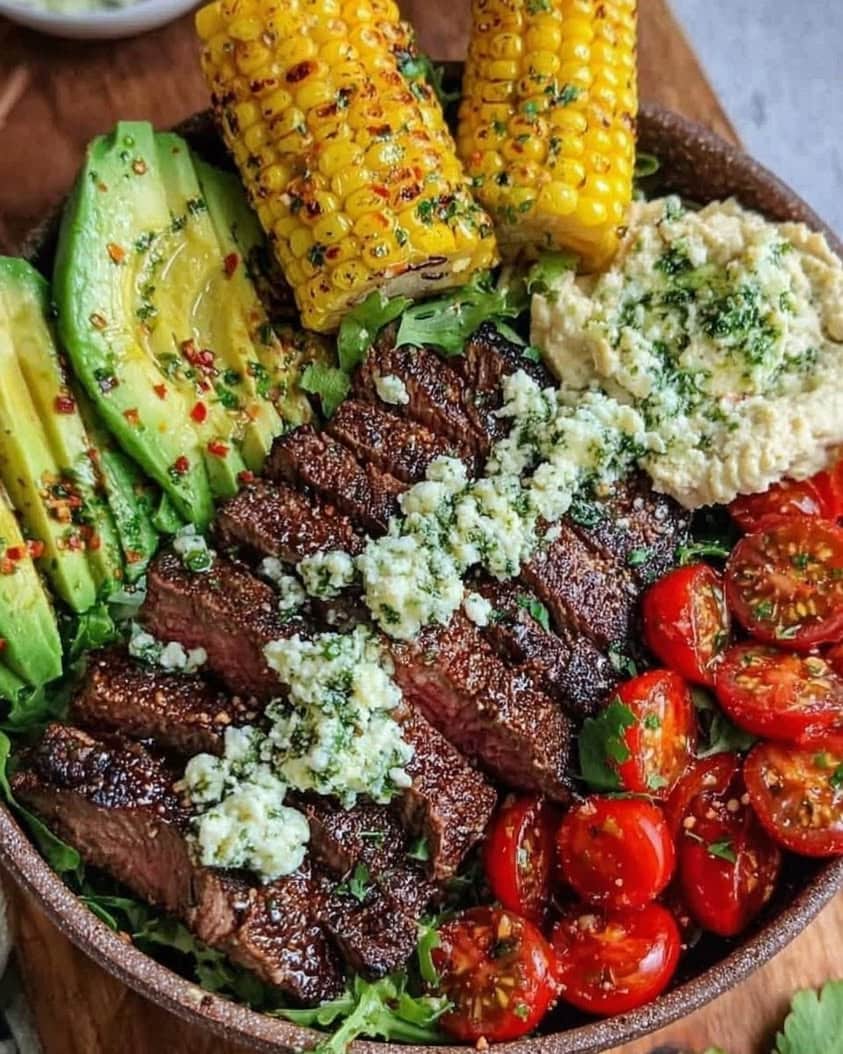
Steak, Avocado, and Roasted Corn Bowl with Cilantro Cream Sauce: A Flavor-Packed Dinner You Will Crave
This Steak, Avocado, and Roasted Corn Bowl with Cilantro Cream Sauce delivers restaurant-quality flavor right in your own kitchen, and it comes together in just 40 minutes from start to finish. Imagine juicy, seared steak nestled beside creamy avocado slices, sweet charred corn, and a drizzle of bright, herbaceous cilantro cream sauce that ties everything together. Every bite brings a satisfying contrast of smoky, fresh, and creamy notes that will make this bowl a regular in your dinner rotation. Whether you need a quick weeknight meal or a show-stopping dish for weekend guests, this steak avocado and roasted corn bowl with cilantro cream sauce checks every box.
The magic of this recipe lies in its balance. You get hearty protein from the steak, healthy fats from the avocado, and natural sweetness from roasted corn, all brought together by a tangy cilantro cream sauce that adds freshness and richness without overwhelming the palate. Because the ingredients come together in one bowl, cleanup stays minimal, and the presentation looks impressive enough for a dinner party. Furthermore, the components cook quickly, so you spend less time at the stove and more time enjoying your meal. If you love bold flavors with minimal fuss, this steak avocado and roasted corn bowl with cilantro cream sauce will quickly become your go-to.
Beyond taste, this recipe offers incredible flexibility. You can grill the steak outdoors, sear it on a cast-iron skillet, or even use leftover steak to save time. Similarly, the corn roasts beautifully in a skillet or on the grill, and the cilantro cream sauce whips up in a blender in under two minutes. As a result, you can adapt this dish to your schedule, your equipment, and your preferences without sacrificing flavor. In short, this steak avocado and roasted corn bowl with cilantro cream sauce delivers maximum reward for minimal effort, and that combination rarely disappoints.
Quick Recipe Highlights
- Flavor Profile: Smoky, savory steak pairs with sweet roasted corn and a bright, tangy cilantro cream sauce. Lime juice and garlic add zesty depth, while a touch of honey rounds out the sauce.
- Texture: Tender steak slices contrast with creamy avocado and juicy corn kernels. The sauce adds a silky finish, and optional toppings like crushed tortilla chips bring welcome crunch.
- Aroma: Charred corn and seared steak fill the kitchen with a smoky, grilled fragrance. Fresh cilantro and lime in the sauce add a clean, citrusy lift.
- Visual Appeal: Deep brown steak, bright green avocado, golden corn, and a pale green sauce create a striking color contrast in the bowl. A sprinkle of red pepper flakes or diced tomato adds extra pop.
- Skill Level Needed: This recipe suits beginners and experienced cooks alike. Basic knife skills and a hot skillet handle most of the work, and the blender sauce requires no special technique.
- Special Equipment: A cast-iron skillet or grill pan delivers the best sear and char. You also need a blender or small food processor for the cilantro cream sauce and a sharp knife for slicing steak.
Recipe Overview
- Difficulty Level: This dish earns an easy rating because each component uses simple techniques. You sear steak, char corn, and blend a sauce, none of which demand advanced skills. Timing stays forgiving, and you can prep ingredients ahead.
- Category: This works as a main course bowl, a hearty salad alternative, or a meal-prep lunch. It fits lunch and dinner categories equally well.
- Cuisine: The recipe draws on Tex-Mex and Southwestern traditions with fresh, bold flavors. Grilled meats, charred corn, and creamy herb sauces appear throughout those culinary traditions. California-style bowl cooking also influences the presentation.
- Cost: Expect moderate cost, roughly $6 to $8 per serving depending on steak cut and season. Buying flank or skirt steak keeps costs down, and seasonal corn saves money.
- Season: Summer shines for this recipe thanks to peak corn and avocado. However, you can make it year-round using frozen corn and reliable supermarket avocados.
- Occasion: Weeknight dinners, casual entertaining, game-day spreads, and meal prep all suit this bowl. It also works beautifully for patio dinners and potluck gatherings.
Why You’ll Love This Recipe
Taste and texture make this bowl irresistible. The steak brings savory, meaty depth, while the roasted corn adds caramelized sweetness that balances the richness. Meanwhile, the cilantro cream sauce delivers tang, herb freshness, and a cool creaminess that coats every ingredient. The avocado adds buttery softness, and a squeeze of lime keeps everything bright. Because each component contributes a distinct note, every bite stays interesting from the first forkful to the last.
Convenience sets this recipe apart on busy nights. You need just one skillet for the steak and corn plus a blender for the sauce, so cleanup takes minutes. The whole dish comes together in 40 minutes, and much of that time runs hands-off while the steak rests. Additionally, you can prep the sauce and chop vegetables earlier in the day, which cuts active cooking to about 15 minutes. Therefore, this recipe fits even the tightest weeknight schedule.
Nutritional advantages give this bowl real staying power. Steak supplies high-quality protein and iron, avocado delivers heart-healthy monounsaturated fats, and corn provides fiber and complex carbohydrates. The cilantro cream sauce adds freshness with relatively little richness because Greek yogurt replaces part of the sour cream. As a result, you get a satisfying meal that fuels your body without weighing you down. Many readers tell us this bowl keeps them full for hours.
Social and entertaining value makes this a crowd-pleaser. Set out the components buffet-style and let guests build their own bowls, which accommodates picky eaters and dietary needs. The vibrant colors photograph beautifully for social media, and the bold flavors spark conversation. Furthermore, you can double the recipe easily for parties, and the sauce holds well on a buffet line. Hosting feels effortless when the food looks this impressive.
Cost-effectiveness rounds out the appeal. Flank steak, canned or frozen corn, and plain Greek yogurt keep the grocery bill reasonable, and the recipe stretches four generous servings. Compared with steakhouse dinners or takeout bowls, this homemade version saves real money each week. Because the ingredients are widely available, you avoid specialty-store trips. Ultimately, this recipe proves that bold, satisfying food does not require a big budget.
Historical Background and Cultural Significance
The origin story of this bowl traces back to Southwestern and Tex-Mex cooking traditions, where grilled meats, corn, and fresh herbs form the backbone of everyday meals. Indigenous peoples of the Americas cultivated corn for thousands of years, and roasting it over fire remains a cherished technique across Mexico and the American Southwest. Steak bowls emerged more recently as fusion dishes in California and Texas, where cooks combined these traditions into convenient, flavor-packed meals.
Cultural importance runs deep through each ingredient. Corn holds sacred status in Mesoamerican cultures, where it represents sustenance and community. Cilantro, native to the Mediterranean and Asia, became a staple herb in Mexican cooking after arriving with Spanish explorers. Avocados originated in Mexico and Central America, where they have been cultivated for nearly 10,000 years. Together, these ingredients tell a story of cultural exchange that shaped modern American cuisine.
The recipe’s evolution reflects changing American eating habits. As bowl-style meals gained popularity in the 2010s, home cooks began layering proteins, grains, and fresh toppings into single-dish meals. Food blogs and social media accelerated the trend, and the steak avocado corn bowl quickly became a staple. Chefs refined the cilantro cream sauce to balance the smoky elements, and the dish moved from restaurant menus into home kitchens across the country.
Regional variations flourish across the United States. In Texas, cooks add pico de gallo and jalapeños for extra heat. California versions often include quinoa or brown rice for a lighter base. Meanwhile, Southern cooks sometimes top the bowl with pickled onions or cornbread crumbles. In the Southwest, smoky chipotle crema often replaces the cilantro sauce, which proves how adaptable this bowl truly is.
Ingredient Deep Dive
Flank or skirt steak anchors this recipe with rich, beefy flavor and excellent protein content. This cut comes from the abdominal muscles, which develop intense flavor through constant movement. Flank steak offers generous iron, zinc, and B vitamins per serving, and it stays leaner than ribeye or strip. Choose steak with fine grain, even marbling, and a deep red color, and store it in the coldest part of your fridge for up to three days. If flank is unavailable, substitute skirt steak, sirloin, or hanger steak with great results.
Cultural significance of grilled steak runs through Argentine asado traditions and Texas barbecue alike. Nutritionally, a four-ounce portion delivers roughly 30 grams of protein with minimal saturated fat when trimmed properly. When shopping, look for steaks about one inch thick so they sear evenly without overcooking. Always pat the steak dry before cooking, and let it rest for five minutes before slicing. For a cheaper option, try flat iron steak, which offers similar tenderness.
Avocados bring buttery richness and a nutritional powerhouse to the bowl. Originating in Mexico, avocados were prized by Aztec and Maya civilizations and remain central to Latin American cuisine. One avocado supplies nearly 20 vitamins and minerals, including potassium, vitamin E, and folate, along with heart-healthy monounsaturated fat. Select avocados that yield slightly to gentle pressure and feel heavy for their size. Ripen hard avocados at room temperature for two to three days, and store ripe ones in the refrigerator for up to five days.
For substitutions, consider using sliced mango for a sweet-tart alternative or a drizzle of avocado oil in the sauce if fresh avocados cost too much. Nutritionally, avocados support heart health and keep you full, and their fiber content aids digestion. Always cut avocados just before serving to prevent browning, and toss slices with lime juice to preserve color. These details separate a good bowl from a truly memorable one.
Roasted corn contributes sweetness, texture, and visual appeal, and it connects the bowl to Indigenous agricultural traditions. Corn provides fiber, B vitamins, and antioxidants like lutein. For the best flavor, choose fresh ears in summer and char them in a dry skillet or on the grill. Frozen or canned corn works year-round, though you should drain and pat it dry before roasting to encourage browning. Store fresh corn in its husk in the refrigerator for up to three days.
Substitute grilled bell peppers or zucchini if corn is unavailable, and the bowl still works. Nutritionally, corn delivers about 4 grams of fiber per cup and supports eye health. Selection tips include choosing husks that feel tight and fresh, and avoiding corn with dry, brown silk. For year-round convenience, roast a large batch of frozen corn on a sheet pan and freeze the kernels, then reheat and serve all week long.
Cilantro cream sauce brings the bowl together with fresh, tangy brightness. Cilantro grows widely across Asia and Latin America, and it appears in salsas, chutneys, and cremas around the world. The herb delivers vitamin K and small amounts of antioxidants, while Greek yogurt in the sauce adds protein and probiotics. Choose cilantro with bright green leaves and firm stems, and store it stem-down in a glass of water in the fridge for up to a week.
If you dislike cilantro’s soapy note, replace it with fresh parsley or basil for a similarly vibrant sauce. Nutritionally, the sauce stays light because Greek yogurt replaces heavy cream. To select the best cilantro, avoid wilted or yellowing bunches, and wash it thoroughly to remove grit. You can freeze leftover sauce for up to two months, though the color may darken slightly, so refresh it with lime juice after thawing.
Common Mistakes to Avoid
- Overcrowding the skillet when searing steak causes steaming instead of browning. Cook the steak in batches, and give each piece room to develop a crust.
- Slicing steak against the grain seems minor but changes everything. Cutting across the grain shortens muscle fibers and creates tender bites every time.
- Skipping the rest period for the steak lets juices run onto the cutting board instead of staying in the meat. Rest for at least five minutes before slicing.
- Using underripe or overripe avocados ruins the texture balance. Choose avocados that yield slightly to pressure and avoid mushy or rock-hard fruit.
- Underseasoning the corn leaves it flat and sweet without depth. Season corn with salt, pepper, and a pinch of chili powder as it roasts.
- Burning the garlic in the cilantro cream sauce turns it bitter. Blend garlic with the other ingredients rather than cooking it first.
- Overblending the sauce makes it too thin. Pulse until smooth but stop before the mixture heats up and thins out.
- Making the sauce too far ahead dulls the cilantro flavor. Blend the sauce within a few hours of serving for the brightest taste.
- Ignoring steak thickness leads to overcooking. Adjust cook times based on thickness, and use an instant-read thermometer for accuracy.
- Forgetting acid at the end leaves the bowl heavy. Finish with a squeeze of lime to brighten all the rich flavors.
Essential Techniques
Proper searing creates the flavorful crust that defines this bowl. A screaming-hot skillet seals in juices and triggers browning, which builds deep flavor. Preheat your pan until a drop of water sizzles and evaporates instantly, then add high-smoke-point oil. Common pitfalls include cold pans and wet steak, so pat the meat dry and wait for the pan to heat fully. Visual cues for success include a dark golden-brown crust and a steak that releases easily from the pan.
Resting steak allows juices to redistribute and keeps each slice moist. When you cut immediately, juices flood the board, and the meat dries out. Transfer the steak to a cutting board and tent it loosely with foil for five to ten minutes. Avoid cutting into the steak to check doneness during resting. Success shows when the sliced steak looks glossy and juicy rather than dry.
Roasting corn in a dry skillet brings out caramelized sweetness. High heat converts corn’s natural sugars into browned, nutty notes. Preheat the skillet until hot, then add drained corn in a single layer and let it sit undisturbed for a few minutes before stirring. Common pitfalls include stirring too often and using wet corn, both of which prevent browning. You will know it works when you see golden-brown spots and hear a gentle popping sound.
Blending the cilantro cream sauce correctly preserves its bright color and flavor. Combine yogurt, sour cream, cilantro, lime juice, garlic, and a pinch of salt in a blender, and pulse until smooth and creamy. Treat this technique gently because overblending heats the sauce and dulls the herbs. Common pitfalls include adding too much liquid at the start and not seasoning enough. Success shows when the sauce coats a spoon, tastes bright and tangy, and smells of fresh herbs.
Pro Tips for Perfect Steak, Avocado, and Roasted Corn Bowl
Season the steak at least 30 minutes before cooking so the salt penetrates the meat and enhances flavor. For even better results, salt it the night before and refrigerate uncovered.
Slice the steak thinly and at a slight angle to increase surface area and tenderness. Thin slices absorb the sauce better and create a more luxurious bite.
Toss avocado slices gently with lime juice right before assembling to keep them bright green. This step also adds a subtle citrus note that complements the steak.
Make extra cilantro cream sauce because guests will ask for seconds. It stores well for three days and doubles as a dressing, dip, or sandwich spread.
Warm your serving bowls before plating so the steak stays hot while you assemble. Warm bowls also keep the sauce from cooling too quickly.
Add texture with crushed tortilla chips, toasted pepitas, or crispy onions just before serving. These touches elevate the bowl from good to memorable.
Use a meat thermometer to pull the steak at 130 degrees Fahrenheit for medium-rare, then let carryover cooking finish the job. Accuracy beats guesswork every time.
Prep all toppings before you sear the steak because the assembly moves fast. This organization keeps the steak hot and the process stress-free.
Variations and Adaptations
Regional variations let you travel through flavor without leaving home. Add chipotle peppers and adobo sauce to the cilantro cream sauce for a smoky Mexican twist, or swap the sauce for chimichurri to lean into Argentine flavors. Texas-inspired versions benefit from a spoonful of salsa fresca and pickled jalapeños. Meanwhile, a Korean-inspired take uses gochujang in the sauce and a sprinkle of sesame seeds on top.
Seasonal adaptations keep the bowl fresh all year. Summer calls for fresh grilled corn and ripe heirloom tomatoes, while fall invites roasted sweet potatoes and toasted pumpkin seeds. In winter, use frozen corn and add roasted Brussels sprouts for heartiness. Spring brings radishes and fresh greens, which lighten the bowl beautifully.
Dietary modifications make the recipe inclusive. Swap steak for grilled chicken, shrimp, or grilled portobello mushrooms for different proteins. Use dairy-free yogurt and sour cream for a lactose-free version, and the sauce stays just as creamy. For a grain bowl, add brown rice, quinoa, or cauliflower rice as a base.
Flavor variations include a smoky chipotle crema, a zesty lime-jalapeño sauce, or a spicy harissa yogurt. Add mango salsa for sweetness, or stir goat cheese into the sauce for tang. Even a simple drizzle of hot honey transforms the bowl with sweet heat. Choose one flavor lever at a time to keep the dish balanced.
Texture modifications come from strategic toppings. Crushed tortilla chips deliver crunch, while toasted pepitas add nutty crispness. A fried egg on top adds richness and makes the bowl a brunch-worthy meal. Pickled onions bring tang and snap that lift the creamy elements.
Presentation alternatives suit any occasion. Serve the components in lettuce cups for a low-carb hand-held version, or layer everything over greens as a loaded salad. Spoon it into tortillas for tacos, or pile it on rice for a burrito bowl. Each format keeps the flavors intact while changing the experience.
Serving and Presentation Guide
Plating techniques start with a warm bowl and a contrasting base. Spoon rice or greens on one side, then arrange steak slices in a fan across the center. Place avocado slices around the edges and scatter corn across the top for color. Drizzle the cilantro cream sauce in a zigzag pattern to create visual interest.
Garnishing ideas include fresh cilantro leaves, lime wedges, red pepper flakes, and a sprinkle of cotija cheese. Toasted sesame seeds or crushed chips add texture and a professional finish. Keep garnishes simple so the colors pop against the steak and sauce.
Traditional accompaniments include warm tortillas, Mexican rice, and black beans. A simple side salad with lime dressing balances the richness. For a Southwestern spread, serve with grilled peppers and a bowl of guacamole on the side.
Modern serving suggestions include assembling the bowl as part of a build-your-own bar. Set out toppings in small bowls and let guests customize. This approach works beautifully for parties, family dinners, and casual gatherings alike.
Temperature considerations matter for texture. Serve the bowl while the steak and corn remain warm, but keep avocado and sauce cool. Assemble quickly after cooking so the contrast stays intact. Warm plates help maintain temperature during serving.
Portion control tips keep the meal balanced. Use about four ounces of steak, half an avocado, and half a cup of corn per bowl. Fill the rest of the bowl with greens or grains, and serve the sauce with a tablespoon so guests control richness.
Wine and Beverage Pairing
Wine pairings for this bowl favor bright, fruit-forward reds that stand up to the steak. A Malbec or Zinfandel offers bold fruit and gentle tannins that complement charred corn and beef. For a lighter option, a chilled Pinot Noir brings soft fruit and earthy notes. Rosé also works beautifully with the creamy sauce and fresh herbs.
Non-alcoholic alternatives include sparkling water with lime, a agua fresca made with watermelon or cucumber, or a non-alcoholic margarita. Iced tea with mint refreshes between bites, and a citrusy kombucha adds tang. These options keep the meal festive without alcohol.
Coffee and tea pairings work best after the meal when you want something warm. A light roast coffee complements the smoky notes of the charred corn. Rooibos tea or chai offers cozy spice that works with the cilantro sauce. Keep drinks simple so the food flavors stay center stage.
Temperature considerations matter for wine and sauce alike. Red wines taste best around 60 to 65 degrees Fahrenheit, slightly below room temperature. Sparkling drinks and rosé serve cold at 40 to 45 degrees. Poured and served at the right temperature, the pairing lifts the whole meal.
Serving suggestions include a pitcher of drink rather than individual pours for ease. Set out lime wedges and ice buckets for a self-serve feel. Pair the sauce with a crisp cerveza for a casual, refreshing combination that fits the bowl’s laid-back style.
Storage and Shelf Life
Storage methods keep components fresh by separating them. Store steak, corn, avocado, and sauce in individual airtight containers. Separate storage prevents avocado from browning and keeps the sauce’s flavor bright. Label containers with dates to track freshness.
Temperature requirements stay simple. Refrigerate all components at or below 40 degrees Fahrenheit. Keep the sauce cold until serving, and never leave the bowl at room temperature for more than two hours. Cool leftovers quickly in shallow containers to speed chilling.
Container recommendations include glass containers for the sauce and vacuum-sealed containers for steak. Glass resists stains and odors, and vacuum seals extend the life of sliced meat. Use small containers for toppings so you can grab only what you need.
Signs of spoilage include off smells, sliminess on avocado, and discoloration in the sauce. Discard components that look or smell wrong rather than tasting them. When in doubt, throw it out to keep your family safe.
Reheating instructions focus on the steak and corn. Warm steak gently in a skillet over medium-low heat for a few minutes per side, or microwave in 30-second intervals. Reheat corn in a dry skillet for two minutes. Keep avocado and sauce cold, and add fresh lime juice before serving.
Freezing guidelines cover steak, corn, and sauce. Freeze steak slices in portion bags for up to two months, and freeze corn kernels on a tray before bagging. The sauce freezes for two months, though its color may dull, so blend it with fresh cilantro after thawing. Avoid freezing avocado entirely because its texture breaks down.
Make Ahead Strategies
Prep timeline planning saves busy nights. Chop vegetables, mix spices, and blend the cilantro cream sauce up to two days ahead. Grill or sear the steak a day in advance and store it in the refrigerator. With these steps done, you assemble a fresh bowl in about ten minutes.
Storage between steps ensures quality. Keep the sauce in a sealed jar and the steak in a shallow container with any juices. Store chopped vegetables in paper towel lined containers to control moisture. Label everything so assembly moves quickly.
Quality impact assessment helps set expectations. Precooked steak stays tender and juicy when gently reheated, though it loses a slight bit of sear. The sauce keeps its flavor for two days, and corn holds up well when reheated. Avocado must be cut fresh, so plan to slice it at the last minute.
Assembly tips speed up serving. Set out all containers and work in an assembly line. Use warmed bowls, and assemble the steak, corn, and toppings first, then finish with avocado and sauce. This order keeps hot ingredients hot and cold ingredients cold.
Reheating guidelines for make-ahead components include gentle methods. Warm steak in a skillet with a splash of broth to restore moisture, and reheat corn over medium heat. Avoid microwaving the steak too long, which toughens the meat, and always add sauce fresh.
Fresh element additions at serving deliver contrast. Squeeze lime over everything, add a handful of fresh cilantro, and slice avocado to order. These small additions make prepped ingredients taste newly made, which matters for repeat success.
Scaling Instructions
Halving the recipe works easily for two servings. Use one steak, half an avocado, one cup of corn, and half the sauce ingredients. Keep the sauce batch large enough for the blender to blend properly. Store extra sauce for another meal, which doubles its value.
Doubling or tripling the recipe for a crowd requires planning. Cook steak in batches so the pan stays hot, and roast corn in two batches or on a sheet pan. Blend sauce in multiple batches, or use a larger blender. Larger batches also mean more ingredient prep, so invite help or start early.
Equipment adjustments become necessary at larger volumes. Use a large sheet pan for roasting corn, and pull out an extra skillet for steak batches. For parties, consider a grill to cook several steaks at once. Bigger bowls and serving platters help presentation stay polished.
Timing modifications matter because large batches take longer. Allow extra resting time for multiple steaks, and stagger cooking so food stays warm. Increase sauce prep time, and keep finished components warm in a low oven, around 200 degrees Fahrenheit. Quick order assembly keeps the line moving.
Storage considerations for scaled batches require more containers. Plan for refrigerator space before you cook, and use stackable containers to save room. Leftovers from a big batch make excellent lunches, so freeze portions for later weeks.
Nutritional Deep Dive
Macro breakdown for one serving includes roughly 35 grams of protein, 18 grams of carbohydrates, and 30 grams of fat, depending on steak cut and sauce amounts. The bowl delivers about 450 to 500 calories per serving with rice, or around 350 without grains. These macros make it a balanced meal that satisfies hunger and supports active lifestyles.
Micronutrient analysis reveals impressive numbers. Steak provides iron, zinc, and B12, while avocado delivers potassium, folate, and vitamin E. Corn adds lutein for eye health, and the cilantro sauce contributes vitamin K and probiotics from yogurt. Together, these ingredients cover a broad vitamin and mineral profile.
Health benefits extend beyond basic nutrition. Monounsaturated fats from avocado support heart health, protein from steak supports muscle maintenance, and fiber from corn aids digestion. Using Greek yogurt in the sauce lowers saturated fat while keeping creaminess. A balanced bowl like this fits most healthy eating patterns.
Dietary considerations vary by person. Those watching sodium should season lightly and rely on lime and herbs for flavor. People with lactose sensitivity can use dairy-free yogurt, and anyone avoiding red meat can swap in chicken or shrimp. Adjust portions to match personal goals.
Portion analysis keeps the meal in check. Four ounces of cooked steak suits most adults, and half an avocado provides satisfying fat. Keep sauce to one or two tablespoons per bowl, and add grains based on activity level. These portions balance satiety and nutrition.
Weight management tips include leaning on vegetables, using less oil, and controlling sauce portions. Fill half the bowl with greens or cauliflower rice, and keep decadent toppings small. The bowl’s protein and fat naturally curb cravings, which supports steady, sustainable habits.
Dietary Adaptations
Gluten-free versions require no big changes because the core ingredients contain no gluten. Verify that the sauce ingredients and any added toppings, like tortilla chips, are certified gluten-free. Serve over rice or greens for a complete gluten-free meal. Always read labels on yogurt and spice blends.
Dairy-free adaptations swap Greek yogurt and sour cream for coconut yogurt and dairy-free sour cream. The sauce stays creamy with a slight coconut note that pairs well with lime. Alternatively, use avocado and lime blended with olive oil for a dairy-free crema. Check all packaged ingredients for hidden dairy.
Vegan versions replace steak with grilled mushrooms, roasted chickpeas, or grilled tofu steaks. Use coconut yogurt for the sauce, and season protein boldly with smoked paprika and cumin. The bowl stays hearty and satisfying without any animal products, and most guests never miss the meat.
Low-carb and keto versions drop the rice and corn, adding cauliflower rice and extra avocado instead. Keep the sauce full fat with sour cream, and include nuts or seeds for crunch. Macros stay low in carbs and high in healthy fat, which suits ketogenic plans.
Paleo adaptations skip dairy in the sauce, using avocado and lime or coconut cream instead. Choose grass-fed steak and keep vegetables abundant. Avoid corn in strict paleo versions, and use roasted sweet potato for sweetness. Whole, unprocessed ingredients guide the swaps.
Low-FODMAP considerations require attention to garlic and avocado portions. Replace garlic with garlic-infused oil, and limit avocado to one-eighth per serving. Use lactose-free yogurt in the sauce, and keep portions moderate to avoid digestive discomfort.
Other specific diets include Whole30, which works with simple swaps like eliminating dairy and corn. Mediterranean-style eating fits naturally with olive oil and fresh herbs. Just adjust portions and sauce ingredients to match your plan.
Troubleshooting Guide
Texture issues usually trace back to steak doneness or avocado ripeness. If the steak turns tough, slice it thinner and against the grain. If the sauce turns grainy, blend it longer with a splash of lime juice. Mushy avocado means it was overripe, so choose firmer fruit next time.
Flavor balance problems respond to simple fixes. Too salty means adding more avocado or unsalted rice to absorb salt. Too bland means more lime, salt, and fresh herbs. If the sauce tastes bitter, check for overblended cilantro stems or old garlic.
Temperature problems arise when assembling too slowly. Warm the bowls first, and assemble within minutes of cooking. If the steak cools, sear it for 30 seconds per side to revive the crust. Keep the sauce chilled until the moment of serving.
Equipment challenges include skillets that lack heat. Cast iron and heavy stainless steel sear best, so preheat longer if your pan feels weak. If your blender struggles, blend in smaller batches. A dull knife ruins slicing, so sharpen before you start.
Ingredient substitutions change timing and texture. Chicken cooks faster than steak, so adjust cook times. Frozen corn needs extra time to brown, and dairy-free yogurt thins more easily, so use less liquid. Taste as you go to keep flavors aligned.
Timing concerns fit busy schedules. Prep components the night before, or cook the steak early and reheat gently. If the sauce needs to wait, keep it covered and chilled. A little planning prevents stress at dinner time.
Recipe Success Stories
Community feedback pours in from readers who made this bowl for weeknight dinners and weekend parties. Many report making it twice in one week because their families requested it. Parents love that kids build their own bowls, and picky eaters finally finish their plates. One reader called it the best meal to come out of her kitchen all month.
Variation successes include a reader who swapped steak for grilled shrimp and added mango salsa, calling it a summer favorite. Another substituted quinoa for rice and lost five pounds eating the bowl weekly. A third used leftover steak from a weekend cookout, proving the recipe saves time and money. These stories show how flexible the bowl truly is.
Adaptation stories come from readers with dietary needs. One gluten-free reader celebrated a meal that needed almost no changes. A dairy-free cook used coconut yogurt and shared the bowl with friends who never guessed the swap. These wins highlight how inclusive this recipe can be.
Reader suggestions improve the recipe over time. Fans recommend adding pickled onions, topping with cotija cheese, and doubling the sauce for leftovers. Others suggest grilling corn over charcoal for deeper flavor. We test these ideas, and many become reader favorites.
Photography tips help readers capture the bowl’s beauty. Shoot in natural light, and arrange steak slices fanned across the bowl. Drizzle sauce just before the photo so it glistens. These small details make home photos look almost professional.
Frequently Asked Questions
What cut of steak works best for this bowl? Flank and skirt steak deliver the best balance of flavor, tenderness, and cost. Sirloin, flat iron, and hanger steak also work well. Whatever cut you choose, slice against the grain and rest the meat before cutting to keep it juicy.
Can I make this steak avocado and roasted corn bowl ahead of time? Yes, and many readers prep components two days ahead. Store steak, corn, and sauce separately, then slice avocado fresh at serving. This approach keeps textures and flavors at their best, and assembly takes about ten minutes.
How do I keep avocado from browning? Toss avocado slices with lime juice right before serving. Keep them whole until the last moment, and store any unused portions tightly wrapped in the refrigerator. These steps slow oxidation and keep the color bright green.
Is this
Print A vibrant and satisfying bowl featuring juicy steak, creamy avocado, sweet roasted corn, and a tangy cilantro cream sauce. Perfect for a flavorful weeknight dinner. You can customize the seasonings to taste. For a spicier kick, add a pinch of cayenne pepper to the steak rub or the sauce.Steak, Avocado, and Roasted Corn Bowl with Cilantro Cream Sauce
Description
Ingredients
Instructions
Notes