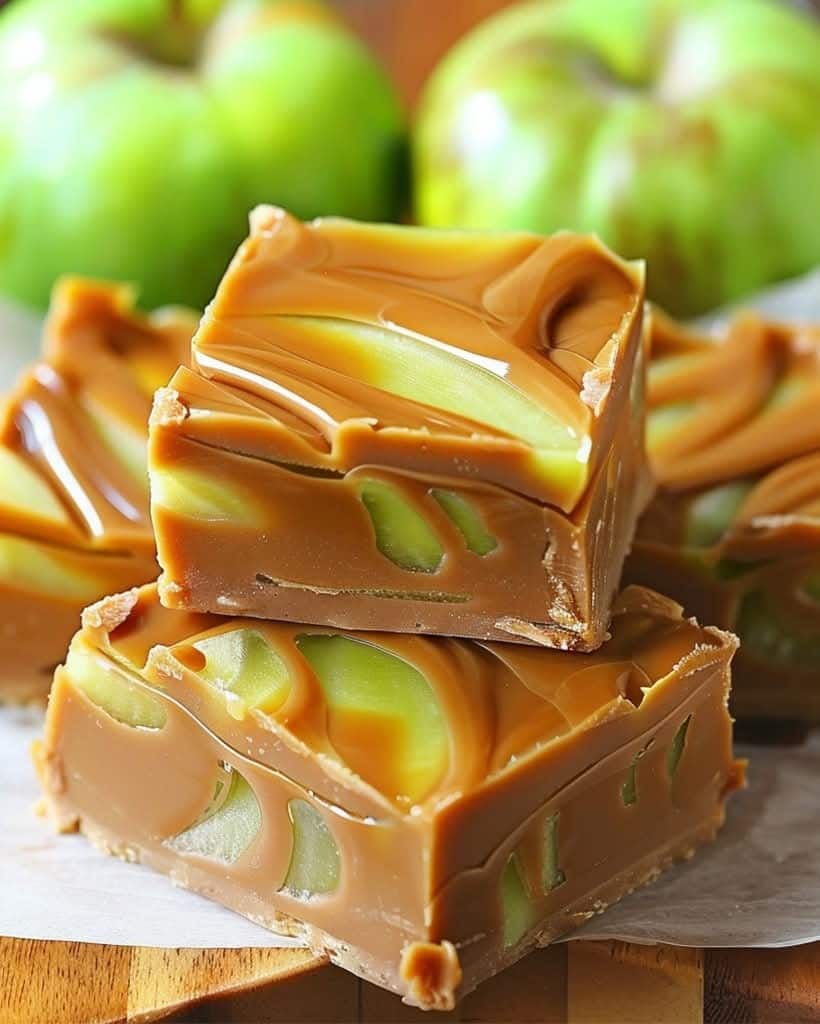
Irresistible Caramel Apple Fudge: A Fall Favorite Recipe
If you love the flavors of autumn, then this Irresistible Caramel Apple Fudge recipe will quickly become your new obsession. Imagine biting into a smooth, creamy square of fudge that melts in your mouth while delivering the perfect balance of sweet caramel and tart apple. This treat captures everything wonderful about fall in a single bite. Whether you plan to serve it at a holiday gathering or simply want a cozy homemade dessert to enjoy with family, this caramel apple fudge delivers on every level.
The magic of this caramel apple fudge lies in its ability to combine two beloved flavors into one irresistible confection. Fresh apple pieces bring a bright, fruity contrast to the rich, buttery caramel base. Meanwhile, the smooth fudge texture ties everything together in a way that feels indulgent yet approachable. You do not need professional candy-making skills to succeed with this recipe. With a few simple ingredients and some patient stirring, you can create a dessert that looks and tastes like it came from a specialty shop.
What makes this caramel apple fudge truly special is how it brings people together. There is something about the aroma of caramel and apple filling your kitchen that makes everyone gather around. This recipe works beautifully for gift-giving, potlucks, bake sales, and holiday trays. It stores well, travels easily, and always draws compliments. Once you master this caramel apple fudge recipe, you will find yourself making it every fall season and perhaps all year long.
Quick Recipe Highlights
- Flavor Profile: This caramel apple fudge delivers a rich, buttery caramel sweetness that melts into bright, tart apple notes. The flavors balance beautifully, with neither the caramel nor the apple overpowering the other. A hint of warm spice adds depth and warmth to every bite.
- Texture: Expect a smooth, creamy fudge base that offers a gentle chew before dissolving on your tongue. Tiny apple pieces provide a soft, juicy contrast to the dense fudge. The texture feels luxurious and satisfying without being overly sticky.
- Aroma: As the caramel cooks, it releases an intoxicating buttery scent that fills the kitchen. The apples add a fresh, fruity perfume that brightens the mix. Together, they create an aroma that instantly signals the arrival of autumn.
- Visual Appeal: The fudge features a warm golden tan color that suggests caramel richness. Speckled apple bits add visual interest throughout each piece. A light drizzle of caramel on top creates an elegant finish that makes this fudge look professional.
- Skill Level Needed: This caramel apple fudge recipe requires no advanced candy-making experience. If you can stir ingredients on a stovetop and follow timing instructions, you can make this treat successfully. The main requirements are patience and attention during the caramel melting process.
- Special Equipment: You need a sturdy 8×8 inch baking pan lined with parchment paper for easy removal. A heavy-bottomed saucepan helps distribute heat evenly and prevents scorching. A silicone spatula and a sharp knife round out the essential tools for this recipe.
Recipe Overview
- Difficulty Level: This caramel apple fudge ranks as an easy recipe because it uses a straightforward melt-and-mix method. The process requires no candy thermometer and avoids complicated sugar stages. The only challenge involves stirring the caramel mixture patiently to prevent burning. Beginners can succeed on their first attempt with careful attention to heat levels.
- Category: This recipe falls into the dessert category, specifically under candy and confection. It works as a sweet treat after meals, a snack, or a dessert-table centerpiece. The rich flavor makes it special enough for holidays yet simple enough for everyday enjoyment.
- Cuisine: Caramel apple fudge draws from classic American confectionery traditions. Caramel has long been a beloved flavor in American candy-making, while caramel apples became a fairground favorite in the early 1900s. This recipe combines those influences into a modern, accessible treat. It reflects the American love of sweet, indulgent flavors with a hint of nostalgia.
- Cost: Making this caramel apple fudge costs roughly $10 to $14 for the full batch. The most expensive ingredient is typically the caramel chips or caramels, which range from $3 to $5. Apples, sugar, butter, and condensed milk add another $5 to $7. Compared to buying specialty fudge at $10 to $15 per pound, homemade offers excellent value.
- Season: Fall is the ideal season for this caramel apple fudge because fresh apples reach peak flavor and affordability. The warm spices and rich caramel complement cool weather beautifully. However, this fudge works year-round and always delivers seasonal comfort regardless of the calendar.
- Occasion: Serve this fudge at Thanksgiving dinners, Halloween parties, or holiday cookie exchanges. It makes a wonderful homemade gift wrapped in small boxes with ribbon. Weekend get-togethers, movie nights, and school events all provide perfect occasions to share this treat.
Why You’ll Love This Recipe
First and foremost, the taste of this caramel apple fudge makes it impossible to resist. The creamy fudge delivers a deep, buttery caramel flavor that also lets the fresh apple pieces shine through. Each bite brings that familiar caramel apple experience in a new, softer form. Because the flavors blend so harmoniously, you get a dessert that satisfies both sweet and fruity cravings at once. People who claim they do not love fudge often change their minds after tasting this version.
The convenience of preparation gives this recipe strong appeal for busy home cooks. You need only one saucepan and a baking pan, so cleanup stays minimal. The entire process moves from start to finish in about 35 minutes, with much of that being hands-off cooling time. Furthermore, you can prepare it ahead for events and store it for weeks. This flexibility makes the fudge a reliable option when you need a last-minute dessert contribution.
While fudge is not a health food, this recipe offers some nutritional advantages over store-bought versions. Apples contribute dietary fiber and small amounts of vitamin C to each serving. Making fudge at home lets you control sugar levels and avoid preservatives found in commercial candy. You can also choose higher-quality chocolate and caramel products. For those who practice moderation, this homemade treat fits comfortably into a balanced eating plan with more awareness than processed alternatives.
Socially, this fudge serves as a wonderful conversation starter and people pleaser. Whenever you bring caramel apple fudge to a gathering, it becomes a topic of discussion. Guests appreciate the homemade touch, and the unique flavor combination sparks curiosity. Sharing the recipe earns you extra admiration too. The fudge also works beautifully as a gift, especially during the holidays when homemade food gifts feel most meaningful to recipients.
Finally, the cost-effectiveness and accessibility of this recipe make it a winner for any budget. All ingredients come from standard grocery stores, and most are pantry staples you may already own. The recipe requires no fancy molds, thermometers, or specialty equipment. Whether you cook for yourself, a large family, or a crowd of friends, this fudge stretches resources impressively. Few desserts deliver this much joy for so little investment of money and time.
Historical Background and Cultural Significance
The story of caramel apple fudge connects two distinct American candy traditions. Caramel itself dates back centuries, with early versions appearing in European kitchens by the 1600s. However, the caramel apple as Americans know it emerged in the early 1900s. According to popular legend, a Kraft Foods employee named Dan Walker experimented with leftover caramel and apples during the 1950s. His creation, the caramel apple, soon became a beloved fall treat around the country.
Fudge meanwhile has its own rich history rooted in American college culture. Students at Vassar College in the late 1800s reportedly began making a soft candy that became known as fudge. The name may derive from their fumbling attempts to create proper caramels. By the early 1900s, fudge had spread across the country and became a staple at fairs, boardwalks, and candy shops. This heritage explains why fudge holds such a nostalgic place in American culture.
The combination of caramel apples and fudge represents a natural evolution of both traditions. Home cooks have long experimented with blending favorite flavors, and the caramel apple pairing became increasingly popular in the late 20th century. Fall festivals and apple orchards often sell caramel apples beside fudge, inviting customers to imagine the two together. Clever cooks eventually made that dream a reality by ladling caramel fudge over apple-studded bases.
Regionally, this caramel apple fudge carries strong associations with the American Midwest and Northeast. Michigan, New York, and Pennsylvania all produce abundant apples, and fall fudge-making traditions run deep in these states. Orchards and country stores across these regions frequently offer caramel apple fudge as a signature item. Today, the recipe circulates widely through communities and online, celebrating the enduring appeal of this American combination.
Ingredient Deep Dive
Sweetened condensed milk provides the creamy foundation for this caramel apple fudge. This ingredient has a long history in American homes since Gail Borden introduced it in the 1850s as a shelf-stable milk product. It contributes essential richness and contributes to the smooth, dense texture fudge lovers expect. Each batch contains important vitamins and minerals like calcium and vitamin D. Choose a reputable brand and store unopened cans in a cool, dry place for up to a year.
When selecting sweetened condensed milk, check the expiration date and inspect for dents or leaks. You want a product that flows smoothly with no discoloration. Once opened, transfer leftovers to an airtight container and refrigerate for up to two weeks. For a dairy-free substitute, try full-fat coconut milk combined with sugar, though the flavor and texture will shift noticeably.
Fresh apples give this caramel apple fudge its signature tart, fruity character. Apples have grown in North America since the early colonists planted orchards in the 1600s. Today, the U.S. produces millions of bushels yearly, with varieties ranging from sweet to tart. Apples supply dietary fiber, antioxidants, and vitamins that add a touch of nutritional value to this dessert. Their natural pectin also helps bind flavors and textures together beautifully.
For this recipe, choose firm, tart apples such as Granny Smith or Honeycrisp. Softer varieties release too much moisture and can make the fudge grainy. Look for apples that feel heavy and firm with unblemished skin. Dice them small and pat them dry before folding them into the fudge. Store fresh apples in your refrigerator crisper drawer, and they will keep for several weeks.
Caramel chips or soft caramels deliver the unmistakable buttery sweetness this recipe demands. Caramel has delighted candy lovers since French confectioners popularized it in the 17th century. It brings deep flavor notes of cooked sugar and butter to the fudge. High-quality caramel also provides a luxurious mouthfeel. Check the candy aisle for brands that emphasize real butter and cream.
Select caramel products with short ingredient lists and avoid varieties loaded with artificial flavors. Store unopened bags in a cool pantry away from humidity. Once opened, seal leftovers tightly because caramels absorb moisture and turn sticky quickly. If you cannot find caramel chips, unwrapped soft caramels work perfectly and often melt even more smoothly.
White chocolate or vanilla chips contribute structure and sweetness to the fudge base. White chocolate originated in Europe in the 1930s as a byproduct of cocoa butter production. It contains no cocoa solids yet delivers a delicate flavor that supports rather than masks the caramel. The cocoa butter contributes beneficial fats that create silky texture. Choose products that list real cocoa butter rather than vegetables oils for the best results.
Store white chocolate in a cool, dark place for up to six months. Check for chalky surfaces or gray streaks, which signal improper storage. When melting, use low heat and stir constantly because white chocolate scorches easily. For a vegan option, look for dairy-free white chocolate or vanilla-flavored coconut butter melts.
Common Mistakes to Avoid
- Using wet apple pieces causes excess moisture that makes fudge sticky and soft. Always pat diced apples thoroughly dry with paper towels before folding them in. Excess water also shortens the shelf life significantly.
- Scorching the caramel happens when the heat runs too high or stirring stops. Keep the heat at medium-low and stir constantly until the caramel melts completely. Any dark specks mean the mixture burned and will taste bitter.
- Adding apples to a boiling mixture ruins their texture by turning them mushy. Remove the pan from heat first, then fold the apples in gently. This preserves their fresh bite and bright flavor inside the fudge.
- Skipping the parchment paper leads to stuck fudge and frustrating cleanup. Always line your pan fully with parchment that overhangs the sides. The overhang creates handles for lifting the fudge out cleanly.
- Cutting the fudge too soon creates messy, ragged pieces. Wait until the fudge firms completely, ideally several hours or overnight. A cold knife also helps produce clean, professional-looking squares.
- Under-stirring the fudge mixture causes uneven texture and possible scorching. Stir continuously and scrape the bottom and corners of the pan. Consistent stirring ensures an even melt and a smooth final product.
- Choosing soft apple varieties makes the fudge soggy within days. Stick with firm, tart apples like Granny Smith, Braeburn, or Honeycrisp. Crisp apples hold their texture and release less juice.
- Overpacking the pan with apple pieces disrupts the fudge structure. Keep the apple ratio around one cup per batch unless you want a softer consistency. Balance matters for the best texture and flavor.
- Storing fudge at room temperature in warm climates causes sweating and softness. Move it to the refrigerator during hot weather. Cool storage preserves the texture and flavor longer.
- Rushing the cooling process by freezing the fudge can cause cracking and separation. Allow natural cooling at room temperature for the best results. Patience rewards you with perfectly set, beautiful fudge.
Essential Techniques
Melting caramel properly forms the backbone of this caramel apple fudge recipe. You must melt the caramel slowly over medium-low heat while stirring constantly. This gentle approach prevents scorching and ensures a smooth, glossy result. Watch for the mixture to become fully fluid with no lumps remaining, and keep your spatula moving at all times. If you notice any darkening, reduce the heat immediately to protect the flavor.
Folding fresh apple pieces into the fudge requires a gentle hand and proper timing. The key is removing the pan from heat first so the residual warmth softens the apples slightly without cooking them to mush. Use a spatula to fold in a sweeping motion, mixing just until the pieces distribute evenly. Overmixing crushes the apples and releases juice that affects texture. You want visible, distinct apple chunks in the final product.
Pouring and smoothing the fudge ensures an even, professional appearance. Pour the mixture into your prepared pan in a slow, steady stream to avoid air pockets. Then use an offset spatula or the back of a spoon to spread it evenly into the corners. Tap the pan gently on the counter to release trapped air bubbles. A smooth, level surface sets up beautifully for cutting later.
Achieving clean, professional cuts requires patience and the right tools. Let the fudge firm completely before slicing, which typically takes four hours or overnight. Use a sharp chef’s knife dipped in hot water and wiped dry for each cut. Score the top first to create a guide, then press down firmly in one motion. This technique produces glossy, even squares that look store-bought.
Pro Tips for Perfect Caramel Apple Fudge
Use a heavy-bottomed saucepan for best results, because thin pans create hot spots that scorch caramel. A quality pan also holds heat evenly and makes stirring more effective. Take time to preheat the pan gently before adding ingredients. This step prevents uneven melting and delivers consistently smooth fudge.
Dry the apple pieces thoroughly before adding them to the mixture. Moisture is the enemy of firm fudge, and extra water shortens shelf life. Place diced apples on paper towels and blot both sides. For extra safety, let them air dry for ten minutes before folding.
Warm your mixing tools and pan with hot water before use. A warm pan helps the fudge spread evenly when you pour it in. Wiping tools with warm water also prevents the fudge from sticking during spreading. Small preparations like this make the process smoother.
Add a pinch of salt to balance the sweetness of the caramel and white chocolate. Salt enhances all the flavors and prevents the fudge from tasting flat. Use fine sea salt for even distribution. A little goes far, so start small and taste as you go.
Drizzle extra caramel over the top just before the fudge sets completely. This decorative touch adds visual appeal and an extra flavor punch. Warm the caramel slightly so it drizzles smoothly. Let it settle before moving the pan to prevent drips.
Chill the fudge briefly before cutting to firm the texture fully. Twenty minutes in the refrigerator tightens the surface without making it too cold. This step helps you cut clean, uniform pieces. Then bring the fudge back toward room temperature for serving.
Wipe your knife clean between every cut for the sharpest edges. Caramel and fudge build up quickly and cause dragging. A clean, hot knife slices through with ease. This simple habit makes your fudge pieces look polished and gift-worthy.
Wrap individual pieces with parchment and ribbon for elegant gifting. Presentation elevates simple homemade candy into a memorable gift. Stack a few pieces in a small box for a lovely arrangement. Handwritten tags add a personal touch that recipients appreciate.
Variations and Adaptations
Regional variations of this caramel apple fudge reflect local tastes and traditions. In the Northeast, cooks often add a teaspoon of maple syrup for a deeper New England flavor. Southern versions sometimes feature a sprinkle of sea salt and chopped pecans on top. Midwestern cooks may blend in cinnamon and nutmeg for extra warmth. These regional touches honor local food culture while keeping the core caramel apple identity intact.
Seasonal adaptations let you enjoy this fudge year-round with fresh twists. In summer, try adding a subtle hint of lime zest or swap apples for peaches. Winter versions work beautifully with a dusting of cinnamon sugar and dark caramel. Spring calls for lighter flavors, such as a hint of vanilla bean and candied lemon peel. Each season offers its own opportunity for creative adaptation.
Dietary modifications make this caramel apple fudge more inclusive for various eating styles. Use dairy-free white chocolate and coconut condensed milk for a lactose-free version. For a vegan option, choose plant-based caramel and white chocolate alternatives. Nut-free consumers simply skip any nut garnishes, while gluten-free eaters enjoy this recipe as written because it contains no flour. Always check ingredient labels carefully when serving guests with allergies.
Flavor variations range from subtle tweaks to bold transformations. Add a teaspoon of espresso powder to deepen the caramel notes. A splash of apple cider intensifies the fruit flavor dramatically. Toasted pecans or walnuts bring crunch, while dried cranberries add tart contrast. Dark rum extract offers an adults-only twist that pairs beautifully with the caramel.
Texture modifications let you customize the chew of your fudge. Cook the caramel mixture slightly longer for a firmer set, or add a tablespoon of butter for a softer bite. Finely dicing the apples creates a smoother texture, while larger chunks give more prominent fruit pockets. A finishing sprinkle of flaky salt adds both texture and flavor emphasis.
Presentation alternatives transform the same recipe into different treat styles. Roll the soft fudge into bite-sized balls and coat them in crushed graham crackers. Press the mixture into mini muffin cups for individual portions. Layered in jars, this fudge makes a stunning gift presentation. You can also drizzle it over ice cream for a decadent dessert sauce.
Serving and Presentation Guide
Plating this caramel apple fudge begins with clean, uniform cuts that showcase the glossy texture. Arrange the squares in a single layer or staggered stack on a flat platter. Smooth containers or wooden boards provide natural backgrounds that let the caramel color shine. Add a few whole cinnamon sticks nearby for a charming autumn display that invites immediate snacking.
Garnishing ideas range from simple to spectacular, depending on the occasion. A light drizzle of warm caramel across the fudge pieces adds elegance and reinforces the main flavor. Finely chopped pecans or toffee bits bring texture and visual interest. A tiny mint leaf or an apple slice fan makes a fresh garnish for party platters.
Traditional accompaniments honor the flavors that inspired this recipe. Serve the fudge alongside mugs of hot apple cider or spiced chai for a complete autumn experience. Vanilla ice cream makes a wonderful contrast, especially when the fudge is slightly warm. A cup of strong coffee balances the sweetness and makes an ideal after-dinner pairing.
Modern serving suggestions let you explore creative uses for this caramel apple fudge. Crumble it over yogurt or oatmeal for a dessert-inspired breakfast. Place a square atop a brownie or cheesecake slice for a showstopper dessert. Sandwich the fudge between shortbread cookies for an incredible treat. These fresh approaches invite new fans to enjoy the recipe.
Temperature considerations matter for the best taste experience. Fudge tastes best at cool room temperature, where the texture stays firm yet creamy. If it comes from the refrigerator, let the pieces rest briefly to soften. On warm days, keep servings in a chilled container until ready to present. Serving at the right temperature makes every bite memorable.
Portion control keeps the experience enjoyable and the servings manageable. Cut the fudge into one-inch squares, which give generous yet sensible pieces. Smaller half-inch squares work well for buffets with many dessert options. Provide small plates and napkins for easy serving at parties. Beautiful portioning also makes the fudge last longer for guests to enjoy.
Wine and Beverage Pairing
Wine pairings for this caramel apple fudge should balance sweetness without becoming cloying. A crisp Riesling or Gewürztraminer offers bright acidity that cuts through the rich caramel. Off-dry sparkling wines add festive flair and refreshing bubbles. Lightly oaked Chardonnay works well for those who prefer less sweetness in their beverage. Keep wines well chilled for the best contrast with the fudge.
Non-alcoholic alternatives pair beautifully with this dessert and suit every guest. Hot spiced apple cider is the natural choice, echoing the fudge flavors directly. Sparkling apple juice in a champagne flute feels festive and family friendly. A tall glass of cold milk offers nostalgic comfort for kids and adults alike. These options ensure everyone at your table has a perfect drink.
Coffee and tea pairings add sophisticated depth to your dessert experience. Freshly brewed dark roast coffee provides a bitter counterpoint to the sweet fudge. A caramel-flavored latte takes the pairing one step further for serious flavor lovers. Chai tea delivers warm spices that complement the caramel notes. Green tea offers a lighter option for those avoiding caffeine late in the evening.
Temperature plays a key role when choosing beverages for this caramel apple fudge. Hot drinks create a cozy, warming contrast with the cool fudge. Cold beverages, especially milk or cider, refresh the palate between sweet bites. For festive gatherings, offer both hot and cold options so guests can choose what suits them. Simple touches with temperature elevate the whole dessert experience.
Serving suggestions make the beverage pairing an event of its own. Create a small dessert and drink station where guests serve themselves fudge and pour their preferred beverage. Pretty mugs, wine glasses, and apple-cider garnish stations invite creativity. Labeled drink cards help guests decide quickly. This thoughtful setup transforms a simple dessert into a memorable social moment.
Storage and Shelf Life
Proper storage keeps this caramel apple fudge fresh and delicious for weeks. Place cooled fudge in an airtight container lined with parchment paper to prevent sticking. Separate layers with wax paper if you stack pieces. Store the container in a cool, dry place away from direct sunlight. Following these steps preserves texture and flavor beautifully.
Temperature requirements vary depending on your climate and the season. Cool room temperature ranging from 60 to 70 degrees is ideal for short-term storage. In warmer climates, refrigeration prevents the fudge from softening and sweating. If you refrigerate the fudge, let it sit at room temperature for fifteen minutes before serving. This balance keeps the fudge at its best texture.
Container recommendations matter for protecting the recipe quality. Use airtight plastic containers, glass jars with tight lids, or metal tins lined with parchment. Avoid cardboard, which absorbs moisture and flavors. Label your containers with dates to track freshness. Clear containers also let you monitor the fudge visually for any changes.
Watch for signs of spoilage to keep your fudge safe to enjoy. Fudge that develops an off smell, sticky surface beyond normal, or mold patches should be discarded. White film on chocolate sometimes indicates a harmless cocoa butter bloom, but combined with other changes it can signal age. When in doubt, throw it out. Proper storage prevents these issues from arising.
Reheating instructions apply more to variations like warm fudge sauce than to set fudge. If you want to soften stored fudge for serving, place pieces in the microwave in ten-second bursts. For a sauce version, melt the fudge with a splash of milk over low heat. Gentle warming restores flexibility without changing the flavor. Never overheat, because that makes the fudge grainy.
Freezing guidelines let you extend the shelf life for several months. Wrap fudge squares individually in parchment, then place in a freezer-safe bag or container. Store for up to three months for best quality. Thaw in the refrigerator overnight, then bring to room temperature before serving. Freezing works remarkably well and preserves the caramel apple flavor thoroughly.
Make Ahead Strategies
Building a prep timeline removes stress from busy event days. You can make this caramel apple fudge up to three weeks ahead with proper storage. Prepare the fudge, cut it into pieces, and store it well before any party. This advance planning opens your schedule on the day of the event. Planning ahead makes hosting feel relaxed and fun.
Storage between steps offers flexibility when your schedule changes. If you must pause after melting the caramel, keep it warm on low heat with frequent stirring for up to thirty minutes. Alternatively, chill the fully set fudge in the pan before cutting. Breaking the process into stages lets you work around life’s interruptions without compromising quality.
Quality impact assessment guides smart make-ahead decisions. Fudge stays nearly perfect for a week at room temperature and two weeks refrigerated. Flavor and texture remain excellent throughout this window. After three weeks, the apples may release slight moisture, softening the texture gradually. Always store as airtight as possible to maximize freshness.
Assembly tips make the day-of tasks quick and easy. Pre-cut parchment paper squares for the pan and layer separators. Portion out the diced apples in advance and store them refrigerated in a sealed bag. Measure dry ingredients ahead to streamline the cooking process. These small preparations make the actual fudge-making quick and joyful.
Reheating guidelines rarely apply to set fudge, but they help with special serving ideas. If you plan to drizzle the fudge as a sauce, reheat portions gently with milk. For serving slightly warm fudge after storage, a few seconds in the microwave works wonders. Always avoid long heating, which ruins the smooth texture. Short bursts keep the fudge at its best.
Fresh element additions right before serving preserve quality and flavor. Fold in extra diced apples when you assemble the final fudge if you want the crispiest texture. Add a fresh caramel drizzle just before setting the platter out. A sprinkle of fresh sea salt moments before serving refreshes the visual appeal. These finishing touches make day-old fudge taste newly made.
Scaling Instructions
Halving this caramel apple fudge recipe suits small households or quiet weekends. Use a 4×8 inch loaf pan and reduce all ingredients by half. Cooking time stays nearly the same because the mixture still needs full melting and stirring. Watch the heat carefully because smaller volumes can scorch faster. Leftovers keep beautifully, so halving still provides a generous batch.
Doubling or tripling the recipe works wonderfully for parties and bake sales. Use an 8×16 inch pan for double batches or two standard pans for easy handling. Stir time increases substantially when making larger portions because the pan holds more mass. Reduce heat slightly to prevent scorching and maintain steady stirring. Larger batches may take five to ten extra minutes to melt completely.
Equipment adjustments matter as batch sizes change. Use a large, heavy-bottomed stockpot for doubled or tripled recipes to provide enough surface area. A sturdy spatula with a wide head makes stirring easier. Choose wide pans to spread the fudge thin enough to set properly. Even cutting guides become more important as the pan size grows.
Timing modifications ensure success with larger batches. Melting takes longer, so plan an extra ten to fifteen minutes at the stove. Cooling also extends, because larger volumes hold heat. The fudge may need six to eight hours or overnight to firm completely. Adjust your schedule rather than rushing the process.
Storage considerations with scaled recipes keep quality high. Large batches require several containers or multiple layers with parchment separators. Freeze portions you cannot consume within two weeks. Label storage containers with the date and contents. Scaling up offers great value, and proper storage keeps every piece fresh.
Nutritional Deep Dive
The macro breakdown of this caramel apple fudge shows it is a rich dessert best enjoyed in moderation. Each one-inch piece contains roughly 110 calories, with most calories from carbohydrates and fat. Sugar drives much of the carbohydrate content through the caramel and condensed milk. Fat comes from butter and white chocolate. Protein remains modest at about one gram per piece.
Micronutrient analysis reveals small but meaningful contributions from the apples. Each serving provides a touch of vitamin C, potassium, and dietary fiber from the fruit. The dairy ingredients add calcium and vitamin D. These values do not make fudge a health food, yet they show that quality ingredients contribute more than empty calories alone.
Health benefits from this recipe center on enjoyment, comfort, and ingredient quality. Homemade treats made with real apples and butter feel more satisfying than heavily processed store candy. Using quality ingredients also reduces exposure to artificial additives and preservatives. Dessert supports emotional well-being and social connection when enjoyed thoughtfully. Moderation remains the key principle for balancing treats like fudge in daily life.
Dietary considerations affect how different guests enjoy this fudge. Those managing sugar intake should keep portions small and pair fudge with protein or fiber. People with dairy sensitivities need the substitutions outlined earlier. Guests watching their weight benefit from clearly portioned servings rather than grazing. Communicating ingredients openly helps everyone make informed choices.
Portion analysis underscores the importance of small, satisfying servings. A one-inch square delivers ample flavor and sweetness to feel like a real treat. Cutting fudge into smaller pieces encourages mindful enjoyment without overindulgence. Serving on small plates helps control portions naturally. These strategies let you savor the dessert without overdoing it.
Weight management tips make desserts compatible with broader goals. Plan treats into your daily eating pattern rather than adding them on top. Pair fudge with a protein-rich meal to slow sugar absorption. Enjoy treats slowly and without distraction to increase satisfaction. These mindful approaches keep caramel apple fudge a joyful part of a balanced lifestyle.
Dietary Adaptations
Gluten-free eaters can enjoy this caramel apple fudge as written because it contains no flour or wheat products. Always verify that all packaged ingredients are certified gluten-free to avoid cross-contamination. White chocolate and caramel products vary by brand, so read labels carefully. The recipe naturally fits gluten-free diets and requires no special flours or binders.
Dairy-free adaptations require thoughtful substitutions for the condensed milk, white chocolate, and butter. Use full-fat coconut condensed milk for the same creamy texture. Choose vegan white chocolate and plant-based butter alternatives. Taste the mixture as you go, since dairy-free versions may need extra salt or vanilla to match richness. Refrigerate these versions to maintain firmness.
Vegan versions of caramel apple fudge are entirely achievable with modern products. Combine coconut condensed milk with vegan white chocolate and coconut oil for the base. Select a vegan caramel sauce or make one with coconut cream and sugar. Fresh apples need no modification. The resulting fudge tastes remarkably close to the original and delights plant-based eaters.
Low-carb versions swap out sugar-heavy ingredients for alternatives. Use sugar-free caramel sauce and sugar-free white chocolate chips. Reduce apple quantity or use a lower-sugar fruit if you monitor carbohydrates closely. Recalculate the macros because substitutions change the nutrition significantly. These adjustments let low-carb dieters enjoy small portions with confidence.
Keto adaptations follow the low-carb path with careful fat-to-carbohydrate ratios. Choose high-fat white chocolate alternatives and sugar-free caramel. Add extra butter or coconut oil for richness and consistency. Portion control becomes even more important with keto treats, so cut small, satisfying squares. Always read labels because hidden sugars lurk in many “sugar-free” products.
Paleo eaters face a challenge with caramel-based fudge yet can create a workable version. Make a date-sweetened caramel with dates, coconut cream, and vanilla. Use coconut butter or paleo-friendly white chocolate for the base. Chopped apples remain welcome. This version differs from the original yet delivers the same craving satisfaction with cleaner ingredients.
Low-FODMAP diets restrict certain apple components, especially excess fructose. Keep portions small because one-inch fudge pieces contain limited apple amounts that most low-FODMAP eaters tolerate. If sensitivity persists, swap apples for strawberries or omit the fruit entirely. Consult a dietitian for a personalized approach. Small adjustments make treats accessible, even on restricted diets.
Other specific diets benefit from transparent ingredient choices. Nut-free eaters simply skip nut garnishes and check caramel brands for cross-contamination. Certified organic ingredients appeal to those prioritizing sustainability. Reduced-sugar versions serve diabetic guests with careful monitoring. Clear labeling and open communication ensure every guest enjoys safely.
Troubleshooting Guide
Texture issues top the list of common caramel apple fudge problems. Grainy fudge usually results from scorching or rapid temperature changes. Sticky fudge means excess moisture from apples or undercooking the caramel. Crumbly fudge points to overmixing or too little fat in the mixture. Address each issue by stirring steadily, drying apples well, and measuring ingredients properly.
Flavor balance problems can make the fudge taste flat or overwhelming. Too-sweet fudge needs a pinch of salt or a squeeze of lemon to brighten it. Caramel that tastes burnt cannot be saved, so always start with gentle heat. If the apple flavor disappears, add more finely diced fruit or a dash of cider. Taste as you go and adjust before pouring.
Temperature problems cause both scorching and poor setting. A mixture that simmers too vigorously burns and develops off-flavors. If the fudge never sets, verify you followed cooking times and ingredient ratios. Cold fridges set fudge faster than room-temperature counters. Use medium-low heat consistently and chill if needed to correct problems.
PrintIrresistible Caramel Apple Fudge
- Total Time: 3 hours 25 minutes
- Yield: 36
Description
Creamy white chocolate fudge swirled with rich caramel and crunchy bits of sweet-tart dried apple, this irresistible caramel apple fudge captures the flavors of a fall carnival treat in every bite.
Ingredients
- 3 cups white chocolate chips
- 1 (14 ounce) can sweetened condensed milk
- 1/4 cup unsalted butter
- 1 teaspoon vanilla extract
- 1/2 cup caramel sauce
- 1/2 cup dried apples, finely chopped
- 1/4 teaspoon sea salt
Instructions
- Line an 8×8-inch baking pan with parchment paper, leaving overhang on two sides for easy removal. Lightly grease the parchment.
- In a medium saucepan over low heat, combine white chocolate chips, sweetened condensed milk, and butter. Stir constantly until melted and smooth, about 5 minutes. Remove from heat and stir in vanilla extract.
- Pour half of the fudge mixture into the prepared pan and spread evenly. Drizzle half of the caramel sauce over the top and sprinkle with half of the chopped dried apples.
- Pour the remaining fudge mixture over the caramel layer, spread gently, then drizzle with the remaining caramel sauce and sprinkle with the remaining dried apples and sea salt.
- Use a knife to gently swirl the caramel into the fudge for a marbled effect. Refrigerate for at least 3 hours, or until firm.
- Lift the fudge out of the pan using the parchment overhang, cut into 1-inch squares, and store in an airtight container in the refrigerator.
Notes
You can customize the seasonings to taste.
- Prep Time: 15 minutes
- Cook Time: 10 minutes
- Method: Dessert
- Cuisine: American