Spicy Honey Garlic Shrimp Seafood Stir-Fry: A 30-Minute Weeknight Winner
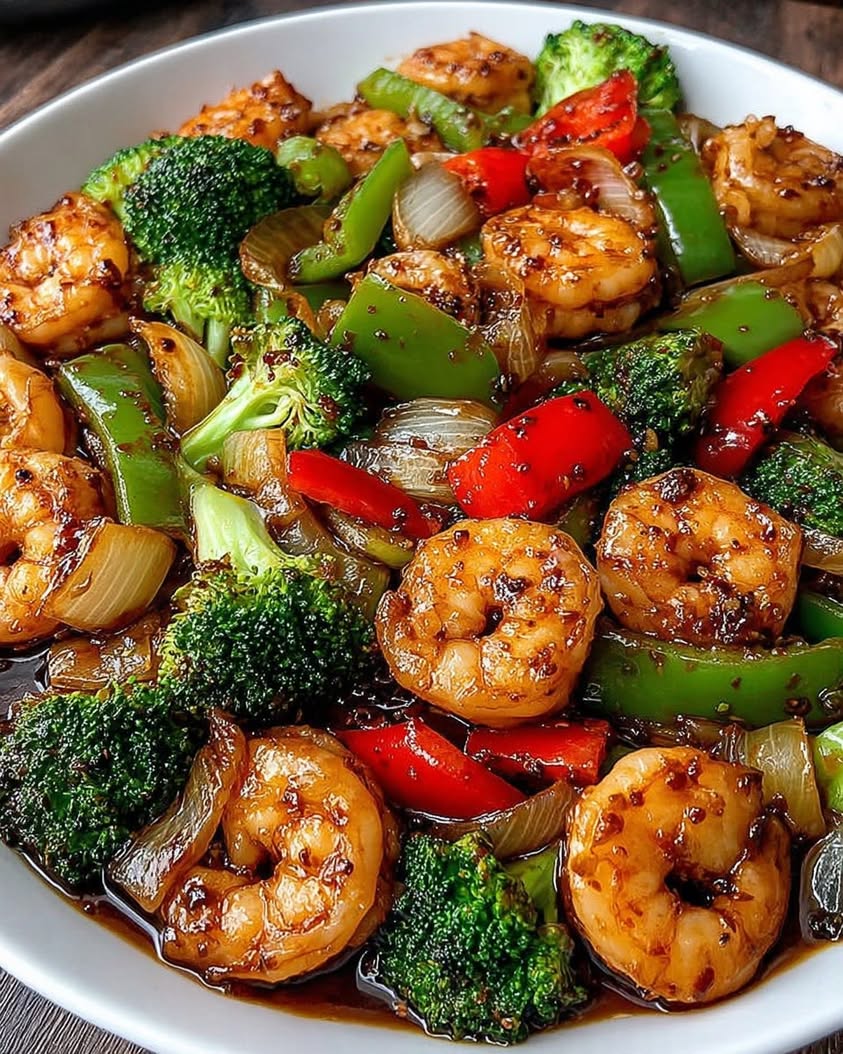
This Spicy Honey Garlic Shrimp Seafood Stir-Fry delivers bold restaurant-quality flavor right in your own kitchen. Imagine plump, juicy shrimp coated in a glossy, sticky sauce that balances sweet honey with fiery chili and fragrant garlic. In addition, the dish comes together in under thirty minutes, which makes it perfect for busy weeknights when you still want something special on the table.
Furthermore, this Spicy Honey Garlic Shrimp Seafood Stir-Fry recipe requires just one skillet and a handful of pantry staples. The sauce caramelizes beautifully around each shrimp, and the vegetables stay crisp and vibrant. As a result, you get a meal that looks impressive yet demands very little effort. Whether you serve it over steamed rice, toss it with noodles, or pile it onto lettuce cups, this seafood stir-fry adapts to whatever you have on hand.
Meanwhile, the aroma alone will draw everyone into the kitchen. Garlic sizzling in a hot pan combined with honey and chili creates an irresistible scent that promises something delicious. Consequently, this Spicy Honey Garlic Shrimp Seafood Stir-Fry has become a go-to dinner for home cooks who want maximum flavor with minimum cleanup.
Quick Recipe Highlights
- Flavor Profile: The sauce combines sticky honey, punchy garlic, and a kick of chili paste for a sweet-heat balance. A splash of soy sauce adds savory depth, while fresh lime brightens every bite.
- Texture: Each shrimp turns tender and slightly springy after a quick sear. The vegetables deliver a satisfying crunch, and the sauce clings to everything with a luscious, glossy finish.
- Aroma: Toasted garlic and ginger fill the air the moment they hit the hot pan. Honey caramelizing with chili flakes creates a warm, sweet-spicy perfume that makes mouths water instantly.
- Visual Appeal: Bright pink shrimp contrast beautifully with vivid green broccoli and red bell pepper strips. A sprinkle of sesame seeds and sliced scallions adds a polished final touch.
- Skill Level Needed: This recipe suits beginners who can manage a hot skillet and stir ingredients quickly. Intermediate cooks will appreciate how fast the dish comes together without sacrificing depth.
- Special Equipment: A large nonstick skillet or wok works best for even cooking. You also need a small whisk for the sauce and a cutting board for prepping vegetables.
Recipe Overview
- Difficulty Level: Easy. The entire process involves whisking a sauce and stir-frying for a few minutes. Because shrimp cook in under three minutes, timing stays simple. Even a first-time cook can nail this dish with basic kitchen skills.
- Category: This dish works as a main course for lunch or dinner. It also functions as a protein-rich meal prep option for the week. You can serve it as a standalone dish or pair it with grains.
- Cuisine: The recipe draws from Asian stir-fry traditions, particularly Chinese and Thai cooking techniques. Honey garlic sauce has roots in both Korean and Chinese-American kitchens. The chili element nods to Sichuan and Thai flavor profiles. Overall, it represents a modern fusion approach to seafood.
- Cost: Shrimp typically costs between eight and fifteen dollars per pound depending on size and season. Pantry staples like honey, soy sauce, and garlic cost very little per serving. Fresh vegetables add another three to five dollars. The total per serving lands around four to six dollars.
- Season: This stir-fry works year-round thanks to frozen shrimp availability. However, summer and early fall offer the best fresh shrimp and peak vegetables. Spring also works well with snap peas and asparagus standing in for broccoli.
- Occasion: Weeknight dinners, date nights, and casual gatherings all suit this recipe. It impresses guests without requiring hours in the kitchen. You can also double the batch for game-day parties or potlucks.
Why You’ll Love This Recipe
The taste and texture of this Spicy Honey Garlic Shrimp Seafood Stir-Fry hit every note you crave in a stir-fry. Sweet honey melts into savory soy sauce, while garlic and chili paste add warmth and complexity. Each shrimp stays tender because the high heat sears rather than steams them. Meanwhile, the vegetables retain their snap, which gives every forkful a satisfying contrast. The sauce thickens into a glaze that coats each ingredient evenly, so no bite tastes bland or dry.
Convenience sets this recipe apart from most seafood dishes. You need only twenty-five minutes from start to finish, and most of that time goes to prepping vegetables. Additionally, cleanup stays minimal because everything cooks in one skillet. Frozen shrimp thaw quickly under cold running water, which means you can decide to make this dish an hour before dinner. The sauce uses pantry staples you likely already own, so no special shopping trip required.
Nutritionally, this Spicy Honey Garlic Shrimp Seafood Stir-Fry delivers impressive benefits. Shrimp provide lean protein with very little fat, and they supply selenium, vitamin B12, and iodine. Garlic brings antioxidant compounds that support immune health. Honey offers natural sweetness with trace minerals, and you control the amount. The vegetables contribute fiber, vitamin C, and vitamin A. As a result, you get a balanced meal that satisfies without weighing you down.
Socially, this dish shines when you serve it family-style. Set out bowls of rice, noodles, and extra sauce, then let everyone build their own plate. The vibrant colors and glossy finish make it a showstopper at dinner parties. Furthermore, the mild heat level pleases most palates, and you can dial the chili up or down. Guests often ask for the recipe before dessert arrives, which speaks to its universal appeal.
Finally, cost-effectiveness makes this Spicy Honey Garlic Shrimp Seafood Stir-Fry a smart choice for budget-conscious cooks. Shrimp often goes on sale, and you can stretch the protein by loading up on vegetables. The sauce costs pennies to make from pantry items. Compared to takeout, you save money and control the ingredients. Compared to steak or lobster, shrimp offers luxury at a fraction of the price.
Historical Background and Cultural Significance
Stir-frying originated in China centuries ago as a way to cook food quickly over high heat with minimal fuel. Chinese cooks perfected the technique using woks, which distribute heat evenly and allow constant tossing. As trade routes expanded, stir-frying spread across Asia and eventually to the West. Shrimp, a prized seafood in coastal Chinese cuisine, became a natural fit for this fast cooking method. The combination of sweet and savory sauces also has deep roots in Chinese culinary tradition.
Honey garlic sauce specifically gained popularity in Korean and Chinese-American kitchens during the late twentieth century. Korean cooking often pairs honey with soy sauce and garlic for marinades and glazes. Chinese-American restaurants adapted these flavors into sticky, crowd-pleasing dishes. Shrimp stir-fry with honey garlic sauce appeared on menus across the United States as diners embraced sweet-savory flavor combinations. The spicy element arrived through Thai and Sichuan influences, which celebrate chili heat.
Over time, home cooks began creating their own versions of this dish. Food blogs and cooking shows popularized quick seafood stir-fries for weeknight meals. The recipe evolved to include Western-friendly vegetables like broccoli and bell peppers. Today, the Spicy Honey Garlic Shrimp Seafood Stir-Fry represents a global fusion of techniques and flavors. It honors Asian stir-fry traditions while adapting to modern American kitchens.
Regional variations exist across the world. In Thailand, cooks might add fish sauce and Thai basil for a punchier profile. In Korea, gochujang replaces chili paste for a fermented, complex heat. Japanese versions may include mirin and sake for sweetness. In the American South, Creole seasoning sometimes joins the sauce for a spicy twist. Each region puts its own stamp on the basic formula.
Ingredient Deep Dive
Shrimp holds a special place in coastal cuisines worldwide. In the American South, shrimp symbolize hospitality and abundance, and shrimp boils bring communities together. Nutritionally, shrimp pack about twenty grams of protein per three-ounce serving with under one gram of fat. When selecting shrimp, look for firm flesh and a clean, mild scent. Avoid shrimp with black spots or an ammonia odor. Store fresh shrimp on ice in the refrigerator and use within two days. Frozen shrimp keeps for up to six months in an airtight container. If you need a substitute, scallops or firm white fish work beautifully in this stir-fry.
Shrimp also offers impressive micronutrients. They provide selenium, which supports thyroid function, and vitamin B12 for nerve health. Additionally, shrimp supply astaxanthin, an antioxidant that gives them their pink color. Many people worry about cholesterol in shrimp, but research shows dietary cholesterol has minimal impact on blood cholesterol for most people. Consequently, shrimp fit well into a heart-healthy diet when prepared with minimal added fat.
Honey brings natural sweetness and a glossy finish to the sauce. Cultures around the world have used honey for thousands of years as both food and medicine. Raw honey contains antioxidants and may soothe sore throats. When buying honey, choose pure honey rather than blends with corn syrup. Store honey at room temperature in a sealed jar, and it will keep indefinitely. For a vegan alternative, use maple syrup or agave nectar in equal amounts.
Honey also caramelizes beautifully under high heat, which creates that sticky glaze everyone loves. However, honey burns quickly, so add it toward the end of cooking. This technique preserves its sweetness and prevents bitterness. A little honey goes a long way, so you can reduce the amount if you watch your sugar intake.
Garlic serves as the backbone of this recipe’s flavor profile. Ancient Egyptians, Greeks, and Romans all valued garlic for both cooking and medicine. Today, garlic appears in nearly every cuisine on earth. Nutritionally, garlic contains allicin, a compound linked to heart health and immune support. When selecting garlic, choose firm, heavy bulbs with tight skin. Avoid garlic with green sprouts, which taste bitter. Store garlic in a cool, dark place with good airflow for up to three months. Jarred minced garlic works in a pinch, though fresh tastes far better.
Garlic also provides versatility that few ingredients match. You can roast it for sweetness, slice it for texture, or mince it for intensity. In this stir-fry, minced garlic blooms in hot oil and releases its oils into the sauce. Consequently, every bite carries that unmistakable garlic punch.
Soy Sauce adds umami and saltiness that balance the honey. Chinese cooks developed soy sauce over two thousand years ago as a fermented condiment. Traditional soy sauce ferments soybeans with wheat and salt for months. Today, you can choose between light, dark, and low-sodium varieties. For this recipe, low-sodium soy sauce gives you control over salt levels. Tamari offers a gluten-free option with similar flavor. Store soy sauce in a cool, dark pantry for up to two years.
Soy sauce also contributes to the sauce’s deep brown color and rich aroma. Without it, the dish would taste flat despite the honey and garlic. Therefore, never skip this key ingredient. Coconut aminos work as a soy-free substitute, though the flavor differs slightly.
Common Mistakes to Avoid
- Overcooking the shrimp: Shrimp turn rubbery in seconds when overcooked. Cook them just until they curl into a C shape and turn opaque. Remove them from the pan before adding the sauce back.
- Crowding the pan: Too many shrimp in a small skillet steam instead of sear. Work in batches if needed to keep the heat high. This step ensures that golden crust everyone loves.
- Adding honey too early: Honey burns at high heat and turns bitter. Stir it into the sauce at the end and toss everything together off the heat. This trick keeps the glaze sweet and glossy.
- Using cold shrimp: Cold shrimp lower the pan temperature and cook unevenly. Let them sit at room temperature for ten minutes before cooking. Pat them dry with paper towels to remove excess moisture.
- Skipping the marinade: A quick ten-minute marinade in soy sauce and garlic infuses flavor. Without it, the shrimp taste bland beneath the sauce. Even a short soak makes a noticeable difference.
- Not tasting the sauce: Sauce balance varies depending on your soy sauce and honey brands. Taste before pouring and adjust with lime, salt, or extra chili. Small tweaks prevent disappointing results.
- Ignoring prep work: Stir-frying moves fast, so everything must be ready before the pan heats. Chop vegetables, mix sauce, and measure spices ahead. Otherwise, you risk burning ingredients while searching for items.
- Using the wrong oil: Butter and olive oil burn at stir-fry temperatures. Choose neutral oils with high smoke points like avocado, canola, or peanut oil. These oils handle the heat without smoking.
- Forgetting to devein shrimp: The digestive tract gives shrimp a gritty texture and unpleasant taste. Devein shrimp with a small knife or buy them pre-cleaned. This step takes minutes but improves quality significantly.
- Adding sauce to a dry pan: Cornstarch in the sauce needs liquid to thicken properly. Add a splash of broth or water if the pan looks dry. This prevents clumping and ensures a smooth glaze.
Essential Techniques
Velveting shrimp refers to a Chinese technique that keeps seafood tender and juicy. Coat shrimp in a mixture of cornstarch, egg white, and a splash of rice wine before cooking. Let them rest for fifteen minutes, then sear in hot oil. The coating creates a protective barrier that locks in moisture. As a result, the shrimp stay plump and silky rather than tough. This technique requires little effort but delivers restaurant-quality results every time.
Building the sauce requires layering flavors in the right order. Start by whisking soy sauce, honey, chili paste, rice vinegar, and cornstarch in a small bowl. The cornstarch ensures the sauce thickens into a glaze rather than staying watery. Add garlic and ginger to the hot pan first, then pour in the sauce. Let it bubble and thicken for thirty seconds before returning the shrimp. This sequence creates a cohesive sauce that coats every ingredient.
High-heat stir-frying forms the foundation of this entire dish. Preheat your skillet or wok until a drop of water sizzles on contact. Add oil, then immediately add aromatics and protein. Keep ingredients moving with a spatula or toss them in the pan. This constant motion prevents burning and ensures even cooking. High heat also creates char marks that add smoky flavor. Without proper heat, the dish turns soggy instead of crisp.
Pro Tips for Perfect Spicy Honey Garlic Shrimp Seafood Stir-Fry
Pat shrimp completely dry before cooking. Moisture creates steam, which prevents browning and makes the shrimp tough. Use paper towels and press gently to absorb every drop.
Freeze shrimp for fifteen minutes before peeling if they feel slippery. Slightly firm shrimp grip more easily, which speeds up the prep process.
Toast sesame seeds in a dry pan for two minutes before garnishing. Toasted seeds taste nuttier and add better texture than raw ones.
Add a teaspoon of cornstarch to the sauce for a thicker glaze. The cornstarch activates in hot liquid and creates that shiny coating everyone loves.
Use fresh ginger rather than powdered for the best flavor. Grate it on a microplane so it melts into the sauce without leaving fibrous bits.
Cook the vegetables first and set them aside. Then cook the shrimp, add the sauce, and return the vegetables at the end. This order keeps everything perfectly cooked.
Squeeze fresh lime juice over the finished dish right before serving. The acid cuts through the richness and brightens all the flavors.
Double the sauce recipe and store half in the refrigerator for up to five days. Use it on chicken, tofu, or noodles for a quick flavor boost.
Variations and Adaptations
Regional variations of this Spicy Honey Garlic Shrimp Seafood Stir-Fry let you explore different culinary traditions. A Thai-inspired version adds fish sauce, lime leaves, and Thai basil for a fragrant, herbal kick. Korean cooks might swap chili paste for gochujang and add sesame oil for depth. Japanese adaptations include mirin and a touch of sake for sweetness. Each variation keeps the core sweet-spicy-garlic formula while introducing new flavor layers.
Seasonal adaptations keep this dish fresh throughout the year. In spring, swap broccoli for asparagus and snap peas. Summer brings bell peppers, zucchini, and cherry tomatoes at peak sweetness. Fall welcomes mushrooms, bok choy, and butternut squash cubes. Winter calls for hearty greens like kale and cabbage. Consequently, you never tire of the same combination.
Dietary modifications make this recipe accessible to almost everyone. For gluten-free needs, use tamari or coconut aminos instead of soy sauce. Dairy-free eaters already enjoy this dish since it contains no dairy. Vegans can replace shrimp with crispy tofu or tempeh and use agave instead of honey. Low-carb diners serve it over cauliflower rice or shredded cabbage. Keto followers appreciate the natural low-carb profile when they skip the rice. Paleo eaters use coconut aminos and serve with roasted sweet potatoes. Low-FODMAP cooks omit garlic and use garlic-infused oil instead.
Flavor variations let you customize the heat and sweetness. Add sriracha for extra kick or gochugaru for a smoky Korean heat. Maple syrup substitutes for honey with a slightly different sweetness. Orange juice and zest create a citrusy twist. Pineapple chunks add tropical flair and natural sweetness. Each tweak produces a completely new experience.
Texture modifications change the mouthfeel without altering flavor. Add crushed peanuts or cashews for crunch. Crispy fried shallots bring both texture and aroma. Water chestnuts deliver a satisfying snap. Soft elements like avocado slices contrast the crunchy vegetables beautifully.
Presentation alternatives suit different occasions. Serve the stir-fry in lettuce cups for a light appetizer. Stuff it into warm tortillas for seafood tacos. Spoon it over ramen or soba noodles for a hearty bowl. Layer it on rice paper rolls with fresh herbs for a summer treat.
Serving and Presentation Guide
Plating techniques elevate this Spicy Honey Garlic Shrimp Seafood Stir-Fry from everyday to impressive. Start with a bed of steamed jasmine rice or noodles on a wide, shallow bowl. Spoon the stir-fry over the base, letting the sauce pool slightly around the edges. Arrange shrimp on top so they catch the light. Group vegetables for color contrast rather than scattering them randomly. This intentional placement makes the dish look professionally plated.
Garnishing ideas add visual interest and fresh flavor. Sprinkle toasted sesame seeds over the top for texture. Add thinly sliced scallions for bright green color. Cilantro leaves bring a fresh, herbal note. Red chili slices signal the spice level and add a pop of red. A lime wedge on the side invites diners to add brightness.
Traditional accompaniments include steamed white or brown rice, fried rice, and lo mein noodles. For a lighter option, serve over quinoa or cauliflower rice. Crispy egg rolls or spring rolls round out the meal. A simple cucumber salad balances the richness.
Modern serving suggestions bring creative flair. Try the stir-fry in a hollowed-out pineapple for a tropical presentation. Serve it on a charcuterie board with pickled vegetables and dipping sauces. Build a stir-fry bar with various toppings and let guests customize their bowls.
Temperature considerations matter for food safety and enjoyment. Serve the stir-fry hot, right from the pan, for the best flavor and texture. If holding for a buffet, keep it above 140 degrees Fahrenheit using a warming tray. Cold leftovers taste great in salads or wraps the next day.
Portion control tips help you manage servings. A standard serving includes about six ounces of shrimp and one cup of vegetables. For lighter appetites, reduce shrimp to four ounces and increase vegetables. Hearty eaters may want eight ounces of shrimp with extra rice.
Wine and Beverage Pairing
Wine pairings enhance the sweet, spicy, and savory notes in this Spicy Honey Garlic Shrimp Seafood Stir-Fry. An off-dry Riesling balances the chili heat with fruity sweetness. Gewürztraminer offers lychee and spice notes that complement the garlic. Sauvignon Blanc brings citrus and grass flavors that cut through the honey glaze. For red wine lovers, a light Pinot Noir works without overpowering the shrimp. Avoid heavy tannic reds, which clash with seafood and spice.
Non-alcoholic alternatives keep the meal refreshing and family-friendly. Sparkling water with lime and mint cleanses the palate between bites. Iced green tea provides subtle bitterness that balances sweetness. Ginger ale or ginger beer adds spice that echoes the chili. Coconut water offers tropical sweetness and electrolytes. Cucumber-infused water delivers cooling refreshment.
Coffee and tea pairings may seem unusual but work surprisingly well. A light oolong tea brings floral notes that complement the garlic. Jasmine tea adds perfume that enhances the dish’s aroma. Cold-brew green tea offers smooth, grassy flavors. Avoid dark roasts, which overpower the delicate shrimp.
Temperature considerations affect how beverages interact with the food. Serve white wines and teas chilled to refresh the palate. Red wines taste best slightly below room temperature. Sparkling drinks should be ice cold. Room-temperature water works fine but lacks the palate-cleansing effect.
Serving suggestions include offering a beverage station so guests can choose. Set out wine glasses, tea cups, and water glasses. Provide citrus wedges and fresh herbs for garnish. This thoughtful touch makes the meal feel special.
Storage and Shelf Life
Storage methods determine how long your Spicy Honey Garlic Shrimp Seafood Stir-Fry stays fresh and tasty. Cool leftovers within two hours of cooking to prevent bacterial growth. Transfer the stir-fry to shallow, airtight containers for quick cooling. Divide into individual portions so you can reheat only what you need. Proper storage keeps the dish safe for up to three days.
Temperature requirements for food safety matter greatly with seafood. Refrigerate at 40 degrees Fahrenheit or below. Never leave shrimp at room temperature for more than two hours. In hot weather above 90 degrees, reduce that window to one hour. When in doubt, throw it out rather than risk illness.
Container recommendations include glass containers with locking lids. Glass doesn’t absorb odors or stain like plastic. BPA-free plastic containers work for short-term storage. Vacuum-sealed bags extend freshness slightly and save space. Label containers with the date so you track freshness.
Signs of spoilage include a sour or ammonia smell, slimy texture, and dull color. Shrimp that look gray or feel sticky should go in the trash. Mold growth, though rare in refrigerated stir-fry, signals spoilage. When any doubt exists, discard the food.
Reheating instructions keep leftovers tender and flavorful. Reheat in a skillet over medium heat with a splash of water or broth. Stir gently until heated through, about three to four minutes. The microwave works in a pinch, but cover the dish and heat in thirty-second intervals. Avoid overheating, which toughens shrimp.
Freezing guidelines let you store this stir-fry for longer periods. Freeze in airtight containers for up to two months. However, vegetables lose their crunch after freezing, so expect softer texture. Thaw overnight in the refrigerator before reheating. For best results, freeze the shrimp and sauce separately from the vegetables.
Make Ahead Strategies
Prep timeline planning makes this recipe even easier on busy days. Chop vegetables up to three days ahead and store in airtight containers. Mix the sauce up to five days ahead and refrigerate in a jar. Peel and devein shrimp the morning you plan to cook. With these steps done, dinner takes only ten minutes at the stove.
Storage between steps keeps components fresh and ready. Keep chopped vegetables slightly damp with a paper towel in the container. Store sauce separately so the cornstarch doesn’t settle into a hard layer. Keep shrimp on ice in the coldest part of the refrigerator. Label everything with dates to track freshness.
Quality impact assessment helps you decide what to prep ahead. Chopped vegetables hold up beautifully for several days. Sauce actually improves as flavors meld overnight. Marinated shrimp become more flavorful but should not sit more than twenty-four hours. Cooked stir-fry lasts three days but loses some texture.
Assembly tips streamline the cooking process. Set out all prepped ingredients in order of use. Heat the pan while you whisk the sauce one final time. Have serving dishes warm and ready. This organization prevents last-minute scrambling.
Reheating guidelines for make-ahead portions mirror those for leftovers. Use a skillet over medium heat with a splash of liquid. Stir gently and heat until steaming. Avoid high heat, which toughens shrimp and evaporates the sauce.
Fresh element additions revive make-ahead dishes. Add freshly cooked vegetables at the end for crunch. Squeeze fresh lime juice over reheated portions. Top with new garnishes like scallions and sesame seeds. These small touches make leftovers taste almost as good as the first serving.
Scaling Instructions
Halving the recipe suits smaller households or couples. Use two tablespoons of honey instead of four and reduce soy sauce accordingly. Cook shrimp in a single layer in a medium skillet. Watch cook times closely since smaller batches cook faster. The sauce may reduce more quickly, so pull the pan off the heat sooner.
Doubling or tripling the recipe works for parties and meal prep. Use a large wok or two skillets to avoid crowding. Cook shrimp in batches, then combine everything at the end. Increase sauce ingredients proportionally but taste before adding all the chili. Larger batches may need extra cornstarch to thicken properly.
Equipment adjustments matter when scaling up or down. A twelve-inch skillet handles a doubled recipe well. For tripling, use a wok or two pans. Small saucepans work for halved sauce recipes. Always match pan size to batch size for best results.
Timing modifications keep scaled recipes cooking evenly. Doubled batches take about five extra minutes total. Tripled batches may take ten extra minutes because of batch cooking. Never rush by overcrowding the pan, which steams rather than sears.
Storage considerations change with larger batches. Divide leftovers into smaller containers for faster cooling. Freeze extra portions in single-serving sizes. Share with neighbors or freeze for future busy nights.
Nutritional Deep Dive
Macro breakdown for this Spicy Honey Garlic Shrimp Seafood Stir-Fry supports a balanced diet. Each serving provides roughly thirty grams of protein from shrimp and vegetables. Carbohydrates land around twenty grams, mostly from honey and vegetables. Fat stays under ten grams when you use moderate oil. These macros suit most healthy eating plans.
Micronutrient analysis reveals impressive vitamin and mineral content. Shrimp deliver selenium, vitamin B12, and iodine. Broccoli contributes vitamin C, vitamin K, and folate. Bell peppers add vitamin A and more vitamin C. Garlic provides manganese and vitamin B6. Honey offers trace amounts of antioxidants.
Health benefits extend beyond basic nutrition. The protein supports muscle repair and satiety. Fiber from vegetables aids digestion and blood sugar control. Antioxidants from garlic and honey combat oxidative stress. Omega-3 fatty acids in shrimp support heart and brain health. Consequently, this dish nourishes your body while pleasing your taste buds.
Dietary considerations include sodium content from soy sauce. Use low-sodium soy sauce to reduce sodium by nearly half. People watching sugar can reduce honey to two tablespoons. Those avoiding shellfish can substitute chicken or tofu. Always check labels for hidden allergens.
Portion analysis helps you fit this dish into your daily goals. A standard serving provides about three hundred calories. Larger appetites may need two servings, which doubles the calories. Pair with extra vegetables to increase volume without many calories.
Weight management tips include serving over cauliflower rice instead of white rice. This swap saves about two hundred calories per cup. Add extra broccoli for fiber that keeps you full. Use a smaller plate to make portions look larger. These small changes add up over time.
Dietary Adaptations
Gluten-free adaptations require swapping soy sauce for tamari or coconut aminos. Both options deliver similar umami without wheat. Check chili paste labels since some brands add wheat. Use cornstarch rather than flour for thickening. With these changes, the dish fits celiac and gluten-sensitive diets perfectly.
Dairy-free eaters already enjoy this recipe since it contains no butter, milk, or cheese. However, always verify that your chili paste and other condiments lack hidden dairy. Most brands of soy sauce, honey, and garlic are naturally dairy-free. This dish suits lactose-intolerant diners without modification.
Vegan versions replace shrimp with extra-firm tofu, tempeh, or king oyster mushrooms. Press tofu for thirty minutes to remove water, then cube and sear until golden. Swap honey for agave syrup or maple syrup. Use vegan soy sauce or coconut aminos. The result tastes satisfying and wholesome.
Low-carb adaptations keep the protein and vegetables while reducing sweeteners. Cut honey to one tablespoon or use a sugar-free sweetener. Skip rice and serve over cauliflower rice or shredded cabbage. Add extra shrimp for more protein. These changes bring net carbs under ten grams per serving.
Keto versions use the same low-carb strategy with higher fat. Add avocado oil or sesame oil for healthy fats. Top with crushed macadamia nuts for richness. Use sugar-free honey substitute. The macros fit ketogenic ratios nicely.
Paleo eaters swap soy sauce for coconut aminos and honey for raw honey. Avoid cornstarch and thicken the sauce with arrowroot powder instead. Serve over cauliflower rice or roasted vegetables. Every ingredient aligns with paleo principles.
Low-FODMAP cooks omit garlic and use garlic-infused oil for flavor. Skip honey or use a low-FODMAP sweetener like maple syrup in small amounts. Choose vegetables like bell peppers and zucchini, which sit low on the FODMAP scale. These adjustments keep the dish gentle on sensitive stomachs.
Troubleshooting Guide
Texture issues usually stem from overcooking or overcrowding. Rubbery shrimp mean they cooked too long or at too low a temperature. Next time, sear in batches over high heat and remove as soon as they curl. Mushy vegetables signal steaming rather than stir-frying. Dry the vegetables well and use a larger pan.
Flavor balance problems often come from untested sauces. If the dish tastes too sweet, add lime juice or rice vinegar. Too salty means you need more honey or a splash of water. Too spicy calls for extra honey or a spoonful of coconut milk. Always taste and adjust before serving.
Temperature problems include pans that never get hot enough. Electric stoves often need longer preheating than gas. Let the pan heat for three to five minutes before adding oil. If the oil smokes immediately, the pan is too hot. Pull it off the heat for a minute before continuing.
Equipment challenges arise with thin pans that warp or heat unevenly. Invest in a heavy-bottomed skillet or carbon steel wok. These tools hold heat and distribute it evenly. Nonstick pans work but may not develop the same char. Choose based on your priorities.
Ingredient substitutions can change texture and flavor. Scallops cook faster than shrimp, so watch them closely. Firm white fish flakes apart easily, so stir gently. Tofu needs longer searing to develop a crust. Adjust cooking times based on what you use.
Timing concerns often involve sauce thickening too fast or too slow. If the sauce thickens before the shrimp returns, add a splash of broth. If it stays watery, whisk in a cornstarch slurry and simmer for thirty seconds. These quick fixes save the dish.
Recipe Success Stories
Community feedback for this Spicy Honey Garlic Shrimp Seafood Stir-Fry has been overwhelmingly positive. Readers love how fast the dish comes together on busy nights. Many report making it weekly because their families request it constantly. One reader wrote that her picky eater asked for seconds, which she called a small miracle.
Variation successes include a reader who swapped shrimp for chicken and loved the result. Another used the sauce on grilled salmon and called it restaurant quality. A vegetarian reader made it with crispy tofu and said nobody missed the shrimp. These adaptations show the recipe’s versatility.
Adaptation stories highlight how cooks make the dish their own. One home cook added pineapple and cashews for a tropical twist. Another doubled the chili for a spicy version that cleared sinuses. A grandmother shared that she serves it over grits for a Southern-Asian mashup. Every story adds new ideas.
Reader suggestions improve the recipe for everyone. Many recommend marinating shrimp for thirty minutes rather than ten. Others suggest adding a teaspoon of sesame oil at the end for aroma. Several readers praise toasting the sesame seeds for extra flavor. These tips appear throughout this post.
Photography tips help readers capture beautiful images of their creations. Shoot in natural light near a window for the best color. Use a shallow depth of field to blur the background. Garnish right before shooting so herbs look fresh. A white or dark plate creates contrast with the vibrant food.
Frequently Asked Questions
Can I use frozen shrimp for this recipe? Yes, frozen shrimp work beautifully. Thaw them overnight in the refrigerator or under cold running water for about ten minutes. Pat them completely dry before cooking to ensure proper searing. Frozen shrimp often taste just as good as fresh because they freeze quickly after harvest.
How do I prevent shrimp from becoming rubbery? Cook shrimp only until they turn opaque and curl into a C shape. This takes about ninety seconds per side over high heat. Remove them from the pan before adding sauce, then return them at the end. The residual heat finishes cooking without toughening the meat.
What can I use instead of honey? Maple syrup, agave nectar, or brown rice syrup all work as substitutes. Each brings slightly different flavor notes, but all provide sweetness and glaze. For sugar-free diets, use a monk fruit or erythritol-based honey substitute. Adjust amounts to taste since sweetness levels vary.
Is this recipe very spicy? The spice level is moderate and adjustable. One tablespoon of chili paste gives a gentle warmth that most people enjoy. Add more for extra heat or reduce to a teaspoon for mild palates. You control the fire, so customize freely.
Can I make this dish ahead of time? Yes, prepare components up to three days ahead. Chop vegetables, mix sauce, and peel shrimp separately. Cook everything fresh the day you serve for best texture. Leftovers keep for three days and reheat well in a skillet.
What vegetables work best in this stir-fry? Broccoli, bell peppers, snap peas, and carrots top the list. Bok choy, asparagus, and mushrooms also work beautifully. Choose vegetables that cook quickly and hold their shape. Avoid watery vegetables like tomatoes, which dilute the sauce.
How do I make the sauce thicker?