Cranberry Spinach Stuffed Chicken Breasts with Brie Recipe: An Elegant Dinner Made Simple
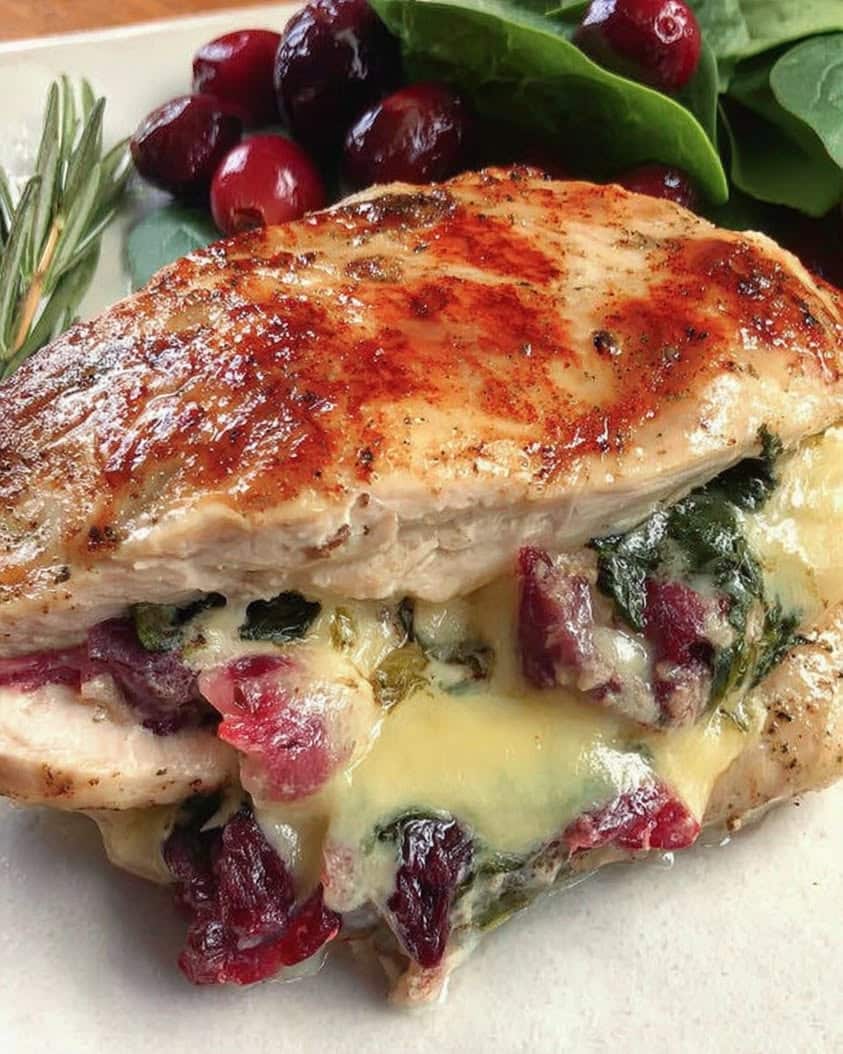
This Cranberry Spinach Stuffed Chicken Breasts with Brie Recipe transforms ordinary chicken into a showstopping dinner that feels restaurant-worthy yet remains completely approachable for home cooks. Imagine slicing into a golden-seared chicken breast and watching melted brie cascade over sweet-tart cranberries and vibrant spinach. The combination delivers an impressive balance of creamy, savory, and fruity notes that dance across your palate with every single bite.
The holidays inspired this Cranberry Spinach Stuffed Chicken Breasts with Brie Recipe, yet the dish works beautifully year-round whenever you crave something special. Fresh spinach brings an earthy brightness while dried cranberries introduce a chewy sweetness that perfectly complements the rich, buttery brie. Moreover, the chicken stays remarkably juicy because the cheese filling bastes the meat from within as it cooks. Your kitchen will fill with an irresistible aroma of garlic, thyme, and melting cheese that draws everyone to the table.
Perhaps the best part of this Cranberry Spinach Stuffed Chicken Breasts with Brie Recipe is how easily it adapts to your schedule and skill level. You need only seven main ingredients and about fifty minutes from start to finish. Consequently, this dish suits both weeknight dinners and celebratory gatherings with equal grace. Whether you serve it with roasted vegetables on a Tuesday or present it at a holiday feast, the results consistently impress. Let me walk you through every detail so you can master this recipe with confidence.
Quick Recipe Highlights
- Flavor Profile: Sweet dried cranberries balance the creamy, earthy brie and savory garlic-spinach filling. A hint of thyme and dijon mustard adds depth and warmth that lingers pleasantly.
- Texture: The chicken exterior turns golden and slightly crisp while the interior stays tender and juicy. Melted brie creates a luxuriously gooey center that contrasts beautifully with the chewy cranberries.
- Aroma: Garlic and thyme dominate the initial notes, followed by the rich, buttery scent of melting brie. Dried cranberries contribute a subtle fruity sweetness to the overall fragrance.
- Visual Appeal: A deep golden-brown crust frames the bright green spinach and jewel-toned cranberries visible at the cut surface. The melted brie oozes invitingly when you slice through the center.
- Skill Level Needed: You need basic knife skills and comfort with pan-searing poultry. Butterflying chicken breasts and securing them with toothpicks requires modest practice but rewards you with impressive results.
- Special Equipment: A sharp chef’s knife and a large oven-safe skillet serve as the primary tools. You also need toothpicks or kitchen twine to hold the stuffed breasts closed during cooking.
Recipe Overview
- Difficulty Level: This recipe earns an intermediate rating because it involves butterflying chicken breasts and managing a stuffed protein through searing and baking. However, the steps follow a logical flow, and the technique becomes intuitive after one attempt. Novice cooks can succeed by watching a short butterflying tutorial beforehand. The payoff justifies the modest learning curve every time.
- Category: This dish functions as a main course for lunch or dinner and works equally well for casual family meals and formal dinner parties. It also suits meal prep because the stuffed breasts reheat gently without drying out. Serve it as the centerpiece or alongside a simple salad for a lighter plate.
- Cuisine: The recipe draws from modern American cooking with clear French influences, particularly the use of brie and classic pan-searing technique. Stuffed poultry appears across European culinary traditions, from French galantines to Italian involtini. This version combines those ideas with New England flavors through the cranberries. The result feels both familiar and freshly creative.
- Cost: Four boneless skinless chicken breasts typically cost between eight and twelve dollars. Brie adds about five dollars, while spinach, cranberries, and pantry staples contribute another three to four dollars. The total lands around sixteen to twenty-one dollars, which feeds four people generously. Compared to restaurant pricing for similar entrees, this recipe delivers excellent value.
- Season: Fresh cranberries peak in autumn, which makes this dish a natural fit for Thanksgiving and Christmas tables. However, dried cranberries remain available year-round, so you can enjoy the recipe in any season. Spring and summer versions pair beautifully with lighter sides like arugula salads. Winter calls for heartier accompaniments such as mashed sweet potatoes.
- Occasion: Holiday dinners, anniversary celebrations, and dinner parties all suit this impressive entree. It also works for Sunday family suppers when you want to elevate the ordinary. Consider it for Valentine’s Day dinner at home or a special birthday meal. The elegance of the presentation makes any occasion feel intentional.
Why You’ll Love This Recipe
The taste and texture appeal of this Cranberry Spinach Stuffed Chicken Breasts with Brie Recipe sets it apart from everyday chicken dinners. Each bite delivers a symphony of sensations: the savory seared exterior, the juicy white meat, the creamy melted cheese, the tart-sweet cranberries, and the tender spinach. Furthermore, the flavors layer in a way that keeps your palate engaged from the first bite to the last. You get richness without heaviness because the spinach and cranberries cut through the brie’s decadence. Honestly, few dishes achieve this level of complexity with such simple components.
Convenience and preparation benefits make this recipe a practical choice for busy home cooks. You can assemble the stuffed breasts up to a day ahead and refrigerate them until cooking time. Additionally, the entire dish cooks in one skillet, which means fewer pans to scrub afterward. The active cooking time totals roughly thirty minutes, leaving plenty of time to set the table or relax. Cleanup stays minimal because the filling ingredients come together in a single bowl. For anyone who values efficiency without sacrificing quality, this recipe delivers on both fronts.
Nutritional advantages give this stuffed chicken recipe genuine substance beyond its indulgent flavor. Chicken breasts provide lean protein with minimal saturated fat, while spinach contributes iron, vitamin K, and folate. Cranberries add antioxidants and fiber, and brie offers calcium along with its rich flavor. When you control the portion of cheese, you keep the dish balanced and satisfying. Consequently, you can serve this recipe confidently as part of a health-conscious eating plan. The protein-forward profile also keeps you full for hours afterward.
Social and entertaining value ranks among the strongest reasons to keep this recipe in your rotation. Presentation matters when guests gather, and a stuffed chicken breast sliced to reveal its colorful interior never fails to impress. Moreover, the recipe scales easily for larger dinner parties without complicating your workflow. Guests often request the recipe before dessert arrives, which speaks to its universal appeal. You serve restaurant-quality food at home while actually enjoying your own party. That combination of wow factor and practicality makes this dish a host’s secret weapon.
Cost-effectiveness and accessibility round out the list of reasons this recipe deserves a permanent spot in your kitchen. All ingredients come from standard grocery stores, and none require a specialty market trip. Dried cranberries and brie have become widely available and affordable nationwide. In addition, the recipe uses pantry staples like garlic, thyme, and dijon mustard that most kitchens already stock. You feed four people an elegant meal for under twenty-five dollars total. Few recipes deliver this much perceived value for such a modest investment.
Historical Background and Cultural Significance
The origin story of stuffed chicken recipes stretches back centuries across European culinary history. French cooks developed galantines and ballotines, which involve deboning and stuffing poultry for elegant presentations. Italian cooks created involtini, rolled and stuffed meat preparations that remain popular today. These techniques traveled to American kitchens through immigration and cookbook culture. Consequently, the modern stuffed chicken breast descends from a long lineage of cooks who understood that filling protein with flavorful ingredients elevates the ordinary.
Cultural importance surrounds the specific ingredients in this recipe, particularly cranberries in American foodways. Native American communities used cranberries for food, medicine, and dye long before European settlers arrived. By the nineteenth century, cranberry cultivation had spread across New England, and the berry became synonymous with American holiday traditions. Spinach carries its own cultural weight through Mediterranean and Persian cuisines, where cooks have prized it for millennia. Brie, of course, represents French cheese-making heritage dating back to the eighth century. Together, these ingredients tell a story of culinary exchange.
The evolution of this particular recipe reflects broader trends in American home cooking. Mid-century cookbooks popularized stuffed chicken breasts as company-worthy fare, often using bread-based fillings. As tastes shifted toward fresher, bolder flavors in the 1980s and 1990s, cooks began experimenting with cheese and fruit combinations. The cranberry-brie pairing gained traction during that era because it mirrors classic cheese board combinations. Home cooks then added spinach for color and nutrition, completing the modern version. Today, food blogs and cooking shows keep this recipe alive and evolving.
Regional variations demonstrate how cooks across the country adapt this dish to local ingredients and traditions. New England cooks often incorporate maple syrup or fresh cranberries when in season. Southern versions sometimes add pecans or swap brie for pimento cheese. West Coast cooks lean toward goat cheese and arugula for a tangier profile. Meanwhile, Midwestern home cooks frequently serve the dish with wild rice stuffing on the side. These regional twists honor the recipe’s core while reflecting local food cultures beautifully.
Ingredient Deep Dive
Boneless skinless chicken breasts serve as the foundation of this Cranberry Spinach Stuffed Chicken Breasts with Brie Recipe, so selecting them well matters enormously. Look for breasts of even thickness, ideally around six to eight ounces each, because uniform size promotes even cooking. Culturally, chicken has served as a universal protein across nearly every cuisine, valued for its versatility and mild flavor. Nutritionally, chicken breast delivers roughly twenty-six grams of protein per serving with minimal fat. Store raw chicken in the coldest part of your refrigerator and cook it within two days of purchase, or freeze it for up to nine months. If you prefer dark meat, substitute boneless skinless thighs and adjust cooking time slightly upward.
When shopping for chicken, press the meat gently; it should feel firm and spring back, not mushy. Avoid packages with excessive liquid, which often indicates older meat or added solutions. The USDA inspection seal guarantees safety standards, so check for it on the packaging. Fresh chicken should look pink and moist without any gray tones. Freeze leftover raw chicken in portions wrapped tightly in plastic and foil to prevent freezer burn. These selection and storage habits protect both flavor and food safety in your finished dish.
Fresh spinach brings vibrant color and earthy flavor to the stuffing, and its cultural significance spans continents. Persian cooks have used spinach in dishes for over two thousand years, while Mediterranean cuisines incorporate it into pies, pastries, and sauteed sides. Nutritionally, spinach ranks among the most nutrient-dense vegetables, offering vitamin K, vitamin A, iron, and folate. Choose leaves that look crisp, dark green, and free of yellowing or slime. Store spinach in a breathable bag in the refrigerator’s crisper drawer and use it within five days. If fresh spinach proves unavailable, frozen chopped spinach works well after thorough squeezing to remove excess moisture, or you can substitute kale or Swiss chard.
Dried cranberries contribute the signature sweet-tart punch that defines this recipe. Native American communities first harvested wild cranberries, and the fruit became central to New England food traditions and holiday celebrations. Nutritionally, dried cranberries provide fiber and antioxidants, though they contain added sugar, so a little goes a long way. Select cranberries that feel soft but not sticky, with a deep ruby color and no clumping. Store them in an airtight container in a cool pantry for up to six months, or refrigerate them for a year. For substitutions, consider chopped dried cherries, golden raisins, or even fresh pomegranate arils for a different texture.
Brie cheese delivers the luxurious, melting heart of the filling and connects this dish to French culinary tradition. Legend traces brie to the eighth century in the Île-de-France region, where it earned favor among royalty. Nutritionally, brie supplies calcium and protein along with its fat content, so portion awareness keeps the dish balanced. Choose a brie wedge with a white, bloomy rind and a firm but yielding interior; avoid any ammonia smell, which signals overripeness. Store brie wrapped in parchment or wax paper in the refrigerator and use it within a week. For a lighter option, camembert works similarly, and cream cheese or goat cheese provide accessible alternatives.
Garlic and fresh thyme round out the flavor foundation, and each earns its place through centuries of culinary use. Garlic has anchored Mediterranean and Asian cooking for thousands of years, prized for both flavor and perceived health benefits. Thyme appears in ancient Greek and Roman kitchens and remains a staple of French bouquet garni. Choose garlic heads that feel heavy and firm with tight, papery skins, and store them in a cool, dry, ventilated spot away from sunlight. Fresh thyme keeps best wrapped in damp paper towels inside the refrigerator for up to two weeks. In a pinch, dried thyme works at one-third the quantity, and shallots can replace garlic for a gentler bite.
Dijon mustard and olive oil complete the ingredient list, and both bring more than meets the eye. Dijon originated in the French city of Dijon, which formalized mustard-making standards in the fourteenth century. It adds tang and helps the filling bind together while enhancing the other flavors. Olive oil carries ancient Mediterranean significance and provides heart-healthy monounsaturated fat for searing. Buy mustard in glass jars and refrigerate after opening; it keeps for about a year. Store olive oil away from heat and light in a dark bottle or cabinet. Whole grain mustard substitutes naturally for dijon, and avocado oil works if you prefer a higher smoke point.
Common Mistakes to Avoid
- Overstuffing the chicken breasts: Packing in too much filling causes it to spill out during searing and baking. Use about three tablespoons per breast and resist the urge to add more. Excess filling also prevents the chicken from closing properly.
- Not pounding the breasts to even thickness: Thick and thin areas cook at different rates, leaving dry edges and undercooked centers. Pound each breast to a uniform half-inch thickness before stuffing. This step takes two minutes yet transforms your results.
- Skipping the toothpick or twine: Stuffed breasts burst open without securing, spilling brie and spinach into the pan. Secure each opening with two or three toothpicks, weaving them through the edges. Remember to count and remove them all before serving.
- Searing at the wrong temperature: A cold pan produces pale, stuck chicken, while excessive heat burns the exterior before the inside cooks. Heat your skillet over medium-high until a water droplet sizzles and evaporates. Then add oil and sear undisturbed for a proper golden crust.
- Undercooking the chicken: Raw chicken poses serious health risks, and this dish’s thickness makes timing tricky. Use an instant-read thermometer and confirm the thickest part reaches 165°F. The brie melts during baking, so don’t rely on visual cues alone.
- Using wet spinach: Residual water creates steam inside the filling, making it soggy and causing leaks. Pat spinach thoroughly dry with paper towels or a salad spinner before chopping. Wet filling also dilutes the cheesy richness you worked to achieve.
- Ignoring carryover cooking: The internal temperature rises several degrees after the chicken leaves the oven. Pull the chicken at 160°F and rest it for five minutes to reach safe temperature naturally. This rest also keeps the juices inside the meat.
- Cutting immediately: Slicing hot chicken releases all its juice onto the plate, leaving dry meat. Rest the stuffed breasts for at least five minutes before cutting into them. Patience here makes the difference between juicy and dry.
- Under-seasoning the filling: Brie and cranberries carry sweetness, so the filling needs salt and pepper for balance. Taste the filling before stuffing and adjust seasoning as needed. Remember that the chicken itself also requires salt and pepper on both sides.
- Choosing low-fat or cold brie: Cold brie tears instead of melting and low-fat versions lose the signature creaminess. Let brie sit at room temperature for twenty minutes before slicing. Its softened texture spreads more evenly inside the chicken.
Essential Techniques
Butterflying and pocketing the chicken breasts forms the foundational skill for this entire recipe, and mastering it determines whether your filling stays put. The goal involves creating a deep pocket without cutting all the way through the meat, essentially forming a hinge that holds the filling. Place your palm flat on the breast, slice horizontally into the thickest side, and stop about half an inch from the opposite edge. Alternatively, you can pound the breast thin and roll it around the filling like a pinwheel. Either method works, though the pocket approach keeps the presentation neater. The visual cue for success is an even, open pocket large enough for three tablespoons of filling without tearing at the edges.
Searing creates flavor through the Maillard reaction, which browns proteins and sugars into hundreds of new aroma compounds. This step matters enormously because the seared crust delivers savory depth that baking alone cannot achieve. Heat your skillet properly, add a thin film of oil, and lay the stuffed breasts down away from you to avoid splashing. Then resist the temptation to move them; a three to four minute sear undisturbed builds a beautiful crust that releases naturally from the pan. The visual cue is a deep golden-brown surface with a slight crunch when pressed. Common pitfalls include overcrowding the pan and flipping too early, so cook in batches if necessary.
Oven finishing ensures the chicken cooks through gently while the brie melts fully into the filling. Transfer the entire skillet to a 400°F oven after searing, or move the chicken to a baking dish if your skillet isn’t oven-safe. The dry heat surrounds the chicken evenly, cooking it from all sides without drying out the surface. Timing varies by breast thickness, so always verify with an instant-read thermometer rather than relying on the clock. Pull the chicken when the thickest part reads 160°F, knowing carryover heat completes the journey to 165°F. The visual cue is bubbling cheese at the seams and firm, springy meat.
Pro Tips for Perfect Cranberry Spinach Stuffed Chicken Breasts with Brie
- Buy the same size chicken breasts so they cook uniformly. Uniform size prevents one dry breast and one underdone breast in the same batch. Ask your butcher to trim them to even six-ounce portions if needed.
- Pat the entire chicken dry before seasoning to help the sear develop properly. Dry surfaces brown while wet surfaces steam. This small step yields noticeably crisper, more flavorful skin contact zones.
- Freeze the brie for ten minutes before cubing it, which prevents it from oozing out during stuffing. Cold cheese holds its shape better when you work the filling into the pockets. It melts perfectly once inside the hot oven.
- Soak the cranberries in warm water for five minutes and drain them if you want a softer texture. Hydrated cranberries feel smoother against the melted brie and taste less intensely sweet. This step especially helps with older, drier berries.
- Season the inside of the pocket with salt and pepper, not just the exterior. The interior seasoning reaches the meat directly and seasons the filling from below. This layered approach avoids flat-tasting centers.
- Use a meat thermometer every single time, even after years of experience. Visual cues for doneness prove unreliable with stuffed proteins because the filling masks the exterior. The thermometer guarantees safety and juiciness without guesswork.
- Rest the chicken on a warm plate rather than a cold surface to preserve heat during the rest. Tent it loosely with foil, which traps steam without trapping it against the crust. This method keeps the exterior crisp while the juices redistribute.
- Slice on a bias for the most photogenic presentation when serving guests. Angled slices expose more of the colorful spinach-cranberry swirl inside. They also make the portion easy to eat with a fork.
Variations and Adaptations
Regional variations let you explore this recipe through different culinary lenses without losing its essential character. A Southern twist replaces brie with pimento cheese and swaps cranberries for chopped pecans, creating a supremely comforting variation. Italian-inspired cooks can use fontina in place of brie and add sun-dried tomatoes alongside the spinach. For a Greek direction, feta cheese and dried figs bring Mediterranean flair with briny-tart contrast. Each regional adaptation keeps the stuffed chicken format intact while introducing new flavors that reflect a specific place. Try one variation per season to keep the recipe exciting.
Seasonal adaptations keep this chicken recipe relevant year-round, even though it shines during the holidays. During summer, swap dried cranberries for fresh raspberries or chopped peaches and use goat cheese for a lighter profile. Spring versions benefit from ramps or spring onions folded into the spinach filling. Autumn naturally features fresh cranberries and perhaps a sprinkle of toasted walnuts for crunch. Winter calls for richer additions like gruyere or a drizzle of balsamic glaze on the finished plate. These adjustments connect your cooking to what’s freshest at the market.
Dietary modifications open the recipe to nearly every eater at your table with minor adjustments. For dairy-free needs, replace brie with a cashew-based vegan cheese or simply omit the cheese and increase the spinach filling. Gluten-free cooks can serve this recipe as-is because it contains no flour or breadcrumbs. Low-FODMAP diners should reduce garlic to garlic-infused oil and limit cranberry portions. Each modification preserves the dish’s identity while accommodating specific dietary requirements, so no guest feels left out. Always verify packaged ingredients, especially cheese and dried fruit, for hidden allergens.
Flavor variations provide endless creative freedom within the recipe’s framework. Brie pairs beautifully with fig jam, apricot preserves, or hot honey, any of which can replace or complement the cranberries. Add smoked paprika to the chicken seasoning for warmth, or finish the dish with fresh lemon zest for brightness. Herb variations matter too: rosemary or sage can replace thyme with striking results. Even so, keep a sweet-tart element present because it balances the rich cheese. Spicy accents like red pepper flakes suit those who enjoy a kick.
Texture modifications address the mouthfeel preferences of different eaters. Add crushed pecans or pistachios to the filling for crunch that contrasts the creamy brie. Alternatively, a panko crust on the exterior adds a satisfying crispness when you bread the chicken before baking. For a silkier interior, puree half the spinach filling with a bit of cream cheese before stuffing. Each texture tweak changes the eating experience meaningfully, so match the variation to your guests’ preferences. Likewise, the final texture should still include both creamy and meaty elements together.
Presentation alternatives expand how you serve the dish beyond the classic sliced breast. Slice the stuffed chicken and fan it over a bed of wild rice or creamy polenta for a restaurant-style plate. Alternatively, cube the cooked chicken and fold it into pasta or a grain bowl for a casual approach. Thin-sliced leftovers transform beautifully into open-faced sandwiches with arugula and dijon mayo. Finally, a whole stuffed breast plated simply with roasted green beans lets the technique speak for itself. Choose the presentation that fits the occasion and your available time.
Serving and Presentation Guide
Plating techniques transform a delicious dish into a memorable visual moment, so give the presentation real attention. Arrange a modest pool of sauce or puree on the plate first, then place the sliced chicken on top with a slight tilt. Fan the slices toward the diner so the colorful filling shows clearly. Negative space around the food makes the plate feel intentional rather than crowded. Warm your plates briefly in the oven before serving to keep the meal hot at the table. These small choices signal care and elevate the eating experience.
Garnishing ideas should complement rather than clutter, so choose one or two accents that reinforce the recipe’s flavors. A few fresh cranberries and a sprig of thyme signal the dish’s identity before the first bite. Scatter tiny brie shavings or a drizzle of reduced balsamic for visual richness. Freshly cracked black pepper adds texture and a final aromatic note. Avoid over-garnishing because restraint communicates confidence. The golden chicken with its jewel-toned filling is the star, and the garnish simply frames it.
Traditional accompaniments lean toward classic holiday sides that echo the recipe’s autumnal spirit. Buttered green beans with almonds, roasted Brussels sprouts, or wild rice pilaf each balance the richness of the brie. Mashed sweet potatoes and cranberry sauce round out a full holiday plate beautifully. Green salads with a tangy vinaigrette provide welcome freshness against the creamy filling. These familiar sides create a sense of comfort and completeness that guests love.
Modern serving suggestions push the dish toward contemporary dining trends without losing its soul. Pair it with farro salad, charred broccolini, or a shaved fennel slaw for lighter updates. A swipe of cauliflower puree under the chicken delivers restaurant polish with minimal effort. Grain bowls, with the sliced chicken arranged over quinoa and greens, suit casual weeknight dinners. These modern contexts expand when and how you enjoy the recipe, which keeps it fresh over years of cooking.
Temperature considerations matter more than many cooks realize because the brie solidifies quickly as it cools. Serve the chicken promptly after resting while the filling still flows when sliced. Warm the serving plates and have sides ready before the chicken leaves the oven. Conversely, leftovers taste best gently reheated rather than eaten cold, though they work in sandwiches at room temperature. Proper timing at service protects the recipe’s signature molten texture.
Portion control tips help you serve generously while keeping the meal balanced. One six-to-eight-ounce stuffed breast serves one adult comfortably alongside ample vegetables. For lighter appetites, serve half a breast sliced over salad or grains and save the rest. When entertaining, a whole breast per guest feels abundant and eliminates awkward portion negotiation. Balance portions with plenty of vegetables so the richness of the cheese feels proportionate. Thoughtful portions respect both appetite and nutrition.
Wine and Beverage Pairing
Wine pairings for this dish should address the interplay between creamy brie, sweet-tart cranberries, and savory chicken. A crisp dry white such as Sauvignon Blanc or Albariño cuts through the cheese’s richness with bright acidity. Alternatively, an unoaked Chardonnay or white Burgundy matches the creamy texture while offering enough body. For red wine lovers, a light Pinot Noir provides fruit and earthiness without overwhelming the delicate filling. Rosé, particularly a dry Provence style, bridges white and red preferences beautifully for mixed crowds.
Non-alcoholic alternatives deserve the same thoughtful attention because everyone at the table should enjoy a considered pairing. Sparkling water with a splash of cranberry juice and a twist of lime echoes the dish’s key flavor and refreshes the palate. Apple cider, served chilled or gently warmed, mirrors the autumnal character of the cranberries. Iced tea with lemon works surprisingly well against the cheese, while a homemade shrub with cranberry and vinegar adds sophisticated tang. Offer two options so guests feel cared for regardless of their drinking preferences.
Coffee and tea pairings, while less conventional with dinner, shine with leftovers or brunch-style serving of this recipe. A lightly brewed Earl Grey complements the brie and cranberry notes with its bergamot fragrance. For coffee drinkers, a medium roast with gentle acidity holds up to the cheese without bitterness. Cold-brew coffee served with cream brings unexpected richness that mirrors the filling. Green tea offers a cleaner counterpoint if you serve the chicken atop salad greens. These pairings turn leftovers into a special occasion of their own.
Temperature and serving suggestions elevate beverage service into part of the hospitality experience. Chill white wines to around fifty degrees Fahrenheit and open reds thirty minutes before pouring. Glassware matters, so use white wine glasses for whites and slightly larger bowls for Pinot Noir. For non-alcoholic options, serve over clear ice in stemmed glasses to make them feel celebratory. Offer water throughout the meal with lemon slices to cleanse palates between bites. These touches cost little yet delight guests at every level.
Storage and Shelf Life
Storage methods determine whether leftovers of this Cranberry Spinach Stuffed Chicken Breasts with Brie Recipe taste nearly as good as the original serving. Cool leftover chicken within two hours of cooking and refrigerate it in a shallow airtight container. Separate any sauces or sides to avoid sogginess. Store stuffing that escaped the chicken separately if there’s enough to save for another use. Properly stored, the chicken keeps beautifully and rewards you with easy future meals. Take a few minutes to store it right and future you will be grateful.
Temperature requirements for food safety are non-negotiable, so keep your refrigerator at or below 40°F. Place the chicken on a refrigerator shelf rather than the door, which fluctuates in temperature. Use within three to four days of cooking per USDA guidelines. When in doubt, discard leftovers rather than risk illness. If you plan to eat them later in the week, freeze portions immediately rather than waiting for the use-by window. Vigilant temperature control protects both flavor and health.
Container recommendations might seem minor, but they influence texture significantly upon reheating. Glass containers with locking lids preserve moisture and don’t retain odors. Wrap sliced chicken tightly or press plastic wrap directly against the surface if glass isn’t available. Avoid open containers that expose the meat to drying air. For single portions, smaller containers reheat more evenly than large ones. These details keep the chicken moist and the cheese from drying into a rubbery texture.
Signs of spoilage include sour odors, slimy surfaces, and off colors that differ from the original dish. Even with proper storage, watch for visible mold on any leftover bread or garnish. Trust your nose and eyes, and remember that reheated leftovers should smell like the original meal. Discard anything questionable without guilt because food safety outweighs thrift. When stored and reheated properly, leftovers should taste fresh and pleasant. Any doubt about freshness means it’s time to let it go.
Reheating instructions vary by appliance, but the goal remains consistent: gentle heat that preserves moisture. In the oven, cover the chicken with foil and warm at 325°F for ten to fifteen minutes until heated through. In the microwave, use a lower power setting and cover the dish to create steam. The brie will re-melt, though it may not flow quite as freely as when first cooked. A splash of broth or water in the container helps maintain moisture during microwave reheating. Avoid overheating, which toughens chicken quickly.
Freezing guidelines extend the chicken’s life to two to three months with only modest quality loss. Wrap each portion tightly in plastic wrap followed by foil, or use vacuum-sealed bags if available. Freeze on a baking sheet first if icing together is a concern, then transfer to a container. Thaw overnight in the refrigerator rather than at room temperature for safety. Reheat gently and plan to serve the thawed chicken in a saucy or mixed application like pasta or soup if texture suffers.
Make Ahead Strategies
Prep timeline flexibility makes this recipe far friendlier for entertaining than its elegant presentation suggests. You can prepare the spinach filling up to two days ahead and refrigerate it in a covered bowl. Butterfly the chicken breasts the night before and store them separately. Then assemble and refrigerate the stuffed breasts up to twenty-four hours before cooking. This staged approach divides a fifty-minute recipe into short, manageable tasks. Entertaining becomes calm and organized when the work happens ahead of time.
Storage between steps demands attention to food safety and texture preservation. Keep raw stuffed chicken covered in the refrigerator and use it within a day of assembly for best results. Let the prepared chicken sit at room temperature for ten minutes before searing so it cooks evenly. Meanwhile, bring the filling to room temperature only briefly since dairy sits at room temperature safely for two hours maximum. Layering the steps with careful storage keeps everything fresh and safe.
Quality impact assessment helps you decide which make-ahead steps truly help and which compromise the dish. Assembling ahead costs almost nothing in quality, and searing then refrigerating before baking works well if you extend the oven time slightly. Reheating fully cooked chicken loses some of the brie’s molten flow, though flavor stays satisfying. Freezing the stuffed raw breasts works acceptably for a month if tightly wrapped. Choose the make-ahead approach that fits your schedule while expecting minor tradeoffs.
Assembly tips streamline the process when you prepare multiple batches for a crowd. Set up a station with flattened breasts, filling in a bowl, and a plate for finished breasts. Stuff all breasts, secure them, and refrigerate on a tray in one efficient pass. Keep toothpicks in a small cup and count them in and out to avoid guest surprises. Working station-style cuts assembly time nearly in half. These small organizational habits make large-batch cooking feel easy.
Reheating guidelines for pre-seared chicken differ slightly from fully cooked leftovers. Bake pre-seared chicken at 400°F until the center registers 165°F, usually twenty to twenty-five minutes. If you sear and bake ahead completely, reheat covered at 325°F to prevent drying. Use a thermometer to confirm reheated food reaches 165°F throughout. Remember to rest the chicken after both initial cooking and reheating. Thoughtful reheating protects the juiciness that defines this dish.
Fresh element additions refresh make-ahead chicken and restore its vibrancy. Sprinkle fresh herbs like parsley or chives over reheat dishes just before serving. Add a squeeze of lemon or a drizzle of pan sauce to reintroduce brightness lost in storage. Serve reheated chicken alongside freshly dressed greens for contrast. These small additions cost little time yet make the dish taste newly made. Thoughtful freshness cues transform leftovers into meals guests never suspect were prepped in advance Print
Cranberry & Spinach Stuffed Chicken Breasts with Brie
- Total Time: 45 minutes
- Yield: 4
Description
Juicy chicken breasts stuffed with creamy Brie, tangy cranberries, and fresh spinach, then baked to perfection. A elegant and flavorful main dish perfect for any occasion.
Ingredients
- 4 boneless, skinless chicken breasts
- 4 oz Brie cheese, sliced
- 1 cup fresh spinach, chopped
- 1/2 cup dried cranberries
- 2 cloves garlic, minced
- 1/2 teaspoon salt
- 1/4 teaspoon black pepper
- 2 tablespoons olive oil
Instructions
- Preheat oven to 375°F (190°C).
- Using a sharp knife, cut a horizontal slit in each chicken breast to create a pocket, being careful not to cut all the way through.
- In a small bowl, mix together the chopped spinach, dried cranberries, and minced garlic. Stuff each chicken breast with the spinach mixture and a slice of Brie. Secure with toothpicks if needed.
- Season the chicken breasts with salt and pepper on both sides.
- Heat olive oil in a large oven-safe skillet over medium-high heat. Sear the chicken breasts for 2-3 minutes per side until golden brown.
- Transfer the skillet to the preheated oven and bake for 20-25 minutes, or until the chicken is cooked through and reaches an internal temperature of 165°F (74°C).
- Remove toothpicks before serving.
Notes
You can customize the seasonings to taste. For a variation, try adding chopped walnuts or pecans to the stuffing. Ensure chicken reaches safe internal temperature.
- Prep Time: 15 minutes
- Cook Time: 30 minutes
- Method: Main
- Cuisine: American