Cheesy Avocado Caprese Platter: A Fresh and Easy Party Appetizer
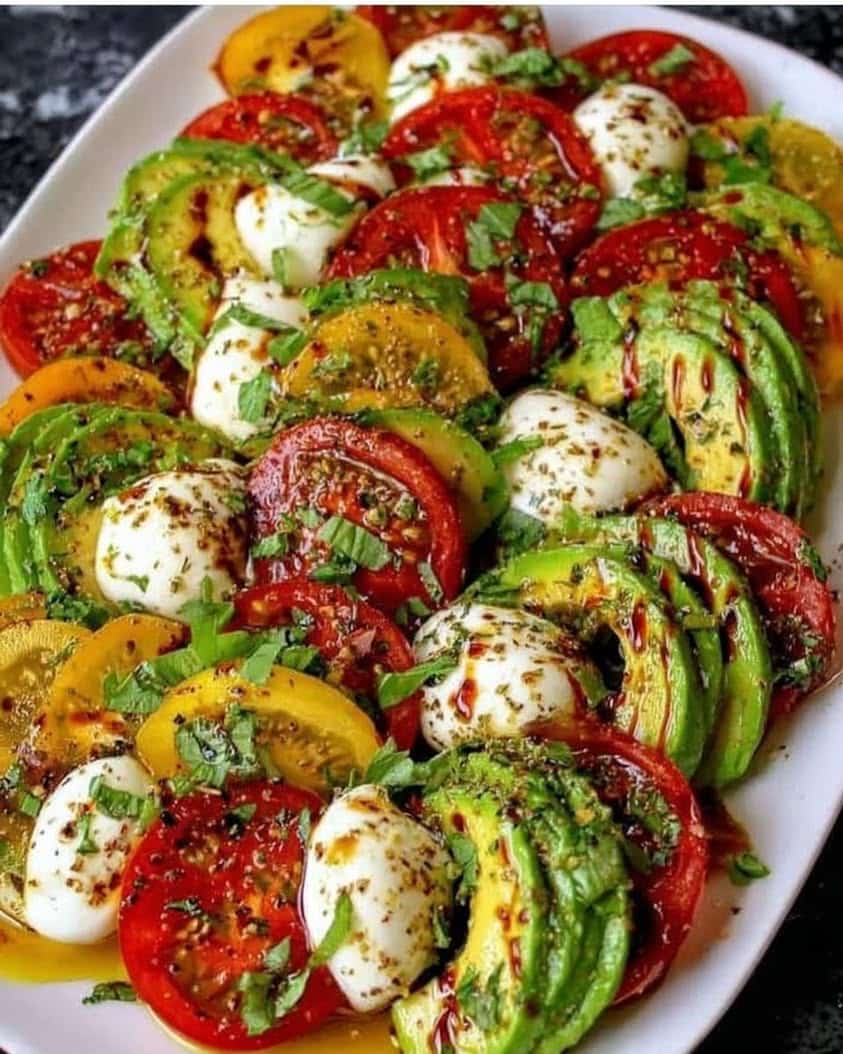
If you need a showstopping appetizer that comes together in minutes, this Cheesy Avocado Caprese Platter delivers big flavor without any stress. Imagine creamy avocado slices nestled beside juicy tomatoes, fresh mozzarella, and a shower of salty cheese, all drizzled with balsamic glaze and fragrant basil. This Cheesy Avocado Caprese Platter brings the classic Italian caprese salad into party territory, and your guests will rave about every bite.
Furthermore, this recipe leans on simple, wholesome ingredients you can find at any grocery store. Because you assemble rather than cook, you avoid the heat of the kitchen and keep your focus on presentation. Consequently, the platter becomes a centerpiece that looks like you spent hours styling, even though you finished it in fifteen minutes. In addition, the combination of textures, from buttery avocado to snappy tomatoes, keeps everyone coming back for more.
Meanwhile, the cheesy element sets this platter apart from a traditional caprese. Instead of just mozzarella, you add crumbled feta, shaved parmesan, and tiny mozzarella pearls for a trio of dairy richness. As a result, each forkful delivers a new taste experience. Whether you serve this Cheesy Avocado Caprese Platter at a summer barbecue, a holiday gathering, or a casual game night, it always disappears fast.
Quick Recipe Highlights
- Flavor Profile: The platter balances creamy, tangy, and sweet notes. Balsamic glaze adds a syrupy punch, while fresh basil brings a peppery finish. Sea salt and cracked pepper tie everything together.
- Texture: You get buttery avocado, firm mozzarella pearls, and juicy tomato slices. Crumbled feta adds a crumbly contrast. Toasted pine nuts, if you add them, deliver a satisfying crunch.
- Aroma: Fresh basil dominates the nose with its green, slightly sweet scent. Ripe tomatoes contribute an earthy sweetness. Balsamic glaze offers a mild acidity that wakes up the senses.
- Visual Appeal: Red tomatoes, white cheese, and green avocado create a striking color trio. A drizzle of dark balsamic glaze adds elegant contrast. Scattered basil leaves finish the platter with vibrant pops of green.
- Skill Level Needed: This recipe suits absolute beginners. You only need basic knife skills for slicing tomatoes and avocado. No cooking, baking, or advanced techniques are required.
- Special Equipment: A large serving platter or wooden board works best. You also need a sharp knife and a small whisk for the glaze. A mandoline slicer helps if you want uniform tomato slices.
Recipe Overview
- Difficulty Level: This recipe earns an easy rating because it involves no cooking. You simply slice, arrange, and drizzle. The only challenge lies in cutting avocado neatly, which a sharp knife solves. Even a first-time cook can nail this platter.
- Category: The dish works as an appetizer, a side salad, or a light lunch. It fits beautifully on a brunch table or a dinner party spread. You can also serve it as a vegetarian main course with crusty bread.
- Cuisine: This recipe draws from Italian caprese tradition, which originated in Campania. However, the avocado addition reflects California cuisine influences. The cheesy blend nods to Mediterranean mezze platters. Ultimately, it represents modern fusion cooking at its best.
- Cost: You will spend roughly twelve to eighteen dollars for six servings. Avocados and fresh mozzarella make up the bulk of the cost. Seasonal tomatoes reduce the price significantly in summer. Overall, it remains an affordable way to feed a crowd.
- Season: Summer is the ideal season because tomatoes and basil peak in flavor. However, you can make this platter year-round with greenhouse tomatoes. Spring and early fall also work well when avocados are ripe. Winter versions benefit from roasted tomatoes for deeper sweetness.
- Occasion: Serve this platter at backyard barbecues, potlucks, or holiday parties. It shines at bridal showers and baby showers thanks to its elegant look. Casual family dinners also welcome this easy side. Game day gatherings love the dippable, shareable format.
Why You’ll Love This Recipe
First, the taste and texture appeal of this Cheesy Avocado Caprese Platter is undeniable. Creamy avocado melts in your mouth alongside milky mozzarella pearls. Meanwhile, juicy tomatoes burst with sweet acidity. The balsamic glaze adds a tangy, syrupy finish that lingers pleasantly. Because each ingredient brings a distinct texture, every bite feels exciting and satisfying.
Second, convenience sets this recipe apart from fussy appetizers. You need only fifteen minutes and zero cooking. Therefore, you can whip it up right before guests arrive. Additionally, clean-up takes just one cutting board and one platter. For busy hosts, that ease makes all the difference.
Third, the nutritional advantages give you peace of mind. Avocados deliver healthy monounsaturated fats and fiber. Tomatoes supply lycopene and vitamin C. Basil offers antioxidants, while mozzarella provides calcium and protein. Consequently, you serve a dish that tastes indulgent but supports your wellness goals.
Fourth, the social and entertaining value is huge. This platter invites sharing and conversation because guests serve themselves. The colorful presentation sparks compliments and questions. Furthermore, it accommodates various dietary needs with small tweaks. As a result, everyone at the table finds something to enjoy.
Fifth, cost-effectiveness and accessibility make this recipe a keeper. You can find all ingredients at mainstream supermarkets. Nothing requires a specialty store or online order. Because the components are simple, you can swap them based on sales or preferences. Ultimately, this Cheesy Avocado Caprese Platter proves that great food does not need a big budget.
Historical Background and Cultural Significance
The origin story of caprese salad traces back to the island of Capri in Italy. According to legend, a patriotic chef created it in the 1920s to honor the Italian flag. He used red tomatoes, white mozzarella, and green basil to mirror the national colors. Consequently, the dish became a symbol of Italian pride and simplicity. Over time, it spread across the world as a staple of summer dining.
Cultural importance surrounds caprese because it celebrates fresh, local ingredients. Italians serve it as an antipasto or a light lunch during hot months. The dish reflects the Mediterranean philosophy of letting quality produce shine. Moreover, it represents the Italian commitment to seasonal eating. That cultural weight makes every caprese variation feel special.
The evolution of this recipe took a modern turn with the addition of avocado. California cooks began adding avocado to caprese in the 1990s as the fruit gained popularity. Meanwhile, cheese lovers started blending multiple cheeses for extra richness. The cheesy avocado caprese platter emerged as a natural fusion of these trends. Today, it appears on restaurant menus and food blogs alike.
Regional variations abound across the United States and beyond. In California, chefs add toasted nuts and citrus zest. In the Southwest, cooks sprinkle chili powder and cotija cheese. New York versions sometimes include everything bagel seasoning. Internationally, you might find versions with burrata, pesto, or grilled peaches. Each region stamps its own identity on the classic formula.
Ingredient Deep Dive
Avocado brings cultural significance as a staple of Mexican and Central American cuisine. People have cultivated avocados for thousands of years in Mesoamerica. Today, the fruit symbolizes healthy fats and creamy indulgence. Nutritionally, avocados pack potassium, vitamin E, and folate. When selecting avocados, choose fruit that yields slightly to gentle pressure. Store ripe avocados in the refrigerator for up to three days. If you need a substitute, try sliced hearts of palm or roasted zucchini rounds.
Tomatoes hold a cherished place in Mediterranean cooking since their arrival from the Americas. They became central to Italian cuisine in the eighteenth century. Nutritionally, tomatoes deliver lycopene, vitamin C, and potassium. For the best flavor, pick tomatoes that feel heavy and smell sweet at the stem. Keep them at room temperature and away from direct sun. If tomatoes are out of season, substitute roasted red peppers or halved cherry tomatoes.
Fresh mozzarella originated in southern Italy as a delicate cheese made from water buffalo milk. It represents Italian craftsmanship and purity. The cheese offers protein, calcium, and vitamin B12. When buying mozzarella, look for packages with milky liquid and a clean, mild smell. Use it within two days for peak flavor. As a substitute, try burrata for extra creaminess or torn provolone for a sharper bite.
Basil carries deep cultural meaning in Italy as a symbol of love and protection. The herb thrives in Mediterranean climates and pairs naturally with tomatoes. Nutritionally, basil provides vitamin K, manganese, and antioxidants. Choose bright green leaves without dark spots or wilting. Store basil in a glass of water at room temperature, covered loosely with a bag. In a pinch, use fresh mint or arugula for a different herbal note.
Feta cheese hails from Greece and appears in texts dating back to Homer. It adds a briny, tangy counterpoint to the creamy elements. Nutritionally, feta supplies calcium, phosphorus, and vitamin B6. Look for feta packed in brine rather than pre-crumbled versions. Keep it submerged in brine in the refrigerator for up to two weeks. If you avoid dairy, substitute a cashew-based vegan feta or chopped olives.
Common Mistakes to Avoid
- Slicing avocado too early causes browning, so wait until the last moment. Instead, cut it right before serving and brush slices with lime juice.
- Using underripe tomatoes leads to a mealy, bland platter. Therefore, choose tomatoes that feel heavy and smell sweet at the stem.
- Drowning the platter in balsamic glaze overwhelms the fresh flavors. Instead, drizzle lightly and offer extra glaze on the side.
- Skipping salt entirely leaves the dish flat. Consequently, season each layer with a pinch of flaky sea salt as you build the platter.
- Refrigerating the assembled platter makes tomatoes mushy and avocado brown. Therefore, keep components separate until serving time.
- Cutting mozzarella pearls in half too far ahead dries them out. Instead, leave them whole and toss them in just before serving.
- Piling ingredients too high hides the beautiful colors. Therefore, arrange everything in a single, slightly overlapping layer.
- Forgetting to pat basil dry makes the leaves wilt under dressing. Consequently, gently blot them with a paper towel before scattering.
- Using a dull knife crushes avocado slices and tears tomatoes. Instead, sharpen your knife before you begin slicing.
- Adding olive oil too heavily pools at the bottom and greases the platter. Therefore, use a light hand and taste as you go.
Essential Techniques
First, mastering the avocado cut is critical for this Cheesy Avocado Caprese Platter. A clean slice keeps the fruit looking fresh and appealing. To do this, halve the avocado around the pit, twist to separate, and remove the pit with a spoon. Then, slice the flesh lengthwise while still in the skin. Finally, scoop the slices out with a large spoon. Watch for resistance, which signals an underripe fruit.
Second, slicing tomatoes evenly creates a uniform, professional look. Uniform slices also ensure balanced bites with every forkful. To master this, use a serrated knife and a gentle sawing motion. Hold the tomato steady and cut at a consistent angle. If the tomato squishes, your knife needs sharpening. Visual cues include clean edges and intact seeds.
Third, layering the platter correctly builds both beauty and function. Start with the largest items and fill gaps with smaller ones. To do this, place tomato slices in a ring, then tuck mozzarella pearls between them. Next, drape avocado slices over the top. Finally, scatter cheese crumbles and basil. The finished platter should look abundant but not cluttered.
Fourth, whisking the balsamic glaze ensures a smooth, pourable finish. A lumpy glaze ruins the elegant look of the platter. To master this, combine balsamic vinegar and honey in a small pan, then simmer until reduced by half. Whisk constantly to prevent burning. Watch for a syrup that coats the back of a spoon. If it thickens too much, add a teaspoon of warm water.
Pro Tips for Perfect Cheesy Avocado Caprese Platter
Choose avocados that are ripe but still firm, because overripe fruit turns to mush on the platter. A gentle squeeze should yield slightly without leaving a dent. Additionally, buy them two days ahead so they ripen perfectly on your counter.
Salt your tomatoes fifteen minutes before serving to draw out their juices. Then, drain the liquid so it does not water down the platter. This step concentrates the tomato flavor and prevents a soggy presentation.
Warm the mozzarella pearls briefly in your hands before arranging them. This small step softens the cheese and releases its milky aroma. Consequently, guests notice a richer flavor right away.
Use a mix of balsamic glaze and extra virgin olive oil for a balanced dressing. The glaze adds sweetness while the oil adds fruitiness. Therefore, you avoid a one-note flavor profile.
Scatter basil leaves at the very end so they stay bright and unwilted. Furthermore, tear the leaves instead of chopping them to prevent bruising. This technique preserves both color and aroma.
Serve the platter at room temperature for the best taste. Cold tomatoes and avocado lose their flavor and feel dull. Therefore, pull the components from the refrigerator thirty minutes before serving.
Add a crunchy element such as toasted pine nuts or crushed crackers. This contrast keeps the platter from feeling one-dimensional. In addition, it adds visual interest and a satisfying sound with each bite.
Provide small forks or toothpicks so guests can serve themselves neatly. This small detail keeps the platter looking tidy throughout the event. Moreover, it encourages people to try the dish without hesitation.
Variations and Adaptations
Regional variations let you tailor this platter to local tastes. For a Southwestern spin, add cotija cheese, lime juice, and a pinch of chili powder. For a Mediterranean version, include olives, red onion, and a sprinkle of oregano. A Californian approach might feature toasted almonds and orange zest. Each variation keeps the core identity while introducing new flavors.
Seasonal adaptations help you enjoy this platter all year. In summer, use heirloom tomatoes and fresh basil from the garden. In fall, swap in roasted cherry tomatoes and sage. During winter, try sliced persimmons and pomegranate seeds. Spring brings the option of sugar snap peas and mint.
Dietary modifications make the dish accessible to more guests. For a vegan version, use cashew cheese and skip the honey in the glaze. For a dairy-free option, substitute the mozzarella with marinated white beans. If you avoid nightshades, replace tomatoes with roasted beets or peaches. These swaps keep the spirit of the platter alive.
Flavor variations let you play with herbs, acids, and spices. Try cilantro and lime for a Latin-inspired twist. Alternatively, use tarragon and lemon for a French flair. A drizzle of pesto instead of balsamic glaze adds a garlicky depth. Each option creates a fresh personality for the same base recipe.
Texture modifications help you address different preferences. Add crunchy cucumber slices for extra snap. Include creamy hummus beneath the avocado for a richer mouthfeel. Crumbled pita chips or toasted baguette slices offer a crisp counterpoint. These choices make the platter more dynamic.
Presentation alternatives suit every table. Arrange the ingredients on a slate board for a rustic look. Use a white ceramic platter for a clean, modern feel. Individual glass cups layered with ingredients create elegant single servings. A hollowed-out watermelon or squash makes a creative seasonal bowl.
Serving and Presentation Guide
Plating techniques matter because they shape the first impression. Start by placing the largest tomato slices in a circular pattern around the platter. Then, tuck mozzarella pearls into the gaps for a balanced look. Next, drape avocado slices over the tomatoes in a fan shape. Finally, scatter feta and basil across the top for a natural finish.
Garnishing ideas elevate the platter from simple to stunning. A drizzle of balsamic glaze creates glossy lines and visual drama. Toasted pine nuts add a golden accent and a nutty aroma. Edible flowers such as nasturtiums bring a playful touch. A final crack of black pepper adds texture and contrast.
Traditional accompaniments include crusty Italian bread and olive oil for dipping. A side of marinated olives complements the Mediterranean theme. Grissini breadsticks offer a crisp, elegant option. These additions turn the platter into a more substantial spread.
Modern serving suggestions bring a fresh angle to the table. Offer small charcuterie forks and compostable plates for easy grazing. Pair the platter with a sparkling water bar featuring citrus slices. Set up a build-your-own station so guests can customize their bites.
Temperature considerations affect flavor and texture significantly. Serve the platter at cool room temperature for the best results. Avoid direct sunlight, which wilts basil and softens cheese. If the day is hot, place the platter over a bowl of ice to keep things fresh.
Portion control tips help you plan for crowds. Aim for three to four tomato slices and half an avocado per guest. Double the recipe for parties over twelve people. Keep backup ingredients in the fridge so you can replenish quickly.
Wine and Beverage Pairing
Wine pairings for this Cheesy Avocado Caprese Platter focus on crisp, acidic whites. A Sauvignon Blanc cuts through the creamy cheese and avocado. Pinot Grigio offers a light, refreshing match for the tomatoes. For red lovers, a chilled Beaujolais or Lambrusco works beautifully. Avoid heavy oaks, which overwhelm the fresh flavors.
Non-alcoholic alternatives keep the party inclusive and refreshing. Sparkling water with lemon and basil makes a bright companion. Cucumber mint cooler adds a cooling contrast to the creamy cheese. Iced hibiscus tea brings a tart note that echoes the balsamic glaze. Each option pairs well without competing.
Coffee and tea pairings may seem unusual, yet they can work. A lightly brewed green tea complements the herbal basil. Cold brew coffee with a splash of cream mirrors the richness of the avocado. For a bolder choice, try an iced Earl Grey with lemon. These options shine at brunch gatherings.
Temperature considerations apply to beverages too. Serve white wines well chilled at around forty-five degrees. Reds should be slightly cool, around fifty-five degrees. Non-alcoholic drinks taste best over plenty of ice. Room-temperature tea loses its refreshing quality.
Serving suggestions tie the beverage and food together. Set up a self-serve drink station near the platter. Provide garnishes like basil sprigs, lemon wedges, and mint leaves. Label each drink so guests know what they are pouring. This small touch makes the event feel polished.
Storage and Shelf Life
Storage methods determine how long your leftovers stay enjoyable. If possible, store each component separately in airtight containers. Keep avocado slices with a squeeze of lime juice to slow browning. Store tomatoes at room temperature, never in the refrigerator. Cheese and basil also fare better when stored apart.
Temperature requirements matter for food safety and quality. Refrigerate cheese and avocado at thirty-eight degrees Fahrenheit. Keep tomatoes on the counter away from heat and sun. Basil prefers cool room temperature rather than cold storage. Following these rules preserves flavor and texture.
Container recommendations help you avoid common pitfalls. Use glass containers with tight lids for cheese and avocado. Wrap basil in a slightly damp paper towel and place it in a bag. Store balsamic glaze in a small jar with a screw-top lid. These choices prevent sogginess and leaks.
Signs of spoilage tell you when to toss leftovers. Avocado turns brown, mushy, and sour-smelling when past its prime. Tomatoes develop soft spots, mold, or a fermented odor. Cheese grows slimy or develops an off smell. When in doubt, throw it out.
Reheating instructions do not apply to this no-cook platter. However, you can refresh leftovers by adding fresh basil and a new drizzle of glaze. Warm the mozzarella slightly in the microwave for five seconds if desired. Avoid reheating avocado, which turns bitter.
Freezing guidelines are limited for this recipe. Avocado and tomatoes do not freeze well because their texture breaks down. However, you can freeze mozzarella pearls for up to one month. Basil freezes beautifully when chopped and packed in olive oil. Plan to enjoy the platter fresh for the best experience.
Make Ahead Strategies
A prep timeline keeps you organized and stress-free. Two days ahead, buy avocados and let them ripen on the counter. One day ahead, wash basil and make the balsamic glaze. The morning of the event, slice tomatoes and store them at room temperature. Right before serving, slice avocado and assemble the platter.
Storage between steps preserves quality and prevents waste. Keep sliced tomatoes in a single layer on a plate covered with a towel. Store mozzarella pearls in their brine until needed. Refrigerate the glaze in a jar and bring it to room temperature before drizzling. These steps keep each ingredient at its best.
Quality impact assessment helps you decide what to prep early. The glaze and cheese hold up beautifully overnight. Tomatoes lose a bit of texture after slicing, so cut them the same day. Avocado must be sliced at the last minute. Basil wilts quickly, so add it just before serving.
Assembly tips make the final step fast and easy. Set out all components in small bowls before you begin. Use a large platter to give everything room to breathe. Work from the outside in, filling gaps as you go. Keep a damp towel nearby to wipe drips from the platter edge.
Reheating guidelines do not apply here, but refreshing does. Add fresh basil and a new drizzle of glaze to leftovers. Squeeze lime over avocado to brighten the flavor. A pinch of flaky salt revives tired tomatoes. These tricks make leftovers taste almost new.
Fresh element additions keep the platter lively. Add toasted seeds or nuts right before serving for crunch. A sprinkle of lemon zest brings a citrus lift. Freshly cracked pepper adds a final layer of aroma. These finishing touches take only seconds.
Scaling Instructions
Halving the recipe works well for small gatherings of two to three people. Use one avocado, two tomatoes, and half the mozzarella. Reduce the glaze to two tablespoons of vinegar and one teaspoon of honey. Arrange on a smaller platter or a dinner plate. The prep time drops to about eight minutes.
Doubling or tripling the recipe suits larger parties of twelve or more. Use four to six avocados for a double batch to keep portions generous. Increase tomatoes and mozzarella proportionally. Make extra glaze because guests always ask for more. Plan for two platters to avoid overcrowding.
Equipment adjustments keep the process smooth at any size. Use a larger cutting board and a second platter for big batches. A mandoline slicer speeds up tomato prep when you scale up. Keep a second knife handy so you can slice avocado without stopping. These tools save time and frustration.
Timing modifications matter when you scale the recipe. Slicing four avocados takes longer than slicing one. Therefore, add five to eight minutes to prep time for each additional batch. Assemble platters one at a time to keep quality high. Refrigerate the second platter until just before serving.
Storage considerations apply to scaled-up versions. Store extra components separately in airtight containers. Keep extra glaze in a squeeze bottle for easy drizzling. If you assemble too early, the platter loses its fresh look. Plan for a quick refresh before guests arrive.
Nutritional Deep Dive
The macro breakdown of this Cheesy Avocado Caprese Platter offers a balanced profile. Each serving delivers roughly twelve grams of healthy fat from avocado and cheese. You also get about eight grams of protein, mostly from mozzarella and feta. Carbohydrates stay low at around ten grams, with most coming from tomatoes. This balance keeps you satisfied without feeling heavy.
Micronutrient analysis reveals a wealth of vitamins and minerals. Avocado supplies potassium, vitamin E, and folate. Tomatoes contribute vitamin C, vitamin K, and lycopene. Basil adds manganese and antioxidants. Cheese provides calcium, phosphorus, and vitamin B12.
Health benefits stem from the Mediterranean-style ingredients. Monounsaturated fats support heart health and reduce inflammation. Lycopene acts as a powerful antioxidant that protects cells. Fiber from avocado and tomatoes aids digestion. Together, these nutrients support overall wellness.
Dietary considerations vary based on your needs. The recipe is naturally gluten-free and low in sugar. However, it contains dairy and is not vegan as written. If you watch sodium, limit the feta and skip added salt. Adjust portions to fit your daily targets.
Portion analysis helps you plan for different goals. A standard serving of six provides about two hundred calories. For a lighter option, reduce cheese by half and add more tomatoes. For a heartier plate, serve with whole-grain bread. Each adjustment shifts the nutritional profile.
Weight management tips make this platter a friendly choice. The healthy fats promote satiety and reduce snacking. Fiber slows digestion and stabilizes blood sugar. Because the dish is low in refined carbs, it fits many eating plans. Enjoy it as a satisfying appetizer or light meal.
Dietary Adaptations
For a gluten-free version, this recipe already qualifies as long as your balsamic glaze is certified. Check labels on flavored balsamic products, which sometimes contain additives. Serve with gluten-free crackers or leave the bread off entirely. This adaptation requires almost no changes, which makes it a reliable choice for mixed guest lists.
For a dairy-free version, replace mozzarella and feta with plant-based alternatives. Cashew cheese and almond-based feta mimic the creamy texture well. Kalamata olives add a briny note that echoes feta. Nutritional yeast sprinkled on top delivers a cheesy flavor. These swaps keep the platter satisfying.
For a vegan version, combine dairy-free cheese with maple syrup instead of honey in the glaze. Use ripe avocado and heirloom tomatoes for richness. Add marinated artichoke hearts for a savory depth. Toasted seeds replace any cheesy crunch. This version pleases plant-based eaters at any gathering.
For a low-carb version, the recipe already fits well with about ten grams of carbs per serving. Reduce tomatoes slightly if you track strictly. Add extra avocado and cheese for satiety. Skip any bread or crackers served alongside. The platter stays flavorful and filling.
For a keto version, increase healthy fats and reduce tomato portions. Add more mozzarella and avocado to hit your macros. Use a sugar-free balsamic glaze or make your own with erythritol. Sprinkle hemp seeds for extra fat and protein. This adaptation keeps you in ketosis.
For a paleo version, skip the cheese and use dairy-free alternatives made from nuts. Choose a glaze sweetened with date syrup rather than honey. Add prosciutto or smoked salmon if you eat meat. Top with toasted walnuts for crunch. These choices align with paleo guidelines.
For a low-FODMAP version, limit avocado to one-eighth per serving. Choose firm tomatoes and skip garlic in the glaze. Use lactose-free mozzarella if dairy sensitivity is an issue. Basil and olive oil remain safe and flavorful. This adaptation supports sensitive digestion.
For other specific diets, such as Whole30, omit the honey and cheese. Use compliant balsamic vinegar and add extra virgin olive oil. Include compliant proteins like grilled chicken if desired. Each tweak keeps the platter aligned with your plan.
Troubleshooting Guide
Texture issues often arise when avocado is too soft or tomatoes are mealy. If avocado feels mushy, chill it for twenty minutes before slicing. Mealy tomatoes usually mean they were refrigerated; use them in a cooked dish instead. For firmness, choose tomatoes stored at room temperature. These fixes restore the ideal mouthfeel.
Flavor balance problems happen when one ingredient dominates. If the platter tastes too acidic, add a pinch of sugar to the glaze. If it tastes flat, add flaky salt and a squeeze of lemon. If it tastes too salty, balance with more avocado. Taste as you build and adjust in small increments.
Temperature problems can ruin the presentation and flavor. If the platter sits out too long, basil wilts and cheese softens. Set the platter over a bowl of ice on hot days. If the platter feels too cold, let it sit for ten minutes before serving. Room temperature brings out the best flavors.
Equipment challenges often involve dull knives or small platters. A dull knife crushes avocado and tears tomatoes, so sharpen before you start. If your platter feels crowded, use two smaller ones. A mandoline slicer helps with uniform tomato slices. These tools make the process smoother.
Ingredient substitutions can change the recipe in unexpected ways. If you swap mozzarella for cheddar, expect a sharper flavor. If you use dried basil instead of fresh, reduce the amount by two-thirds. Each substitution shifts the balance, so taste as you go. Adjust the glaze to compensate.
Timing concerns arise when you try to do everything at once. Slice avocado last to prevent browning. Make the glaze a day ahead to save time. Assemble the platter just before guests arrive. Following this order keeps the dish fresh and beautiful.
Recipe Success Stories
Community feedback has been overwhelmingly positive for this Cheesy Avocado Caprese Platter. Readers report that guests ask for the recipe before the meal ends. Many note that it looks impressive with minimal effort. Several home cooks say it has become their go-to appetizer for every party. These stories show how a simple dish can make a big impression.
Variation successes highlight the platter’s flexibility. One reader added grilled peaches and reported rave reviews. Another swapped feta for blue cheese and loved the bold result. A third used zucchini noodles instead of tomatoes for a low-carb twist. Each adaptation proves the recipe adapts to any taste.
Adaptation stories reveal how cooks make the dish their own. A reader in Florida added mango and lime for a tropical version. A cook in Maine used local heirloom tomatoes and fresh chives. Another host served it as a main course with grilled shrimp on top. These creative spins keep the recipe exciting.
Reader suggestions offer practical improvements. Many recommend chilling the platter briefly before serving on hot days. Others suggest using a squeeze bottle for the glaze to create neat lines. Several readers advise doubling the batch because it disappears quickly. These tips come from real experience and work well.
Photography tips help you capture the platter’s beauty. Shoot from a forty-five-degree angle to show the layers. Use natural light near a window for the most vibrant colors. Add a linen napkin and a wooden board for warmth. These small styling choices make your photos pop.
Frequently Asked Questions
Question: Can I make this Cheesy Avocado Caprese Platter ahead of time?
Answer: You can prepare most components a day ahead, including the glaze and cheese. However, slice avocado and tomatoes right before serving to prevent browning and sogginess. Assemble the platter within thirty minutes of your event for the best look and flavor. This approach balances convenience with quality.
Question: How do I keep avocado from turning brown?
Answer: Brush avocado slices with lime or lemon juice to slow oxidation. Wrap them tightly in plastic wrap and press it directly against the surface. Add them to the platter at the last moment. These steps keep the avocado green and fresh for hours.
Question: What can I use instead of balsamic glaze?
Answer: You can drizzle extra virgin olive oil with a squeeze of lemon. Pesto thinned with olive oil makes a fragrant alternative. A honey-lime dressing adds a bright, sweet note. Each option changes the flavor but keeps the platter delicious.
Question: Is this recipe gluten-free?
Answer: Yes, the core recipe is naturally gluten-free. However, check your balsamic glaze label because some brands add wheat-based thickeners. Serve with gluten-free crackers or skip the bread. Always verify all packaged ingredients for safety.
Question: Can I use dried basil instead of fresh?
Answer: You can, but use only one teaspoon of dried basil for every tablespoon of fresh. Dried basil has
Print
Cheesy Avocado Caprese Platter
- Total Time: 45 minutes
- Yield: 4
Description
A fresh and creamy twist on the classic Caprese salad, featuring ripe avocados, mozzarella, and tomatoes, drizzled with a tangy balsamic glaze and topped with shredded cheese.
Ingredients
- 2 ripe avocados, sliced
- 8 oz fresh mozzarella, sliced
- 3 large tomatoes, sliced
- 1/4 cup fresh basil leaves, torn
- 1/4 cup shredded mozzarella cheese
- 2 tbsp balsamic glaze
- 2 tbsp extra virgin olive oil
- Salt and pepper to taste
Instructions
- On a large platter, arrange alternating slices of avocado, mozzarella, and tomato.
- Sprinkle the shredded mozzarella cheese over the top.
- Scatter the torn basil leaves over the platter.
- Drizzle with olive oil and balsamic glaze.
- Season with salt and pepper to taste.
- Serve immediately.
Notes
You can customize the seasonings to taste.
- Prep Time: 15 minutes
- Cook Time: 30 minutes
- Method: Main
- Cuisine: American