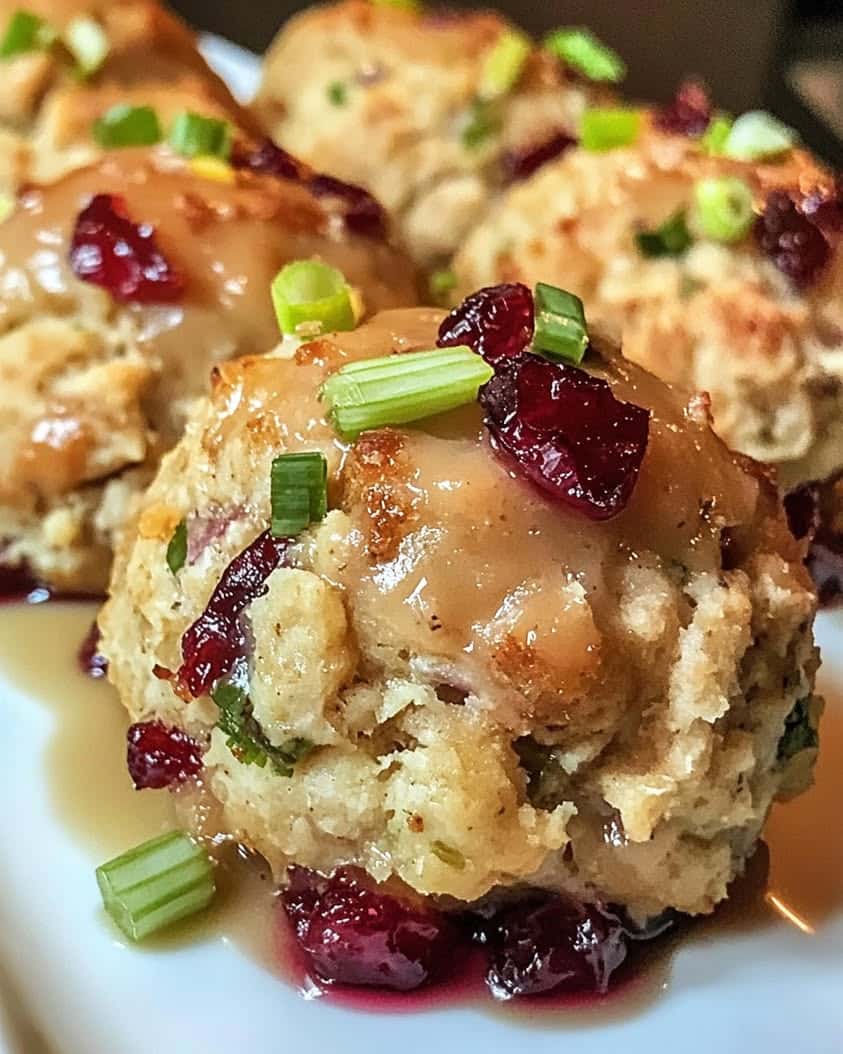
The Ultimate Cranberry Turkey Stuffing Balls Recipe for Holiday Feasts
When the holiday season rolls around, everyone searches for that one showstopping side dish that steals the spotlight without demanding constant attention. The Ultimate Cranberry Turkey Stuffing Balls Recipe for Holiday Feasts delivers exactly that, combining the heartiness of traditional stuffing with the sweet tartness of cranberries, all wrapped into perfectly portioned spheres of comfort. These golden brown morsels offer everything you love about a classic Thanksgiving side dish, but they arrive with a playful twist that makes them impossible to resist.
As a home cook, you already know that stuffing often gets relegated to a supporting role, scooped onto plates without much fanfare after the turkey takes center stage. This cranberry turkey stuffing balls recipe flips that narrative completely, transforming humble ingredients into delightful appetizers that guests will eagerly grab before dinner even starts. The texture contrast between the crisp exterior and the tender, moist interior creates a satisfying experience that keeps hands reaching back to the serving platter again and again.
Your family will appreciate how these stuffing balls combine the nostalgic warmth of your grandmother’s sage-laced dressing with the bright, zesty pop of fresh cranberries. Moreover, because they bake individually rather than inside the bird, they achieve that perfectly crisp exterior on every side, which is something traditional stuffing preparations rarely accomplish. Pair them with leftover turkey, drizzle them with a bit of giblet gravy, and you have a mouthwatering dish that deserves its envious position at the holiday table.
Quick Recipe Highlights
- Flavor Profile: The stuffing balls deliver a savory base of herbs and celery that melts into the sweet and tangy cranberries for a balanced taste. Each bite starts with warm, buttery notes and finishes with a subtle citrus sparkle from the orange zest.
- Texture: You get a crispy, deeply golden exterior from the high heat baking, while the inside remains moist, supple, and bread-like. The occasional burst of softened cranberry adds pleasant juiciness, and the celery offers a gentle, pleasant crunch.
- Aroma: Fresh sage, thyme, and rosemary perfume the kitchen with woody, earthy scents that instantly signal a holiday feast. The faint citrus note from the orange zest floats through the air, promising something slightly brighter than standard stuffing.
- Visual Appeal: These stuffing balls present a gorgeous, golden brown exterior flecked with dark green herbs and deep red cranberry pieces. When you cut into one, the colorful interior reveals a beautiful mosaic of bread, vegetables, fruits, and spices that looks gorgeous on any platter.
- Skill Level Needed: If you can chop vegetables and stir ingredients in a bowl, you can absolutely handle this recipe. The process requires no fancy techniques, making it perfect for novice cooks who want impressive results without the stress.
- Special Equipment: You need a standard 12-cup muffin tin for optimal shaping or simply use a cookie scoop and a baking sheet. parchment paper, a large mixing bowl, and your standard measuring tools round out the minimal equipment list.
Recipe Overview
- Difficulty Level: This recipe earns its “easy” label because it follows a straightforward assemble and bake method that anyone can manage. You don’t need any advanced culinary skills or special training, just the willingness to get your hands a little messy while forming the balls. The active time requirement is short, leaving you plenty of energy to focus on other dishes.
- Category: These cranberry turkey stuffing balls function beautifully as appetizers when you need finger food for a cocktail hour, but they certainly overpower side dish status on a holiday buffet table. You can also serve them as a light main course alongside a fresh green salad, which makes them a flexible addition to your meal planning toolkit for the fall and winter months.
- Cuisine: While rooted in classic American Thanksgiving traditions, this recipe draws inspiration from the British savory stuffing balls, commonly called forcemeat balls, which date back centuries. The cranberry element adds a distinctly North American touch, since these ruby red berries grew wild in New England and were introduced to European settlers by indigenous peoples. Consequently, you get a true fusion of culinary traditions from both sides of the Atlantic.
- Cost: You will find that most ingredients are pantry staples, and the cranberries cost just a few dollars when they are in season between September and December. The bread base can be made from day-old loaves you have sitting on the counter, which keeps expenses minimal. Overall, this dish is budget friendly, especially when you compare it to the cost of premium turkey cuts.
- Season: These stuffing balls shine brightest during the fall and early winter months when fresh cranberries are readily available at every grocery store. Furthermore, the warming herbs and hearty bread make the recipe feel especially comforting when temperatures drop. You can certainly make them year round using frozen cranberries, which work just as well in this application.
- Occasion: Obviously, Thanksgiving remains the primary occasion for making this recipe, but do not limit yourself to just one holiday. These stuffing balls are perfect for Christmas feasts, winter potlucks, family reunions, or game day spreads. Their mini size makes them ideal for grazing tables, and they pack beautifully for picnics.
Why You’ll Love This Recipe
The first thing you will notice about this cranberry turkey stuffing balls recipe is how the flavors genuinely sing together. The savory, herbaceous bread mixture mingles with the tart sweetness of cranberries, and that pairing never gets old. Additionally, the orange zest brightens everything up with its citrus aroma, while the turkey sausage adds depth with its savory, meaty richness. Each element complements the others perfectly, creating a cohesive flavor experience that keeps you coming back for one more bite.
Convenience plays a huge role in why this recipe earns a permanent spot in your rotation, because the entire assembly takes only 25 minutes. You mix everything in one bowl, form the balls, and let the oven do all the heavy lifting during the bake time. Moreover, you can prepare these ahead and refrigerate them overnight, which frees you up on the actual day of your feast. Since they hold their shape beautifully, you don’t have to worry about them falling apart like traditional stuffing sometimes does.
Nutritionally, these stuffing balls provide a more balanced option than many other holiday sides, since they include lean protein from the turkey sausage and fiber from the whole grain bread and celery. The cranberries add antioxidants and vitamin C, which makes this dish something you can feel good about serving. Plus, because they’re portion-controlled by design, your guests will naturally moderate their intake without missing out on the indulgence factor that holidays demand.
When it comes to entertaining, these stuffing balls are absolute social media gold because they look so appealing on a platter. Your guests will photograph them, crowd around them, and talk about them, which makes your hosting efforts feel worthwhile. Furthermore, they serve as a conversation starter about your family’s holiday traditions, and everyone always has a story about their own grandmother’s stuffing method. The bite sized format invites grazing while people mingle and chat.
Finally, this recipe respects your budget and your time, which makes it accessible even when you’re swamped with other holiday responsibilities. The ingredients are inexpensive and easy to find, and most households already have the herbs and spices on hand. You can caramelize the onions the day before, cube the bread ahead, and freeze the cranberries, which streamlines the process dramatically. With very little effort, you get a side dish that looks and tastes like it came from a high end restaurant kitchen.
Historical Background and Cultural Significance
Stuffing balls have deep roots in British culinary history, where they were called forcemeat balls and included ground meats mixed with bread, spices, and dried fruits. English colonists brought these recipes to the New World, and the tradition adapted with local resources. Whereas the original versions used veal or pork, American household cooks began incorporating turkey and native ingredients like cranberries and cornbread. This evolution represents the beautiful way food culture travels and transforms across geographies.
Cranberries hold significant cultural importance in Native American traditions, where they were used for food, medicine, and fabric dye long before European settlers arrived. Furthermore, cranberries symbolized peace and friendship in some eastern tribes, and they appeared at the first Thanksgiving feasts as a symbol of autumn harvest abundance. By putting the cranberry front and center in this recipe, you honor that deep history and acknowledge the precolonial origins of American cuisine.
Stuffing, or dressing as it is often called in the South, emerged as a regional identity marker in the United States, and regional variations tell you something about what grows locally. Northern cooks favored oyster stuffing, southern bakers championed cornbread, and settlers in the desert southwest added pine nuts and green chiles. The cranberry turkey stuffing balls recipe takes the standard New England approach of adding berries and citrus, and the result is a proud representative of that region’s harvest bounty.
Today, these stuffing balls have become increasingly popular at modern holiday celebrations, primarily because they offer practical benefits over traditional baked stuffing. They are easier to portion, faster to cook, and they stay crispy longer when served as finger food compared to spooned-out pans. As more families experiment with brunches and buffet-style celebrations, the appeal of these individual portions only grows. The recipe continues to evolve as home cooks add their twists with chorizo, gruyere cheese, smoked nuts, or roasted garlic, but the soul of it remains the same.
Ingredient Deep Dive
Bread cubes form the backbone of this cranberry turkey stuffing balls recipe, and you want to choose something with enough texture to hold up under baking. A rustic country loaf or ciabatta works beautifully because they have chewy crusts and airy crumb that soak up flavor without turning to mush. If you can manage the planning, stale bread functions better than fresh because it absorbs moisture at a slower rate. For storage, keep your bread in a cool, dry pantry and cube it up to three days ahead.
Cranberries bring that signature tart contrast, and fresh ones are superior to dried when you want the juicy pop in every bite. The native North American cranberry has been harvested for centuries, and it is packed with vitamin C, fiber, and manganese. When selecting cranberries, choose firm, plump berries with a bright red color that bounce when dropped on a hard surface. Store them in the refrigerator for up to two weeks, or freeze them for up to a year for year round availability in this recipe.
Italian turkey sausage provides the meaty, savory element that makes these stuffing balls substantial enough to stand on their own. Turkey sausage is leaner than pork sausage, yet it still delivers the fennel and garlic seasonings that pair beautifully with sage and thyme. Additionally, the fat from the sausage helps the crumbs brown and crisp up during baking, which enhances the texture. If you can find it, choose casings removed and use the bulk version for firm texture. As a substitution, regular pork sausage works exactly the same way.
Celery and onion form the mirepoix base that provides subtle savory depth, and you want to chop these finely enough to distribute evenly. Celery gives a fresh, slightly bitter crunch that plays nicely against the sweetness of the cranberries and orange. Onions, particularly yellow or sweet ones, caramelize slightly and add a rich, savory background note. When you sauté them in butter, they soften and release their sugars, which melds into the stuffing mixture beautifully.
Fresh herbs, including sage, thyme, and rosemary, impart that unmistakable holiday aroma, and using fresh makes a difference you can taste. Sage brings an earthy, slightly peppery flavor that screams Thanksgiving, while thyme provides gentle, lemony undertones that brighten the meaty sausage. Rosemary’s woody needle flavors add complexity, but use it sparingly so it doesn’t dominate. If you only have dried herbs on hand, reduce the quantity by a third and add them with the wet ingredients.
Chicken broth binds everything together, and you should choose low sodium so you can control the final seasoning level. The broth hydrates the dry bread and helps the flavors meld together, making the interior tender and custardy. You may need slightly more or less depending on how dry your bread cubes are, so add half of it, let the mixture sit for a few minutes, and then assess the consistency. Alternatively, use turkey stock if you have it for an even deeper, poultry-forward flavor profile.
Common Mistakes to Avoid
- Using overly fresh bread is a frequent error because fresh bread soaks up broth unevenly, leaving some pieces soppy and others dry. Let your bread cubes sit out for a few hours or overnight so they become slightly stale and absorb liquid more evenly.
- Skipping the brief sauté of the vegetables means your celery and onion will stay too crunchy and sharp, which ruins the texture. Cooking them for just 5 minutes softens them up significantly and brings out their natural sweetness.
- Overmixing the stuffing until it becomes mushy and pasty is a problem, since you lose that lovely bread-sphere texture. Use gentle hands and mix just until all the ingredients are combined and moistened, leaving some structure intact.
- Forgetting to season the mixture properly with enough salt and pepper leads to flat, bland tasting balls even with the herbs. Taste the mixture before baking and adjust generously since the bread absorbs a lot of seasoning.
- Adding all the broth at once creates a soggy situation that makes the balls impossible to form. To fix this, pour the broth in increments and test the squeeze test after each addition to achieve the right moisture level.
- Packing the stuffing balls too densely makes them heavy and gummy, because there are no air pockets to steam and puff. Lightly shape each ball without squeezing hard, treating the mixture gently just like you would a meatball.
- Baking at the wrong temperature can cause the outside to burn while the inside stays raw, so monitor your oven carefully. If you notice overbrowning, cover the balls with foil and continue baking until the center registers 165°F for poultry safety.
- Making the balls different sizes, meaning that some will burn while others remain undercooked because they have different cooking times. Use a cookie scoop to portion uniform amounts and shape them into consistent spheres with your hands.
- Using fresh, dried cranberries for an unexpected fruit snack is a crucial error, since those will burn during baking. Stick with fresh or frozen berries and let them thaw slightly before folding into the mixture.
- Overlapping the stuffing balls on the sheet pan causes inconsistent browning and soggy spots on areas where they touch. Give each ball at least an inch of space around the perimeter so hot air can circulate freely.
Essential Techniques
Properly caramelizing the onions is the foundational technique that builds that deep, sweet umami flavor throughout these cranberry turkey stuffing balls. You want to cook the onions and celery slowly over medium-low heat in butter for several minutes until they become translucent and tender. The longer you cook them, the more natural sugars caramelize, adding a rich, golden sweetness that balances the tart cranberries. Stir them occasionally so the vegetables soften without browning, and be patient because this step takes time but is well worth the result.
Squeezing dry the bread mixture ensures that your balls don’t turn soggy, and it is a crucial technique for achieving the right texture. After you add the broth, you should be able to form a ball that holds together easily without feeling overly wet. Use a gentle squeeze test in your fist, then check the mixture to see if it clumps without falling apart. Add broth a little at a time and test as you go, since the absorption capability depends on the specific bread used.
Using a cookie scoop to portion the mixture ensures uniform size every single time, which translates to even cooking. A 2-inch cookie scoop is ideal for appetizer-sized portions, or you can use your hands and roll them for more control over texture. Keep your hands slightly moistened with water to prevent sticking, and apply moderate pressure to shape the balls without compacting them. The goal is to create a ball that holds its shape but retains visible bread texture and color.
Properly searing the sausage unlocks its flavor and creates a better texture in the final balls, as raw sausage would pour out liquid during baking. Crumble the uncooked sausage into a hot skillet and break it up with a wooden spoon into small pieces. The browning caramelizes the proteins and fat, creating countless little flavor bombs throughout the mixture. Season and let the sausage cook until no pink remains, 7 to 10 minutes over medium heat.
Finely chopping the herbs and cranberries ensures even distribution of flavor and color in every single bite. For herbs, stack the leaves, roll them tightly, and use a rocking motion with your chef’s knife for a clean chiffonade. For cranberries, roughly chop them so they distribute evenly without all sinking to the bottom. You want bursts of flavor, so leave some small chunks and let the juice bleed into the surrounding filling.
Toasting the bread cubes before adding them to the mixture because this removes moisture and creates a firmer, more resilient structure for baking your stuffing balls. Spread them in a single layer on a baking sheet and toast at 300°F for 10 to 15 minutes until dry and slightly golden. This prevents the risk of a soggy middle and promotes better crisping on the outer surfaces. Toasted bread also absorbs the broth without falling apart, ensuring your balls hold shape in the oven.
Pro Tips for Perfect The Ultimate Cranberry Turkey Stuffing Balls Recipe for Holiday Feasts
For the best results, prepare your bread cubes at least a day ahead of time and leave them uncovered on a baking sheet in the fridge so they become relatively stale. Dry day old bread absorbs broth more evenly and yields a significantly better texture inside each ball, so planning ahead really matters.
Consider swapping half of the chicken broth for leftover turkey gravy, and your stuffing balls will have a richer mouthfeel and a deeper savory flavor that perfectly bridges the gap between side dish and main course. Similarly, a splash of white wine or dry vermouth added to the vegetables as they cook adds a sophisticated complexity.
Chopping the cranberries by hand is a better approach than using a food processor, which tends to release too much juice and creates a pasty texture that stains the entire mixture pink. Hand chopping gives you rustic chunks that provide a beautiful, artistic look in the finished product.
Let the noodle mixture rest for at least 15 minutes before you shape the balls, because this allows the bread to fully hydrate and absorb all those lovely aromatic flavors. After resting, if the mixture seems too dry, add a splash more warm broth; if it is too wet, add some extra breadcrumbs.
Make sure to spray your mini muffin tin generously with nonstick spray, and surprisingly, you don’t want to use a regular muffin pan that is too tall. A standard 12-cup muffin tin works fine, or alternatively, you can use a 2-inch cookie scoop to portion balls on a regular baking sheet; either method produces perfect results.
If you notice the tops browning too quickly before the centers finish cooking, cover the whole pan loosely with aluminum foil and lower the oven temperature slightly. This ensures the heat continues to cook the interior moisture without drying out the outer layers or burning the crust.
For the ultimate crispy exterior, brush a little melted butter across the tops of the stuffing balls just before they go into the oven for basting. The butter promotes excellently browned, crisp surfaces that remain moist on the inside, which makes them ideal for making ahead and reheating before service.
Variations and Adaptations
The regional variations for stuffing are as diverse as the families that make them, and you can adapt this recipe to reflect your own regional style. In the South, cooks traditionally swap the white bread for crumbled cornbread, and you can easily do that here to add a slightly sweet and crumbly texture. You could also include pecans, chestnuts, or bacon, which are popular additions in various Midwestern and Southern preparations that bring a different crunch and savory depth to each bite.
Seasonal adaptations let you use the best of what each season has to offer in this versatile turkey stuffing balls dish. In the fall, add roasted butternut squash or chopped apples for a sweet harvest flavor. During the spring, use fresh peas, asparagus tips, or leeks snipped into the mixture for a fresh, green, and bright taste. In winter, consider using dried apricots, golden raisins, or pomegranate seeds in place of the cranberries to get that festive color contrast.
Dietary modifications are simple with this flexible recipe, as many swaps work beautifully. To make the recipe gluten-free, use gluten-free bread cubes and certified gluten-free chicken broth, and always check the label on your sausage because some contain bread filler. For a vegetarian version, cut out the turkey sausage and add a can of drained chickpeas or sautéed cremini mushrooms for meaty texture. A vegan option works if you use olive oil and plant-based butter along with omitting the eggs, and the crumbs will still hold surprisingly well.
Flavor variations let you customize the profile to suit your tastes, so consider these replacements: try cooking the vegetables with pancetta and rosemary for a smokier taste, or brighten things with a bit of lemon zest if you don’t love orange zest. For a spicy twist, add a pinch of red pepper flakes, some chorizo sausage, and a can of green chiles to the mixture. If you prefer an herby Mediterranean character, use basil, marjoram, and a spoonful of pesto to change the entire personality of the dish.
Texture modifications mean that you can make your stuffing balls exactly as crispy or as tender as you dream of. If you want them ultra crispy, increase the oven temperature to 425°F for the last 5 minutes, which won’t dry out the interior. For a creamier center, add a dollop of mascarpone or cream cheese to the mixture instead of using only butter. For a nuttier mouthfeel, toast your bread cubes or mix in some panko for extra shallow crunch.
Presentation alternatives are nearly endless, as you can serve these in a baking dish with extra gravy, or thread them onto skewers for an appetizer display. Alternatively, place each ball into a large lettuce cup and garnish with microgreens for a fresh, elegant plated first course. You could also serve them over a bed of sautéed spinach with a poached egg on top for a fall brunch, making them a true multitasker.
Serving and Presentation Guide
To plate the stuffing balls like a professional, start with a warm platter or serving dish, so the dish stays at a comfortable eating temperature. Arrange the balls evenly so they don’t touch each other, and spoon a little hot gravy in the center of the plate under a nest of them. This technique keeps them moist from the bottom while maintaining the crispness on the top, giving you the best of both textures in a single presentation.
Garnish ideas range from a simple sprinkle of fresh chopped parsley or sage leaves for freshness, but you can elevate the look with candied orange peel curls. Place a few sprigs of fresh rosemary on the platter for an aromatic and festive look, and scatter some fresh cranberries around the dish for color. For a bit of onion crunch, sprinkle a tiny bit of crispy friend shallots over the top just before service so they stay extra crispy.
Traditional accompaniments include a generous spoonful of giblet gravy on the side, plus a dollop of whole berry cranberry sauce for a more intense berry profile. You should also serve this alongside roasted turkey and mashed potatoes for a classic holiday plate, but it works wonders next to ham or roast chicken too. If you are on a brunch menu, pair them with a side of maple-glazed bacon, which cuts through the sage nicely.
Modern serving suggestions include making sliders out of them, where you stuff them into brioche buns with a bit of melted brie and arugula. You could crumble them over a green salad with a warm vinaigrette for a substantial main dish. For a dinner party, create a family-style platter, and allow guests to serve themselves, layering the balls atop butternut squash purée.
Temperature considerations are important because these stuffing balls taste best warm, fresh out of the oven when their crust is crispiest. If you are serving them buffet style, keep them in a low warming oven set to 200°F until you are ready to eat. Don’t allow them to cool completely and then reheat repeatedly, as the crust becomes tough. The centers stay moist even when held for 1 to 2 hours, but you can revive them.
Portion control tips suggest that you calculate about 3 to 4 stuffing balls per person when served as a heaping side, and 2 balls per person for an appetizer; if they form the main component, allow for 5 to 6 per person. Because they are so more-ish, having the smaller size available helps people not over-serve themselves too heavily. If you have leftovers, that is actually a win, since they are incredible for breakfasts scrambled eggs.
Wine and Beverage Pairing
For the wine pairing, reach for a Pinot Noir, which offers earthy notes that match the sage and mushrooms, and its moderate tannins don’t bully the turkey or the filling. The bright cherry fruit notes in the pinot speak directly to the tart cranberries, creating a harmonious balance that doesn’t get lost. It’s versatile enough to please both red and white drinkers, making it the ultimate holiday crowd-pleaser.
If you prefer white, look for a dry Riesling from Alsace or Germany, which provides crisp acidity to cut through the rich bread and sausage stuffing. The fruity notes in the wine echo the orange zest and berries, adding an extra layer of complexity to the pairing. A bit of residual sugar also helps cool the slight tanginess from the cranberries, complementing the flavors in the dish.
For a non-alcoholic alternative, try a sparkling apple cider, since the bubbles cleanse your palate between bites of stuffing balls and the apple flavor matches the festive autumn theme. You could also mix sparkling water with pomegranate juice and a squeeze of lime for a refreshing, elegant holiday drink. Or, warm mulled cider with cinnamon and cloves is the most comforting option for a cold evening.
If you are serving coffee or tea after dinner or at brunch, choose a light to medium roast coffee, as it won’t clash with the aromatic herbs and caramelized onions. For tea, a smoky Lapsang Souchong echoes the savory sausage, while a citrusy Earl Grey highlights the orange notes, making it a great end-of-meal treat.
Serving suggestions for the beverage include offering both red and white options at the table and letting guests choose according to their preference. For an extra treat, pour a bit of dry sherry or port into the gravy and serve that on the side. For a festive holiday punch, you could serve a cranberry based cocktail or a hard cider, which are festive and pair perfectly with this dish.
Storage and Shelf Life
To store your cooked cranberry turkey stuffing balls, let them cool to room temperature on a wire rack for at least 30 minutes, which prevents the crust from steaming and becoming soggy in the fridge. Then, place them into an airtight container lined with paper towels, which will absorb excess condensation. Properly sealed, these remain at their best quality for up to 4 days in the refrigerator.
Regulating temperature is crucial: set your fridge to 40°F (4°C) or below to maintain safety and quality, as this stops bacterial growth in the cooked poultry and stuffing. The stuffing balls must be cooled quickly, so divide them into smaller, shallow containers if necessary. Never leave them sitting at room temperature for more than 2 hours, because that creates a risk zone where food poisoning can occur.
The best container recommendation is a glass dish with a fitted lid or a rigid plastic container, as these won’t absorb smells and are easy to clean. Avoid using aluminum foil or plastic wrap directly on the surface without a lid, since foil can give a metallic taste. If you stack them, put a piece of parchment paper between the layers to stop them from sticking together and ruining the crisp crust.
Signs of spoilage include a sour or off smell, visible mold, or a slimy texture on the surface. If you see any of these, discard the entire batch immediately, as eating spoiled poultry products is dangerous. Additionally, if they taste oddly vinegary or tinny, don’t risk it, and always trust your instincts when in doubt.
For reheating instructions, preheat your oven to 350°F and place the balls on a baking sheet, then heat for 10 to 15 minutes until warmed through, which is the best method for restoring crispness. For a quick meal, use an air fryer at 370°F for 3 to 5 minutes to get them perfectly crispy. You can also microwave them for 1 minute, though they will lose crispy texture, so cover with a damp paper towel to prevent drying.
Freezing guidelines are clear, as they freeze beautifully both cooked and uncooked. To freeze uncooked, shape the balls and set them onto a parchment-lined baking sheet, freeze until solid, then transfer to a freezer-safe bag for up to 3 months. For baked ones, seal them in a vacuum-sealed bag and freeze for up to 2 months; they don’t dry out as much this way.
Make Ahead Strategies
Your prep timeline for this cranberry turkey stuffing balls recipe starts with the bread cubes, which you can cube and air-dry up to 2 days before Thanksgiving. You can chop your onion, celery, and cranberries up to 24 hours ahead and store them separately in airtight containers in the fridge. The fresh herbs can be chopped, put in a sealed bag with a damp paper towel, and kept in the crisper for 1-2 days, so that all you do on the day is sauté them.
For storage between steps, you can fully assemble the stuffing mixture and keep it refrigerated for 1 day before you bake it, and it is completely safe. If it is freshly mixed, the flavor actually improves as the bread soaks up all the tasty liquids. Let the mixture sit at room temperature for 30 minutes before shaping and baking, since a too-cold mixture will cool your oven down significantly when added.
Regarding quality impact assessment, you should know that making ahead slightly changes the texture and flavor of the stuffing balls, but usually for the better. They become less crunchy on the exterior if you bake them completely ahead and reheat them, so we recommend baking them fresh from your prepped mix. If you bake them ahead, store them correctly, and they will still taste great, or you can quickly crisp them up in a hot pan with a little butter.
Assembly tips for hosting convenience are to use a cookie scoop to make uniformly sized balls, then place them directly on the baking sheet. To store the shaped balls between assembly and baking, place the baking sheet in the fridge covered with plastic wrap for up to 24 hours; don’t let them sit out for longer. This speeds up final prep, letting you focus on the turkey and other dishes while they wait.
Reheating guidelines are key, and you should always use an oven or toaster oven rather than a microwave if you want to preserve some crispiness. You can reheat directly from frozen; set the oven to 350°F and cook for 20 minutes, flipping halfway through. For large batches, a baking time extension of 5-10 minutes is necessary, so use your probe thermometer to ensure they reach an internal temp of 165°F.
Fresh element additions are what make the dish feel, well, fresh even after refrigeration. Consider adding a handful of chopped parsley or chives right before you shape and bake, which gives a bright green color and fresh flavor. Also, considering you can add a small amount of leftover toasted pecans to the mixture, they will still give that crunch after reheating. Save a bit of the fresh cranberries to chop and sprinkle on top before serving to get a pop of juicy texture.
Scaling Instructions
Halving the recipe is easy, but you must adjust the egg (use one small egg or a flax egg) since the ratio of liquid to bread doesn’t change much. When halving, bake them at the same temperature but keep an eye on the time as they may cook about 5 minutes faster. Because they are smaller batches, the leftover storage is much easier since you can just put them in a smaller container.
Doubling or tripling the recipe is straightforward, but you will need to use a larger mixing bowl or a stockpot to combine. The key is to cook the sausage and vegetables in batches to achieve proper browning rather than overcrowding the pan. Doubling the batch means you’ll need two baking sheets and should swap their positions in the oven halfway through, and you’ll likely bake them about 5-10 minutes longer to ensure the centers are cooked.
Equipment adjustments are minimal, but instead of one large bowl, you might want two smaller ones to manage mixing gently without crushing the mixture. If you’re tripling the recipe, you’ll definitely need a stand mixer with the paddle attachment to help mix everything evenly without overworking your arms. You may need to line your pans with parchment instead of just greasing them to ensure the balls release cleanly when there are lots of them.
When scaling up, you’ll want to adjust your mixing method and ensure the ingredients aren’t packed too tightly; this can happen easily with a huge batch. Take a step back and check the moisture, adding a tiny bit more broth if needed to get the right consistency. The cooking time and temperature remain the same, but your oven may struggle to cook evenly, so you’ll need to rotate the pans twice.
Storage considerations change when you scale, and you might not have enough fridge space for a couple of 9×13-inch casserole dishes. Using multiple smaller, stackable containers is preferable, as they cool down faster, keeping the quality of the stuffing balls high. If you have a massive quantity, the best option is to freeze half the mixture immediately in a resealable bag before baking.
Nutritional Deep Dive
PrintCranberry Turkey Stuffing Balls
- Total Time: 35 minutes
- Yield: 4
Description
These savory stuffed meatballs are packed with turkey, cranberries, and classic stuffing flavors, making them a perfect holiday appetizer or main dish.
Ingredients
- 1 lb ground turkey
- 2 cups dry stuffing mix
- 1/2 cup dried cranberries
- 1/2 cup chicken broth
- 1 large egg, beaten
- 1/4 cup finely chopped onion
- 2 cloves garlic, minced
- 1 teaspoon dried sage
- 1/2 teaspoon dried thyme
- 1/2 teaspoon salt
- 1/4 teaspoon black pepper
- 1/4 cup olive oil for frying
Instructions
- In a large bowl, combine ground turkey, stuffing mix, cranberries, chicken broth, egg, onion, garlic, sage, thyme, salt, and pepper. Mix until well combined.
- Shape the mixture into 1.5-inch balls and set aside.
- Heat olive oil in a large skillet over medium heat. Add the turkey balls in a single layer and cook for 5-7 minutes until browned on all sides.
- Reduce heat to low, cover, and cook for an additional 10-12 minutes until the turkey is cooked through and the internal temperature reaches 165°F.
- Serve warm with extra cranberry sauce or gravy if desired.
Notes
You can customize the seasonings to taste. For a crispier texture, bake the balls in the oven at 375°F for 20-25 minutes instead of pan-frying.
- Prep Time: 15 minutes
- Cook Time: 20 minutes
- Method: Main
- Cuisine: American