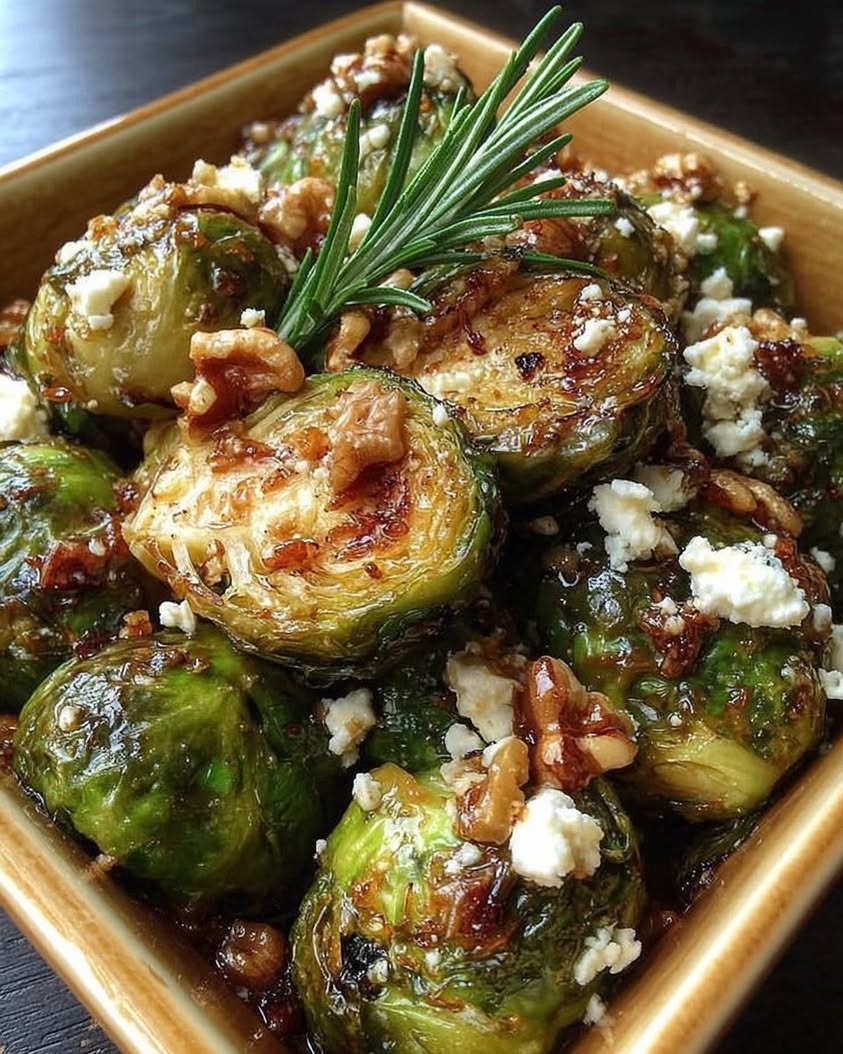
Caramelized Brussels Sprouts with Feta, Walnuts & Hot Honey: The Ultimate Side Dish
There are certain side dishes that completely steal the show, and this recipe for caramelized Brussels sprouts with feta, walnuts, and a hot honey drizzle is unquestionably one of them. This isn’t your ordinary vegetable side dish; it is a symphony of textures and flavors that transforms a humble ingredient into a culinary masterpiece. We are talking about perfectly charred, tender Brussels sprouts with crispy, golden-brown edges, all tossed in a tangy, creamy feta cheese and crunchy toasted walnuts, then finished with a sweet and spicy hot honey that ties every delicious element together. I am so excited to share this recipe with you because it is genuinely one of the most requested dishes in my home, and it always receives rave reviews from the pickiest of eaters.
The beauty of these caramelized Brussels sprouts with feta, walnuts, and hot honey lies in its incredible balance of flavors. The bitter, earthy notes of the sprouts are tempered by the caramelization process, which draws out their natural sugars and creates an irresistible nutty sweetness. The salty, briny feta cuts through the richness, while the walnuts add a satisfying, toasty crunch. Finally, the hot honey drizzled over the top delivers that perfect finish of sweet heat, creating a truly unforgettable taste sensation that keeps people coming back for more. This side dish is a fantastic way to elevate a weeknight dinner, but it is also elegant enough to grace your holiday table with pride.
Furthermore, this recipe is surprisingly simple to prepare, requiring just a handful of high-quality ingredients and a single hot skillet. The process is straightforward, making it an accessible recipe for home cooks of all skill levels. Indeed, the result is a dish that looks and tastes like it came straight from a high-end restaurant, but it is achievable in your very own kitchen in roughly half an hour. So, if you are searching for a new favorite way to enjoy Brussels sprouts or simply need a crowd-pleasing side dish that everyone will adore, look no further than this exceptional recipe. Let’s dive into why this dish works so brilliantly and how you can master it yourself.
Quick Recipe Highlights
- Flavor Profile: The taste is a brilliant contrast of savory, sweet, and spicy notes. The caramelized sprouts provide an earthy, nutty base, while the salty feta and spicy-sweet honey create a complex and addictive flavor experience that is simply delightful.
- Texture: The dish features a wonderful mix of textures, from the crisp-tender bite of the roasted sprouts with their slightly charred leaves to the creamy, crumbly texture of the feta and the hard, crunchy bite of the walnuts.
- Aroma: The dominant aromas are those of toasted nuts and roasted vegetables. There is a deep, savory scent from the balsamic and garlic, with a sweet and spicy note from the hot honey that makes your kitchen smell amazing.
- Visual Appeal: This is a vibrant and colorful dish. The deep green and golden-brown sprouts are beautifully contrasted with the bright white feta, the warm brown of the walnuts, and a glossy, amber drizzle of hot honey that catches the light.
- Skill Level Needed: This is an easy recipe that is perfect for beginners. The techniques are straightforward and do not require advanced cooking skills. If you can stir ingredients in a skillet, you can make this with confidence and impress your family and friends.
- Special Equipment: The only essential equipment is a large, heavy-bottomed skillet, preferably cast iron, to ensure even browning and achieve that perfect caramelization. A sharp chef’s knife and a cutting board are, of course, also necessary for preparation.
Recipe Overview
- Difficulty Level: The recipe is rated as easy due to its straightforward steps and minimal culinary techniques. There is no complicated knife work or complex sauce making involved. Moreover, this dish comes together quickly. Therefore, it is an excellent choice for a stress-free weekday meal component or a fuss-free gathering with friends.
- Category: This dish falls perfectly into the category of a savory side dish or a vegetable main course. It can also be served as a warm salad. This versatility makes it a fantastic addition to any meal plan. Consequently, it shines on a weeknight dinner table but also stands out on a festive holiday sideboard.
- Cuisine: While Brussels sprouts have a rich history in European cuisine, this particular preparation is a classic example of modern American cooking. It combines a familiar vegetable with bold, contemporary flavors like hot honey, reflecting a trend of elevating simple ingredients into something more exciting. The combination is clearly influenced by the farm-to-table movement, which celebrates fresh, seasonal produce with creative flair.
- Cost: This dish is fairly economical to make, especially when Brussels sprouts are in season. Walnuts and feta are moderately priced, and a good quality hot honey is an affordable luxury. Overall, the cost is reasonable. You can find high-quality ingredients without breaking the bank, making this a budget-friendly option for a special meal.
- Season: The very best time to make this dish is during the fall and winter months, which is the peak season for Brussels sprouts. The cold weather enhances their sweet, nutty flavor. That said, you can absolutely enjoy this dish year-round since Brussels sprouts are commonly available in most grocery stores. Moreover, the hearty nature of the dish makes it particularly comforting on a chilly autumn evening or during the cold winter season.
- Occasion: The versatility of this recipe makes it perfect for a wide range of occasions. Indeed, it is an excellent choice for a cozy weeknight dinner, an elegant appetizer for a dinner party, or a wonderful side dish to bring to a potluck gathering. Furthermore, it is a guaranteed show-stopper on Thanksgiving or Christmas tables, and its vibrant colors make it a beautiful addition to any festive holiday spread. It is truly a celebration-worthy dish.
Why You’ll Love This Recipe
The sheer taste of this dish is intoxicating and guaranteed to win over even the most skeptical sprout haters. The cooking process transforms the sprouts, eliminating their bitter edge and highlighting a deep, nutty, and almost sweet flavor profile. Then, the combination of creamy, salty feta, crunchy walnuts, and fiery-sweet honey creates a complex taste that dances on your tongue. Every single bite is a perfect ratio of textures and flavors. Therefore, this is not just a side dish; it is the main event of the meal, a dish that will have everyone asking for the recipe because it is simply that good.
The convenience of this recipe is unmatched for a dish with such big flavors. Moreover, it comes together in one single skillet, meaning you have a minimal amount of dishes to wash afterward. The entire process, from prepping the ingredients to serving the final product, takes about 30 minutes. Because the steps are quick and easy to follow, you can easily whip this up on a busy weeknight without any fuss. Consequently, it is one of those perfect recipes to have in your back pocket when you need something impressive yet effortless, and this makes it an immediate weeknight favorite for any busy family.
Nutritionally, this dish is a fantastic way to incorporate more nutrient-rich vegetables into your diet. Besides, Brussels sprouts are a powerhouse of vitamins, specifically Vitamin C and Vitamin K, and they are also high in fiber. Walnuts contribute healthy omega-3 fatty acids, which are excellent for heart health. The feta adds a source of protein and calcium. Therefore, you can feel good about indulging in this flavor-packed side dish, knowing that it offers a range of important health benefits that support a balanced and healthy lifestyle.
This recipe is also a social superstar because it is a guaranteed crowd-pleaser. Seriously, it is one of those dishes that gets people talking. Its stunning presentation, with the colorful toppings and glossy honey, makes it a beautiful centerpiece for any gathering. Additionally, the unique flavor combination sets it apart from typical side dishes. When you bring this to a party or a family dinner, I promise you will be going home with an empty dish and a long line of people asking you for the recipe because it is a proven social success that never fails to impress.
Finally, this recipe is incredibly cost-effective and uses readily accessible ingredients. Therefore, there is no need to hunt for exotic spices or special equipment, because everything is available at a standard grocery store. Brussels sprouts are often one of the more affordable vegetables in the produce section, and the other ingredients are pantry staples. So, you can create a restaurant-quality, elegant dish for a fraction of the cost of dining out. This affordability makes it accessible for any home cook to enjoy, making it a smart and delicious choice for a frugal gourmet meal.
Historical Background and Cultural Significance
Brussels sprouts, named after the capital of Belgium where they were believed to be cultivated as early as the 16th century, have a storied history in European cuisine. They first became popular in Northern Europe, and you can trace the love for them through regional dishes in countries like the Netherlands, Belgium, and Germany. However, it was not until much later, in the 20th century, that they became a common vegetable in the United States. Initially, they gained popularity in California, but they were often boiled to a soggy, bitter mess, which unfortunately gave them a bad reputation that persists for some people even today.
In European culture, particularly in Belgium, Brussels sprouts are a point of national pride. For generations, families have enjoyed them as a staple vegetable during the autumn and wintertime, often prepared in simple ways with butter, bacon, or a creamy sauce. They are traditionally incorporated into hearty stews and roasted meats. This culinary heritage highlights their role as a comfort food of the common people, a vegetable that sustains and warms. The simple preparations of old were designed to make the most of a hardy crop that could withstand the cold and provide vital nutrients during the leaner months of the year.
The way we cook and view Brussels sprouts in America has undergone a massive evolution. Moreover, the bad reputation they earned from being traditionally over-boiled has led to a culinary revolution in recent decades. As chefs began to rediscover the vegetable, they found that a high-heat method like roasting or pan-searing completely transforms its flavor profile. Cooking them in this way draws out their natural sugars, creating a beautiful caramelization that tames their bitterness. This modern approach, focusing on Maillard reactions and crispy texture, has now become the gold standard for cooking Brussels sprouts and has completely revolutionized their popularity across the country.
The recipe for caramelized Brussels sprouts with feta, walnuts, and hot honey is a perfect example of this modern American evolution. We have taken a classic European vegetable and given it a fresh, exciting identity. Furthermore, the use of hot honey is a particularly contemporary American trend, which has exploded in popularity as a condiment for everything from fried chicken to pizza. By combining this trendy, sweet-spicy element with a Mediterranean staple like feta cheese and the timeless flavor of toasted walnuts, we create a dynamic dish that reflects a culture of culinary innovation and the delightful fusion of flavors in the global melting pot we live in today.
Ingredient Deep Dive
Brussels sprouts are the absolute star of this show, and understanding them unlocks the secret to this dish. These little cabbages are packed with an incredible amount of nutrition and cultural history. Originally from the Mediterranean region, they became a staple in Belgium, which still honors them with a statue in their honor. Nutritionally, they are a superfood, loaded with antioxidants, Vitamin C, and Vitamin K. When selecting them, choose ones that are firm, compact, and bright green, with no yellowing leaves. Try to pick sprouts that are similar in size to each other so they cook evenly. Additionally, you should store them unwashed in a paper towel in the crisper drawer of your refrigerator, where they will stay fresh for up to a week to ensure you get the best quality for your meal.
The creamy, tangy feta cheese is the perfect salty counterpoint to the sweet sprouts. Feta has a long and rich history in Greek and Mediterranean cuisine, and it is one of the oldest cheeses in the world. It adds a distinctively sharp, salty, and briny flavor that contrasts so beautifully with the caramelized vegetables. moreover, this cheese is lower in fat than many other cheeses but high in protein and calcium. For the best results, have your feta block and crumble it yourself. Pre-crumbled feta can be dry and covered in anti-caking agents. And never throw away the brine, since it is packed with flavor. Because of its briny nature, feta helps to cut the richness of the toasted nuts and the sweetness of the hot honey, perfectly balancing the dish.
Toasted walnuts provide a fantastic crunch that adds depth to every bite. Native to the Mediterranean and Central Asia, walnuts are among the oldest tree foods known to man, and they have been a staple in human diets for thousands of years. In this recipe, they are not just a textural addition; their buttery, slightly bitter, and earthy flavor notes perfectly complement the other ingredients. Moreover, they are renowned for their high levels of omega-3 fatty acids, which are crucial for maintaining brain and heart health. Toasting them in a dry skillet brings out their essential oils and intensifies their nutty aroma. I recommend buying raw walnut halves and chopping them yourself because this gives you the perfect size and ensures the freshest taste, making a significant difference in the overall quality of the dish.
Hot honey is the crowning glory, the ingredient that ties all of these disparate elements together. This magical condiment, which is typically made by infusing honey with chili peppers, brings the perfect combination of sweet and spicy heat to the dish. Its spicy kick is a fantastic contrast to the cold, creamy feta. As a final, drizzled ingredient, its beautiful amber color and glossy texture make your finished Brussels sprouts look even more appetizing. While you can buy hot honey at the store, you can also easily make it at home by gently heating your favorite honey with some red pepper flakes. The choice of what to use is up to you, but either way, its sweet heat is an essential component that should not be skipped.
Common Mistakes to Avoid
- Not Drying The Sprouts: After washing your Brussels sprouts, you must pat them completely dry. Moisture is the enemy of caramelization; any water left on the surface will create steam in the pan. This steaming effect will prevent the browning process, resulting in soggy, gray sprouts instead of deliciously golden and charred ones. Therefore, make sure you dry them with a clean kitchen towel or a salad spinner for the best results.
- Overcrowding the Pan: It is crucial to give the Brussels sprouts enough space in the skillet. If you add too many sprouts to a single layer, they will steam rather than sear. As a result, they will not caramelize properly. For the best chance of getting a good sear, cook them in batches if necessary to ensure they are in a single, even layer. This is the key to achieving that beautiful, flavorful crust.
- Stirring Too Often: One of the most common errors is constantly moving the sprouts around in the pan. You need to let them sit and develop a golden-brown crust. Every time you stir them, you interrupt the caramelization process. So, you should resist the temptation and let them cook undisturbed for several minutes at a time. This patience is rewarded with a much deeper and more complex flavor.
- Undercooking the Sprouts: Cooking your sprouts just until they are brown on the outside but still rock hard on the inside is a major mistake. They should be tender and easily pierced with a fork. A crispy exterior with a hard center is not a pleasant texture. The goal is to get a beautiful char on the outside and a tender, creamy interior, so be sure to cook them thoroughly before taking them off the heat.
- Skipping the Toasting: You should never skip toasting your walnuts. Toasting them brings out their natural oils and deepens their flavor. In fact, raw walnuts can be a bit bland and even slightly bitter. When you toast them, they become aromatic, crunchy, and much more flavorful, which adds complexity and a welcome crunch that is essential to the texture of the finished dish.
- Using Dried Feta: Pre-crumbled feta is often coated with anti-caking agents, which prevents it from melting and softening properly. In this dish, a good quality block of feta that you can crumble yourself will have a much softer and creamier texture. This creaminess helps it distribute more evenly and blends better with the other ingredients, leading to a superior final product.
- Drizzling the Honey Too Early: The hot honey should be added as a finishing touch, right before you serve the dish. If you add it while the pan is still on a high heat, the honey will heat up and thin out, losing its lovely thick texture. Moreover, if you let it sit with the warm sprouts for too long, it will melt and run off the dish entirely. Therefore, the final drizzle should be the last thing you do to ensure it looks and tastes its best.
- Storing Leftovers Improperly: Brussels sprouts are always best when enjoyed fresh from the pan. After that, they can become soft and lose their crispy texture. If you have leftovers, you should store them in an airtight container in the refrigerator. However, you should be aware that the feta and walnuts might lose their textural appeal, so this dish is best enjoyed immediately after cooking to experience its full potential.
Essential Techniques
Searing and caramelization is the fundamental technique that makes this dish so good. The intense heat of a hot pan triggers the Maillard reaction, which is a complex chemical process that creates new flavor compounds and browns the outside of the sprouts leaving you with a deeply savory, sweet, and nutty taste. To master this, you need a hot pan and a hot fat, like oil, and you need to let the food sit in the pan without moving it. This can get charred quickly, so it is a balance to watch for. Therefore, you should look for a deep golden-to-amber brown color on the cut sides of the sprouts, which signals that the caramelization process is happening and the flavor is developing.
Toasting nuts is a simple skill that will elevate this dish. The heat releases the essential oils inside the walnuts, which transforms their flavor from flat and raw to wonderfully deep and aromatic. To toast them correctly, you put them in a dry pan over medium heat. You must keep them moving by giving the pan a shake or stir frequently so they brown evenly. Watch them closely for a minute or so. They can go from perfect to burnt very quickly, and you will know they are ready when they smell fragrant and look a shade darker. This quick step makes a huge difference and only takes a couple of minutes, so you should never skip it for maximum flavor in this recipe.
Trimming the sprouts correctly is a technique that impacts their final presentation and flavor. The hard stem base can be tough, and the outer leaves can be loose and floppy. You want to trim just a small amount off the base, maybe a sixteenth of an inch, to remove the tough, dry part, but make sure you do not remove so much that the sprout falls apart. You should also pull off any yellow or spotted outer leaves to reveal the tightly packed, beautiful green leaves underneath. For this recipe, cutting them in half is key because it creates a flat surface for searing and shortens the cooking time, giving you more of those flavorful, caramelized surfaces.
Finishing with a drizzle is the final technique for a perfect presentation. The hot honey is viscous, so to get a beautiful, thin drizzle, you can warm it up for a few seconds in the microwave or place the bottle in a bowl of hot water. This thins it out, making it pourable. Then, drizzle it in a deliberate motion over the sprouts rather than in one spot. This not only distributes the flavor better but also creates an attractive, glossy finish. The final drizzle is both a textural and flavor enhancer, so you should take care with this simple step for a restaurant-quality look.
Pro Tips for Perfect Caramelized Brussels Sprouts with Feta, Walnuts & Hot Honey
Before you even start, you should position a rack in the upper third of your oven and preheat the broiler as well. This extra step is a secret weapon for getting extra crispy leaves. Roasting the sprouts first in a medium-high oven allows them to cook through evenly, and then finishing them under the broiler for a minute or two gives the outer leaves a perfectly charred, brittle texture that is incredibly delicious. This method is more forgiving and yields a more even finish than relying solely on stovetop heat, ensuring the best possible texture in every single bite.
When you are cooking the Brussels sprouts on the stovetop, make sure to use a large, heavy-bottomed skillet, like cast iron. These pans hold heat exceptionally well and do not cool down when you add cold food, which ensures that your sprouts will sear instead of steam. Moreover, do not be shy with the oil. Using a good amount of oil with a high smoke point, like avocado or canola oil, is essential. A well-oiled pan is the key to getting those dark, crispy edges that make your caramelized Brussels sprouts with feta, walnuts, and hot honey so irresistible.
Another professional tip is to use the cut-side down technique for the sprouts in the pan. Always place the Brussels sprouts cut-side down in the hot skillet. This creates the maximum surface area in contact with the heat, guaranteeing a beautiful, deep sear that is crucial for the flavor. Cook them undisturbed for at least 5 to 7 minutes before you even think about flipping them. When you can see that they are deeply golden on the cut side, that is when you know that you are on the right track to a fantastic, flavor-packed dish.
For the most balanced flavors, you should consider making your own hot honey at home. It simply involves warming half a cup of your favorite honey with a teaspoon of red pepper flakes or a sliced chile pepper for about 10 minutes. To clarify, this process infuses the honey with a customizable level of heat that is often fresher and more vibrant than some store-bought versions. You can strain out the peppers for a cleaner look or leave them in for extra heat. This allows you complete control and freshness over the final spicy-sweet element of the dish.
Instead of simply adding feta on top of the dish, you should consider folding some of it in. After you have finished cooking your sprouts and taken them off the heat, stir in about half of your crumbled feta while the sprouts are still hot. The residual heat will slightly soften the cheese and create a creamy coating on the sprouts. Then, you can finish the dish with the remaining feta right before serving. This dual method gives you the best of both worlds: a creamy, integrated cheese and a fresh, salty and crumbly texture on top.
The final tip is to treat leftover hot honey as a secret weapon beyond this recipe. If you have extra, you can use it to elevate other savory dishes in your rotation. For instance, you can drizzle it over crispy fried chicken, roasted root vegetables, grilled halloumi, or even on top of a butternut squash pizza. Moreover, it is fantastic spooned onto a cheese board to add a sweet and spicy element. This addition will transform your future meals and help you get more value out of creating this wonderfully versatile condiment.
Variations and Adaptations
If you want to explore different regional variations, you can take inspiration from various cuisines. For example, an Italian variation would involve swapping the hot honey for a traditional balsamic glaze and adding toasted pine nuts and crispy pancetta. On the other hand, you could add pomegranate seeds and a simple lemon-tahini dressing for a Middle Eastern twist, which would give you a bright, tangy, and fresh alternative. Each variation brings its own flavor profile, and these are great ways to adapt this dish to fit different elements of your palate. Therefore, your options to experiment with this dish are truly endless.
Seasonal adaptations for this dish are easy and rewarding. In the fall, you can incorporate roasted cubes of butternut squash or apples for a sweeter, earthier flavor. During the spring, you might swap the walnuts for fresh peas and mint, and the honey for some lemon zest and juice. Every season offers new produce that can complement the base flavors of the Brussels sprouts. Because the sprouts have a long season, you can adapt this recipe to highlight different side elements throughout the year, keeping it exciting and aligned with whatever is freshest at your local farmers market.
Dietary modifications are a strength of this particular recipe. It is naturally gluten-free, as it does not require any wheat products. For a dairy-free version, you can easily omit the feta or replace it with a high-quality plant-based feta alternative. Additionally, a vegan hot honey can be made using agave or maple syrup instead of honey, with the addition of chile flakes. This makes the recipe accessible to many different diets, and the result will still be wonderfully complex and delicious. This recipe is a great option for entertaining guests with a wide range of dietary preferences and restrictions.
You can make a delicious flavor variation by introducing fresh herbs at the end. Chopped thyme or rosemary, stirred in right before serving, adds a wonderful woodsy aroma and flavor that pairs beautifully with the earthy sprouts, walnuts, and feta. On the other hand, for a smoky, savory variation, you can toss the sprouts with a teaspoon of smoked paprika or a pinch of chipotle powder before roasting. These spices add a layer of warmth and depth that is a lovely alternative to the sweet and spicy hot honey contrast. Therefore, you can easily tailor the flavor profile to your personal taste preferences.
Experimenting with texture modifications can also change the character of the dish. For more crunch, you could add a sprinkle of toasted breadcrumbs or panko after you take the dish out of the oven. These will give you an even crispier contrast to the softer interior of the sprouts. Alternatively, you can swap the walnuts for pecans, which are slightly sweeter, or even for pistachios, which add a beautiful green color and a unique, slightly sweet flavor. If you want a sharper bite, you could swap out the honey for a pomegranate molasses drizzle, which offers a sweet and tart flavor at the same time. Each of these substitutions brings a new and interesting texture to the dish.
You can also adapt the dish based on your presentation preferences. Instead of serving it in the skillet, you can transfer the cooked sprouts to a beautiful platter for a more polished look. Also, you can serve it as a warm salad by plating the caramelized sprouts over a bed of arugula or baby spinach, which will wilt slightly from the heat, adding a fresh, peppery flavor and volume to the dish. This is an excellent way to turn a side dish into a main course for a light lunch or dinner and makes for a stunning presentation that is visually pleasing to your guests.
Serving and Presentation Guide
Plating this dish properly can transform it from a simple side into a centerpiece. Transfer the hot, caramelized Brussels sprouts from the skillet to a warmed serving platter so they stay hot at the table. Spreading them out into a single layer, rather than piling them up, will help them maintain their crispiness and showcase their lovely golden-brown color. After that, the presentation comes down to the toppings. You should scatter the crumbled feta and toasted walnuts over the top, and then finish with a beautiful, deliberate zigzag drizzle of hot honey. This will create a stunning and appetizing visual that is guaranteed to impress your dinner guests.
When it comes to garnishing ideas, less is often more, but a touch of fresh green can brighten the dish. A small handful of fresh parsley or chives, finely chopped, can add a pop of color and a fresh, mild onion- or herb-like flavor that cuts through the richness. For a more distinct flavor, you can use a little fresh thyme. But do not be tempted to overdo it, because the key ingredients are the feta, walnuts, and hot honey. A simple, delicate garnish is all you need to elevate the dish. This encourages the flavors to star in your final presentation.
Traditionally, Brussels sprouts are a classic accompaniment to many hearty main courses. This given recipe pairs exceptionally well with roasted chicken, seared steak, or a juicy pork tenderloin. It is also a wonderful addition to a Thanksgiving turkey dinner, as it adds a layer of sweet and spicy flavor that goes beautifully alongside all the classic, rich holiday sides. The dish also works well as a main event for a vegetarian meal. In fact, you can easily serve this over some warm quinoa or farro to make it a substantial, satisfying, and tasty meatless meal for the whole family to enjoy.
Modern serving suggests that this dish is not just a side; it is a component. Besides, you can serve it in lettuce cups with some extra feta for a fun, deconstructed appetizer. Or you could chop the leftovers and fold them into an omelet or frittata for a delicious breakfast or brunch. This level of versatility makes the dish a practical asset in your weekly meal planning. Therefore, by thinking beyond the side dish category, you can get much more use out of this recipe and add excitement to many different meals of the day, from brunch to dinner.
Temperature considerations are important for the best finish on this dish. The caramelized sprouts should be served hot or at room temperature. When served hot, the feta softens, and the honey becomes more of a sauce across the plate. At room temperature, the textures become more distinct; the sprouts are still crisp-tender, the feta stays crumbly, and the honey is a sticky, intense pop of flavor. Both are delicious, so it is really about your preference. However, you should avoid serving it right out of the refrigerator, since the fats will firm up and the sprouts will lose their pleasant texture, making them feel greasy and unappealing in the mouth.
Portion control is important to keep in mind for a balanced meal. Generally, when serving this as a side dish, you should plan for about one cup per person. This equates to roughly 10 to 12 Brussels sprouts per serving. If you are serving this as a main course, you will want to be a bit more generous and perhaps provide about one and a half cups per person. Remember, because the dish is quite rich and flavorful, most people will be satisfied with a single serving, so these guidelines are a great place to start for your dinner party menu.
Wine and Beverage Pairing
Finding the perfect wine pairing for these caramelized Brussels sprouts can elevate your entire dining experience. The earthy, nutty flavors of the dish call for a wine that can match its depth. A crisp, dry white wine with a bit of richness, like an unoaked Chardonnay or an Albariño, is a fantastic choice. These wines have enough body to stand up to the toasted walnuts and feta, while their bright acidity will cut through the sweetness of the hot honey. Alternatively, a dry rosé offers a wonderful balance. Its berry notes and bright acidity complement the sweet and spicy elements of the dish without overpowering the vegetables.
If you prefer red wine, you want something with moderate tannins and a bit of fruitiness. Light-bodied reds are the way to go. For example, a Pinot Noir or a Gamay from Beaujolais is an excellent selection. These wines are known for their earthy and fruity notes, which will harmonize beautifully with the caramelized sprouts. You should also steer clear of overly oaked or high-alcohol wines, as they can dominate the subtle sweetness of the honey and clash with the sharp, salty feta. A slightly chilled red, like a lighter Beaujolais, is very pleasing and often is the most refreshing pairing option.
For non-alcoholic alternatives, these sprouts are wonderfully flexible. A sparkling water with a squeeze of lemon or lime will refresh your palate and cleanse it between bites of this rich dish. For something more seasonal, a spicy ginger ale or a ginger beer is a great match. The ginger’s spiciness echoes the heat of the hot honey, while its sweetness makes a harmonious pairing. Additionally, a crisp apple cider, either hot or cold, offers a lovely autumnal flavor, and its natural sweetness and tartness are a good friend to this recipe.
Coffee and tea pairings can be an interesting twist if you are serving this dish at a lunch or brunch gathering. A cup of black tea, like an English Breakfast or a smoky Lapsang Souchong, provides a robust base that can stand up to the dish. The smoky, malty notes of the tea are a natural complement to the roasted vegetables and toasted nuts. For coffee lovers, a pour-over with a medium roast will have enough acidity to cut through the fat and a caramel sweetness that will echo the hot honey, creating a pleasant breakfast experience if you are serving it with some eggs.
It is always best to serve your chosen beverage well-chilled, unless it is a hot tea or coffee. The temperature contrast is marvellous with the hot sprouts. The coolness of the wine or sparkling water provides a refreshing feeling that balances the warm, savory, and sweet elements of the dish. It is a very simple touch, but it makes a huge impact on how the meal tastes overall. Make sure to keep your bottle of wine in an ice bucket on the table, so everyone can keep their glasses topped off with a cool and delicious beverage while the food is still hot.
Storage and Shelf Life
In the rare case that you have leftovers, you should store your caramelized Brussels sprouts with feta, walnuts, and hot honey properly to maintain their quality. Transfer the completely cooled leftovers to a shallow, airtight container. This will shield them from absorbing other odors in your fridge and prevent them from drying out. When stored this way, they will last in the refrigerator for up to 3 to 4 days. However, you should be aware that the texture of the sprouts will soften, the walnuts will lose their crunch, and the feta may become a bit more melty. Even so, they will still taste delicious the next day.
The temperature requirements for storage are straightforward: you must refrigerate it. Since this dish contains cheese, it is a perishable food item and should not be left out at room temperature for more than two hours. After that time, you are entering a danger zone where bacteria can multiply. Therefore, you should be diligent about packing up the leftovers promptly after you finish eating. Moreover, this will prevent your food from spending unnecessary time in the danger zone, keeping it safe and delicious for you to enjoy again tomorrow, and it protects you from the risk of a foodborne illness.
When selecting a container, choose a glass or plastic container with a tight-fitting lid. An airtight seal, for example, is crucial for preventing the dish from absorbing odors from other strong-flavored foods in your fridge. On the other hand, if you are short on containers, you can wrap the bowl tightly with plastic wrap or aluminum foil. Whichever method you choose, the key is to minimize the exposure to air. This helps to slow down the degradation of the sprouts, maintain the feta’s texture, and ensure your leftovers taste as good as possible when you are ready to eat them again.
You should also know the signs of spoilage to ensure you are eating this dish safely. Before reheating, give your leftovers a good sniff. Any sour, off, or yeasty smell is a clear indicator that it has gone bad. Also, check for any noticeable changes in texture, like the sprouts turning mushy or slimy. And if you see any signs of mold growing, discard the entire batch immediately. Do not taste it to see if it is still okay, but instead, rely on your senses of sight and smell to make a judgment call on the safety of the food. Your health is more important than making one more meal out of your leftovers.
For best results, this dish is really meant to be enjoyed fresh, as the crisp texture and contrasting temperatures are lost when refrigerated. After reheating, the Brussels sprouts will be soft, and they might not re-crisp fully in the microwave. Therefore, for optimal enjoyment, only make the amount you will consume in one sitting. If you do have leftovers, reheat them in a skillet over medium heat with a little extra oil and keep them moving in the pan until they are warmed through. This is a much better option than the microwave because it will help them regain some of their texture and not turn into a soggy mess.
Freezing this dish is not recommended. The high water content of the Brussels sprouts means that upon Print
Caramelized Brussels Sprouts with Feta, Walnuts & Hot Honey Drizzle
- Total Time: 35 minutes
- Yield: 4
Description
These caramelized Brussels sprouts are roasted until golden and crispy, then tossed with creamy feta, crunchy walnuts, and a spicy-sweet hot honey drizzle. A perfect side dish that balances savory, tangy, and sweet.
Ingredients
- 1 lb Brussels sprouts, trimmed and halved
- 2 tablespoons olive oil
- 1/2 teaspoon salt
- 1/4 teaspoon black pepper
- 1/2 cup crumbled feta cheese
- 1/2 cup chopped walnuts
- 3 tablespoons honey
- 1 teaspoon crushed red pepper flakes (adjust to taste)
- 1 tablespoon apple cider vinegar (optional)
- 1 tablespoon butter (optional)
Instructions
- Preheat oven to 425°F (220°C). Line a baking sheet with parchment paper.
- In a large bowl, toss Brussels sprouts with olive oil, salt, and pepper. Spread them in a single layer on the baking sheet.
- Roast for 20-25 minutes, flipping halfway, until Brussels sprouts are caramelized and crispy on the edges.
- While sprouts roast, prepare the hot honey: In a small saucepan over low heat, combine honey, red pepper flakes, and apple cider vinegar (if using). Warm gently for 2-3 minutes until the pepper flakes infuse. Remove from heat.
- In a dry skillet over medium heat, toast the walnuts for 2-3 minutes until fragrant, stirring frequently. Remove from heat.
- Transfer roasted Brussels sprouts to a serving platter. Sprinkle with feta and walnuts. Drizzle with the hot honey mixture. Optionally, add a pat of butter on top while hot. Serve immediately.
Notes
You can customize the seasonings to taste. Adjust the hot honey to your preferred spice level by adding more or fewer red pepper flakes. For extra tang, add a squeeze of lemon juice before serving.
- Prep Time: 10 minutes
- Cook Time: 25 minutes
- Method: Side Dish
- Cuisine: American