Mediterranean Lemon Chicken with Artichokes & Olives: A One-Pan Dinner Winner
Imagine pulling a single sheet pan from the oven, and the whole kitchen fills with the scent of lemon, garlic, and herbs. That is the magic of this Mediterranean Lemon Chicken with Artichokes & Olives recipe. It transforms simple ingredients into a dish that feels both rustic and elegant. This one-pan dinner is a true weeknight hero. It requires minimal cleanup and delivers maximum flavor.
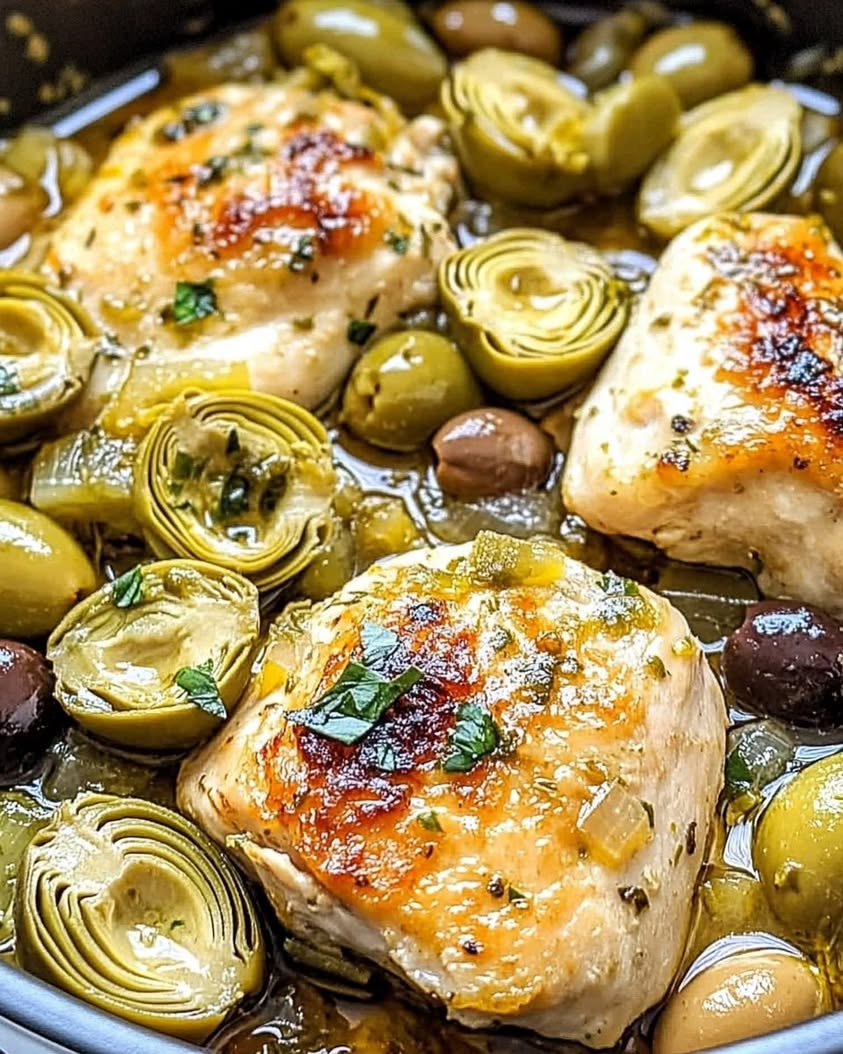
The chicken emerges from the oven with perfectly crispy, golden skin. The meat stays incredibly juicy and tender underneath. As you lift a piece from the pan, you will see the rich, lemony juices mingling with the olive oil and wine. The artichokes become soft and tender, soaking up all those bright flavors. The olives add a briny, salty pop that balances the acidity. This recipe is not just a meal; it is an experience. It brings the sunny coast of the Mediterranean right to your dinner table.
You do not need to be a professional chef to master this dish. Every step is straightforward and forgiving. You will simply season the chicken, arrange everything on a pan, and let the oven do the hard work. The result is a restaurant-quality dinner that feels special. Yet, it is easy enough for a busy Tuesday. This Mediterranean Lemon Chicken with Artichokes & Olives is a crowd-pleaser. It works for a family dinner, a casual gathering with friends, or even a date night at home.
Quick Recipe Highlights
- Flavor Profile: This dish delivers a bright and tangy flavor from fresh lemon juice and zest. The briny Kalamata olives add a salty complexity, while the artichokes offer a subtle, earthy sweetness. The garlic and oregano provide a warm, aromatic backbone. Together, these elements create a harmonious balance that is both refreshing and deeply satisfying.
- Texture: You will find a wonderful textural contrast in every bite. The chicken skin becomes shatteringly crisp in the oven. The meat itself remains fork-tender and moist. The artichoke hearts are soft and buttery. The olives are meaty and slightly firm. This variety keeps your palate engaged from start to finish.
- Aroma: The moment you open the oven, a wave of incredible aromas will hit you. The dominant notes are bright lemon and pungent garlic. These are underscored by the earthy scent of dried oregano and the rich, fruity smell of extra virgin olive oil. A hint of white wine adds a subtle, sweet perfume. This is the smell of comfort and good cooking.
- Visual Appeal: This dish is a feast for the eyes as well as the stomach. The chicken turns a beautiful, deep golden brown. The artichokes are a pale green, and the olives are a deep, dark purple. The entire pan is glistening with a light, lemony sauce. A final sprinkle of fresh parsley adds a pop of vibrant green. It is rustic, colorful, and inviting.
- Skill Level Needed: This recipe is perfect for beginners. The techniques are basic: seasoning, searing, and roasting. There are no complicated steps or fussy methods. You just need to follow the simple instructions. Confidence grows with every successful try. It is a great dish to build your cooking skills.
- Special Equipment: You only need basic kitchen tools. A large, rimmed baking sheet or sheet pan is essential. A sharp chef’s knife is helpful for trimming the chicken and prepping the lemons. Tongs make it easy to sear the chicken. No blender, mixer, or special gadgets are required.
Recipe Overview
- Difficulty Level: This recipe earns an Easy rating for a few key reasons. First, the ingredient list is short and uses items you can find at any grocery store. Second, the cooking process is mostly hands-off. You sear the chicken briefly, then the oven does all the work. Finally, there are no complex sauces or tricky techniques to master. It is a forgiving recipe that rewards careful attention but also tolerates small mistakes.
- Category: This dish fits perfectly into the categories of a main course and a sheet pan dinner. It is a complete meal in one pan. You can serve it with a side of crusty bread, rice, or a simple green salad. It is also a fantastic choice for meal prepping. The flavors only get better after a day in the refrigerator.
- Cuisine: The cuisine is firmly rooted in the Mediterranean tradition, specifically drawing from Greek and Italian coastal cooking. The combination of lemon, olive oil, garlic, oregano, and briny olives is a classic hallmark of this region. It reflects the simple, fresh, and sun-drenched approach to food. This recipe celebrates these timeless flavors in a way that feels authentic and accessible to a modern home cook.
- Cost: This is a very cost-effective meal. Chicken thighs and legs are among the most affordable cuts of poultry. Canned artichoke hearts and jarred olives are pantry staples that cost very little. A few lemons and a head of garlic are inexpensive. Overall, you can create this impressive dinner for well under $20. It provides excellent value for the quality and flavor you get.
- Season: You can enjoy this dish year-round, but it truly shines in the spring and summer. The bright, citrusy flavors are a perfect match for warmer weather. Fresh artichokes are at their peak in the spring. However, using canned or frozen artichokes makes it a delicious option any time you crave a taste of sunshine.
- Occasion: This Mediterranean Lemon Chicken with Artichokes & Olives is incredibly versatile. It is elevated enough for a dinner party with a nice bottle of wine. It is also simple enough for a casual Sunday supper. It travels well, making it a great choice for a potluck or a holiday buffet. It is a dish that always impresses without causing stress.
Why You’ll Love This Recipe
The taste and texture of this dish are its strongest assets. You get that perfect contrast of crispy chicken skin and tender, juicy meat. The artichokes soften and soak up the lemony, garlicky sauce. The olives burst with salty, briny flavor. Every single bite is balanced and delicious. The tangy lemon cuts through the richness of the chicken. The olive oil and wine create a light, savory pan sauce that you will want to sop up with bread. It is comfort food with a bright, sophisticated twist.
Convenience is a major reason this recipe wins. You basically throw everything onto one sheet pan. That means less time scrubbing dishes and more time enjoying your meal. The oven does most of the work for you. You simply sear the chicken for a few minutes to get that beautiful crust. Then, you roast everything together. It is a classic set-it-and-forget-it meal. Active prep time is only about 15 minutes. The rest is hands-off cooking.
This recipe also offers excellent nutritional advantages. Chicken thighs are a great source of protein and healthy fats. Artichokes are a fantastic source of fiber and antioxidants. Olives provide heart-healthy monounsaturated fats. You control the quality of the olive oil and the salt content. It is a balanced and satisfying meal that aligns perfectly with a Mediterranean diet. You feel full and energized without feeling heavy or sluggish.
When it comes to social and entertaining value, this dish is a star. It looks incredibly impressive when you pull it from the oven. The golden chicken and vibrant vegetables are a visual showstopper. Guests will think you spent hours in the kitchen. You can serve it directly from the pan for a casual, family-style meal. It encourages sharing and conversation. The bright, inviting aromas will welcome everyone to the table.
Finally, this recipe is incredibly cost-effective and accessible. You do not need expensive or exotic ingredients. Everything is easy to find at a standard grocery store. The cost per serving is very low compared to ordering takeout or eating out. It proves that you do not need a big budget to eat well. This recipe makes gourmet flavor accessible to everyone. It is a reliable, go-to meal that saves money and time.
Historical Background and Cultural Significance
The pairing of lemon and chicken is a cornerstone of Mediterranean cooking. The acidity of the lemon acts as a natural tenderizer. It also brightens the rich flavor of the poultry. This combination likely originated in the coastal regions of Greece and Italy, where lemon trees flourish. It quickly became a classic because it is simple, effective, and delicious. This recipe carries that ancient wisdom forward in a modern, convenient format.
Artichokes have a long and storied history in the Mediterranean. They were cultivated by the ancient Greeks and Romans, who prized them for their medicinal and culinary properties. They are a symbol of spring and abundance. Their inclusion in this dish adds a layer of cultural depth. It connects us to a long tradition of using seasonal, earthy vegetables to create rich, savory meals.
Olives are another ancient ingredient that is central to this recipe. Olives have been a dietary staple in the Mediterranean for thousands of years. They represent hospitality, peace, and the bounty of the land. Their briny flavor is a perfect counterpoint to the sweet artichokes and tangy lemon. This combination of ingredients reflects the core principles of Mediterranean cuisine: simple, fresh, and vibrant.
Over time, this dish has evolved from a simple peasant meal into a beloved classic. Home cooks and chefs have experimented with different herbs and cooking methods. The modern sheet pan version is a testament to our desire for convenience without sacrificing flavor. It respects the original flavors while adapting to a busy, contemporary lifestyle. Regional variations exist, with some adding capers, potatoes, or different types of olives. This recipe is a perfect example of a timeless tradition reimagined for today.
Ingredient Deep Dive
Let us start with the star of the show: the chicken. Chicken thighs and legs are ideal for this recipe. Their higher fat content ensures they stay moist and flavorful during the long roasting time. This cut has been a cornerstone of home cooking across cultures for centuries. It is both affordable and satisfying. Nutritionally, it is a great source of protein, B vitamins, and selenium. For the best results, look for bone-in, skin-on pieces. The bone adds flavor and helps regulate cooking. The skin crisps up beautifully. You can store fresh chicken in the fridge for up to two days. For longer storage, freeze it for up to three months. If you must use boneless, skinless thighs, reduce the cooking time by about 10 minutes. You will miss the crispy skin, but the flavor will still be excellent.
Lemon is the heart of this dish. It provides that signature bright, tangy flavor that cuts through the richness. Use fresh lemons for the best taste. Bottled juice cannot compare. A good lemon feels heavy for its size and has a smooth, bright yellow skin. You will need both the zest and the juice. The zest contains oils that provide intense, aromatic lemon flavor without the sourness. Lemons are an excellent source of vitamin C and antioxidants. They can be stored at room temperature for about a week. For longer life, keep them in the refrigerator. If you are out of lemons, a good quality white wine vinegar can work in a pinch. Use half the amount, as it is much more acidic.
Artichokes add a wonderful earthy, nutty flavor and a tender texture. Canned or jarred artichoke hearts are a fantastic convenience. They are already cooked and have a soft, buttery texture. Look for ones packed in water or brine. Rinse them before using to remove any excess salt. Artichokes are a powerhouse of fiber and antioxidants. They are also low in calories. If you cannot find artichokes, try using canned hearts of palm. They offer a similar tender texture and mild flavor. Fresh artichokes can be used, but they require significant prep work, including trimming and steaming. Canned versions make this recipe truly accessible.
Kalamata olives provide the briny, salty punch that balances the dish. These dark purple, almond-shaped olives come from Greece. They are cured in red wine vinegar or brine, giving them a rich, fruity flavor. They are a fantastic source of healthy monounsaturated fats and iron. Look for olives that are glossy and plump. Avoid ones that look shriveled or mushy. Store open jars in the refrigerator for up to several weeks. You can substitute with other brine-cured olives like Castelvetrano or Niçoise. Just be aware that the flavor profile will shift slightly. Avoid canned black olives, as they are too soft and lack the necessary brininess.
Common Mistakes to Avoid
- One common mistake is not patting the chicken dry before searing. Excess moisture will prevent the skin from getting crispy. It will steam instead of brown. Always use paper towels to thoroughly dry the chicken skin. This simple step is crucial for achieving that golden, crackling crust.
- Another error is overcrowding the sheet pan. When the chicken pieces are too close together, they trap steam. This prevents the skin from crisping and the artichokes from browning properly. Use a large enough pan so there is space between each piece. If necessary, use two pans.
- Failing to deglaze the pan is a missed opportunity. After searing the chicken, delicious browned bits are left behind. These are packed with flavor. Pouring the wine and lemon juice in while the pan is hot allows you to scrape them up. This creates a simple but deeply flavorful sauce.
- Using bottled lemon juice instead of fresh is a major downgrade. Bottled juice lacks the bright, vibrant flavor of fresh lemons. It often has a metallic or flat taste. Fresh lemon zest is also essential. It adds a floral, citrusy aroma that cannot be replicated.
- Overcooking the chicken is a common problem. Chicken thighs are forgiving, but they can still dry out. Use a meat thermometer to ensure they reach an internal temperature of 165 degrees Fahrenheit. Check the thickest part of the thigh without touching the bone.
- Forgetting to season adequately can lead to a bland dish. Chicken needs generous salt and pepper. Also, remember that the artichokes and olives already contain salt. Taste your pan sauce and adjust seasoning at the end. A squeeze of fresh lemon juice at the end can also brighten everything up.
- Using low-quality olive oil is a mistake. The olive oil is a primary flavor component. Choose a good quality extra virgin olive oil for the best taste. It adds richness and a peppery finish. Do not use the cheap stuff for cooking and finishing.
- Not letting the chicken rest after cooking is a common oversight. Resting allows the juices to redistribute throughout the meat. If you cut into it immediately, the juices will run out onto the pan. Let it rest for 5 to 10 minutes before serving. This guarantees a juicier bite.
- Adding the olives too early can make them mushy. Olives are already soft and just need to be warmed through. If they roast for the entire time, they can become overly soft and lose their shape. Add them halfway through the cooking process.
- Skipping the fresh herbs at the end is a missed opportunity. A sprinkle of fresh parsley adds a pop of color and freshness. It balances the richness of the roasted ingredients. Do not skip it; it elevates the entire presentation and flavor.
Essential Techniques
Mastering the sear is the most important technique for this recipe. Searing the chicken in a hot pan creates the Maillard reaction. This chemical process browns the skin and creates hundreds of new flavor compounds. It is the foundation of the dish’s deep, savory taste. To do it right, heat your olive oil in a large, oven-safe skillet or a heavy-bottomed pan until it shimmers. Place the chicken skin-side down and leave it alone. Do not move it for 4 to 5 minutes. You want a deep, golden-brown crust. A common pitfall is moving the chicken too soon. If it sticks to the pan, it is not yet ready to flip. You will see the edges turn golden brown. The skin will release easily when it is properly seared. This visual cue is key.
Deglazing is a simple yet powerful technique. After you sear the chicken and remove it from the pan, you will see browned bits stuck to the bottom. These are called fond, and they are pure flavor. To deglaze, pour your white wine and lemon juice into the hot pan. Immediately use a wooden spoon or spatula to scrape the fond off the bottom. It will dissolve into the liquid, creating a quick, flavorful pan sauce. This step adds incredible depth to the dish. A common pitfall is using a cold liquid. Hot liquid works best to dissolve the fond. Another mistake is letting the liquid reduce too much. You want to scrape, stir, and then pour everything over the chicken. The visual cue is a smooth, saucy liquid with no stuck-on bits left on the pan.
Proper roasting technique ensures even cooking and beautiful results. Roasting is a dry-heat cooking method. It circulates hot air around the food, browning and crisping it. For this recipe, you want a hot oven, typically around 400 degrees Fahrenheit. This high heat is crucial for getting the skin crispy. You also need to arrange the food in a single layer. Overcrowding leads to steaming. Another important aspect is basting. About halfway through roasting, spoon some of the pan juices over the chicken and vegetables. This keeps everything moist and flavorful. A common pitfall is opening the oven too often. This lets out heat and can increase cooking time. The visual cue for doneness is an internal temperature of 165 degrees Fahrenheit and beautifully browned, crispy skin.
Pro Tips for Perfect Mediterranean Lemon Chicken with Artichokes & Olives
First, always start with cold chicken. Cold chicken sears better and more evenly. Let it sit at room temperature for about 15 minutes before searing. This helps it cook more evenly throughout. Do not skip this easy step.
Second, use a microplane to zest your lemon. It creates fine, fluffy zest that blends into the pan sauce. You avoid the bitter white pith. Zest the lemon before you juice it. This makes the process much easier.
Third, do not discard the lemon halves after juicing. Place them cut-side down on the sheet pan along with the chicken. As they roast, they caramelize and release even more floral, citrusy flavor. They look beautiful on the plate, too.
Fourth, season the artichokes directly. They are like sponges and will absorb any flavors you add. Toss them with a little olive oil, salt, pepper, and a pinch of oregano before adding them to the pan. This ensures they are flavorful, not bland.
Fifth, if you want extra crispy skin, finish the dish under the broiler for the last 2 to 3 minutes. Watch it very carefully. The sugar in the lemon juice and wine can burn quickly. This gives the chicken an incredible, shatteringly crisp crust.
Sixth, use a good quality dry white wine like Pinot Grigio or Sauvignon Blanc. Do not use cooking wine. If you prefer not to use wine, you can substitute with an equal amount of low-sodium chicken broth. Add an extra tablespoon of lemon juice to compensate.
Seventh, let the dish sit for a few minutes before serving. This allows the sauce to settle and thicken slightly. The chicken will also be easier to handle. This short rest is a simple secret for a better final dish.
Eighth, garnish generously with fresh herbs. A mix of chopped fresh parsley, dill, or even mint adds a final layer of freshness. It contrasts the rich, roasted flavors. It also makes the dish look professionally finished.
Variations and Adaptations
Regional variations of this dish are a joy to explore. You can add a pinch of red pepper flakes for a touch of heat, inspired by southern Italian cooking. For a Greek twist, add a handful of halved baby potatoes to the pan. They will roast golden and tender, soaking up the pan juices. You can also swap the oregano for fresh rosemary or thyme. This creates a different but equally delicious herbal profile.
Seasonal adaptations help you make the most of fresh produce. In the spring, add fresh asparagus spears and snap peas during the last 15 minutes of roasting. In the summer, throw in some cherry tomatoes and bell peppers. They will burst and sweeten. In the fall, try adding cubed butternut squash or parsnips. You just need to adjust the roasting time for heartier vegetables.
Dietary modifications are easy to incorporate. This recipe is naturally gluten-free. To make it dairy-free, just use a dairy-free side dish. It is also low-carb and keto-friendly. The chicken and vegetables are perfect for a low-carb diet. For a lower-sodium version, use water-packed artichokes and rinse them well. Choose low-sodium olives or use fewer olives.
Flavor variations are limited only by your imagination. Add a teaspoon of smoked paprika for a smoky depth. A splash of balsamic vinegar at the end adds a sweet and tangy note. For a richer flavor, use a few chopped anchovy fillets when searing the chicken. They will dissolve and add an umami boost without tasting fishy.
Texture modifications can change the entire experience. For more sauce, add a half cup of chicken broth to the pan before roasting. For a crispy topping, scatter some panko breadcrumbs tossed in olive oil and herbs over the chicken during the last 10 minutes of cooking. This adds a wonderful crunch.
Presentation alternatives can make this dish even more special. Serve it family-style right from the pan for a casual feel. For a more elegant look, plate each piece of chicken individually on a bed of creamy polenta or mashed potatoes. Drizzle the pan sauce over the top. This turns a simple dinner into a stunning entree.
Serving and Presentation Guide
Plating techniques for this dish are simple but effective. For a casual dinner, serve it directly from the sheet pan on a trivet. This is rustic and inviting. For a more formal presentation, arrange a piece of chicken on each plate. Place a few artichoke hearts and olives beside it. Spoon a generous amount of the pan sauce over everything. This ensures every bite is moist and flavorful.
Garnishing ideas can elevate the dish to the next level. A sprinkle of fresh, chopped parsley is a must for color and freshness. You can also add a few fresh dill sprigs for a slightly different flavor. Thin lemon slices or zest curls also make a beautiful, purposeful garnish. A drizzle of high-quality extra virgin olive oil just before serving adds a final glossy finish.
Traditional accompaniments are a natural pairing. Crusty bread is essential for sopping up the delicious pan sauce. A side of fluffy white rice or buttery orzo pasta works wonderfully. A simple green salad with a lemony vinaigrette provides a fresh, crisp contrast. These sides complete the meal without overwhelming the main flavors.
Modern serving suggestions can make the dish more exciting. Serve it over a bed of creamy hummus or whipped feta for a unique, Mediterranean bent. You can also shred the chicken and serve it in warm pita bread with tzatziki sauce for a fantastic wrap. This is a great way to use leftovers if you have any.
Temperature considerations are important for the best experience. Serve this dish hot, straight from the oven. The flavors are most vibrant and the textures are best when it is hot. If you need to hold it, keep it in a low oven, around 200 degrees Fahrenheit, for up to 30 minutes. Do not let it sit at room temperature for too long.
Portion control tips are helpful for a balanced meal. A serving size is typically one chicken thigh or leg piece. You will also want a generous portion of artichokes and olives. This provides a good balance of protein and vegetables. If you are serving it with rice or bread, adjust the portion of the chicken accordingly.
Wine and Beverage Pairing
Wine pairings for this dish are a natural delight. The bright acidity of the lemon calls for a wine with similar acidity. A crisp, unoaked Sauvignon Blanc is an excellent choice. Its citrus and herbal notes will mirror the flavors in the dish. A dry Pinot Grigio from Italy also works perfectly. Its light, clean profile will not overpower the chicken. If you prefer red wine, try a light-bodied Pinot Noir. Its low tannins and red fruit flavors are a beautiful match.
Non-alcoholic alternatives are just as satisfying. A sparkling water with a squeeze of lemon and a sprig of fresh mint is incredibly refreshing. It cleanses the palate between bites. A tall glass of iced herbal tea, like a lemon-ginger or hibiscus tea, complements the Mediterranean flavors well. For a festive touch, try a non-alcoholic wine. They have improved greatly in quality.
Temperature considerations matter for any beverage. Serve white wines and sparkling water well-chilled, around 45 to 50 degrees Fahrenheit. Red wines like Pinot Noir are best served slightly cool, around 60 degrees Fahrenheit. This helps their flavors shine without being dulled by the cold. For non-alcoholic drinks, plenty of ice is always welcome.
Serving suggestions can make the pairing feel special. Decant your wine if you have a decanter. Use nice glassware, even for water. A lemon wheel or a sprig of rosemary in the water glass adds a beautiful touch. These small details elevate the entire dining experience.
Storage and Shelf Life
Proper storage is key to enjoying leftovers. Let the chicken and vegetables cool completely to room temperature. Do not leave them out for more than two hours. Transfer them to an airtight container. Place the chicken and vegetables together with the pan sauce. This keeps everything moist. Store the container in the refrigerator. It will stay good for up to four days.
Temperature requirements are simple but important. Your refrigerator should be at 40 degrees Fahrenheit or below. This inhibits bacterial growth. If you are transporting leftovers, use a cooler with ice packs. Never leave the food in a hot car. Consistent cold temperature is the most important factor for food safety.
Container recommendations can help preserve quality. Glass or ceramic containers with tight-fitting lids are ideal. They do not absorb odors like plastic can. Avoid using metal containers, as they can react with the acidic lemon sauce. If using plastic, make sure it is BPA-free and food-safe.
Signs of spoilage are easy to spot. If the chicken or sauce develops a sour or off smell, discard it immediately. Any slimy texture on the chicken is a bad sign. Visual mold is an obvious indicator. When in doubt, throw it out. Do not risk food poisoning.
Reheating instructions can restore the dish to its former glory. The best way to reheat is in a low oven. Place the leftovers in an oven-safe dish. Add a splash of chicken broth or water to prevent drying. Cover with foil and reheat at 300 degrees Fahrenheit for about 15 to 20 minutes. You can also reheat it in a skillet on the stovetop. Add a little broth and warm it gently over medium-low heat. Avoid the microwave, as it will make the chicken skin soggy and the meat tough.
Freezing guidelines are useful for meal prep. You can freeze this dish for up to three months. Package the cooled leftovers in freezer-safe bags or containers. Remove as much air as possible to prevent freezer burn. Thaw it overnight in the refrigerator before reheating. The texture of the artichokes may be slightly softer after freezing, but the flavor will remain delicious.
Make Ahead Strategies
Prep timeline makes this dish even more convenient. You can do a lot of the work up to a day in advance. Trim any excess fat from the chicken. Pat it dry and season it with salt, pepper, and a little oregano. Store it covered in the refrigerator. You can also zest and juice the lemons, mince the garlic, and halve the olives. Store each component separately in the fridge. This makes the final cooking process a breeze.
Storage between steps is important for food safety. If you have prepped the chicken, keep it on a plate covered with plastic wrap. Keep it on the bottom shelf of the fridge. This prevents raw chicken juices from dripping onto other foods. Do not let prepped ingredients sit at room temperature for longer than an hour.
Quality impact assessment is good to know. Making this dish ahead of time can actually improve the flavor. The chicken and vegetables will continue to absorb the sauce. The flavors will meld and deepen overnight. The only potential loss is the crispy skin. It will soften as it sits. If you plan to serve it the next day, consider reheating it under the broiler for a few minutes to re-crisp the skin.
Assembly tips can streamline your dinner. On the day you plan to cook, you can assemble the entire dish on the sheet pan. Arrange the chicken, artichokes, and olives. Do not add the liquid yet. Cover the pan with plastic wrap and store it in the fridge. When you are ready to cook, just add the wine and lemon mixture. This makes the dinner prep almost instant.
Reheating guidelines for make-ahead versions are the same as for leftovers. Use a low oven or a skillet. Add a little liquid to prevent drying. This will bring the dish back to life. For best results, plan to serve it within two to three days of making it.
Fresh element additions can transform leftovers. When you reheat the dish, consider adding a final burst of freshness. A squeeze of fresh lemon juice, a sprinkle of fresh herbs, or a handful of fresh arugula tossed in just before serving can revitalize the dish. This makes leftovers feel brand new.
Scaling Instructions
Halving the recipe is straightforward. Use half the amount of chicken, artichokes, and olives. The cooking time will remain roughly the same, but you need to keep an eye on it. Use a smaller sheet pan or a baking dish. The chicken will cook a little faster because there is less mass. Start checking for doneness a few minutes early. The flavors will still be perfectly balanced.
Doubling or tripling this recipe is easy for a crowd. You will need to use two large sheet pans. Do not try to cram everything onto one pan. Overcrowding will ruin the texture. Rotate the pans in the oven halfway through cooking. This ensures even browning. The cooking time may increase slightly, so use a meat thermometer as your guide.
Equipment adjustments are necessary when scaling up. If you are using one pan for a single batch, a standard half-sheet pan works well. For doubling, you will need two half-sheet pans. This ensures there is enough space for proper air circulation. You might also need a larger skillet for searing the chicken. Work in batches if necessary.
Timing modifications are important for large batches. Searing the chicken will take longer because you need to do it in batches. The roasting time might increase by 5 to 10 minutes because of the larger volume. Use a meat thermometer to check the thickest piece. Do not rely solely on the timer.
Storage considerations change when scaling up. You will have more leftovers. Make sure you have enough airtight containers. You can also plan to share the extra food with friends or family. Freezing the extras in meal-sized portions is a fantastic strategy for future quick dinners.
Nutritional Deep Dive
Macro breakdown for this dish is very satisfying. A single serving provides a substantial amount of high-quality protein. This is essential for muscle repair and satiety. The healthy fats from the olive oil, chicken skin, and olives provide sustained energy. The carbohydrates are relatively low, coming mostly from the artichokes. This makes it a balanced, satisfying meal that will keep you full for hours.
Micronutrient analysis reveals a wealth of vitamins and minerals. The chicken is a great source of B vitamins, particularly B6 and B12. These are essential for energy metabolism. The artichokes are rich in vitamin C, vitamin K, and folate. They are also a fantastic source of dietary fiber, which is great for digestive health. The olives provide vitamin E, an important antioxidant.
Health benefits extend beyond the basic nutrients. This dish aligns perfectly with the principles of the Mediterranean diet. Research shows this diet is linked to a reduced risk of heart disease and improved brain health. The combination of healthy fats, lean protein, and fiber is powerfully beneficial. It is a meal that nourishes your body and supports long-term wellness.
Dietary considerations are important for many people. This recipe is naturally gluten-free, making it safe for those with celiac disease or gluten sensitivity. It is also naturally low in sugar and refined carbohydrates. The high protein and fat content make it suitable for low-carb and keto diets. It is a versatile option for many eating plans.
Portion analysis helps with mindful eating. A standard serving of one chicken thigh and a generous portion of vegetables is very filling. The fiber and protein work together to promote satiety. You are less likely to overeat or feel hungry soon after. This makes it a great choice for weight management.
Weight management tips are easy to apply. If you are watching your calorie intake, you can remove the chicken skin before eating. This significantly reduces the fat and calorie content. You can also use chicken breast instead of thighs. Just be aware that breast meat can dry out more easily. Reduce the cooking time accordingly.
Dietary Adaptations
Gluten-free adaptation is already inherent in this recipe. There are no wheat-based ingredients. The recipe uses no flour or breadcrumbs. All the ingredients, including the chicken, artichokes, olives, and seasonings, are naturally gluten-free. However, always double-check the labels on your bottled lemon juice or wine, though cross-contamination is rare. This dish is a safe and delicious choice for a gluten-free diet.
Dairy-free adaptation is also naturally straightforward. This recipe contains no dairy products. There is no butter, cream, or cheese. The richness comes from the olive oil and the chicken itself. You can confidently serve this to anyone avoiding dairy. It is a perfect example of how delicious dairy-free cooking can be.
Vegan adaptation is possible with a major swap. To make this vegan, replace the chicken with hearty vegetables. Large portobello mushroom caps or slabs of firm tofu are excellent choices. Print
Mediterranean Lemon Chicken with Artichokes & Olives
- Total Time: 40 minutes
- Yield: 4
Description
A bright and briny one-pan chicken dish with lemon, artichokes, and olives — perfect for a quick yet impressive weeknight dinner.
Ingredients
- 4 boneless, skinless chicken breasts
- 2 tablespoons olive oil
- 4 cloves garlic, minced
- 1 cup chicken broth
- 1/4 cup fresh lemon juice
- 1 teaspoon dried oregano
- 1/2 teaspoon salt
- 1/4 teaspoon black pepper
- 1 can (14 oz) artichoke hearts, drained and halved
- 1/2 cup Kalamata olives, pitted
- 1 lemon, sliced into rounds
- 2 tablespoons fresh parsley, chopped
Instructions
- Season chicken breasts with salt and pepper. Heat olive oil in a large skillet over medium-high heat and sear chicken for 4–5 minutes per side until golden. Remove and set aside.
- Reduce heat to medium, add garlic and cook for 30 seconds until fragrant. Pour in chicken broth and lemon juice, scraping up any browned bits. Stir in oregano.
- Return chicken to the skillet. Add artichoke hearts, olives, and lemon slices around the chicken. Cover and simmer for 15–20 minutes until chicken is cooked through.
- Uncover, increase heat, and cook for 2–3 minutes until sauce slightly thickens. Garnish with parsley and serve.
Notes
You can customize the seasonings to taste.
- Prep Time: 10 minutes
- Cook Time: 30 minutes
- Method: Main
- Cuisine: Mediterranean