Baked Cottage Cheese Eggs: A High-Protein Breakfast Recipe
Are you searching for a breakfast recipe that is both incredibly satisfying and surprisingly simple? Look no further than this Baked Cottage Cheese Eggs recipe. This dish masterfully combines creamy, high-protein cottage cheese with rich, baked eggs to create a meal that will power you through your morning. Moreover, it comes together in one dish, meaning cleanup is a breeze. The result is a fluffy, savory bake with a delightful texture contrast between the creamy base and the set eggs. Ultimately, this recipe is a game-changer for busy mornings, meal prep enthusiasts, and anyone craving a nutritious start to their day.
The magic of these Baked Cottage Cheese Eggs lies in their versatility and foolproof nature. You simply mix a few pantry staples, pour them into a dish, and let the oven do the work. Consequently, you are free to prepare coffee, pack lunches, or enjoy a few quiet moments. The bake emerges golden and puffed, filling your kitchen with an irresistible aroma of savory cheese and herbs. Importantly, it is a fantastic way to introduce more protein into your diet without relying on processed meats. Therefore, whether you are serving a family brunch or preparing a week of healthy breakfasts, this recipe delivers on every front.
Furthermore, this dish is a brilliant solution for using up leftover vegetables or herbs. Feel free to customize it with spinach, roasted peppers, or sun-dried tomatoes. The cottage cheese base ensures every bite remains moist and flavorful, preventing the eggs from becoming dry or rubbery. In essence, you get a restaurant-quality baked egg dish with minimal effort and maximum nutritional payoff. Finally, it reheats beautifully, making it a strategic component of any well-planned weekly menu. Get ready to fall in love with this effortless, protein-packed breakfast.
Quick Recipe Highlights
- Flavor Profile: These Baked Cottage Cheese Eggs offer a savory, cheesy flavor with subtle herbal notes from chives or dill. The cottage cheese provides a mild tanginess that perfectly complements the richness of the eggs. Additionally, a sprinkle of black pepper and paprika adds a warm, slightly smoky finish.
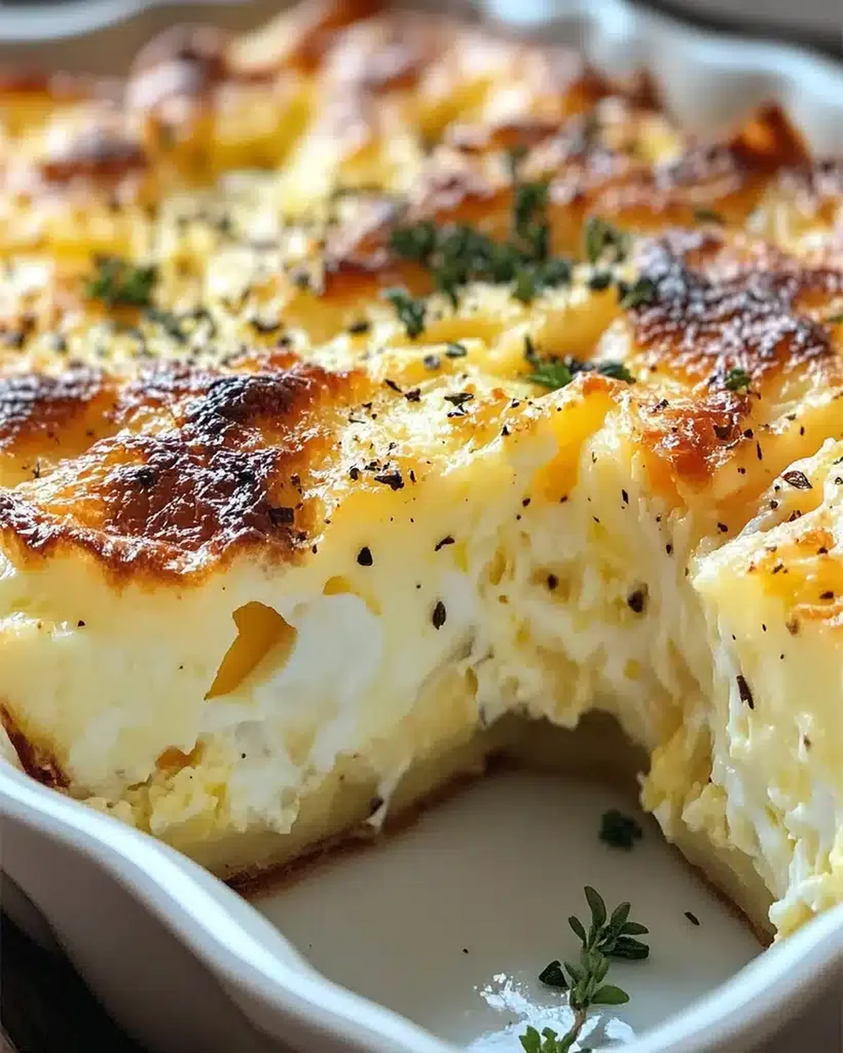
- Texture: The texture is wonderfully complex, featuring a light, almost soufflé-like creaminess from the blended cottage cheese base. Meanwhile, the whole eggs bake to a tender, set consistency, creating delightful pockets of richness. Consequently, each spoonful is smooth, satisfying, and never dry.
- Aroma: As these Baked Cottage Cheese Eggs cook, they release a comforting, homey aroma of baking eggs and melted cheese. The scent of fresh herbs becomes more pronounced near the end of the baking time. Ultimately, it is a smell that promises a delicious and nutritious meal.
- Visual Appeal: This bake presents beautifully with a golden-brown top and a creamy, speckled interior. The visible herbs and pools of baked egg yolk add visual interest and rustic charm. Therefore, it looks impressive served directly from the baking dish at the table.
- Skill Level Needed: This recipe is ideal for beginners, as it requires no advanced techniques. Essentially, you need basic mixing and blending skills. Furthermore, the oven handles the precise cooking, making it very forgiving.
- Special Equipment: You will need a blender or food processor to achieve the smoothest cottage cheese base. Additionally, a standard 8×8 inch or similar baking dish is necessary. Otherwise, common kitchen tools like a mixing bowl and whisk will suffice.
Recipe Overview
- Difficulty Level: We rate these Baked Cottage Cheese Eggs as “Easy” because the process is straightforward and hard to mess up. There is no fussy whisking or delicate folding required. Simply blend, mix, pour, and bake. The oven provides even, hands-off cooking that yields consistent results every time.
- Category: This dish fits perfectly into the breakfast and brunch category. It also shines as a high-protein lunch or a light dinner. Importantly, it is a versatile main dish that can anchor any meal.
- Cuisine: While not tied to one specific tradition, these Baked Cottage Cheese Eggs draw inspiration from American diner classics and European egg bakes. The use of cottage cheese is a nod to health-conscious modern cooking. Ultimately, it is a fusion of comfort food sensibilities and contemporary nutrition.
- Cost: This is an exceptionally budget-friendly recipe. Eggs and cottage cheese are inexpensive protein sources. Furthermore, the herbs and seasonings are pantry staples, keeping the cost per serving very low.
- Season: These Baked Cottage Cheese Eggs are truly a year-round dish. They are comforting and warm in the fall and winter. Conversely, they feel light and fresh with spring herbs like chives or dill in the warmer months.
- Occasion: This recipe is perfect for casual weekend brunches with family. It is also excellent for holiday breakfasts like Easter or Mother’s Day. Moreover, it is a reliable go-to for weekly meal prep for busy professionals.
Why You’ll Love This Recipe
First, the taste and texture of these Baked Cottage Cheese Eggs are utterly irresistible. The cottage cheese, when blended, creates a luxuriously creamy and protein-rich base that is far more interesting than plain scrambled eggs. Each bite delivers a savory, cheesy flavor that is perfectly seasoned and incredibly satisfying. The eggs bake into tender, flavorful pockets, ensuring the dish never feels monotonous. Consequently, you get a restaurant-quality breakfast experience from the comfort of your own kitchen, with flavors that will please both adults and children alike.
Next, the convenience factor of this baked cottage cheese eggs recipe cannot be overstated. Preparation involves minimal active time—just about ten minutes of simple mixing. After that, you pop the dish in the oven and gain valuable time back in your morning. This hands-off approach is a game-changer for hectic weekdays or relaxed weekends. Furthermore, the recipe uses one main mixing bowl and one baking dish, dramatically simplifying cleanup. Therefore, you can enjoy a spectacular hot breakfast without the mess typically associated with morning cooking.
From a nutritional standpoint, this dish is a powerhouse. Cottage cheese and eggs are both complete proteins, providing all nine essential amino acids your body needs. This combination promotes muscle repair, keeps you feeling full for hours, and stabilizes energy levels. Additionally, eggs are rich in choline, which is vital for brain health, and cottage cheese offers a good dose of calcium. By choosing this bake, you are investing in a meal that supports your physical and cognitive well-being. It is a delicious way to meet your daily protein goals without relying on sugary cereals or processed meats.
For social and entertaining value, this baked cottage cheese eggs recipe is a true winner. It scales effortlessly to feed a crowd and can be prepared in advance, so you are not stuck in the kitchen while guests are over. The presentation is rustic and appealing straight from the oven, making it ideal for buffet-style brunches. You can easily set up a “bake bar” with various toppings like salsa, avocado, or hot sauce, allowing guests to customize their portion. This interactive element makes the meal fun and engaging, ensuring your gathering is memorable and stress-free for you as the host.
Finally, the cost-effectiveness and accessibility of the ingredients make this recipe a staple. Eggs and cottage cheese are affordable and available in every grocery store. The recipe is also highly adaptable; you can use whatever fresh or dried herbs you have on hand. This flexibility means you can make it even when the pantry is looking sparse. By preparing a nutritious breakfast at home, you save significant money compared to eating out. In short, this baked cottage cheese eggs recipe delivers gourmet flavor and high-end nutrition on a very modest budget.
Historical Background and Cultural Significance
The concept of baking eggs with dairy is ancient, with roots in many peasant cuisines where combining available proteins was essential. However, the specific combination of cottage cheese and eggs gained significant popularity in mid-20th century America. During this period, cottage cheese was heavily promoted as a health food and diet aid. Home economists and women’s magazines began featuring recipes that incorporated it into every meal, seeking to make this nutritious but plain ingredient more appealing. Consequently, baked dishes like this one emerged as a clever way to add protein and creaminess to simple egg preparations.
Culturally, this dish reflects a period of culinary innovation focused on convenience and nutrition. The post-war era saw a rise in casserole cooking, where mixing ingredients in one dish for baking became a symbol of modern, efficient homemaking. A baked cottage cheese eggs recipe fits perfectly into this trend. It also aligns with the growing American interest in fitness and weight management that blossomed in the 1970s and 80s. Therefore, the dish is more than just food; it is a snapshot of evolving dietary philosophies and kitchen practices over decades.
The evolution of the recipe is fascinating. Early versions were likely very simple, perhaps just eggs, cottage cheese, and salt baked together. Over time, as global spices and herbs became more accessible, home cooks began personalizing it. The introduction of blenders allowed the cottage cheese to be smoothed into a luxurious sauce, transforming the texture entirely. Today, the recipe continues to evolve with dietary trends, easily adapting to keto, low-carb, or gluten-free needs. This adaptability is key to its enduring appeal across generations.
Regional variations of baked egg dishes are found worldwide, from the Italian frittata to the Middle Eastern shakshuka. While not a direct relative, this baked cottage cheese eggs recipe shares the same fundamental principle: combining eggs with other ingredients and cooking them evenly through baking. In Eastern European cuisines, similar baked curd cheese dishes called “zapekanka” are beloved. The American version distinguishes itself with its focus on high-protein, low-carb outcomes and its use of readily available, mild cottage cheese. Ultimately, it stands as a testament to how simple, wholesome ingredients can be elevated into a comforting and sustaining meal.
Ingredient Deep Dive
Cottage Cheese: Cottage cheese is a fresh cheese curd product with a mild, slightly tangy flavor. Its history dates back to ancient times as a simple way to preserve milk. Nutritionally, it is a superstar, offering a high amount of casein protein which digests slowly, promoting satiety and muscle maintenance. It is also an excellent source of calcium, B vitamins, and selenium. For this recipe, choose a small-curd, full-fat or low-fat variety based on your dietary preference, but avoid non-fat as it can lack creaminess. Store it in the coldest part of your refrigerator and use it by the date on the container. If you need a substitute, ricotta cheese or plain Greek yogurt can work, though the texture will be slightly different.
Eggs: Eggs are one of the most nutritionally complete foods on the planet, providing high-quality protein, healthy fats, and a vast array of vitamins and minerals like choline, selenium, and Vitamin D. They have been a dietary staple across cultures for millennia. In this baked cottage cheese eggs recipe, they provide structure, richness, and additional protein. For the best flavor and nutritional profile, consider pasture-raised or omega-3 enriched eggs. Always store eggs in their original carton on a refrigerator shelf, not in the door. There is no direct substitute for whole eggs in this bake, as they are essential for binding and setting the dish.
Seasonings (Salt, Pepper, Paprika, Herbs): Seasonings transform simple ingredients into a flavorful experience. Salt enhances all other flavors, while black pepper adds a gentle heat. Paprika, whether sweet or smoked, contributes color and a subtle warmth. Fresh herbs like chives or dill introduce a bright, aromatic note that cuts through the richness. Historically, spices were valuable commodities, and their use signifies the desire to create enjoyable, not just functional, food. Using fresh, high-quality herbs makes a noticeable difference. Store fresh herbs like bouquets in a glass of water in the fridge. Dried herbs can be substituted at a ratio of one-third the amount of fresh.
Common Mistakes to Avoid
- Not Blending the Cottage Cheese: Skipping the blending step will result in a curdy, uneven texture. The blended cottage cheese creates the essential creamy base that defines this dish. Therefore, always take the minute to process it until smooth.
- Overmixing the Eggs: Once you add the whole eggs to the blended base, mix just until combined. Overwhisking can incorporate too much air, leading to a puffy bake that may collapse dramatically and become rubbery as it cools.
- Using a Cold Baking Dish: Pouring your mixture into a cold glass or ceramic dish can lead to uneven cooking. Instead, lightly grease your dish and let it sit at room temperature while you prepare the ingredients, or use a pre-warmed dish.
- Overbaking: This is the most common error. The goal is for the center to be just set but still slightly jiggly, as carryover cooking will finish the job. Overbaking leads to dry, tough eggs. Start checking a few minutes before the timer goes off.
- Skipping the Resting Time: Allowing the bake to rest for 5-10 minutes after removing it from the oven is crucial. This lets the proteins relax and the structure firm up, making it easier to slice and improving the final texture.
- Using Only Egg Whites: While you can adapt the recipe, using only egg whites without adjusting other liquids will create a very dry, spongy result. The yolks are necessary for fat, flavor, and richness in this particular formulation.
- Forgetting to Season the Base: Cottage cheese and eggs need adequate seasoning. Taste your blended mixture before adding the whole eggs (without tasting raw egg) and adjust the salt and pepper. Underseasoned baked eggs can taste bland.
- Adding Wet Vegetables Raw: If incorporating veggies like spinach or mushrooms, sauté them first to remove excess moisture. Adding them raw will release water during baking, potentially making your baked cottage cheese eggs soggy.
Essential Techniques
Blending for Creaminess: Blending the cottage cheese is the non-negotiable technique that elevates this dish from good to exceptional. This process breaks down the curds into a smooth, almost ricotta-like paste that integrates seamlessly with the eggs. The importance lies in creating a uniform base that bakes evenly and provides a luxurious mouthfeel. To master it, simply use a blender or food processor and pulse until completely smooth, scraping down the sides as needed. A common pitfall is not blending long enough, leaving a grainy texture. The visual cue for success is a homogeneous, creamy mixture with no visible curds.
The Gentle Fold: After blending the cottage cheese base, you incorporate the whole eggs. The goal here is to combine without over-aerating. Why is this important? Excessive whisking incorporates large air bubbles that expand in the oven and then collapse, leading to a denser texture. To master it, crack the whole eggs into the blended base and use a fork or whisk to gently break the yolks and stir until just combined. You should still see small streaks of egg white; they will disappear during baking. The pitfall is vigorous beating. Success is a well-mixed but not frothy batter.
Testing for Doneness: Properly judging when your baked cottage cheese eggs are done is critical for perfect texture. The importance is clear: underbaked is runny, overbaked is dry. The ideal bake is set around the edges with a center that jiggles slightly like firm Jell-O when you gently shake the dish. To master this, start checking at the 20-minute mark. Insert a knife or toothpick near the center; it should come out clean or with moist crumbs, not wet batter. The common pitfall is waiting for the center to be completely firm in the oven, which guarantees overcooking. Remember, residual heat will continue to cook the eggs after removal.
Pro Tips for Perfect Baked Cottage Cheese Eggs
First, bring your eggs and cottage cheese to room temperature for about 15-20 minutes before starting. This helps them combine more smoothly and promotes even baking. Cold ingredients straight from the fridge can lower the temperature of the mixture and extend cooking time.
Second, for an extra flavor boost, sauté a tablespoon of finely chopped onion or shallot in a little butter until soft, then let it cool before mixing it into the blended cottage cheese base. This adds a sweet, aromatic depth to the entire dish.
Third, experiment with different cheese additions. Stirring in a quarter cup of grated Parmesan, sharp cheddar, or feta cheese into the batter can introduce new layers of savory flavor. Just be mindful that salty cheeses may require you to reduce the added salt.
Fourth, use the right size baking dish. An 8×8 inch square or a 9-inch round pie dish is ideal. Using a dish that is too large will result in a thin, overcooked bake. Using one that is too small may cause it to overflow or not cook through properly.
Fifth, place your baking dish on a preheated sheet pan in the oven. This provides more consistent, gentle bottom heat and prevents the possibility of a scorched bottom, especially if using a glass dish.
Sixth, let the baked cottage cheese eggs rest for a full 10 minutes after removing them from the oven. This resting period allows the proteins to set firmly, making it much easier to cut clean slices and improving the overall texture.
Seventh, for a beautiful golden top, you can brush the surface with a little melted butter or cream during the last five minutes of baking. Alternatively, a brief broil at the end will achieve a similar, appetizing effect.
Eighth, do not be afraid to customize with mix-ins, but prepare them properly. Always cook and cool vegetables like mushrooms, peppers, or spinach before adding to avoid excess moisture. For meats like cooked bacon or ham, chop them finely and pat dry.
Variations and Adaptations
Regional Variations: Around the world, similar dishes take on local character. For a Mediterranean twist, add chopped sun-dried tomatoes, kalamata olives, and crumbled feta cheese, garnishing with oregano. For a Southwest flair, mix in roasted green chiles, cumin, and top with pepper jack cheese and a dollop of salsa after baking.
Seasonal Adaptations: Embrace seasonal produce. In spring, fold in steamed asparagus tips and fresh tarragon. For summer, add roasted corn and fresh basil. In autumn, incorporate sautéed mushrooms and sage. During winter, try roasted squash or caramelized onions for a sweet, hearty note.
Dietary Modifications: This recipe is naturally gluten-free. For a keto version, ensure you use full-fat cottage cheese and add extra egg yolks or heavy cream for fat content. To make it dairy-free, substitute the cottage cheese with silken tofu blended until perfectly smooth, though the flavor profile will change.
Flavor Variations: The base is a perfect canvas for flavors. For an “Everything Bagel” version, mix everything bagel seasoning into the batter and sprinkle more on top. For an herb garden delight, use a combination of chives, parsley, dill, and chervil. A spicy version can include a dash of hot sauce in the batter and sliced jalapeños on top.
Texture Modifications: For a denser, more quiche-like texture, add a quarter cup of almond flour or oat flour to the blended mixture. For a lighter, fluffier result, separate the whole eggs, whisk the whites to soft peaks, and fold them in as the last step before baking.
Presentation Alternatives: Instead of one large bake, prepare individual portions in greased ramekins or muffin tins. This reduces baking time to about 15-20 minutes and creates perfect single-serving portions ideal for meal prep or a elegant brunch presentation.
Serving and Presentation Guide
Plating techniques for these baked cottage cheese eggs are simple yet effective. For a family-style meal, bring the warm baking dish directly to the table and slice servings directly from it. The rustic look is inviting. For individual plates, use a spatula to lift a square or wedge onto the plate. To ensure clean cuts, dip your knife in hot water and wipe it clean between slices.
Garnishing adds color and freshness. A sprinkle of finely chopped fresh chives, dill, or parsley is classic. Thinly sliced radishes, microgreens, or a light drizzle of high-quality olive oil or chili crisp also work beautifully. A dollop of Greek yogurt or sour cream can add a cool, creamy contrast.
Traditional accompaniments include simple toast points, buttered crusty bread, or English muffins to soak up the creamy eggs. A side of fresh fruit salad or sliced tomatoes balances the richness. For a heartier meal, pair with roasted potatoes or breakfast sausage.
Modern serving suggestions lean into bowls. Crumble a slice of the bake over a bowl of sautéed greens and grains like quinoa or farro. Alternatively, layer a slice in a breakfast sandwich with avocado and hot sauce on a toasted bagel or croissant.
Temperature considerations are key. This dish is best served warm, shortly after its resting period. However, it is also delicious at room temperature, making it excellent for brunch buffets. Avoid serving it piping hot straight from the oven, as the flavors need a moment to settle.
Portion control is easy with this bake. One quarter of an 8×8 inch dish typically makes a generous single serving. For a lighter meal or as part of a larger spread, you can cut it into six smaller portions. The high protein content means even a smaller piece will be satisfying.
Wine and Beverage Pairing
Wine pairings for a savory brunch dish like this should be light and refreshing. A crisp, dry sparkling wine like Prosecco or Cava is fantastic. The bubbles and acidity cut through the richness of the eggs and cheese beautifully. A still option could be a Sauvignon Blanc with its herbal notes that complement the fresh chives or dill in the bake. For those who prefer red, a light-bodied, low-tannin Pinot Noir served slightly chilled can work surprisingly well without overpowering the dish.
Non-alcoholic alternatives are just as important. A freshly squeezed grapefruit juice provides a wonderful bitter contrast to the creamy, savory flavors. For a savory drink, a Virgin Bloody Mary with its celery salt and pepper rim echoes the dish’s seasonings. Sparkling water with a squeeze of lemon or lime is always a clean, palate-cleansing choice.
Coffee and tea are classic breakfast partners. A medium-roast coffee with low acidity complements the dish without bitterness. For tea, a robust English Breakfast or an earthy Genmaicha (brown rice green tea) pairs nicely. Herbal teas like peppermint or chamomile are better after the meal as a digestif.
Temperature considerations are straightforward. Serve white wines and sparkling options well-chilled, between 45-50°F. Red wine, if chosen, should be lightly chilled to about 55°F. Juices should be cold, and coffee or tea should be served hot to provide a comforting temperature contrast to the warm bake.
Serving suggestions include setting up a beverage station if hosting a crowd. Offer a carafe of fresh orange juice, a pot of coffee, and a chilled bottle of sparkling water with citrus slices. This allows guests to choose their preferred pairing and creates an inviting, self-serve atmosphere.
Storage and Shelf Life
Storage methods for leftover baked cottage cheese eggs are simple. First, allow the bake to cool completely to room temperature. Then, cover the baking dish tightly with plastic wrap or aluminum foil, or transfer individual portions to an airtight container. Proper storage is crucial for maintaining texture and preventing absorption of other refrigerator odors.
Temperature requirements are standard refrigerator cold, at or below 40°F. Always refrigerate leftovers within two hours of baking. Do not leave the dish at room temperature for extended periods, as the combination of dairy and eggs is perishable. For longer storage, freezing is an option.
Container recommendations include glass food storage containers with tight-fitting lids, which are ideal and do not retain odors. If storing in the original baking dish, ensure the wrap is very secure. For freezing, use freezer-safe containers or heavy-duty freezer bags, pressing out as much air as possible to prevent freezer burn.
Signs of spoilage are important to recognize. Discard the bake if you notice an off or sour smell, significant discoloration (like green or pink spots), or visible mold. If the texture becomes excessively watery or slimy, it is a sign of bacterial growth and the food should not be consumed.
Reheating instructions are key to enjoying leftovers. The best method is to reheat individual portions in the microwave at 50% power in 30-second intervals until warmed through. This prevents the eggs from becoming rubbery. You can also reheat in a conventional oven at 300°F, covered with foil, for 10-15 minutes.
Freezing guidelines can extend the shelf life up to 2 months. Slice the cooled bake into portions, wrap each tightly in plastic wrap, and then place them in a freezer bag. Thaw overnight in the refrigerator before reheating. Note that the texture may be slightly more watery after freezing and thawing due to moisture release.
Make Ahead Strategies
A prep timeline makes hosting effortless. You can fully prepare the blended cottage cheese and egg mixture up to 24 hours in advance. Simply combine all ingredients in your blending vessel, blend until smooth, and then pour the mixture into an airtight container or directly into your greased baking dish. Store it covered in the refrigerator overnight. This allows the flavors to meld beautifully.
Storage between steps is straightforward. If storing the mixed batter in a separate container, give it a good stir before pouring it into your baking dish the next morning. If you stored it right in the baking dish, simply take the dish out of the fridge while you preheat the oven to take the chill off. This promotes more even baking.
Quality impact assessment is positive. Making the batter ahead does not harm the final product; in fact, it can improve the texture by allowing the cottage cheese to fully hydrate the seasonings. The bake may rise slightly less than if made fresh, but the flavor and creaminess will be excellent. It is a reliable strategy for stress-free mornings.
Assembly tips for the morning-of are minimal. If you pre-mixed in a separate container, pour it into your greased dish. If you want to add any last-minute ingredients like extra cheese on top, do so just before baking. There is no need to bring the batter fully to room temperature, though letting the dish sit out for 10-15 minutes while the oven preheats is helpful.
Reheating guidelines for a fully baked and cooled dish are simple. To serve a make-ahead bake, cover it with foil and reheat in a 325°F oven for 15-20 minutes, or until heated through. You can also reheat individual slices in the microwave for about 60-90 seconds. Add fresh garnishes after reheating.
Fresh element additions should always be saved for after reheating. Sprinkle fresh herbs, a squeeze of lemon juice, or a dollop of cool yogurt or salsa on the warmed bake just before serving. This adds a burst of freshness and bright flavor that can be lost if cooked twice.
Scaling Instructions
Halving the recipe is simple for smaller households. Use 1 cup of cottage cheese, 4 large eggs, and halve all other seasonings. Bake in a smaller dish, such as a 6×6 inch square or a 9-inch pie plate. The cooking time will be slightly reduced, so start checking for doneness at around 18 minutes. The texture and flavor will remain perfectly proportional.
Doubling or tripling the recipe works well for crowds. Double all ingredients and bake in a 9×13 inch baking dish. For tripling, use two 9×13 dishes to ensure even cooking. The bake time will increase; a doubled recipe may need 30-35 minutes. Always rely on the visual and tactile doneness tests rather than the timer alone when scaling.
Equipment adjustments are necessary when scaling. A standard blender may struggle with a triple batch; blend in batches if needed. Ensure your baking dish has enough volume with at least an inch of headspace to prevent overflow. Using a light-colored metal pan is best for even heat distribution in larger formats.
Timing modifications are intuitive. While the bake time increases with volume, it is not a linear relationship. A double batch does not take double the time. Increase the initial bake time by 5-10 minute increments, checking frequently after the 25-minute mark. The center should still be just set with a slight jiggle.
Storage considerations for larger batches are important. A big pan of baked cottage cheese eggs will take longer to cool in the center, which can affect food safety. To cool it quickly for storage, cut it into portions and transfer them to shallow containers before refrigerating. This also makes reheating individual servings faster and more efficient.
Nutritional Deep Dive
The macro breakdown of this baked cottage cheese eggs recipe is impressive. A single serving provides approximately 18-22 grams of high-quality protein, depending on the fat content of the cottage cheese used. The carbohydrates are minimal, typically under 5 grams per serving, making it an excellent low-carb choice. The fat content ranges from 10-15 grams, comprising healthy fats from the egg yolks and dairy. This balance promotes sustained energy and satiety.
Micronutrient analysis reveals a wealth of vitamins and minerals. Eggs contribute significant amounts of choline for brain function, selenium for antioxidant defense, and Vitamin D for bone health. Cottage cheese adds a substantial dose of calcium for strong bones and teeth, along with B vitamins like B12 and riboflavin which are crucial for energy metabolism. Together, they create a nutrient-dense food matrix.
Health benefits are numerous. The high protein content supports muscle maintenance and repair, which is vital for everyone from athletes to aging adults. The combination of protein and fat helps regulate blood sugar levels, preventing mid-morning crashes. The calcium supports not just bones but also nerve transmission and muscle function. It is a meal that truly fuels the body and mind.
Dietary considerations are largely positive. The recipe is naturally gluten-free and grain-free. It can be adapted to be keto-friendly by using full-fat dairy. For those monitoring sodium, choose a low-sodium cottage cheese and adjust added salt. The dish is not suitable for those with dairy or egg allergies without significant substitution, which would alter its fundamental character.
Portion analysis shows that one quarter of the bake is a satisfying meal portion for most adults. The high protein and moderate fat content create a strong sense of fullness, helping to control overall calorie intake throughout the day. It is difficult to overeat this dish due to its rich, satisfying nature.
Weight management tips include using this bake as a cornerstone for a high-protein breakfast. Starting the day with a meal like this can reduce cravings and snacking later. For a lower-calorie version, use low-fat cottage cheese and increase the proportion of egg whites to whole eggs. Pair it with a large side of non-starchy vegetables like spinach or tomatoes to increase volume and fiber without many added calories.
Dietary Adaptations
Gluten-free: This baked cottage cheese eggs recipe is naturally gluten-free as written. Simply ensure that any added seasonings or mix-ins, like pre-shredded cheese, are certified gluten-free. There is no need for flour or other gluten-containing binders in this dish, making it a safe and delicious choice for those with celiac disease or gluten sensitivity.
Dairy-free: To make this dairy-free, replace the cottage cheese with an equal amount of firm silken tofu blended until completely smooth. The flavor will be more neutral, so you may want to increase seasonings and add a tablespoon of nutritional yeast for a cheesy note. The texture will be similar, providing a creamy, protein-rich base.
Vegan: A vegan adaptation is more complex but possible. Use the silken tofu base as above. To replace the eggs, add 2 tablespoons of chickpea flour or a commercial vegan egg replacer to the blended tofu to help with binding. The result will be a savory tofu bake rather than an egg bake, but it can still be flavorful and nutritious.
Low-carb & Keto: This recipe is already excellent for low-carb diets. For strict keto, use full-fat cottage cheese and ensure no added sugars are in any ingredients. You can increase the fat content further by adding a splash of heavy cream to the blend or topping with sliced avocado after baking. It fits perfectly into a ketogenic macro profile.
Paleo: Traditional paleo excludes dairy. Therefore, a paleo version would use the dairy-free silken tofu substitute mentioned above. Alternatively, some paleo followers make a “cottage cheese” from blended almonds or macadamia nuts, though this significantly alters the protein content and texture. It is a substantial adaptation from the original.
Low-FODMAP: For a low-FODMAP version, use lactose-free cottage cheese, which is now widely available. Ensure that any added herbs are limited to the green parts only (e.g., chive greens, not the white bulbs). Avoid garlic and onion; use garlic-infused oil for flavor instead. This makes the dish gentle on sensitive digestive systems.
Troubleshooting Guide
Texture is Watery or Soggy: A watery bake usually results from excess moisture. Solution: Ensure any added vegetables are cooked and cooled first to remove water. Also, avoid over-blending after adding the whole eggs Print
Baked Cottage Cheese Eggs
- Total Time: 45 minutes
- Yield: 4
Description
A protein-packed, creamy baked egg dish with cottage cheese, perfect for a healthy breakfast or brunch.
Ingredients
- 4 large eggs
- 1 cup cottage cheese
- 1/4 cup shredded cheddar cheese
- 1/4 teaspoon salt
- 1/4 teaspoon black pepper
- 1 tablespoon chopped fresh chives
- Cooking spray or butter for greasing
Instructions
- Preheat oven to 350°F (175°C). Lightly grease a small baking dish or ramekin.
- In a bowl, whisk together eggs, cottage cheese, salt, and pepper until well combined.
- Pour the mixture into the prepared baking dish. Sprinkle shredded cheddar cheese evenly on top.
- Bake for 25-30 minutes, or until eggs are set and the top is lightly golden.
- Remove from oven, garnish with chopped chives, and let cool slightly before serving.
Notes
You can customize the seasonings to taste.
- Prep Time: 15 minutes
- Cook Time: 30 minutes
- Method: Main
- Cuisine: American