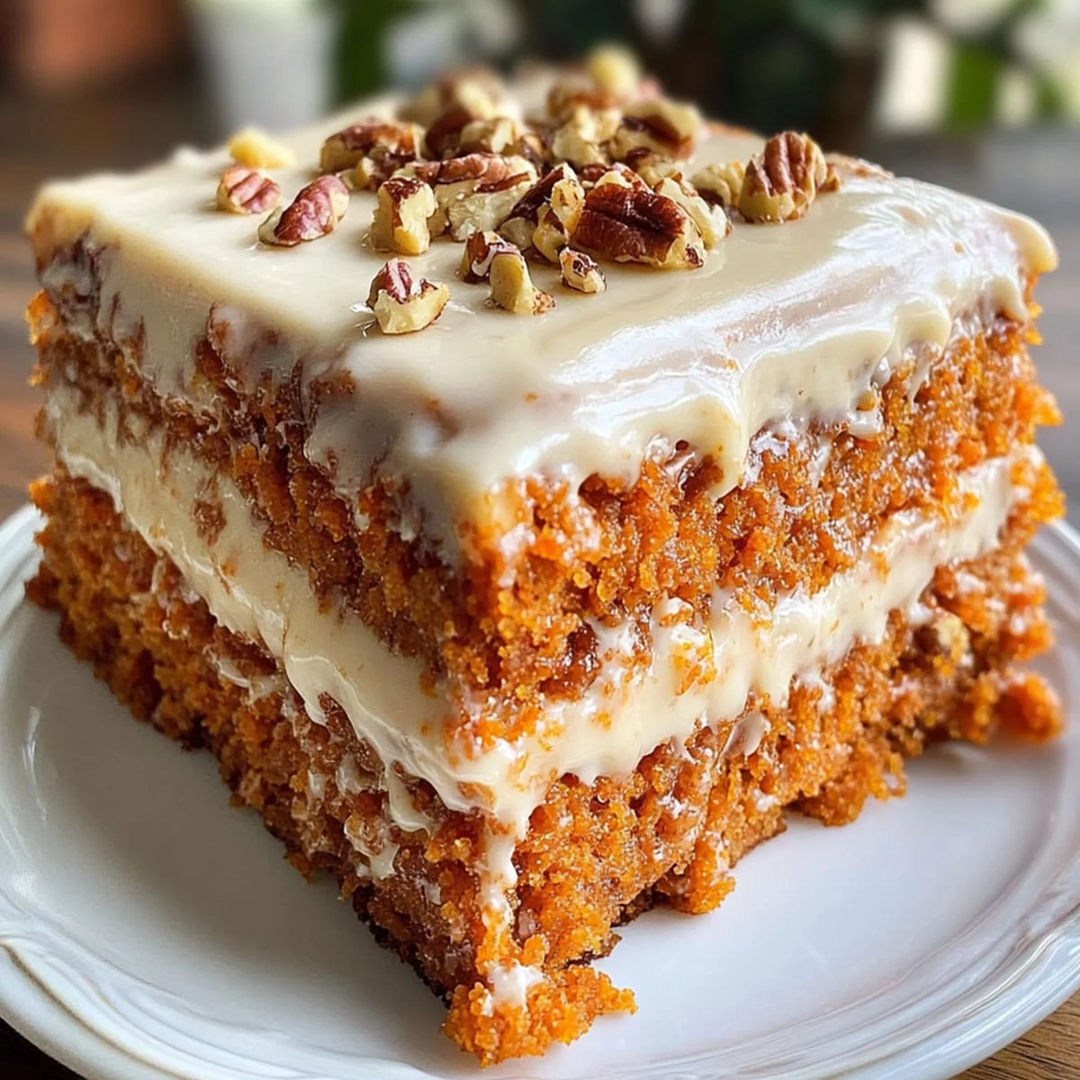
Low Sugar Carrot Cake Recipe: Moist & Delicious
Imagine a classic carrot cake that delivers all the warm, comforting spice and incredibly moist texture you crave, but without the overwhelming sugar crash. This Healthy Low Sugar Carrot Cake Recipe: Moist & Delicious is precisely that dream realized. Consequently, it transforms a beloved dessert into a treat you can feel genuinely good about serving and enjoying. The secret lies in a clever balance of natural sweetness from fruits and a touch of wholesome sweeteners. Ultimately, the result is a cake that is deeply satisfying, fragrant, and perfect for any gathering.
This recipe celebrates the natural, earthy sweetness of carrots, enhanced by warm cinnamon and a hint of vanilla. Moreover, the texture is a masterpiece of baking science, achieving that signature moist crumb without relying on cups of oil or sugar. Each bite offers a delightful contrast between the tender cake, the juicy bursts of crushed pineapple, and the satisfying crunch of walnuts. This Low Sugar Carrot Cake proves that mindful baking does not mean sacrificing flavor or indulgence. In fact, it often enhances the true, delicious character of the ingredients.
Whether you are baking for a special birthday, a spring holiday, or simply a weekend treat, this cake stands out. It is a crowd-pleaser that caters to various dietary preferences without announcing itself as a “health food.” The creamy frosting, lightly sweetened with a smart alternative, complements the spiced cake perfectly. Therefore, get ready to redefine what a wholesome dessert can be. This Healthy Low Sugar Carrot Cake Recipe: Moist & Delicious is about to become your new go-to.
Quick Recipe Highlights
- Flavor Profile: This cake features a warm, spiced flavor foundation from cinnamon and vanilla. Additionally, the natural sweetness of carrots and crushed pineapple creates a complex, fruity depth that replaces refined sugar. Finally, a creamy, tangy frosting provides the perfect finishing note.
- Texture: The cake boasts an exceptionally moist and tender crumb, thanks to the grated carrots and pineapple. Furthermore, chopped walnuts add a welcome textural contrast and nutty richness. Importantly, the frosting is luxuriously smooth and spreadable, not overly sweet.
- Aroma: As it bakes, your kitchen will fill with the comforting scent of warm cinnamon and vanilla. Subsequently, the earthy sweetness of carrots and the tropical hint from pineapple create an irresistible fragrance. This aroma is a classic signal of a homemade, heartwarming dessert.
- Visual Appeal: The finished cake has a beautiful golden-brown crust speckled with darker carrot strands. Once frosted, it presents a rustic yet elegant appearance, especially when garnished with extra walnuts or a sprinkle of cinnamon. The layers, if you choose to make them, look impressively professional.
- Skill Level Needed: This is a straightforward, one-bowl mixing method perfect for bakers of all levels. Basic skills like grating, measuring, and folding are the only requirements. Consequently, even a beginner can achieve fantastic results with careful attention to the simple instructions.
- Special Equipment: You only need common kitchen tools: mixing bowls, a box grater, and cake pans. A hand mixer or stand mixer simplifies making the frosting but is not strictly necessary. Otherwise, no specialized equipment is required for this accessible recipe.
Recipe Overview
- Difficulty Level: This recipe is rated Easy because it utilizes a simple dump-and-stir method for the batter. The steps are sequential and logical, with no advanced techniques like tempering or whipping egg whites. However, proper measuring and not overmixing are key to success, making it ideal for confident beginners and beyond.
- Category: This creation falls squarely into the Dessert category, perfect for endings to meals or afternoon tea. It can also be considered a Snack or a special Treat for celebrations. Its wholesome profile even allows it to straddle the line of a slightly indulgent Breakfast or Brunch item.
- Cuisine: Carrot cake has roots in European resourcefulness, using sweet vegetables in desserts during sugar rationing. The modern version, especially popular in the United States, is a staple of American baking. This recipe is a contemporary, health-conscious take on that classic American dessert tradition.
- Cost: This is a very cost-effective cake to bake, utilizing affordable pantry staples like flour, eggs, and spices. Fresh carrots and canned pineapple are inexpensive year-round. Overall, the cost per serving is significantly lower than buying a boutique bakery cake, offering great value.
- Season: While excellent any time, carrot cake shines in the spring, aligning with Easter and the end of winter. Its warm spices also make it comforting during the fall. Essentially, it’s a versatile recipe that suits transitional seasons perfectly but is welcome year-round.
- Occasion: This cake is perfect for birthdays, potlucks, holiday gatherings like Easter or Mother’s Day, and weekend family dinners. It’s also a wonderful “just because” bake to share with neighbors or coworkers. Its universally appealing flavor makes it suitable for almost any event.
Why You’ll Love This Recipe
First and foremost, the taste and texture of this Healthy Low Sugar Carrot Cake Recipe: Moist & Delicious are utterly irresistible. The cake is profoundly moist, packed with flavor from spices, carrots, and pineapple, and finished with a tangy, creamy frosting. Importantly, you won’t miss the sugar because the natural sweetness is so perfectly balanced. Every bite delivers comfort and satisfaction without the heavy, overly sweet feeling of traditional versions. This makes it a dessert you can enjoy a full slice of, completely guilt-free.
From a convenience standpoint, this recipe is a baker’s dream. The batter comes together quickly in one bowl, minimizing cleanup. Furthermore, the ingredients are simple and easy to find at any grocery store. You can bake it in a classic 9×13 pan for ease, or layer it for a more formal presentation. Additionally, it stores and travels wonderfully, making it the ultimate make-ahead dessert for busy hosts. Therefore, it combines impressive results with straightforward execution.
Nutritionally, this Low Sugar Carrot Cake offers genuine advantages. Carrots provide beta-carotene and fiber, while eggs and nuts contribute protein and healthy fats. By drastically reducing refined sugar, you avoid the blood sugar spike and crash. This approach makes the cake more suitable for those monitoring sugar intake, including diabetics (with medical approval). Ultimately, it’s a dessert that contributes some nutritional value, which is a rare and wonderful thing.
For social and entertaining value, this cake is a guaranteed conversation starter. When you serve it, guests will rave about the flavor and be amazed to learn it’s a healthier version. It accommodates various dietary needs when served with modifications on the side. Moreover, baking it fills your home with an inviting, nostalgic aroma that makes everyone feel welcome. It’s a recipe that creates connection and joy, which is the true purpose of sharing food.
Finally, this recipe is remarkably cost-effective and accessible. You likely have most ingredients in your pantry already. Compared to store-bought “health-conscious” desserts or bakery cakes, it saves a significant amount of money. The process also teaches valuable baking fundamentals. In short, this Healthy Low Sugar Carrot Cake Recipe: Moist & Delicious delivers maximum reward for minimal investment of time, skill, and money.
Historical Background and Cultural Significance
The origin of carrot cake is somewhat mysterious, with roots stretching back centuries. Many food historians believe it originated in Medieval Europe, where sugar and sweeteners were scarce and expensive. Consequently, people used naturally sweet vegetables, like carrots and parsnips, to sweeten puddings and cakes. This practice was especially prevalent during times of war and rationing, when sugar was heavily restricted. These early versions were likely more akin to steamed puddings than the fluffy cakes we know today.
Carrot cake’s cultural importance grew as it traveled and evolved. It became particularly popular in the United Kingdom during World War II due to government-promoted carrot-based recipes. Later, in the 1960s and 70s, it saw a massive surge in popularity in the United States, coinciding with the back-to-nature and health food movements. It was featured in gourmet magazines and became a staple in coffee shops and diners. The addition of cream cheese frosting, an American innovation, cemented its status as a classic dessert.
The evolution of the recipe is a story of adaptation. The medieval sweeteners like honey gave way to sugar as it became more affordable. Spices like cinnamon and nutmeg were added, influenced by global trade. In the modern era, additions like crushed pineapple, coconut, and raisins became common. Today, the evolution continues with versions like this Low Sugar Carrot Cake, reflecting contemporary dietary awareness. The core principle—using carrots for moisture and sweetness—has remained wonderfully constant.
Regional variations of carrot cake are fascinating. In the UK, it is often made as a traybake and sometimes includes a lemony glaze instead of frosting. American versions are typically layered and slathered with rich cream cheese frosting. Some European versions incorporate almonds or marzipan. In the Southern United States, pecans often replace walnuts. This global tapestry of variations shows how a simple concept adapts to local tastes and ingredients, proving its enduring and versatile appeal.
Ingredient Deep Dive
Carrots: Carrots have a long history as a sugar substitute in Europe, valued for their natural sucrose content. Nutritionally, they are packed with beta-carotene (which converts to Vitamin A), fiber, and antioxidants. For the best cake, choose fresh, firm carrots and grate them yourself; pre-shredded bags are often too dry and thick. Store whole carrots in the refrigerator’s crisper drawer. If needed, you can substitute with an equal volume of grated zucchini or sweet potato, though the flavor profile will change.
Crushed Pineapple (in juice, not syrup): Pineapple adds crucial moisture and a bright, tangy sweetness that complements the carrots perfectly. It contains bromelain, an enzyme with anti-inflammatory properties, and is rich in Vitamin C. Always drain it well but reserve the juice in case your batter needs more liquid. Canned pineapple in its own juice is ideal for controlling added sugars. For a substitution, try unsweetened applesauce, though you will lose the tropical fruit note.
Whole Wheat Flour: Using whole wheat flour adds fiber, nutrients, and a nutty depth to the cake, aligning with its wholesome theme. It has been a staple grain for millennia, ground more coarsely than modern white flour. For a lighter texture, use white whole wheat flour or substitute half with all-purpose flour. Store all flour in a cool, dry place. For a gluten-free version, a quality 1:1 gluten-free flour blend works well as a direct substitute.
Natural Sweeteners (e.g., Maple Syrup, Coconut Sugar): These unrefined sweeteners provide a more complex flavor and cause a slower rise in blood sugar than white sugar. Maple syrup has a rich history with Indigenous peoples of North America. Coconut sugar is made from the sap of coconut palm flowers. They contribute to the moist texture of the cake. Store maple syrup in the fridge after opening and coconut sugar in an airtight container. Honey can be used as a substitute in a pinch.
Common Mistakes to Avoid
- Overgrating the Carrots: Grating carrots too finely turns them into mush, which can make the cake soggy. Instead, use the large holes of a box grater for strands that provide texture and release moisture slowly during baking. This ensures the perfect moist crumb without wetness.
- Not Draining the Pineapple: Forgetting to drain the crushed pineapple will add too much liquid to your batter. This excess moisture can prevent the cake from setting properly, leading to a dense, gummy center. Always press the pineapple in a sieve to remove as much juice as possible.
- Overmixing the Batter: Once you add the dry ingredients to the wet, mix only until just combined. Overmixing develops the gluten in the flour, resulting in a tough, chewy cake instead of a tender one. A few small lumps in the batter are perfectly fine.
- Incorrectly Measuring Flour: Scooping flour directly from the bag packs it down, leading to too much flour and a dry cake. The correct method is to spoon flour into your measuring cup and level it off with a knife. For accuracy, consider using a kitchen scale.
- Overbaking the Cake: This is the most common culprit for dry carrot cake. Start checking for doneness a few minutes before the timer goes off. The cake is done when a toothpick inserted into the center comes out with a few moist crumbs, not completely clean.
- Frosting a Warm Cake: Applying cream cheese frosting to a warm cake is a disaster waiting to happen. The frosting will melt, slide off, and become a greasy mess. You must let the cake cool completely on a wire rack before even thinking about frosting it.
- Using Cold Ingredients: Using eggs, milk, or other dairy straight from the fridge can cause your batter to seize or not emulsify properly. For a smoother, more homogenous batter, let all refrigerated ingredients come to room temperature before you start mixing.
- Skimping on the Spices: Cinnamon is the star spice in carrot cake, and being timid with it results in a bland cake. Do not be afraid to use the full measure. Fresh, high-quality spices make a significant difference in the final flavor profile.
Essential Techniques
Proper Grating: Grating the carrots correctly is fundamental to the cake’s texture. Use the large holes on a box grater to create substantial strands. These strands retain their structure, providing pleasant bursts of sweetness and texture. Finely grated carrots release too much water too quickly, risking a soggy cake. The visual cue for success is carrot pieces that are distinct and ribbon-like, not a pulpy mush.
The “Muffin Method” of Mixing: This technique involves mixing all wet ingredients together, then gently folding in the dry ingredients. It is crucial for preventing gluten development, which leads to toughness. First, whisk your eggs, oil, and sweeteners thoroughly. Next, add the dry ingredients and mix just until no dry flour remains. The batter will be thick and lumpy, which is exactly what you want for a tender crumb.
Testing for Doneness: Knowing when to pull the cake from the oven is the difference between moist and dry. Do not rely solely on time. Instead, insert a toothpick or thin skewer into the center of the cake. It should come out with a few clinging moist crumbs, not wet batter, but also not completely clean. Additionally, the edges will pull away slightly from the pan, and the top will spring back when lightly pressed.
Creaming for Frosting (if applicable): For a light and fluffy cream cheese frosting, ensure your butter and cream cheese are truly at room temperature. Beat them together first until completely smooth and creamy, with no lumps. This incorporates air. Then, gradually add your sweetener and flavorings. Overbeating after adding the sweetener can make the frosting too soft. The perfect frosting is spreadable but holds its shape.
Pro Tips for Perfect Low Sugar Carrot Cake
Toast your walnuts before adding them to the batter. Simply spread them on a baking sheet and toast at 350°F for 5-8 minutes. This deepens their flavor and adds an extra layer of nutty complexity to every bite.
For an even more moist cake, let the grated carrots sit in a bowl with the other wet ingredients for 10 minutes before mixing. This allows them to begin releasing their natural sugars and juices into the batter.
Line your cake pans with parchment paper. Not only does this prevent sticking, but it also makes removing the cakes for layering or serving incredibly clean and easy.
If you only have a 9×13 pan but want a layered cake, simply bake the entire batch in the pan. Once cooled, carefully slice the cake horizontally into two even layers using a long serrated knife.
Add a pinch of salt to your frosting. Salt is a flavor enhancer that will balance the tang of the cream cheese and the sweetness, making the frosting taste richer and less one-dimensional.
For a decorative finish, press additional chopped toasted walnuts around the sides of the frosted cake. This gives it a professional, finished look and highlights the ingredients inside.
If your batter seems too thick after mixing, don’t panic. You can stir in a tablespoon or two of the reserved pineapple juice to loosen it to the proper dropping consistency.
Always use a serrated knife to cut the finished cake. A smooth blade will crush the tender crumb and drag the frosting. A gentle sawing motion with a serrated knife gives you clean, beautiful slices.
Variations and Adaptations
Regional Variations: To mimic a British carrot cake, omit the pineapple and walnuts, add golden raisins and a lemon glaze. For a Southern twist, replace walnuts with toasted pecans and add a teaspoon of bourbon to the frosting. An Italian-inspired version could include finely ground almonds in place of some flour and a hint of orange zest.
Seasonal Adaptations: In the fall, incorporate warm spices like ginger, cloves, and allspice alongside the cinnamon. You could also fold in finely diced apple. For a summer version, add lemon zest to the batter and garnish with edible flowers for a bright, festive look.
Dietary Modifications: For a vegan cake, use flax eggs, plant-based milk, and vegan cream cheese. A keto adaptation would use almond flour, a sugar-free sweetener like erythritol, and omit the pineapple. Always adjust liquid amounts when using alternative flours to achieve the right batter consistency.
Flavor Variations: Introduce orange or lemon zest to the batter for a citrusy note. A tablespoon of rum or brandy adds sophisticated depth. For a tropical flair, add unsweetened shredded coconut along with the pineapple. A chai-spiced version uses a blend of cardamom, ginger, and black pepper.
Texture Modifications: For a smoother cake, pulse the grated carrots a few times in a food processor. For extra crunch, add sunflower seeds or pepitas. If you dislike nuts, simply omit them; the cake will still be wonderfully moist from the carrots and pineapple.
Presentation Alternatives: Bake the batter into cupcakes for perfect portion control; reduce baking time to 18-22 minutes. Make a “naked” cake by applying a very thin layer of frosting. For individual servings, bake in mason jars for a charming, portable treat.
Serving and Presentation Guide
Plating Techniques: For a clean slice, dip your knife in hot water and wipe it dry between cuts. Serve on simple white plates to let the cake’s color and frosting pop. If you made a layer cake, use a cake stand to give it height and importance on your dessert table.
Garnishing Ideas: A simple dusting of cinnamon over the frosted top adds elegance. Arrange whole or halved walnuts or pecans in a circle on top. For a spring look, place a few delicate carrot top fronds (thoroughly washed) in the center. A light drizzle of thinned frosting or a sprinkle of edible gold dust can make it festive.
Traditional Accompaniments: Carrot cake is traditionally served with a hot cup of coffee or tea, which cuts through the richness. A small dollop of lightly sweetened whipped cream on the side is a classic. In some traditions, a scoop of vanilla ice cream or a pour of warm custard sauce accompanies it.
Modern Serving Suggestions: For a brunch, serve smaller squares alongside a fruit salad. Crumble leftover cake over Greek yogurt for a decadent parfait. For a dinner party, present individual slices with a quenelle of mascarpone cheese and a candied carrot curl.
Temperature Considerations: This cake is best served at room temperature. If refrigerated, let it sit out for at least 30 minutes before serving so the frosting softens and the flavors fully express themselves. The texture is at its peak when not too cold.
Portion Control Tips: Using a smaller 8×8 pan creates a thicker cake that can be cut into smaller, richer squares. When making cupcakes, they are naturally portioned. For a layer cake, a thin, elegant slice is often more satisfying than a thick wedge, allowing guests to enjoy without overindulging.
Wine and Beverage Pairing
Wine Pairings: The warm spices and cream cheese frosting of carrot cake pair beautifully with off-dry wines. A Riesling or Gewürztraminer with hints of apricot and honey complements the cake’s sweetness and spice. For a red option, a lighter-bodied Pinot Noir with low tannins won’t overpower the dessert. A tawny Port is also a luxurious and classic pairing with nutty desserts.
Non-Alcoholic Alternatives: Sparkling apple cider provides festive bubbles and apple notes that work well with the spices. A chai tea latte mimics the cake’s warm spice profile. For something refreshing, ginger beer or a lemon-ginger kombucha can cut through the richness of the frosting delightfully.
Coffee/Tea Pairings: A medium-roast coffee with nutty or caramel notes is a perfect match. For tea, a strong black breakfast tea or an Earl Grey with its citrusy bergamot flavor stands up to the cake. A spiced chai tea essentially mirrors the cake’s flavor profile for a harmonious experience.
Temperature Considerations: Serve coffee and tea hot to contrast the cool, creamy frosting. Iced coffee or cold brew is a fantastic choice for warmer weather. Sparkling beverages should be well-chilled to provide a crisp, cleansing sensation between bites.
Serving Suggestions: Offer a selection of beverages to let guests choose their pairing. Present coffee in a carafe with cream and sweetener on the side. For a special touch, garnish tea servings with a cinnamon stick. Always ensure non-alcoholic options are just as thoughtfully presented as alcoholic ones.
Storage and Shelf Life
Storage Methods: Once frosted, the cake must be stored in the refrigerator due to the dairy in the cream cheese frosting. Cover it tightly with plastic wrap or place it in a cake carrier. If unfrosted, you can store the cooled cake at room temperature, tightly wrapped, for one day before frosting.
Temperature Requirements: The frosted cake will keep in the refrigerator for up to 5 days. The cold environment prevents bacterial growth in the frosting. However, remember that refrigeration can dry out baked goods over time, so airtight covering is essential.
Container Recommendations: A cake carrier with a tight-sealing lid is ideal. Alternatively, invert a large bowl over a cake stand. For slices, store them in a single layer in an airtight container, separated by parchment paper to prevent sticking.
Signs of Spoilage: Discard the cake if you see any mold growth, which may appear as fuzzy spots. An off or sour smell, especially from the frosting, is a clear indicator. If the texture becomes unpleasantly soggy or slimy, it is time to throw it away.
Reheating Instructions: Carrot cake is best enjoyed at room temperature, not reheated. If you prefer it slightly warm, microwave a single slice for only 5-10 seconds. Be very careful, as the frosting can melt quickly and become messy.
Freezing Guidelines: This cake freezes exceptionally well. Wrap unfrosted cake layers tightly in plastic wrap, then aluminum foil, and freeze for up to 3 months. Thaw overnight in the refrigerator. You can also freeze individual frosted slices on a tray before wrapping them for grab-and-go treats.
Make Ahead Strategies
Prep Timeline: You can prepare the entire cake 1-2 days in advance. Bake and cool the cake layers completely. Wrap them tightly in plastic wrap and store at room temperature. Prepare the frosting and store it separately in an airtight container in the refrigerator. Assemble and frost the cake the day you plan to serve it for the freshest presentation.
Storage Between Steps: Cooled cake layers can be kept at room temperature, wrapped, for one day. For longer storage, refrigerate or freeze them. Refrigerated frosting may become firm; let it come to room temperature and re-whip briefly with a mixer to restore its spreadable consistency before using.
Quality Impact Assessment: Making the cake a day ahead can actually improve its flavor, as the spices meld and the moisture distributes evenly. The frosting may separate slightly if made too far ahead, but re-whipping fixes this. Overall, a make-ahead approach often yields a more flavorful and easier-to-frost cake.
Assembly Tips: If assembling a layer cake ahead, place it on a cardboard cake round for easy handling. After frosting, you can store the assembled cake in the refrigerator. To prevent the cake from absorbing fridge odors, place it in a large, clean plastic bag or under a cake dome.
Reheating Guidelines: There is no need to reheat. Simply remove the assembled cake from the refrigerator 1-2 hours before serving to allow it to come to the ideal serving temperature. This softens the frosting and allows the full aroma and flavor to emerge.
Fresh Element Additions: Add any fresh garnishes, like herb sprigs or delicate flowers, just before serving. If you’ve added a garnish of nuts to the sides, these can be applied after the cake has come to room temperature for better adhesion.
Scaling Instructions
Halving the Recipe: To make a smaller cake, simply divide all ingredient quantities by two. Use an 8×8 inch square pan or a 6-inch round pan. The baking time will be slightly less, so start checking for doneness at the 25-minute mark. This is perfect for smaller households or for testing the recipe first.
Doubling or Tripling: Doubling is straightforward for a large crowd or a sheet cake. Multiply all ingredients precisely. You may need to mix the batter in two batches to avoid overfilling your mixer bowl. Use a half-sheet pan (18×13 inches) for a double batch, and expect a slightly longer baking time.
Equipment Adjustments: When scaling up, ensure you have enough pans of the correct size and that your oven can accommodate them all with proper air circulation. Rotate pans halfway through baking for even cooking. For very large batches, you may need to bake in consecutive rounds.
Timing Modifications: Scaling does not linearly affect baking time. A doubled recipe in a larger pan may take only 1.5 times the original bake time, not double. Rely on visual and toothpick tests rather than the timer. Smaller, halved cakes will bake faster.
Storage Considerations: A larger cake will take up more space in your refrigerator. Plan your storage accordingly. Consider freezing portions of a large batch immediately after cooling if you won’t consume it within a few days. Label everything with the date.
Nutritional Deep Dive
Macro Breakdown: Compared to traditional carrot cake, this Low Sugar Carrot Cake significantly reduces carbohydrates and sugars while maintaining healthy fats from oil and nuts. The whole wheat flour and carrots increase the dietary fiber content, which aids digestion and promotes satiety. The eggs and nuts contribute a moderate amount of protein, making it a more balanced treat.
Micronutrient Analysis: Carrots are an excellent source of beta-carotene (Vitamin A), vital for eye health and immunity. The spices, particularly cinnamon, contain antioxidants with anti-inflammatory properties. Eggs provide choline for brain health, and walnuts offer omega-3 fatty acids. Using natural sweeteners can preserve more minerals than refined white sugar.
Health Benefits: The high fiber content supports stable blood sugar levels and gut health. The antioxidants from the vegetables, fruits, and spices combat oxidative stress. The healthy fats support heart health and help with the absorption of fat-soluble vitamins from the carrots. It’s a dessert that contributes positively to your overall nutrient intake.
Dietary Considerations: This recipe can be adapted for many diets, but in its standard form, it contains gluten, dairy, eggs, and nuts. It is naturally lower on the glycemic index than standard cakes. Always check with individuals about specific allergies or intolerances before serving.
Portion Analysis: One serving (1/12 of the cake) provides a satisfying dessert portion without excessive calories. The richness and fiber help prevent overeating. For even more control, cut the cake into 16 smaller squares. Mindful enjoyment of a single portion is key to incorporating treats into a balanced diet.
Weight Management Tips: This cake can fit into a weight management plan when consumed in moderation as part of an overall balanced diet. Its higher fiber and protein content promote fullness. Pair a slice with a protein-rich food like Greek yogurt for a more complete snack. Most importantly, it satisfies a sweet craving without derailing your goals with empty calories.
Dietary Adaptations
Gluten-free: Substitute the whole wheat flour with a 1:1 gluten-free all-purpose flour blend that contains xanthan gum. Brands like Bob’s Red Mill or King Arthur work well. Be careful not to overmix, as GF batters can sometimes become gummy. The texture may be slightly more dense but still delicious.
Dairy-free: For the frosting, use a high-quality vegan cream cheese and plant-based butter. For the cake batter, any plant-based milk (almond, oat, soy) can replace regular milk. Ensure your chosen sugar is vegan (some cane sugar is processed with bone char; coconut sugar is reliably vegan).
Vegan: Combine dairy-free adaptations with egg replacements. For two eggs, use 2 tablespoons of ground flaxseed mixed with 6 tablespoons of water (let sit for 5 minutes to gel). Or, use commercial egg replacer. The cake may be slightly more dense but will remain moist from the carrots and pineapple.
Low-carb/Keto: Replace flour with almond flour or a keto baking blend. Use a granulated sugar-free sweetener like erythritol or allulose. Omit the pineapple, as it’s high in sugar. Increase the carrot amount slightly for moisture, but note that carrots are not strictly low-carb, so portion size becomes critical.
Paleo: Use almond flour or a blend of almond and coconut flour. Sweeten with pure maple syrup or honey (though these are not low-carb). Ensure all other ingredients are paleo-compliant (e.g., no grains, no dairy). The frosting can be made with a coconut cream and cashew base.
Low-FODMAP: This requires careful modification. Use only the green tops of spring onions (if used), ensure no high-FODMAP sweeteners, and omit the pineapple. Use lactose-free cream cheese for the frosting. Walnuts are low-FODMAP in small servings (10 halves), so use sparingly or omit.
Nut-free: Simply omit the walnuts from the batter and garnish. For added texture, you could use seeds like sunflower or pumpkin seeds (pepitas), ensuring no one has a seed allergy. The cake will be just as moist and flavorful without the nuts.
Troubleshooting Guide
Cake is Dense or Gummy: This is usually caused by overmixing the batter or adding too much liquid. Next time, mix just until combined and ensure your pineapple is thoroughly drained. Also, verify your baking powder is fresh, as expired leavening agents won’t provide proper lift.
Cake is Dry: The most common cause is overbaking. Oven temperatures can vary, so use an oven thermometer. Start checking for doneness early. Another cause could be measuring the flour incorrectly (packing it into the cup). Try the spoon-and-level method or use a scale.
Frosting is Too Runny: This happens if the cream cheese or butter was too warm or if the cake layers weren’t completely cool. To fix it, refrigerate the frosting for 20-30 minutes to firm up, then re-whip. You can also add a bit more powdered sweetener to thicken it.
Cake Sunk in the Middle: This indicates the cake wasn’t fully baked in the center or the oven door was opened too early, causing a collapse. Ensure your oven is at the correct temperature and avoid opening the door until at least the minimum bake time has passed.
Ingredient Substitution Failures: Not all substitutes behave the same. If a gluten-free or vegan version didn’t work, research a recipe specifically designed for those dietary needs rather than adapting a standard one. They often include specific binders and moisture balances.
Timing Concerns: If the edges are burning but the center is raw, your oven temperature is too high or your pan is dark metal, which conducts heat more aggressively. Lower the temperature by 25°F and use light-colored pans. You can also tent the cake with foil halfway through baking.
Recipe Success Stories
Community feedback on this Healthy Low Sugar Carrot Cake Recipe: Moist & Delicious has been overwhelmingly positive. Many home bakers report that it’s become their family’s requested birthday cake, with no one Print
Low Sugar Carrot Cake
- Total Time: 45 minutes
- Yield: 4
Description
A moist and flavorful carrot cake with reduced sugar, featuring warm spices and a creamy frosting.
Ingredients
- 2 cups grated carrots
- 1 1/2 cups all-purpose flour
- 1/2 cup granulated sugar substitute (e.g., erythritol)
- 1/2 cup unsweetened applesauce
- 1/3 cup vegetable oil
- 2 large eggs
- 1 teaspoon baking soda
- 1 teaspoon ground cinnamon
- 1/2 teaspoon ground nutmeg
- 1/4 teaspoon salt
- 1/2 cup chopped walnuts (optional)
- For frosting: 8 oz cream cheese, softened, 1/4 cup powdered sugar substitute, 1 teaspoon vanilla extract
Instructions
- Preheat oven to 350°F (175°C). Grease and flour a 9-inch round cake pan.
- In a large bowl, mix grated carrots, applesauce, oil, and eggs until well combined.
- In another bowl, whisk together flour, sugar substitute, baking soda, cinnamon, nutmeg, and salt. Gradually add dry ingredients to wet mixture, stirring until just combined. Fold in walnuts if using.
- Pour batter into prepared pan and bake for 25-30 minutes, or until a toothpick inserted comes out clean. Let cool completely.
- For frosting, beat cream cheese, powdered sugar substitute, and vanilla until smooth. Spread over cooled cake before serving.
Notes
You can customize the seasonings to taste.
- Prep Time: 15 minutes
- Cook Time: 30 minutes
- Method: Main
- Cuisine: American