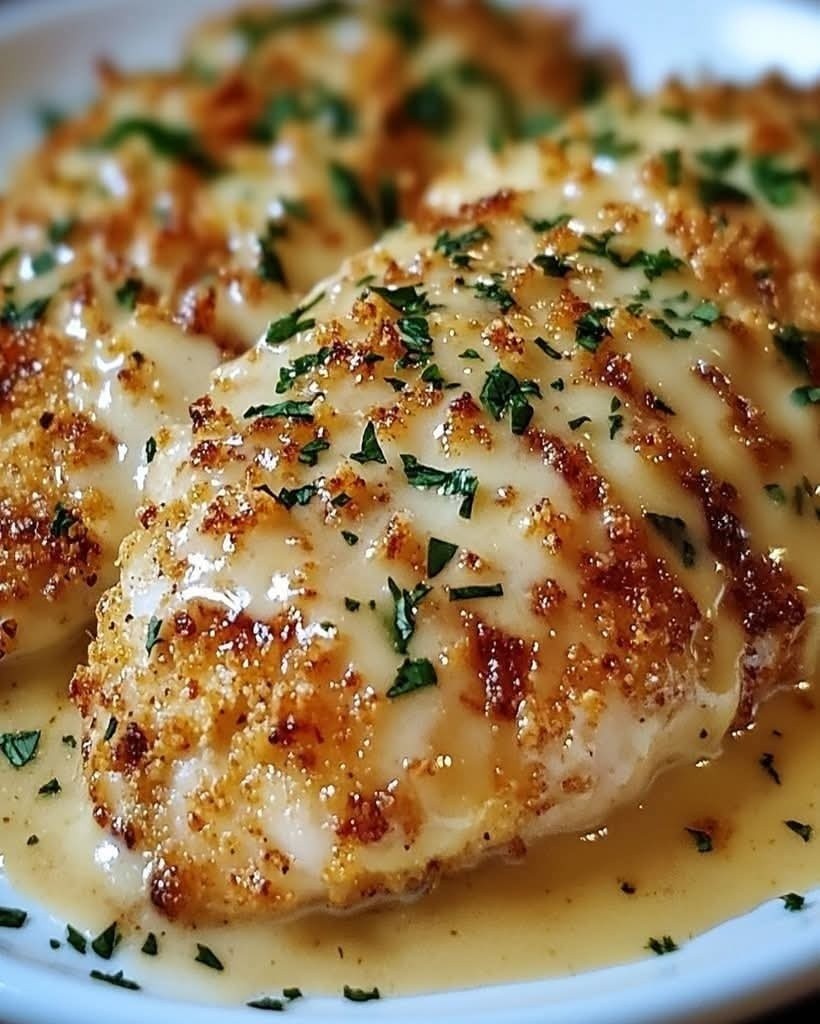
Copycat Longhorn Parmesan Chicken: A Crispy, Cheesy Masterpiece
Imagine biting into a perfectly cooked chicken breast, its exterior a symphony of golden, crispy breadcrumbs and nutty Parmesan cheese. Then, picture the inside, which remains incredibly juicy and tender. This is the magic of a well-executed Copycat Longhorn Parmesan Chicken recipe. Furthermore, it brings the beloved restaurant experience right into your own kitchen, offering a comforting and impressive meal without the wait or the bill. Ultimately, this dish is a celebration of simple ingredients transformed into something spectacular through classic technique.
The allure of this recipe lies in its beautiful contrast of textures and its deeply savory flavor profile. Each bite delivers a satisfying crunch that gives way to moist, flavorful chicken. Additionally, the Parmesan cheese does double duty; it melts into the crust for richness and also browns beautifully in the pan, creating those irresistible crispy edges. This Copycat Longhorn Parmesan Chicken is more than just a weeknight dinner; it is a crowd-pleasing centerpiece perfect for family gatherings or a special date night at home. Moreover, the process is straightforward, making it an excellent recipe for both novice cooks and seasoned chefs looking for a reliable, delicious staple.
Recreating this iconic dish at home allows you to control the quality of every component. You can select the best chicken, use freshly grated Parmesan for superior flavor, and adjust the seasoning to your personal taste. Consequently, your homemade version can easily rival, or even surpass, the restaurant original. This guide will walk you through every step, from selecting ingredients to mastering the pan-frying technique, ensuring your Copycat Longhorn Parmesan Chicken turns out perfectly every single time. Let us get started on crafting this crispy, cheesy masterpiece.
Quick Recipe Highlights
- Flavor Profile: This dish boasts a robust, savory flavor dominated by nutty, salty Parmesan cheese, balanced with the warmth of garlic and the subtle, herbal notes of Italian seasoning. The chicken itself is seasoned simply to let the crispy Parmesan crust shine.
- Texture: The defining feature is the incredible textural contrast. You get a shatteringly crisp, golden-brown exterior that encases a supremely tender and juicy chicken breast. Every bite offers a satisfying crunch followed by succulent meat.
- Aroma: As it cooks, your kitchen will fill with the irresistible, toasty scent of browning cheese and breadcrumbs, mingled with the savory fragrance of garlic and pan-seared chicken. It is an aroma that promises a delicious meal.
- Visual Appeal: The finished dish is a visual delight with a deeply golden, craggy, and appetizing crust. Served with a sprinkle of fresh parsley and a lemon wedge, it looks professional and inviting on any plate.
- Skill Level Needed: This is an accessible recipe for most home cooks. The techniques involved—pounding chicken, setting up a breading station, and pan-frying—are fundamental. With careful attention to temperature and timing, success is virtually guaranteed.
- Special Equipment: No fancy tools are required. You will need a reliable heavy-bottomed skillet (cast iron is ideal), a meat mallet or rolling pin for pounding, and three shallow dishes for the breading station. A digital meat thermometer is highly recommended for perfect doneness.
Recipe Overview
- Difficulty Level: We classify this Copycat Longhorn Parmesan Chicken recipe as easy. The steps are sequential and logical, involving basic kitchen skills. The primary challenge is managing the stove’s heat to cook the chicken through without burning the cheese crust. However, with the pro tips provided, anyone can achieve excellent results.
- Category: This recipe firmly sits in the main dish category. It is a protein-centric entrée that serves as the star of the plate. It is substantial enough to stand alone but is traditionally paired with hearty sides like pasta, mashed potatoes, or a crisp salad.
- Cuisine: The dish is inspired by Italian-American cuisine, evident in its use of Parmesan, Italian seasoning, and breadcrumbs. While associated with the Longhorn Steakhouse chain, its roots are in classic Italian cooking methods like Milanese or Parmigiana, adapted for the American palate.
- Cost: This is a very cost-effective meal, especially when compared to dining out. Chicken breasts, breadcrumbs, and basic pantry spices are affordable. The main cost driver is real Parmesan cheese, but its flavor impact is worth the investment. Overall, you can feed a family for a fraction of the restaurant price.
- Season: This is a fantastic year-round recipe. It provides comforting warmth in the fall and winter. Conversely, in spring and summer, it pairs wonderfully with lighter sides like a fresh arugula salad or grilled vegetables, making it versatile for any season.
- Occasion: Perfect for busy weeknights due to its relatively quick cook time, it also shines for casual weekend dinners, potlucks, or even informal entertaining. Its universal appeal and impressive presentation make it suitable for a variety of occasions.
Why You’ll Love This Recipe
First and foremost, the taste and texture of this Copycat Longhorn Parmesan Chicken are utterly irresistible. The combination of savory, crispy crust and juicy chicken is a timeless winner that appeals to both kids and adults. Each mouthful delivers a complex flavor profile where the nuttiness of Parmesan, the warmth of garlic, and the subtle herbs come together in perfect harmony. Moreover, the auditory experience of cutting through that crunchy exterior is part of the fun, making the meal engaging and satisfying from start to finish.
From a practical standpoint, the convenience of this recipe is a major benefit. You likely have most ingredients already in your pantry. The preparation is straightforward, and the active cooking time is under 30 minutes. Furthermore, the process of pounding the chicken not only ensures even cooking but also serves as a great way to relieve a little stress. This dish proves that you do not need complicated techniques or obscure ingredients to create a restaurant-quality meal on a regular weeknight.
Nutritionally, this Copycat Longhorn Parmesan Chicken offers a excellent source of lean protein. Chicken breast is low in fat and high in protein, which helps keep you full and supports muscle maintenance. By controlling the breading and cooking oil at home, you can make it lighter than many restaurant versions. Additionally, using whole-grain breadcrumbs adds fiber. Pair it with a large side of vegetables or a salad, and you have a well-balanced, satisfying meal that does not compromise on flavor.
The social and entertaining value of this dish is significant. It is a universally loved recipe that is sure to impress guests. Presenting a beautifully golden, crispy chicken breast that you made from scratch feels rewarding. It sparks conversation and often becomes a requested favorite. Because it is not overly exotic, it is a safe bet for feeding a group with varying tastes, ensuring everyone leaves the table happy and satisfied.
Finally, the cost-effectiveness and accessibility of this recipe cannot be overstated. Dining out for a similar meal can be expensive, especially for a family. Cooking this Copycat Longhorn Parmesan Chicken at home allows you to use high-quality ingredients while keeping costs low. Chicken breasts are an affordable protein, and the rest of the components are pantry staples. This accessibility means you can enjoy a gourmet-tasting dish anytime the craving strikes, without breaking the bank.
Historical Background and Cultural Significance
The origin of dishes like Parmesan chicken is deeply rooted in Italian culinary traditions, specifically from regions like Milan and Parma. The technique of coating meat in breadcrumbs and cheese before frying is centuries old. Italian immigrants brought these methods to America, where they evolved into the hearty, comforting dishes we know today. The specific “Longhorn” version is a product of American chain restaurant culture, which often amplifies flavors and portions to create a distinct, memorable menu item that keeps customers coming back.
Culturally, this dish represents the beautiful fusion and adaptation of immigrant foodways. It takes a European technique and simplifies it for mass production and broad appeal. In American households, “chicken Parmesan” or its crusted cousin has become a staple of family dinners and casual dining. It symbolizes comfort, abundance, and the joy of sharing a delicious, unpretentious meal. Consequently, it holds a nostalgic place in many people’s culinary memories.
The evolution of the recipe from its Italian origins to the Longhorn Steakhouse version involves several key adaptations. Traditional Italian versions might use veal (Cotoletta alla Milanese) or feature a tomato sauce and melted mozzarella (Parmigiana). The Longhorn Parmesan Chicken recipe strips it back to focus on the crispy cheese crust, often omitting the sauce and extra cheese on top. This creates a cleaner, crispier product that highlights the texture of the crust and the purity of the chicken flavor, a testament to its development within a steakhouse context.
Regional variations of this concept abound across the United States and Italy. In the American South, you might find a version with Cajun spices in the breading. In Italy, the breadcrumb mixture might include lemon zest or anchovies. Some home cooks add grated Romano cheese for a sharper bite, while others mix panko breadcrumbs for an extra-crispy texture. This versatility is a testament to the recipe’s solid foundation; it serves as a perfect canvas for personalization and regional flair while maintaining its core identity.
Ingredient Deep Dive
Starting with the chicken, boneless, skinless breasts are the ideal canvas. Chicken breast is a lean, versatile protein with a mild flavor that readily absorbs seasoning. For the best results, look for breasts of similar size to ensure even cooking. You can also buy thicker breasts and butterfly or pound them yourself, which is often more economical. To store, keep raw chicken in the coldest part of your refrigerator and use within 1-2 days, or freeze for longer storage. For a substitution, chicken thighs can be used for a richer, more forgiving result, though the cook time may vary slightly.
Parmesan cheese is the star of the crust. Authentic Parmigiano-Reggiano, aged for over 24 months, offers a complex, nutty, and slightly crystalline texture that cannot be replicated by pre-grated products. The aging process concentrates its umami flavor, which browns beautifully. From a nutritional standpoint, it is a good source of protein and calcium. Always buy a block and grate it fresh; pre-grated cheese contains anti-caking agents that can prevent proper melting and browning. If necessary, a high-quality Pecorino Romano can substitute for a sharper, saltier profile.
The breadcrumb mixture provides the crucial crispy structure. A combination of plain breadcrumbs and panko is highly recommended. Panko, Japanese-style breadcrumbs, are flakier and airier, creating a lighter, crispier crust that does not get soggy. Italian-seasoned breadcrumbs can be used, but be mindful of the salt content. For a gluten-free version, use certified gluten-free panko or crushed gluten-free crackers. Toasting the breadcrumb mixture lightly in a dry pan before breading can deepen its flavor and enhance its crunch, adding an extra layer of texture to your Copycat Longhorn Parmesan Chicken.
Eggs act as the essential glue that binds the crust to the chicken. They create a protein-rich layer that the breadcrumbs adhere to during frying. For a richer coating, some recipes add a tablespoon of milk or water to the eggs. If you have an egg allergy, a suitable binder can be made from a mixture of buttermilk or even mayonnaise thinned with a little water. The key is to create a viscous liquid that will stick to the chicken and provide a surface for the dry mixture to cling to, ensuring your crust stays intact.
Common Mistakes to Avoid
- Using Pre-Grated Parmesan: This is the most common pitfall. Pre-grated cheese contains cellulose to prevent clumping, which inhibits melting and creates a grainy, less cohesive crust. Always grate a block of real Parmesan cheese fresh for the best flavor and texture.
- Skipping the Pounding Step: Failing to pound the chicken breasts to an even thickness means the thin parts will overcook and dry out before the thick parts are done. This step is non-negotiable for juicy, evenly cooked chicken every time.
- Not Seasoning the Chicken Directly: Relying solely on the seasoned breading is a mistake. You must season the chicken itself with salt and pepper. This ensures the meat is flavorful from the inside out, not just on the surface.
- Overcrowding the Pan: Adding too many chicken pieces to the skillet at once will cause the temperature to drop drastically. This leads to steaming instead of frying, resulting in a soggy, greasy crust rather than a crisp one.
- Using the Wrong Oil: Olive oil has a low smoke point and can burn at the high heat needed for frying. Instead, use a neutral oil with a high smoke point like canola, vegetable, or avocado oil for a clean fry without burnt flavors.
- Moving the Chicken Too Soon: When you first add the chicken to the hot pan, resist the urge to move it. Let it cook undisturbed for a few minutes to allow a solid, golden crust to form. If you try to flip it too early, the crust will stick and tear.
- Undercooking or Overcooking: Guessing doneness leads to dry chicken. The most reliable method is to use an instant-read thermometer. Remove the chicken from the pan when it reaches 160-165°F; the residual heat will carry it to the safe temperature of 165°F.
- Breading with Wet Hands: Your hands will get messy, but try to use one hand for the wet egg mixture and the other for the dry breadcrumb mixture. This prevents your fingers from becoming caked with batter and creates a cleaner, more even breading process.
Essential Techniques
Pounding the chicken to an even thickness is the first critical technique. This ensures the chicken cooks uniformly from edge to center, preventing dry, overcooked thin parts and undercooked thick centers. Place the breast between two sheets of plastic wrap or in a zip-top bag. Using the flat side of a meat mallet or a rolling pin, gently pound from the center outward until the breast is an even ½-inch thick. This also tenderizes the meat, resulting in a more enjoyable texture. The visual cue for success is a uniformly flat piece of chicken with no major bulges.
Setting up a proper breading station is fundamental for efficiency and a clean crust. Use three shallow dishes: one for flour seasoned with salt and pepper, one for beaten eggs, and one for the breadcrumb-Parmesan mixture. The order is crucial: dry (flour), wet (egg), dry (breadcrumbs). The initial flour coat helps the egg adhere, and the egg seals the flour and binds the final crust. When coating, let excess flour shake off, fully submerge in egg, then press firmly into the breadcrumbs to ensure an even, generous coating. The result should be a well-covered piece with no bald spots.
Pan-frying to achieve a golden crust requires managing heat and patience. Heat your oil over medium-high heat until it shimmers. To test, flick a small breadcrumb into the oil; it should sizzle immediately. Carefully add the breaded chicken. Do not touch it for 3-4 minutes, allowing a firm crust to form. You should see the edges turning golden brown. Then, gently flip using tongs or a spatula. Reduce the heat to medium if the crust is browning too quickly. The perfect crust is deep golden brown, crisp, and audible when tapped.
Pro Tips for Perfect Copycat Longhorn Parmesan Chicken
For an extra-crispy crust, add a tablespoon of mayonnaise to the beaten eggs. The oil in the mayo promotes browning and adds a subtle richness that makes the crust even more flavorful and durable.
Let the breaded chicken rest on a wire rack for 10-15 minutes before frying. This allows the coating to set and adhere better, significantly reducing the chance of the breading falling off in the pan.
Use a combination of butter and oil for frying. After heating the oil, add a tablespoon of butter. The butter adds fantastic flavor and aids in browning, giving your crust a more complex, restaurant-quality taste and color.
Keep cooked chicken warm and crisp by placing it on a wire rack set over a baking sheet in a 200°F oven. This prevents steam from accumulating underneath and making the bottom soggy while you finish cooking the rest.
After frying, immediately sprinkle the hot chicken with a little extra finely grated Parmesan and a pinch of flaky sea salt. The residual heat will slightly melt the new cheese, and the salt will provide a delightful burst of flavor.
For consistent portioning, slice each large chicken breast in half horizontally before pounding. This creates two thinner cutlets that are the perfect size and cook even faster, making the process more manageable.
Variations and Adaptations
For regional variations, consider adding different herbs and spices to the breadcrumb mix. A Cajun-inspired version might include paprika, cayenne, thyme, and oregano. A Mediterranean twist could feature lemon zest, dried oregano, and a touch of sumac. These adaptations allow you to travel with your taste buds while using the same reliable cooking method for your Copycat Longhorn Parmesan Chicken.
Seasonal adaptations are easy to implement. In the summer, serve the chicken over a bright, lemony arugula salad or with a fresh tomato bruschetta topping. During fall, pair it with roasted root vegetables or a creamy butternut squash risotto. The recipe itself remains constant, but the accompaniments can rotate with the seasons to keep the meal feeling fresh and appropriate.
Dietary modifications are straightforward. For a gluten-free version, use almond flour or gluten-free panko breadcrumbs. For a dairy-free alternative, nutritional yeast or a vegan Parmesan substitute can replace the cheese, though the flavor profile will change. A keto adaptation might use crushed pork rinds or almond flour mixed with Parmesan as the breading.
Flavor variations can be introduced through the brine or marinade. Soaking the chicken in buttermilk for a few hours before breading adds tang and tenderness. Alternatively, a quick brine in saltwater ensures maximum juiciness. You can also infuse the oil with garlic cloves and rosemary sprigs while heating it to perfume the entire crust with aromatic flavors.
Serving and Presentation Guide
Plating techniques matter for visual appeal. Place the crispy chicken cutlet slightly off-center on a warm plate. Angle a lemon wedge against it and scatter a small handful of freshly chopped Italian parsley or basil over the top. This adds a pop of color and freshness that contrasts beautifully with the golden brown crust. Drizzle a very small amount of high-quality extra virgin olive oil around the plate for a professional touch.
Garnishing ideas extend beyond parsley. Try a light sprinkle of microgreens, a few shavings of Parmesan made with a vegetable peeler, or a drizzle of balsamic glaze. For a richer presentation, a small dollop of lemon herb butter melting over the hot chicken adds incredible flavor and sheen. Remember, garnishes should be edible and complement the dish, not overwhelm it.
Traditional accompaniments include pasta with marinara sauce, creamy mashed potatoes, or a side of fettuccine Alfredo. These classic pairings make for a hearty, comforting meal. A simple side of steamed broccoli or green beans also works perfectly to add a vegetable component that balances the richness of the chicken.
Modern serving suggestions lean lighter. Serve the chicken sliced on top of a large Caesar salad or in a crusty baguette as a sandwich with lettuce, tomato, and a smear of garlic aioli. You can also slice it and serve it as part of a grain bowl with quinoa, roasted vegetables, and a lemony tahini dressing for a well-rounded, contemporary meal.
Wine and Beverage Pairing
Wine pairings for this rich, savory dish should cut through the fat and complement the salty cheese. A crisp, high-acid white wine like Pinot Grigio or Sauvignon Blanc works wonderfully. Their citrus notes contrast the richness. Alternatively, a light-bodied red with low tannins, such as a Chianti or Pinot Noir, can pair beautifully if you prefer red wine, as they will not overpower the chicken’s flavor.
For non-alcoholic alternatives, consider sparkling water with a twist of lemon to cleanse the palate. Iced herbal tea, like lemon verbena or mint, is refreshing. A tart cherry juice spritzer or a non-alcoholic Italian soda also provides a nice balance to the dish’s savory and salty characteristics.
While not traditional, coffee or tea can be paired if desired. A medium-roast coffee with low acidity can complement the nutty notes of the Parmesan. An herbal tea like chamomile or lemon ginger served after the meal can aid digestion and provide a soothing finish to your dining experience.
Storage and Shelf Life
Store leftover Copycat Longhorn Parmesan Chicken in an airtight container in the refrigerator for up to 3 days. To preserve crispness, place a paper towel underneath and on top of the chicken to absorb moisture. Do not stack them if possible. The crust will soften in the fridge, but reheating properly can restore some of its texture.
For reheating, avoid the microwave, which will make the crust soggy. Instead, use an oven or toaster oven. Preheat to 375°F and place the chicken on a wire rack over a baking sheet. Heat for 10-15 minutes until warmed through and the crust re-crisps. This method is the best for maintaining quality.
Freezing is possible but will significantly affect the texture of the crust. If you must freeze, place cooled, cooked chicken in a single layer on a baking sheet to flash-freeze, then transfer to a freezer bag. Reheat from frozen in a 375°F oven for 20-25 minutes. Expect some loss of crispness, but the flavor will remain good.
Make Ahead Strategies
You can prepare the breaded chicken cutlets up to a day in advance. After breading, place them in a single layer on a parchment-lined baking sheet. Cover loosely with plastic wrap and refrigerate. This resting period can actually help the coating set more firmly. Let them sit at room temperature for 10-15 minutes before frying to ensure even cooking.
For partial prep, pound and season the chicken breasts the night before, storing them in a zip-top bag in the fridge. You can also mix the dry breadcrumb and Parmesan mixture ahead of time and store it in a container. This breaks the process into quick steps, making weeknight cooking faster and less stressful.
If you need to hold cooked chicken for a crowd, keep it warm on a wire rack in a 200°F oven for up to 30 minutes. For longer holding, it is better to keep the components separate: hold warm, plain-cooked chicken in the oven and quickly pan-fry breaded cutlets in batches just before serving for maximum crispness.
Scaling Instructions
Halving the recipe is simple. Use one large chicken breast, one egg, and simply halve the remaining dry ingredients. Use the same size skillet, as you need the surface area for proper frying. The cook time will remain roughly the same since you are still cooking the same thickness of chicken.
Doubling or tripling for a crowd requires planning. Use multiple skillets on the stove or cook in batches, keeping finished chicken warm in the oven. Do not overcrowd any single pan. Ensure you have enough space for your breading station—set up multiple sets of dishes or have a helper manage the coating assembly line.
When scaling up, be mindful of oil temperature. Adding a lot of cold chicken will lower the oil temp. Allow it to come back up to heat between batches. You may also need to add a little fresh oil as you go, as the initial oil will contain small burnt crumbs that can impart a bitter flavor if reused too many times.
Nutritional Deep Dive
A single serving of this Copycat Longhorn Parmesan Chicken provides a substantial amount of high-quality protein from the chicken breast, essential for muscle repair and satiety. The Parmesan cheese contributes additional protein along with calcium and healthy fats. The breadcrumbs add carbohydrates for energy, especially if using a whole-grain variety for added fiber.
The cooking method, pan-frying, does add fat, but using a measured amount of heart-healthy oil like avocado or olive oil controls this. The majority of the fat comes from the cheese and oil, providing a source of energy and aiding in the absorption of fat-soluble vitamins. This balance makes it a fulfilling meal that provides sustained energy.
For those managing calories, focus on portion size—one cutlet is typically sufficient. Pair it with a large volume of non-starchy vegetables like a big salad or steamed broccoli to create a balanced plate that is high in nutrients and fiber but moderate in overall calories, supporting weight management goals effectively.
Dietary Adaptations
For a gluten-free version, replace the all-purpose flour with a gluten-free 1:1 baking flour or almond flour. Use certified gluten-free panko breadcrumbs. Ensure all other ingredients, like your Italian seasoning blend, are certified gluten-free to avoid cross-contamination.
A dairy-free adaptation requires replacing the Parmesan cheese. Use a store-bought vegan Parmesan alternative or make your own from nutritional yeast, ground almonds, and salt. The flavor will be different but still savory and delicious. Use a dairy-free butter alternative or just oil for frying.
For a lower-carb or keto version, omit the flour and breadcrumbs entirely. Create a crust from a mixture of finely grated Parmesan and crushed pork rinds or almond flour. The cooking method remains the same, resulting in a crispy, cheesy crust that fits within a low-carb dietary framework.
Troubleshooting Guide
If your crust is falling off, the likely causes are not letting the breaded chicken rest before frying, moving it too soon in the pan, or not pressing the breadcrumbs on firmly enough. Ensure you follow the breading station order (dry-wet-dry), press firmly, and let the coated chicken sit for 10 minutes to set the crust before it hits the hot oil.
If the crust is browning too fast but the chicken is raw inside, your heat is too high. Start with medium-high heat to set the crust, then reduce to medium to finish cooking through. You can also finish thicker cutlets in a 375°F oven for 5-7 minutes after searing both sides to ensure they cook through without burning the crust.
If the chicken tastes bland, you probably underseasoned the chicken itself or used bland breadcrumbs. Remember to season the chicken breasts with salt and pepper before the flour stage. Taste your breadcrumb mixture; it should be savory and flavorful. Do not be shy with the garlic powder and Italian seasoning.
Recipe Success Stories
Many home cooks have shared how this Copycat Longhorn Parmesan Chicken recipe has become a weekly staple. One reader reported that her picky eater finally asked for seconds, thanks to the irresistible crispy crust. Another found that doubling the recipe and using the leftovers for sandwiches the next day was a huge hit with her family, maximizing her cooking efforts.
Adaptation successes are common. A reader following a gluten-free diet used crushed gluten-free crackers mixed with Parmesan and declared it the best chicken she had ever made. Another added a spicy twist by mixing cayenne pepper into the breadcrumbs, creating a new family favorite that had just the right amount of heat.
Photography tips from successful makers include shooting in natural light to highlight the golden, textured crust. Placing the chicken on a simple, dark-colored plate makes the color pop. Adding a drizzle of vibrant green pesto or a bright red marinara sauce on the side can create beautiful color contrast in food photos.
Frequently Asked Questions
Can I bake this chicken instead of pan-frying? Yes, for a lighter version. Place breaded chicken on a wire rack over a baking sheet, spray lightly with oil, and bake at 400°F for 18-22 minutes, flipping halfway. The crust will be slightly less crispy but still delicious.
What’s the best oil for frying? Use a neutral oil with a high smoke point, such as canola, vegetable, or avocado oil. They can withstand the high heat needed for frying without burning or imparting off-flavors.
Can I use chicken thighs? Absolutely. Boneless, skinless thighs work well. They may require a slightly longer cook time due to their higher fat content. Ensure they reach an internal temperature of 165°F.
How do I know when the oil is hot enough? The oil should shimmer. Test by dropping a small breadcrumb into it; if it sizzles immediately and floats, the oil is ready. An ideal temperature is around 350-375°F.
Why is my cheese burning? Your heat is likely too high. Parmesan browns quickly. Start with medium-high heat to set the crust, then reduce to medium to finish cooking the chicken through without burning the cheese.
Can I make this ahead and reheat? You can bread the chicken ahead and refrigerate it for up to 24 hours before frying. For best results, fry just before serving. Leftovers reheat best in an oven or toaster oven to restore crispness.
What can I substitute for panko? You can use all regular breadcrumbs, but the crust will be denser. For extra crunch, try crushing plain cornflakes or unsalted crackers as a substitute.
Is it necessary to use a meat thermometer? Highly recommended. It’s the only surefire way to achieve perfectly juicy chicken without overcooking. Remove the chicken at 160-165°F, as it will continue to cook from residual heat.
Can I freeze the breaded, uncooked chicken? Yes. Flash-freeze on a baking sheet, then transfer to a freezer bag. Fry from frozen, adding a few extra minutes to the cook time. Thawing first may make the crust soggy.
What sides go best with this? Classic pairings are pasta, mashed potatoes, or a crisp green salad. For a lighter meal, try roasted asparagus, green beans almondine, or a caprese salad.
Additional Resources
If you loved this Copycat Longhorn Parmesan Chicken, explore other restaurant-inspired recipes like a creamy Cajun chicken pasta or a classic chicken piccata. These dishes use similar techniques of pan-searing and building flavor, expanding your weeknight dinner repertoire with guaranteed crowd-pleasers.
For mastering foundational techniques, look for guides on how to properly set up a breading station, the science of pan-frying, or how to butterfly a chicken breast. Understanding these basics will improve your confidence and results in all areas of cooking, not just with this recipe.
When selecting ingredients, consider visiting a local butcher for high-quality chicken and a cheese shop for authentic Parmigiano-Reggiano. The difference in quality is noticeable and elevates a simple recipe into something extraordinary. Investing in a good digital thermometer and a heavy cast-iron skillet will also pay dividends for this and countless other recipes.
PrintDelicious Longhorn Parmesan Chicken
- Total Time: 45 minutes
- Yield: 4
Description
A savory and crispy chicken dish inspired by Longhorn Steakhouse, featuring tender chicken breasts coated in a Parmesan and herb crust, baked to golden perfection.
Ingredients
- 4 boneless, skinless chicken breasts
- 1 cup grated Parmesan cheese
- 1 cup Italian breadcrumbs
- 2 large eggs, beaten
- 1/2 cup all-purpose flour
- 1 teaspoon garlic powder
- 1 teaspoon dried oregano
- 1/2 teaspoon salt
- 1/2 teaspoon black pepper
- 1/4 cup melted butter
- 1 tablespoon olive oil
Instructions
- Preheat oven to 400°F (200°C). Line a baking sheet with parchment paper.
- In a shallow dish, mix Parmesan cheese, breadcrumbs, garlic powder, oregano, salt, and pepper. Place flour in another dish and beaten eggs in a third.
- Dredge each chicken breast in flour, then dip in eggs, and coat thoroughly with the Parmesan mixture. Place on the baking sheet.
- Drizzle melted butter and olive oil over the coated chicken breasts.
- Bake for 25-30 minutes until chicken is cooked through and the crust is golden brown. Serve hot.
Notes
You can customize the seasonings to taste.
- Prep Time: 15 minutes
- Cook Time: 30 minutes
- Method: Main
- Cuisine: American