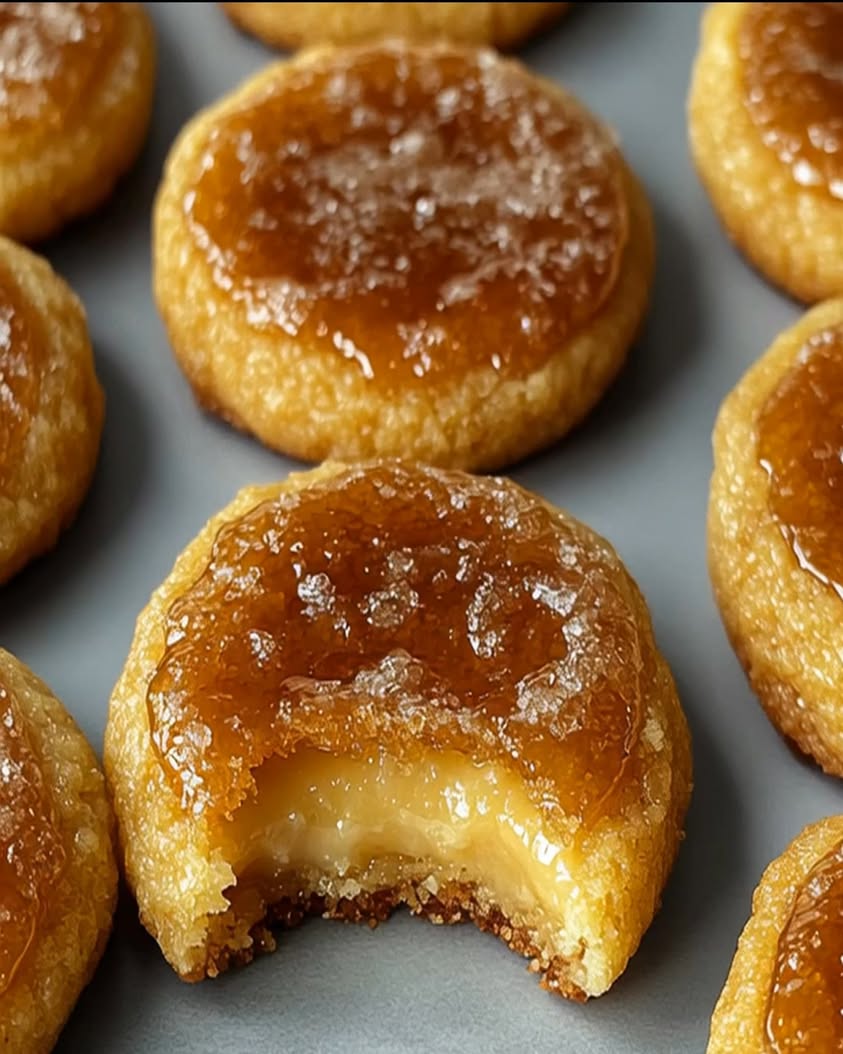
Easy Crème Brûlée Cookies: A Quick, Elegant Dessert Recipe
Imagine the classic, sophisticated flavor of a crème brûlée dessert transformed into a handheld, shareable cookie. Consequently, this recipe for Easy Crème Brûlée Cookies delivers exactly that magic. Moreover, it captures the essence of the beloved French custard with a buttery, vanilla-speckled cookie base and a signature crackly, caramelized sugar top. Ultimately, you get a stunning treat that feels luxurious but comes together with simple pantry staples.
These cookies are perfect for anyone craving a quick dessert with maximum wow factor. For instance, they bridge the gap between a chewy sugar cookie and the elegant finish of a torched dessert. Furthermore, the process is surprisingly straightforward, eliminating the need for a water bath or lengthy chilling time typical of traditional crème brûlée. Therefore, whether you need a last-minute party offering or a special weeknight treat, this recipe is your new secret weapon.
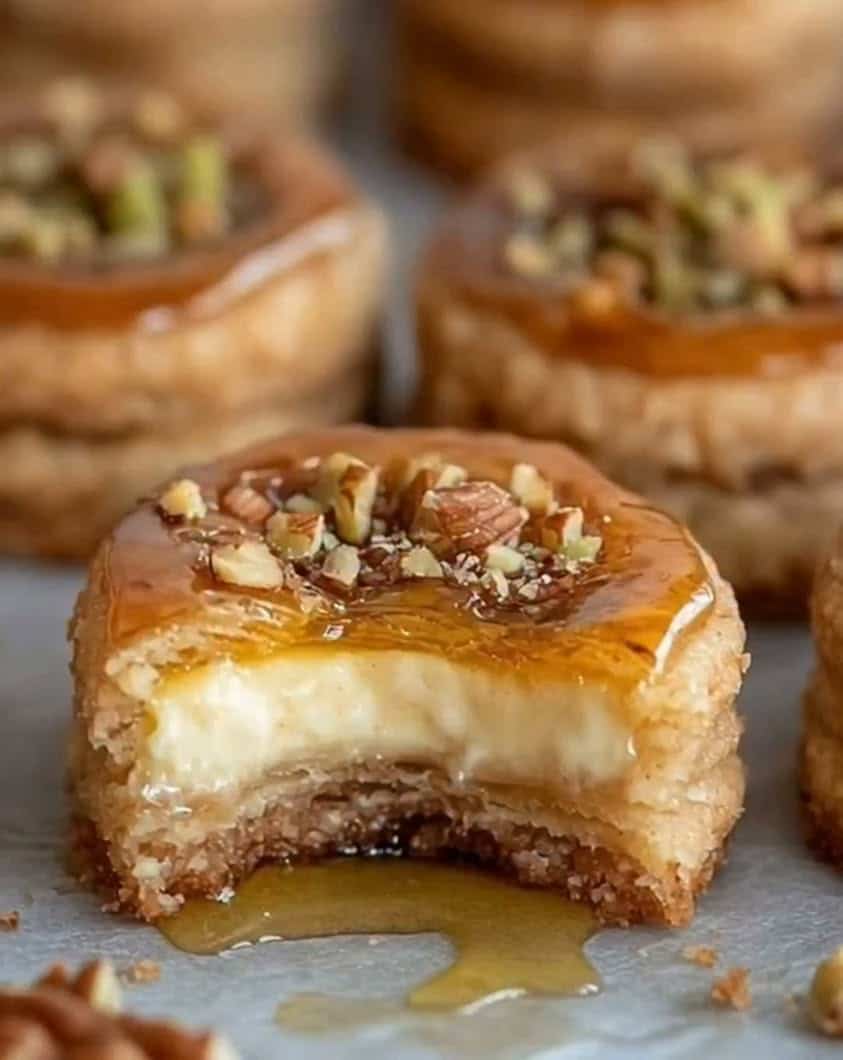
The beauty of these Easy Crème Brûlée Cookies lies in their delightful contrast. Specifically, you bite through a thin, shattering layer of caramelized sugar into a soft, rich center. Simultaneously, the aroma of pure vanilla and brown sugar will fill your kitchen, promising a truly decadent experience. In short, this recipe proves that impressive desserts don’t require professional training or obscure ingredients.
Quick Recipe Highlights
- Flavor Profile: These cookies offer a deep, rich vanilla and brown sugar flavor reminiscent of classic crème brûlée. Additionally, the torched sugar topping adds a sophisticated, bittersweet caramel note that perfectly balances the sweet cookie base.
- Texture: Experience the iconic textural contrast of crème brûlée in cookie form. First, a crisp, glass-like sugar top shatters beautifully. Then, it gives way to a supremely soft, chewy, and tender center that melts in your mouth.
- Aroma: While baking, your kitchen will fill with the warm, comforting scents of butter, vanilla, and caramelizing sugar. Subsequently, the final torching step releases a brief, enticing aroma of toasted caramel that signals dessert is ready.
- Visual Appeal: These cookies boast a gorgeous, professional look with their sparkling, uneven caramelized sugar crust. The golden-brown cookie base peeks through the amber top, creating a beautifully rustic and elegant presentation on any plate.
- Skill Level Needed: This is an accessible recipe designed for bakers of all levels. Basically, you need basic mixing skills and the ability to use a kitchen torch safely. No advanced pastry techniques are required for success.
- Special Equipment: The only special tool required is a kitchen torch for achieving the authentic brûlée crust. Alternatively, you can use your oven’s broiler, though a torch offers more precise control for perfect caramelization.
Recipe Overview
- Difficulty Level: We rate this recipe as “Easy” because it uses a standard cookie dough method with no complex steps. The dough comes together quickly with a hand mixer, and the shaping is simple. The torching step seems fancy but is actually very simple to execute with a little care.
- Category: This recipe falls squarely into the dessert and cookie categories. It’s ideal for after-dinner treats, afternoon tea, or packaged as a sweet gift. Furthermore, it fits into the category of “elegant yet easy” desserts that elevate any occasion.
- Cuisine: While inspired by the French dessert crème brûlée, the cookie format is a modern American baking innovation. The recipe uses common American baking techniques and ingredients, creating a delightful fusion that honors a classic while being thoroughly approachable.
- Cost: This is a cost-effective dessert, utilizing pantry staples like flour, sugar, butter, and eggs. Vanilla bean paste or extract is the main flavor investment. Overall, the cost per cookie is very low, making it an affordable way to serve a luxurious-tasting treat.
- Season: These cookies are truly a year-round delight. They feel cozy and comforting in fall and winter. Conversely, their elegant appearance makes them suitable for spring bridal showers or summer garden parties. The flavor is universally appealing regardless of the season.
- Occasion: Perfect for dinner parties, holiday cookie exchanges, potlucks, or as a homemade gift. They are also a fantastic “just because” bake when you want to treat yourself or your family to something special without a full day of kitchen work.
Why You’ll Love This Recipe
First and foremost, you will adore the incredible taste and texture of these Easy Crème Brûlée Cookies. The flavor profile masterfully mimics the luxurious custard, featuring deep vanilla and caramel notes. Each bite delivers the deeply satisfying crack of the sugar crust followed by a soft, almost creamy interior. This sensory experience makes the cookies feel far more special than a standard treat. Ultimately, they satisfy a sophisticated dessert craving in a fun, portable format that everyone can enjoy.
Another major benefit is the sheer convenience and simplicity of preparation. Unlike traditional crème brûlée, there is no custard to bake and set for hours. Instead, you whip up a straightforward cookie dough, scoop it, and bake. The active hands-on time is minimal. This makes the recipe a fantastic choice for busy bakers who still want to deliver impressive results. You can go from craving to eating in well under an hour, which is a game-changer for elegant desserts.
From a social perspective, these cookies offer tremendous value. They are instant conversation starters at any gathering due to their stunning appearance. People are always delighted and intrigued by the torched sugar top. They also bake in individual portions, making serving effortless and eliminating the need for slicing or plating a large dessert. You can easily set them out on a platter for guests to help themselves, facilitating mingling and interaction.
Furthermore, the recipe is highly cost-effective and accessible. It uses ingredients you likely already have in your kitchen. You do not need expensive vanilla beans; a good quality extract or paste works wonderfully. This accessibility means you can bake a batch on a whim without a special grocery trip. The yield of two dozen cookies also means you get a lot of deliciousness from one simple recipe, perfect for feeding a crowd or enjoying over several days.
Finally, these Easy Crème Brûlée Cookies provide a wonderful creative outlet. You can experiment with different sugars for the topping, like turbinado or demerara, for varied caramel flavors. You can also add a pinch of spice to the dough, like cinnamon or nutmeg, for a seasonal twist. The process of torching the sugar is both fun and visually rewarding. It allows you to play pastry chef at home, building confidence in your kitchen skills while creating something truly beautiful.
Historical Background and Cultural Significance
The story of crème brûlée, meaning “burnt cream” in French, is rich and debated. While often claimed as a French invention, historical records show similar desserts across Europe. For example, Trinity College, Cambridge, has a recipe for “Crème Brûlée” in a 17th-century cookbook. Meanwhile, the Spanish have “crema catalana,” a custard with a caramelized sugar top often flavored with citrus and cinnamon. These parallel developments highlight a universal love for the contrast of creamy custard and crisp caramel.
In France, crème brûlée became a symbol of refined cuisine and bourgeois dining. It represented technical skill and patience, as the perfect custard required precise temperature control. The act of caramelizing the sugar just before service added theatrical flair to the dining experience. Consequently, the dessert cemented its place in classic French culinary tradition. It became a staple on menus in fine dining establishments, synonymous with elegance and indulgence.
The evolution from a delicate custard to a sturdy cookie is a modern baking innovation. It reflects contemporary desires for familiar, shareable formats and quicker preparation times. This adaptation takes the soul of the classic dessert—the vanilla flavor and textural contrast—and makes it more accessible and portable. It is part of a larger trend of “deconstructed” or “reimagined” desserts that capture the essence of a classic in a new, often more convenient form.
Regional variations of the concept continue to emerge. Some bakers add a sprinkle of sea salt to the sugar topping for a sweet-salty profile. Others infuse the cookie dough with Earl Grey tea or lavender to mimic flavored crèmes brûlées. This ongoing innovation shows how a traditional dessert can inspire endless creativity in home kitchens and bakeries worldwide. The Easy Crème Brûlée Cookies recipe sits at this delightful intersection of tradition and modern convenience.
Ingredient Deep Dive
Unsalted Butter: Butter provides the rich, tender foundation for the cookie dough. Using unsalted butter allows you to control the exact amount of salt in the recipe. For best results, ensure your butter is properly softened to room temperature; this means it should indent easily when pressed but not be greasy or melted. Creaming room-temperature butter with sugar incorporates air, which is crucial for the cookie’s texture. If you only have salted butter, simply reduce the added salt in the recipe by about a quarter teaspoon.
Granulated & Brown Sugar: This combination is key. Granulated sugar sweetens and helps create structure. Brown sugar, with its molasses content, adds moisture, chewiness, and deep caramel notes that are essential for mimicking crème brûlée’s flavor. The molasses in brown sugar also contributes to the cookie’s soft texture. For the torched topping, using regular granulated white sugar works best as it caramelizes cleanly and clearly. Do not substitute the topping sugar with brown sugar, as the molasses can burn.
Egg Yolks: Using only egg yolks, rather than whole eggs, is a professional baker’s trick for richness. Yolks add fat and emulsifiers, yielding a more tender, cake-like crumb and a richer flavor that closely resembles a custard base. They also contribute to the beautiful golden color of the baked cookie. Save the leftover egg whites for a breakfast omelet or a pavlova. To separate eggs cleanly, use a dedicated separator or crack the egg and pass the yolk back and forth between the shell halves.
Vanilla Bean Paste or Extract: This is the star flavor. Vanilla bean paste offers the potent flavor and beautiful speckled appearance of real beans without the cost and hassle of scraping pods. A good quality pure extract also works wonderfully. Avoid imitation vanilla, as its flavor is often harsh and artificial, which will detract from the elegant profile you want. The vanilla scent should be warm and fragrant, not alcoholic.
All-Purpose Flour: Flour provides the structure. Be sure to measure it correctly by spooning it into the measuring cup and leveling it off with a knife. Scooping directly from the bag can pack in too much flour, leading to dry, dense cookies. For consistent results, many bakers prefer to weigh their flour. The gluten formed when mixing gives the cookie its shape, but you don’t want to overmix and develop too much gluten, which can make them tough.
Common Mistakes to Avoid
- Using Cold Butter: Cold butter will not cream properly with the sugar. This results in a dense, greasy cookie instead of one that is light and tender. Always plan ahead to let your butter sit out until it’s truly softened.
- Overmixing the Dough After Adding Flour: Once you add the flour, mix only until just combined. Overmixing develops gluten, which makes cookies tough and chewy in an unpleasant way. A few streaks of flour are okay; they will incorporate.
- Skipping the Chill Time for the Dough Balls: If you skip chilling the shaped dough balls, the cookies will spread too much in the oven. Chilling solidifies the butter, leading to a thicker, softer cookie with better texture.
- Overbaking the Cookies: These cookies continue to set as they cool on the sheet. They should look just set around the edges but still soft in the center when you take them out. Overbaking leads to dry, crunchy cookies.
- Using the Wrong Sugar for the Topping: Only use regular white granulated sugar for the torched topping. Brown sugar or coarse sugars like turbinado have impurities and moisture that can burn or melt unevenly, creating a bitter taste.
- Torching the Sugar Too Soon: You must let the cookies cool completely before adding the sugar and torching. If the cookies are warm, the sugar will melt into a syrup instead of forming a crisp, separate layer.
- Holding the Torch Too Close or Too Long: This causes the sugar to burn, creating a bitter flavor. Hold the torch several inches away and use a slow, steady motion. The sugar should melt and bubble into a deep amber, not turn black.
- Not Using a Kitchen Torch Safely: Always point the flame away from yourself and any flammable materials. Work on a heat-proof surface and keep the torch moving to avoid concentrating heat in one spot for too long.
Essential Techniques
Creaming Butter and Sugar: This foundational technique incorporates air into your dough, which is vital for texture. Use room-temperature butter and beat it with the sugars on medium speed for 2-3 minutes until the mixture is noticeably lighter in color and fluffy. Proper creaming ensures your cookies have a tender crumb instead of being dense. A common pitfall is not creaming long enough; the mixture should look pale and almost like a frosting.
Incorporating Egg Yolks: Add room-temperature egg yolks one at a time, beating well after each addition. This allows the fat in the yolks to emulsify properly with the butter and sugar, creating a smooth, homogeneous mixture. If you add them all at once, the mixture may look curdled, which can affect the final texture. The mixture should be glossy and thick once all yolks are incorporated.
Folding in Dry Ingredients: Once you add the flour mixture, switch to a low speed or mix by hand with a spatula. Mix only until no dry streaks of flour remain. Overmixing at this stage is the primary cause of tough cookies. The goal is to combine, not to beat more air in. A few flour streaks are preferable to overworking the dough.
The Torching Technique: This is the signature step. Sprinkle a thin, even layer of granulated sugar over each cooled cookie. Hold a kitchen torch 4-6 inches away at a slight angle. Use a slow, circular motion to melt the sugar until it bubbles and turns a deep golden amber. The visual cue for success is a smooth, glassy, caramelized layer that hardens almost instantly as it cools. Avoid holding the torch in one spot.
Pro Tips for Perfect Easy Crème Brûlée Cookies
For consistently sized cookies that bake evenly, use a medium cookie scoop or a tablespoon measure. This ensures they all have the same dough volume, leading to uniform baking times and appearances. Consequently, your cookie platter will look professionally made.
Chill the scooped dough balls for at least 15-20 minutes before baking. This step is non-negotiable for preventing excessive spread. Chilling solidifies the butter, so the cookies hold their shape better and develop a softer, thicker center.
Always use parchment paper or a silicone baking mat. These prevent sticking without adding extra grease, which can cause the cookies to spread. They also promote even browning on the bottom and make cleanup an absolute breeze.
Let the cookies cool on the baking sheet for 5 minutes before transferring them to a wire rack. This allows them to set enough to move without breaking but stops the carryover heat from the pan from over-cooking them. They will finish firming up as they cool completely.
When torching, work in a well-ventilated area. The caramelizing sugar can produce a little smoke. Having good airflow prevents your kitchen from getting smoky and ensures you can see the color of the sugar clearly as it transforms.
For the most dramatic crackly top, torch the cookies just before serving. While the sugar crust stays crisp for several hours, it is at its absolute peak within the first hour after torching. The sound of breaking through that fresh shell is part of the fun.
If you don’t have a kitchen torch, you can use your oven’s broiler. Place the sugared cookies on a baking sheet and broil for 1-2 minutes, watching constantly, until the sugar melts and caramelizes. This method works but offers less control than a torch.
Variations and Adaptations
Flavor Variations: Infuse the dough with other classic dessert flavors. Add the zest of one orange or lemon to the butter-sugar mixture for a citrus twist. Alternatively, fold in a half teaspoon of ground cinnamon or nutmeg for a warm, spiced version perfect for the holidays. For a sophisticated edge, steep a tablespoon of loose Earl Grey tea in the melted butter before creaming it with the sugar.
Dietary Modifications: For a gluten-free version, use a 1:1 gluten-free all-purpose flour blend that contains xanthan gum. To make them dairy-free, substitute the butter with a high-quality vegan butter stick that bakes well. Note that the flavor profile will shift slightly, but the textural contrast will remain delightful.
Texture Modifications: If you prefer a cookie with more textural interest, fold in a half cup of finely chopped white chocolate or toffee bits into the dough. For a subtle crunch, roll the dough balls in coarse sanding sugar before baking instead of, or in addition to, the final torched topping.
Presentation Alternatives: Instead of individual cookies, you can press the dough into a square or round pan to create a crème brûlée cookie bar. Bake until just set, cool completely, then sprinkle with sugar and torch the entire surface. Slice into squares or wedges for serving.
Serving and Presentation Guide
Plating is simple yet effective. Arrange the cookies on a plain white or dark-colored platter to make the amber sugar tops pop. You can also serve them on individual dessert plates, perhaps with a small dollop of whipped cream or a few fresh berries on the side. The contrast of the red berry against the golden cookie is visually stunning.
For garnishing, a light dusting of powdered sugar or edible gold dust around the plate adds a touch of elegance. A single mint leaf placed beside each cookie provides a fresh color contrast. Avoid placing garnishes directly on the torched sugar, as moisture will make it sticky.
Traditional accompaniments include a small glass of cold milk, a cup of strong coffee, or a dessert wine like a Sauternes or a late-harvest Riesling. The sweetness of the cookie pairs beautifully with bitter or acidic beverages that cleanse the palate between bites.
Serve the cookies at room temperature for the best texture. The sugar top should be crisp, and the interior soft. If you’ve stored them in the fridge, let them come to room temperature for about 15 minutes before serving to restore the ideal mouthfeel. Portion control is easy—they are perfectly sized for a satisfying single serving.
Wine and Beverage Pairing
For wine pairings, look for something that can stand up to the sweetness and richness. A French Sauternes or a Hungarian Tokaji, with their honeyed apricot notes, are classic matches for crème brûlée and work wonderfully here. Alternatively, a tawny Port or a cream sherry offers nutty, caramel flavors that mirror the cookie’s topping. The key is to choose a beverage that is as sweet as or sweeter than the dessert to avoid a bitter contrast.
Non-alcoholic alternatives are just as important. A glass of cold whole milk is a timeless and perfect pairing. For a more adult feel, try a sparkling apple cider or a ginger beer with a strong spice profile to cut through the sweetness. Iced coffee or a strong black tea, like Earl Grey, also provides a bitter counterpoint that highlights the cookie’s vanilla notes.
If serving with coffee or tea, consider the preparation. For coffee, a medium-roast brew or even a shot of espresso works well. For tea, a vanilla rooibos or a chai tea complements the spices if you’ve added them to your cookie variation. Serve these beverages hot to contrast the room-temperature cookie, enhancing the overall experience.
Storage and Shelf Life
Store the completely cooled, torched cookies in a single layer in an airtight container at room temperature. Place parchment paper between layers if you must stack them. The sugar topping will stay crisp for about 24 hours. After that, it may begin to soften due to ambient humidity, but the cookies will still taste delicious for up to 3 days.
For longer storage, you can freeze the baked and cooled cookies (without the sugar topping) for up to 2 months. Place them in a freezer-safe bag or container with parchment between layers. Thaw at room temperature, then add the sugar and torch just before serving. This is an excellent make-ahead strategy for parties.
Do not store the cookies in the refrigerator, as the cold environment introduces moisture that will quickly make the sugar topping sticky and soft. The texture is best preserved at a cool, dry room temperature. Signs of spoilage are not common with such a low-moisture baked good, but discard if you see any mold.
Make Ahead Strategies
You can prepare the cookie dough up to 3 days in advance. Scoop the dough balls onto a baking sheet, freeze until solid, then transfer to a freezer bag. When ready to bake, place the frozen dough balls on a parchment-lined sheet. You may need to add 1-2 minutes to the baking time. This allows you to have fresh-baked cookies with minimal effort on the day you need them.
Another effective strategy is to bake the cookies a day ahead but wait to torch them. Store the plain, cooled cookies in an airtight container. Up to an hour before serving, sprinkle them with sugar and torch. This ensures the signature crackly top is at its absolute peak freshness and provides a fantastic activity to do in front of guests.
The quality impact of make-ahead steps is minimal if done correctly. The frozen dough bakes up nearly identically to fresh. The only element that doesn’t hold well is the torched sugar crust, so timing that final step is the key to perfect presentation and texture. Adding that fresh element just before serving makes all the difference.
Scaling Instructions
This recipe scales beautifully. To halve it, simply divide all ingredients by two. Use one whole egg yolk (it’s hard to halve a yolk) and reduce the second yolk by roughly half its volume, or just use one for a slightly richer result. Baking time may decrease by a minute, so watch closely.
For doubling or tripling, use a larger mixing bowl or mix in batches to ensure even creaming. You may need to bake in more batches, so factor that into your total time. Ensure your oven has good air circulation; avoid overcrowding multiple sheets at once, as this leads to uneven baking. Rotate sheets halfway through if baking two trays.
When scaling up, consider your equipment. A standard hand mixer can handle a double batch, but for a triple batch, a stand mixer is helpful. No other major equipment adjustments are needed. Storage considerations remain the same; you’ll just have more cookies to store in airtight containers.
Nutritional Deep Dive
These cookies are a dessert, meaning they provide energy primarily from carbohydrates and fats. A single cookie offers a satisfying portion of sweetness and richness. The brown sugar and butter contribute to the fat and simple carbohydrate content, providing quick energy. The egg yolks add a small amount of protein and essential fats, along with vitamins like A, D, and E.
From a micronutrient perspective, the egg yolks are a notable source of choline, important for brain health. Using real vanilla also provides trace antioxidants. However, this is an indulgent treat best enjoyed in moderation as part of a balanced diet. The recipe’s portion control is built-in, as each cookie is a single serving, helping to manage intake.
For those mindful of their diet, enjoying one cookie as a deliberate treat can satisfy a sweet craving without overindulgence. The rich flavor and textural experience make it easy to savor slowly, promoting mindful eating. Pairing it with a protein-rich beverage like milk can also help balance the glycemic response.
Dietary Adaptations
Gluten-Free: Substitute the all-purpose flour with a reputable 1:1 gluten-free baking blend that includes xanthan gum. Brands like Bob’s Red Mill or King Arthur Measure for Measure work well. The texture may be slightly more delicate but will still be delicious.
Dairy-Free: Replace the unsalted butter with an equal amount of high-quality, stick-form vegan butter. Look for brands specifically formulated for baking, as they have the right fat and water content. The flavor will be slightly different but still yield a excellent cookie.
Vegan: This is more challenging due to the egg yolks. For a vegan attempt, use vegan butter and replace the two egg yolks with a commercial egg replacer suitable for cookies, or use 2 tablespoons of aquafaba (chickpea brine) mixed with 1/2 teaspoon of baking powder. Results will vary, and the interior may be less rich.
Troubleshooting Guide
Cookies Spread Too Much: This is almost always due to butter that was too warm or dough that wasn’t chilled. Next time, ensure your butter is just softened, not melted, and chill the shaped dough balls thoroughly before baking. Also, check that your baking powder is fresh and not expired.
Cookies Are Too Cakey or Dry: You likely overmeasured the flour. Always spoon and level your flour, or better yet, weigh it. Overmixing after adding the flour can also develop too much gluten, leading to a tougher, drier texture. Mix until just combined.
Sugar Topping is Gummy or Sticky: The cookies were not completely cool before torching, or the environment is very humid. Ensure cookies are at room temperature. If humidity is high, torch them as close to serving as possible and accept that the top may soften faster.
Sugar Topping Burns and Tastes Bitter: You held the torch too close or in one spot for too long. Use a slow, steady motion and keep the flame several inches away. The sugar should bubble and turn amber, not black. Practice makes perfect.
Recipe Success Stories
Community feedback on this recipe has been overwhelmingly positive. Many home bakers report that these cookies were the hit of their holiday party or book club. One reader mentioned her children now request “the fire cookies” for every special occasion, loving the drama of the torch. Another successfully made them gluten-free for a friend, who was thrilled to enjoy a dessert that felt so special and inclusive.
Readers have also shared brilliant variations. One added a pinch of cardamom to the dough for a unique twist. Another sprinkled a tiny bit of flaky sea salt over the sugar before torching for a salted caramel effect. A common suggestion is to use vanilla bean paste for those beautiful specks, which makes the cookies look professionally made. The recipe’s adaptability is a key part of its success.
Frequently Asked Questions
Q: Can I make these without a kitchen torch?
A: Yes, you can use your oven’s broiler. Place the sugared cookies on a baking sheet and broil for 1-2 minutes, watching constantly until the sugar melts and caramelizes. The control is less precise, so watch it like a hawk to prevent burning.
Q: Why did my sugar topping melt into the cookie instead of staying on top?
A: This happens if the cookies are still warm when you sprinkle and torch the sugar. The residual heat melts the sugar into the surface. Always ensure the cookies are completely cooled to room temperature before adding the sugar layer.
Q: Can I use vanilla extract instead of vanilla bean paste?
A: Absolutely. Use an equal amount of high-quality pure vanilla extract. The flavor will be excellent. You just won’t get the lovely visual speckles that the paste provides, but the taste will still be wonderful.
Q: How do I store these, and how long do they last?
A: Store in an airtight container at room temperature for up to 3 days. The sugar top is crispiest on the first day. For longer storage, freeze the un-torched cookies and torch them after thawing.
Q: My cookies are flat. What did I do wrong?
A: Flat cookies are usually caused by butter that was too soft or melted, or dough that wasn’t chilled. Also, check your baking powder’s expiration date, as old leavener won’t provide the necessary lift.
Q: Can I add other flavors to the dough?
A: Definitely! Citrus zest, a teaspoon of espresso powder, or a spice like cinnamon are great additions. Add these flavorings when you cream the butter and sugar so they distribute evenly.
Q: Is it safe to use a kitchen torch?
A: Yes, when used responsibly. Always point the flame away from you, keep it away from flammable materials like curtains, and never leave it unattended while lit. Work on a heat-proof surface like a baking sheet.
Q: Can I make the dough ahead of time?
A: Yes, you can scoop the dough balls and refrigerate them for up to 2 days or freeze them for up to 3 months. Bake from chilled or frozen, adding a minute or two to the baking time if frozen.
Additional Resources
If you loved these Easy Crème Brûlée Cookies, you might enjoy other recipes that transform classic desserts. Consider trying a tiramisu cookie, a cheesecake thumbprint, or a lemon meringue pie bar. These all follow a similar philosophy of capturing the soul of a beloved dessert in a convenient, shareable form.
For mastering foundational techniques, look for guides on proper creaming methods, how to separate eggs cleanly, and the science of cookie spread. Understanding these basics will improve all your baking projects. Investing in an oven thermometer can also ensure your oven temperature is accurate, which is critical for perfect baking times.
When it comes to equipment, a reliable kitchen torch is a worthwhile investment for any home baker who enjoys finishing touches. Look for one with a comfortable grip and a clear fuel window. A sturdy cookie scoop and silicone baking mats are also invaluable tools that make the baking process smoother and more consistent.
PrintBest Easy Crème Brûlée Cookies
- Total Time: 45 minutes
- Yield: 4
Description
These cookies combine the creamy vanilla flavor of crème brûlée with a crispy, caramelized sugar topping, making them a quick and impressive dessert.
Ingredients
- 1 cup all-purpose flour
- 1/2 cup unsalted butter, softened
- 1/2 cup granulated sugar
- 1 large egg yolk
- 1 teaspoon vanilla extract
- 1/4 teaspoon salt
- 1/4 cup brown sugar, for topping
- Kitchen torch or broiler for caramelizing
Instructions
- Preheat oven to 350°F (175°C) and line a baking sheet with parchment paper.
- In a bowl, cream together butter and granulated sugar until light and fluffy. Mix in egg yolk and vanilla extract.
- Gradually add flour and salt, stirring until a soft dough forms. Roll dough into 1-inch balls and place on baking sheet, flattening slightly.
- Bake for 10-12 minutes until edges are golden. Let cool completely on a wire rack.
- Sprinkle a thin layer of brown sugar over each cookie. Use a kitchen torch to caramelize the sugar until bubbly and golden, or broil for 1-2 minutes, watching closely.
Notes
You can customize the seasonings to taste.
- Prep Time: 15 minutes
- Cook Time: 30 minutes
- Method: Main
- Cuisine: American