Whipped Feta with Roasted Strawberries: A Sweet and Savory Appetizer
Imagine a creamy, tangy spread that perfectly balances the sweetness of ripe, balsamic-glazed strawberries. That is exactly what you get with this whipped feta with roasted strawberries appetizer. It is a show-stopping dish that transforms simple ingredients into a luxurious, crowd-pleasing bite. The combination of salty, smooth feta and jammy, caramelized fruit creates an unforgettable flavor experience that will elevate any gathering.
This whipped feta with roasted strawberries recipe is deceptively simple to prepare, making it an ideal choice for both novice cooks and seasoned entertainers. You start by roasting fresh strawberries with a touch of balsamic vinegar and honey, which intensifies their natural sugars. While they cool, you whip a block of quality feta cheese with a little cream cheese and olive oil until it becomes impossibly airy and light. The contrast in textures and temperatures is pure magic.
Whether you are hosting a summer brunch, a romantic dinner party, or a casual holiday cocktail hour, this whipped feta with roasted strawberries dip is a guaranteed hit. It is a recipe that feels both elegant and comforting, with a rustic charm that suits any table. Serve it with crusty bread, crispy crostini, or fresh vegetables for a stunning appetizer that disappears in minutes.
Quick Recipe Highlights
- Flavor Profile: The salty, tangy feta provides a bold foundation, perfectly offset by the sweet, slightly tart roasted strawberries. A hint of balsamic adds a subtle, complex depth that ties everything together beautifully.
- Texture: The feta is whipped to an ultra-smooth, silky, and airy consistency, resembling a luxurious mousse. The roasted strawberries offer a soft, jammy, and slightly chunky counterpoint that adds delightful pops of fruit.
- Aroma: As the strawberries roast, your kitchen will fill with an incredible aroma of sweet berries and warm balsamic. For the final dish, you will smell fresh, creamy feta mingling with the fruity, caramelized notes of the strawberries.
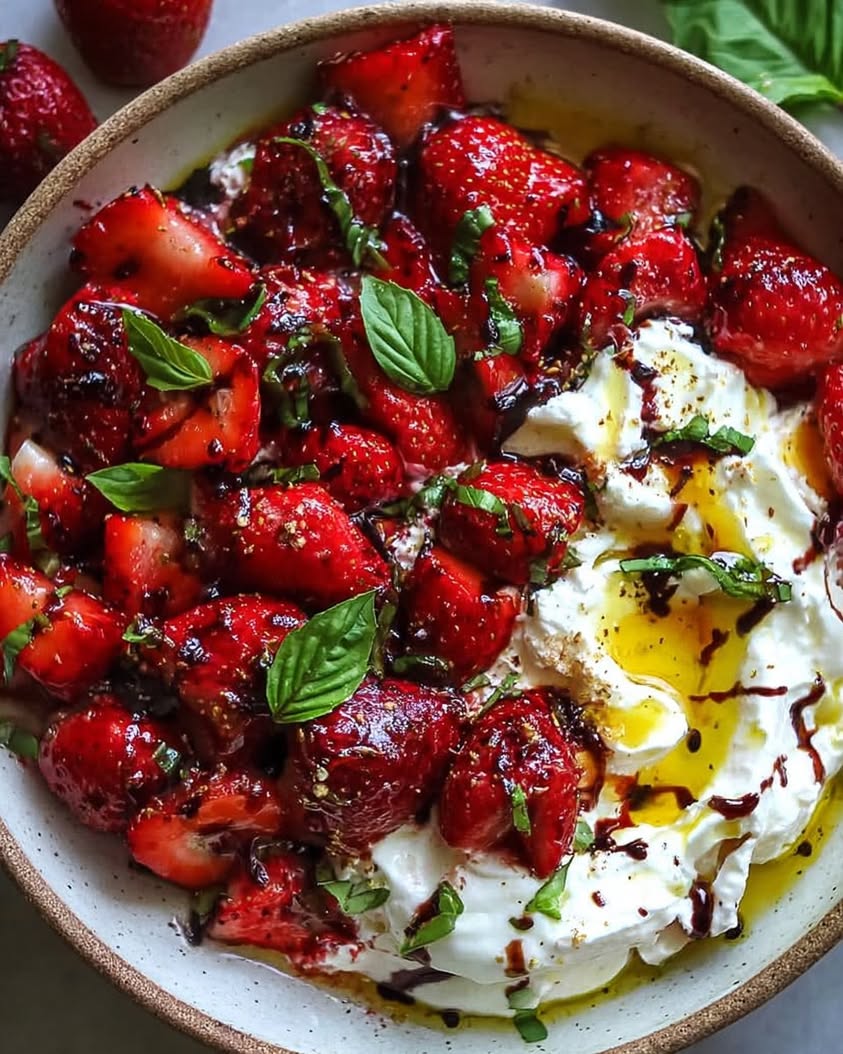
- Visual Appeal: The stark white, creamy whipped feta provides a beautiful canvas for the deep, ruby red roasted strawberries. A drizzle of balsamic glaze and a sprinkle of fresh basil or mint add a final touch of elegance and vibrant color.
- Skill Level Needed: This recipe is excellent for beginners. The techniques are straightforward, involving roasting and whipping, with no complicated steps or special skills required. Anyone can achieve a perfect, impressive result.
- Special Equipment: You will need a food processor or a high-powered blender to achieve the perfectly smooth and airy whipped feta. A baking sheet is essential for roasting the strawberries, and a small saucepan is nice for reducing balsamic glaze.
Recipe Overview
- Difficulty Level: This recipe is rated as easy because it focuses on simple, fundamental cooking techniques. Roasting fruit and whipping cheese are basic skills that require minimal supervision. The potential for error is very low, making it a stress-free dish to prepare.
- Category: This dish primarily serves as a stunning appetizer or starter for any meal. It also works wonderfully as a light lunch or a substantial snack when paired with plenty of dippers. You can even serve it as part of a larger mezze or antipasti spread.
- Cuisine: While not strictly traditional, this recipe draws inspiration from modern Mediterranean cuisine. It plays on classic Greek flavors of feta cheese and fresh fruit, incorporating a contemporary, elegant twist. The use of balsamic vinegar nods to Italian culinary traditions.
- Cost: The main ingredients are feta cheese, strawberries, and basic pantry items like olive oil and honey, which are relatively affordable. Choosing in-season, local strawberries will keep costs down. The overall cost is moderate, but the result tastes much more expensive than it is.
- Season: This recipe is absolutely perfect for late spring and summer when strawberries are at their peak of sweetness and flavor. You can make it year-round, however, using high-quality strawberries from warmer climates. The bright, fresh flavors are a natural fit for warmer months.
- Occasion: This whipped feta with roasted strawberries is ideal for a wide range of occasions. It is a sophisticated starter for a dinner party, a beautiful addition to a brunch buffet, and a unique treat for a birthday celebration. It also makes a wonderful, shareable dish for holidays like Valentine’s Day or Mother’s Day.
Why You’ll Love This Recipe
The primary appeal of this recipe lies in its incredible taste and texture combination. You get a creamy, salty, and tangy base from the whipped feta that is perfectly balanced by the sweet, jammy, and slightly tart roasted strawberries. This flavor contrast is both exciting and deeply satisfying, making each bite a delightful experience. The airy, mousse-like texture of the feta feels indulgent, while the soft fruit adds a lovely, rustic element.
Convenience is a massive advantage of this whipped feta with roasted strawberries recipe. The active preparation time is minimal, around 15 minutes, and the oven does most of the work. You can easily roast the strawberries and whip the feta in advance, assembling the dish just before serving. This makes it an incredibly practical choice for entertaining, allowing you to focus on your guests rather than being stuck in the kitchen.
From a nutritional standpoint, this recipe offers several benefits. Feta cheese is a good source of calcium and protein, and it generally contains less fat than many other cheeses. Strawberries are packed with vitamin C, antioxidants, and fiber, adding a healthy boost to the dish. When compared to many other creamy dips and appetizers, this one provides a more nutrient-dense option with a fantastic flavor profile.
The social value of this dish is immense. It is a true conversation starter, with its stunning presentation and unexpected flavor pairing. Guests will quickly become intrigued by the colors and aromas, and they will immediately begin dipping and sharing. It creates a communal, interactive eating experience that breaks the ice and gets people talking, which is the hallmark of any great appetizer.
Cost-effectiveness is another strong point. With a handful of simple, readily available ingredients, you can create an appetizer that looks and tastes like it came from a high-end restaurant. There is no need for expensive, exotic ingredients. This recipe proves that you do not need to spend a lot of money to create a truly elegant and memorable dish for your loved ones.
Historical Background and Cultural Significance
Feta cheese itself has a long and storied history, with origins dating back over 6,000 years in the Mediterranean region. The name “feta” actually comes from the Italian word “fetta,” meaning slice, reflecting how the cheese was traditionally cut from a large block. It holds a protected designation of origin in the European Union, meaning only cheese produced in specific regions of Greece can legally be called feta. This cultural touchstone is central to Greek cuisine and identity.
In Greek culture, feta is rarely just a cheese; it is a staple used in countless traditional dishes, from salads and pies to pastries and spreads. The pairing of cheese with fruit, like the strawberries in this recipe, is a classic concept found in many cultures. The Greeks themselves often enjoy feta with watermelon or figs, showcasing a love for the sweet and salty combination.
The specific modern twist of roasting strawberries and whipping feta into a light, airy dip is a more recent culinary evolution. It reflects a contemporary trend in the United States and beyond of elevating simple, rustic ingredients into elegant, shareable plates. This recipe takes a beloved Mediterranean ingredient and presents it in a fresh, innovative way that feels both familiar and exciting.
Regional variations of this concept can be seen throughout the Mediterranean. In some areas, you might find a similar whipped cheese served with a balsamic reduction and fresh figs or roasted grapes. The versatility of the basic whipped feta structure allows for endless seasonal adaptations, always latching onto the best produce available. This recipe is a beautiful modern interpretation of these timeless principles.
Ingredient Deep Dive
Feta Cheese: Feta is a brined curd white cheese with a crumbly, grainy texture and a tangy, salty flavor. In Greek culture, it has been made for centuries, traditionally from sheep’s milk or a mixture of sheep’s and goat’s milk. Nutritionally, feta is a good source of calcium and phosphorus, which are essential for strong bones. It also contains protein and beneficial bacteria for gut health. When selecting feta, look for a block that is firm yet creamy, without any signs of drying or discoloration. The best feta comes in a brine, which helps maintain its moisture and flavor. Store feta in its brine or airtight in the refrigerator for up to two weeks. For this recipe, you can substitute goat cheese or a high-quality dairy-free feta alternative.
Strawberries: Strawberries are the quintessential summer fruit, beloved for their bright red color, juicy texture, and sweet-tart flavor. They are botanically an “aggregate accessory fruit,” meaning the fleshy part we eat is derived from the receptacle that holds the ovaries. Culturally, they symbolize purity, love, and passion in many traditions. Strawberries are packed with vitamin C, manganese, and powerful antioxidants like ellagic acid. To select the best strawberries, look for berries that are firm, plump, and uniformly red with fresh, green caps. Avoid any that are mushy, dull, or have mold. Store unwashed strawberries in a single layer in the refrigerator and wash them just before using. You can substitute frozen strawberries for roasting, though they will be softer. Other berries like raspberries or blackberries also work beautifully.
Balsamic Vinegar: Balsamic vinegar is a dark, sweet, and complex vinegar made from grape must. Authentic balsamic vinegar, from Modena or Reggio Emilia, is aged for years in wooden barrels, developing a syrupy consistency and a deep, rich flavor. It adds an incredible depth of flavor to the strawberries, balancing the sweetness with acidity and savory notes. A good quality, medium-bodied balsamic is perfect for roasting; save the expensive, aged kind for drizzling raw. Nutritionally, balsamic is low in calories and contains antioxidants. For a less acidic version, you can use a balsamic glaze directly. To substitute, try using sherry vinegar or a reduced red wine vinegar with a teaspoon of honey. Always taste your vinegar before using, as flavors vary greatly.
Olive Oil: Extra virgin olive oil is a cornerstone of Mediterranean cooking, valued for its fruity, peppery flavor and health benefits. It is rich in monounsaturated fats and powerful antioxidants. It helps create a silky, smooth texture for the whipped feta and carries the flavors of the other ingredients. For roasting the strawberries, a light drizzle is needed. For the feta itself, a good quality oil enhances the final dish. Look for an olive oil that is cold-pressed and stored in a dark bottle to preserve freshness. Store it in a cool, dark place. You can substitute avocado oil for a neutral flavor or a flavored olive oil for a different twist. The quality of your olive oil directly impacts the taste of the whipped feta.
Honey: Honey is a natural sweetener produced by bees from flower nectar. It is a simple yet crucial ingredient in this recipe, helping to caramelize the strawberries and balance the tanginess of the balsamic vinegar. Wildflower or clover honey are excellent choices for a clean, floral sweetness. Honey has antibacterial properties and contains trace amounts of vitamins and minerals. For a vegan alternative, use maple syrup or agave nectar. The honey should be liquid and pourable; if it has crystallized, gently warm the jar in a bowl of hot water. It adds a beautiful, complex sweetness that elevates the entire dish. You can also experiment with flavored honeys, like lavender or orange blossom, for different aromatic profiles.
Common Mistakes to Avoid
- Over-whipping the feta can cause it to become too thin and watery. You should stop as soon as it is smooth and airy, which usually takes about 2-3 minutes in a food processor.
- Using pre-crumbled feta cheese is a common mistake. These often contain anti-caking agents that prevent the cheese from whipping into a smooth, creamy consistency. Always start with a block of feta in brine.
- Not draining the feta properly can result in a watery, loose spread. Ensure you drain the brine completely and pat the block dry with a paper towel before adding it to the food processor.
- Over-roasting or burning the strawberries leads to a bitter taste and a dry texture. Keep a close eye on them; they should be soft and slightly caramelized but still maintain their shape and moisture.
- Forgetting to let the strawberries cool completely before spooning them onto the whipped feta can cause the warm fruit to melt the cheese. This results in a messy, unappealing presentation and a runny texture.
- Skipping the balsamic glaze drizzle is a missed opportunity for flavor and visual appeal. The glaze adds a final punch of acidity and a beautiful, glossy shine. It really enhances the overall dish.
- Using cold feta directly from the fridge makes it harder to whip into a smooth texture. Let the feta sit at room temperature for about 15-20 minutes before processing to ensure a perfectly silky result.
- Avoiding the fresh herbs as a garnish is a common oversight. A sprinkle of fresh chopped basil, mint, or thyme provides a fresh, aromatic counterpoint to the rich cheese and sweet fruit.
- Not tasting and adjusting your seasoning is a mistake. The saltiness of feta varies, so you may need to adjust the salt and pepper levels. A pinch of flaky sea salt on top can also elevate the final dish.
- Overloading the food processor with too much feta at once can lead to an unevenly whipped texture. Work in batches if necessary to ensure a light, airy result. Patience is key here.
Essential Techniques
Roasting the strawberries is a crucial technique that transforms their flavor and texture. You toss halved or quartered strawberries with balsamic vinegar, honey, and a pinch of salt, then spread them on a baking sheet. Roasting at 375 degrees Fahrenheit for about 20 minutes allows the natural sugars to concentrate and caramelize, while the balsamic reduces into a syrupy glaze. The goal is to soften the fruit without turning it into a complete jam. Look for strawberries that are tender and have released some of their juices but still retain their shape. Over-roasting will make them mushy and pulpy.
Whipping the feta cheese is the other essential technique that defines this dish. You must use a food processor or a high-powered blender for the best results. First, ensure your feta is at room temperature. Combine it with a small amount of cream cheese or Greek yogurt for extra creaminess and a splash of olive oil for richness. Process on high until the mixture becomes perfectly smooth, airy, and light. This typically takes 2 to 3 minutes. Scrape down the sides of the bowl once or twice to ensure everything is incorporated. The final texture should be like a thick, silky mousse.
Reducing balsamic vinegar into a glaze is an optional but highly recommended technique. You simply simmer balsamic vinegar in a small saucepan over medium heat until it reduces by about half. This process concentrates the flavor and thickens the vinegar into a syrupy, pourable consistency. It takes about 5 to 8 minutes and transforms a simple ingredient into a sophisticated finishing touch. Watch it carefully to avoid burning, as it can go from perfect to scorched quickly. The glaze should coat the back of a spoon.
Assembling the final dish is about creating visual and textural contrast. Once your roasted strawberries have cooled completely, you spread the whipped feta onto a serving plate or shallow bowl, creating swirls with the back of a spoon. You then spoon the strawberries and their syrup over the top, leaving some of the white cheese visible. A final drizzle of balsamic glaze, a sprinkle of fresh herbs, and a pinch of flaky sea salt completes the dish. This careful assembly ensures each dip gets a bit of everything.
Pro Tips for Perfect Whipped Feta with Roasted Strawberries
Start with a block of high-quality feta cheese stored in brine. This is non-negotiable for achieving that ultra-smooth, creamy texture. Crumble or pre-crumbled feta contains anti-caking agents that prevent it from whipping properly. The block should be drained and patted dry.
Let your feta and cream cheese sit at room temperature for at least 20 minutes before whipping. Cold cheese will not cream properly and will result in a grainy, lumpy texture. The ingredients need to be soft for the food processor to work its magic effectively.
Do not be afraid to add a little more olive oil or even a tablespoon of milk if your whipped feta seems too thick. The goal is a light and airy consistency. You want it to be spreadable but still hold its shape. A splash of lemon juice can also brighten the flavor.
For perfectly roasted strawberries, ensure they are in a single layer on the baking sheet. Overcrowding will cause them to steam instead of roast, resulting in a mushy texture. Give them room to breathe so the heat can properly caramelize their sugars and concentrate their flavor.
Season the strawberries before roasting with a tiny pinch of salt. This may seem counterintuitive for a sweet dish, but salt enhances all flavors, including sweetness. It helps to balance the acidity of the balsamic and the natural tartness of the berries, creating a more complex and delicious result.
Cool the roasted strawberries completely before adding them to the whipped feta. This is a critical step for both texture and presentation. Warm fruit will immediately melt the creamy feta, creating a runny mess instead of a beautiful, distinct dip. Patience here pays off.
Make the balsamic glaze in advance. You can prepare it a day or two ahead and store it in a jar at room temperature. Having it ready to go makes the final assembly a breeze and ensures you have a beautiful, glossy finish for your dip.
Taste your whipped feta before serving and adjust the seasoning. You might want a little more salt, a squeeze of lemon, or a crack of black pepper. Seasoning the cheese perfectly is essential for balancing the sweetness of the roasted strawberries.
Variations and Adaptations
For a regional variation, consider using a different cheese base. In some parts of Greece, you might find a whipped anthotyro or myzithra cheese used. You can experiment with a combination of feta and ricotta for a milder, even creamier spread. A touch of goat cheese adds a tangier, earthier flavor that pairs wonderfully with the roasted fruit.
Seasonal adaptations are one of the best ways to enjoy this recipe year-round. In the summer, use peak-season strawberries, blueberries, or nectarines. In the fall, try roasted figs with a drizzle of honey and thyme. For winter, use roasted pears with a bit of cinnamon or cranberries with orange zest. The possibilities are endless.
Dietary modifications are easy to achieve with this recipe. For a dairy-free or vegan version, use a high-quality vegan feta alternative made from cashews or almonds. Combine it with a little vegan cream cheese and olive oil. The result is still creamy, tangy, and delicious. It is a fantastic plant-based appetizer option.
Flavor variations can be interesting to explore. Add a pinch of red pepper flakes or a drizzle of chili oil to the whipped feta for a spicy kick. You can also add roasted garlic cloves to the feta while whipping for a savory, umami depth. Fresh herbs like dill, oregano, or chives can be folded into the cheese.
Texture modifications can change the character of the dish. For a chunkier spread, reserve a small portion of the feta, crumble it, and fold it into the whipped base. You can also add toasted pine nuts or chopped pistachios on top for a crunchy contrast against the creamy cheese and soft fruit.
Presentation alternatives allow for creative serving. Instead of a large dip bowl, you can serve individual portions in small jars or on crostini. You can also layer the whipped feta and strawberries in a clear glass dish for a beautiful parfait-style presentation. The versatility of this dish is one of its greatest strengths.
Serving and Presentation Guide
For a beautiful plating technique, use a large, shallow serving bowl or a wooden board. Spread the whipped feta in an even layer, creating decorative swirls with the back of a spoon. This creates peaks and valleys that will hold the strawberry syrup and catch the light. It makes the dish look instantly more appetizing and elegant.
Garnishing is crucial for adding freshness and visual appeal. A light sprinkle of fresh, chopped basil, mint, or chives provides a beautiful green contrast. A drizzle of high-quality balsamic glaze over the strawberries adds a glossy shine and a final layer of flavor. A pinch of flaky sea salt, like Maldon, is the perfect finishing touch.
Traditional accompaniments for this type of spread are often simple and sturdy. Crusty sourdough bread, sliced and toasted crostini, or crunchy baguette slices are classic choices. Pita chips, crackers, and flatbreads also work wonderfully. For a lighter option, serve with fresh, crunchy vegetables like cucumber rounds, bell pepper strips, or endive leaves.
Modern serving suggestions include pairing the dish with more unique dippers. Grilled flatbreads, everything bagel chips, or even savory shortbread cookies can be interesting choices. You can also serve the whipped feta alongside a charcuterie board with cured meats, olives, and marinated vegetables for a larger spread.
Temperature is a key consideration for this recipe. The whipped feta should be served at room temperature, not cold from the refrigerator. The flavor and texture are much better this way. The roasted strawberries can be served at room temperature or slightly chilled. The contrast between the cool cheese and the warm-ish fruit is lovely.
Portion control is important when serving this as an appetizer. A 16-ounce block of feta serves about 8 people as part of a larger spread. If you are serving it as the main appetizer, you may need to double the recipe. It is a rich and satisfying dip, so a little goes a long way.
Wine and Beverage Pairing
Wine pairing for this whipped feta with roasted strawberries is a delightful adventure. For a classic and easy match, a crisp, dry rosé is perfect. Its bright acidity and subtle fruit notes complement both the salty feta and the sweet strawberries. A Sauvignon Blanc or a dry Riesling are also excellent choices. A light, fruity red like a Pinot Noir or a Beaujolais works surprisingly well, especially if you are serving the dip as part of a larger meal. The key is to choose wines with high acidity that can cut through the richness of the cheese.
Non-alcoholic alternatives are equally fantastic. A sparkling water with a splash of elderflower cordial and fresh mint is incredibly refreshing and elegant. A high-quality, unsweetened iced tea with a hint of citrus is another great option. For a more sophisticated choice, try a lavender lemonade or a hibiscus tea, which echoes the floral notes of the dish.
Coffee and tea pairings are less common but still possible. For a unique experience, serve this dip before brunch with a light, floral hot tea like an Earl Grey or a jasmine tea. The bergamot or the floral notes can play nicely with the strawberries. A light, cold brew coffee with bright acidity could also work, but it is a more adventurous pairing.
Temperature considerations for beverages are important. Rosé and white wines should be served well-chilled, around 45 to 50 degrees Fahrenheit. Red wines like Pinot Noir should be lightly chilled, not room temperature. Sparkling water and other non-alcoholic drinks should be served with plenty of ice. The goal is to have a cold beverage that is refreshing against the rich, creamy dip.
Serving suggestions for beverages include offering a signature cocktail. A strawberry basil smash or a balsamic strawberry martini would be a truly memorable thematic choice. For a simpler option, a classic gin and tonic with extra lime or a vodka soda with a splash of cranberry juice are clean, crisp choices that will not compete with the food.
Storage and Shelf Life
Storing the whipped feta separately from the roasted strawberries is the best strategy. The whipped feta itself can be stored in an airtight container in the refrigerator for up to five days. Its flavor may even improve as it melds together. Before serving, let it sit at room temperature for about 20 minutes to soften it again for easy spreading.
Temperature requirements are straightforward for the two components. The whipped feta must be stored in the refrigerator at or below 40 degrees Fahrenheit. The roasted strawberries should also be stored in the refrigerator in an airtight container. They will last for up to four days, but their texture will continue to soften, so they are best enjoyed within two days.
Container recommendations are simple but important. Use a glass or plastic container with a tight-fitting lid to prevent the cheese from absorbing odors from the refrigerator. For the strawberries, a shallow container works best to prevent them from getting crushed. You can also store the balsamic glaze in a small jar at room temperature.
Signs of spoilage are easy to spot. The whipped feta may develop a sour or off smell if it has gone bad. Any mold growth on the surface is a clear sign to discard it. The strawberries may become too mushy or develop an alcoholic, fermented smell as they age. When in doubt, throw it out to be on the safe side.
Reheating instructions are not typically needed for this cold appetizer. However, if you want to bring the strawberries back to room temperature, let them sit out for 15 minutes. Do not microwave them, as this will turn them into a sauce. The whipped feta should never be reheated, as it will lose its delicate, airy texture.
Freezing guidelines are not recommended for this recipe. Whipped feta will become grainy and watery when thawed, destroying its silky texture. Roasted strawberries will also become mushy and lose their structure upon thawing. This dish is best enjoyed fresh, but the components have a reasonable shelf life in the refrigerator.
Make Ahead Strategies
Prep timeline is extremely flexible for this recipe. You can prepare the roasted strawberries and the balsamic glaze up to three days in advance. The whipped feta can also be made two to three days ahead. This makes the final assembly a simple, 5-minute task, which is incredibly helpful for entertaining or busy weeknights.
Storage between steps is critical for maintaining quality. Store the whipped feta and the roasted strawberries in separate airtight containers in the refrigerator. This prevents the flavors from mingling before you are ready to serve and keeps the textures of each component distinct and optimal.
Quality impact assessment is generally very positive. The flavors actually meld and deepen over a day or two, making the components taste even better. The texture of the whipped feta remains excellent if stored properly. The strawberries will soften slightly, but they will still be delicious and jammy.
Assembly tips for make-ahead success are simple. Remove the whipped feta from the fridge about 20 minutes before you plan to serve it so it can soften to a spreadable consistency. Spoon it onto your serving platter, then top it with the cooled strawberries and a drizzle of glaze just before your guests arrive. This ensures a perfect presentation.
Reheating guidelines are not needed, as this is a cold or room-temperature dish. Just remember that everything tastes better at room temperature. The final dish should be assembled at the last minute for the best visual appeal, but the hard work is already done.
Fresh element additions are the key to a final touch. Reserve a few fresh, unroasted strawberries for a garnish. A sprinkle of fresh mint or basil just before serving will add a burst of color and a fresh, aromatic note that brightens the entire dish. This step brings the make-ahead components back to life.
Scaling Instructions
Halving the recipe is very straightforward for a smaller gathering. Simply use one 8-ounce block of feta, half the amount of strawberries, and adjust the olive oil and honey accordingly. Use a small baking dish or a mini food processor. The cooking time for the strawberries may reduce slightly, so start checking them at 15 minutes. The rest of the process remains the same.
Doubling or tripling the recipe for a large party works well. Use two to three blocks of feta and double the other ingredients. You will need a large food processor or blender and may need to work in batches to ensure even whipping. Spread the strawberries across two baking sheets to avoid overcrowding for even roasting. All cooking times will remain similar.
Equipment adjustments are necessary when scaling. If you are doubling the whipped feta, you must use a bowl large enough to hold the volume. A standard 12-cup food processor is good for a double batch. Overcrowding the processor will prevent the cheese from becoming light and airy. You may need to do two separate batches for a triple batch.
Timing modifications are minimal. When scaling up the strawberries, the roasting time may increase by a few minutes due to the larger volume of fruit on the pan. Always check for doneness by looking for soft, caramelized edges rather than strictly following the timer. The whipping time for the feta will also increase slightly.
Storage considerations change with scale. A large batch of whipped feta should be stored in multiple smaller containers to cool and chill more quickly and evenly. This prevents any potential spoilage issues. The same principle applies to the roasted strawberries. Portioning them into separate containers is a good strategy.
Nutritional Deep Dive
Macro breakdown for a reasonable serving size is quite balanced. A serving of this dip, including the cheese and fruit, contains roughly 180 to 220 calories. The fat comes primarily from the feta and olive oil, with about 12 to 15 grams per serving. The protein content is around 8 to 10 grams, and the carbohydrates are approximately 10 to 12 grams, mostly from the natural sugars in the strawberries.
Micronutrient analysis highlights some impressive benefits. Feta cheese is an excellent source of calcium, providing about 20 percent of your daily recommended intake per serving. It also contains phosphorus and zinc. Strawberries are packed with vitamin C, a powerful antioxidant that supports immune health. They are also a good source of folate and manganese.
Health benefits of this dish are notable. The calcium contributes to strong bones and teeth. The antioxidants from the strawberries and olive oil help combat inflammation and oxidative stress. The protein content helps with satiety, making it a more filling appetizer than many chip-based dips. The healthy fats are beneficial for heart health.
Dietary considerations are important for many people. This recipe is inherently gluten-free, making it safe for those with celiac disease or gluten sensitivities. It is also low-carb and low-sugar compared to many sweet or creamy dips. By using a vegan feta alternative, it can easily be adapted for a plant-based diet.
Portion analysis is helpful for mindful eating. A serving size is about 1/4 cup of the whipped feta with a generous spoonful of strawberries on top. Because it is so rich and flavorful, a little goes a long way. It is easy to overindulge, so using a designated serving bowl and dippers can help with portion control.
Weight management tips for this recipe are effective. Serve the dip with raw vegetable sticks like cucumber, carrots, and bell peppers instead of bread or crackers. This significantly reduces the carbohydrate and calorie count while adding fiber and volume. The protein and fat in the cheese will help you feel satisfied and prevent overeating.
Dietary Adaptations
Gluten-free adaptation is naturally achieved with this recipe. All of the core ingredients, including feta, strawberries, balsamic vinegar, olive oil, and honey, are naturally free of gluten. The only caution is to ensure you serve it with gluten-free dippers. Rice crackers, corn chips, or fresh vegetable sticks are all excellent and safe choices.
Dairy-free adaptation requires a simple substitution for the feta cheese. Use a high-quality vegan feta alternative made from cashews or tofu. These products are designed to mimic the salty, tangy flavor of real feta. Blend it with a little vegan cream cheese and olive oil to achieve the same creamy, whipped texture. The result is surprisingly delicious and satisfying.
Vegan adaptation is essentially the same as the dairy-free version. You must ensure the vegan feta you choose does not contain any milk proteins. For the sweetener, substitute the honey with maple syrup or agave syrup. This makes the entire dish completely plant-based and animal-free, while still being incredibly tasty and shareable.
Low-carb adaptation is already quite achievable. The main source of carbs is the strawberries, which are relatively low in sugar compared to other fruits. You can reduce the honey in the roasted strawberries to just a teaspoon or omit it entirely. Serving the dip with low-carb dippers like cucumber slices or celery sticks keeps the carb count very low.
Keto adaptation is possible with careful adjustments. Feta cheese and olive oil are perfect for a keto diet due to their high-fat content. You must strictly limit the strawberries and honey to keep the net carbs low. Use fewer strawberries and a bit more balsamic vinegar for flavor without all the sugar. A pinch of monk fruit sweetener can replace the honey.
Paleo adaptation is a bit challenging but achievable. Feta cheese is not strictly Paleo, as it is a dairy product. For a Print
Whipped Feta with Roasted Strawberries
- Total Time: 35 minutes
- Yield: 4
Description
A creamy, tangy whipped feta dip topped with sweet and juicy roasted strawberries. Perfect as an appetizer or a unique brunch spread.
Ingredients
- 8 oz feta cheese, crumbled
- 4 oz cream cheese, softened
- 2 tablespoons olive oil
- 2 tablespoons lemon juice
- 1 tablespoon honey
- 1/4 teaspoon black pepper
- 1 pint fresh strawberries, halved
- 1 tablespoon balsamic vinegar
- 1 tablespoon honey (for strawberries)
- Fresh mint leaves for garnish
- Crackers or toasted bread for serving
Instructions
- Preheat oven to 375°F (190°C).
- In a baking dish, toss halved strawberries with balsamic vinegar and 1 tablespoon honey. Roast for 20 minutes, stirring halfway, until soft and slightly caramelized. Let cool.
- In a food processor, combine crumbled feta, cream cheese, olive oil, lemon juice, 1 tablespoon honey, and black pepper. Process until smooth and creamy, scraping down sides as needed.
- Transfer whipped feta to a serving plate or shallow bowl, spreading evenly.
- Spoon roasted strawberries over the whipped feta, drizzle with any juices from the baking dish.
- Garnish with fresh mint leaves and serve with crackers or toasted bread.
- Best served at room temperature.
Notes
You can customize the seasonings to taste.
- Prep Time: 15 minutes
- Cook Time: 20 minutes
- Method: Appetizer
- Cuisine: Mediterranean