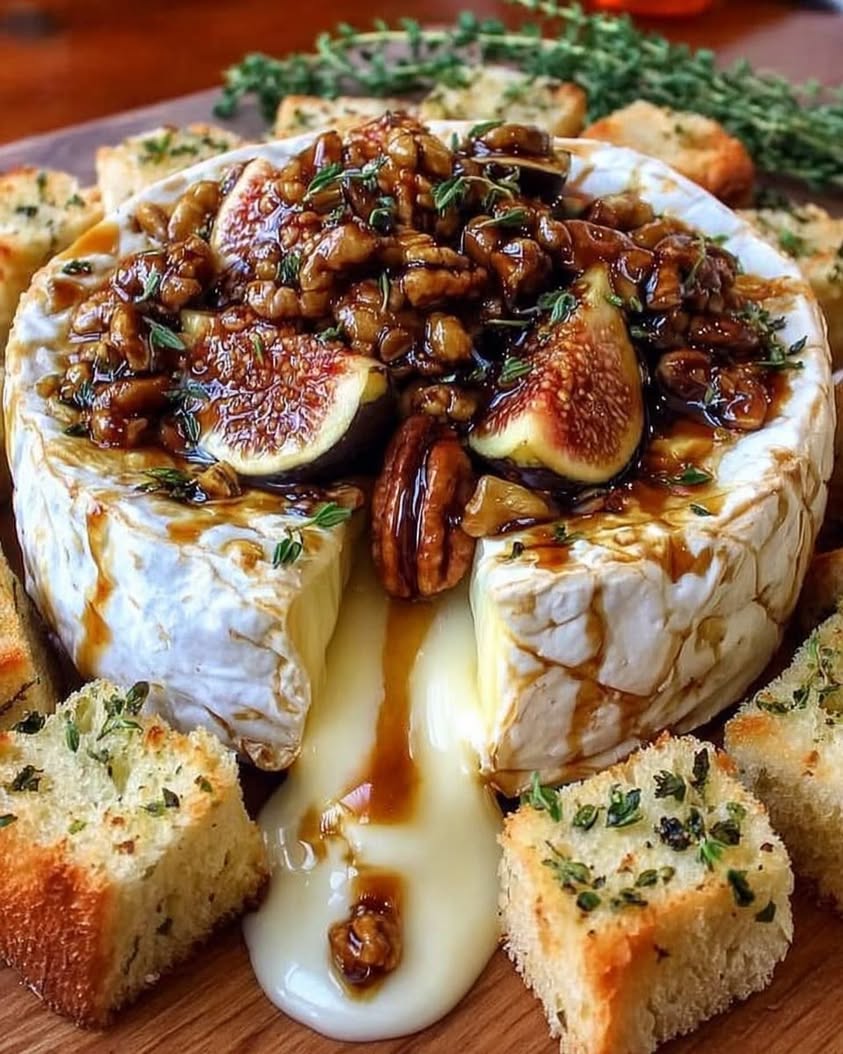
Warm Baked Brie with Figs and Pecans: An Easy Elegant Appetizer
Imagine pulling a golden, bubbling dish from your oven that fills your kitchen with the most incredible aroma of sweet fruit, toasted nuts, and creamy cheese. This Warm Baked Brie with Figs and Pecans delivers exactly that experience, transforming simple ingredients into a show-stopping centerpiece for any gathering. Moreover, it combines luxurious taste with shockingly simple preparation, making you look like a culinary pro with minimal effort. Ultimately, this recipe proves that impressive entertaining doesn’t require complicated techniques or hours in the kitchen.
The magic of this Warm Baked Brie with Figs and Pecans lies in its perfect harmony of textures and flavors. You get the rich, gooey melt of premium brie cheese, the jammy sweetness of fresh figs, and the satisfying crunch of buttery pecans. Additionally, a drizzle of honey and a sprinkle of fresh thyme tie everything together with floral and earthy notes. Consequently, every scoop onto a cracker or slice of baguette becomes a complex and delightful bite. This appetizer reliably wins over guests, whether you’re hosting a holiday party, a casual book club, or a romantic date night at home.
Furthermore, this dish is incredibly versatile. You can easily adapt the toppings based on the season or what you have in your pantry. For instance, while figs offer a unique sweetness, other fruits work beautifully too. The core concept of a warm, baked cheese wheel topped with something sweet and crunchy is endlessly customizable. Therefore, once you master this classic version, you’ll have a foundational recipe for countless future occasions. This Warm Baked Brie with Figs and Pecans is more than just a recipe; it’s your new secret weapon for effortless elegance.
Quick Recipe Highlights
- Flavor Profile: This dish masterfully balances rich, creamy brie with the natural sweetness of figs and the deep, toasted flavor of pecans. A touch of honey adds a floral brightness, while fresh thyme introduces an earthy, aromatic note that cuts through the richness perfectly.
- Texture: The experience begins with the crisp, buttery crunch of the pecans, followed by the soft, jammy give of the baked figs. Finally, your spoon breaks through the baked rind into the luxuriously warm, molten, and velvety-smooth cheese center, creating a perfect textural symphony.
- Aroma: As it bakes, the aroma of melting dairy and toasting nuts will waft through your kitchen. The scent of caramelizing fig jam and warm honey mingles with the subtle, herbal fragrance of thyme, creating an irresistible olfactory preview of the deliciousness to come.
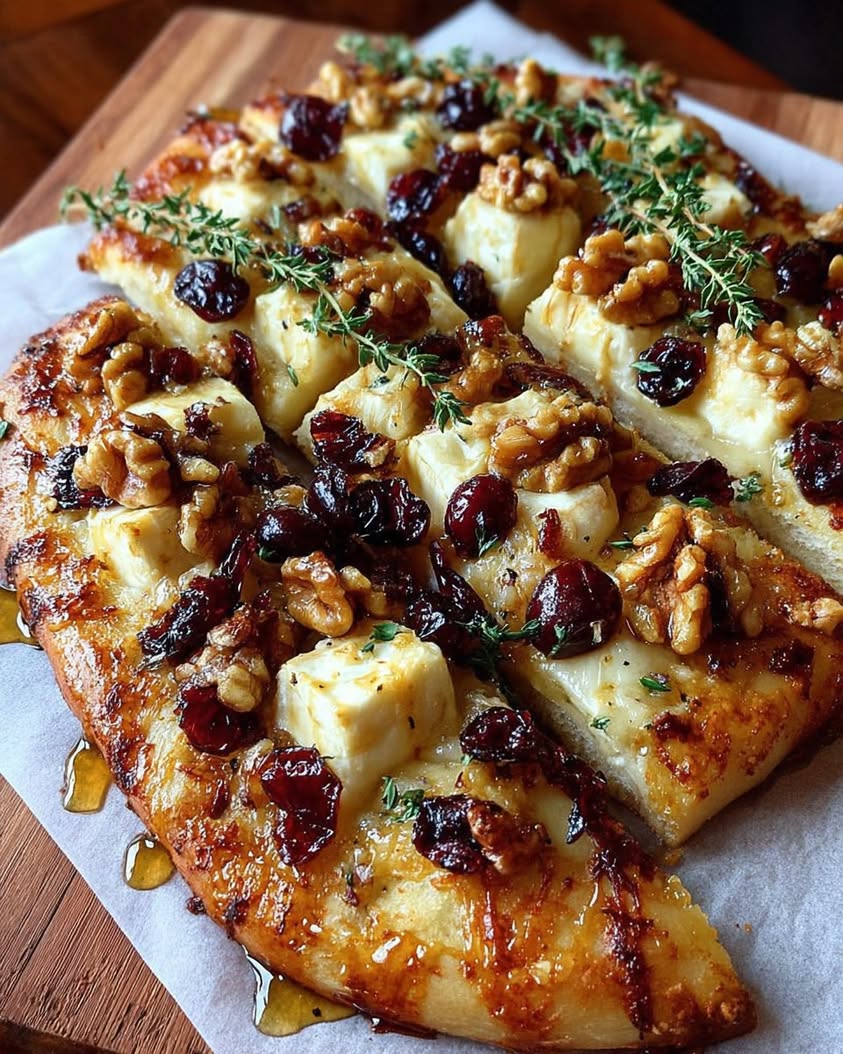
- Visual Appeal: The presentation is stunning, with the golden-brown cheese wheel topped with vibrant purple fig halves and toasted pecan pieces. The green flecks of thyme and glossy honey drizzle add beautiful color contrast, making it a true centerpiece on any appetizer table.
- Skill Level Needed: This is a beginner-friendly recipe requiring no advanced techniques. Essentially, you need only to slice, arrange, and bake. The oven does most of the work, transforming the components into a cohesive, elegant dish with minimal hands-on effort from you.
- Special Equipment: You need only a small baking dish or a parchment-lined baking sheet. A sharp knife for slicing the figs and scoring the brie is helpful. Otherwise, no special tools are required, making this recipe accessible to every home cook.
Recipe Overview
- Difficulty Level: We rate this Warm Baked Brie with Figs and Pecans as “Easy” because it involves straightforward assembly without any complex cooking methods. There is no fussy dough to make or delicate sauces to emulsify. Simply prepare the toppings, assemble them on the cheese, and bake. Consequently, even a first-time cook can achieve perfect, impressive results.
- Category: This recipe falls squarely into the appetizer or starter category, ideal for sharing. It also beautifully fits into the “entertaining” or “holiday recipes” category. Furthermore, it can serve as a luxurious cheese course at the end of a meal. Its flexibility makes it a valuable addition to your culinary repertoire.
- Cuisine: While brie cheese originates from France, this preparation is a modern, global fusion appetizer. It takes inspiration from French cheese culture and American entertaining style. The use of pecans, a classic Southern U.S. nut, adds a regional twist. Ultimately, it’s a contemporary dish beloved in home kitchens worldwide.
- Cost: This is a moderately priced appetizer. A wheel of good-quality brie represents the main cost. Fresh figs can be seasonal, but dried figs make an excellent, often more affordable, year-round substitute. Pecans, honey, and thyme are typically pantry staples. Therefore, you can create a luxurious-tasting dish without a luxury price tag.
- Season: This Warm Baked Brie with Figs and Pecans shines brightest in the late summer and early fall when fresh figs are at their peak. However, it’s truly a year-round recipe. During winter holidays, it feels festive and cozy. In spring and summer, it pairs wonderfully with lighter wines and outdoor gatherings.
- Occasion: It is perfect for holiday parties, Thanksgiving appetizers, Christmas Eve gatherings, or New Year’s celebrations. It also excels at casual events like game-day parties, book clubs, or girls’ nights. Furthermore, it makes a romantic and simple date-night meal when served with a salad and a good bottle of wine.
Why You’ll Love This Recipe
First and foremost, the taste and texture combination is utterly irresistible. The warm, runny brie cheese provides a rich and creamy base that contrasts perfectly with the sweet, jammy figs and the crunchy, savory pecans. Each element complements the others, creating a bite that is complex yet harmonious. Additionally, the hint of thyme and honey adds layers of aroma and flavor that elevate the entire dish. You will find yourself and your guests going back for “just one more bite” until the entire wheel disappears.
From a practical standpoint, the convenience of this Warm Baked Brie with Figs and Pecans is a major win. The prep time is under ten minutes, involving simple slicing and arranging. After that, the oven handles the rest, freeing you to attend to other dishes or your guests. Moreover, it uses minimal dishes—often just a cutting board, knife, and baking vessel. This simplicity makes it a stress-free choice for hosting, allowing you to enjoy your own party rather than being stuck in the kitchen.
Interestingly, this appetizer also offers some nutritional advantages compared to other rich starters. Brie cheese provides a good source of protein and calcium. Figs are rich in dietary fiber, which aids digestion, and contain essential minerals like potassium and magnesium. Pecans contribute healthy fats, antioxidants, and more fiber. While it is certainly an indulgent treat, it incorporates whole-food ingredients that offer more than just empty calories.
The social and entertaining value of this dish is immense. A wheel of Warm Baked Brie with Figs and Pecans placed at the center of a table acts as a natural gathering point. It encourages sharing and conversation. The dramatic, gooey pull of the cheese as someone takes the first scoop is always a crowd-pleaser. It feels special and celebratory, setting a tone of warmth and generosity for any event. It’s a recipe that creates memorable moments.
Finally, it is cost-effective and accessible. You do not need expensive equipment or rare, imported ingredients. The cheese and figs might be the largest investment, but they create a dish that feels far more luxurious than its actual cost. Furthermore, the recipe is forgiving and adaptable. If you cannot find fresh figs, use a high-quality fig jam or dried figs. Swap pecans for walnuts or almonds. This flexibility ensures you can make a version of this stunning appetizer any time, no matter your grocery store’s inventory.
Historical Background and Cultural Significance
The story of baked brie begins, unsurprisingly, with the cheese itself. Brie originated in the French region of Île-de-France centuries ago, earning the nickname “The Queen of Cheeses.” Historically, people enjoyed it at room temperature to appreciate its full flavor and creamy texture. The concept of heating it likely emerged from the broader French tradition of cooking with cheese, seen in dishes like raclette and tartiflette. Heating brie transforms its texture, making it molten and spreadable, which appealed to modern palates seeking warm, comforting foods.
Culturally, cheese holds a place of honor in French cuisine and social life. The cheese course is a sacred part of a meal. Taking a traditional cheese like brie and baking it with toppings represents a fusion of classic technique and contemporary, globalized tastes. In America, baked brie became a popular entertaining staple in the late 20th century, often featured in gourmet magazines and dinner parties as a symbol of easy sophistication. It bridged the gap between fancy and approachable.
The recipe has evolved significantly from its simple beginnings. Early versions might have involved wrapping brie in puff pastry—a dish known as “Brie en Croûte.” The modern trend, however, leans toward showcasing the cheese itself with artful toppings that complement rather than conceal it. Using toppings like figs and pecans reflects a desire for contrasting textures and a balance of sweet and savory. This evolution mirrors broader food trends that emphasize high-quality, visually appealing ingredients with clean, recognizable flavors.
Regional variations of Warm Baked Brie with Figs and Pecans are endless, which speaks to its adaptability. In the American South, you might find it with pecans and a bourbon-honey glaze. On the West Coast, toppings could include fresh rosemary and apricots. In the fall, cranberries and walnuts are a popular twist. Some versions incorporate spicy elements like jalapeño jelly or a drizzle of hot honey. This ability to absorb local flavors and ingredients has cemented baked brie’s status as a globally inspired, locally customizable classic.
Ingredient Deep Dive
Brie Cheese: Brie is a soft-ripened cow’s milk cheese with a edible, bloomy rind. Historically from France, its creamy interior and mild, buttery flavor make it ideal for baking. When heated, the proteins and fats melt smoothly, creating a luxurious texture. For best results, choose a ripe but not overripe wheel; it should feel slightly soft when gently pressed. Avoid pre-cut wedges, as a whole wheel contains the molten cheese better. If needed, Camembert makes a excellent, more pungent substitute.
Fresh Figs: Figs are one of the oldest cultivated fruits, rich in history and symbolism. They provide a lush, honey-like sweetness and soft texture when baked. Nutritionally, they are a good source of fiber, potassium, and calcium. Select figs that are plump, soft to the touch, and unbruised. They are highly perishable, so use them within a day or two of purchase. If fresh figs are unavailable, rehydrate dried figs in warm water or use a high-quality fig jam as a superb alternative.
Pecans: Native to North America, pecans are a staple in Southern cooking and add a buttery crunch and toasty flavor. They are rich in monounsaturated fats, antioxidants, and vitamins. Toasting them before use is crucial; it deepens their flavor and improves texture. Always buy pecans in small quantities from a source with high turnover to ensure freshness, as their high fat content can lead to rancidity. Store them in the freezer for long-term freshness. Walnuts or almonds can be used in their place.
Honey: Honey acts as the natural sweetener that glazes the toppings and enhances the caramelization. Its floral notes complement the figs and thyme beautifully. Use a mild, runny honey like clover or orange blossom. For a more complex flavor, try a darker honey like buckwheat. Honey also has natural preservative qualities. If you prefer, pure maple syrup makes a fine vegan-friendly substitute with a different, but equally delicious, flavor profile.
Fresh Thyme: This aromatic herb provides the essential earthy, slightly floral note that balances the dish’s richness. Fresh thyme is far superior to dried here, as its delicate leaves retain their flavor during the short bake time. Simply strip the leaves from the woody stems by running your fingers down the stem. If you must substitute, fresh rosemary (used sparingly) can work, but it will impart a stronger, more pine-like flavor.
Common Mistakes to Avoid
- Using an Overripe or Underripe Brie: An overripe brie can become too runny and lose its shape, while an underripe one won’t melt properly. Aim for a wheel that yields gently to pressure. Check the date on the package and choose one that is perfectly ripe for the best molten center.
- Skipping the Toasting of the Pecans: Raw pecans lack depth and can taste bland or slightly bitter. Toasting them in a dry skillet for a few minutes until fragrant is a non-negotiable step. This process unlocks their natural oils and maximizes their buttery, rich flavor in the final dish.
- Overbaking the Cheese: The goal is a warm, gooey center, not a separated, oily puddle. Bake just until the cheese is soft to the touch and the toppings are bubbly, usually 12-15 minutes. Overbaking can cause the cheese fats to separate, resulting in a greasy texture instead of a creamy one.
- Not Scoring the Brie Top: Forgetting to lightly score the top rind of the brie with a knife is a small misstep with big consequences. Scoring helps the toppings adhere and allows heat to penetrate more evenly. It also makes serving easier, as guests can scoop through the scored lines.
- Using Dried Herbs Instead of Fresh: Dried thyme lacks the bright, aromatic quality of fresh and can taste dusty. The short baking time is perfect for fresh herbs. If you only have dried, use about one-third the amount and consider adding it to the honey first to rehydrate slightly.
- Placing Toppings Too Early or Incorrectly: If you assemble the dish too far in advance, the honey can make the pecans soggy. Assemble just before baking. Also, press the fig halves and pecans gently into the cheese so they don’t roll off when served.
- Serving Directly from a Hot Baking Dish: The cheese will continue to melt and become runnier for a few minutes after leaving the oven. Let it rest for 5 minutes on a trivet or board. This brief rest allows the cheese to set slightly for easier scooping and prevents burnt mouths.
- Choosing the Wrong Accompaniments: Delicate, buttery crackers or a thinly sliced baguette are ideal. Avoid strongly flavored or seeded crackers that can compete with the subtle flavors of the brie, figs, and pecans. The accompaniment should be a vehicle, not a distraction.
Essential Techniques
Toasting Nuts: Toasting pecans is essential for developing flavor. Spread raw pecan pieces in a single layer in a dry skillet over medium heat. Cook, shaking the pan frequently, for 3-5 minutes until they become fragrant and slightly darker. Watch them closely, as they can burn quickly. The visual cue for success is a deepened color and a rich, nutty aroma. This simple step transforms them from bland to buttery and is a technique used in countless recipes.
Scoring Cheese: Scoring the top rind of the brie serves multiple purposes. Use a sharp paring knife to make shallow cuts in a crosshatch or simple “X” pattern, being careful not to cut all the way through the wheel. This allows steam to escape, prevents the top from bursting, and helps the toppings adhere. It also creates guide marks for serving. The key is to be gentle; you only want to penetrate the rind, not deeply into the soft cheese beneath.
Baking for Perfect Melt: The goal is to heat the cheese until the center is molten while maintaining its structure. Bake in a preheated oven at 350°F (175°C) on a parchment-lined sheet or in a small dish. The cheese is done when the toppings are bubbly and the wheel feels very soft when gently pressed in the center, usually 12-15 minutes. The visual cue is a slight oozing from the scored lines. Remember, carryover heat will continue the melting process.
Pro Tips for Perfect Warm Baked Brie with Figs and Pecans
First, always bring your brie to room temperature for about 30 minutes before baking. This ensures even melting from edge to center, preventing a scenario where the outside is lava-hot while the middle is still cool and firm.
For easier serving and cleanup, bake your brie on a piece of parchment paper. You can then slide the entire parchment with the cheese onto a serving board, leaving any sticky drips behind on the baking sheet.
If your fresh figs are very ripe and soft, consider adding them to the brie halfway through the baking time. This prevents them from becoming too mushy or burning on top while the cheese heats through.
For a more complex flavor, infuse your honey before drizzling. Warm the honey gently with the thyme sprigs for a few minutes, then let it steep. Strain and use this thyme-infused honey for an extra layer of herbal aroma.
Add a pinch of flaky sea salt over the top after baking. The salty crunch provides a fantastic contrast to the sweet honey and rich cheese, elevating all the other flavors in the dish.
If you want a more caramelized top, place the assembled brie under the broiler for the final 1-2 minutes of cooking. Watch it incessantly to prevent burning, as the sugar in the honey and figs can char quickly.
For a festive touch, sprinkle a few pomegranate arils over the baked brie just before serving. Their juicy pop and vibrant red color add a beautiful holiday feel and a burst of tart freshness.
Variations and Adaptations
Regional Variations: Across different areas, local ingredients inspire unique twists. In the Pacific Northwest, try topping your Warm Baked Brie with hazelnuts and blackberry jam. For a Southern version, use pecans with a bourbon-and-brown-sugar glaze. A Mediterranean spin could include sun-dried tomatoes, Kalamata olives, and oregano instead of the sweet toppings, creating a savory masterpiece.
Seasonal Adaptations: Adapt this recipe to any season. In winter, use cranberry sauce and orange zest. For spring, try fresh strawberries and basil with a balsamic reduction. Summer welcomes peaches and blueberries with mint. In autumn, apples, walnuts, and a sprinkle of cinnamon are perfect. This flexibility makes it a year-round favorite.
Dietary Modifications: For a vegan version, use a high-quality vegan brie alternative and maple syrup instead of honey. Make it gluten-free by serving with gluten-free crackers or vegetable crudités. To reduce sugar, omit the honey and rely on the natural sweetness of very ripe figs, adding a sprinkle of cinnamon for depth.
Flavor Variations: Experiment with different flavor profiles. Add heat with a drizzle of spicy chili crisp or hot honey. For an earthy twist, use wild mushrooms sautéed with garlic in place of figs. A sweet and salty combo can be achieved with crispy prosciutto bits and a date paste.
Texture Modifications: If you prefer more texture, add a layer of crunchy breadcrumbs mixed with the chopped nuts on top before baking. For a smoother experience, blend the figs into a quick jam before spooning them over the cheese. Both methods change the mouthfeel while keeping the core flavors intact.
Presentation Alternatives: Instead of a full wheel, use individual brie rounds or even brie bites for a passed appetizer. You can also deconstruct the dish: serve a bowl of warm fig-pecan compote alongside a room-temperature brie wheel, allowing guests to build their own bites. This is excellent for buffets.
Serving and Presentation Guide
Plating is key for this stunning appetizer. Transfer the baked brie to a wooden cutting board, a slate cheese board, or a decorative ceramic platter. The rustic background makes the golden cheese and colorful toppings pop. Place the board in the center of your table with spreading knives and accompaniments arranged around it. This encourages a communal, interactive eating experience.
Garnishing adds the final touch of freshness and color. Beyond the baked thyme, scatter a few extra fresh thyme sprigs or tiny edible flowers around the board. A final light drizzle of honey just before serving adds glossy visual appeal. A small bowl of extra toasted pecans on the side allows guests to add more crunch.
Traditional accompaniments include simple, neutral vehicles that won’t overpower the cheese. A thinly sliced and lightly toasted baguette is classic. Plain water crackers, crisp apple slices, or pear slices are also excellent choices. The slight acidity and crunch of apple and pear provide a wonderful contrast to the rich, warm cheese.
For a modern twist, offer a variety of dippers. Include endive leaves for a low-carb option, pretzel crisps for saltiness, or even sturdy root vegetable chips. Providing a mix allows guests to customize their experience and adds visual variety to your spread.
Temperature is crucial. Serve the Warm Baked Brie with Figs and Pecans immediately after its brief rest. The cheese should be warm and spreadable, not hot and liquid or cool and firm. If it sits too long and begins to firm up, you can briefly return it to a warm oven for a few minutes to re-melt.
Portion control is managed by the nature of the dish. One 8-ounce wheel typically serves 6-8 people as part of a larger appetizer spread. If it is the main appetizer, plan for it to serve 4-6. Provide a few spreading knives to avoid a bottleneck and encourage everyone to dig in.
Wine and Beverage Pairing
Wine pairings for this dish should complement its rich, sweet, and savory notes. A slightly sweet white wine like a Riesling or Gewürztraminer is fantastic; their acidity cuts through the fat, and their fruitiness mirrors the figs. A light-bodied Pinot Noir or a fruity Beaujolais also works beautifully, as their low tannins won’t clash with the cheese. For a celebratory touch, sparkling wines like Champagne or Prosecco provide cleansing bubbles that refresh the palate between bites.
Non-alcoholic alternatives can be just as thoughtful. A sparkling apple cider offers sweet acidity. A honey-ginger lemonade mimics the sweet and herbal notes on the plate. For a more sophisticated option, a non-alcoholic sparkling rosé or a tart cranberry spritzer provides complexity without the alcohol, ensuring all guests can enjoy a perfect pairing.
While not traditional, coffee and tea can be surprising and delightful partners. A medium-roast coffee with nutty or chocolatey notes complements the toasted pecans and rich cheese. For tea, choose a black tea like Earl Grey, whose bergamot citrus notes cut through richness, or a spiced chai that echoes the warm, autumnal flavors of the dish.
Always consider serving temperature. Serve white and sparkling wines well-chilled. Red wines should be slightly cooler than room temperature. Non-alcoholic sparkling drinks should also be served cold. This contrast between the cool beverage and the warm cheese is part of the pleasure.
Presentation of beverages matters too. Offer wines in appropriate glassware and non-alcoholic options in attractive pitchers or bottles with glasses. Labeling your pairings on small cards can be a fun and informative touch for your guests, sparking conversation about the flavor harmonies you’ve created.
Storage and Shelf Life
Storing leftovers of Warm Baked Brie with Figs and Pecans requires careful handling. First, let any uneaten portion cool completely to room temperature. Then, carefully transfer it to an airtight container. You can store it in the refrigerator for up to 2-3 days. The texture will change upon refrigeration, with the cheese solidifying and the toppings becoming softer.
Temperature requirements are straightforward: always refrigerate leftovers promptly. Do not leave the baked cheese at room temperature for more than two hours, as dairy products can spoil quickly. When storing, keep the container in the main body of the refrigerator, not in the door, where temperatures fluctuate more.
For containers, choose glass or hard plastic with a tight-sealing lid. This prevents odors from permeating the cheese and keeps moisture levels stable. If the brie was baked on parchment, you can lift the parchment and cheese together into the container to minimize mess.
Signs of spoilage include an off or sour smell, visible mold growth (different from the white rind), or an excessively slimy texture. If the cheese develops an ammonia-like odor, it is overripe and should be discarded. When in doubt, it is safest to throw it out.
Reheating instructions are specific. To restore a gooey texture, reheat refrigerated brie in a preheated oven at 300°F (150°C) for 8-12 minutes, until warmed through. Avoid the microwave, as it will heat unevenly and can cause the cheese to separate into a greasy mess. The oven method is slower but preserves texture best.
Freezing is not recommended for the fully assembled and baked dish. The cheese’s texture will become grainy and separate upon thawing. The figs will become mushy. It is best enjoyed fresh. However, you can freeze the individual components (like toasted pecans) separately for future use.
Make Ahead Strategies
You can execute several components ahead of time to streamline your party day. Toast the pecans up to 3 days in advance. Store them in an airtight container at room temperature. This step saves time and deepens their flavor. You can also wash and dry the figs a day ahead, storing them whole in a single layer in the fridge.
For the timeline, do your nut toasting and fig washing 1-2 days before. On the day of your event, simply slice the figs, score the brie, and assemble the entire dish. This means the active work on party day is just 5-10 minutes before the dish goes into the oven.
Storage between steps is simple. Keep pre-toasted nuts at room temperature. Keep pre-washed figs in the refrigerator in a container lined with a paper towel to absorb excess moisture. Do not slice the figs until you are ready to assemble, as they can dry out or brown.
Assessing quality impact is important. Pre-toasting nuts improves flavor. Pre-washing figs has no negative impact. However, assembling the entire dish hours in advance is not advised, as the honey will make the pecans soggy and the moisture from the figs can start to soften the rind. Assembly is a last-minute task.
For assembly tips, have all your prepped ingredients lined up. Score the brie on its parchment paper on the baking sheet. Arrange the figs and pecans, drizzle with honey, and sprinkle with thyme. You can then hold the prepared, unbaked sheet in the refrigerator for up to 30 minutes if you need to step away before baking.
If you must reheat a fully baked dish, follow the oven reheating instructions above. For best results, add a few fresh thyme leaves and a new drizzle of honey after reheating to refresh the flavors and appearance, mimicking a freshly made dish.
Scaling Instructions
Halving the recipe is simple for a smaller gathering. Use a 4-ounce mini brie wheel. Halve the quantities of figs, pecans, and honey. The baking time will be slightly shorter, around 8-10 minutes. Watch for the same visual cues: soft cheese and bubbly toppings. This is perfect for a romantic dinner for two.
Doubling or tripling for a crowd is easy. Use multiple wheels of brie on a large baking sheet. Keep space between them for even heating. Increase the topping quantities proportionally. The baking time may need a slight increase of 2-3 minutes, but monitor each wheel individually, as oven hotspots can affect them differently.
Equipment adjustments are necessary when scaling. For multiple wheels, use a large, rimmed baking sheet lined with parchment. Ensure your oven racks are positioned to allow for proper air circulation around the dishes. You may need to bake in batches if your oven cannot accommodate a large sheet, though assembling all at once and baking in succession works well.
Timing modifications are minimal. Prep time scales linearly—more wheels mean more slicing. Baking time increases only slightly for multiple wheels on one sheet. If baking in batches, keep the assembled, unbaked wheels in the refrigerator until their turn in the oven to prevent the brie from becoming too soft.
Storage considerations for leftovers remain the same per wheel. If you have multiple leftover wheels, store each in its own container. Reheat them individually for best results. Planning for leftovers when scaling up is wise; this dish reheats well, making excellent next-day snacks.
Nutritional Deep Dive
A serving of Warm Baked Brie with Figs and Pecans provides a balance of macronutrients. The brie contributes protein and fat, specifically saturated fat. The figs offer carbohydrates, primarily in the form of natural sugars and dietary fiber. The pecans add more healthy fats, along with a small amount of protein. Honey adds simple carbohydrates. This combination provides sustained energy from the fats and fiber, with a quick energy boost from the natural sugars.
The micronutrient profile is noteworthy. Brie is an excellent source of calcium and vitamin B12. Figs provide potassium, magnesium, and vitamin K. Pecans are rich in manganese, copper, and zinc, as well as antioxidants like vitamin E. Thyme offers small amounts of vitamin C and iron. Together, they contribute to bone health, immune function, and antioxidant protection.
Health benefits are tied to these nutrients. The calcium supports bone density. The fiber from figs and pecans promotes digestive health and helps regulate blood sugar spikes. The monounsaturated fats in pecans are heart-healthy. The antioxidants combat oxidative stress. Enjoying this as part of a balanced diet allows you to indulge while still intaking beneficial nutrients.
Dietary considerations are important for some. The dish contains dairy (brie) and tree nuts (pecans), two common allergens. It is not suitable for vegan, paleo, or low-fat diets in its classic form. However, with the adaptations mentioned earlier, it can be modified to fit many dietary needs without sacrificing the core experience.
Portion analysis is key to enjoyment. A typical serving is about one-sixth of an 8-ounce wheel with toppings. This is a rich appetizer, so a small portion is satisfying. Being mindful of portion size allows you to enjoy the luxurious flavors without overindulging, especially when served alongside other lighter items like fresh vegetables or a salad.
For weight management, focus on the portion size and the quality of accompaniments. Pair a sensible serving with apple slices or endive leaves instead of buttery crackers. The protein and fat in the cheese and nuts promote satiety, which can help prevent overeating later. Enjoy it as a deliberate treat within your overall dietary pattern.
Dietary Adaptations
Gluten-Free: This recipe is naturally gluten-free as written. The critical adaptation lies in the accompaniments. Serve with gluten-free crackers, sliced gluten-free bread, or vegetable crudités. Always check labels on pre-packaged items like honey or nuts for “processed in a facility” warnings if cross-contamination is a severe concern.
Dairy-Free/Vegan: Use a high-quality vegan brie alternative made from cashews or coconut oil. Brands are improving rapidly. Substitute the honey with pure maple syrup or agave nectar to keep it vegan. Ensure your vegan cheese melts well by checking reviews; some may require a slightly different baking time. The figs and pecans remain perfect.
Low-Carb/Keto: For a keto version, omit the figs and honey, as their sugar content is high. Replace them with low-carb berries like raspberries or blackberries in moderation. Increase the pecans for fat. You could also use a sugar-free berry syrup sparingly for sweetness. Serve with keto-friendly crackers or celery sticks.
Paleo: The main issue is the dairy-based brie. Omit it and create a “deconstructed” bowl of toasted pecans, fresh figs, and a drizzle of honey, perhaps with a sprinkle of cinnamon. For a cheese-like element, a dollop of thick, unsweetened coconut cream could provide richness, though the texture will differ.
Low-FODMAP: Brie cheese is generally low-FODMAP in servings of 40g or less. Stick to a small portion. Replace figs with a low-FODMAP fruit like strawberries or a small amount of orange segments. Use maple syrup instead of honey. Pecans are low-FODMAP in moderate amounts (about 10 halves).
Troubleshooting Guide
Texture Issues (Greasy or Separated Cheese): This is caused by overbaking. The fats in the cheese melt out. Solution: Bake for less time next time. For salvage, if it’s only slightly greasy, blot the surface gently with a paper towel and serve immediately. The flavor will still be good, though the texture is less creamy.
Flavor Balance (Too Sweet or Too Bland): If too sweet, you may have used very sweet figs or too much honey. Balance it with a generous pinch of flaky salt after baking and serve with plain, salty crackers. If too bland, the brie may be underripe or the nuts untoasted. Add a drizzle of high-quality balsamic glaze for acidity and depth.
Temperature Problems (Center Not Melted): This happens if the oven wasn’t fully preheated, the brie was too cold, or baking time was insufficient. Solution: Return it to the oven for 3-5 minute increments until soft. Prevent it by using room-temperature brie and verifying your oven temperature with a thermometer.