Warm Baked Brie with Figs and Pecans: The Perfect Easy Holiday Appetizer
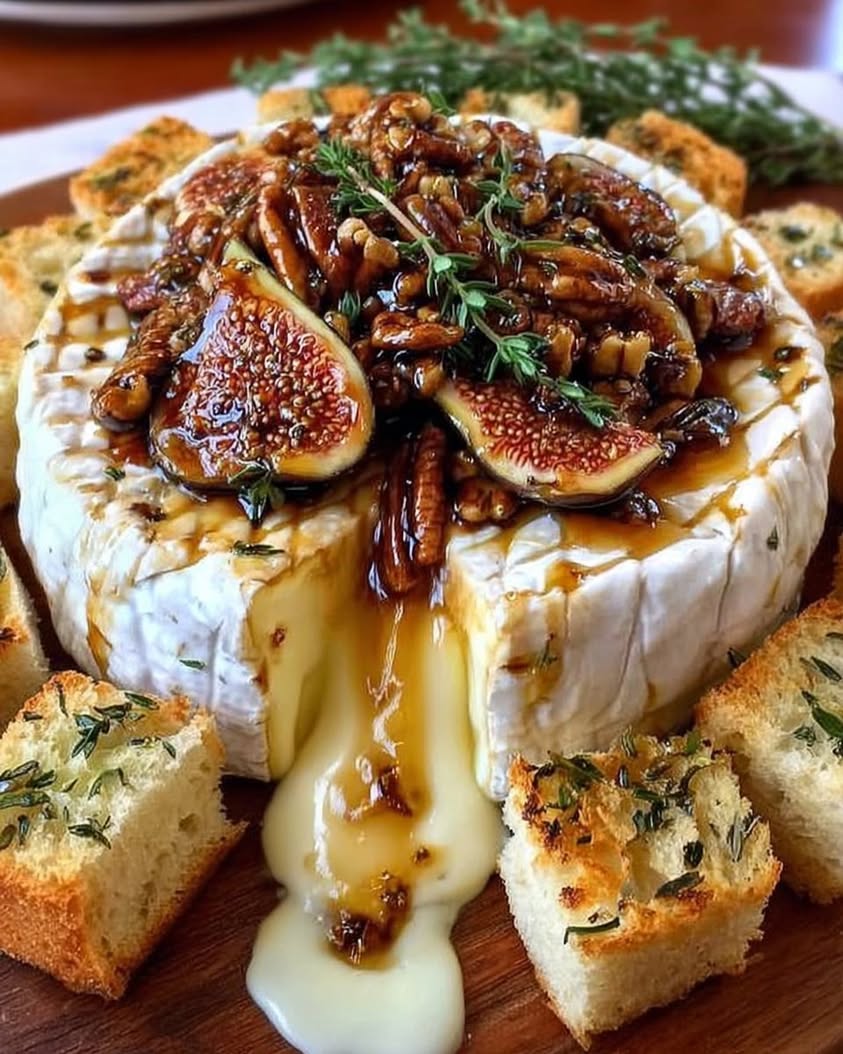
This Warm Baked Brie with Figs and Pecans is the perfect easy holiday appetizer that will steal the show at any gathering. Imagine a creamy, gooey wheel of brie cheese, baked until it is irresistibly soft and melty. Then, you top that warm cheese with a sweet and sticky fig jam and a generous sprinkle of crunchy toasted pecans. The combination of flavors is simply divine. You get the rich, buttery taste of the brie, the natural sweetness of the figs, and the nutty crunch of the pecans. It is a symphony of textures and tastes that feels fancy but is surprisingly simple to make.
When you serve this warm baked brie, you are offering your guests an experience. The moment you set it on the table, the aroma of warm cheese and sweet figs fills the room. People cannot resist dipping a crisp cracker or a slice of crusty bread into that molten center. This dish is a true crowd-pleaser, perfect for holiday parties, family get-togethers, or even a cozy night in. Because you only need a few ingredients and about 25 minutes, you can focus on enjoying your company rather than slaving away in the kitchen. Let us dive into why this recipe is a game-changer for your next event.
What makes this warm baked brie with figs and pecans so special is its perfect balance of flavors and textures. The creamy brie provides a luxurious base, while the fig jam adds a fruity sweetness that cuts through the richness. Chopped pecans bring a satisfying crunch and a slightly earthy, toasted flavor. A drizzle of honey or a sprig of fresh rosemary can elevate it even further, but the core combination is already a winner. You get a little bit of everything in every bite, making it an unforgettable appetizer. It truly is the perfect easy holiday appetizer for any occasion.
Quick Recipe Highlights
- Flavor Profile: This warm baked brie offers a fantastic balance of rich, savory cheese with sweet fig jam and nutty, toasted pecans. The result is a deliciously complex flavor that is both familiar and exciting.
- Texture: The texture is a wonderful contrast. You have the ultra-creamy, molten brie on the inside, the sticky, dense fig jam on top, and the crunchy, brittle pecans throughout. Every spoonful provides a new sensation.
- Aroma: As the brie bakes, your kitchen will fill with the warm, buttery scent of melting cheese. The fig jam adds a sweet, fruity perfume, which is complemented by the toasty, nutty aroma of the pecans.
- Visual Appeal: This dish is visually stunning. The golden, baked brie wheel sits in the center, topped with a dark, glossy layer of fig jam and sprinkled with lighter, toasted pecan pieces. It looks elegant and inviting on any serving board.
- Skill Level Needed: You do not need any special cooking skills for this recipe. If you can slice a few ingredients and turn on an oven, you can make this warm baked brie. It is incredibly forgiving and beginner-friendly.
- Special Equipment: You just need a small baking dish or a cast iron skillet. A sharp knife for scoring the brie and a serving platter or wooden board are also helpful but not strictly necessary for the baking process.
Recipe Overview
- Difficulty Level: This is an easy recipe, perfect for both novice cooks and experienced entertainers. There are no complicated techniques, no precise temperatures to hit, and very little active prep time. The hardest part is waiting for it to bake. That simplicity makes it a go-to for stress-free entertaining.
- Category: This is unquestionably an appetizer, designed to be shared before a main course. However, it can also work as a light lunch or a decadent snack. It fits perfectly into a tapas-style meal or as part of a larger appetizer spread for a party.
- Cuisine: While brie is a French cheese, this preparation style feels very American, especially for holiday entertaining. The combination of baked cheese with sweet and savory toppings is a modern classic in the United States. It draws on French technique with a contemporary, flavor-forward twist.
- Cost: This recipe is surprisingly affordable for how elegant it looks. A small wheel of brie is very reasonable, especially when bought in bulk or on sale. Fig jam and pecans can be pantry staples, and you only need a small amount of each. It is a high-impact dish for a low cost.
- Season: This warm baked brie is perfect for the fall and winter holiday season. Figs and pecans are both autumn harvest ingredients, and the warm, comforting nature of the dish is ideal for cooler weather. It is a staple for Thanksgiving, Christmas, and New Year’s Eve parties.
- Occasion: This dish is ideal for almost any social gathering. It works beautifully for holiday parties, game day spreads, potlucks, birthday celebrations, and even romantic date nights at home. It feels special enough for a formal dinner yet casual enough for a weeknight treat.
Why You’ll Love This Recipe
First, the taste and texture are absolutely phenomenal. You get the rich, creamy, and slightly tangy flavor of the warm brie, which is perfectly balanced by the sweet, sticky fig jam. Then, the toasted pecans add a warm, nutty flavor and a wonderful crunch that prevents the dish from feeling one-note. Each bite is a beautiful contrast of smooth and crunchy, savory and sweet. This flavor profile is universally appealing, making it a hit with guests of all ages. It is a guaranteed crowd-pleaser that will have everyone coming back for more.
Second, the convenience of this recipe is unbeatable. You can have this stunning appetizer on the table in about 25 minutes, with only 10 minutes of active prep time. There is no complicated baking, no intricate layering, and no hard-to-find ingredients. Just score the brie, top it with jam and pecans, and bake. For busy hosts, this ease of preparation is a lifesaver. You can spend more time with your guests and less time in the kitchen, which is the real secret to successful entertaining.
Third, this warm baked brie has some nutritional advantages, especially when compared to other heavy appetizers. Brie is a good source of calcium and protein, and it contains healthy fats that can keep you feeling full and satisfied. Figs are packed with fiber and antioxidants, and pecans are rich in heart-healthy monounsaturated fats and vitamins. While it is still a treat, you can feel a bit better about indulging in a dish that offers some nutritional value beyond empty calories.
Fourth, the social and entertaining value of this dish is immense. It is a showstopper that creates a beautiful centerpiece for any appetizer table. When you bring it out, it naturally draws people in and encourages conversation and sharing. Dipping crackers into the warm, gooey cheese is a communal, interactive experience that sets a relaxed and festive tone for the party. It is a fantastic icebreaker and a guaranteed conversation starter, making it ideal for gatherings where guests may not all know each other.
Finally, this recipe is incredibly cost-effective and uses accessible ingredients. A whole wheel of brie is much cheaper than many other cheese options, and a small jar of fig jam will last you for many meals. Pecans can be bought in bulk and stored in the freezer. You likely have the few other ingredients, such as honey or rosemary, already in your pantry. This high-impact dish delivers an elegant, restaurant-quality appetizer for a fraction of the cost, making it a smart choice for budget-conscious entertainers.
Historical Background and Cultural Significance
The story of brie cheese itself begins in the historical region of Brie in northern France. This soft, creamy cheese has been produced there for centuries, with records of its existence dating back to the Middle Ages. It was often referred to as the King of Cheeses and was a favorite among French royalty. The traditional method of making brie involves using raw, unpasteurized cow’s milk and a special mold culture that gives it its distinctive white, edible rind and its creamy, runny interior when ripe.
The cultural importance of brie in France is immense. It is a cornerstone of French gastronomy and is often enjoyed as part of a cheese course after the main meal. Serving a wheel of brie, whole or baked, is a gesture of hospitality and abundance. In the United States, brie has become a symbol of elegant, sophisticated entertaining. Baking it, however, is a distinctly American culinary innovation that has made the cheese more accessible and approachable for the average home cook.
The evolution of the warm baked brie recipe is a testament to American culinary creativity. While baked cheese dishes have existed in various cultures for centuries, the specific combination of a whole brie wheel with sweet and savory toppings became popular in the 1980s and 1990s. Cookbooks and magazines started featuring recipes that paired the brie with fruits like figs, apples, or cranberries, and nuts like walnuts or pecans. This modern twist transformed a simple cheese into a dazzling, shareable appetizer.
Regional variations of this dish are abundant. In the Pacific Northwest, you might see it topped with local blackberry jam and hazelnuts. In the South, a pecan and bourbon caramel topping is a popular choice. In the Northeast, a touch of maple syrup and dried cranberries offers a seasonal flavor. These adaptations show how a versatile base recipe can be customized to reflect local ingredients and palates, solidifying the warm baked brie with figs and pecans as a beloved American classic.
Ingredient Deep Dive
Brie cheese is the star of this show, and its history is deeply rooted in French culture. It is a soft-ripened cheese, meaning it is aged for a relatively short time, allowing its interior to become creamy and spreadable. The white, bloomy rind is edible and adds a subtle, earthy flavor. Nutritionally, brie provides a good amount of protein and calcium, along with beneficial bacteria for gut health. When you are selecting a brie wheel for this recipe, look for one that feels slightly heavy for its size and has a uniform, white rind without any dark spots or cracks. The cheese should yield slightly to gentle pressure, indicating it is ripe and ready to bake. For storage, keep it wrapped in its original paper or cheese paper in the refrigerator. It will stay fresh for several days. If you cannot find a full wheel, you can use brie slices, but they will not have the same dramatic presentation.
Fig jam is the primary sweet element in this warm baked brie. Figs have a long and storied history, being one of the oldest cultivated fruits in the world, revered in Mediterranean and Middle Eastern cultures for their sweetness and nutritional value. They are an excellent source of dietary fiber, potassium, and calcium. Fig jam provides a concentrated, syrupy sweetness with a hint of floral and berry notes that pairs perfectly with the salty cheese. When selecting a fig jam or preserves, look for a quality brand with a high fruit content and a deep, dark color. You can find it in most grocery stores, especially near the jams and jellies or gourmet cheese section. Once opened, store the jar in the refrigerator. If you cannot find fig jam, you can substitute it with other fruit preserves like apricot, raspberry, or a fig and walnut spread, but the flavor will change slightly.
Pecans are the final quintessential ingredient, adding a crucial nutty crunch and visual appeal. Pecans are native to North America and have a rich cultural history with indigenous peoples, particularly in the South and Midwest. They are packed with healthy monounsaturated fats, antioxidants, and various vitamins and minerals like magnesium and vitamin E. For this recipe, raw, whole pecans are best. You will roughly chop them to ensure even distribution. Toasting them briefly in a dry skillet or in the oven will deepen their flavor and make them even crunchier, though it is not a required step. Store pecans in an airtight container in the freezer to keep them fresh and prevent them from going rancid. You can substitute pecans with walnuts, almonds, or even pistachios for a different flavor and texture.
Common Mistakes to Avoid
- Do not overbake the brie. Overbaking will cause the cheese to become tough and rubbery, and it will lose its creamy, gooey texture. You only want to bake it until it is just soft and starting to melt in the center.
- Do not use a brie that is too cold. Baking a brie straight from the refrigerator can cause it to cook unevenly. For best results, let it sit at room temperature for about 15-20 minutes before you pop it in the oven.
- Do not forget to score the rind. Scoring the top of the brie, meaning you make shallow cuts in the rind, allows the heat to penetrate more evenly and helps the cheese to melt properly. It also prevents the brie from exploding in the oven.
- Avoid using a baking dish that is too large. You want the brie to be snug in its dish. A large dish will allow the cheese to spread out too much as it melts, creating a thin, flat puddle rather than a thick, gooey wheel.
- Do not skip the fig jam. The jam is a critical component for flavor and moisture. Without it, the brie will be dry and lack the sweet counterbalance to the rich cheese that makes this dish so addictive.
- Avoid overcrowding the serving board. When you serve the warm baked brie, leave plenty of room around the dish for crackers, bread, and other accompaniments. An overcrowded board can make it difficult for guests to dip.
- Do not use pre-chopped or roasted pecans. Pre-chopped pecans can be dry and lose their flavor. Toasting them yourself, if you have time, will give you a much better, fresher crunch and a deeper nutty flavor.
- Avoid serving it too hot. Let the baked brie rest for a few minutes after it comes out of the oven. This allows the cheese to set slightly, making it easier to handle and less likely to burn mouths.
- Do not use a low-quality brie. For the best flavor, choose a good-quality brie, preferably from a reputable brand or from a local cheese shop. A poorly made brie can be waxy or bland.
- Avoid mixing the jam and pecans before baking. It is better to layer the jam first and then sprinkle the pecans on top. This ensures the jam stays sticky and the pecans stay crunchy on the surface.
Essential Techniques
The first essential technique is scoring the brie rind. This is not a complicated task, but it is crucial for even melting and to prevent a mess in the oven. Using a sharp paring knife, you will make a shallow cut, about a quarter of an inch deep, in a crosshatch pattern on the top rind of the brie wheel. Do not cut all the way through the cheese. The goal is to break the surface tension of the rind. If you skip this step, the brie can puff up unevenly, and the interior may not melt as uniformly. A good visual cue is that you want to see a grid of shallow lines on the top surface. If you see the cheese starting to push up through the cuts as it bakes, you have done it correctly.
Another key technique is properly layering the toppings. You should first spread a generous layer of fig jam over the scored top of the brie. This layer acts as both a flavor base and a protective barrier, preventing the cheese from drying out during baking. Then, you will sprinkle the chopped pecans evenly over the jam. This layering ensures that the jam stays in contact with the cheese, allowing their flavors to meld during baking. The pecans on top will toast in the oven, becoming fragrant and crunchy. If you mix the jam and pecans together first, the pecans will not toast as well, and the jam can become too integrated into the cheese. The visual cue is a beautiful, two-toned layer of dark jam and light pecans.
The final essential technique is knowing when the brie is perfectly baked. Overbaking is the most common error. You are not looking for the brie to become a boiling liquid. Instead, you want it to be warm and just beginning to melt in the center. A good test is to gently press the top of the brie with a spoon or your finger (be careful, it will be hot). It should feel very soft and yield easily. You will also start to see small pools of melted cheese forming around the edges of the dish. This usually takes about 10-15 minutes in a 350°F oven. Once you see these signs, take it out immediately. The cheese will continue to cook slightly from the residual heat of the dish, so pulling it on time is critical for that perfect, gooey texture.
Pro Tips for Perfect Warm Baked Brie with Figs and Pecans
For the best flavor, always choose a high-quality brie from a reputable source. You can even ask your cheesemonger for a wheel that is especially ripe and creamy. This is a dish where the quality of the cheese really shines.
Toast your pecans separately before adding them to the brie. A quick toast in a dry skillet over medium heat for about 3-4 minutes will release their natural oils and make them incredibly fragrant and crunchy. This extra step makes a big difference in the final dish.
Use a small, cast iron skillet or a ceramic baking dish that is just slightly larger than the brie wheel. The dish should hold the brie snugly to prevent it from spreading out too thinly as it melts, giving you a beautiful, thick, gooey center.
Before you score the brie, consider what you are serving it on. If you are using a wooden board, you can place the brie on a larger piece of parchment paper or a small trivet to protect the board from the heat and any sticky drips.
If you are making this for a party, you can assemble the whole dish, without baking, up to 24 hours in advance. Just cover it tightly with plastic wrap and store it in the refrigerator. Then, when your guests arrive, just pop it in the oven. This is a fantastic make-ahead strategy for holiday entertaining.
Do not be afraid to experiment with the toppings. While figs and pecans are a classic pairing, you can easily swap in other ingredients. Try raspberry jam with walnuts, apricot preserves with almonds, or a drizzle of hot honey for a sweet and spicy kick.
When you serve the warm baked brie, provide a variety of dippers. Crisp crackers, crusty baguette slices, apple slices, and pear slices are all excellent choices. Having a mix of savory and sweet options keeps the experience interesting for your guests.
For a truly elegant presentation, garnish the baked brie with a few fresh rosemary sprigs or a sprinkle of flaky sea salt just before serving. The rosemary adds a lovely earthy aroma, and the salt enhances all the other flavors. It is a simple touch that looks very professional.
Variations and Adaptations
Regional variations of this warm baked brie are a wonderful way to celebrate local flavors. In the Southwest, you might replace the fig jam with a smoky chipotle pepper jelly and top it with toasted pepitas and a sprinkle of paprika. This version offers a sweet, spicy, and smoky flavor profile that pairs beautifully with the creamy brie. In the Pacific Northwest, a local blackberry or huckleberry jam with hazelnuts is a fantastic choice, capturing the bounty of the region’s forests. The tartness of the berries is a perfect contrast to the rich cheese.
Seasonal adaptations ensure this dish is always in style. In the spring, you can use a fresh strawberry or rhubarb jam with pistachios for a lighter, brighter flavor. In the summer, a peach or apricot jam with slivered almonds is a delicious way to use stone fruit. For the fall and winter, the classic fig and pecan combination is perfect, but you can also try a cranberry relish and walnuts, or a spiced apple butter and pepitas. The possibilities are endless, allowing you to tailor the dish to what is fresh and in season.
Dietary modifications are simple to accommodate with this recipe. For a gluten-free version, you must ensure your brie and fig jam are certified gluten-free, which they usually are. You can then serve it with gluten-free crackers or vegetable sticks. For a reduced-sugar option, you can use a no-sugar-added fig jam or even use a mashed, ripe fresh fig with a touch of honey. The dish naturally contains healthy fats and protein, making it suitable for many diets. It is naturally low in carbohydrates when served without crackers.
Flavor variations can dramatically change the character of this dish. For a savory twist, you can add a spoonful of caramelized onions under the fig jam. The sweetness of the onions complements the figs beautifully. For a touch of herbaceousness, you can sprinkle fresh thyme or rosemary over the top before baking. A drizzle of balsamic glaze after baking adds a tangy, complex sweetness that is incredibly sophisticated. You can also infuse the honey with a vanilla bean or a cinnamon stick for an extra layer of flavor.
Texture modifications can also be fun to explore. For a crunchier topping, you can add a layer of crushed, toasted crostini or panko breadcrumbs mixed with melted butter and herbs on top of the pecans. This creates a crunchy, savory crust over the soft cheese. Alternatively, for a smoother texture, you can finely chop the pecans and blend them with the fig jam to make a paste, which then melts into the brie more completely. You can also serve it with different dippers that offer various textures, such as crunchy radish slices, soft bread, or chewy dried fruit.
Presentation alternatives can make this dish even more exciting. You can serve it inside a hollowed-out loaf of sourdough or French bread. You bake the brie inside the bread, and it soaks up the melted cheese, creating a delicious, edible bowl. Another idea is to cut the brie into individual, bite-sized pieces and bake them in a muffin tin, each topped with a dollop of fig jam and a pecan. These mini baked brie bites are perfect for a party where guests are standing and mingling. They are easier to handle and look incredibly cute on a platter.
Serving and Presentation Guide
Plating this warm baked brie is all about simplicity and elegance. After baking, carefully transfer the dish to a larger serving platter or wooden board. You can place it in the center and surround it with your chosen dippers. Make sure the brie remains in its baking dish unless you are using a serving vessel. If you want to remove it, let it cool for 5 minutes, then gently run a spatula around the edges and lift it onto the board. A small, rustic dish or a cast iron skillet is actually a beautiful serving vessel itself, adding to the homey, inviting feel.
Garnishing ideas can elevate the visual appeal from simple to stunning. Fresh herbs, like a few sprigs of rosemary or thyme, add a pop of green color and a wonderful fragrance. A light drizzle of honey or a sprinkle of flaky sea salt (like Maldon) just before serving adds a touch of elegance and enhances the flavors. You can also add a few fresh figs, sliced in half, around the edge of the board for a beautiful, cohesive look. A dusting of powdered sugar over the top is a classic treat that adds a touch of sweetness and visual contrast.
Traditional accompaniments for this dish are simple and classic. Crisp, neutral crackers, such as water crackers or table water crackers, let the cheese and toppings shine without competing for flavor. Thinly sliced, crusty baguette is another favorite, offering a soft, chewy texture that is perfect for scooping up the melted cheese. For a gluten-free option, use sturdy corn tortilla chips or rice crackers. Sliced apples and pears are also excellent choices, providing a fresh, crisp, and slightly sweet counterpoint to the rich, savory cheese.
Modern serving suggestions often turn this appetizer into a mini feast. You can serve it with a selection of cured meats like prosciutto or salami, which add a salty, savory element. A small bowl of cornichons or pickled onions can cut through the richness. A drizzle of a balsamic reduction or a dollop of a hot pepper jelly are modern twists that add complexity. Serving it with a side of arugula salad, dressed lightly with lemon and olive oil, is a fantastic way to turn it into a light dinner for two.
Temperature considerations are key for serving. You want the brie to be warm and gooey, not hot and steaming. Let it rest for 5-7 minutes after you take it out of the oven. This allows the cheese to set slightly and become the perfect consistency for dipping. The fig jam and pecans will be very hot, so this resting period is also a safety measure. The dippers, such as crackers or fruit, should be at room temperature to provide a pleasant contrast to the warm cheese. If you are making it ahead, reheat it gently at 300°F for a few minutes until it is just warm again.
Portion control tips are useful for parties. A standard 8-ounce wheel of brie will serve about 6-8 people as an appetizer. If you are serving a large crowd, you can double or triple the recipe by baking multiple small wheels. Each small wheel is a fantastic, shareable serving. For individual servings, you can buy smaller, baby brie wheels and follow the same baking instructions. This way, everyone gets their own perfect little portion, which is very elegant and prevents the mess of a shared dip.
Wine and Beverage Pairing
Wine pairing for warm baked brie with figs and pecans is a delightful experience. A classic choice is a dry sparkling wine, like Champagne or Prosecco. The bubbles and acidity cut through the richness of the cheese and the sweetness of the figs, cleansing your palate for the next bite. A crisp, unoaked Chardonnay, like a Chablis, also works wonderfully. Its bright acidity and apple-like notes complement the flavors without overpowering them. For red wine drinkers, a lighter, fruit-forward Pinot Noir is a fantastic option. Its gentle tannins and cherry-berry flavors blend seamlessly with the fig and pecan notes.
Non-alcoholic alternatives are also wonderful with this dish. A crisp, dry apple cider is a perfect autumnal pairing. The effervescence and tartness of the cider echo the qualities of sparkling wine. A good quality, unsweetened sparkling water with a squeeze of lemon or lime is a simple and refreshing choice that cleanses the palate. For a more complex drink, a rich, fruity iced tea, such as a peach or hibiscus tea, can complement the sweetness of the figs. A warm, spiced apple cider is another cozy option that works beautifully for holiday gatherings.
Coffee and tea pairings are also highly recommended. A medium-roast coffee with a hint of caramel or nuttiness can be a fantastic match. The coffee’s slight bitterness balances the sweetness of the jam, and its warm, aromatic qualities complement the overall flavors. A chai tea latte, with its blend of cinnamon, cardamom, and ginger, is a wonderful non-caffeinated option. The warm spices in the chai echo the holiday season and create a delightful harmony with the nutty pecans. A simple, strong Earl Grey tea with its floral bergamot notes is also a classic and elegant pairing.
Temperature considerations for beverages are important. White wines, sparkling wines, and rosés should be served well-chilled. Red wines like Pinot Noir should be served slightly below room temperature, about 55-60°F. The brie itself should be served warm, so the contrast between the cool, refreshing drink and the warm, gooey cheese is part of the appeal. For hot beverages, ensure they are served at a comfortable drinking temperature so your guests do not burn their mouths while enjoying the warm cheese. The same principle applies to non-alcoholic drinks like sparkling water or cider.
Serving suggestions for beverages can elevate the entire experience. When you serve the wine, decant a young red wine to let it breathe. Offer small, elegant tasting glasses for a sparkling wine. For non-alcoholic drinks, you can serve them in nice glassware with an ice cube and a garnish of fresh fruit. A pitcher of infused water with lemon, cucumber, and mint is a beautiful and refreshing option. For coffee, serve it in small, demitasse cups to keep it warm. The presentation of the drinks should match the elegance of the baked brie itself, creating a cohesive and memorable experience.
Storage and Shelf Life
Storing leftover warm baked brie requires careful thought because the texture changes after it cools. Once it has completely cooled down, you should transfer any leftovers to an airtight container. The brie will solidify and become firm again. You can store it in the refrigerator for up to 3-4 days. However, it is important to note that once melted, brie does not return to its original creamy texture. It will become a bit firmer and less spreadable, but it is still delicious. Do not keep it at room temperature for more than two hours, as dairy products need to be refrigerated to prevent bacterial growth.
Temperature requirements for storage are simple. Keep the container in the main body of your refrigerator, which is consistently cold. Do not store it in the door, as the temperature fluctuates more there. If you have a lot of leftovers, you can portion them into smaller containers so you only take out what you need. This prevents the entire batch from warming up and then cooling down again. The ideal storage temperature is between 34°F and 38°F. Using a separate container also prevents the brie from picking up any unwanted flavors or odors from other foods in your fridge.
Container recommendations are straightforward. An airtight glass or plastic container is best. A glass container is preferred because it is non-porous and will not absorb any smells. Make sure the container is clean and dry before you put the brie in it. You can also wrap it tightly in plastic wrap or aluminum foil, but placing it in a container offers better protection. If you are storing a whole, un-eaten wheel of baked brie, you can leave it in its original baking dish and cover it tightly with plastic wrap or a lid. This is the easiest way to store it if you plan to eat it within a day or two.
Signs of spoilage are important to recognize. If your leftover baked brie develops an off smell, such as a sour, ammonia-like, or generally unpleasant odor, you should discard it. The texture is also a good indicator. If it becomes slimy or sticky on the surface, that is a sign of spoilage. Any visual mold that is not part of the original rind is a clear sign to throw it away. While the original rind of brie is edible, post-baking mold is not safe to eat. If you see any discoloration or green or black spots, the whole dish should be discarded.
Reheating instructions for leftover baked brie are simple but crucial. You can reheat it in the oven or microwave. For the oven, place it in a 300°F oven for 5-8 minutes, or until it is warm and softened. Do not overheat it, or it will become tough. For a quicker option, you can use the microwave on a low power setting, but this can make the texture less appealing. Just heat it in 15-second intervals until it is warm. The best way to reheat it is in the oven, as it helps to restore some of the creaminess. The leftover cheese is also delicious crumbled over a salad.
Freezing guidelines for this dish are not recommended. Freezing changes the texture of the cheese dramatically. The high water content in brie will cause it to become watery and grainy when thawed. The fig jam and pecans can also become soggy and lose their quality. Because this dish is so easy to make, it is always best to bake a fresh wheel. If you really need to prepare ahead, you can freeze the uncooked, assembled brie (with the jam and pecans) for up to a month, but the results are not as good as a freshly baked one. For best results, just bake it fresh.
Make Ahead Strategies
A solid prep timeline for this warm baked brie is a dream for party hosts. You can do almost all the work the day before. First, score the brie wheel. Then, spread the fig jam evenly over the top. Finally, sprinkle the chopped pecans on top of the jam. You then place the fully assembled brie, still in its baking dish, in the refrigerator. Cover it tightly with plastic wrap. This entire process takes only 5-10 minutes of active time. When your guests arrive, you just pull it out of the fridge, let it come to room temperature for 15 minutes, and then pop it in the oven. It is that simple.
Storage between steps is all about keeping the dish fresh. After you assemble it, you must cover it tightly so the brie does not dry out and the toppings stay in place. Plastic wrap works perfectly. You can also use a lid if your baking dish has one. The assembled brie can sit in the fridge this way for up to 24 hours without any issue. The flavors will actually meld beautifully overnight. The jam will soften slightly, and the pecans will infuse the surface of the cheese with their nutty flavor. This makes the final result even more delicious.
The quality impact of this make-ahead strategy is actually positive, not negative. Unlike many dishes that suffer from being prepped too early, this one improves. The cheese and jam have time to get to know each other, so to speak. The flavors become more integrated. The only thing you lose is the ultra Print
Warm Baked Brie with Figs and Pecans
- Total Time: 45 minutes
- Yield: 4
Description
A luscious appetizer featuring a wheel of brie cheese wrapped with sweet fig jam, crunchy pecans, and a hint of rosemary, baked until perfectly melted and gooey.
Ingredients
- 1 (8-ounce) wheel of brie cheese
- 1/4 cup fig jam or preserves
- 1/3 cup chopped pecans
- 1 tablespoon brown sugar
- 1/4 teaspoon dried rosemary (or 1 teaspoon fresh)
- 1 sheet frozen puff pastry, thawed
- 1 large egg, beaten (for egg wash)
- Crackers or sliced baguette, for serving
Instructions
- Preheat oven to 375°F (190°C) and line a baking sheet with parchment paper.
- In a small bowl, mix fig jam, chopped pecans, brown sugar, and rosemary.
- On a lightly floured surface, roll out puff pastry into a 12-inch square. Place brie in the center and top with the fig-pecan mixture.
- Fold the pastry over the brie, pleating and pinching the edges to seal completely. Brush all over with beaten egg.
- Place the wrapped brie seam-side down on the baking sheet. Score the top lightly with a knife for steam vents.
- Bake for 25–30 minutes until the pastry is golden brown and puffed. Let rest for 5 minutes before serving with crackers or baguette slices.
Notes
You can customize the seasonings to taste. For a savory twist, add a sprinkle of black pepper or swap rosemary for thyme. Make sure the brie is well chilled before wrapping to avoid excessive melting during assembly.
- Prep Time: 15 minutes
- Cook Time: 30 minutes
- Method: Appetizer
- Cuisine: American