Warm Baked Brie with Figs and Pecans: The Perfect Easy Appetizer
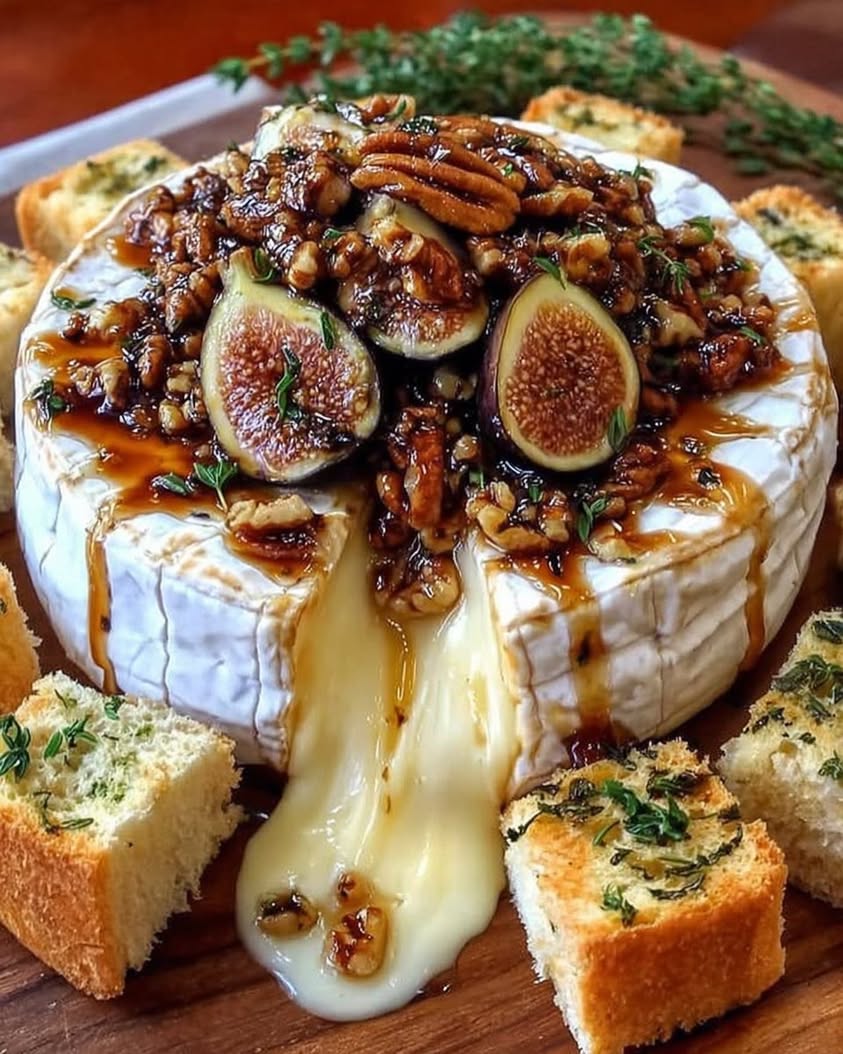
This warm baked brie with figs and pecans recipe delivers an irresistible combination of creamy cheese, sweet figs, and crunchy nuts. The contrast between the molten brie interior and the caramelized pecan topping makes this dish a showstopper at any gathering. Whether you are hosting a holiday party or looking for a quick weeknight snack, this easy appetizer checks all the boxes. The buttery richness of the brie pairs beautifully with the honeyed figs and the toasted pecans. Every bite feels indulgent yet balanced.
You will love how this warm baked brie comes together with minimal effort. First, you score the top of the cheese round and then load it with a mixture of dried figs, chopped pecans, and a drizzle of honey. The oven does the rest of the work, melting the inside while keeping the rind intact. The result is a luscious, spoonable cheese that begs to be spread onto crackers or slices of crusty bread. The figs add a chewy sweetness that complements the savory notes from the cheese. Meanwhile, the pecans provide a satisfying crunch that elevates the entire experience.
This warm baked brie with figs and pecans is perfect for entertaining because it looks elegant without requiring any special skills. The entire appetizer comes together in under thirty minutes. It is also highly adaptable, so you can swap out ingredients based on what you have on hand. For instance, you can replace pecans with walnuts or use fresh figs when they are in season. However, the classic combination of figs and pecans delivers a timeless flavor that guests always appreciate. Therefore, this recipe deserves a spot in your permanent rotation.
Quick Recipe Highlights
- Flavor Profile: This warm baked brie is sweet and savory in equal measure. The honey enhances the natural fruitiness of the figs, while the pecans add earthy, nutty undertones. The brie itself is mild and creamy, offering a blank canvas for the toppings. Overall, the flavors are well balanced and not too heavy.
- Texture: The exterior of the brie forms a slight crust as it bakes, but the inside becomes silky and smooth. The figs bring a satisfying chewiness that contrasts with the crunchy pecans. When you spread the cheese onto a crisp cracker, you experience multiple textures in each mouthful.
- Aroma: The kitchen fills with the warm scent of melted cheese and toasted nuts. Honey and figs release a gentle floral sweetness as they heat. This inviting aroma signals that a delicious treat is almost ready to serve.
- Visual Appeal: The golden brown wedge of brie sits on a plate topped with rich, dark figs and glossy pecans. Drizzled honey catches the light and adds a beautiful sheen. Fresh rosemary sprigs or thyme leaves make a simple yet stunning garnish.
- Skill Level Needed: This recipe is perfect for beginners because it only involves basic preparation steps. There is no complex technique, and you do not need prior baking experience. Anyone can achieve great results on the very first try.
- Special Equipment: You only need a baking dish or a small oven-safe skillet, a sharp knife for scoring the brie, and a serving platter. If you prefer a more rustic look, you can serve the brie directly from the baking dish. A cheese knife or spreader is helpful for serving.
Recipe Overview
- Difficulty Level: This warm baked brie with figs and pecans qualifies as an easy recipe because it involves minimal active work. You simply combine the toppings, place them on the cheese, and bake. The hardest part is waiting for the cheese to reach the perfect oozy temperature. Even novice cooks can master this dish without any stress, so it is an ideal starter recipe.
- Category: This recipe falls under appetizers and party snacks, but it also works as a light lunch or a cheese course. It is a versatile dish that fits into many meal categories. Whether you serve it at a cocktail party or a casual dinner, it always feels special.
- Cuisine: This dish draws inspiration from French and American comfort food traditions. Baked brie itself has French origins, but the fig and pecan combination gives it a distinctly Southern American twist. The use of honey is a nod to both European and American culinary styles, creating a fusion that feels familiar yet unique.
- Cost: The main expense comes from the wheel of brie cheese, which varies in price depending on quality. Dried figs and pecans can be purchased in bulk to save money. Honey is usually already in your pantry, and fresh herbs are inexpensive. Overall, this appetizer is affordable and offers great value for special occasions.
- Season: This warm baked brie is most popular during fall and winter when figs are in season and the weather calls for cozy, warm dishes. However, you can enjoy it year round by using dried figs instead of fresh ones. The recipe adapts well to any season, especially when paired with seasonal fruits like pears or apples.
- Occasion: This recipe shines at holiday parties, Thanksgiving gatherings, and Christmas celebrations. It also works beautifully for New Year’s Eve, bridal showers, and birthday parties. Because it is easy to scale up, it is perfect for both small gatherings and larger events.
Why You’ll Love This Recipe
The taste and texture of this warm baked brie with figs and pecans are simply addictive. The brie becomes so creamy that it practically melts on your tongue. Meanwhile, the figs provide bursts of concentrated sweetness that offset the savory cheese. The pecans add a toasty crunch that gives each bite a satisfying finish. Together, these elements create a balanced flavor profile that pleases almost every palate. Consequently, you will find yourself reaching for another cracker long after you are full.
Convenience is another major reason to love this recipe. You can prepare the warm baked brie in less than thirty minutes, and most of that time is hands off. While the brie bakes, you can set out other snacks or finish preparing the main course. The cleanup is also minimal since you use just one dish. Therefore, this recipe reduces stress and allows you to focus on your guests instead of the kitchen work.
Nutritionally, this warm baked brie with figs and pecans offers some surprising benefits. Brie is a good source of calcium and protein, which helps keep you satisfied. Figs provide dietary fiber and natural sugars, making them a healthier alternative to refined sweets. Pecans contain healthy fats and antioxidants that support heart health. Of course, you still want to enjoy this dish in moderation, but it is not as heavy as many other party appetizers.
This recipe also excels in its social and entertaining value. Warm baked brie acts as a natural conversation starter because it looks and smells so inviting. Guests love gathering around the small wheel of cheese and helping themselves. The interactive nature of spreading the brie onto crackers encourages sharing and connection. Therefore, this dish enhances the overall dining experience and makes your party feel more engaging.
Finally, this warm baked brie with figs and pecans is cost effective and accessible. Most of the ingredients are widely available at grocery stores, and you can often find them at discount prices. The recipe does not require any fancy equipment or hard to find spices. You can easily double the recipe for a larger crowd without breaking the bank. Ultimately, this appetizer delivers gourmet flavor on a budget friendly investment.
Historical Background and Cultural Significance
Baked brie as a dish emerged in France during the mid twentieth century when home cooks began experimenting with melting cheese. Brie itself has been produced in the Île-de-France region for hundreds of years. The practice of baking an entire wheel of brie became popular as a simple yet elegant appetizer for dinner parties. Cooks discovered that the heat made the inside gooey while keeping the rind intact, creating a perfect contrast in texture. This technique quickly spread across Europe and then to America, where it was adapted with local ingredients.
In American culture, warm baked brie became synonymous with casual luxury during the nineteen eighties and nineties. Hosts loved the dish for its impressive appearance and minimal effort. Over time, cooks started adding toppings like fruit preserves, nuts, and herbs to create variations. The combination of figs and pecans became especially popular in the South, where pecan trees are abundant. This regional twist reflects the American talent for adapting foreign dishes to local tastes and available produce.
The evolution of this recipe continued as home cooks began sharing their own spins online. Modern versions might include a topping of brown sugar, balsamic glaze, or even bacon. The core concept remains the same, but the possibilities are nearly endless. This adaptability has made warm baked brie a staple of holiday hosting and potluck gatherings. It continues to evolve as new ingredient combinations emerge from home kitchens and restaurants alike.
Regional variations around the world also influence how people prepare warm baked brie with figs and pecans. In the United Kingdom, cooks often add a splash of port wine or brandy to the topping. In Italy, they might use honey with rosemary and pine nuts for a Mediterranean twist. Middle Eastern variations sometimes include date syrup and pistachios for a different flavor profile. Each adaptation stays true to the original concept while celebrating local culinary traditions and preferences.
Ingredient Deep Dive
Brie cheese is the star of this dish and carries a rich cultural history. It originated in the French region of Brie, where it was first produced in the eighth century. This soft cheese is known for its edible white rind and creamy interior, which develops as it ages. Nutritionally, brie offers calcium for bone health and protein for muscle maintenance. It also contains beneficial bacteria that support gut health when consumed in moderation. When selecting brie, look for a wheel that is slightly springy to the touch and has no ammonia smell. Avoid brie that has a hard, dried out rind or any discoloration. Store brie in the refrigerator wrapped in wax paper to allow it to breathe. If you need a substitute, you can use camembert, which has a similar creamy texture and mild flavor.
Figs bring a natural sweetness that perfectly complements the savory brie. Dried figs are available year round, while fresh figs peak in late summer and early fall. Figs have been cultivated for thousands of years, with origins in the Middle East and Mediterranean. They are packed with dietary fiber, which aids digestion, and they provide potassium and manganese. When selecting dried figs, look for ones that are plump and soft, without any signs of mold. Fresh figs should be fragrant and yield slightly to gentle pressure. Store dried figs in an airtight container in a cool, dark place for up to six months. You can substitute dried figs with dates, dried apricots, or even fig preserves if necessary. The recipe will still taste delicious with any of these alternatives.
Pecans add a nutty crunch that balances the soft cheese and chewy figs. Pecans are native to North America and have been a staple in Southern cuisine for centuries. They are rich in monounsaturated fats, which support heart health, and they provide vitamin E and magnesium. Toasting pecans before using them brings out their natural oils and intensifies their flavor. Purchase raw pecan halves and then chop them to your desired size. Store pecans in the freezer to prevent them from going rancid, as their high oil content makes them prone to spoilage. If you need a substitute, walnuts offer a similar texture and slightly bitter taste. Almonds or hazelnuts also work well, though they change the overall flavor profile of the warm baked brie.
Honey serves multiple purposes in this recipe, providing both sweetness and help with caramelization. The type of honey you choose significantly affects the final taste. Wildflower honey has a mild flavor, while orange blossom honey adds a citrusy note. Manuka honey offers a more medicinal flavor that pairs surprisingly well with cheese. Honey contains antioxidants and antimicrobial properties, making it a healthier sweetener option. When selecting honey, look for raw, unfiltered varieties for the most nutritional benefit. Store honey at room temperature in a sealed container, but do not refrigerate it. If you run out of honey, you can use maple syrup or agave nectar as a substitute. However, these alternatives have slightly thinner consistencies and different flavor profiles.
Fresh rosemary or thyme can be used as a garnish, but they also add a subtle herbaceous note to the dish. Rosemary has a pine like aroma that pairs well with the earthy flavors of figs and pecans. Thyme provides a more delicate flavor that does not overpower the cheese. Fresh herbs should be washed and dried thoroughly before use. You can also use dried herbs, but use them sparingly because their flavor is more concentrated. For a different herbal note, consider adding a sprig of fresh lavender or sage instead.
Common Mistakes to Avoid
- Overcooking the brie is the most frequent error because it causes the cheese to become too runny and leak out of the rind. The brie is ready when the center is soft and slightly jiggly, not when it is completely liquid. Check the cheese after about ten minutes and then add more time in small increments.
- Using low quality brie with a chalky texture or an ammonia smell will ruin the dish. The cheese is the main component, so you should choose a wheel that is fresh and creamy. Always check the expiration date and smell the cheese before purchasing.
- Not scoring the top of the brie before baking prevents the heat from penetrating evenly. The cuts allow steam to escape and help the interior melt properly. Make shallow cuts in a crosshatch pattern without piercing through the rind on the bottom.
- Adding too much honey or sweet topping overwhelms the delicate flavor of the cheese. The toppings should enhance the brie, not dominate it. Use a light hand when drizzling honey and distributing the figs and pecans.
- Skipping the step of toasting the pecans results in a softer, less flavorful nut. Toasting brings out the natural oils and intensifies the nutty taste. Just a few minutes in a dry skillet or oven makes a noticeable difference.
- Baking the brie on a cold baking dish or a metal pan can cause uneven melting. Always use a room temperature or pre warmed dish for the best results. An oven safe ceramic baker works especially well because it retains heat evenly.
- Cutting the brie into smaller pieces before baking changes the texture dramatically. The whole wheel insulates the center, allowing it to become gooey without turning into a puddle. If you want individual portions, use small brie rounds instead.
- Forgetting to let the brie rest after baking can lead to burns and a messy serving experience. The cheese is extremely hot right out of the oven, and it needs a few minutes to set. Let it rest for at least five minutes before serving.
- Storing leftover baked brie improperly can lead to spoilage and a loss of quality. The cheese will solidify when chilled, but it can be reshaped while cold. Always refrigerate leftovers in an airtight container and consume within three days.
- Not pairing the warm baked brie with the right accompaniments fails to highlight its best qualities. Use plain crackers or bread that do not compete with the flavor of the cheese. Sliced apples or pears are also excellent choices for dipping.
Essential Techniques
Scoring the brie is a simple but crucial step for achieving the perfect consistency. You want to create shallow cuts that penetrate about a quarter inch into the top of the cheese. These cuts allow heat to reach the interior more quickly, ensuring even melting. The cuts also create channels for the honey and toppings to seep into the cheese as it bakes. If you cut too deeply, the brie might leak through the bottom, so keep the cuts shallow. Use a sharp knife and a steady hand for the best results. You should aim for a diamond pattern that covers the entire top surface of the brie.
Toasting pecans is another technique that vastly improves the final flavor of the warm baked brie with figs and pecans. Place the pecan pieces in a dry skillet over medium heat and stir frequently. The nuts will begin to release their aroma after about two to three minutes. Once they turn golden brown and smell fragrant, you should remove them from the heat immediately. Do not let the pecans burn, because burned nuts taste bitter and unpleasant. Alternatively, you can toast them in a preheated oven at 350 degrees Fahrenheit for about five minutes. Spread them in a single layer on a baking sheet for even toasting.
Baking the brie to the right point of doneness requires attention and some visual cues. The cheese is ready when the sides are puffy and the center feels soft when you press it gently from the top. The rind should be slightly browned and appear glossy from the melted cheese inside. If you see any cracks in the rind, the cheese is likely overbaked and may start to leak. The total baking time can vary based on the size of the brie wheel and your oven. Therefore, you should start checking after about ten minutes and then continue in two minute intervals.
Assembling the topping mix before baking ensures that the flavors combine properly. Combine the chopped dried figs, toasted pecans, and a drizzle of honey in a small bowl. Stir the mixture gently so that the honey coats the fruit and nuts evenly. This allows the flavors to meld before you place them on the brie. You can also add a pinch of salt or a sprinkle of cinnamon at this stage for extra complexity. The assembly step is quick and should be done right before you are ready to bake the cheese.
Letting the baked brie rest after removing it from the oven is essential for safety and texture. The cheese is extremely hot immediately after baking, and it needs a few minutes to stabilize. During the rest period, the center continues to cook slightly while the exterior cools down. This rest time also prevents your guests from burning their mouths on the molten cheese. Wait at least five minutes before transferring the brie to a serving plate or placing it on the table. During this time, you can prepare crackers, bread, or fresh fruit to serve alongside the cheese.
Pro Tips for Perfect Warm Baked Brie with Figs and Pecans
Always use a wheel of brie that is at room temperature before baking to ensure even cooking. A cold wheel of cheese will take longer to heat through and may result in uneven melting. Take the brie out of the refrigerator about thirty minutes before you plan to bake it. This simple step makes a noticeable difference in the final texture.
Choose a honey that has a distinct flavor profile that complements the other ingredients. Orange blossom honey adds citrus notes, while buckwheat honey offers a darker, more molasses like taste. Experiment with different honey varieties to find your favorite pairing. The honey contributes both sweetness and liquid for the toppings to cling to the cheese.
Cut the dried figs into small, uniform pieces so that every bite of the warm baked brie contains a piece of fruit. If the fig pieces are too large, they may be difficult to spread on crackers. Smaller pieces distribute more evenly and blend better with the cheese. This attention to detail elevates the overall eating experience.
Add a pinch of flaky sea salt to the topping mixture before baking to enhance all the flavors. The salt balances the sweetness of the honey and figs while also highlighting the savory notes in the cheese. A little goes a long way, so do not overdo it. Maldon sea salt is an excellent choice for this application.
Include a sprig of fresh rosemary on the serving platter for a garnish that also adds fragrance. The herb notes from the rosemary pair wonderfully with the warm baked brie with figs and pecans. Guests can enjoy the visual appeal of the greenery while eating. The rosemary also adds a subtle layer of flavor when placed near the cheese.
Serve the warm baked brie on a wooden cheeseboard or a slate platter for a rustic presentation. The neutral color of the board makes the cheese and toppings stand out. You can arrange crackers, sliced baguette, and fresh fruit around the brie for a complete spread. This presentation style feels inviting and encourages casual grazing.
Consider adding a drizzle of balsamic reduction over the baked brie just before serving for an extra layer of flavor. The acidity of the balsamic cuts through the richness of the cheese and honey. You can find balsamic reduction in most grocery stores, or you can make it by simmering balsamic vinegar on the stove. This addition gives the dish a more sophisticated profile.
If you are making this recipe ahead of time, you can prepare the topping mixture in advance and store it in the refrigerator. However, you should wait to assemble the brie until just before baking to prevent the topping from softening the cheese. This strategy is perfect for busy hosts who want to minimize last minute work.
Variations and Adaptations
Regional variations of warm baked brie often use local fruits and nuts to reflect the area’s produce. In the Pacific Northwest, cooks might use dried cherries and walnuts instead of figs and pecans. In the Southwest, a topping of roasted poblano peppers and pine nuts adds a spicy, earthy twist. These regional adaptations keep the recipe fresh and allow you to tailor it to your local ingredients. The basic technique remains the same, so you can experiment freely without fear of failure.
Seasonal adaptations allow you to enjoy this dish throughout the year using whatever produce is available. In spring, you can top the brie with fresh strawberries and a sprinkle of chopped almonds. Summer invites using fresh peaches or nectarines with a drizzle of local honey. Fall is perfect for the classic fig and pecan combination, while winter calls for dried cranberries and walnuts. Each seasonal adaptation brings a unique flavor experience to the table.
Dietary modifications make this recipe accessible to those with specific nutritional needs. To make a gluten free version, use gluten free crackers or slices of cucumber for serving. For a lower fat option, you can reduce the amount of pecans and honey used in the topping. If you are watching sodium, choose a lower sodium brie and skip the added salt. The recipe is naturally free of common allergens like soy and dairy, depending on the cheese you select.
Flavor variations are endless when you start swapping out ingredients. Try using goat cheese instead of brie for a tangier, more pronounced flavor profile. Replace the honey with maple syrup for a different kind of sweetness that pairs well with autumn flavors. Add a layer of fig jam under the topping for an even more intense fruit presence. These small changes can transform the dish into something entirely new.
Texture modifications can also change the experience of eating warm baked brie. If you prefer a softer topping, use fresh figs instead of dried ones because they break down more during baking. For a crunchier topping, double the amount of pecans and toast them until they are very crisp. You can also add a layer of breadcrumbs mixed with butter on top for a golden, crunchy crust. This approach creates a more substantial topping that stands up well to the creamy cheese.
Presentation alternatives allow you to serve this dish in creative ways. Instead of baking a whole wheel of brie, you can cut the cheese into cubes and bake them in individual ramekins with the topping. This method is perfect for portion control and makes serving easier at large events. You can also bake the brie inside a puff pastry crust, creating a more substantial and elegant presentation. The pastry adds a buttery, flaky texture that complements the cheese beautifully.
Serving and Presentation Guide
Plating techniques for warm baked brie with figs and pecans should focus on simplicity and elegance. Place the baked brie on a large, flat platter that gives it room to spread slightly. Arrange crackers and sliced baguette around the edges of the platter in a fan shape. Leave a clear space in front of the brie for guests to spoon the cheese onto their plates. The overall arrangement should feel abundant but not overcrowded.
Garnishing ideas include fresh herbs, edible flowers, and a dusting of crushed pecans around the brie. A small bowl of extra honey placed nearby allows guests to add more sweetness if they desire. Thin slices of apple or pear arranged in a circle around the brie add color and provide additional dipping options. A sprinkling of pomegranate seeds on top of the cheese creates a festive look for holiday gatherings.
Traditional accompaniments for warm baked brie include plain water crackers, sliced baguette, and fresh grapes. These neutral accompaniments allow the cheese to shine without competing for attention. Some hosts also offer sliced prosciutto or salami to create a more substantial appetizer spread. A small dish of fig jam or honey on the side gives guests another way to customize their bites.
Modern serving suggestions encourage you to think beyond crackers and bread. Use endive leaves or radicchio cups for a low carb, gluten free vessel. Small toasted rounds of sweet potato also work wonderfully as a base for the cheese. For a more playful presentation, serve the brie with pretzel sticks, which add salt and crunch. The possibilities are endless when you get creative with your accompaniments.
Temperature considerations are important for the best eating experience. The warm baked brie should be served within thirty minutes of coming out of the oven. After that point, the cheese begins to cool and solidify, losing its luscious texture. If you need to keep the brie warm for longer, place it on a warming tray set to low heat. However, do not leave it on the warming tray for more than an hour, or it will overcook.
Portion control tips help you manage the appetizer for different group sizes. A standard eight ounce wheel of brie serves about six people as an appetizer. If you are hosting a large party, you should plan on one wheel for every eight to ten guests. Provide enough crackers and accompaniments so that each guest can have at least four or five bites. This guidance ensures that everyone can enjoy the dish without feeling rushed.
Wine and Beverage Pairing
Wine pairings for warm baked brie with figs and pecans should complement the creamy cheese and sweet toppings. A crisp, dry white wine like Sauvignon Blanc cuts through the richness of the brie and refreshes the palate. Alternatively, a slightly oaked Chardonnay adds buttery notes that echo the cheese’s texture. For red wine lovers, a light Pinot Noir with its red fruit flavors matches well with the figs. Champagne or sparkling wine also pairs beautifully because the bubbles cleanse the palate between bites.
Non alcoholic alternatives include sparkling water with a splash of fruit juice for a festive touch. Apple cider, both hot and cold, echoes the fruitiness of the figs and adds a seasonal feel. A tart cranberry juice cocktail provides acidity that balances the creamy cheese. Herbal teas like chamomile or rooibos also pair surprisingly well because of their mild, floral notes. Each alternative offers a way to enjoy the dish without alcohol.
Coffee pairings can be surprisingly delightful with this warm appetizer. A smooth, medium roast coffee with chocolate undertones complements the nuttiness of the pecans. A dark roast with low acidity helps cut through the cheese’s richness. For a special treat, you can serve an espresso alongside the brie for a sophisticated end to a meal. The bitterness of the coffee contrasts nicely with the sweetness of the honey.
Temperature considerations for beverages depend on the season and your personal preference. Chilled white wine, sparkling water, and cold apple cider work best in warm weather. In cooler months, hot wine, warm cider, or hot coffee feel more appropriate. The key is to choose a beverage that provides a contrast in temperature or acidity to the warm, creamy cheese. This contrast makes the overall experience more interesting and satisfying.
Serving suggestions include offering a selection of beverages so that guests can choose their own pairing. Set up a small drink station near the appetizer platter with a few bottles and glasses. If you are serving wine, provide both a white and a red option to accommodate different tastes. This approach allows your guests to experiment and find their favorite combination. The interactive element makes the meal feel more personalized and special.
Storage and Shelf Life
Storage methods for leftover warm baked brie require careful handling to preserve the cheese’s texture. Once the brie has cooled completely, you should transfer it to an airtight container. Do not leave the leftover brie at room temperature for more than two hours, as it can become a food safety risk. Refrigerate the leftover brie and consume it within three to five days for the best quality. The cheese will solidify when cold, but it can be reshaped and reheated later.
Temperature requirements for storage mean that the brie must be kept at a consistent refrigerator temperature below 40 degrees Fahrenheit. If the cheese is exposed to temperature fluctuations, its texture and flavor can degrade quickly. Do not store the brie near foods with strong odors, because the cheese can absorb those smells. Keep the container sealed tightly to prevent the brie from drying out. The leftover topping mixture can be stored separately in a different container if you prefer.
Container recommendations favor using glass or BPA free plastic containers with tight fitting lids. Avoid using aluminum foil or plastic wrap because they do not protect the cheese from moisture loss. A container with a silicone seal works especially well for keeping the brie fresh. If you need to stack the container in the refrigerator, make sure it is placed on a shelf where it will not be crushed. The container should be just big enough to hold the brie without too much empty space.
Signs of spoilage in leftover brie include a sour or ammonia like smell, which indicates the cheese has gone bad. Any mold growth on the brie that is not part of the natural rind means you should discard the cheese. If the brie develops a slimy or sticky texture, it is no longer safe to eat. The color should remain a creamy white or pale yellow, and any dark spots are also a sign of spoilage. Trust your senses and discard the cheese if anything seems off.
Reheating instructions for leftover brie help you restore its creamy texture. Place the leftover wheel in a small oven safe dish and warm it in a 300 degree Fahrenheit oven for about ten minutes. You can also reheat individual portions in the microwave for fifteen to twenty seconds if you are short on time. However, reheating in the microwave may make the cheese slightly grainy, so the oven is preferable. Avoid reheating the brie more than once because it will degrade the texture each time.
Freezing guidelines for brie are not recommended because the cheese will lose its creamy texture. The high moisture content in brie causes it to become watery and grainy after thawing. If you absolutely must freeze the leftover brie, place it in a freezer safe bag and use it within one month. Thaw the brie slowly in the refrigerator overnight, then reheat it in the oven. The texture will not be as good as fresh, but the flavor will still be acceptable.
Make Ahead Strategies
A prep timeline for this recipe ensures that you can serve the warm baked brie with figs and pecans at its peak. The topping mixture can be prepared up to three days in advance and stored in an airtight container in the refrigerator. On the day of serving, simply remove the brie from the refrigerator thirty minutes before baking to let it come to room temperature. Assemble the topping on the brie just before baking to prevent the cheese from becoming too soft. This strategy saves you time while ensuring fresh results.
Storage between steps requires attention to food safety guidelines. The brie and topping should be kept separate until just before baking to avoid moisture transfer. The topping mixture might become sticky in the refrigerator, but it will still be usable. Keep the brie wrapped in its original packaging or in wax paper to maintain its moisture level. The fresh herbs for garnish should be washed, dried, and stored in a damp paper towel inside a plastic bag.
Quality impact assessment confirms that make ahead strategies do not compromise the final dish when done correctly. The brie itself does not benefit from advance preparation because it is best when baked fresh. However, the topping mixture actually improves as the flavors meld together over time. The figs and pecans absorb the honey, creating a more cohesive mixture. Therefore, preparing the topping in advance can enhance the overall flavor profile.
Assembly tips for make ahead planning include keeping the brie and topping separate until the last moment. Just before you are ready to bake, score the brie and spoon the topping onto the cheese. You can also arrange the garnishes on the serving platter in advance but keep them covered. This approach reduces stress and allows you to spend more time with your guests. The entire assembly process should take less than five minutes.
Reheating guidelines apply if you made the brie and then reheated it later. As mentioned earlier, the oven method is best for reheating individual portions or a whole wheel. You can also reheat the brie in an air fryer set to 350 degrees Fahrenheit for about five minutes. The air fryer produces a slightly crispier rind while keeping the center soft. However, the brie will never be as good as when it is freshly baked.
Fresh element additions at the last moment can make a reheated brie feel new again. Drizzle a little extra honey over the top and sprinkle with fresh toasted pecans before serving. Add a few fresh fig slices on the plate to provide a contrast in texture and flavor. This approach gives new life to leftover cheese and makes it feel like a completely different dish. Your guests will likely not even notice that the brie was made earlier.
Scaling Instructions
Halving the recipe is easy because you can simply use a smaller wheel of brie. Look for a four ounce wheel instead of the standard eight ounce size to serve two to three people. All other ingredients should be reduced proportionally, using about half the amount of figs, pecans, and honey. The baking time will decrease because the smaller wheel heats through more quickly. Check for doneness starting at around seven minutes and adjust as needed.
Doubling or tripling the recipe requires multiple brie wheels or a larger single wheel. If you use multiple wheels, bake them on separate baking dishes to ensure even heating. If you use a larger wheel of brie, such as a sixteen ounce size, you must increase the baking time. A larger wheel may need twenty Print
Warm Baked Brie with Figs and Pecans
- Total Time: 40 minutes
- Yield: 6
Description
A decadent, warm appetizer featuring creamy brie cheese topped with sweet dried figs and crunchy pecans, baked to perfection. Perfect for entertaining or a cozy night in.
Ingredients
- 1 (8-ounce) wheel of Brie cheese
- 1/2 cup dried figs, stemmed and chopped
- 1/4 cup chopped pecans
- 1 tablespoon honey
- 1 teaspoon fresh rosemary, finely chopped
- 1 sheet frozen puff pastry, thawed
- 1 egg, beaten (for egg wash)
Instructions
- Preheat oven to 375°F (190°C). Line a baking sheet with parchment paper.
- In a small bowl, combine the chopped figs, pecans, honey, and rosemary.
- Place the Brie on the puff pastry sheet. Spoon the fig-pecan mixture over the top of the Brie.
- Fold the puff pastry over the Brie, sealing the edges. Brush the pastry with the beaten egg.
- Place the wrapped Brie on the prepared baking sheet and bake for 20-25 minutes, until the pastry is golden brown and puffed.
- Let cool for 5 minutes before serving. Serve warm with crackers or sliced baguette.
Notes
You can customize the seasonings to taste. If you prefer a more savory version, add a pinch of black pepper or swap rosemary for thyme. For a sweeter twist, drizzle extra honey before serving.
- Prep Time: 15 minutes
- Cook Time: 25 minutes
- Method: Appetizer
- Cuisine: American