Golden Sweet Potato Zucchini Rosti Rolls with Feta and Spinach: A Crispy, Cheesy Crowd-Pleaser
If you have been searching for a show-stopping appetizer that feels both rustic and elegant, these Golden Sweet Potato Zucchini Rosti Rolls with Feta and Spinach deserve a permanent spot in your rotation. This recipe transforms humble vegetables into crispy, golden parcels filled with creamy feta and tender spinach, and the result tastes far more impressive than the effort suggests. Whether you serve them at a holiday gathering, a weekend brunch, or a cozy weeknight dinner, these Golden Sweet Potato Zucchini Rosti Rolls with Feta and Spinach deliver big flavor in every bite.
The idea behind this dish is simple yet brilliant. You grate sweet potato and zucchini, squeeze out the excess moisture, and bind everything with a little flour and egg to create a rosti-style wrapper. Then you wrap that mixture around a savory filling of feta, spinach, and herbs before pan-frying or baking each roll until deeply golden and crisp. Because this recipe leans on everyday ingredients you likely already have on hand, these Golden Sweet Potato Zucchini Rosti Rolls with Feta and Spinach come together without a special trip to the store.
What makes this recipe truly special is the contrast of textures and flavors. The natural sweetness of the sweet potato balances the salty tang of the feta, while the spinach adds an earthy freshness that keeps every bite light. Meanwhile, the exterior crisps up beautifully, giving way to a soft, creamy center. Once you master these Golden Sweet Potato Zucchini Rosti Rolls with Feta and Spinach, you will find yourself making them again and again for friends, family, and anyone who appreciates a great homemade appetizer.
Quick Recipe Highlights
- Flavor Profile: These rolls combine the natural sweetness of sweet potato with the salty, tangy punch of feta cheese. Fresh spinach and herbs add an earthy brightness that rounds out every bite. The overall taste is savory, satisfying, and beautifully balanced.
- Texture: The exterior crisps into a golden, crunchy shell while the inside stays soft and creamy. Grated vegetables give the rolls a pleasant bite, and the feta melts slightly for a rich mouthfeel. Each roll offers a satisfying contrast between crisp and tender.
- Aroma: As the rolls cook, the kitchen fills with the warm scent of caramelizing sweet potato and toasted garlic. Fresh herbs and briny feta add bright, savory notes that make the dish irresistible. The aroma alone will draw everyone to the table.
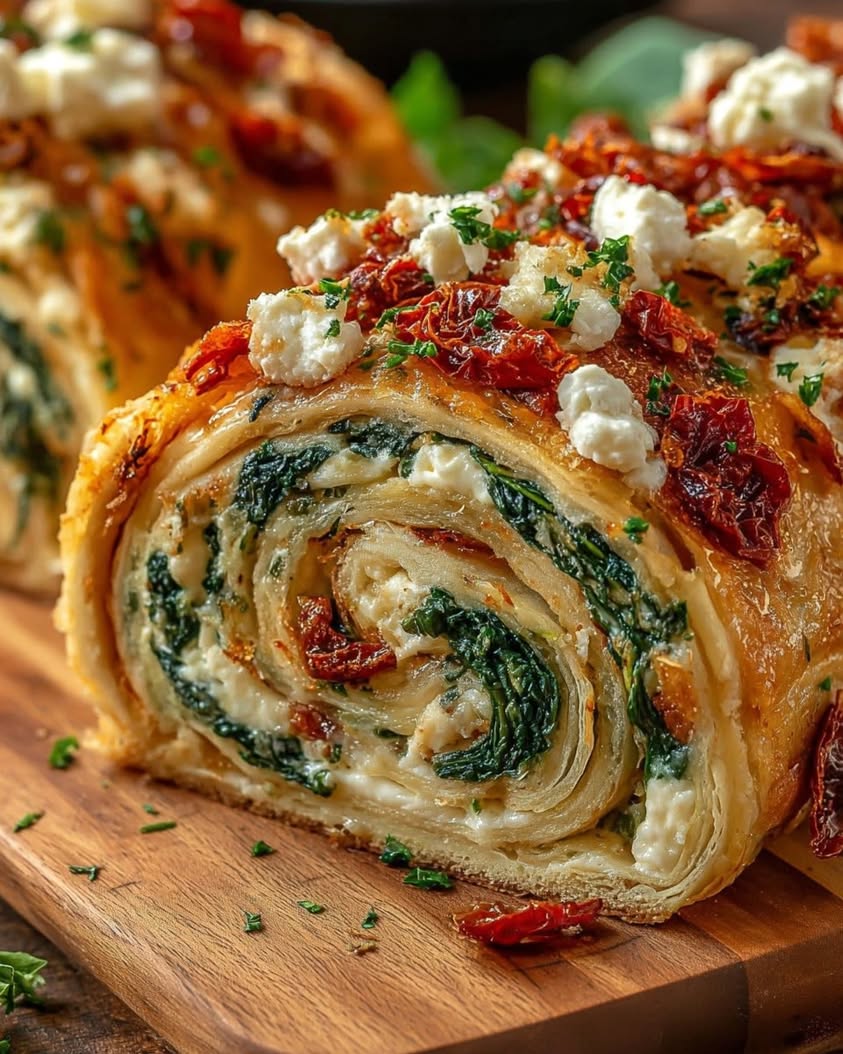
- Visual Appeal: These rolls bake to a deep golden brown with flecks of green spinach and white feta peeking through. Arranged on a platter with a sprinkle of fresh herbs, they look restaurant-worthy. The vibrant colors make them a standout on any table.
- Skill Level Needed: This recipe suits confident beginners and experienced cooks alike. The techniques are straightforward, and the steps are forgiving. If you can grate vegetables and shape a mixture by hand, you can make these rolls successfully.
- Special Equipment: You need a box grater, a clean kitchen towel for squeezing moisture, and a large skillet or baking sheet. A mixing bowl and a spoon handle the rest. No specialty tools are required, which keeps this recipe accessible to everyone.
Recipe Overview
- Difficulty Level: This recipe lands squarely in the easy-to-intermediate range because the main challenge is managing moisture in the grated vegetables. Once you squeeze out the liquid properly, the process moves quickly and smoothly. The filling comes together in minutes, and shaping the rolls requires only basic hand coordination. Overall, most home cooks will find this recipe very approachable.
- Category: These rolls work beautifully as an appetizer, a side dish, or even a light vegetarian main. They fit naturally into brunch spreads, party platters, and holiday tables. You can also serve them as part of a mezze-style spread with dips and salads.
- Cuisine: This recipe draws inspiration from Eastern European rosti traditions and Mediterranean flavor profiles. The rosti technique of crisping grated vegetables originates in Swiss and Eastern European cooking, while feta and spinach reflect Greek and Mediterranean influences. The combination creates a modern fusion dish that feels both familiar and fresh. Home cooks across the United States have embraced this style because it bridges comfort food and global flavors.
- Cost: The ingredients are budget-friendly and widely available. Sweet potatoes, zucchini, and spinach cost very little, especially in season. Feta cheese represents the priciest item, but a modest amount goes a long way. Overall, this recipe delivers impressive results for a very reasonable grocery bill.
- Season: These rolls shine brightest in late summer and early fall when zucchini and sweet potatoes are at their peak. That said, the ingredients remain available year-round, so you can enjoy this dish in any season. The warm, comforting flavors make them especially welcome during cooler months.
- Occasion: Serve these rolls at holiday parties, game-day gatherings, potlucks, or elegant dinner parties. They also work well for casual family dinners when you want something a little special. Because they hold up well on a buffet, they suit entertaining beautifully.
Why You’ll Love This Recipe
First and foremost, the taste and texture of these rolls will win you over immediately. The crispy golden exterior gives way to a creamy, savory center that bursts with Mediterranean flavors. Sweet potato brings natural sweetness, feta delivers salty tang, and spinach adds fresh earthiness. Every bite offers a little crunch followed by a soft, cheesy interior, and that contrast keeps you coming back for more. Few appetizers manage to feel this indulgent while staying vegetable-forward.
Convenience also makes this recipe a winner for busy home cooks. You need only a handful of pantry staples and fresh vegetables, most of which you probably already have. The steps are simple and forgiving, so you can prepare the rolls even on a weeknight. You can also assemble them ahead of time and cook them just before serving, which makes entertaining far less stressful. That flexibility means you spend less time fussing and more time enjoying your guests.
Nutritionally, these rolls pack a serious punch thanks to the sweet potato, zucchini, and spinach. These vegetables deliver fiber, vitamin A, vitamin C, and iron in every serving. Feta adds protein and calcium, while eggs help bind everything together with additional protein. As a result, you get an appetizer that actually nourishes rather than simply filling you up. Health-conscious eaters will appreciate that this dish feels hearty without being heavy.
Socially, these rolls make a fantastic centerpiece for gatherings because they look impressive and taste even better. Guests love the story behind the dish, and the beautiful golden color makes them photogenic on any platter. They encourage sharing and conversation, especially when served with a dipping sauce or a simple salad. Bringing these Golden Sweet Potato Zucchini Rosti Rolls with Feta and Spinach to a potluck almost guarantees you will leave with an empty plate and several recipe requests.
Finally, this recipe proves remarkably cost-effective and accessible. The ingredients come from any standard grocery store, and none of them are exotic or expensive. You can scale the recipe up or down depending on your guest count without complicating the process. That combination of affordability and flexibility makes these rolls a smart choice for both everyday meals and special occasions. In short, this is the kind of recipe that earns a permanent place in your kitchen repertoire.
Historical Background and Cultural Significance
The story of this dish begins with the rosti, a beloved potato preparation with deep roots in Swiss and Eastern European cooking. Farmers in the Alpine regions relied on grated potatoes fried in fat to create hearty, filling meals from simple ingredients. Over generations, the rosti became a symbol of rustic home cooking and resourcefulness. The technique of squeezing moisture from grated vegetables and crisping them in a pan spread across borders and inspired countless variations.
Meanwhile, the Mediterranean world developed its own traditions around feta and spinach. Greek cooks have paired briny feta with leafy greens for centuries, and dishes like spanakopita showcase that timeless combination. Spinach represented abundance and health, while feta preserved milk into a durable, flavorful cheese. When these two culinary traditions meet, the result feels both historic and entirely modern. This recipe honors both lineages by bringing together the crisp rosti technique and the classic Mediterranean filling.
The evolution of this recipe reflects how modern home cooks blend global techniques with local ingredients. Sweet potato entered the picture as cooks sought colorful, nutrient-dense alternatives to white potatoes. Zucchini became a popular addition because it lightens the mixture and adds moisture control challenges that cooks love to solve. Today, food bloggers and home chefs across the United States share endless riffs on this concept, and each version adds something new to the story.
Regional variations abound, and that diversity keeps the tradition alive. Some cooks add cumin or smoked paprika for warmth, while others fold in fresh dill or mint for brightness. In some kitchens, these rolls get baked instead of fried for a lighter result. Regardless of the variation, the core idea remains the same: transform simple vegetables into something golden, crispy, and deeply satisfying. That spirit of creativity and resourcefulness connects every version of this dish.
Ingredient Deep Dive
Sweet potato serves as the backbone of this recipe, bringing natural sweetness and a vibrant golden color. This root vegetable originated in Central and South America and traveled the world to become a staple in countless cuisines. Nutritionally, sweet potatoes deliver impressive amounts of vitamin A, fiber, and antioxidants. When selecting sweet potatoes, look for firm, smooth specimens without soft spots or sprouts. Store them in a cool, dark place for up to several weeks, and substitute with butternut squash or regular potatoes if needed.
Zucchini adds moisture and a mild, fresh flavor that balances the sweetness of the potato. This summer squash has Mediterranean origins and appears in everything from Italian frittatas to Middle Eastern salads. Zucchini provides vitamin C, potassium, and plenty of water content, which means you must squeeze it thoroughly. Choose small to medium zucchini for the best texture, and store them in the refrigerator crisper drawer for about a week. If zucchini is unavailable, yellow squash works beautifully as a substitute.
Feta cheese delivers the salty, tangy punch that defines this dish. This brined cheese has been made in Greece for centuries and remains a cornerstone of Mediterranean cooking. Feta offers protein and calcium, and it melts just enough to create a creamy filling. Look for feta packed in brine for the best flavor, and check the label for sheep’s milk or a sheep-and-goat blend. Store feta in its brine in the refrigerator for several weeks, and substitute with ricotta salata or goat cheese if necessary.
Spinach brings earthy freshness and a pop of green color to the filling. This leafy green has a long history in Persian, Chinese, and Mediterranean cooking, and it packs iron, folate, and vitamins A and K. Fresh spinach works best, though frozen spinach functions well after thorough squeezing. Select bright, crisp leaves without yellowing, and store spinach in a sealed bag in the refrigerator. If spinach is not available, kale or Swiss chard make excellent substitutes after removing tough stems.
Eggs and flour bind the rosti mixture and hold each roll together during cooking. Eggs contribute protein and richness, while flour absorbs residual moisture and creates structure. Use large eggs at room temperature for the best blending, and store them in the refrigerator. All-purpose flour works well, though gluten-free blends or chickpea flour can replace it for dietary needs. These humble binders may seem minor, but they make the difference between rolls that hold together and rolls that fall apart.
Common Mistakes to Avoid
- Skipping the moisture squeeze: If you skip squeezing the grated zucchini and sweet potato, the rolls turn soggy and refuse to crisp. Wrap the grated vegetables in a clean towel and press firmly until no more liquid drips out. This step takes a few minutes but makes or breaks the final texture.
- Using wet spinach: Fresh spinach carries a surprising amount of water, so wilt it briefly and squeeze it dry before mixing. Wet spinach dilutes the filling and causes the rolls to steam instead of crisp. Pat the spinach thoroughly with paper towels to keep the filling concentrated.
- Overmixing the filling: Stir the feta and spinach mixture gently until just combined. Overmixing breaks down the cheese and turns the filling into a paste. A light hand keeps the texture pleasant and the flavors distinct.
- Making the rolls too thick: Thick rolls take too long to cook through and often burn on the outside before the center sets. Aim for rolls about the size of a small sausage so they cook evenly. Consistent sizing also helps them finish at the same time.
- Not heating the pan properly: A cold pan causes the rolls to stick and absorb oil instead of crisping. Heat your skillet over medium heat until a drop of water sizzles on contact. Proper heat creates that golden crust everyone loves.
- overcrowding the pan: When rolls touch each other, they steam rather than fry. Work in batches and leave space between each roll. Patience here rewards you with perfectly crisp exteriors.
- Adding too much salt: Feta is already salty, so taste the filling before adding extra salt. Over-salting ruins the balance and masks the natural sweetness of the vegetables. Season lightly and adjust at the end.
- Rushing the chilling step: Chilling the shaped rolls firms them up and prevents them from falling apart in the pan. Give them at least fifteen minutes in the refrigerator before cooking. This small pause pays off with rolls that hold their shape beautifully.
- Using stale or damp flour: Flour that has absorbed moisture clumps and fails to bind properly. Store flour in an airtight container and measure it fresh for each batch. Fresh flour ensures consistent structure in every roll.
- Ignoring the resting time: Letting the cooked rolls rest for a minute or two allows the filling to set. Cutting or biting in too soon can cause the center to spill out. A brief rest keeps everything neat and intact.
Essential Techniques
Mastering the moisture squeeze is the single most important technique in this recipe. Grated zucchini holds a tremendous amount of water, and if you leave it in, the rolls will never crisp. Wrap the grated vegetables in a clean kitchen towel or cheesecloth and twist firmly over the sink until the liquid stops flowing. You should end up with a surprisingly dry pile of shreds. This step takes a few minutes but transforms the final texture entirely, so never skip it.
Shaping uniform rolls ensures even cooking and a polished presentation. Scoop the mixture with a measuring spoon or your hands and form compact, oblong shapes about the size of a small sausage. Press gently so the mixture holds together without becoming dense. Consistent sizing means every roll finishes at the same time, which prevents some from burning while others stay undercooked. With a little practice, your hands will learn the right pressure quickly.
Controlling pan heat separates crispy rolls from greasy ones. Heat your skillet over medium heat and add enough oil to coat the bottom generously. When a small piece of the mixture sizzles on contact, the pan is ready. Cook the rolls undisturbed for a few minutes until a golden crust forms before turning them. Resist the urge to move them around, because a stable surface is what creates that beautiful crust.
Chilling the shaped rolls firms the mixture and prevents breakage during cooking. Place the shaped rolls on a plate and refrigerate them for at least fifteen minutes while you prep the rest of the meal. The cold firms the fat in the feta and helps the flour hydrate, which improves cohesion. This small step makes the rolls easier to handle and much less likely to fall apart in the pan. It is a simple habit that pays off every time.
Pro Tips for Perfect Golden Sweet Potato Zucchini Rosti Rolls with Feta and Spinach
Grate the vegetables on the large holes of a box grater for the best texture. Fine grating turns the mixture into mush, while large shreds create lovely little pockets of crispness. Consistent shreds also cook more evenly. This small choice makes a noticeable difference in the final bite.
Squeeze the spinach in stages rather than all at once. Wilt it briefly in a dry pan, let it cool slightly, then wrap it in a towel and press firmly. Staged squeezing removes more water and keeps your hands from burning. Dry spinach means concentrated flavor and a filling that stays creamy rather than watery.
Use a mixture of olive oil and a neutral oil for frying. Olive oil brings flavor, while a neutral oil raises the smoke point and keeps the rolls from burning. A blend of both gives you the best of each. This combination creates a golden crust that tastes as good as it looks.
Flip the rolls only once during cooking. Resist the temptation to peek or rotate them repeatedly. One confident flip after a solid crust forms keeps the rolls intact and evenly browned. Patience during the first side sets you up for success on the second.
Serve the rolls immediately after cooking for maximum crispness. They lose their crunch as they sit, so time your cooking to match your serving schedule. If you must hold them, keep them warm in a low oven on a rack so air circulates underneath. Fresh from the pan is always best.
Season the filling with fresh herbs rather than dried when possible. Dill, parsley, and mint add brightness that dried herbs cannot match. Chop them finely so they distribute evenly through the filling. Fresh herbs elevate the dish from good to memorable.
Test one roll before cooking the whole batch. Cook a single small roll and taste it to check the seasoning and binding. Adjust salt or add a spoonful of flour if needed. This quick test saves you from discovering a problem after the whole batch is cooked.
Variations and Adaptations
Regional variations offer endless inspiration for this recipe. Greek cooks might add dill, mint, and a squeeze of lemon to echo spanakopita flavors. Middle Eastern versions could include cumin, coriander, and a sprinkle of za’atar. Italian-inspired cooks might fold in Parmesan and basil for a different twist. Each region brings its own pantry staples, and every variation tells a story through flavor.
Seasonal adaptations keep this dish fresh all year long. In summer, use peak zucchini and fresh herbs straight from the garden. In fall, lean into the sweet potato and add warm spices like cinnamon or nutmeg. Winter calls for heartier additions such as mushrooms or roasted red pepper. Spring invites lighter herbs and a handful of peas folded into the filling.
Dietary modifications make this recipe accessible to more eaters. Gluten-free cooks substitute rice flour or a gluten-free blend for all-purpose flour. Dairy-free versions swap feta for a plant-based alternative or omit it in favor of olives for saltiness. Vegan cooks use a flax egg and a nut-based cheese. Each adaptation keeps the spirit of the dish intact while meeting specific needs.
Flavor variations let you customize the rolls to your mood. Add smoked paprika for warmth, chili flakes for heat, or lemon zest for brightness. A spoonful of harissa brings bold North African flavor, while pesto adds herbaceous richness. Try different combinations until you find your favorite, then share your discovery with friends.
Texture modifications allow you to adjust the dish to your preferences. Bake the rolls on a lined sheet pan for a lighter version with less oil. Air-fry them for a fast, crispy result with minimal cleanup. For an extra-crunchy crust, roll the shaped rolls in breadcrumbs before cooking. Each method delivers a slightly different experience, so experiment to find your ideal texture.
Presentation alternatives turn the same recipe into different dishes. Shape the mixture into patties for a rosti burger, or press it into a skillet for one large rosti cake. Small bite-sized rolls work beautifully for cocktail parties, while larger rolls serve as a vegetarian main. The filling also works as a stuffing for peppers or a layer in a savory tart.
Serving and Presentation Guide
Plating techniques matter more than most home cooks realize. Arrange the rolls in a loose spiral or a neat row on a warm platter so each one shows its golden crust. Leave a little space between them to prevent steaming. A shallow bowl or wooden board adds rustic charm, while a white porcelain plate highlights the colors. Choose a vessel that complements the warm golden tones of the rolls.
Garnishing ideas elevate the presentation without much effort. Scatter fresh dill or parsley over the top for a pop of green. A sprinkle of crumbled feta adds texture and reinforces the flavors inside. Lemon wedges on the side invite a bright squeeze of acidity. A drizzle of yogurt sauce or a swirl of pesto turns the platter into a centerpiece.
Traditional accompaniments round out the meal beautifully. Serve the rolls with a simple Greek salad, warm pita bread, and a bowl of tzatziki. A side of roasted vegetables or a lemony quinoa salad adds substance for a full dinner. These pairings echo the Mediterranean roots of the dish and create a cohesive spread.
Modern serving suggestions offer fresh ways to enjoy the rolls. Stack them on a slider bun with lettuce and tomato for a fun sandwich. Tuck them into a wrap with hummus and greens for a portable lunch. Serve them over a bed of arugula with a lemon vinaigrette for an elegant salad. The rolls adapt to nearly any format you can imagine.
Temperature considerations affect how the rolls taste and feel. Serve them hot from the pan for maximum crispness and aroma. If you must hold them, keep them warm in a low oven on a wire rack so air circulates. Avoid covering them tightly, because trapped steam softens the crust. Room-temperature rolls work fine for buffets, though they lose some crunch.
Portion control tips help you plan for guests. Two to three rolls make a sensible appetizer portion, while four to five work as a light main. For a cocktail party, plan on two rolls per guest and round up generously. Offering a dipping sauce encourages guests to take just one more, so account for that when calculating quantities.
Wine and Beverage Pairing
Wine pairings for these rolls should balance the salty feta and the sweetness of the sweet potato. A crisp Sauvignon Blanc cuts through the richness and refreshes the palate. A dry rosé offers fruitiness without overwhelming the dish. For red wine lovers, a light Pinot Noir or a chilled Beaujolais works beautifully. Avoid heavy tannic reds, which clash with the briny cheese.
Non-alcoholic alternatives keep the pairing fun for everyone. Sparkling water with lemon and mint provides effervescence and brightness. A cucumber cooler or a minty lemonade refreshes between bites. Iced green tea with a hint of honey pairs surprisingly well with the Mediterranean flavors. These options ensure every guest has something special to sip.
Coffee and tea pairings suit brunch gatherings especially well. A light black tea or an herbal blend like chamomile complements the savory filling. Cold brew coffee offers a bold contrast that some guests love with brunch spreads. Offer a small selection so guests can choose what suits their mood. Warm drinks bring a cozy feel to a morning gathering.
Temperature considerations matter for both wine and non-alcoholic options. Serve white wine and rosé well chilled for maximum refreshment. Red wines taste best slightly below room temperature. Keep non-alcoholic drinks icy cold in a cooler or pitcher with plenty of ice. Proper temperature makes every sip more enjoyable.
Serving suggestions make the beverage experience seamless. Set up a small drinks station with glasses, ice, and garnishes so guests can help themselves. Offer a signature cocktail or mocktail that echoes the Mediterranean theme, such as a limoncello spritz or a rosemary lemonade. A well-planned drink station frees you to focus on the food. Guests appreciate the thoughtful touch.
Storage and Shelf Life
Storage methods determine how well leftovers keep their quality. Place cooled rolls in an airtight container and refrigerate them within two hours of cooking. Layer them with parchment paper to prevent sticking. For longer storage, wrap each roll individually before placing them in the container. Proper storage preserves texture and flavor far better than a loose covering.
Temperature requirements are simple but important. Refrigerate the rolls at or below forty degrees Fahrenheit to slow bacterial growth. Keep them away from strong-smelling foods, since feta absorbs odors easily. Label the container with the date so you know when to use them. A consistent cold temperature keeps the rolls safe and fresh.
Container recommendations matter for both safety and quality. Glass containers with tight lids work best because they do not retain odors or stains. BPA-free plastic containers also work well and travel easily. Avoid open bowls or plates covered with foil, which allow air to dry out the rolls. The right container makes a real difference.
Signs of spoilage help you know when to discard leftovers. Mold, sour odors, or a slimy texture mean the rolls have gone bad. Feta develops a sharper smell as it ages, but a truly rancid odor signals spoilage. When in doubt, throw it out. Food safety always comes first.
Reheating instructions restore crispness and warmth. Reheat the rolls in a hot oven or air fryer at around 375 degrees Fahrenheit for several minutes. Avoid the microwave, which steams the rolls and makes them soggy. A quick reheat in a skillet with a little oil also works well. Crisp them up before serving for the best results.
Freezing guidelines extend the shelf life considerably. Freeze cooked rolls on a baking sheet until solid, then transfer them to a freezer bag. They keep well for up to two months. Reheat them directly from frozen in a hot oven or air fryer. Freezing works best for the cooked rolls, though you can also freeze the shaped raw rolls before cooking.
Make Ahead Strategies
A prep timeline keeps the process organized and stress-free. Grate and squeeze the vegetables a day ahead and store them in the refrigerator. Mix the filling up to a day in advance and keep it covered. Shape the rolls the morning of your event and chill them until cooking time. Breaking the work into stages makes the recipe feel effortless.
Storage between steps protects quality and food safety. Keep the grated vegetables in a sealed container with a paper towel to absorb excess moisture. Store the feta and spinach filling separately if you plan to assemble later. Label everything with the date so nothing gets lost in the fridge. Organized storage makes assembly quick and easy.
Quality impact assessment helps you decide what to make ahead. The filling holds up beautifully for a day, and the shaped rolls stay fresh overnight. Cooked rolls lose some crispness after refrigeration, though reheating restores much of it. Plan to cook the rolls close to serving time if crunch matters most. The components are forgiving, which makes this recipe a great candidate for advance preparation.
Assembly tips streamline the final steps. Set up a workstation with the mixture, filling, and a plate for shaped rolls. Keep your hands slightly damp to prevent sticking. Work in batches so you do not tire your hands. A few minutes of assembly yields a full platter of rolls ready for the pan.
Reheating guidelines keep the rolls tasting fresh. Reheat them in a hot oven on a wire rack so air circulates underneath. An air fryer works especially well for small batches. Avoid stacking the rolls during reheating, since that traps steam and softens the crust. A few minutes of high heat brings back the golden crunch.
Fresh element additions brighten up made-ahead rolls. Add a squeeze of lemon, a shower of herbs, or a drizzle of yogurt sauce just before serving. These final touches make the rolls feel freshly made even if you prepared them earlier. A little attention at the end transforms leftovers into a standout dish.
Scaling Instructions
Halving the recipe works easily because the ingredients divide neatly. Use one sweet potato, one zucchini, and half of the remaining ingredients for a smaller batch. Adjust the eggs carefully, since a half egg is awkward, so consider using one small egg or a partial beaten egg. Cooking time stays similar because the rolls remain the same size. Halving suits couples or small families who want fewer leftovers.
Doubling or tripling the recipe requires a bit of planning. Use the largest mixing bowl you own, or divide the mixture between two bowls for easier stirring. Squeeze the vegetables in batches to ensure proper drying. Cook in multiple batches so the pan stays hot and the rolls stay crisp. Doubling works beautifully for parties and large families.
Equipment adjustments keep the process manageable at scale. Use two skillets or a large baking sheet to cook more rolls at once. Borrow a second box grater if you have helpers. Prep bowls in various sizes keep the ingredients organized. A little extra equipment makes larger batches far less stressful.
Timing modifications keep everything on track. Larger batches take longer to shape and cook, so start earlier than you think you need to. Keep finished rolls warm in a low oven while you cook the rest. Reheat the pan between batches to maintain consistent heat. Planning extra time prevents last-minute chaos.
Storage considerations become important with larger quantities. Use multiple containers so the rolls cool quickly and evenly. Label each container with the date and contents. Freeze extra rolls for future gatherings. Smart storage turns a big batch into a week of easy meals.
Nutritional Deep Dive
The macro breakdown of these rolls is genuinely impressive. Sweet potato and zucchini supply complex carbohydrates and fiber, while feta and eggs contribute protein and fat. A typical serving delivers a balanced mix of macronutrients that keeps you satisfied. Because the rolls are vegetable-forward, the carb content stays moderate compared to bread-based appetizers. This balance makes them a smart choice for many eating styles.
Micronutrient analysis reveals a wealth of vitamins and minerals. Sweet potato delivers beta-carotene and vitamin A, while spinach adds iron, folate, and vitamin K. Zucchini contributes vitamin C and potassium, and feta provides calcium. Together, these ingredients cover a broad spectrum of essential nutrients. Every serving supports overall health in a delicious way.
Health benefits extend beyond basic nutrition. The fiber in the vegetables supports digestion and helps maintain steady blood sugar. The protein from eggs and feta promotes satiety, which can help with appetite control. Antioxidants from the vegetables combat oxidative stress. These rolls prove that appetizers can be both indulgent and nourishing.
Dietary considerations vary by eater, so check labels carefully. Feta contains dairy and salt, so those watching sodium should moderate portions. Eggs are an allergen, though flax eggs work as a substitute. The recipe suits vegetarians naturally and adapts easily to vegan and gluten-free diets. Knowing the details helps you serve every guest confidently.
Portion analysis helps with mindful eating. A serving of three rolls delivers a reasonable amount of calories, fat, and protein for an appetizer. Pair the rolls with lighter sides to keep the overall meal balanced. Consider the rest of your plate when deciding how many rolls to enjoy. Moderation keeps the dish enjoyable without overdoing it.
Weight management tips make this recipe a helpful ally. The high fiber and protein content promotes fullness, which can reduce overeating later in the meal. Baking instead of frying cuts calories without sacrificing flavor. Serving the rolls with a big salad turns them into a satisfying meal. Smart choices like these make healthy eating feel easy.
Dietary Adaptations
For gluten-free eaters, swap the all-purpose flour for rice flour or a certified gluten-free blend. These alternatives bind well and keep the rolls intact. Check that any additional ingredients, such as breadcrumbs, are also gluten-free. With these swaps, the rolls fit seamlessly into a gluten-free lifestyle. The texture remains excellent, so no one feels deprived.
Dairy-free versions replace feta with a plant-based alternative or omit it entirely. Nutritional yeast adds a savory, cheesy flavor without dairy. Olives bring briny saltiness that mimics feta’s role. Choose a plant-based cheese that melts slightly for the best texture. Dairy-free diners can enjoy these rolls without compromise.
Vegan cooks use a flax egg to bind the mixture. Combine one tablespoon of ground flaxseed with three tablespoons of water and let it sit until gel-like. Pair this with a vegan feta alternative or a sprinkle of nutritional yeast. The rolls hold together beautifully and taste just as good. Plant-based eaters deserve a seat at the appetizer table.
Low-carb eaters can reduce the flour and rely more on eggs and cheese for binding. Almond flour works as a lower-carb substitute and adds a pleasant nuttiness. Keep portions of sweet potato moderate to manage carbohydrate intake. These adjustments keep the rolls satisfying while meeting lower-carb goals. The flavor stays bright and crave-worthy.
Keto adaptations require more significant changes, starting with replacing sweet potato with cauliflower or zucchini. Use almond flour and increase the cheese and egg content for binding. Choose full-fat feta and cook the rolls in healthy fats. These swaps bring the net carbs down while preserving the savory appeal. Keto eaters can enjoy a version of this dish with confidence.
Paleo versions skip the flour and rely on eggs and almond flour. Choose grass-fed cheese if dairy is allowed, or omit it for a dairy-free paleo approach. Sweet potato and zucchini fit paleo guidelines naturally. The resulting rolls feel hearty and flavorful. Paleo eaters will appreciate having an appetizer that fits their lifestyle.
Low-FODMAP cooks should moderate sweet potato and zucchini portions, since both contain some fermentable carbohydrates. Smaller servings help manage symptoms, and pairing the rolls with low-FODMAP sides balances the meal. Choose feta, which is naturally low in lactose. These considerations let sensitive eaters enjoy the dish comfortably. A little planning goes a long way.
Other specific diets may require smaller tweaks. Nut-free cooks avoid almond flour and choose rice flour instead. Egg-free cooks rely on flax eggs. Low-sodium eaters rinse the feta and reduce added salt. With a few thoughtful swaps, nearly everyone can enjoy these rolls. The recipe adapts without losing its character.
Troubleshooting Guide
Texture issues top the list of common problems. If the rolls turn out soggy, the culprit is almost always excess moisture in the vegetables or spinach. Squeeze more thoroughly next time and consider adding a spoonful of extra flour. If the rolls fall apart, add another egg or a bit more flour to strengthen the bind. Small adjustments fix most texture problems.
Flavor balance matters just as much as texture. If the rolls taste flat, add fresh herbs, lemon zest, or a pinch of salt. If they taste too salty, reduce the feta or skip added salt. A squeeze of lemon brightens the whole dish. Taste as you go and adjust with confidence.
Temperature problems can ruin an otherwise perfect batch. If the oil is too hot, the exteriors burn before the centers cook, so lower the heat and cook longer. If the pan is too cold, the rolls absorb oil and turn greasy, so preheat properly. An instant-read thermometer helps you monitor the oil temperature. Stable, medium heat produces the best results.
Equipment challenges have simple solutions. A dull grater makes prep slow and tedious, so sharpen or replace it. A thin skillet heats unevenly, so choose a heavy-bottomed pan for consistent results. A weak oven causes uneven baking, so check your oven calibration. The right tools make the process smoother and more predictable.
Ingredient substitutions can change the outcome, so adjust accordingly. Gluten-free flours absorb more moisture, so add a little extra. Plant-based cheeses melt differently, so watch the cooking time. Alternative greens like kale need extra squeezing and chopping. Understanding how substitutes behave keeps you in control.
Timing concerns often come down to preparation. If you are running short on time, shape the rolls and refrigerate them while you prep other dishes. If the rolls cook too fast, lower the heat and turn them more often. If they cook too slowly, raise the heat slightly and give them space. Flexible timing makes this recipe forgiving.
Recipe Success Stories
Community feedback has been overwhelmingly positive since this recipe first appeared. Readers report making these rolls for everything from baby showers to Super Bowl parties. Many say the rolls disappear faster than any other appetizer on the table. One reader shared that her picky children asked for seconds, which she called a major victory. Stories like these remind us Print
Golden Sweet Potato Zucchini Rosti Rolls with Feta & Spinach
- Total Time: 45 minutes
- Yield: 4
Description
Crispy golden rosti rolls filled with a savory mix of feta, spinach, and herbs. A delightful vegetarian main or side dish.
Ingredients
- 2 medium sweet potatoes, peeled and grated
- 1 medium zucchini, grated
- 1 teaspoon salt
- 1/2 cup crumbled feta cheese
- 1 cup fresh spinach, chopped
- 1/4 cup all-purpose flour
- 1 egg, lightly beaten
- 1/2 teaspoon black pepper
- 1/4 teaspoon garlic powder
- 2 tablespoons olive oil (for frying)
Instructions
- Preheat oven to 200°C (400°F). Grate sweet potatoes and zucchini. Place in a clean kitchen towel and squeeze out excess moisture. Transfer to a large bowl and mix with salt. Let sit for 10 minutes, then squeeze again to remove as much liquid as possible.
- In a separate bowl, combine feta, spinach, flour, egg, pepper, and garlic powder. Mix well. Add the sweet potato-zucchini mixture and stir until evenly combined.
- Take about 1/4 cup of the mixture and shape into a small log or roll. Repeat with remaining mixture. Heat olive oil in a large skillet over medium heat. Fry the rolls in batches until golden brown on all sides, about 3-4 minutes per side. Transfer to a baking sheet and bake for 10 minutes to ensure they are cooked through and crispy. Serve warm.
Notes
You can customize the seasonings to taste.
- Prep Time: 15 minutes
- Cook Time: 30 minutes
- Method: Main
- Cuisine: American