Stuffed Sweet Potatoes with Spinach, Avocado, and Feta: A Flavor-Packed Weeknight Dinner
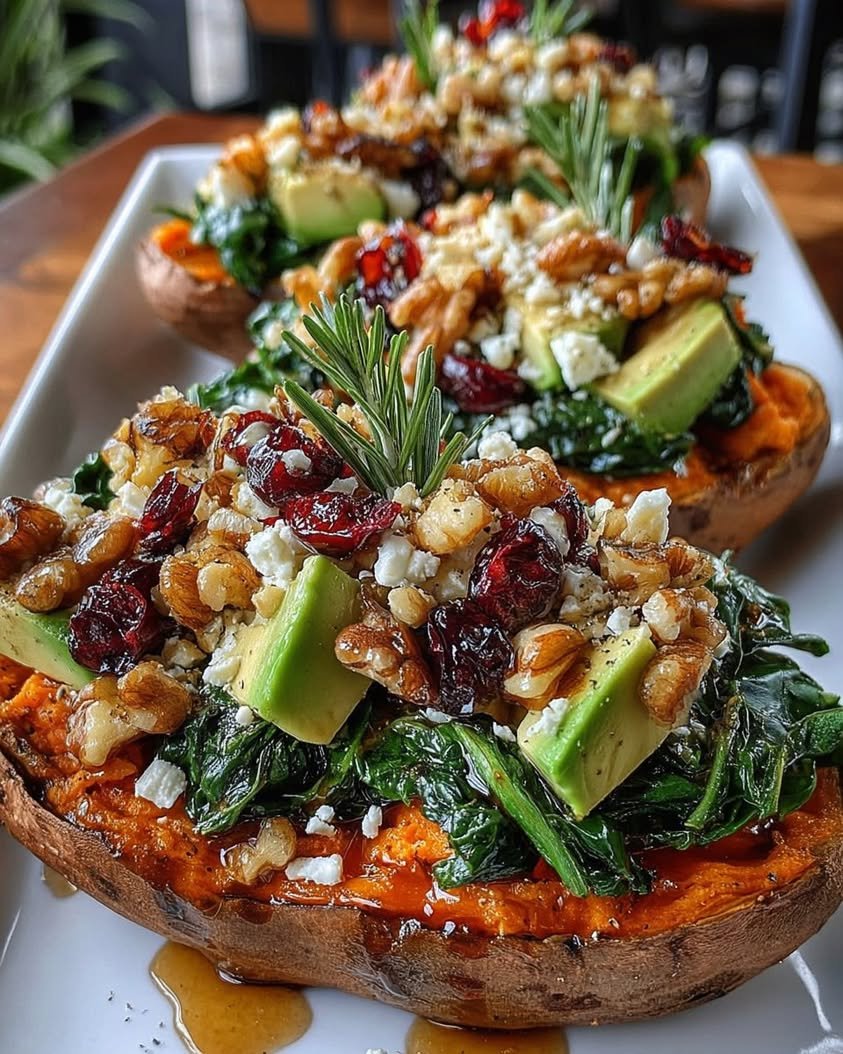
Stuffed sweet potatoes with spinach, avocado, and feta bring together roasted sweetness, creamy richness, and tangy brightness in one satisfying dish. You roast tender sweet potatoes until the flesh turns soft and caramelized, then pile on sautéed garlicky spinach, sliced avocado, crumbled feta, toasted walnuts, and a sticky cranberry maple drizzle. Every bite delivers a contrast of warm and cool, soft and crunchy, sweet and savory. This recipe has become a favorite in my kitchen because it looks impressive on the plate yet comes together with minimal fuss. If you want a meatless dinner that satisfies even the heartiest appetites, these stuffed sweet potatoes with spinach, avocado, and feta deserve a spot in your weekly rotation.
The magic of this dish lies in its layers. First, the natural sugars in the sweet potato deepen during roasting, creating a rich, almost custardy interior. Then the spinach wilts down with garlic and olive oil, adding an earthy green note that balances the sweetness. Creamy avocado brings a cool, buttery texture, while feta adds a salty, briny punch. Toasted walnuts contribute a nutty crunch, and the sticky cranberry maple glaze ties everything together with a tart, caramel-like finish. Each component earns its place on the plate, and together they create a harmony that keeps you coming back for more. These stuffed sweet potatoes with spinach, avocado, and feta work equally well for a cozy family dinner or a casual weekend gathering with friends.
What makes this recipe especially appealing is how flexible it is. You can serve it as a main course for a vegetarian night, or pair it with grilled chicken or salmon for a heartier meal. The ingredients are easy to find at any grocery store, and most of the cooking time is hands-off while the sweet potatoes roast in the oven. That leaves you free to prep the toppings, set the table, or simply relax. Whether you are a seasoned home cook or a beginner looking for a foolproof dinner, these stuffed sweet potatoes with spinach, avocado, and feta offer a rewarding result with very little risk. The combination of familiar flavors and a few thoughtful touches makes this dish feel special without demanding hours in the kitchen.
Quick Recipe Highlights
- Flavor Profile: Sweet, earthy, tangy, and subtly tart. The cranberry maple glaze adds a warm sweetness that complements the salty feta and creamy avocado.
- Texture: Soft, fluffy sweet potato contrasts with crunchy walnuts, creamy avocado, and crumbly feta. The glaze adds a sticky, luscious finish.
- Aroma: Roasting sweet potatoes fill the kitchen with a warm, caramel scent. Garlicky spinach and toasted walnuts add savory, nutty notes.
- Visual Appeal: Bright orange sweet potatoes topped with vibrant green spinach and avocado, white feta crumbles, golden walnuts, and a ruby-red cranberry drizzle.
- Skill Level Needed: Beginner-friendly. The recipe requires basic knife skills and simple sautéing, with no advanced techniques.
- Special Equipment: A sheet pan, a skillet, and a small saucepan. No specialty tools required.
Recipe Overview
- Difficulty Level: Easy. The steps are straightforward, and the oven does most of the work. You only need to sauté spinach, toast walnuts, and simmer a quick glaze.
- Category: Main course, vegetarian dinner, weeknight meal, or holiday side dish.
- Cuisine: Modern American with Mediterranean influences. The combination of feta, avocado, and walnuts reflects a fresh, health-forward approach to comfort food.
- Cost: Affordable. Sweet potatoes, spinach, and walnuts are budget-friendly staples. Feta and avocado add a moderate cost but remain accessible.
- Season: Fall and winter when sweet potatoes peak, though the dish works year-round thanks to readily available ingredients.
- Occasion: Perfect for weeknight dinners, casual dinner parties, Thanksgiving table additions, or meal prep lunches.
Why You’ll Love This Recipe
First, the taste and texture combination is simply irresistible. The natural sweetness of roasted sweet potatoes pairs beautifully with the savory, garlicky spinach and the salty bite of feta. Creamy avocado rounds out the flavors, and the toasted walnuts introduce a satisfying crunch. Meanwhile, the sticky cranberry maple drizzle adds a tart, caramel-like note that elevates the entire dish. Each forkful offers a new combination of textures and flavors, which keeps every bite interesting. Even picky eaters tend to enjoy this recipe because the components are familiar and approachable.
Second, the convenience factor cannot be overstated. You can roast the sweet potatoes ahead of time and store them in the fridge for several days. The spinach sauté takes less than five minutes, and the cranberry maple glaze simmers in one small saucepan. Cleanup is minimal because you use just a few pans. For busy weeknights, you can even prep all the toppings while the sweet potatoes roast, making the final assembly quick and effortless. This recipe fits seamlessly into a hectic schedule without sacrificing flavor or presentation.
Third, the nutritional advantages make this dish a standout. Sweet potatoes deliver fiber, vitamin A, and potassium. Spinach adds iron and folate, avocado provides healthy fats, and walnuts contribute omega-3 fatty acids. Feta offers calcium and protein, while cranberries bring antioxidants. Together, these ingredients create a balanced meal that supports steady energy and satisfaction. You feel good after eating this dish, not heavy or sluggish. For anyone looking to eat more plant-based meals, these stuffed sweet potatoes with spinach, avocado, and feta offer a delicious way to do so.
Fourth, the social and entertaining value is high. These stuffed sweet potatoes look stunning on a platter, with their bright orange bases and colorful toppings. They make a beautiful centerpiece for a dinner party or a holiday table. Guests can customize their own toppings, which adds a fun, interactive element. Because the recipe scales easily, you can double or triple it for a crowd without much extra effort. Hosting becomes stress-free when you have a reliable, visually impressive dish in your repertoire.
Finally, the cost-effectiveness and accessibility make this recipe a practical choice. Sweet potatoes are among the most affordable produce items, and spinach, walnuts, and cranberries are pantry-friendly. Feta and avocado are the priciest ingredients, but a little goes a long way. You can find all the components at any supermarket, and many are available year-round. This dish proves that healthy, flavorful meals do not require expensive specialty ingredients. It is a budget-friendly option that still feels indulgent and special.
Historical Background and Cultural Significance
Sweet potatoes originated in Central and South America and have been cultivated for thousands of years. Indigenous cultures in Peru and Mexico domesticated the crop long before European explorers arrived. Over centuries, sweet potatoes spread across the globe, becoming a staple in many cuisines, from African stews to Asian desserts. In the United States, sweet potatoes gained popularity in the South, where they became a beloved side dish, especially during the holidays. The idea of stuffing sweet potatoes likely emerged from the broader trend of loaded baked potatoes, which became popular in the mid-twentieth century.
The cultural importance of sweet potatoes extends beyond nutrition. In many communities, they symbolize abundance and comfort. Southern cooks have long paired sweet potatoes with butter, brown sugar, and pecans, creating a sweet, rich tradition. Meanwhile, the addition of spinach, avocado, and feta reflects a more modern, health-conscious approach to cooking. This recipe bridges the gap between traditional comfort food and contemporary plant-forward eating. It honors the sweet potato’s heritage while embracing global flavors.
The evolution of this recipe mirrors the way American home cooking has changed over the past few decades. Cooks began experimenting with loaded sweet potatoes as a healthier alternative to traditional baked potato dishes. Spinach, avocado, and feta became pantry staples as Mediterranean diets gained popularity. Walnuts and cranberries added seasonal flair, especially around Thanksgiving. The cranberry maple glaze likely emerged from a desire to combine sweet and tart elements in a single sauce. Today, stuffed sweet potatoes appear on restaurant menus and food blogs across the country, demonstrating their widespread appeal.
Regional variations abound. In the South, cooks might add pecans instead of walnuts or use goat cheese instead of feta. In California, avocado is a natural addition, given the state’s abundant supply and love for fresh produce. In the Northeast, cranberries and maple syrup reflect local harvests. Home cooks worldwide have adapted the recipe to suit local tastes, proving that stuffed sweet potatoes are a versatile canvas for creativity. This particular combination of spinach, avocado, feta, walnuts, and cranberry maple glaze represents one delicious interpretation of a global idea.
Ingredient Deep Dive
Sweet potatoes form the foundation of this dish. They have a long history in the Americas, where Indigenous peoples cultivated them for centuries before they spread to Europe, Africa, and Asia. Nutritionally, sweet potatoes are rich in beta-carotene, fiber, and vitamin C. When selecting sweet potatoes, look for firm, smooth-skinned specimens without soft spots or sprouts. Store them in a cool, dark, well-ventilated place for up to two weeks. You can substitute regular potatoes or butternut squash if needed, though the flavor will differ.
Spinach adds an earthy, green note that balances the sweetness of the potato. Originally from Persia, spinach spread through Asia and Europe before becoming a global staple. It is packed with iron, folate, and vitamins K and A. Choose fresh spinach with vibrant green leaves and no yellowing. Store it in a sealed bag in the refrigerator and use it within a few days. If you prefer, you can substitute kale or Swiss chard, though you may need to cook them slightly longer.
Avocado brings creaminess and healthy fats. Native to Mexico and Central America, avocados have been cultivated for thousands of years. They are an excellent source of monounsaturated fats, potassium, and fiber. Pick avocados that yield slightly to gentle pressure, and store them at room temperature until ripe. Once cut, use them promptly or store with a squeeze of lemon juice to prevent browning. If avocado is unavailable, consider using hummus or a dollop of Greek yogurt as a creamy substitute.
Feta cheese contributes a salty, tangy bite. With origins in Greece, feta has been made for centuries using sheep’s milk or a blend of sheep and goat milk. It is a good source of calcium and protein. Look for feta packed in brine for the best flavor and texture. Store it in its brine in the refrigerator and use it within a few weeks. For a dairy-free alternative, try a plant-based feta or omit the cheese entirely and add extra nuts for richness.
Walnuts provide crunch and omega-3 fatty acids. They have a long history in Asia and Europe and are now grown widely in California. Toasting walnuts enhances their nutty flavor and removes any bitterness. Choose walnuts that smell fresh and avoid any that are rancid. Store them in an airtight container in the refrigerator or freezer to extend shelf life. If you have a nut allergy, sunflower seeds or pumpkin seeds make a safe and crunchy substitute.
Common Mistakes to Avoid
- Undercooking the sweet potatoes. If they are not fully tender, the flesh will be hard and difficult to fluff. Pierce them with a knife and ensure it slides in easily before removing from the oven.
- Overcooking the spinach. Soggy spinach loses its appeal and turns mushy. Sauté it just until wilted, which takes only two to three minutes over medium heat.
- Adding avocado too early. Avocado browns quickly when exposed to air. Slice and add it just before serving to keep it looking fresh and green.
- Skipping the walnut toasting. Raw walnuts lack depth. Toasting them for a few minutes in a dry skillet brings out their natural oils and enhances the overall flavor.
- Making the glaze too thick. The cranberry maple glaze should be syrupy, not gluey. Simmer it gently and remove from heat as soon as it coats the back of a spoon.
- Not seasoning the sweet potato flesh. A pinch of salt and pepper inside the potato makes a big difference. Do not rely solely on the toppings for flavor.
- Using wet spinach. Excess water on the leaves will cause the spinach to steam rather than sauté. Dry the leaves well or spin them in a salad spinner.
- Crowding the pan when toasting walnuts. A single layer ensures even toasting. Overcrowding leads to unevenly toasted nuts.
- Assembling too far in advance. Stuffed sweet potatoes are best served immediately. If you assemble early, the avocado browns and the walnuts lose their crunch.
Essential Techniques
Roasting whole sweet potatoes is the first key technique. Unlike cutting them into cubes, roasting whole preserves moisture and creates a fluffy interior. Preheat your oven to 400 degrees Fahrenheit and pierce the potatoes several times with a fork. Place them on a sheet pan and roast for 40 to 50 minutes, turning once halfway through. The potatoes are done when they feel soft when squeezed with a towel-covered hand. This method requires no oil or foil, though you can rub the skins with a little oil for crispier skin. The visual cue for success is a wrinkled skin and a knife that slides in with no resistance.
Sautéing spinach properly is the second essential technique. Heat olive oil in a skillet over medium heat, add minced garlic, and cook for about 30 seconds until fragrant. Add the spinach in batches if necessary, stirring constantly. The spinach should wilt quickly and turn bright green. Remove it from the heat immediately to prevent overcooking. The visual cue is a glossy, vibrant green color and a reduced volume. Common pitfalls include using too much oil, which makes the spinach greasy, and overcrowding the pan, which causes steaming instead of sautéing.
Toasting walnuts is the third technique to master. Place walnuts in a dry skillet over medium heat and stir frequently. They are done when they smell nutty and turn slightly darker, which takes about three to five minutes. Watch them closely because they can burn quickly. Alternatively, toast them in the oven at 350 degrees Fahrenheit for five to seven minutes. The visual cue is a gentle fragrance and a subtle color change. Common pitfalls include walking away and burning the nuts, or toasting at too high a heat, which makes them bitter.
Pro Tips for Perfect Stuffed Sweet Potatoes with Spinach, Avocado, and Feta
Choose sweet potatoes of similar size so they roast evenly. A uniform size ensures that all the potatoes finish cooking at the same time, preventing some from being undercooked while others are done.
Season the inside of each potato with a pinch of salt and a grind of pepper after fluffing. This simple step enhances the natural sweetness and makes every bite more flavorful.
Make the cranberry maple glaze while the sweet potatoes roast. This step saves time and allows the glaze to cool slightly before serving, which prevents it from wilting the toppings.
Use a fork to fluff the sweet potato flesh before adding toppings. Fluffing creates a light, fluffy texture and helps the toppings settle into the potato rather than sliding off.
Warm the feta slightly if you want a softer, creamier texture. A few seconds in the microwave or a quick crumble by hand can make a difference, though cold feta also adds a pleasant contrast.
Serve the avocado on the side for guests who prefer to add it themselves. This prevents browning and allows everyone to customize their plate.
Double the glaze recipe and store the extra in a jar in the refrigerator. It works beautifully on roasted vegetables, pancakes, or oatmeal, making it a versatile staple.
Variations and Adaptations
Regional variations offer endless inspiration. In the South, cooks often swap walnuts for pecans and feta for goat cheese, creating a richer, earthier flavor. Californians might add sliced avocado and a squeeze of lime for a fresh, zesty twist. In the Northeast, cranberry maple glaze is a natural fit, but you can replace it with a drizzle of pomegranate molasses for a Middle Eastern flavor profile. These regional tweaks show how the same basic recipe can reflect local ingredients and traditions.
Seasonal adaptations help the recipe stay fresh year-round. In summer, use fresh corn kernels and cherry tomatoes along with spinach for a brighter, juicier version. In fall, add roasted apple cubes or pear slices for extra sweetness. In spring, try arugula instead of spinach for a peppery kick. Winter calls for hearty additions like sautéed mushrooms or roasted Brussels sprouts. Adjusting the toppings to fit the season keeps the dish exciting and relevant.
Dietary modifications make this recipe accessible to almost everyone. For a dairy-free version, omit the feta and add a sprinkle of nutritional yeast or a dollop of dairy-free yogurt. Vegans can follow the same path and use maple syrup instead of honey in the glaze. For a low-carb option, replace the sweet potato with roasted acorn squash halves. Keto dieters can enjoy the toppings over a bed of cauliflower rice instead. Paleo eaters can omit the feta and use extra avocado and nuts. Low-FODMAP followers should use garlic-infused oil instead of fresh garlic.
Flavor variations invite experimentation. Try adding smoked paprika or cumin to the spinach for warmth. A pinch of chili flakes can add heat to the glaze. Tzatziki or a drizzle of tahini can replace the cranberry maple glaze for a savory, Mediterranean approach. A sprinkle of cinnamon or nutmeg in the glaze enhances the autumn feel. These flavor tweaks allow you to tailor the dish to your mood and pantry.
Texture modifications offer different mouthfeels. For extra crunch, add toasted pumpkin seeds or crispy chickpeas. For a softer bite, mash the avocado with a fork before spreading it on top. A drizzle of cream or a dollop of ricotta can make the dish richer and more decadent. You can also puree the spinach into a sauce for a smoother consistency. Varying the textures keeps the dish interesting and satisfies different preferences.
Presentation alternatives make the dish adaptable to any occasion. Serve the sweet potatoes on a bed of quinoa or farro for a grain bowl feel. Slice the potatoes in half lengthwise and layer the toppings for an elegant appetizer. Scoop the flesh into a bowl and mix everything together for a hearty salad. Or serve the components separately as a build-your-own bar for parties. These presentation ideas extend the recipe beyond a simple stuffed potato.
Serving and Presentation Guide
Plating techniques matter for this dish. Place each sweet potato on a shallow bowl or plate so the toppings have room to spill slightly. Use a slotted spoon to add the spinach, which prevents excess liquid from pooling on the plate. Arrange the avocado slices in a fan for a touch of elegance. Crumble the feta evenly over the top and finish with a generous scatter of toasted walnuts. Drizzle the cranberry maple glaze in a zigzag pattern for visual appeal. The final plate should look abundant and colorful.
Garnishing ideas can elevate the presentation. A few sprigs of fresh cilantro or parsley add a pop of green. A sprinkle of flaky sea salt brightens the flavors. A wedge of lime on the side invites a squeeze of acidity. A dusting of smoked paprika adds a subtle reddish hue and a hint of spice. These small touches transform a simple dinner into a restaurant-worthy plate.
Traditional accompaniments pair well with this dish. A simple green salad with a light vinaigrette balances the richness of the toppings. Crusty bread is perfect for soaking up any glaze or avocado that slips off the plate. Roasted broccoli or Brussels sprouts make a hearty vegetable side. For a heartier meal, add grilled chicken, salmon, or sausages. These sides complement the flavors without overwhelming them.
Modern serving suggestions embrace a more casual approach. Serve the sweet potatoes on a large platter family-style, with the toppings in separate bowls for guests to build their own. Offer a variety of sauces, such as tahini, yogurt, or hot sauce, for customization. Set up a build-your-own bar for a party, with the roasted sweet potatoes kept warm in a low oven. This interactive setup is fun and stress-free for the host.
Temperature considerations are important. These stuffed sweet potatoes taste best when served warm, with the potato hot and the toppings at room temperature. If the sweet potatoes cool down too much, the flavors dull. You can reheat them in the oven for a few minutes before serving. Cold leftover sweet potatoes are also delicious in a salad, but the avocado and walnuts should be added fresh.
Portion control tips help with meal planning. One medium sweet potato per person is a typical serving for a light meal, while a large sweet potato works for a heartier appetite. If serving as a side dish, half a sweet potato per person is sufficient. The toppings are rich, so a little goes a long way. Adjust the amount of avocado, feta, and walnuts based on your diners’ preferences.
Wine and Beverage Pairing
Wine pairings should complement the dish’s sweet, savory, and tangy flavors. A crisp Sauvignon Blanc or a dry Riesling works beautifully with the cranberry maple glaze and the creamy avocado. For a red option, a light Pinot Noir or a Beaujolais adds fruitiness without overpowering the dish. Feta’s saltiness pairs well with a sparkling wine or a Cava for a festive touch. If you prefer a bolder red, a Zinfandel’s fruit-forward notes can stand up to the sweet potato’s sweetness. Avoid heavily oaked wines, which can clash with the delicate flavors.
Non-alcoholic alternatives are just as satisfying. Sparkling water with a splash of cranberry juice and lime mirrors the glaze’s tartness. A ginger kombucha offers a slightly sweet, effervescent lift. For a comforting option, a tall glass of iced green tea with mint is refreshing. These drinks cleanse the palate and complement the dish’s flavors without any alcohol.
Coffee and tea pairings work surprisingly well, especially for a brunch or lunch version. A light roast coffee with a splash of oat milk brings out the natural sweetness of the potato. A chai tea latte adds warm spice notes that echo the cranberry maple glaze. Herbal teas, such as hibiscus or rooibos, offer a tart, fruity counterpart. These options are cozy and comforting, especially in cooler months.
Temperature considerations for beverages are simple. Serve white wines and sparkling wines chilled, around 45 to 50 degrees Fahrenheit. Red wines should be slightly below room temperature, around 60 to 65 degrees. Non-alcoholic drinks are best served cold or over ice. For coffee and tea, serve hot to match the warmth of the sweet potatoes. These temperature guidelines enhance the overall dining experience.
Serving suggestions for beverages include offering a small pitcher of the cranberry maple glaze’s base as a mocktail mixer. Combine it with sparkling water and a squeeze of lime for a refreshing drink. You can also set up a small beverage station with wine, water, and non-alcoholic options so guests can serve themselves. This hands-off approach keeps the host mingling and enjoying the meal.
Storage and Shelf Life
Storage methods for this dish differ by component. Roasted sweet potatoes last in an airtight container in the refrigerator for up to four days. Sautéed spinach keeps for two to three days. The cranberry maple glaze stores in a sealed jar in the refrigerator for up to two weeks. Walnuts stay fresh in an airtight container at room temperature for a week or in the freezer for months. Avocado and feta should be prepared or added fresh. Store each component separately to maintain quality.
Temperature requirements are straightforward. Refrigerate all cooked components at or below 40 degrees Fahrenheit. The glaze can be stored at room temperature if used within a day, but refrigeration extends shelf life. Keep the sweet potatoes and spinach in the refrigerator until ready to reheat. Do not leave them out at room temperature for more than two hours.
Container recommendations include airtight glass or plastic containers for the sweet potatoes and spinach. Use a small mason jar for the glaze. Wrap the avocado tightly with plastic wrap or store it in a container with a slice of onion to slow browning. Keep walnuts in a sealed bag or jar and store them away from strong odors.
Signs of spoilage vary by component. Sweet potatoes should not smell sour or show mold. Spinach that turns slimy or dark should be discarded. The glaze should smell sweet and tart, not fermented. Avocado with brown, mushy flesh should be thrown out. Walnuts that smell bitter or rancid should not be used. Feta that develops a sour, off smell or unusual mold should be discarded.
Reheating instructions keep the dish tasting fresh. Reheat sweet potatoes in a 350-degree oven for 10 to 15 minutes or in the microwave for two to three minutes. Reheat spinach in a skillet over medium heat with a splash of water for two minutes. Warm the glaze in a small saucepan over low heat until syrupy. Add fresh avocado, feta, and walnuts after reheating to preserve texture and flavor.
Freezing guidelines help with meal prep. You can freeze roasted sweet potatoes and sautéed spinach separately for up to two months. The glaze freezes well in a small jar. Thaw in the refrigerator overnight and reheat. Do not freeze avocado, feta, or walnuts, as their textures suffer. Freezing the components separately allows you to assemble fresh-tasting stuffed sweet potatoes whenever you want.
Make Ahead Strategies
Planning a prep timeline makes dinner time easier. Roast the sweet potatoes on the weekend and store them in the refrigerator. Sauté the spinach and toast the walnuts up to two days in advance. Make the cranberry maple glaze up to a week ahead and keep it in the refrigerator. On the day you plan to serve, simply reheat the components and assemble. This strategy cuts active cooking time to about 15 minutes.
Storing between steps protects quality. Keep the roasted sweet potatoes wrapped individually in aluminum foil and stored in a container. Store sautéed spinach in a shallow container so it cools quickly. Toast the walnuts and store them at room temperature in a sealed jar. Keep the glaze in a small jar with a tight lid. Frequent tasting is not necessary, but checking the glaze’s consistency before serving ensures it remains syrupy.
Quality impact assessment shows that most components hold up well. Roasted sweet potatoes taste almost as good reheated as fresh. Spinach loses a bit of vibrancy but remains flavorful. Walnuts stay crisp if stored properly. The glaze actually improves as the flavors meld. The only component that suffers significantly is avocado, which should always be sliced fresh. Feta holds up reasonably well but can become slightly softer over time.
Assembly tips keep the final dish looking great. Reheat the sweet potatoes and spinach, then fluff the potato flesh and season it. Add the warm spinach, then top with fresh avocado slices, crumbled feta, and toasted walnuts. Drizzle the glaze just before serving. This sequence ensures that the hot and cold components maintain their contrast and that the dish looks as good as it tastes.
Reheating guidelines apply to make-ahead components as well. Reheat sweet potatoes in the oven for even heating, which preserves their fluffy texture better than a microwave. Reheat spinach in a skillet to prevent sogginess. Warm the glaze gently so it does not reduce too much. Adding fresh elements after reheating ensures that the final dish tastes bright and fresh.
Fresh element additions complete the meal. Add the sliced avocado just before serving to prevent browning. Sprinkle freshly chopped herbs for a burst of flavor. If you want extra freshness, squeeze a little lime juice over the avocado. A final pinch of flaky salt can brighten all the flavors. These small additions make the make-ahead version taste almost as good as freshly made.
Scaling Instructions
Halving the recipe is easy for smaller households. Use half the sweet potatoes, spinach, avocado, feta, and walnuts. Halve the glaze recipe, though you can still make the full amount and store the extra. Adjust the pan size and roasting time. With fewer sweet potatoes, the oven may be slightly less crowded, but the roasting time remains similar. Check doneness a few minutes earlier just to be safe.
Doubling or tripling the recipe works well for larger gatherings. Use a large sheet pan or two smaller pans for the sweet potatoes. Sauté the spinach in batches to avoid overcrowding. Toast the walnuts in batches for even color. Make the glaze in a larger saucepan and allow extra time for simmering. Keep finished components warm in a low oven while you finish cooking.
Equipment adjustments are minimal. Two sheet pans are helpful for large batches, but you can also use a roasting pan or a large casserole dish. For the spinach, use a large skillet or a wok to accommodate more volume. A larger saucepan works for the glaze. If you have a double oven, use both to speed up the process. Ensure that you have enough serving platters or plates for the finished dish.
Timing modifications are necessary for larger batches. Roasting more sweet potatoes can add 10 to 15 minutes to the cooking time due to a crowded oven. Sautéing spinach in batches doubles the active time. Simmering a larger volume of glaze takes a few extra minutes. Plan for these adjustments so the meal comes together smoothly. Using a timer helps coordinate multiple components.
Storage considerations apply to scaled recipes as well. If you make extra, store the components separately as outlined in the storage section. Larger batches require more containers and more refrigerator space. Plan accordingly, and label containers with the date. Freeze extra portions for future meals. Scaling up is simple if you have enough storage on hand.
Nutritional Deep Dive
The macro breakdown of this dish is balanced. A single serving provides about 350 to 400 calories, with 10 to 12 grams of protein, 20 to 25 grams of fat, and 40 to 45 grams of carbohydrates. The fat comes primarily from avocado and walnuts, which supply healthy monounsaturated and polyunsaturated fats. The carbohydrates come from the sweet potato and cranberries, providing steady energy. This macro profile makes the dish satiating and well-suited to a balanced diet.
Micronutrient analysis highlights the dish’s strengths. Sweet potatoes are rich in beta-carotene, which converts to vitamin A, along with vitamin C, potassium, and fiber. Spinach adds iron, folate, and vitamins K and E. Avocado contributes potassium and B vitamins. Feta provides calcium and some protein. Walnuts offer omega-3 fatty acids and antioxidants. The cranberry maple glaze adds a small amount of antioxidants and manganese. Together, these ingredients cover a wide spectrum of essential nutrients.
Health benefits extend beyond basic nutrition. The fiber in sweet potatoes and spinach supports digestive health. Healthy fats from avocado and walnuts promote heart health and help absorb fat-soluble vitamins. Antioxidants from cranberries and walnuts combat oxidative stress. The dish is naturally vegetarian and can be made gluten-free, making it accessible to many dietary preferences. Regular consumption of colorful, plant-based meals like this one supports overall well-being.
Dietary considerations include allergens and restrictions. This dish contains dairy (feta), tree nuts (walnuts), and avocado, which is a common trigger for oral allergy syndrome. It is naturally gluten-free but not dairy-free or vegan. Low-carb and keto dieters can modify the recipe by replacing the sweet potato with cauliflower or acorn squash. Those watching sodium should use feta sparingly, as it is a salty cheese. Pregnant women should ensure that the feta is pasteurized.
Portion analysis reveals that one medium stuffed sweet potato is a satisfying meal for most adults. Active individuals may need two. Those with smaller appetites may find one half is enough, especially when paired with a side salad. The toppings are rich, so even a modest portion feels satisfying. Adjust the amounts of avocado, feta, and walnuts based on your energy needs.
Weight management tips include focusing on the vegetable and protein components. The fiber and protein in this dish help with satiety, which can prevent overeating. If you are watching calories, use a modest amount of feta and walnuts, and drizzle the glaze sparingly. Pair the dish with a light salad or steamed vegetables to add volume without extra calories. Overall, this dish is a helpful ally in weight maintenance when enjoyed as part of a balanced diet.
Dietary Adaptations
Gluten-free eaters can enjoy this dish as written. All ingredients are naturally gluten-free. However, always check labels on cranberries and walnuts to ensure no cross-contamination. If you serve the dish with bread, choose a gluten-free loaf. The recipe needs no other adjustments, making it a convenient option for those with celiac disease or gluten sensitivity.
Dairy-free modifications require replacing the feta. Use a dairy-free feta or omit it and add a sprinkle of nutritional yeast for a savory, cheesy flavor. Replace any butter in the glaze with olive oil or a dairy-free alternative. Check that the cranberries and walnuts are free from dairy additives. These simple swaps make the dish suitable for lactose intolerance or dairy allergies.
Vegan adaptations follow similar lines. Omit the feta and use a plant-based alternative or extra avocado. Use maple syrup, which is vegan, in the glaze. Ensure that the walnuts and cranberries have no honey or dairy. The dish is naturally rich and satisfying even without animal products. Adding roasted chickpeas or lentils can boost the protein content for a more substantial vegan meal.
Low-carb and keto adaptations involve replacing the sweet potato. Use roasted acorn squash halves or a bowl of cauliflower rice instead. The toppings remain the same, though the overall carbohydrate count decreases. These modifications make the dish suitable for those on low-carb or ketogenic diets while still providing rich flavor and healthy fats.
Paleo adaptations need a few tweaks. Omit the feta, as dairy is not part of the paleo diet. Use olive oil or coconut oil for sautéing. Ensure the cranberries are unsweetened and that the maple syrup is pure. The walnuts and avocado are paleo-friendly. These changes make the dish suitable for paleo followers.
Low-FODMAP modifications address digestive sensitivities. Use garlic-infused oil instead of fresh garlic for the spinach. Use a low-FODMAP sweetener for the glaze if needed, Print
Stuffed Sweet Potatoes with Spinach, Avocado, Mushrooms, Feta, Walnuts & Sticky Cranberry Maple
- Total Time: 65 minutes
- Yield: 2
Description
Roasted sweet potatoes stuffed with a savory mix of sautéed spinach and mushrooms, topped with creamy avocado, tangy feta, crunchy walnuts, and a sweet-tart sticky cranberry maple glaze.
Ingredients
- 2 medium sweet potatoes
- 1 tablespoon olive oil
- 1 cup sliced mushrooms
- 2 cups fresh spinach
- 1 avocado, sliced
- 1/2 cup crumbled feta cheese
- 1/4 cup chopped walnuts
- 1/4 cup dried cranberries
- 2 tablespoons maple syrup
- 1 tablespoon balsamic vinegar
- Salt and pepper to taste
Instructions
- Preheat oven to 400°F (200°C). Prick sweet potatoes with a fork, place on a baking sheet, and roast for 45-50 minutes until tender.
- In a small saucepan, combine dried cranberries, maple syrup, and balsamic vinegar. Simmer over low heat until cranberries are plump and liquid is syrupy, about 5 minutes. Set aside.
- In a skillet, heat olive oil over medium heat. Sauté mushrooms until browned, about 5 minutes. Add spinach and cook until wilted, 2-3 minutes. Season with salt and pepper.
- Slice sweet potatoes open lengthwise and fluff the insides with a fork. Divide the mushroom-spinach mixture between the potatoes.
- Top with avocado slices, crumbled feta, chopped walnuts, and drizzle with the sticky cranberry maple glaze. Serve immediately.
Notes
You can customize the seasonings to taste.
- Prep Time: 15 minutes
- Cook Time: 50 minutes
- Method: Main
- Cuisine: American