Spicy Honey Garlic Shrimp Seafood Stir-Fry: A Quick Weeknight Dinner
If you crave a dinner that delivers big flavor without a big time commitment, this Spicy Honey Garlic Shrimp Seafood Stir-Fry deserves a spot in your weekly rotation. This Spicy Honey Garlic Shrimp Seafood Stir-Fry combines plump shrimp, tender seafood, and crisp vegetables in a glossy sauce that balances heat, sweetness, and savory garlic in every bite. You get restaurant-quality results in your own kitchen, and the whole dish comes together faster than delivery. Because the ingredients stay simple and the technique stays straightforward, even busy home cooks can master this Spicy Honey Garlic Shrimp Seafood Stir-Fry on the first try. Whether you serve it over rice, noodles, or cauliflower rice, this stir-fry delivers a weeknight win that your family will request again and again.
The magic of this Spicy Honey Garlic Shrimp Seafood Stir-Fry starts with the sauce. Honey softens the burn of chili, soy sauce adds deep umami, and fresh garlic brings that unmistakable aroma that fills your kitchen and pulls everyone to the table. As the shrimp sear, they turn pink and juicy, while the vegetables stay crisp and bright. Meanwhile, the sauce reduces into a sticky glaze that clings to every ingredient. Consequently, each forkful offers contrast: sweet then spicy, tender then crunchy, rich then fresh. This Spicy Honey Garlic Shrimp Seafood Stir-Fry proves that fast food can still feel special when you build layers of flavor with care.
Beyond taste, this Spicy Honey Garlic Shrimp Seafood Stir-Fry fits real life. You need one pan, about twenty-five minutes, and ingredients you can find at any grocery store. In addition, the recipe scales easily, so you can feed a crowd or meal prep for the week. The seafood delivers lean protein, while the vegetables add fiber and color. Above all, the dish stays flexible, so you can swap proteins, adjust the heat, or use whatever vegetables you have on hand. Simply put, this Spicy Honey Garlic Shrimp Seafood Stir-Fry earns its place as a go-to dinner for hectic nights and relaxed weekends alike.
Quick Recipe Highlights
- Flavor Profile: Sweet honey meets fiery chili and pungent garlic in a savory soy-based glaze. The sauce tastes bold yet balanced, and it never overwhelms the delicate seafood.
- Texture: Juicy shrimp and tender scallops contrast with crisp bell peppers and snappy green onions. The glaze adds a silky coating that makes each bite feel rich.
- Aroma: Toasted garlic and sizzling ginger lead the way, followed by a warm chili note. The scent alone builds anticipation before the first bite.
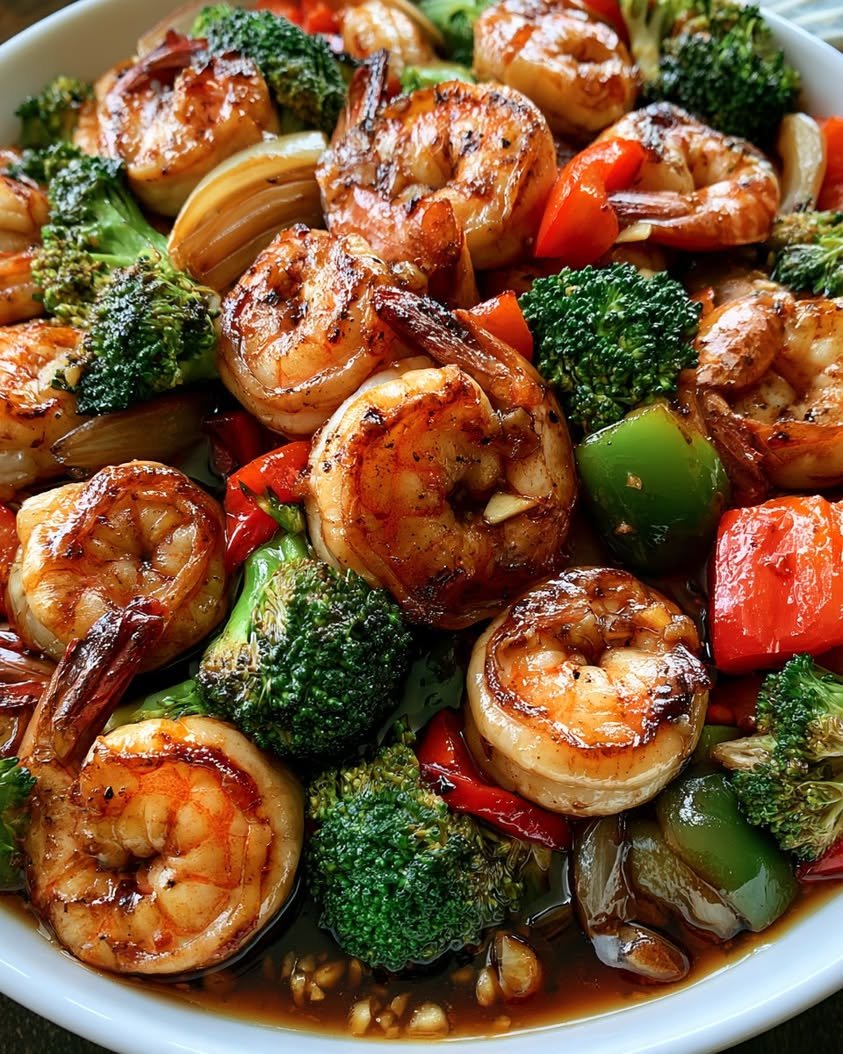
- Visual Appeal: Pink shrimp, golden sauce, and bright red and green vegetables create a vivid plate. A sprinkle of sesame seeds and herbs adds a finished, polished look.
- Skill Level Needed: You need basic knife skills and comfort with a hot pan. The technique stays simple, and the sauce comes together in one bowl.
- Special Equipment: A large wok or heavy skillet works best for high heat. You also need a whisk, a mixing bowl, and a sharp knife.
Recipe Overview
- Difficulty Level: This dish ranks as easy to moderate because it moves quickly. The steps stay simple, yet the stir-fry demands your attention at the stove. You must prep everything before you cook, since the pan moves fast. With that habit in place, the process feels smooth and stress-free.
- Category: This recipe works as a main course for dinner and a meal-prep lunch. It also suits appetizer spreads when served in small bowls with toothpicks. Add rice or noodles to make it a complete plate.
- Cuisine: The dish draws from Chinese stir-fry traditions and Korean chili-honey glazes. It also borrows from coastal seafood cooking, where quick searing preserves sweetness. These influences blend into a modern, globally inspired weeknight meal.
- Cost: Shrimp and scallops make up most of the expense, and frozen seafood lowers the bill. Pantry staples like honey, soy sauce, and garlic cost little per serving. Overall, the dish costs less than takeout for a family.
- Season: Summer brings peak bell peppers and fresh herbs, which brighten the dish. Still, the recipe works year-round because frozen seafood and greenhouse vegetables stay available. Cooler months welcome the gentle heat.
- Occasion: Weeknight dinners, casual dinner parties, and game nights all suit this stir-fry. It also shines for date nights at home because it feels special yet stays simple. Meal prep Sundays make good use of the recipe too.
Why You’ll Love This Recipe
Taste and texture drive this dish from the first bite. The honey garlic sauce coats the seafood in a glossy layer that tastes sweet at the front and spicy at the finish. Since the shrimp cook fast, they stay tender rather than rubbery. The vegetables keep their snap, and the sesame oil adds a nutty depth. Therefore, every bite feels balanced and exciting, and the contrast keeps your palate engaged. This Spicy Honey Garlic Shrimp Seafood Stir-Fry earns repeat requests because the flavors feel bold yet approachable for all ages.
Convenience makes this recipe a weeknight hero. You prep once, then cook in under ten minutes at the stove. Because the sauce mixes in one bowl, cleanup stays minimal. The whole meal needs one pan and one cutting board, which saves time and energy. In addition, the ingredients come together from a standard pantry and freezer. As a result, you can decide at four o’clock to make dinner and still serve it before seven. This Spicy Honey Garlic Shrimp Seafood Stir-Fry removes the stress from busy evenings.
Nutrition gives this dish real staying power. Shrimp delivers lean protein with very little fat, and scallops add minerals like selenium and zinc. Bell peppers bring vitamin C, and garlic offers antioxidants. Honey adds sugar, yet the amount per serving stays modest. Furthermore, you control the sodium by choosing low-sodium soy sauce. Consequently, the meal supports balanced eating without feeling like a compromise. This Spicy Honey Garlic Shrimp Seafood Stir-Fry proves that healthy food can taste indulgent.
Social value makes this recipe a party favorite. The colors look vibrant on a platter, and the aroma draws guests toward the kitchen. You can set up a build-your-own-bowl bar with rice, noodles, herbs, and lime. Because the dish scales easily, hosting feels manageable. Moreover, the mild heat pleases most guests, and you can offer extra chili for spice lovers. This Spicy Honey Garlic Shrimp Seafood Stir-Fry turns a casual gathering into a memorable meal without extra work.
Cost-effectiveness rounds out the appeal. Seafood often costs more than chicken, yet shrimp and scallops still beat steak and many restaurant plates. Frozen seafood cuts the price further, and sales make it affordable. Pantry staples like honey, soy sauce, and rice vinegar last for months. Since the recipe uses modest amounts, the per-serving cost stays low. Thus, families enjoy a special dinner without straining the budget. This Spicy Honey Garlic Shrimp Seafood Stir-Fry delivers value on every front.
Historical Background and Cultural Significance
Stir-frying began in China centuries ago as a way to stretch fuel and cook food fast. Cooks used high heat and constant motion to preserve texture and nutrients. Over time, regional styles developed, and seafood stir-fries became common along the coast. The technique spread across Asia and later around the world. Consequently, the modern stir-fry carries a long legacy of efficiency and flavor. This Spicy Honey Garlic Shrimp Seafood Stir-Fry follows that tradition while adding a sweet-heat twist.
Honey and garlic hold deep cultural importance in many cuisines. Korean cooking pairs honey with gochujang and garlic for glazed meats and seafood. Chinese kitchens use garlic as a base note in countless sauces. Meanwhile, Mediterranean and Middle Eastern cooks prize honey for its ability to round out savory dishes. The combination of sweet and pungent flavors crosses borders. Therefore, this recipe reflects centuries of shared culinary wisdom.
Seafood stir-fries evolved with trade and migration. Coastal communities built recipes around the day’s catch, and fishermen’s families cooked quickly over hot fires. As trade routes expanded, chilies arrived from the Americas, and cooks folded them into local sauces. This exchange created spicier glazes like the one in this recipe. Today, the dish reflects a global pantry, and it honors the resourcefulness of coastal cooking.
Regional variations appear across Asia and beyond. In Thailand, sweet chili sauces pair with shrimp and basil. In Vietnam, garlic and fish sauce create caramel-like glazes. Korean cooks often add gochujang for fermented depth, while Japanese versions lean on mirin and ginger. Home cooks in the U.S. blend these ideas freely. As a result, this Spicy Honey Garlic Shrimp Seafood Stir-Fry represents a living, evolving tradition rather than a fixed recipe.
Ingredient Deep Dive
Shrimp anchor the dish and carry cultural weight in coastal communities worldwide. People have harvested shrimp for centuries, and dried shrimp appear in many traditional sauces. Nutritionally, shrimp offers lean protein, selenium, iodine, and vitamin B12. When you shop, look for firm flesh, clean shells, and a mild ocean scent. Fresh shrimp should feel springy, and frozen shrimp should show minimal ice. Store shrimp in the coldest part of the fridge and use it within two days, or freeze it for up to three months. If shrimp costs too much, swap in firm white fish or extra scallops.
Shrimp cooking demands care because the protein turns rubbery when overcooked. Pat the shrimp dry before searing so the surface browns instead of steams. A quick two-minute sear per side usually suffices, and the shrimp continue cooking in the hot sauce. Deveining improves texture and flavor, and removing shells lets the glaze cling directly. You can leave tails on for presentation, yet remove them for easier eating. Tail-on shrimp look attractive on platters, while tail-off shrimp suit bowls and meal prep.
Scallops bring sweetness and a luxurious texture to the stir-fry. Coastal cultures prize scallops, and Native American communities harvested them long before European settlement. Nutritionally, scallops deliver protein, magnesium, and omega-3 fats with very few calories. Choose dry-packed scallops with a creamy color and fresh smell, and avoid soaked scallops that hold excess water. Pat them dry and sear them hard for a golden crust. Store scallops in the fridge for one day, or freeze them for up to two months. If scallops prove pricey, use extra shrimp or cubed firm fish.
Garlic forms the backbone of the sauce and appears in nearly every culinary tradition. Ancient cooks used garlic for flavor and preservation, and it remains a staple today. Garlic offers antioxidants and adds depth without calories. Select firm heads with tight papery skin and no sprouts. Store garlic in a cool, dry spot with airflow, and avoid refrigeration. Fresh garlic beats jarred garlic in flavor, yet minced garlic works for speed. If you dislike garlic, use shallots or garlic scapes for a milder note.
Honey balances heat and builds the glaze. Cultures worldwide have prized honey for thousands of years, and it carries symbolic meaning in many traditions. Honey adds natural sugar and trace enzymes, yet it should stay moderate for balance. Choose a mild honey like clover for versatility, or buckwheat honey for a bolder taste. Crystallized honey works fine after a warm water bath. Store honey at room temperature in a sealed jar. For a vegan version, substitute maple syrup or agave nectar.
Soy sauce supplies umami and salt. Chinese cooks developed soy sauce centuries ago, and it became central to Asian cuisines. It adds savory depth and a fermented complexity that ties the sauce together. Choose low-sodium soy sauce for control, and check labels for gluten if needed. Store soy sauce in a cool pantry, and refrigerate after opening for best quality. Tamari offers a gluten-free option, and coconut aminos work for soy-free diets. Each substitute shifts the flavor slightly, yet the dish still works well.
Chili heat comes from fresh chilies, chili paste, or red pepper flakes. Chilies originated in the Americas and spread worldwide after the Columbian Exchange. They add capsaicin, which boosts flavor and may support metabolism. Choose jalapenos for mild heat or serranos and bird’s eye chilies for more punch. Look for firm, glossy skins and store chilies in the fridge for a week. Adjust the heat to taste, and remove seeds to tame the burn. If you avoid heat, use sweet paprika for color without spice.
Bell peppers add crunch and color to the stir-fry. They originated in the Americas and became popular globally after trade expanded. Bell peppers provide vitamin C, vitamin A, and fiber. Pick firm, heavy peppers with shiny skin, and store them in the crisper drawer for up to a week. Red and yellow peppers taste sweeter, while green peppers bring a grassy note. Slice the peppers evenly so they cook at the same rate. If peppers cost more out of season, use snap peas or broccoli florets instead.
Common Mistakes to Avoid
- Overcrowding the pan steams the seafood instead of searing it, which dulls flavor. Cook in batches when needed, and keep the pan hot. Since a crowded pan lowers the temperature, the shrimp lose their golden edges.
- Overcooking shrimp turns them rubbery and dry. Pull them from the heat as soon as they turn pink and opaque. The residual heat finishes the job, so trust the visual cues.
- Skipping the sauce mixture leads to uneven flavor. Whisk honey, soy sauce, garlic, and chili together before you cook. This step saves time and prevents burning.
- Adding garlic too early burns it and creates bitterness. Add aromatics after the seafood sears and lower the heat slightly. Therefore, the garlic stays sweet and fragrant.
- Using wet seafood prevents proper browning. Pat shrimp and scallops very dry with paper towels. Moisture fights the sear, so this step matters more than most cooks realize.
- Ignoring pan heat control causes sticking and uneven cooking. Preheat the wok until a drop of water sizzles instantly. Then adjust the burner as you cook to maintain steady heat.
- Adding too much sauce at once cools the pan and thins the glaze. Add the sauce gradually and let it reduce. The sauce should coat the back of a spoon.
- Forgetting to taste before serving misses easy fixes. Sample the sauce and adjust heat, salt, and sweetness. Small tweaks make a big difference at the table.
- Serving immediately without resting causes messy plates. Let the stir-fry rest for a minute so the glaze sets. This short pause improves texture and presentation.
- Using stale or old garlic weakens the flavor. Check freshness before cooking and discard sprouted or soft cloves. Fresh garlic gives the dish its signature aroma.
Essential Techniques
Mise en place means prepping every ingredient before you turn on the heat. Stir-frying moves fast, and you cannot chop while the pan sizzles. Measure sauces, slice vegetables, and clean seafood first. This habit prevents burning and keeps the process calm. When everything sits ready, you simply cook, stir, and serve. Visual cue: your counter holds small bowls of prepped ingredients in cooking order.
High-heat searing creates flavor through browning, often called the Maillard reaction. A hot pan transforms the seafood surface into golden, savory crusts. Preheat the wok until it smokes lightly, then add oil and seafood. Avoid stirring too soon so the crust forms. Visual cue: deep golden edges and a dry surface. Master this step, and the dish gains restaurant depth.
Velveting protects delicate seafood from harsh heat. This technique coats shrimp and scallops in a thin layer of cornstarch and egg white. The coating holds moisture and creates a silky texture. Toss the seafood gently, then sear it briefly. Visual cue: a light sheen on the surface and a tender bite. Many Chinese kitchens rely on velveting, and home cooks can adopt it easily.
Deglazing lifts browned flavor from the pan. After searing, add a splash of broth, rice vinegar, or sake to the hot pan. Scrape the browned bits into the sauce as it sizzles. This step adds depth and prevents waste. Visual cue: a clean pan bottom as the liquid reduces. Then stir the sauce back into the dish.
Pro Tips for Perfect Spicy Honey Garlic Shrimp Seafood Stir-Fry
- Pat seafood completely dry before cooking. Dry surfaces brown better, and the glaze clings more effectively.
- Mix the sauce in advance and set it beside the stove. This prevents scrambling and lets you focus on heat control.
- Use the largest skillet you own or a carbon steel wok. Wide surface area keeps the seafood from overcrowding.
- Sear the shrimp and scallops in batches. The extra step pays off with better texture and richer flavor.
- Add garlic off the direct heat. Stir it into the sauce, then return the seafood to the pan.
- Adjust the heat at the end, not the start. Taste the sauce and add chili or honey for balance.
- Finish with fresh herbs and lime juice for brightness. These additions cut through the rich glaze.
- Let the dish rest one minute before serving. The glaze thickens slightly and coats the seafood beautifully.
Variations and Adaptations
Regional variations change the sauce and aromatics. A Korean-inspired version swaps soy sauce for gochujang and adds sesame seeds. Thai flavors lean on fish sauce, lime, and basil, while a Japanese take uses mirin and ginger. Chinese versions might add Shaoxing wine and scallions. Each direction honors a tradition, yet the technique stays the same. Therefore, you can travel the map from your own kitchen.
Seasonal adaptations keep the dish fresh all year. Spring brings snap peas and scallions, while summer favors bell peppers and tomatoes. Autumn welcomes broccoli and mushrooms, and winter suits hearty greens and cabbage. Frozen vegetables work well when fresh produce costs more. Adjust cooking times for denser vegetables, and add tender greens at the end. The recipe bends to the market, so you never feel stuck.
Dietary modifications make the dish inclusive. Swap soy sauce for tamari to go gluten-free, or use coconut aminos for soy-free needs. Replace honey with maple syrup or agave for vegan versions, and use tofu or mushrooms in place of seafood. Low-carb diners can serve the stir-fry over cauliflower rice or zucchini noodles. Each change keeps the spirit of the dish intact.
Flavor variations expand the recipe further. Add orange zest and juice for a citrus glaze, or use pineapple juice for tropical sweetness. Smoked paprika brings warmth without heat, and ginger adds a sharp bite. For a milder profile, reduce the chili and increase the honey slightly. Taste as you go, and adjust within the same framework.
Texture modifications suit different preferences. Add cashews or peanuts for crunch, or use water chestnuts for a crisp bite. Toss in crispy shallots at the end for a restaurant-style finish. For a smoother sauce, strain the glaze before adding it. Meanwhile, thin the sauce with broth for a lighter coating if desired.
Presentation alternatives fit any table. Serve the stir-fry over jasmine rice, noodles, or quinoa, or spoon it into lettuce cups. Skewers make an appealing appetizer, and ramen bowls turn it into a cozy meal. Family-style platters encourage sharing, while individual bowls speed service. Choose the format that matches your occasion.
Serving and Presentation Guide
Plating begins with a base. Spread rice or noodles in a shallow bowl, then pile the stir-fry in the center. Height adds drama, so mound the seafood gently. Reserve extra sauce to drizzle at the table. A wide rim keeps the plate tidy. Consequently, the colors pop and the dish looks intentional.
Garnishes add freshness and contrast. Sesame seeds, sliced scallions, and cilantro leaves work well together. A wedge of lime invites a bright squeeze, and a thin chili slice signals heat. Toasted peanuts add crunch and visual texture. Keep garnishes simple, and place them right before serving.
Traditional accompaniments round out the meal. Steamed jasmine rice absorbs the glaze, and fried rice adds richness. A cucumber salad offers cooling contrast, while pickled vegetables cut through the sweetness. Miso soup or egg drop soup warms the table. Build a menu around the dish, yet keep sides light.
Modern serving suggestions bring flexibility. Lettuce wraps lighten the meal, and taco-style tortillas turn it into fusion fare. Zucchini noodles satisfy low-carb diners, and cauliflower rice keeps portions lean. Grain bowls with quinoa and avocado feel contemporary. Pick a format based on the crowd.
Temperature matters for seafood stir-fries. Serve the dish hot, straight from the pan, for the best texture. Warm the bowls first if you want the heat to last. Avoid holding the dish over low heat because the seafood overcooks. A quick rest before serving balances flavor and temperature.
Portion control keeps servings reasonable. Plan about six ounces of seafood per person, plus a cup of vegetables and half a cup of rice. Use smaller bowls to keep portions modest, and offer extra vegetables for second helpings. These habits support balanced eating without restrictions.
Wine and Beverage Pairing
Wine pairing follows the sauce’s sweet-heat balance. An off-dry Riesling tames the chili and lifts the honey. Gewurztraminer adds aromatic spice that matches the glaze. For red drinkers, a light Pinot Noir works without overpowering the seafood. Serve whites chilled and reds slightly cool.
Non-alcoholic alternatives keep the meal inclusive. Sparkling water with lime cleanses the palate, and iced green tea offers gentle bitterness. Ginger ale mirrors the spice, while coconut water soothes heat. A cucumber-lime cooler feels refreshing on warm nights. Offer two options so guests can choose.
Coffee and tea pairings may surprise you. Jasmine tea matches the floral aromatics, and roasted oolong adds depth. For coffee lovers, a light roast cold brew pairs with the glaze. Avoid heavy dark roasts because they clash with delicate seafood. Serve these drinks cool to refresh the palate.
Temperature shapes the drinking experience. Cold drinks calm capsaicin heat, while warm drinks can amplify it. For wine, serve whites at 45 to 50 degrees Fahrenheit. Ice water with lemon always works as a backup. Test pairings with a small sip before committing to a full glass.
Serving suggestions tie the beverages to the meal. Set glasses beside the bowl, and offer ice buckets for gatherings. Add lime wedges and mint sprigs for visual appeal. Pour modest amounts and let guests refill. A simple drink station keeps the focus on food and conversation.
Storage and Shelf Life
Storage methods protect flavor and safety. Cool leftovers within two hours, then place them in airtight containers. Glass containers preserve texture better than thin plastic. Press plastic wrap against the surface to limit air exposure. Label the container with the date for easy tracking.
Temperature requirements matter for seafood. Keep the fridge at or below 40 degrees Fahrenheit. Store leftovers on a middle shelf, away from raw meat. Use the coldest section for the longest shelf life. When in doubt, discard the food.
Container recommendations focus on shape and size. Shallow containers cool faster than deep ones. Divide large batches into smaller portions to speed cooling. Use containers with tight lids to prevent leaks. Stackable options save space, and clear containers make leftovers easy to spot.
Signs of spoilage help you stay safe. Sour smells, slimy textures, and cloudy liquid mean trouble. Shrimp should smell mild and look firm. When any doubt exists, throw the food away. Never taste leftovers to test safety.
Reheating instructions preserve texture. Warm leftovers gently in a skillet over medium heat with a splash of broth. Add fresh herbs and lime juice after heating. Skip the microwave if you can, because it toughens shrimp. Heat until steaming, then serve right away.
Freezing guidelines extend shelf life. Freeze the stir-fry in portions for up to two months. Thaw overnight in the fridge, then reheat quickly. Expect slightly softer vegetables after freezing. Add fresh crunch with scallions or peanuts after reheating.
Make Ahead Strategies
Prep timelines make weeknights easier. Wash and chop vegetables up to three days ahead. Mix the sauce and store it in a jar for a week. Clean and dry seafood the night before, then refrigerate it in a sealed container. With these steps done, cooking takes minutes.
Storage between steps protects quality. Keep prepped vegetables in separate containers to prevent sogginess. Store sauce away from seafood to avoid cross-contamination. Label everything with dates, and arrange containers in cooking order. This setup turns chaos into calm.
Quality impact assessment guides choices. Prepped vegetables hold up well for a few days. Seafood tastes best when cooked fresh, so prep it close to cooking time. Sauce improves after a day as flavors meld. Plan accordingly for the best result.
Assembly tips speed the final cook. Line up ingredients beside the stove in order of use. Preheat the pan while you gather tools. Set out serving bowls and garnishes early. A clear station keeps you moving.
Reheating guidelines for make-ahead meals match leftovers. Reheat gently and add fresh elements. Avoid repeated reheating, which degrades texture. Heat only what you plan to eat. Store the rest promptly.
Fresh element additions restore vibrancy. Add herbs, lime juice, and sesame seeds after reheating. Toss in fresh vegetables like cucumber or scallions for crunch. These touches make leftovers taste new.
Scaling Instructions
Halving the recipe works well for singles or couples. Use a smaller pan to keep the sear hot. Reduce the sauce slightly, and taste before adding all the chili. Cooking time stays similar because the pan holds less food. Freeze extra sauce for another meal.
Doubling or tripling suits gatherings and meal prep. Cook in batches to avoid crowding the pan. Keep finished seafood warm on a tray in a low oven. Multiply the sauce but adjust heat at the end. More sauce may need extra reduction time.
Equipment adjustments keep results consistent. A larger wok handles bigger batches better than a skillet. Use an extra sheet pan for resting cooked seafood. Have extra bowls ready for sauce and garnishes. Organize the station before you start.
Timing modifications matter for larger batches. Expect longer total cooking, yet each batch still takes minutes. Preheat the pan between batches to maintain heat. Keep the pace steady and avoid rushing. Serve in waves if needed.
Storage considerations change with volume. More leftovers need more containers, so plan space in advance. Cool large batches quickly by spreading them on trays. Refrigerate promptly and label dates. Share extras with neighbors or freeze portions.
Nutritional Deep Dive
Macro breakdown shapes the meal’s role. Shrimp and scallops supply lean protein with minimal fat. Honey adds carbohydrates, and rice or noodles add more. Vegetables contribute fiber and some carbs. Balance portions to meet your goals.
Micronutrient analysis reveals strong benefits. Selenium supports thyroid function, and iodine aids metabolism. Vitamin C from peppers supports immunity, and garlic offers antioxidants. Scallops add magnesium and B12. These nutrients make the dish more than a treat.
Health benefits follow from the ingredients. Lean protein supports muscle maintenance, and fiber aids digestion. Omega-3 fats from seafood support heart health. Chili may support metabolism, though the effect stays modest. Enjoy the dish as part of a varied diet.
Dietary considerations guide adjustments. Watch sodium if you manage blood pressure, and choose low-sodium soy sauce. Monitor honey if you manage blood sugar. Use less rice and more vegetables for lower carb intake. Small changes keep the recipe workable.
Portion analysis keeps expectations realistic. A serving with rice lands around 400 to 500 calories. Without rice, the dish drops closer to 300 calories. Adjust portions to your activity level. Pair with a side salad for extra volume.
Weight management tips build on balance. Fill half the plate with vegetables before adding rice. Use smaller bowls and eat slowly. Drink water between bites, and save extra sauce for flavor rather than volume. These habits support satisfaction.
Dietary Adaptations
Gluten-free versions rely on tamari or coconut aminos. Check chili paste and other condiments for hidden gluten. Use clean utensils to avoid cross-contact. Serve over rice or gluten-free noodles. Verify all labels before cooking.
Dairy-free versions require almost no changes because the recipe uses no butter or milk. Confirm that sauces and condiments stay dairy-free. If you add a creamy element, choose coconut cream. Check labels on spice blends too.
Vegan versions replace seafood with tofu, tempeh, or mushrooms. Use maple syrup or agave instead of honey. Choose soy sauce or coconut aminos and add umami with mushroom powder. Sear the tofu until crisp for texture. Finish with herbs and lime.
Low-carb versions skip rice and noodles. Serve over cauliflower rice, zucchini noodles, or shredded cabbage. Increase the vegetables in the stir-fry. Watch the honey amount and adjust to taste. These tweaks keep carbs low.
Keto versions need careful sauce adjustments. Replace honey with a low-carb sweetener and use coconut aminos. Serve with cauliflower rice and add healthy fats like avocado. Track carbs from vegetables and sauces. Taste for balance.
Paleo versions use coconut aminos and omit refined sugar. Replace honey with a small amount of maple syrup if allowed, or omit the sweetness. Choose wild-caught seafood when possible. Serve with cauliflower rice or greens. Check all condiments for compliant ingredients.
Low-FODMAP versions require garlic and honey swaps. Use garlic-infused oil instead of fresh garlic. Replace honey with maple syrup in small amounts. Choose scallions and avoid onion. Adjust portions and consult a professional for guidance.
Other specific diets may need tweaks. Nut-free diners should skip peanut garnishes and check sauces. Shellfish allergies mean skipping shrimp and scallops entirely, so consider chicken or tofu. Low-sodium diets benefit from rinsing and reduced sauce. Always read labels carefully.
Troubleshooting Guide
Texture issues often stem from overcooking. Shrimp turn rubbery when they stay on heat too long. Pull them early and let residual heat finish the job. Vegetables soften if they cook past crisp-tender. Keep the pan hot and stir quickly. These habits protect texture.
Flavor balance needs tasting and adjustment. Too much soy sauce makes the dish salty, so add honey or broth. Too little heat feels flat, so add chili gradually. Too much sweetness needs acid, so squeeze in lime. Adjust at the end for control.
Temperature problems begin with a cold pan. Preheat until the surface shimmers, then add oil. If the pan cools, remove the food and reheat the pan. Cook in batches to maintain heat. A thermometer helps if you are unsure.
Equipment challenges arise with thin pans. Thin pans heat unevenly, so use heavy cookware when possible. A wok works well, yet a wide skillet substitutes fine. Avoid nonstick over high heat, which can damage the coating. Use appropriate tools for safety.
Ingredient substitutions change timing. Tofu needs longer searing than shrimp. Firm fish flakes easily, so handle it gently. Vegetables vary in density, so add dense ones first. Adjust cooking times to match the substitute.
Timing concerns ease with preparation. Set a timer for the sear, and keep the sauce ready. Do not walk away during the final stir. Plate immediately after cooking. Practice builds speed and confidence.
Recipe Success Stories
Community feedback shows strong enthusiasm for this stir-fry. Readers praise the quick cook time and the bold glaze. Many report success on the first attempt because the steps stay clear. Others mention that kids love the sweet-spicy balance. These reports confirm the recipe works for real families.
Variation successes highlight flexibility. One reader added pineapple and lime for a tropical twist. Another used tofu for a plant-based version and loved the result. Some cooks swapped in broccoli and snap peas based on the season. The recipe adapts without losing its identity.
Adaptation stories reveal creativity. A home cook served the stir-fry over ramen for a cozy bowl. Another used the glaze on salmon and grilled it. Someone else turned leftovers into lettuce wraps. These stories show the glaze works beyond seafood.
Reader suggestions improve the recipe over time. Many recommend doubling the sauce for rice bowls. Others suggest adding cashews for crunch. Some request a milder version for kids, which works by reducing chili. Feedback keeps the recipe evolving.
Photography tips help readers share their results. Natural light flatters the glossy glaze, so shoot near a window. Use a wide shallow bowl for depth. Add a lime wedge and herbs for color. Take a close-up to show texture.
Frequently Asked Questions
Can I use frozen shrimp for this stir-fry? Yes, frozen shrimp work well and often cost less. Thaw them overnight in the fridge for the best texture. Pat them very dry before searing so the glaze clings. Avoid thawing at room temperature because that raises safety risks. If you are short on time, place sealed shrimp in cold water for about twenty minutes.
How do I control the spice level? Adjust the chili to your taste, and remember that honey softens the heat. Start with half the chili, then taste the sauce before cooking. Add more at the end if you want extra kick. Removing chili seeds lowers the heat, while keeping them raises it. Offer extra chili at the table for spice lovers.
What can I use instead of honey? Maple syrup and agave nectar make easy swaps. Both flow well and balance the chili. If you avoid sugar entirely, use a low-carb sweetener and taste carefully. The glaze needs some sweetness to round out the soy sauce. Adjust the amount to your preference.
Can I prepare the sauce in advance? Yes, mix the sauce up to a week ahead and store it in a sealed jar. The flavors meld over time and taste even better after a day. Keep it refrigerated until cooking. Shake well before using because honey settles.
How do I prevent the shrimp from overcooking? Sear them quickly over high heat and remove them while slightly underdone. Add them back to the sauce at the end for just a minute. The residual heat finishes cooking them. Watch for pink, opaque flesh as your cue.
Is this recipe gluten-free? It can be gluten-free with simple swaps. Use tamari or coconut aminos instead of soy sauce. Check chili paste and other condiments for gluten. Read labels on all packaged ingredients. With these changes, the dish suits gluten-free diets.
Can I make this dish vegan? Yes, replace seafood with tofu or tempeh and use maple syrup instead of honey. Sear the tofu until golden for texture. Add umami with mushroom powder or extra soy sauce. Finish with lime and herbs for brightness.
What should I serve with this stir-fry? Jasmine rice and noodles work as classic bases. For lighter options, try cauliflower rice or zucchini noodles. Add a cucumber salad or pickled vegetables for contrast. Warm soup or dum Print
Spicy Honey Garlic Shrimp Seafood Stir-Fry
- Total Time: 25 minutes
- Yield: 4
Description
A quick and flavorful stir-fry featuring succulent shrimp, a spicy honey garlic sauce, and a mix of colorful vegetables. Perfect for a weeknight dinner.
Ingredients
- 1 lb large shrimp, peeled and deveined
- 1 tablespoon olive oil
- 1 red bell pepper, sliced
- 1 yellow bell pepper, sliced
- 1 small onion, sliced
- 3 cloves garlic, minced
- 1 teaspoon grated fresh ginger
- 1/4 cup honey
- 1/4 cup soy sauce
- 1 tablespoon sriracha sauce
- 1 teaspoon sesame oil
- 1 tablespoon cornstarch mixed with 2 tablespoons water
- 2 green onions, sliced (for garnish)
- Sesame seeds (for garnish)
Instructions
- In a small bowl, whisk together honey, soy sauce, sriracha, sesame oil, and cornstarch mixture. Set aside.
- Heat olive oil in a large skillet or wok over medium-high heat. Add shrimp and cook until pink and opaque, about 2-3 minutes per side. Remove shrimp from skillet and set aside.
- In the same skillet, add bell peppers and onion. Stir-fry for 3-4 minutes until slightly softened. Add garlic and ginger and cook for 30 seconds until fragrant.
- Return shrimp to the skillet. Pour the sauce over the shrimp and vegetables. Cook, stirring constantly, until the sauce thickens and coats everything, about 2 minutes.
- Garnish with green onions and sesame seeds. Serve immediately over rice or noodles.
Notes
You can customize the seasonings to taste.
- Prep Time: 15 minutes
- Cook Time: 10 minutes
- Method: Main
- Cuisine: Asian