Spaghetti with Garlic & Spinach: A Quick Weeknight Dinner Recipe
This spaghetti with garlic and spinach is the ultimate solution when you need a delicious and satisfying meal without spending hours in the kitchen. It is a fantastic quick weeknight dinner recipe that proves simple ingredients can create something truly special. The magic happens when fragrant garlic meets fresh, vibrant spinach, all tossed with perfectly cooked spaghetti. You will love how this dish comes together in the time it takes to boil pasta.
Imagine coming home after a long day and knowing that a flavorful, comforting dinner is just twenty minutes away. That is the promise of this spaghetti with garlic and spinach. The aroma of garlic sizzling in olive oil will fill your kitchen, creating an immediate sense of warmth and anticipation. This dish is more than just a meal; it is a reliable friend that never disappoints, offering both speed and spectacular taste. It is a perfect quick weeknight dinner recipe for busy families and individuals alike.
Furthermore, this recipe is incredibly versatile and forgiving. You can easily adjust the amount of garlic to suit your palate or add a pinch of red pepper flakes for heat. The simplicity of the ingredients allows each flavor to shine, resulting in a pasta dish that feels both rustic and elegant. Once you master this quick weeknight dinner recipe, it will become a staple in your weekly rotation. It is a true testament to the power of quality ingredients and straightforward cooking techniques.
Quick Recipe Highlights
- Flavor Profile: This dish delivers a beautiful balance of savory and slightly sweet notes. The garlic becomes mellow and nutty as it sautes, while the spinach adds a fresh, earthy flavor. A finishing touch of good olive oil and Parmesan cheese brings a rich, savory depth to every bite.
- Texture: You will experience a wonderful contrast between the tender, al dente spaghetti and the soft, wilted spinach. The garlic offers a slight tenderness, and a final sprinkle of toasted breadcrumbs can add a delightful crunch. Each forkful provides a pleasing variety of mouthfeel.
- Aroma: The dominant aroma is the intoxicating scent of garlic gently cooking in olive oil. As the spinach wilts, it releases a fresh, green fragrance that complements the garlic beautifully. The overall scent is warm, inviting, and distinctly Italian-inspired.
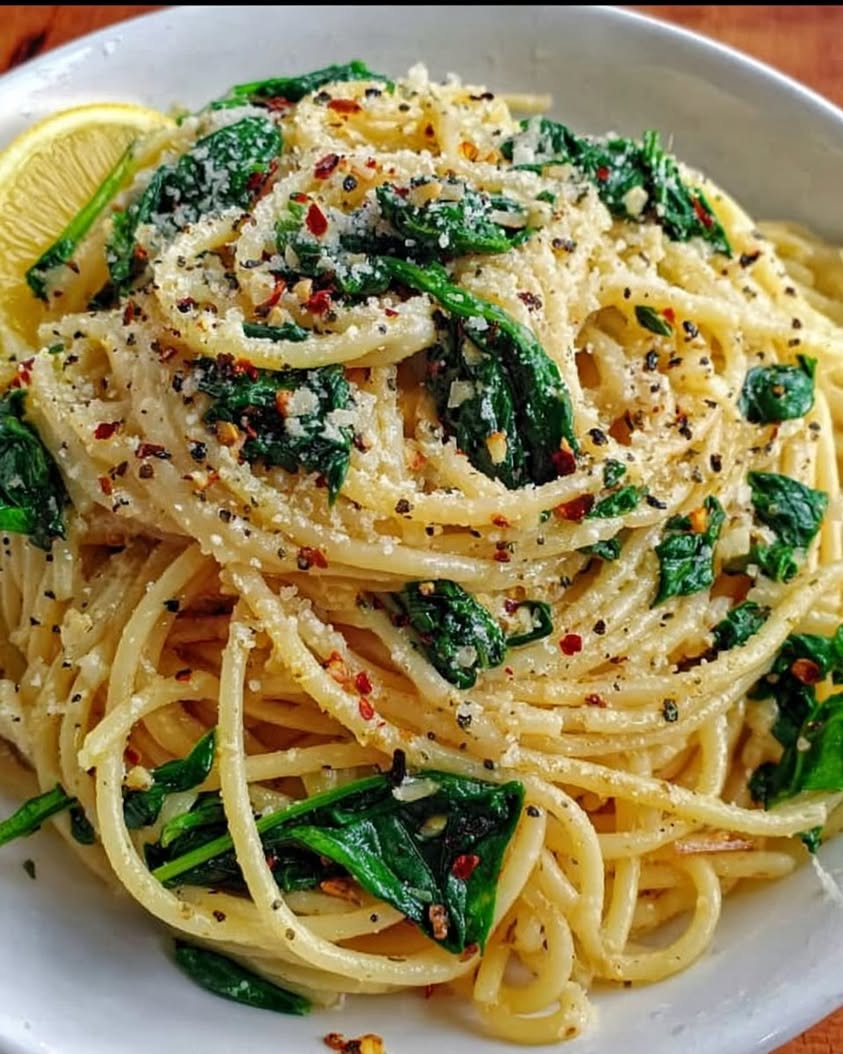
- Visual Appeal: The bright green spinach is beautifully contrasted against the pale yellow of the spaghetti. The garlic cloves add small, golden flecks throughout the dish. A final dusting of grated Parmesan and a drizzle of olive oil create a glossy, appetizing finish that looks as good as it tastes.
- Skill Level Needed: This is an excellent recipe for beginners, requiring only basic knife skills and simple sauteing techniques. Even a novice cook can achieve excellent results on the first try. It is an ideal recipe for building confidence in the kitchen.
- Special Equipment: You will need a large pot for boiling the spaghetti and a large skillet or saute pan for the sauce. A sharp knife and cutting board are essential for preparing the garlic and spinach. A colander for draining the pasta is also necessary.
Recipe Overview
- Difficulty Level: This recipe earns an easy rating because it involves only a few straightforward steps. There are no complicated sauces to make, no tricky techniques to master, and no lengthy cooking times. Anyone with basic kitchen equipment and ability can successfully prepare this quick weeknight dinner recipe.
- Category: This dish fits perfectly into the main course or pasta category for lunch or dinner. It can also be served as a satisfying side dish alongside grilled chicken or fish. It is a versatile recipe that works for a quick family meal or a casual dinner with friends.
- Cuisine: The roots of this recipe are firmly planted in Italian culinary tradition, specifically the aglio e olio style of pasta. This classic preparation highlights simple, high-quality ingredients without heavy cream or tomato sauce. The addition of spinach adds a modern, nutritious twist while staying true to the spirit of rustic Italian cooking.
- Cost: This is an incredibly budget-friendly meal. The core ingredients, spaghetti, garlic, and spinach, are all very affordable. A single bulb of garlic, a bag of spinach, and a box of pasta will make multiple servings, costing only a few dollars per meal.
- Season: While the ingredients are available year-round, this dish is especially perfect for spring and summer. The fresh, light flavors of garlic and spinach are a welcome treat when the weather is warm. It also shines in the winter as a quick and comforting meal that doesn’t weigh you down.
- Occasion: This spaghetti with garlic and spinach is ideal for a hectic weeknight dinner when time is short. It also makes a wonderful, low-effort meal for a cozy weekend lunch. Additionally, it is a fantastic go-to recipe when you need to use up fresh spinach before it goes bad.
Why You’ll Love This Recipe
The primary appeal of this recipe lies in its incredible taste and perfect texture. The al dente spaghetti provides a satisfying chew, while the wilted spinach adds a silky softness. The garlic, cooked until just golden, offers a sweet and mellow punch that coats every strand of pasta. Furthermore, the final touch of salty Parmesan and fruity extra-virgin olive oil elevates the entire dish, creating a flavor profile that is both simple and deeply complex. You will find yourself craving this combination on a regular basis.
Secondly, the convenience and preparation benefits are unmatched. This is a true quick weeknight dinner recipe that requires minimal effort and active cooking time. You can have a nourishing meal on the table in under thirty minutes from start to finish. There is very little chopping involved, and the cleanup is just as easy as the cooking. Consequently, this recipe allows you to enjoy a home-cooked meal even on your busiest days, without feeling like you spent hours in the kitchen.
From a nutritional standpoint, this dish offers a number of advantages. Spinach is a powerhouse of vitamins and minerals, including iron, vitamin K, and vitamin A. Garlic is well-known for its immune-boosting properties and its potential to support heart health. When paired with whole-wheat pasta, you also get a good dose of fiber, making this a satisfying and balanced meal. As such, it is a delicious way to incorporate more leafy greens into your diet.
This recipe also holds significant social and entertaining value. It is an impressive dish to serve guests because it looks and tastes elegant, yet it is secretly very easy to prepare. You can easily double the recipe to feed a crowd without any extra stress. Moreover, it is a wonderful meal to serve for a casual dinner party, as you can chat with your guests while the pasta boils. The simplicity of the dish allows for great conversation without the host being hidden away in the kitchen.
Finally, the cost-effectiveness and accessibility of this recipe are major benefits. All the ingredients are staples in most grocery stores and are very affordable year-round. You do not need to hunt down any special or expensive items to make this meal. Consequently, it is a fantastic option for anyone on a budget or for those who want to keep a well-stocked pantry ready for last-minute meals. This spaghetti with garlic and spinach is truly a gift of simplicity and flavor for any home cook.
Historical Background and Cultural Significance
The origin of this dish can be traced back to the humble kitchens of Southern Italy, particularly the region of Campania. The base of garlic, olive oil, and chili pepper, known as aglio e olio e peperoncino, has been a staple for centuries. This was a meal born from necessity, using easily stored pantry ingredients that were affordable and available to all social classes. The beauty of the recipe lies in its resourcefulness, transforming simple items into a deeply satisfying and flavorful meal.
Culturally, spaghetti aglio e olio holds a significant place in Italian home cooking. It represents the core principle of Italian cuisine: using the highest quality ingredients and keeping preparations simple to let those flavors shine. This dish is not about complex techniques or exotic elements. Instead, it is a testament to the Italian philosophy of making something wonderful from very little. It is a comfort food that evokes memories of family dinners and the warmth of the Italian home.
Over time, the classic aglio e olio has evolved as cooks added local and seasonal ingredients. The addition of spinach, as seen in this recipe, is a perfect example of this evolution. It not only adds flavor and texture but also boosts the nutritional profile of the dish. Other variations include adding anchovies for umami, breadcrumbs for crunch, or a squeeze of lemon for brightness. This adaptability has allowed the recipe to remain relevant and cherished across generations.
Regional variations of this simple pasta dish are abundant throughout Italy. In the north, you might find it enriched with cream or butter. In coastal areas, it is common to see the addition of fresh seafood like clams or shrimp. In the south, the focus remains on the purity of the garlic and olive oil, often with a generous helping of chili flakes. This endless flexibility is what makes the spaghetti with garlic and spinach such a beloved and enduring recipe, able to be constantly reinvented while staying true to its roots.
Ingredient Deep Dive
Spaghetti. Spaghetti is a long, thin, cylindrical pasta from Italy, and its name means little strings. It is one of the most popular and recognizable pasta shapes in the world. Culturally, it is a symbol of Italian cuisine and is a staple in households globally. Traditionally made from durum wheat semolina and water, it offers a firm texture that holds up well to a variety of sauces. Nutritionally, it is a good source of complex carbohydrates for energy and, if using whole-wheat versions, provides dietary fiber. When selecting spaghetti, look for pasta that has a rough, porous texture, which helps sauce cling to it. Store it in a cool, dry pantry in an airtight container for up to two years. If you need a substitute, linguine, fettuccine, or angel hair pasta can work well, though angel hair will cook much faster.
Garlic. Garlic is a bulbous plant from the Allium family and has been used for both culinary and medicinal purposes for thousands of years. Originating in Central Asia, it is a cornerstone of many cuisines worldwide, especially in Mediterranean and Asian cooking. It is revered for its pungent, spicy flavor that transforms into a sweet, nutty taste when cooked. Nutritionally, garlic is packed with compounds like allicin, known for their antioxidant and anti-inflammatory properties, which can support immune health. For the best flavor, choose firm, plump bulbs with tight, unbroken skin. You should store garlic in a cool, dark, and well-ventilated place, but not in the refrigerator. To substitute, you can use shallots or a pinch of asafoetida powder.
Spinach. Spinach is a leafy green vegetable from the Amaranthaceae family, believed to have originated in ancient Persia. It quickly spread across the world, becoming a dietary staple for its incredible nutritional density and mild, slightly sweet flavor. It holds a special place in many cuisines, from Indian saag to Italian salads and sautes. Spinach is a superfood rich in vitamin K, vitamin A, iron, and folate, making it excellent for bone health, vision, and energy levels. For selection, look for leaves that are crisp, vibrant green, and free from yellowing or slime. You should store it in the refrigerator in a breathable bag and use it within a few days. If you need a substitute, kale, Swiss chard, or arugula can be used, though they will have a different flavor and texture.
Common Mistakes to Avoid
- Overcooking the pasta is a very common error. You should cook the spaghetti until it is al dente, meaning it is tender but still has a slight firmness to the bite. Overcooked pasta becomes mushy and will not hold up well when tossed with the spinach and garlic.
- Burning the garlic is another frequent mistake that ruins the entire dish. Garlic can go from perfectly golden to bitter and acrid in just seconds. You should cook it over medium-low heat and stir it constantly until it is just fragrant and lightly colored.
- Not reserving pasta water is a missed opportunity for a better sauce. The starchy pasta water is essential for creating a silky, cohesive sauce that clings to the spaghetti. You must save at least one cup of it before draining the pasta.
- Using too much heat when wilting the spinach can cause it to steam rather than saute. High heat will also lead to uneven cooking and burnt leaves. It is better to heat a large skillet and add the spinach in batches, allowing it to wilt from the residual heat.
- Adding the spinach too early can result in a watery, overcooked mess. You should only add the spinach just before tossing it with the drained pasta. This ensures it stays bright green and retains its texture.
- Undersalting the pasta water is a major flavor mistake. The pasta water should taste like the sea. This is the only chance to season the pasta itself from the inside out, which creates a more flavorful final dish.
- Failing to drain the pasta thoroughly will make your sauce watery. Shake the colander well after draining. Excess water will dilute the garlic and oil, leading to a bland and thin sauce that does not coat the pasta properly.
- Skipping the resting step after tossing the pasta is a common oversight. Letting the pasta sit in the skillet with the spinach and garlic for one minute allows the flavors to meld. This brief rest is crucial for a cohesive dish.
- Using cold olive oil from the refrigerator is not ideal. The olive oil should be at room temperature to properly infuse with the garlic’s flavor. Cold oil will not heat evenly and can affect the cooking time of the garlic.
- Forgetting to taste and adjust seasoning before serving is a final critical step. You should always taste the finished dish and add a final pinch of salt or a crack of black pepper if needed. This ensures the flavors are perfectly balanced.
Essential Techniques
Boiling Pasta Al Dente. This technique is fundamental for any great pasta dish. You must bring a large pot of generously salted water to a rolling boil before adding the spaghetti. The water should taste salty like the ocean. Cook the pasta according to package directions, but start checking it one to two minutes before the recommended time. You are looking for a texture that is tender on the outside but still has a small, white core of firmness when you bite into it. This ensures the pasta will hold its shape and have a pleasant, satisfying chew. Overcooking is the enemy of good pasta, so watch it carefully.
Infusing Oil with Garlic. This is the heart of the spaghetti with garlic and spinach recipe. Start by slicing or mincing the garlic cloves uniformly so they cook evenly. Heat a generous amount of olive oil in a large skillet over medium-low heat. Add the garlic and cook it slowly, stirring frequently. The goal is to gently coax out the garlic’s sweet, nutty flavor without letting it burn. You will know it is ready when it becomes fragrant and just begins to turn a pale golden color. This process takes patience, but it is the key to a rich, flavorful base for the entire dish.
Wilting Spinach. Wilting spinach is a quick process that requires a large surface area and high, but controlled, heat. Once your garlic is ready and the pasta is almost done, add a handful of fresh spinach to the hot skillet. It will seem like too much spinach, but it will wilt down significantly in under a minute. Use tongs to toss the spinach, coating it in the garlic oil. As soon as the first batch begins to wilt, add the remaining spinach. The entire process should take just a minute or two, leaving the spinach bright green and tender. You want it just wilted, not completely cooked down into a mush.
Pro Tips for Perfect Spaghetti with Garlic & Spinach
To achieve the best flavor, always use high-quality extra-virgin olive oil for both cooking the garlic and drizzling at the end. The oil is a primary ingredient, not just a cooking medium, so its flavor matters immensely. Additionally, do not throw away your pasta water. A splash of this starchy liquid is the secret weapon for creating a sauce that clings beautifully to every strand of spaghetti.
When cooking the garlic, you should slice it thinly rather than mincing it for a milder, more delicate flavor. Sliced garlic infuses the oil gently without becoming as pungent as minced garlic. Furthermore, you can add a pinch of red pepper flakes along with the garlic for a subtle kick of heat. This small addition can dramatically enhance the overall flavor profile of the dish.
For the best texture, make sure to reserve one full cup of pasta water before draining. Then, when you toss the cooked spaghetti with the garlic and spinach, add a splash of that water. The starch in the water will emulsify with the olive oil to create a light, flavorful sauce that coats the pasta perfectly. Finally, always finish the dish with a generous grating of fresh Parmesan cheese and a final drizzle of the best olive oil you have for an unbeatable finish.
Variations and Adaptations
Regional Variations. In the southern Italian style, this dish is often made simply with garlic, oil, and chili flakes, known as aglio e olio. A common variation from the Lazio region adds anchovy fillets, which melt into the oil to create a deep, savory umami flavor. Another popular version includes a squeeze of fresh lemon juice and a sprinkle of lemon zest at the end for brightness. These regional twists show the incredible versatility of the basic formula.
Seasonal Adaptations. In the spring, you can swap the spinach for fresh, tender asparagus that has been blanched and cut into pieces. During the summer, ripe cherry tomatoes can be halved and tossed in the hot skillet to burst and create a light sauce. For autumn, sauteed mushrooms and sage can replace the spinach for a heartier, earthier dish. These seasonal changes keep the recipe exciting all year long.
Dietary Modifications. For a gluten-free version, use your favorite gluten-free spaghetti made from rice, corn, or quinoa. To make it dairy-free, simply omit the Parmesan cheese or use a high-quality nutritional yeast for a cheesy flavor. For a vegan adaptation, use a vegan Parmesan alternative or a sprinkle of toasted pine nuts for richness.
Flavor Variations. You can add a variety of fresh herbs to change the flavor profile, such as fresh basil, oregano, or parsley. A squeeze of lemon juice or a splash of white wine adds acidity. For more depth, you can also add a teaspoon of tomato paste to the garlic and cook it for a minute before adding the spinach.
Texture Modifications. For added crunch, top the finished dish with toasted breadcrumbs or panko. You can also add a handful of toasted pine nuts or walnuts for nuttiness and a satisfying crunch. To make it creamier, stir in a dollop of ricotta cheese or a spoonful of creme fraiche right before serving.
Presentation Alternatives. Instead of tossing the pasta with the spinach, you can serve the spaghetti in a bowl and top it with the sauteed garlic and spinach. Another beautiful presentation is to serve it on a large platter, garnished with fresh herb leaves and a drizzle of olive oil. You can also twirl the pasta into neat nests using tongs for an elegant restaurant-style presentation.
Serving and Presentation Guide
Plating Techniques. For a beautiful presentation, use tongs to twirl a portion of spaghetti into a neat, compact nest in the center of a warmed pasta bowl. Then, top the nest with a generous spoonful of the sauteed spinach and garlic. This creates a composed look that is visually appealing and highlights each component of the dish. Another method is to serve directly from the skillet, family-style, allowing everyone to help themselves to a rustic and communal meal.
Garnishing Ideas. A simple garnish of freshly grated Parmesan cheese is classic and adds a salty, savory finish. A sprinkle of flaky sea salt, like Maldon, provides a delightful crunch and burst of flavor. For a pop of color and freshness, you can add a few fresh basil leaves or a light dusting of red pepper flakes for those who like heat. A final drizzle of high-quality extra-virgin olive oil just before serving makes the dish shine.
Traditional Accompaniments. In Italy, this simple pasta is often served as a primo, or first course, followed by a meat or fish main dish. A simple side salad with a lemon vinaigrette is a perfect accompaniment. Crusty bread is also wonderful for sopping up any remaining garlic and olive oil sauce from the plate, ensuring none of the delicious flavors are wasted.
Modern Serving Suggestions. For a more substantial meal, you can top the pasta with a poached egg. The yolk will create a rich, velvety sauce as it breaks and mixes with the pasta. Grilled chicken or shrimp can also be added for extra protein, making it a complete one-dish dinner. Roasted cherry tomatoes are another fantastic addition, adding sweetness and acidity.
Temperature Considerations. This dish is best served immediately after it is prepared, while it is still piping hot. The pasta will absorb the sauce and become sticky as it cools. If you need to keep it warm for a few minutes, you can cover the bowl loosely with foil. However, you should avoid keeping it in a warm oven for a long time, as this will dry out the pasta and overcook the spinach.
Portion Control Tips. A standard serving of pasta is about two ounces of dry pasta per person. For a main course, you can increase this to three ounces. When cooking for a crowd, it is easy to multiply this recipe. A good rule of thumb is that one pound of dry pasta will feed about four people as a main course. Using a kitchen scale can help ensure accurate portions and consistent results.
Wine and Beverage Pairing
Wine Pairings. The light, garlicky, and herbaceous flavors of this dish pair beautifully with a crisp, dry white wine. A Pinot Grigio from Italy is a classic and perfect choice, offering citrus and green apple notes. Another excellent option is a Vermentino, which has a pleasant minerality and a hint of salinity. For a slightly richer white, a Gavi di Gavi or a Soave would also work wonderfully.
Non-Alcoholic Alternatives. For a non-alcoholic option, a sparkling water with a squeeze of fresh lemon or lime is refreshing and cleanses the palate. A crisp, dry apple cider is another great choice that complements the savory notes of the garlic and spinach. You can also serve an iced herbal tea, such as a mint or chamomile, for a calming and refreshing pairing.
Coffee or Tea Pairings. This dish is not typically paired with coffee or tea, as it is a savory pasta course. However, a light, unsweetened black tea, like a Darjeeling, could work as a palate cleanser after the meal. If you were to serve it as a main course for lunch, a glass of iced tea would be a very suitable and refreshing companion.
Temperature Considerations. White wines should be served well-chilled, between 45 and 50 degrees Fahrenheit. Red wines, if you choose one, should be slightly cooler than room temperature, around 55 degrees. Sparkling water and cider should be served very cold. The goal is to have the beverage provide a cool and refreshing contrast to the warm, savory pasta.
Serving Suggestions. Pour the wine into a standard white wine glass to allow the aromas to concentrate. For a more casual meal, a stemless wine glass or a simple tumbler is perfectly acceptable. When serving a non-alcoholic option, you can dress it up with a sprig of mint or a slice of cucumber for an elegant presentation that feels special.
Storage and Shelf Life
Storage Methods. Store any leftover spaghetti with garlic and spinach in an airtight container. This will prevent the pasta from absorbing other odors in the refrigerator and keep it from drying out. Make sure the pasta has cooled to room temperature before sealing the container. Proper storage is key to preserving the best possible quality for your leftovers.
Temperature Requirements. The leftovers must be stored in the refrigerator at a temperature of 40 degrees Fahrenheit or below. You should never leave cooked pasta at room temperature for more than two hours. Bacteria can grow rapidly in the danger zone between 40 and 140 degrees Fahrenheit, so prompt refrigeration is essential for food safety.
Container Recommendations. Glass containers with tight-fitting lids are an excellent choice because they are non-porous and will not stain or absorb odors. Plastic containers also work well, but they may absorb the strong garlic smell over time. For best results, use a container that is just large enough to hold the leftovers, leaving minimal air space to prevent the pasta from drying out.
Signs of Spoilage. Before eating leftovers, always inspect them for signs of spoilage. A sour or off smell is a clear indicator that the food has gone bad. You should also look for any visible mold growth or a slimy texture on the pasta or spinach. If you see or smell anything unusual, it is best to discard the leftovers immediately to avoid foodborne illness.
Reheating Instructions. The best way to reheat this dish is in a skillet on the stovetop. Add a splash of water or olive oil to the pan to create steam and rehydrate the pasta. Heat it over medium heat, tossing frequently, until it is piping hot throughout. You can also reheat it in the microwave, but it may become a bit soft. Add a small amount of water and cover the bowl with a damp paper towel to create steam.
Freezing Guidelines. While technically possible, freezing this dish is not recommended. The texture of the spaghetti will become mushy and soft once thawed, and the spinach will lose its vibrant color and become watery. If you must freeze it, do so in a freezer-safe container for up to one month. Thaw it in the refrigerator overnight before reheating on the stovetop.
Make Ahead Strategies
Prep Timeline. You can do quite a bit of the preparation for this recipe in advance. Up to one day ahead, you can wash and thoroughly dry the spinach, storing it in a paper towel-lined container in the refrigerator. You can also peel and slice the garlic, placing it in a small airtight container. Finally, you can grate your Parmesan cheese and have all your tools ready. This prepping will make the final cooking process incredibly fast and streamlined.
Storage Between Steps. The prepared garlic should be stored in the refrigerator to maintain freshness. The washed spinach must be kept in a container with airflow to prevent it from becoming slimy. It is crucial to keep these components separate until the moment you start cooking. This careful storage ensures that all your ingredients are at their best when you are ready to assemble the meal.
Quality Impact Assessment. Preparing these ingredients in advance has almost no negative impact on the final quality of the dish. In fact, having everything prepped can lead to a more successful cooking process because you can focus on the timing. The only thing you should not do is cook the pasta ahead of time, as it will become sticky and overcooked.
Assembly Tips. When you are ready to cook, you can start boiling the pasta water immediately. Then, while the pasta is cooking, you can begin sauteing the garlic. This dual-track process is the most efficient way to assemble the dish. As soon as the pasta is al dente, you will have the sauce ready to go, ensuring a perfectly timed and fresh final meal.
Reheating Guidelines. Because you are not cooking the pasta ahead of time, there is no need for reheating in this make-ahead plan. The dish is assembled fresh and served immediately. If you have leftovers from the cooked dish, see the storage and shelf life section above for the best reheating instructions.
Fresh Element Additions. To add a fresh element at the end of cooking, you can serve the pasta with a squeeze of fresh lemon juice and a handful of chopped fresh parsley. You can also top it with a generous amount of freshly grated Parmesan cheese. These final touches add brightness and freshness that elevate the finished dish.
Scaling Instructions
Halving the Recipe. To make this recipe for two people, simply cut all ingredient quantities in half. Use half a pound of spaghetti, about 10 to 12 cloves of garlic, and half a bag of spinach. The cooking time for the pasta will remain the same, but you may need to wilt the spinach in slightly smaller batches. Use a smaller skillet to ensure the garlic and spinach cook properly.
Doubling or Tripling. Doubling or tripling this recipe is very straightforward. Use a larger stockpot to boil the pasta, ensuring there is enough water for the spaghetti to move freely. You will need a very large skillet or even a Dutch oven to saute the garlic and wilt all the spinach. The pasta may take a minute or two longer to cook in a larger volume of water. The timing for the garlic and spinach will remain largely the same.
Equipment Adjustments. When scaling up, the biggest challenge is having a large enough pan for the spinach. A 12-inch skillet may work for a double batch, but a large stockpot or Dutch oven may be necessary for a triple batch. You can use the same pot you boiled the pasta in to saute the vegetables, saving you on cleanup. Just make sure to drain the pasta well and dry the pot quickly before adding the oil.
Timing Modifications. The core cooking times for the pasta and sauce do not change significantly when scaling. However, you must account for the increased volume of spinach, which may take a minute or two longer to wilt in batches. The pasta water will take a few minutes longer to come to a boil in a larger pot. Overall, the total time for a double batch is still under thirty minutes.
Storage Considerations. If you are scaling up and making extra for leftovers, be sure you have enough airtight containers for storage. Leftovers should be consumed within three to four days. Because the dish is easy to make, you may find it is better to scale up only what you will eat fresh and make another batch later for the best quality.
Nutritional Deep Dive
Macro Breakdown. This spaghetti with garlic and spinach is primarily a carbohydrate-rich meal, with a good balance of fat and a moderate amount of protein. The spaghetti provides the bulk of the carbohydrates for sustained energy. The olive oil is a healthy source of monounsaturated fats, which are beneficial for heart health. The spinach and Parmesan cheese contribute a small amount of protein, making this a fairly balanced meal, especially if you pair it with a protein source.
Micronutrient Analysis. This dish is exceptionally rich in vitamins and minerals, primarily from the spinach. Spinach is loaded with vitamin K, which is essential for bone health and blood clotting. It is also an excellent source of vitamin A for vision and immune function, as well as iron for energy transport. Garlic provides a significant amount of vitamin C and various antioxidants that support overall health. The Parmesan cheese adds a good dose of calcium for strong bones.
Health Benefits. The health benefits of this dish are numerous. The combination of garlic and olive oil is known to support cardiovascular health by helping to lower blood pressure and cholesterol levels. The high fiber content from the pasta aids in digestive health and promotes a feeling of fullness. The powerful antioxidants found in both garlic and spinach help to combat oxidative stress and reduce inflammation in the body.
Dietary Considerations. This recipe is naturally vegetarian and can be easily adapted for vegan and gluten-free diets. It is relatively low in saturated fat, making it a heart-healthy option. It is also free from many common allergens like nuts, dairy (if you omit the cheese), and soy. The only major consideration is the gluten content from the wheat pasta, which can be replaced with a gluten-free alternative.
Portion Analysis. A standard serving of this pasta dish contains approximately 400 to 500 calories, depending on the amount of olive oil and cheese used. This makes it a satisfying main course for most adults. The calorie count is moderate, and the high fiber and water content from the spinach help to promote satiety, reducing the likelihood of overeating. A sensible portion is about one cup of cooked pasta.
Weight Management Tips. For those focused on weight management, using a whole-wheat spaghetti can increase the fiber content and further enhance feelings of fullness. You can also reduce the amount of olive oil used to cook the garlic, though the healthy fats are beneficial in moderation. To create a more voluminous meal with fewer calories, you can double the amount of spinach used. This will add bulk and nutrients without adding many calories.
Dietary Adaptations
Gluten-Free. To make this recipe gluten-free, simply replace the traditional wheat spaghetti with a gluten-free pasta variety. There are many excellent options made from rice, corn, quinoa, or lentils. Cook the gluten-free pasta according to the package directions, as cooking times can vary significantly. The Print
Spaghetti with Garlic & Spinach
- Total Time: 25 minutes
- Yield: 4
Description
A simple yet flavorful spaghetti dish featuring fresh spinach and plenty of garlic, perfect for a quick weeknight dinner.
Ingredients
- 12 oz spaghetti
- 3 tablespoons olive oil
- 4 cloves garlic, thinly sliced
- 5 oz fresh spinach
- 1/2 teaspoon red pepper flakes (optional)
- Salt and black pepper to taste
- 1/4 cup grated Parmesan cheese
- Juice of 1/2 lemon
Instructions
- Cook spaghetti according to package directions until al dente. Reserve 1/2 cup pasta water, then drain.
- In a large skillet, heat olive oil over medium heat. Add sliced garlic and red pepper flakes (if using) and cook for 1-2 minutes until fragrant, being careful not to burn.
- Add fresh spinach to the skillet and cook, stirring, until wilted, about 2-3 minutes.
- Add the drained spaghetti to the skillet. Toss to combine, adding reserved pasta water a little at a time to create a light sauce.
- Season with salt and pepper. Squeeze lemon juice over the top and sprinkle with Parmesan cheese. Toss once more and serve immediately.
Notes
You can customize the seasonings to taste. For extra protein, add cooked chicken or shrimp.
- Prep Time: 10 minutes
- Cook Time: 15 minutes
- Method: Main
- Cuisine: Italian