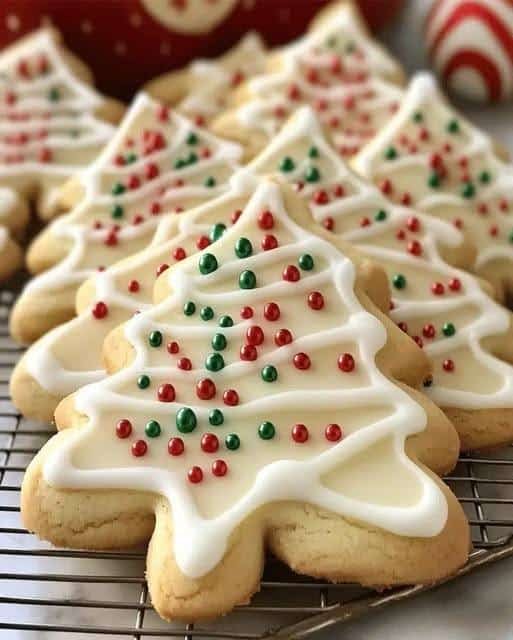
Soft Christmas Cookies: The Perfect Holiday Treat
Soft Christmas Cookies bring the warmth of the holiday season straight into your kitchen, filling every corner with the sweet scent of butter, vanilla, and festive cheer. These tender, pillowy cookies melt in your mouth the moment you take a bite, offering a delicate crumb that pairs beautifully with a tall glass of cold milk or a steaming mug of cocoa. Whether you serve them at a holiday party, pack them into gift boxes, or simply enjoy them by the fire with your family, these soft Christmas cookies deliver comfort and joy in every single bite.
The magic of this recipe lies in its simplicity and its ability to bring people together. You need only basic pantry staples such as flour, butter, sugar, and eggs, yet the result tastes like something from a professional bakery. The dough comes together quickly, the cookies bake in under ten minutes, and the finished treats stay soft for days when you store them properly. Home bakers of every skill level can master these soft Christmas cookies with ease, and the recipe welcomes endless variations for those who love to experiment with flavors and decorations.
As you roll the dough and shape each cookie, you create more than just dessert. You create memories. Kids love helping with the cookie cutters and sprinkles, while adults appreciate how reliably these soft Christmas cookies turn out every single time. The recipe honors classic holiday baking traditions while remaining approachable for modern schedules. Because the ingredients are affordable and the method is straightforward, you can bake multiple batches without stress. These soft Christmas cookies have earned a permanent place in countless holiday celebrations, and once you try them, you will understand exactly why.
Quick Recipe Highlights
- Flavor Profile: These soft Christmas Cookies feature a rich buttery base with warm vanilla notes and a hint of sweetness that lingers pleasantly. The flavor stays balanced, never cloying, and the subtle richness makes each bite deeply satisfying.
- Texture: The cookies deliver a tender, cake-like crumb that yields gently under your teeth. They stay soft for days thanks to the careful balance of butter and sugar, and the surface remains smooth with just the slightest give when you press it.
- Aroma: As these soft Christmas Cookies bake, the kitchen fills with the intoxicating scent of melted butter and pure vanilla. The aroma signals the holiday season instantly, and it draws family members toward the oven with eager anticipation.
- Visual Appeal: Golden edges frame a pale, creamy center on each cookie, creating a lovely contrast. When you add colored sugar or festive sprinkles, the soft Christmas Cookies become a cheerful centerpiece on any cookie platter or dessert table.
- Skill Level Needed: This recipe suits beginners perfectly because it requires no advanced techniques or special tools. You simply cream the butter and sugar, mix the dough, chill it briefly, and bake. Anyone who can measure ingredients can succeed with these soft Christmas Cookies.
- Special Equipment: You need only a mixing bowl, an electric mixer or a sturdy spoon, a rolling pin, and baking sheets. Cookie cutters add festive shapes, but you can also drop the dough by spoonfuls. No specialized equipment stands between you and perfect soft Christmas Cookies.
Recipe Overview
- Difficulty Level: I rate this recipe as easy because it relies on the classic creaming method that most home bakers already know. The dough behaves predictably, and the short baking time leaves little room for error. Even first-time bakers produce beautiful soft Christmas Cookies when they follow the steps carefully. The only real challenge involves resisting the urge to eat the dough before it bakes.
- Category: This recipe falls into the dessert and cookie category, specifically holiday baking. You can serve these soft Christmas Cookies as an afternoon snack, a dessert course, or a homemade gift. They also work beautifully on cookie exchange tables and holiday brunch buffets.
- Cuisine: These soft Christmas Cookies draw from classic American holiday baking traditions with roots in European butter cookie craftsmanship. German and Scandinavian bakers brought similar soft cookie recipes to American kitchens generations ago. The recipe reflects that heritage while embracing modern convenience and accessible ingredients. Today, it stands as a quintessential American Christmas cookie.
- Cost: The ingredients cost very little because they rely on pantry staples most households already stock. A full batch of soft Christmas Cookies typically costs under five dollars in ingredients. Compared to store-bought holiday cookies, this recipe delivers far better flavor at a fraction of the price.
- Season: Winter and the holiday season suit these soft Christmas Cookies best, though you can bake them any time of year. The warm spices and festive decorations feel most natural between November and January. However, the recipe works beautifully for any celebration that calls for a soft, buttery cookie.
- Occasion: Holiday parties, cookie exchanges, family gatherings, and gift-giving occasions all welcome these soft Christmas Cookies. They shine at Christmas Eve celebrations and cozy weekend baking sessions with loved ones. You can also bring them to potlucks, school events, and neighborhood gatherings throughout December.
Why You’ll Love This Recipe
You will love these soft Christmas Cookies first and foremost for their taste and texture. The buttery richness coats your tongue gently, while the vanilla sweetness rounds out every bite. Because the cookies stay soft for days, you avoid the disappointment of dry, crumbly holiday treats. The texture recalls a tender pound cake in cookie form, and that pillowy quality makes them irresistible to both children and adults. Every batch delivers consistent results, so you always know exactly what to expect from these soft Christmas Cookies.
Convenience sets this recipe apart from more complicated holiday baking projects. You need just thirty minutes from start to finish, including prep and baking time. The dough mixes in one bowl, chills briefly while you preheat the oven, and bakes in under ten minutes per batch. Because the recipe uses basic techniques, you can bake these soft Christmas Cookies on a busy weekday evening without stress. Cleanup stays minimal, and the dough freezes beautifully for future baking sessions, which makes holiday planning far easier.
Nutritional advantages matter even during the holidays, and this recipe offers reasonable portions at about one hundred calories per cookie. You control exactly what goes into each batch, so you avoid the preservatives and artificial additives found in commercial cookies. By using real butter and pure vanilla, you create treats with honest ingredients. These soft Christmas Cookies let you enjoy holiday indulgence without overdoing it, especially when you practice sensible portion control and share the batch with family and friends.
Social and entertaining value makes these soft Christmas Cookies a holiday staple. Few things delight guests more than a platter of freshly baked cookies, and this recipe yields two dozen beautiful treats perfect for sharing. Cookie exchanges love this recipe because the cookies hold their shape and travel well. Children adore decorating them, which turns baking into a family activity. When you serve these soft Christmas Cookies at a party, you give guests a warm, homemade touch that store-bought desserts simply cannot match.
Cost-effectiveness and accessibility round out the reasons to love this recipe. The ingredients cost very little, especially when you buy flour, sugar, and butter in bulk during the holiday sales. The recipe requires no special equipment beyond basic kitchen tools. Because these soft Christmas Cookies use everyday pantry staples, you can bake them on short notice whenever an occasion arises. This accessibility makes the recipe perfect for beginning bakers, budget-conscious families, and anyone who wants to spread holiday cheer without spending a fortune.
Historical Background and Cultural Significance
The origin story of soft Christmas Cookies traces back to medieval European baking traditions when sugar became more widely available. Bakers in Germany, Scandinavia, and the British Isles developed butter-rich cookie recipes that celebrated the winter solstice and later Christmas. These early recipes emphasized soft, tender textures achieved through generous butter and careful mixing. Immigrants carried these traditions to America, where they evolved into the soft Christmas Cookies we know today. The cookie press and simple cutters that shape these treats have appeared in holiday kitchens for centuries.
Cultural importance surrounds these soft Christmas Cookies throughout the Western world. Many families bake them as part of annual holiday traditions passed down through generations. Grandmothers teach grandchildren the recipe, and handwritten cards carry the measurements from kitchen to kitchen. In Scandinavian countries, similar soft cookies appear on Saint Lucia Day and Christmas Eve tables. The act of baking and sharing these cookies strengthens family bonds and connects people to their heritage in a delicious, tangible way.
The evolution of this recipe reflects changing kitchen technology and ingredient availability. Early versions used hand-churned butter and coarse sugar, while modern bakers enjoy electric mixers and refined ingredients. The introduction of vanilla extract in the nineteenth century transformed the flavor profile significantly. During the mid-twentieth century, food companies popularized cookie recipes on product packaging, and soft Christmas Cookies appeared in countless community cookbooks. Today, the recipe continues evolving as bakers experiment with gluten-free flours and natural sweeteners.
Regional variations of soft Christmas Cookies flourish across different cultures and geographies. In Germany, similar cookies appear as soft butter cookies dusted with powdered sugar. Scandinavian bakers press their dough into intricate shapes and flavor it with cardamom. In Italy, soft Christmas Cookies often include citrus zest and almonds. American bakers add sprinkles, colored sugar, and frosting to make festive versions. Each region stamps its own identity on the basic recipe while preserving the core qualities of softness, butteriness, and holiday spirit that define these beloved Christmas cookies.
Ingredient Deep Dive
All-purpose flour forms the backbone of these soft Christmas Cookies, and its history stretches back thousands of years to early grain cultivation. Flour symbolizes sustenance and community across nearly every culture on earth. Nutritionally, all-purpose flour provides carbohydrates for energy along with small amounts of protein, iron, and B vitamins. When you select flour for this recipe, look for fresh, unbleached varieties stored in a cool, dry place. Transfer flour to an airtight container to extend its shelf life. You can substitute cake flour for an even softer texture or white whole wheat flour for added fiber.
All-purpose flour behaves beautifully in this recipe because its moderate protein content creates a tender crumb without excessive toughness. The flour absorbs the butter and eggs to form a cohesive dough that rolls out smoothly. For the best results with these soft Christmas Cookies, measure flour by spooning it into your measuring cup and leveling the top. This technique prevents dense, dry cookies caused by packed flour. Store your flour properly, and always check the expiration date before baking.
Unsalted butter delivers the richness that defines these soft Christmas Cookies, and butter has held a place of honor in baking for millennia. Ancient cultures churned butter and prized it for both flavor and preservation. Butter contributes fat-soluble vitamins including vitamin A and vitamin E, though these soft Christmas Cookies offer modest amounts per serving. Choose fresh butter with a clean, sweet aroma for this recipe. Refrigerate butter and use it within a few weeks of purchase. You can substitute salted butter by reducing the added salt slightly, or use a quality plant-based butter for dairy-free needs.
Butter texture controls the texture of these soft Christmas Cookies more than any other ingredient. Properly softened butter creams smoothly with sugar, creating air pockets that help the cookies rise gently. Let butter soften at room temperature for about thirty minutes before you begin. Never microwave it, because melted butter collapses the dough and causes flat, greasy cookies. When you press softened butter with your finger, it should yield easily while holding its shape. This attention to butter temperature makes the difference between good and exceptional soft Christmas Cookies.
Granulated sugar supplies sweetness and structure to these soft Christmas Cookies, and sugar has shaped human cuisine since ancient times. Sugar cane cultivation spread across the globe through trade routes, and bakers discovered its ability to tenderize baked goods. White sugar provides pure sweetness without competing flavors, while the sugar crystals help aerate the butter during creaming. Buy sugar in sealed bags and store it in a dry container to prevent clumping. You can swap in coconut sugar for a caramel note, though your soft Christmas Cookies will turn out slightly darker.
Sugar performs critical functions beyond sweetness in these soft Christmas Cookies. It attracts moisture, which keeps the cookies soft for days after baking. It also aids browning, giving the cookie edges their golden hue. When sugar dissolves into the butter and eggs, it creates the structure that supports the finished cookie. For best results, cream the sugar and butter for a full two to three minutes until the mixture appears light and fluffy. This step builds the foundation for beautifully soft Christmas Cookies every time.
Large eggs bind these soft Christmas Cookies and add moisture that enhances the tender crumb, and eggs have nourished humanity for thousands of years. Eggs contribute complete protein along with choline and several vitamins. Choose fresh eggs with clean shells from a trusted source. Store eggs refrigerated and use them within three to five weeks of purchase. Bring eggs to room temperature before mixing, because cold eggs resist blending and can cause the dough to curdle.
Eggs play a structural role that makes these soft Christmas Cookies hold together. The proteins coagulate during baking, setting the cookie shape and preventing excess spread. The fat in the yolks enriches the flavor and reinforces the soft texture. Beat the eggs lightly before adding them to the butter mixture, then incorporate them gradually. This approach creates a smooth, uniform dough for your soft Christmas Cookies. For an egg-free version, flax eggs work acceptably, though the texture shifts slightly.
Pure vanilla extract deepens the flavor of these soft Christmas Cookies with warm, floral notes, and vanilla originating in Mexico has captivated bakers for centuries. The Totonac people cultivated vanilla orchids long before European explorers arrived. Vanilla extract contains antioxidants and adds a familiar, comforting aroma. Select real vanilla extract rather than imitation for the best flavor in your soft Christmas Cookies. Store the bottle tightly sealed in a cool, dark cabinet. You can substitute almond extract or maple syrup for a different flavor profile.
Vanilla rounds out the sweetness in these soft Christmas Cookies and complements the buttery base. A generous teaspoon delivers noticeable flavor, so never skimp on this ingredient. Real extract contains alcohol that evaporates during baking while leaving concentrated flavor behind. If you use vanilla bean paste, you gain tiny flecks of vanilla seed that add visual interest to the dough. Whatever form you choose, vanilla transforms good soft Christmas Cookies into memorable holiday treats that people request year after year.
Common Mistakes to Avoid
- Overmixing the dough develops excess gluten and produces tough cookies. Stop mixing the moment the flour disappears into the dough. Gentle handling keeps these soft Christmas Cookies tender.
- Using cold butter straight from the refrigerator causes lumpy dough and uneven creaming. Soften the butter for thirty minutes at room temperature. Skipping this step ruins the texture of your soft Christmas Cookies.
- Skipping the chill time allows butter to melt before baking. Chill the dough for at least twenty minutes so it firms up. This step prevents excess spread and keeps your soft Christmas Cookies thick and pillowy.
- Rolling the dough too thin produces crispy wafers instead of soft cookies. Keep the dough between one quarter and one half inch thick. Proper thickness guarantees the signature softness of these cookies.
- Packing flour into the measuring cup adds too much flour and dries out the dough. Spoon flour into the cup and level it with a knife. Light measuring protects the soft texture of these Christmas cookies.
- Baking past the point of doneness creates hard, crunchy edges. Pull the cookies when the centers still look slightly underbaked. Carryover heat finishes them perfectly on the hot pan.
- Placing dough on a hot baking sheet causes uneven baking and excess spread. Always cool the pan between batches. A cool pan ensures consistent results for every batch of soft Christmas Cookies.
- Substituting margarine for butter changes the flavor and texture dramatically. Real butter delivers the richness that defines this recipe. Use margarine only if dairy restrictions require it, and expect a firmer cookie.
- Ignoring oven temperature accuracy leads to burned bottoms or pale tops. Use an oven thermometer to confirm your setting. Accurate heat ensures even baking for your soft Christmas Cookies.
- Adding too much flour during rolling toughens the dough. Dust the surface lightly and use only what you need. Minimal flour keeps these cookies tender and soft.
Essential Techniques
Creaming butter and sugar properly establishes the light texture of these soft Christmas Cookies, so pay close attention to this first step. Beat the mixture on medium speed until it turns pale yellow and visibly fluffy. This process takes two to three minutes with a mixer or about four minutes by hand. The creaming step traps air bubbles that expand in the oven and lift the cookies. You know the mixture is ready when it looks lighter in color and gains volume. Skipping this technique produces dense cookies, so never rush the process with these soft Christmas Cookies.
Chilling the dough controls spread and makes rolling easier, and this technique matters greatly for shaped cookies. Wrap the dough in plastic and refrigerate it for twenty to thirty minutes until firm. Cold dough holds its shape while you cut out festive designs. The chill also firms the butter so the cookies keep their thickness in the oven. If you skip this step, your soft Christmas Cookies may flatten and lose definition. Use the chill time to preheat your oven and prepare your baking sheets.
Measuring flour correctly prevents dry, crumbly cookies, and this simple technique improves every baked good you make. Fluff the flour in its container, spoon it into the measuring cup, then sweep the top level with a knife. This method adds about one hundred twenty five grams per cup, which matches the recipe perfectly. Scooping directly from the bag packs the flour and adds up to twenty percent extra. Proper measuring keeps your soft Christmas Cookies tender and moist. Keep a scale nearby if you prefer weighing for accuracy.
Cooling cookies on the baking sheet completes the baking process gently, and this technique ensures the proper final texture. Leave the cookies on the hot pan for five minutes after they exit the oven. Residual heat finishes the centers while the edges set. Then transfer the cookies to a wire rack to cool completely. This gradual cooling protects the delicate structure of these soft Christmas Cookies. Rushing the process with a cold surface causes cracking and uneven textures.
Pro Tips for Perfect Soft Christmas Cookies
- Preheat your oven fully before the first batch enters. A properly heated oven bakes the cookies evenly and prevents pale centers. Give your oven fifteen minutes to reach temperature, and use an oven thermometer to verify the setting.
- Use parchment paper or a silicone mat on your baking sheets. These liners prevent sticking and promote even browning. They also make cleanup quick, so you can focus on enjoying your soft Christmas Cookies.
- Bake one sheet at a time on the center rack. Multiple sheets crowd the oven and create hot spots. Single-batch baking guarantees consistent results for these soft Christmas Cookies.
- Rotate the pan halfway through baking if your oven runs uneven. This simple step ensures uniform browning across every cookie. Set a timer so you never forget the rotation during a busy baking session.
- Decorate the cookies while the icing or glaze stays slightly warm. Decorations adhere better and create a polished finish. Work in small sections to keep your soft Christmas Cookies looking tidy and festive.
- Store cooled cookies with a slice of bread in an airtight container. The bread releases moisture and keeps the cookies soft for days. Replace the bread when it dries out to maintain the effect on your soft Christmas Cookies.
- Add a pinch of salt even if the recipe seems complete without it. Salt enhances the butter flavor and balances the sweetness. A small amount transforms the flavor of these soft Christmas Cookies noticeably.
- Test one cookie before baking the full batch. Bake a single cookie, check the timing and spread, then adjust as needed. This quick test saves the rest of your soft Christmas Cookies from any surprises.
Variations and Adaptations
Regional variations of soft Christmas Cookies offer endless inspiration for adventurous bakers. German-style versions add ground almonds and dust the finished cookies with powdered sugar. Scandinavian bakers flavor the dough with cardamom and press it into intricate shapes. Italian variations incorporate orange zest and a splash of almond extract. Southern American cooks add pecans and a touch of bourbon. Each regional twist honors the soft, buttery foundation while introducing local flavors and traditions that make these soft Christmas Cookies a global celebration.
Seasonal adaptations let you enjoy soft Christmas Cookies all year round with small flavor shifts. In spring, add lemon zest and pastel sprinkles for Easter gatherings. Summer versions incorporate fresh berries folded gently into the dough. Autumn batches benefit from cinnamon, nutmeg, and a drizzle of maple glaze. Winter returns to the classic vanilla and festive decorations. By adjusting flavors and colors, you transform the same reliable dough into treats that suit every season and occasion.
Dietary modifications make these soft Christmas Cookies accessible to more guests and family members with food restrictions. Gluten-free flour blends substitute cup for cup in most cases, though add a quarter teaspoon of xanthan gum if your blend lacks a binder. Dairy-free butter alternatives work well when you choose quality brands. Egg replacements such as flax eggs change the texture slightly but still produce enjoyable cookies. Always test a small batch first so you can adjust the recipe before serving guests with dietary needs.
Flavor variations expand the appeal of these soft Christmas Cookies beyond the classic vanilla profile. Add peppermint extract for a candy cane twist, or fold in mini chocolate chips for richness. Citrus zest brightens the dough, while warm spices create a cozy flavor. Maple and brown butter versions offer deeper, caramelized notes. Espresso powder lends a subtle mocha undertone. Whichever direction you choose, the base recipe supports bold experimentation and rewards your creativity with delicious results.
Texture modifications let you dial in the exact bite you prefer in your soft Christmas Cookies. For a cakier cookie, add an extra egg yolk and reduce the flour by two tablespoons. For a slightly chewier version, swap half the granulated sugar for brown sugar. If you want a bit more structure for decorated cookies, increase the flour slightly and chill the dough longer. Adjusting one or two variables makes it easy to customize these soft Christmas Cookies to your family’s preferences.
Presentation alternatives transform these soft Christmas Cookies into striking holiday gifts and display pieces. Dip half of each cookie in melted white chocolate and add crushed peppermint. Pipe delicate snowflake designs with royal icing for an elegant look. Sandwich two cookies with buttercream for a festive whoopie pie style treat. Dust powdered sugar through a stencil for bakery-worthy results. These presentation ideas elevate your soft Christmas Cookies from simple homemade treats to impressive holiday showpieces.
Serving and Presentation Guide
Plating techniques set the stage for how guests experience your soft Christmas Cookies. Arrange the cookies in concentric circles on a round platter for a classic, abundant look. Alternate shapes and colors to create visual interest across the arrangement. Elevate the platter on a cake stand so the cookies become a centerpiece rather than an afterthought. Leave small gaps between cookies so guests can lift them easily. A thoughtfully arranged platter signals care and makes your soft Christmas Cookies even more inviting.
Garnishing ideas add festive flair with minimal effort. Dust powdered sugar over the cookies using a fine mesh strainer for a snowy appearance. Drizzle white chocolate in thin zigzags across the surface. Press edible gold stars or sprinkles into buttercream before it sets. Add a small sprig of rosemary to the platter for a natural green accent. Simple garnishes enhance the homemade charm of these soft Christmas Cookies without overwhelming their delicate flavor.
Traditional accompaniments pair perfectly with soft Christmas Cookies at any holiday gathering. Serve them alongside mugs of hot cocoa topped with whipped cream. A pot of spiced tea complements the buttery flavor beautifully. Eggnog brings classic holiday warmth to the pairing. For evening parties, a glass of cold milk remains the timeless favorite. These familiar pairings highlight the comforting qualities of soft Christmas Cookies and encourage guests to linger and enjoy another.
Modern serving suggestions offer fresh ways to present these cookies at contemporary gatherings. Build a cookie charcuterie board with soft Christmas Cookies at the center surrounded by dried fruits, nuts, and chocolates. Package individual cookies in clear cellophane bags tied with ribbon for party favors. Arrange a cookie bar where guests add their own toppings and glazes. These creative approaches make your soft Christmas Cookies the star of any modern celebration and give guests a memorable, interactive experience.
Temperature considerations affect how your soft Christmas Cookies taste and feel. Serve them at room temperature for the best texture and flavor. Cold cookies taste firmer and dull the butter notes. If you store cookies in the refrigerator, let them sit out for fifteen minutes before serving. Slightly warm cookies offer a special treat straight from the oven, though the texture remains soft even after cooling completely.
Portion control tips help guests enjoy these soft Christmas Cookies without overindulging. Arrange cookies in smaller clusters so the display looks plentiful without encouraging excess. Slice larger cookies in half for a lighter option. Pair cookies with fresh fruit on the platter for balance. Offer small plates and napkins nearby. These subtle touches guide guests toward moderate enjoyment while keeping your soft Christmas Cookies at the center of the celebration.
Wine and Beverage Pairing
Wine pairings elevate soft Christmas Cookies into a sophisticated holiday treat. A glass of tawny port complements the buttery richness with notes of caramel and dried fruit. Late-harvest Riesling offers sweetness that mirrors the cookie’s sugar while bright acidity cuts through the butter. A creamy cream sherry pairs beautifully with the vanilla notes. For sparkling options, a demi-sec champagne adds festive elegance to your soft Christmas Cookies. Choose wines with moderate sweetness to harmonize with the cookie flavors.
Non-alcoholic alternatives ensure everyone at your gathering enjoys a thoughtful pairing with soft Christmas Cookies. Hot apple cider with cinnamon sticks brings warm spice that echoes the holiday spirit. Sparkling apple juice offers effervescent sweetness without alcohol. A creamy steamed milk with a dash of vanilla creates a comforting companion. Chai tea delivers gentle spice and warmth. These beverages make your soft Christmas Cookies feel special for guests of all ages and preferences.
Coffee and tea pairings bring out nuanced flavors in these soft Christmas Cookies. A medium-roast coffee balances the butteriness with gentle acidity and nutty notes. Espresso offers intensity that cuts through the sweetness. For tea lovers, Earl Grey contributes bergamot brightness, while chamomile provides a soothing match. A robust English breakfast tea stands up well to the rich dough. Offer a small selection so guests can find their perfect pairing.
Temperature considerations guide how you serve these companion beverages. Hot drinks in insulated carafes stay warm through the gathering. Cold milk and iced options require proper chilling until serving. Room temperature beverages suit casual cookie trays in the afternoon. Match the drink temperature to the setting, whether a cozy fireside evening or a bright holiday brunch. The right temperature makes both the beverage and your soft Christmas Cookies taste their best.
Serving suggestions for beverages keep the experience polished and convenient. Set up a self-serve station with cups, stirrers, and toppings such as whipped cream and cinnamon sticks. Label each beverage so guests know their options. Place the drink station beside the cookie platter to encourage pairing. Refill carafes before they empty so guests never face an empty cup. These small touches make your soft Christmas Cookies and drinks feel like a coordinated, thoughtful presentation.
Storage and Shelf Life
Storage methods determine how long your soft Christmas Cookies stay fresh and delicious. Cool the cookies completely before storing, because warm cookies create condensation that makes them soggy. Layer them in an airtight container with parchment paper between the layers. Add a slice of white bread to the container to release moisture and maintain softness. Keep the container in a cool, dry location away from direct sunlight and heat sources.
Temperature requirements matter greatly for preserving these soft Christmas Cookies. Store them at room temperature between sixty five and seventy degrees Fahrenheit for up to one week. Avoid storing them near the stove, radiator, or sunny windows. Refrigeration extends shelf life to two weeks but firms the texture, so bring cookies to room temperature before serving. Freezing offers the longest storage option when you need to plan ahead for holiday events.
Container recommendations help you protect both flavor and texture. Choose airtight containers with tight-sealing lids made from food-safe plastic or metal. Glass containers work well but require careful handling. Avoid open bowls or loosely covered plates for anything beyond same-day serving. Line containers with parchment paper and separate layers so cookies do not press against each other. Proper containers keep your soft Christmas Cookies tasting fresh for days after baking.
Signs of spoilage help you know when to discard old cookies safely. Fresh soft Christmas Cookies smell sweet and buttery with no off odors. Mold appears as fuzzy spots in green, blue, or white and requires immediate disposal of the entire batch. A stale, cardboard-like aroma indicates the cookies have passed their prime. Hard, brittle texture signals moisture loss. When in doubt, throw them out, and bake a fresh batch for your next gathering.
Reheating instructions restore a just-baked quality to stored soft Christmas Cookies. Place cookies on a parchment-lined baking sheet and warm them in a three hundred degree oven for three to four minutes. Watch carefully so they do not overbrown. A brief microwave pulse of ten seconds also softens a single cookie. Avoid reheating decorated cookies with icing, which melts quickly. Gentle reheating brings back the soft, warm appeal of freshly baked soft Christmas Cookies.
Freezing guidelines let you bake ahead and enjoy these cookies for months. Freeze baked cookies in airtight containers with parchment between layers for up to three months. Thaw them at room temperature for one to two hours before serving. You can also freeze the dough in disks wrapped tightly in plastic and foil for up to two months. Thaw the dough in the refrigerator overnight, then roll and bake. Freezing preserves the flavor and soft texture of your soft Christmas Cookies beautifully.
Make Ahead Strategies
Prep timeline planning turns holiday baking into a calm, organized process instead of a last-minute scramble. Measure dry ingredients the night before and store them in sealed containers. Soften butter on the counter overnight so it is ready when you wake. Mix the dough up to three days ahead and refrigerate it tightly wrapped. With a clear timeline, you can bake these soft Christmas Cookies in small, stress-free windows throughout the week.
Storage between steps protects quality at every stage of the process. Wrap dough disks in two layers of plastic wrap and chill for up to three days. Store mixed icing in an airtight container at room temperature for two days or refrigerate for longer. Keep baked, undecorated cookies in sealed containers until decorating day. Managing storage between steps keeps every component of your soft Christmas Cookies fresh and ready to assemble when the moment arrives.
Quality impact assessment helps you understand which steps tolerate advance preparation. The dough actually improves after a day in the refrigerator because the flour hydrates fully and the flavors meld. Baked cookies maintain excellent quality for a week when stored properly. Decorated cookies with royal icing hold up best when decorated close to serving time. Frozen dough loses almost nothing in quality. Plan ahead with confidence knowing these soft Christmas Cookies handle preparation beautifully.
Assembly tips streamline the final steps when you work with prepped components. Set up a decorating station with icing, sprinkles, and tools before you begin. Work in batches so icing does not dry out mid-process. Keep undecorated cookies covered while you work on each group. Place finished cookies on a rack to set completely. Organized assembly makes decorating these soft Christmas Cookies a joyful activity rather than a chore.
Reheating guidelines apply when you serve make-ahead cookies at events. Warm plain cookies briefly in a low oven to refresh their texture. Skip reheating for iced or glazed cookies, which look best at room temperature. If you froze the dough, thaw it completely before rolling to prevent cracking. Following these guidelines ensures your make-ahead soft Christmas Cookies taste as fresh as the day you baked them.
Fresh element additions bring new life to cookies prepared in advance. Add a fresh drizzle of glaze on serving day for a glossy finish. Sprinkle fresh zest over the platter just before guests arrive. Whip a quick cream cheese dip to serve alongside. These small fresh touches complement your make-ahead strategy and make the soft Christmas Cookies feel newly made, even when you prepared them days in advance.
Scaling Instructions
Halving the recipe works easily when you need a smaller batch of soft Christmas Cookies. Divide every ingredient exactly in half, including the egg, which you can beat and measure by weight for accuracy. Use a smaller mixing bowl and reduce the mixing time slightly. Baking time stays about the same, though you should check the first batch a minute early. Half batches suit small families or test runs before a big holiday event.
Doubling or tripling the recipe lets you bake enough soft Christmas Cookies for large gatherings and gift giving. Multiply all ingredients by two or three, and use a large mixing bowl with plenty of room. Cream the butter and sugar in batches if your mixer struggles with the volume. Mix the flour in gradually to avoid a cloud of flour dust. Bake in single-sheet batches to keep the oven temperature stable and the results consistent.
Equipment adjustments keep the process smooth when you scale the recipe up or down. A stand mixer handles double batches with ease, while a hand mixer suits half batches. You may need extra baking sheets for large batches, so let pans cool between uses or rotate two pans. Extra cooling racks and storage containers also help. Planning your equipment before you start ensures your scaled soft Christmas Cookies bake evenly and cool properly.
Timing modifications matter when you change batch sizes. Small batches bake faster, so start checking one to two minutes early. Large batches require more time for rolling and cutting, so budget extra prep time. Chilling the dough takes the same time regardless of batch size. Ovens recover heat more slowly after loading multiple sheets, so add a minute if you bake two sheets at once. Adjusting your timing protects the quality of every soft Christmas Cookie.
Storage considerations grow with your batch size. Large batches require multiple airtight containers, so gather them before baking day. Label containers with the date so you rotate your supply properly. Freeze excess cookies in portioned containers for future events. Share extras with neighbors and friends to spread holiday cheer. Thoughtful storage planning keeps large batches of soft Christmas Cookies fresh and makes gift giving easy.
Nutritional Deep Dive
Macro breakdown of these soft Christmas Cookies shows about one hundred calories per cookie with roughly twelve grams of carbohydrates, six grams of fat, and one gram of protein. Butter supplies most of the fat, while flour and sugar provide the carbohydrates. The balance of fat and carbs creates satisfying energy for holiday activities. Portion awareness helps you fit these cookies into your daily eating plan while still enjoying the festive flavors of soft Christmas Cookies.