Ribeye Roast with Cranberry Balsamic Glaze: A Showstopping Feast
When you want a centerpiece that commands attention at the dinner table, this Ribeye Roast with Cranberry Balsamic Glaze delivers every single time. The rich, beefy flavor of a well-marbled ribeye roast pairs beautifully with the sweet-tart brightness of cranberries and the deep complexity of balsamic vinegar. Together, they create a glaze that caramelizes into a glossy, ruby-toned crust while the interior stays juicy and tender. Whether you serve it for a holiday gathering or a weekend celebration, this ribeye roast with cranberry balsamic glaze turns an ordinary meal into an unforgettable event.
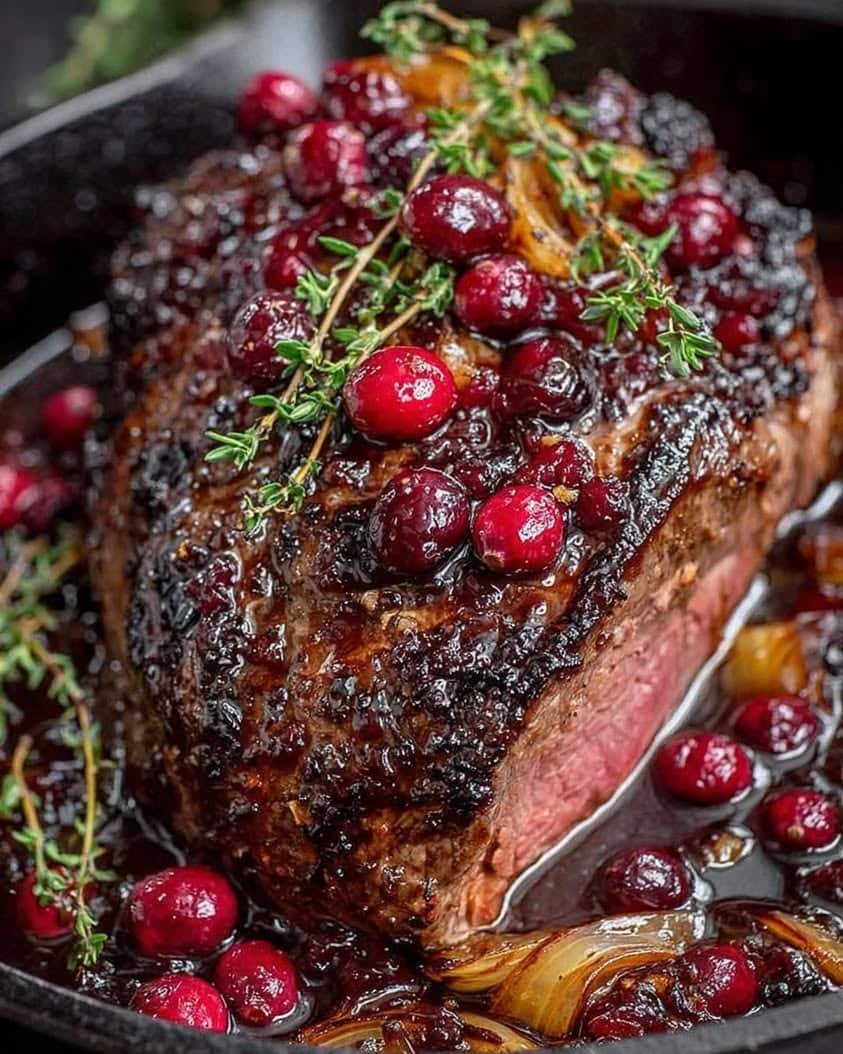
The first thing you notice is the aroma. As the roast rests in the oven, the scent of rosemary, garlic, and reducing balsamic fills the kitchen and draws everyone toward the stove. Then comes the visual payoff: a deep mahogany crust glistening with cranberry glaze, sliced open to reveal a blushing pink center. Each bite balances savory beef, tart cranberry, and a whisper of sweetness from the balsamic reduction. This ribeye roast with cranberry balsamic glaze recipe strikes that rare balance between impressive and approachable, which makes it a favorite for home cooks who want restaurant-quality results without restaurant-level stress.
You do not need a culinary degree to master this dish. With a reliable meat thermometer, a hot oven, and a little patience during the resting phase, you can produce a ribeye roast with cranberry balsamic glaze that looks and tastes like it came from a fine dining kitchen. The glaze comes together in minutes on the stovetop, and the roast mostly cooks unattended. That combination of low effort and high reward makes this recipe a dependable choice for both new and experienced cooks. Keep reading, and you will learn every technique, tip, and variation you need to serve a flawless ribeye roast with cranberry balsamic glaze.
Quick Recipe Highlights
- Flavor Profile: The glaze balances tart cranberry, sweet-tangy balsamic, and savory beef juices. A touch of honey rounds out the acidity, and fresh rosemary adds an herbal finish that keeps every bite interesting.
- Texture: The exterior develops a caramelized, slightly sticky crust while the interior remains buttery and tender. Resting the meat properly guarantees a juicy, melt-in-your-mouth texture from edge to center.
- Aroma: Expect deep roasted garlic, fragrant rosemary, and the sharp-sweet perfume of reducing balsamic vinegar. The cranberry notes brighten the air and signal a special meal is on the way.
- Visual Appeal: A glossy crimson glaze coats the roast in a jewel-like finish. Sliced against the grain, the pink center contrasts beautifully with the dark crust and the ruby glaze pooled on the platter.
- Skill Level Needed: Intermediate cooks will feel comfortable, yet beginners can succeed with a meat thermometer. The technique centers on searing, roasting, and reducing a glaze, all of which follow simple, repeatable steps.
- Special Equipment: You need a heavy roasting pan with a rack and an instant-read thermometer for accuracy. A small saucepan handles the glaze, and a sharp carving knife ensures clean, even slices.
Recipe Overview
- Difficulty Level: This dish lands squarely at intermediate because it involves two heat stages and a reduction. However, the steps are forgiving and the thermometer does the hard work. Most cooks master it on the first attempt and gain confidence for future roasts.
- Category: This recipe works as a main course for holiday dinners, Sunday suppers, and dinner parties. It also shines as a centerpiece for buffet-style entertaining and special occasion menus.
- Cuisine: The dish draws from American holiday traditions and Italian balsamic craftsmanship. Cranberry sauces have graced American tables for generations, while balsamic reduction reflects Italian culinary influence. The combination feels modern yet rooted in classic comfort cooking.
- Cost: A ribeye roast represents a premium cut, so expect to spend accordingly at the butcher counter. The glaze ingredients cost very little and stretch far. Compared with steakhouse pricing for a similar meal, home preparation saves significant money per serving.
- Season: Fall and winter suit this recipe best because fresh cranberries peak in autumn. The hearty, warming flavors match cool weather and holiday menus perfectly. You can make it year-round with frozen cranberries without losing quality.
- Occasion: Christmas dinner, Thanksgiving alternatives, New Year celebrations, and milestone anniversaries all suit this roast. It also works for elevated weekend dinners when you want to impress guests without overwhelming yourself.
Why You’ll Love This Recipe
Taste and texture make this ribeye roast with cranberry balsamic glaze a standout. Ribeye carries generous marbling, so the meat bastes itself from within as it roasts. That internal fat melts into the muscle fibers and produces a juicy, succulent bite with deep beef flavor. The cranberry balsamic glaze then adds layers: bright acidity, gentle sweetness, and a fruity depth that cuts through the richness. Each slice delivers contrast between the sticky-sweet crust and the savory interior, and that contrast keeps people coming back for seconds.
Convenience plays a bigger role than you might expect for a special occasion dish. You season the roast, reduce the glaze, and let the oven handle most of the work. There is no constant stirring, no complex plating, and no last-minute frenzy. Because the roast needs a long rest before carving, you gain a built-in window to finish side dishes and greet guests. That relaxed flow makes this recipe genuinely practical for entertaining, and cleanup stays manageable with just a pan, a saucepan, and a cutting board.
Nutritionally, ribeye delivers high-quality protein, iron, zinc, and B vitamins in every serving. Cranberries contribute antioxidants and vitamin C, while balsamic vinegar adds flavor without heavy fat. Because you control the glaze, you can dial back the honey if you watch sugar intake. Portioning the roast into modest slices keeps the meal balanced, especially when you pair it with vegetables and whole grains. You get a satisfying, nutrient-dense main course rather than empty calories.
Social and entertaining value sets this dish apart. A whole roast creates a moment. Guests gather when you carve, and the presentation sparks conversation and compliments. Serving a ribeye roast with cranberry balsamic glaze signals care and celebration, and it anchors the table visually. Unlike plated individual dishes, a roast invites sharing and generous second helpings. That communal energy makes dinners feel warmer and more memorable, which is exactly what hosts hope to create.
Cost-effectiveness surprises many home cooks. Yes, the roast costs more than chicken thighs, yet it yields multiple generous servings and often leftovers for sandwiches or hash. Divide the total cost by eight or more portions and the per-person price undercuts most steakhouse entrées. The glaze ingredients are pantry staples that cost pennies per serving. When you weigh quality, quantity, and the experience you deliver, this recipe offers real value for the money you spend.
Historical Background and Cultural Significance
Prime rib and ribeye roasts trace their roots to English butchering traditions, where the rib section earned status as a celebratory cut. English inns served “baron of beef” for feasts as early as the eighteenth century, and the tradition crossed the Atlantic with settlers. By the mid-twentieth century, prime rib had become an American restaurant icon, especially in steakhouses and hotel dining rooms. Home cooks adopted standing rib roasts for holidays, and the cut solidified its place as the centerpiece of special occasion meals across the United States.
Cranberries hold their own deep cultural history in North America. Indigenous communities used the tart berry for food, medicine, and dye long before European arrival. Colonial cooks sweetened cranberries into sauces and preserves, and by the nineteenth century cranberry sauce had become a fixture of American holiday tables. The berry’s association with Thanksgiving and winter celebrations made it a natural pairing partner for rich roasted meats. Its bright acidity balances fatty cuts, and cooks have long understood that practical chemistry.
Balsamic vinegar brings Italian craftsmanship into this story. Producers in Modena, Italy, have aged balsamic vinegar in wooden barrels for centuries, creating a syrupy, complex condiment prized across Europe. As Italian cuisine spread through American kitchens in the late twentieth century, cooks began reducing balsamic into glazes for meats and vegetables. The technique concentrated sweetness and acidity into a silky sauce, and it quickly became a staple of modern American cooking. Combining balsamic with cranberry created a bridge between Old World technique and New World ingredients.
Regional variations of this dish appear across the country. New England cooks lean into local cranberry traditions and often add maple syrup to the glaze. Southern versions sometimes include a splash of bourbon or a pinch of cayenne for heat. West Coast cooks might incorporate citrus zest or fresh thyme. Across all these variations, the core idea persists: a magnificent beef roast finished with a bright, sweet-tart fruit glaze that honors both tradition and creativity.
Ingredient Deep Dive
The ribeye roast itself anchors the entire dish and deserves careful selection. This boneless or bone-in cut comes from the rib section, where generous marbling produces exceptional flavor and tenderness. Butchers often label it as a standing rib roast when the bones remain attached. Choose a roast with bright red color, firm texture, and abundant fine white fat distributed through the meat. Ask your butcher to trim excess surface fat to about a quarter inch while leaving the internal marbling intact. Store the roast in the coldest part of your refrigerator and cook it within three to four days of purchase, or freeze it for up to six months.
Fresh cranberries give the glaze its signature ruby color and tart punch. These native North American berries grow in bogs and reach peak season from October through December. Select berries that feel firm and bounce slightly when dropped, and avoid any that look shriveled or soft. Rinse them well and remove stems before cooking. Fresh cranberries keep for several weeks in the refrigerator and freeze beautifully for up to a year, so you can enjoy this glaze any time. Frozen cranberries work directly in the recipe without thawing, and dried cranberries can substitute in a pinch with added liquid.
Balsamic vinegar supplies the glaze’s depth and complexity. Authentic balsamic from Modena carries protected status and ages in wooden barrels, developing sweetness and viscosity over years. For everyday cooking, a mid-range balsamic labeled “Modena” offers excellent results without premium pricing. Look for vinegar with a dark color, syrupy body, and balanced sweetness on the label description. Store balsamic in a cool, dark pantry away from heat, and it will keep for years. In a pinch, you can simulate the effect by reducing red wine vinegar with a spoonful of sugar, though the flavor will differ.
Honey balances the tartness of the cranberries and helps the glaze caramelize. Raw wildflower honey adds floral notes, while clover honey offers clean, mild sweetness. Local honey supports regional beekeepers and often delivers more character. Keep honey in a sealed jar at room temperature; refrigeration causes crystallization. Maple syrup makes an excellent substitute with a deeper, woodsier sweetness, and brown sugar works when you need a pantry option. Taste the glaze as you go and adjust sweetness to your preference, because cranberry acidity varies from batch to batch.
Fresh rosemary and garlic build the savory foundation of the rub and glaze. Rosemary’s piney, resinous notes complement beef and cranberry alike, and its sturdy leaves hold up through roasting. Choose bright green sprigs with flexible needles, and store them wrapped in damp paper towels inside the refrigerator. Garlic adds pungent depth that mellows as it roasts. Select firm, heavy heads with tight papery skin, and keep them in a cool, dry, ventilated spot. Together, these aromatics give the ribeye roast with cranberry balsamic glaze its unmistakable savory-sweet identity.
Common Mistakes to Avoid
- Cooking a cold roast straight from the refrigerator creates uneven doneness, with a gray band near the surface and an undercooked center. Let the roast sit at room temperature for one to two hours before cooking to promote even heat penetration. Season it during this time so the salt penetrates the meat.
- Skipping the sear sacrifices flavor and appearance. A hard sear creates browning through the Maillard reaction, which builds the crust and deepens taste. Either sear on the stovetop before roasting or start the roast in a very hot oven, then reduce the heat to finish gently.
- Relying on time alone instead of a thermometer leads to overcooked beef. Ovens vary, and roast shape affects cooking speed, so always verify doneness with an instant-read thermometer. Pull the roast at 120 to 125 degrees Fahrenheit for medium-rare and let carryover cooking finish the job.
- Overcrowding the roasting pan traps steam and prevents proper browning. Use a pan just large enough for the roast with a rack that lifts the meat above the drippings. Good air circulation around the meat produces an even, caramelized crust.
- Burning the glaze happens when you apply it too early or use high heat without monitoring. Brush the glaze on during the final twenty to thirty minutes of roasting, and keep an eye on sugar content because honey and cranberry both brown quickly. Tent the roast with foil if the surface darkens too fast.
- Carving immediately after roasting wastes all your effort. Resting allows juices to redistribute, and slicing early sends those juices onto the cutting board instead of into each bite. Rest the roast for at least twenty minutes, loosely tented with foil, before carving.
- Making the glaze too thick or too thin throws off the texture. Reduce it to a syrupy consistency that coats the back of a spoon, and thin it with a splash of broth or water if it tightens too much. Remember that the glaze thickens further as it cools.
- Using a dull knife shreds the meat and ruins presentation. A sharp carving knife and a steady slicing motion, working against the grain, deliver clean, beautiful slices. Hone the blade before serving and use long, smooth strokes rather than sawing.
- Discarding the pan drippings throws away incredible flavor. Deglaze the roasting pan with a little broth or wine and stir the juices into your glaze or a quick sauce. Those concentrated drippings carry the essence of the roast.
Essential Techniques
Searing locks in flavor and sets up the crust that makes this ribeye roast with cranberry balsamic glaze so impressive. Heat a heavy skillet or roasting pan over high heat until it shimmers, then add a high smoke point oil. Place the seasoned roast fat side down and press gently to ensure full contact. Let it sear undisturbed for three to four minutes until a deep brown crust forms, then rotate and sear the other surfaces. Watch for a rich mahogany color as your visual cue. Avoid moving the meat too often, because contact builds the crust.
Roasting at a moderate temperature creates even cooking from edge to center. Preheat the oven to 325 degrees Fahrenheit and set the roast fat side up on a rack. This orientation lets the fat render down through the meat naturally. Use an instant-read thermometer in the thickest part, away from bone, and begin checking early. A slow, steady roast delivers a narrower gray band and a larger rosy center. Keep the oven door closed as much as possible to maintain stable heat.
Resting the roast ranks among the most important steps, yet cooks often rush it. During roasting, muscle fibers contract and push juices toward the center. Resting reverses that process and lets juices redistribute evenly. Tent the roast loosely with foil and let it sit for twenty to thirty minutes. Carryover heat will raise the internal temperature five to ten degrees. Your cue: when juices no longer run freely from the surface, the roast has rested sufficiently.
Reducing the glaze requires attention and gentle heat. Combine cranberries, balsamic, honey, and aromatics in a small saucepan and bring to a simmer. Stir occasionally as the berries break down and the liquid evaporates. The glaze is ready when it coats the back of a spoon and smells sweet-tart. A common pitfall involves boiling too hard, which scorches the sugar. Keep the heat at a steady simmer and adjust as needed. Strain the glaze for a smooth finish or leave it chunky for rustic texture.
Pro Tips for Perfect Ribeye Roast
Dry-brine the roast overnight with kosher salt for deeper seasoning and better browning. Salt breaks down surface proteins and draws moisture out, which reabsorbs with dissolved seasoning. The result is more flavorful beef and a crackling crust. Place the salted roast uncovered on a rack in the refrigerator overnight, and pat it dry before searing.
Use a two-stage cooking method for maximum control over doneness. Sear first at high heat, then finish at a gentle 325 degrees Fahrenheit. This approach builds the crust early and allows precise temperature monitoring near the end. If your roast browns too quickly, tent it loosely with foil. This method consistently produces a narrow gray band and a broad rosy center.
Trust your thermometer above all else. Insert an instant-read probe into the thickest part of the roast, avoiding bone and fat pockets that skew readings. Pull the roast eight to ten degrees below your target temperature, because carryover cooking finishes the job during the rest. For medium-rare, target 120 to 125 degrees before resting. Calibrate your thermometer in ice water seasonally to keep readings accurate.
Make the glaze ahead and reheat gently when needed, which frees you up on the day of serving. The flavor deepens overnight as the cranberry and balsamic meld. Store the glaze in a sealed container for up to five days. When reheating, add a splash of water or broth to loosen it, and warm over low heat while stirring. This strategy lets you focus on the roast and your guests instead of last-minute sauce work.
Carve against the grain to shorten muscle fibers and deliver tender slices. Locate the direction of the fibers, then cut perpendicular to them in even, half-inch slices. Use a sharp knife and long, smooth strokes rather than sawing. Arrange slices on a warm platter and spoon over a little extra glaze. Beautiful, neat slices elevate the presentation and confirm the quality of your technique.
Save the bones and drippings for future meals because they carry concentrated flavor. Simmer bones with aromatics for a rich beef stock, and add drippings to pan sauces or gravies. This habit stretches your grocery dollars and adds depth to soups and stews later. Strain and freeze drippings in small portions for convenient enrichment. Nothing from this expensive roast should go to waste.
Variations and Adaptations
Regional variations offer fun ways to reinterpret the dish. A New England spin adds pure maple syrup and orange zest to the glaze for a brighter, sweeter profile. Southern cooks might deglaze the pan with bourbon and stir in a pinch of cayenne for warmth. Italian-inspired versions use rosemary and a splash of red wine alongside the balsamic. Pacific Northwest cooks often fold in blackberries or cherries for a mixed-berry glaze that complements the beef beautifully.
Seasonal adaptations keep the recipe fresh all year. In autumn, use fresh cranberries and garnish with roasted figs and sprigs of rosemary. Winter versions lean into citrus and warm spices like cinnamon and star anise in the glaze. Spring and summer calls for grilled preparations, where the glaze becomes a finishing sauce brushed on during the final minutes. Adjust sweetness to match the season, since cranberries and other fruits vary in acidity throughout the year.
Dietary modifications make the recipe accessible to more guests. The roast is naturally gluten-free and dairy-free, so only the glaze needs attention. Most balsamic vinegars and honey are gluten-free, but always read labels to confirm. For a low-carb or keto version, replace honey with a sugar-free sweetener and reduce the balsamic a bit longer. Diners avoiding red meat can apply the same cranberry balsamic glaze to roast chicken, pork loin, or even roasted cauliflower steaks with excellent results.
Flavor variations invite creativity with the glaze itself. Add Dijon mustard for tang and depth, or stir in a spoonful of horseradish for a spicy kick. A splash of port wine deepens the sauce, while ginger and orange peel give it a bright, Asian-inspired edge. Smoked paprika in the rub adds a subtle campfire note. Taste the glaze as you build it, and adjust sweetness, acidity, and salt to your family’s preferences.
Texture modifications change how the crust and sauce present. Leave the cranberries whole for a chunky, rustic glaze, or strain the sauce for a silky, restaurant-style finish. A coarse salt and cracked pepper rub yields a craggy crust, while a fine seasoning blend produces a smoother surface. Thicken the glaze with a cornstarch slurry for a denser coating, or thin it into a drizzling sauce. Each choice shapes the final experience.
Presentation alternatives suit different events. A whole roast on a carving board makes a dramatic centerpiece for formal dinners. Sliced portions on a platter with glaze drizzled in ribbons work beautifully for buffets. Individual ribeye steaks with the same glaze suit smaller gatherings or weeknight meals. For a modern twist, serve sliced roast over creamy polenta with glaze spooned around the plate. Choose the format that fits your occasion and kitchen resources.
Serving and Presentation Guide
Plating technique shapes first impressions, so plan how you present the roast. For formal dinners, arrange overlapping slices on a warm platter and spoon glaze along the center line. Sprinkle flaky sea salt and fresh rosemary over the top. For buffets, place whole carved sections on a cutting board alongside small bowls of warmed glaze. Warm plates prevent the meat from cooling too fast, and a tidy arrangement signals care and quality.
Garnishing ideas enhance the ruby and mahogany color palette. Fresh rosemary sprigs, whole cranberries, and orange twists add festive color. A scattering of pomegranate seeds introduces jewel-like sparkle for holidays. Toasted walnuts or pecan halves add texture and visual interest. Keep garnishes edible and simple, and avoid overcrowding the platter. The roast is the star, so let the garnish frame it rather than compete with it.
Traditional accompaniments round out the plate. Creamy mashed potatoes absorb the glaze beautifully, while roasted root vegetables offer earthy contrast. Green beans with almonds add freshness, and a simple salad with vinaigrette cuts through richness. Yorkshire puddings honor the classic beef tradition, and a crusty loaf of bread welcomes an extra drizzle of glaze. Choose two or three sides so the meal feels generous without overwhelming.
Modern serving suggestions breathe new life into the dish. Serve slices over creamy horseradish polenta with glazed carrots for a contemporary plate. Roast vegetables on the same pan drippings for a rustic, one-pan presentation. Sliders made from leftover roast with cranberry glaze create a crowd-pleasing party bite. Grain bowls featuring farro, arugula, and goat cheese turn leftovers into a fresh, trendy meal.
Temperature considerations matter for both meat and glaze. Serve beef at medium-rare to medium, and bring the glaze to a warm serving consistency rather than piping hot. Hot porcelain plates hold temperature longer, and an insulated serving dish helps during long buffets. Protect the roast from cool air near open windows or doors. Comfortable, warm food invites second helpings and keeps the table festive.
Portion control tips keep the meal balanced and economical. Aim for a six to eight ounce cooked portion per guest, though a ribeye roast yields generous slices. A four-rib roast feeds about eight people with leftovers. Slice thin for larger crowds and thicker for intimate dinners. Hearty sides and appetizers let you stretch the roast further, so plan the menu with the whole plate in mind.
Wine and Beverage Pairing
Wine pairings elevate ribeye roast with cranberry balsamic glaze dramatically. A bold Cabernet Sauvignon matches the fat and umami of the beef with firm tannins and dark fruit. Zinfandel brings jammy notes that echo the cranberry sweetness. Syrah adds peppery depth and smoke that complement the seared crust. A Merlot offers a softer alternative for guests who prefer smooth reds. Aim for wines with enough structure to stand up to the rich meat and tangy glaze.
Non-alcoholic alternatives keep everyone at the table included. Sparkling cranberry mocktails with lime and mint mirror the glaze flavors beautifully. A chilled hibiscus tea brings tartness and deep color that pair well with beef. Pomegranate soda with a splash of balsamic reduction creates a sophisticated, adult-style drink. Offer a pitcher of citrus-infused water for a simple, refreshing option that cleanses the palate between bites.
Coffee pairings might sound unusual, yet dark roasts work surprisingly well with beef. The bitter, earthy notes of a French roast accent the savory crust and echo the balsamic’s complexity. Espresso alongside a small dessert continues the experience gracefully. A cold brew with a hint of orange zest adds brightness and refreshes after a rich meal. For tea lovers, English breakfast or smoky lapsang souchong offer bold, tannic structure that complements roast beef.
Temperature considerations matter for every beverage you serve. Red wines taste best between 60 and 65 degrees Fahrenheit, so pull bottles from the cellar 20 minutes before serving. Chill sparkling drinks thoroughly, and offer coffee hot but not scalding. Keep water and tea at comfortable, sippable temperatures. Thoughtful beverage temperatures elevate the whole dining experience and show attention to detail.
Serving suggestions turn pairing into a delightful experience. Offer two wine options, a bold red and a lighter red, so guests can explore contrasts. Set out tasting cards with brief flavor descriptions for fun conversation. Provide both still and sparkling water with citrus garnishes. Pour modest portions and let guests refill as they wish. Thoughtful beverage service rounds out a special meal and invites lingering conversation.
Storage and Shelf Life
Storage methods determine how long your ribeye roast with cranberry balsamic glaze stays delicious. Wrap cooled sliced beef in parchment or foil, then seal it in an airtight container. Keep the glaze separate in a sealed glass jar. Label containers with dates to track freshness. Refrigerate leftovers within two hours of cooking, and divide large portions into smaller containers so they chill quickly and evenly.
Temperature requirements matter for food safety and quality. Refrigerated leftovers should stay at 40 degrees Fahrenheit or below, and frozen portions should hold at zero degrees. Never leave roast at room temperature for more than two hours. Once reheated, use leftovers within two additional days. A refrigerator thermometer helps confirm safe storage conditions, and placement in the coldest shelf area keeps the meat at its best.
Container recommendations improve flavor retention. Glass containers resist staining and do not absorb odors, which matters with balsamic glaze. Vacuum-sealed bags extend refrigerator life and prevent freezer burn. Small deli containers suit single portions for lunches. Keep the glaze in a squeeze bottle for easy drizzling. Label lids and place containers in the same area so items do not get lost among other leftovers.
Signs of spoilage keep you safe and confident. Discard beef that smells sour, feels slimy, or shows gray-green discoloration. Glaze that develops mold, off odors, or excessive bubbling should be thrown away. When in doubt, throw it out. Food safety comes first, especially with expensive cuts and guests to feed. Practice clean handling and quick chilling to prevent issues before they start.
Reheating instructions preserve flavor and moisture. Warm sliced beef gently in a low oven covered with foil, or sear leftover slices quickly in a hot pan. Avoid microwaving large portions, which toughens meat through uneven heating. Reheat the glaze over low heat with a splash of water. A gentle approach protects the texture and keeps the roast tasting nearly as good as it did on day one.
Freezing guidelines extend shelf life considerably. Freeze sliced beef in airtight portions for up to three months, and keep the glaze in small containers for up to two months. Thaw overnight in the refrigerator for the best texture. Label and date everything clearly. Freezing works better with sliced meat than whole roasts, so slice before freezing and separate portions with parchment.
Make Ahead Strategies
Prep timeline planning turns a complex meal into a calm, organized experience. Season the roast and dry-brine it up to 24 hours ahead. Prepare the cranberry balsamic glaze two to three days early and store it in the refrigerator. Chop aromatics and gather equipment the night before. With these steps complete, the day of serving involves only searing, roasting, and resting, leaving time for guests and side dishes.
Storage between steps keeps components fresh and ready. Dry-brined roast stays wrapped on a rack in the refrigerator until cooking time. Glaze keeps in a sealed jar, and garnishes can be washed and stored in damp towels. Side dish components can be prepped and kept in clear containers. A well-organized refrigerator plan avoids clutter and keeps ingredients within easy reach on event day.
Quality impact assessment guides which steps to do ahead. The glaze actually improves overnight as flavors meld. Dry-brining benefits the roast significantly. However, searing and slicing should happen on the day of serving for the best texture. Pre-sliced meat reheats acceptably but loses the freshly carved presentation. Prioritize make-ahead steps that enhance flavor and skip those that compromise quality.
Assembly tips streamline the final hour. Warm the serving platter and glaze before guests arrive. Set the carving station with a sharp knife and clean towels. Arrange garnishes on a small plate for quick access. Reheat sides while the roast rests. With everything staged, you can carve and serve with confidence and without scrambling through cabinets.
Reheating guidelines for make-ahead components protect quality. Warm the glaze gently on the stovetop, stirring to loosen. Hold it in a small slow cooker on a warm setting during long events. Reheat any prepped sides according to their own needs. Keep the roast covered during the rest, then slice and serve immediately. Coordinated reheating keeps everything at peak quality at the same moment.
Fresh element additions finish the dish with vitality. Add fresh herbs, citrus zest, or pomegranate seeds at the last moment. A drizzle of fresh glaze over the sliced meat brightens the plate. Freshly ground pepper and flaky salt add sparkle. These small finishing touches make a make-ahead meal taste like it came together all at once, with bright, lively flavors.
Scaling Instructions
Halving the recipe works well for smaller gatherings. Choose a two-bone ribeye roast around three to four pounds, which feeds four generously. Reduce the glaze by half, and use a smaller roasting pan so the roast still fits with good air circulation. Cooking time shrinks by roughly 30 to 40 percent, so begin checking with a thermometer 30 minutes earlier. Leftovers may be minimal, which suits intimate dinners.
Doubling or tripling the recipe suits larger events and parties. Use two smaller roasts rather than one enormous one, because smaller roasts cook more evenly and fit standard ovens. Stagger start times if the oven space is limited. Make the glaze in batches to prevent scorching in a crowded pan. Plan for longer resting space and multiple platters. Larger events benefit from setting up a carving station with room for multiple roasts.
Equipment adjustments matter when scaling. Standard ovens fit one large roasting pan comfortably, so plan accordingly with racks and extra pans. A second instant-read thermometer ensures accurate readings across multiple roasts. Larger serving platters, more carving knives, and extra storage containers all become necessary. Borrow or rent extra chafing dishes for buffets. Planning equipment needs ahead prevents last-minute stress.
Timing modifications follow basic principles. Smaller roasts cook faster and need earlier thermometer checks. Multiple roasts in one oven increase humidity and can slow browning, so consider convection mode or rotating pans. Allow extra rest time for larger cuts. Add buffer time to your schedule, because stress spoils the fun of hosting. A test run with the glaze helps you calibrate timing before a big event.
Storage considerations grow with larger batches. Stock extra containers, freezer bags, and labels for leftovers. Larger roasts produce more drippings, which you can freeze in portions for future sauces. Plan refrigerator shelf space carefully, especially around holidays when other dishes compete for room. Designate a cooling zone and a packing station to keep the workflow smooth after the meal.
Nutritional Deep Dive
Understanding the macro breakdown helps you plan a balanced plate. A six-ounce cooked portion of ribeye provides roughly 40 grams of high-quality protein and 25 to 30 grams of fat, with a modest amount of naturally occurring carbohydrates. The glaze adds sugars from honey and cranberries, contributing additional carbohydrate grams. Pair with vegetable sides to increase fiber and nutrients without inflating calories. Portion awareness keeps the meal satisfying and sensible.
Micronutrient analysis reveals significant benefits. Beef supplies heme iron, zinc, vitamin B12, niacin, and selenium in highly absorbable forms. Cranberries add vitamin C and polyphenol antioxidants that support immune health. Balsamic vinegar contributes trace minerals and beneficial acids. Together, the ingredients deliver a nutrient-dense main course, provided portions stay moderate and sides bring balance. This dish offers real nourishment rather than empty calories.
Health benefits extend beyond basic nutrition. Protein supports muscle maintenance and satiety, which can help with appetite control. Iron and B vitamins support energy metabolism and red blood cell health. Antioxidants from cranberries and balsamic contribute to overall wellness. Enjoy beef in appropriate portions as part of a varied diet rich in vegetables and whole grains. Balance and moderation remain the guiding principles.
Dietary considerations help you adapt for different needs. The roast is naturally Print
Ribeye Roast with Cranberry Balsamic Glaze
- Total Time: 1 hour 45 minutes
- Yield: 6
Description
A succulent ribeye roast, roasted to perfection and brushed with a sweet-tart cranberry balsamic glaze. Perfect for a festive dinner.
Ingredients
- 1 (4-pound) boneless ribeye roast, tied
- 2 teaspoons kosher salt
- 1 teaspoon black pepper
- 2 tablespoons olive oil
- 1 cup fresh cranberries
- 1/2 cup balsamic vinegar
- 1/4 cup honey
- 2 cloves garlic, minced
- 1 sprig fresh rosemary
Instructions
- Preheat oven to 450°F (230°C). Season the ribeye roast all over with salt and pepper. Heat olive oil in a large skillet over high heat and sear the roast on all sides until browned, about 2-3 minutes per side.
- Transfer the roast to a roasting pan fitted with a rack. Roast in the preheated oven for 15 minutes, then reduce temperature to 350°F (175°C) and continue roasting until an instant-read thermometer inserted into the center registers 135°F (57°C) for medium-rare, about 1 hour to 1 hour 15 minutes.
- While the roast cooks, combine cranberries, balsamic vinegar, honey, garlic, and rosemary in a small saucepan. Bring to a boil, then reduce heat and simmer for 10-15 minutes, until cranberries burst and mixture thickens slightly. Remove rosemary sprig.
- During the last 20 minutes of roasting, brush the roast with some of the glaze. Remove roast from oven when done, transfer to a cutting board, and tent loosely with foil. Let rest for 15 minutes.
- Slice the roast against the grain and serve with remaining glaze on the side.
Notes
You can customize the seasonings to taste.
- Prep Time: 15 minutes
- Cook Time: 1 hour 30 minutes
- Method: Main
- Cuisine: American