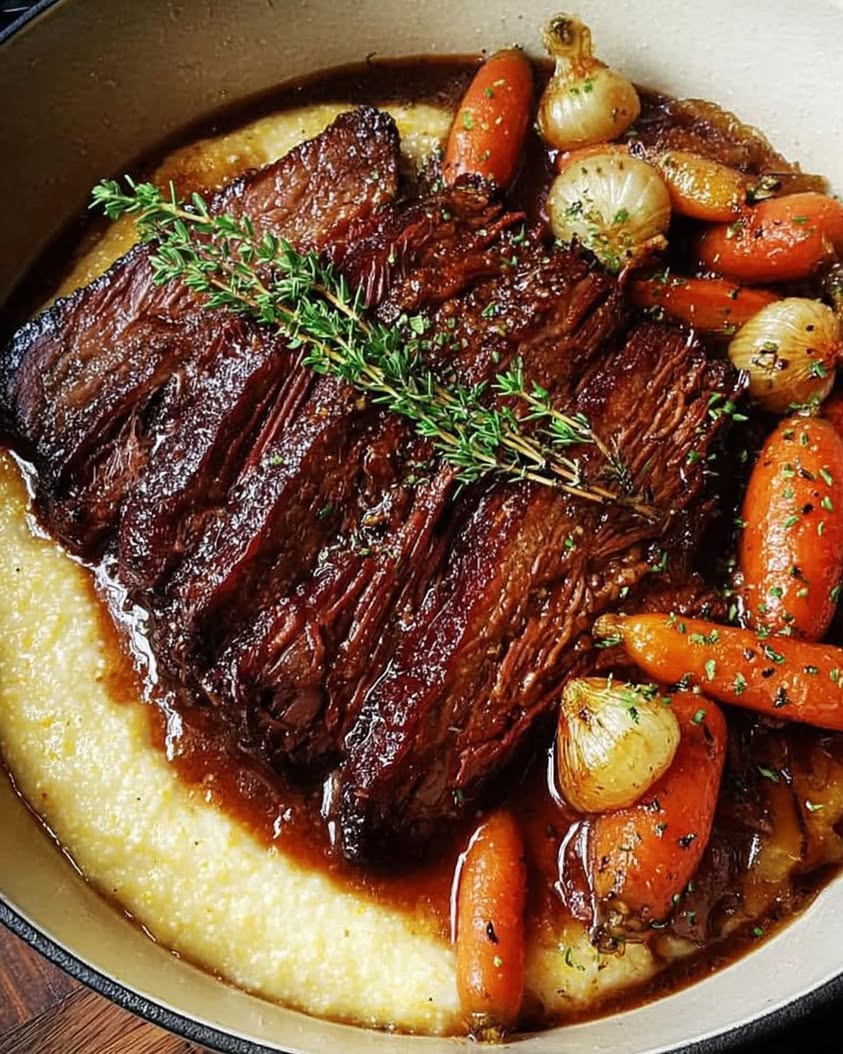
Ultimate Slow-Braised Beef Brisket with Creamy Herb Grits: A Comfort Food Masterpiece
Imagine a dish where tender, succulent beef brisket melts at the touch of a fork, nestled atop a bed of creamy, fragrant herb grits. This ultimate slow-braised beef brisket with creamy herb grits recipe delivers exactly that, a soul-satisfying meal perfect for special gatherings or a luxurious weekend dinner. The magic lies in the low and slow cooking process, which transforms a tough cut of meat into something extraordinarily tender and flavorful. Meanwhile, the grits provide a comforting, velvety base that soaks up every drop of the rich, savory braising liquid.
Creating this ultimate slow-braised beef brisket with creamy herb grits is a rewarding culinary project. The aroma that fills your kitchen as the brisket braises is simply irresistible, promising a meal worth the wait. This dish celebrates patience and technique, resulting in layers of deep, complex flavor that store-bought meals can never replicate. Ultimately, it is a testament to the power of traditional cooking methods to create unforgettable dining experiences.
Furthermore, this recipe balances robust beefy notes with the bright, fresh finish of herbs in the grits. Each component complements the other perfectly, creating a harmonious plate. Whether you are feeding a crowd or treating your family, this meal promises to be the star of the table. Let us dive into the details of crafting this classic comfort food with a gourmet twist.
Quick Recipe Highlights
- Flavor Profile: This dish boasts a deeply savory and rich foundation from the slow-braised beef, perfectly balanced by the aromatic, creamy herb grits. Notes of garlic, onion, and thyme from the braise mingle with the fresh chives and parsley in the grits for a complex taste experience.
- Texture: The beef brisket becomes incredibly tender and almost shreddable after hours of braising, offering a satisfying mouthfeel. Conversely, the creamy herb grits provide a smooth, luxurious contrast that is both comforting and elegant.
- Aroma: While cooking, your kitchen will fill with the warm, inviting scents of roasting beef, aromatic vegetables, and woody herbs. The final plate releases a final bouquet of fresh herbs from the grits, making the meal as fragrant as it is delicious.
- Visual Appeal: The dish presents beautifully with slices of glossy, dark beef brisket draped over a mound of pale, creamy grits speckled with green herbs. A spoonful of the reduced braising liquid adds a final, glossy touch that makes the plate look restaurant-worthy.
- Skill Level Needed: This recipe is ideal for a confident home cook. It requires patience and attention to technique like searing and braising, but the steps are straightforward and well-explained. Perfect for a cook looking to impress without overly complicated processes.
- Special Equipment: A large, heavy-bottomed Dutch oven with a tight-fitting lid is essential for even braising. You will also need a reliable instant-read thermometer to check the brisket’s doneness and a sturdy whisk for achieving lump-free creamy herb grits.
Recipe Overview
- Difficulty Level: We rate this ultimate slow-braised beef brisket with creamy herb grits as intermediate. The techniques involved, such as properly searing a large piece of meat and managing a long, slow braise, require some kitchen confidence. However, with careful attention to the instructions, even ambitious beginners can achieve fantastic results.
- Category: This recipe falls squarely into the category of hearty main courses and comfort food classics. It is a centerpiece dish designed for dinner, perfect for Sunday suppers, holiday meals, or any occasion demanding a show-stopping entrée.
- Cuisine: The dish draws inspiration from Southern American and rustic European traditions. The slow-braised beef brisket is a technique beloved worldwide, while the creamy herb grits root the meal firmly in the culinary heritage of the American South.
- Cost: Brisket is a moderately priced cut, especially considering it feeds a crowd. The vegetables, broth, and grits are pantry staples, making this a cost-effective way to create a luxurious-feeling meal. Overall, it offers excellent value for a special dinner.
- Season: This ultimate slow-braised beef brisket with creamy herb grits is ideal for cooler weather. It is a quintessential fall and winter dish, providing warmth and sustenance. That said, its deliciousness knows no season, and it makes a fantastic year-round celebration meal.
- Occasion: Perfect for family gatherings, holiday feasts like Easter or Christmas, potlucks where you want to shine, or a comforting weekend project. It is a meal that says “I care,” making it wonderful for entertaining or treating loved ones.
Why You’ll Love This Recipe
First and foremost, the taste and texture of this ultimate slow-braised beef brisket with creamy herb grits are utterly divine. The brisket, after its long bath in aromatic broth, becomes fork-tender and infused with deep, savory flavors. Each bite is juicy and rich. Paired with the creamy herb grits, which are light yet indulgent, the combination creates a perfect balance on your palate. The fresh herbs cut through the richness, ensuring every mouthful is exciting and satisfying from start to finish.
Additionally, this recipe offers incredible convenience despite its long cook time. Once you sear the brisket and start the braise, the oven does most of the work. This hands-off period allows you to prepare sides, set the table, or simply relax. The grits come together quickly at the end, making the final assembly smooth and stress-free. Consequently, you can serve an impressive, restaurant-quality meal without being stuck at the stove all day.
From a nutritional standpoint, this dish provides high-quality protein from the beef brisket, essential for muscle repair and energy. Using a whole cut of meat allows you to control the ingredients, avoiding the excessive sodium and preservatives found in pre-made meals. The grits offer a source of complex carbohydrates for sustained energy. By using fresh herbs, you also incorporate antioxidants and vitamins without adding extra fat or calories.
Moreover, the social and entertaining value of this ultimate slow-braised beef brisket with creamy herb grits is immense. It is a spectacular centerpiece that encourages sharing and conversation. Serving a meal made with such care creates a warm, welcoming atmosphere for guests. It is a recipe that people remember and request again, making you the star of any potluck or dinner party.
Finally, this meal is remarkably cost-effective and accessible. Brisket is an affordable cut that feeds many, stretching your grocery budget. The remaining ingredients are simple and easy to find at any supermarket. By mastering this technique, you can create a luxurious dining experience at home for a fraction of the cost of a similar meal at a steakhouse. Therefore, it is an investment in both your culinary skills and your wallet.
Historical Background and Cultural Significance
The practice of braising tough cuts of meat like brisket dates back centuries across many cultures. Essentially, it was a practical method to tenderize less desirable parts of the animal, making them palatable and nutritious. This technique was vital before modern refrigeration, as slower cooking helped preserve food. In Europe, braised beef dishes like pot-au-feu laid the groundwork. Meanwhile, Jewish culinary traditions perfected braised brisket as a centerpiece for holidays like Passover, often slow-cooked with onions and carrots.
In the United States, beef brisket found a second home in Texas barbecue culture, where smoking low and slow became the defining method. However, the oven-braised version remained a staple in home kitchens, particularly in the South and Midwest. The cultural importance of this ultimate slow-braised beef brisket with creamy herb grits lies in its embodiment of “slow food” values. It represents cooking with patience, resourcefulness, and a focus on deep, developed flavors rather than quick convenience.
The evolution of the recipe showcases adaptation and fusion. Originally, braised brisket might have been served with simple potatoes or bread. The introduction of grits, a Native American staple made from ground corn, created a distinctly Southern pairing. Over time, cooks began enriching grits with butter, cream, and cheese, elevating them from a humble porridge to a creamy, luxurious side dish. Adding fresh herbs is a more modern touch, bringing brightness to balance the hearty meat.
Regional variations of this dish are fascinating. In Texas, you might find brisket rubbed with spices and smoked, served with a tangy sauce. In a Jewish household, it could be braised with sweet paprika and dried fruits. The Southern version, which this recipe leans into, often features a savory braise and creamy grits. Some cooks add a splash of red wine to the braising liquid; others use beer or coffee for depth. These variations highlight the versatility of brisket and its ability to absorb the flavors of its culinary surroundings.
Ingredient Deep Dive
Beef brisket is the star. This cut comes from the breast or lower chest of the cow and is rich in connective tissue. When cooked slowly, this collagen melts into gelatin, creating that iconic tenderness and rich mouthfeel. Historically, it was a cheap, working-class cut. Nutritionally, it is a great source of protein, zinc, and B vitamins. When shopping, look for a brisket with good marbling (thin streaks of fat) for the best flavor and moisture. Store it in the coldest part of your fridge for up to two days before cooking. For substitutions, chuck roast or short ribs can work in a braise, though the texture will differ.
Stone-ground grits are essential for the best texture. Grits are made from dried, ground corn (hominy). Stone-ground varieties are less processed, retaining more corn flavor and a slightly coarser texture that results in superior creamy herb grits. They are a cornerstone of Southern cuisine. They provide complex carbohydrates and fiber. Always look for stone-ground or old-fashioned grits, not instant, for this recipe. Store them in a cool, dry pantry. For a substitution, polenta (Italian cornmeal) is the closest alternative, though cooking times may vary slightly.
The aromatic vegetables—onions, carrots, and garlic—form the flavor base, or mirepoix, for the braise. Onions and carrots have been used for centuries to build sweetness and depth in stews. Garlic adds its pungent, aromatic quality. Nutritionally, they provide vitamins, antioxidants, and fiber. Select firm, fresh vegetables without soft spots. They store well in a cool, dark place. There are few true substitutes for this classic trio, but celery can be added, and leeks can sometimes replace onions for a milder flavor.
Fresh herbs like thyme, parsley, and chives bring the dish to life. Thyme, with its woody, earthy notes, stands up to long cooking in the braise. Parsley and chives, added fresh to the grits at the end, provide a pop of color and bright, clean flavor. Herbs have been used both medicinally and culinarily for millennia. They are packed with vitamins and antioxidants. Choose bunches with vibrant color and no wilting. Store them in the fridge, stems in water. Dried thyme can substitute for fresh in the braise, but use fresh for the grits garnish whenever possible.
Common Mistakes to Avoid
- Not Searing the Meat Properly: Skipping or rushing the sear is a major error. A proper, dark brown crust (the Maillard reaction) builds foundational flavor for the entire braise. Pat the brisket very dry and sear in hot oil without crowding the pot.
- Using the Wrong Pot: A thin, flimsy pot will cause hot spots and may burn the braise. Always use a heavy Dutch oven with a tight-fitting lid to ensure even, gentle heat distribution and proper moisture retention.
- Braving at Too High a Temperature: A braise should bubble gently, not boil vigorously. Cooking at too high a temperature will make the meat tough and dry, not tender. Keep the oven at a low, steady heat as directed.
- Not Letting the Meat Rest: Slicing the brisket immediately after cooking lets all the precious juices run out. Resting for at least 20 minutes allows the fibers to reabsorb moisture, ensuring a juicy slice.
- Using Instant Grits: Instant or quick grits will turn to glue and lack the corn flavor and creamy texture needed for this dish. Only use stone-ground or old-fashioned grits for the best creamy herb grits.
- Underseasoning the Grits: Grits need ample seasoning. Salt the cooking water well, and do not be shy with butter and herbs at the end. Taste and adjust before serving.
- Adding Dairy to Grits Too Early: Adding butter, cream, or cheese before the grits are fully cooked can cause them to break or become grainy. Always finish with enrichments after the grits have thickened.
- Neglecting to Skim the Braising Liquid: Fat will render from the brisket. Skimming excess fat from the liquid before reducing it into a sauce creates a cleaner, more refined flavor and mouthfeel.
- Overcrowding the Pot with Vegetables: The vegetables should be in a single layer to caramelize, not steam. If the pot is too crowded, they will release water and prevent proper browning.
- Not Checking for Doneness with a Thermometer: “Fork-tender” is subjective. The most reliable method is to use an instant-read thermometer. The brisket is done when it reaches an internal temperature of about 200-205°F.
Essential Techniques
Searing the brisket is the first critical technique. This process, known as the Maillard reaction, creates hundreds of new flavor compounds on the meat’s surface, adding immense depth to the final dish. To master it, ensure your brisket is completely dry before it hits the hot oil. Do not move it for several minutes to allow a proper crust to form. A common pitfall is a crowded, cool pan, which steams the meat instead of browning it. Success is visually clear: you want a deep, caramelized brown crust on all sides.
Low and slow braising is the heart of the recipe. This technique uses moist heat at a low temperature to break down tough connective tissue into soft gelatin. It is important because it transforms an inexpensive cut into a tender delicacy. Master it by maintaining a consistent oven temperature and ensuring the liquid simmers gently, never boils. The common pitfall is peeking too often, which releases heat and steam. Visual cues for success include meat that pulls apart easily with a fork and a rich, concentrated braising liquid.
Reducing the braising liquid into a sauce concentrates flavors and creates a luxurious finish. This step is important because it turns the cooking juices into a cohesive, glossy sauce that ties the dish together. To master it, skim off excess fat first, then simmer the liquid until it thickens slightly and coats the back of a spoon. A common pitfall is reducing too much, resulting in an overly salty, sticky reduction. The visual cue for success is a sauce that leaves a clear trail when you run your finger across the spoon.
Preparing perfect creamy herb grits requires patience and stirring. The technique of slowly whisking grits into boiling liquid prevents lumps. It is important for achieving a smooth, velvety texture. Master it by using a steady stream and constant whisking at the beginning, then switching to occasional stirring as they thicken. The common pitfall is adding grits to water that is not boiling, which can lead to clumping. Visual cues include grits that are thick, have lost their gritty raw texture, and have absorbed all the liquid.
Pro Tips for Perfect Ultimate Slow-Braised Beef Brisket with Creamy Herb Grits
Trim the brisket carefully. Leave about a quarter-inch of fat cap on top to baste the meat during cooking, but remove large, hard chunks of fat from the sides. This ensures flavor without greasiness.
Season the brisket generously with salt and pepper at least an hour before cooking, or even overnight. This allows the seasoning to penetrate deeply, enhancing flavor throughout the meat, not just on the surface.
Use a good quality, low-sodium beef broth for the braising liquid. Since you will be reducing it later, starting with a flavorful but not overly salty base gives you control over the final seasoning of your sauce.
Add a tablespoon of tomato paste to the vegetables after they soften and cook for a minute. This simple step adds a layer of umami richness and helps deepen the color of the final braising liquid.
When the brisket is done, remove it to a cutting board and strain the braising liquid. Straining removes the spent vegetables and herbs, giving you a smooth, clean liquid to reduce into an elegant sauce.
For the creamiest herb grits, use a combination of liquid. Substitute half the water with milk or a combination of milk and cream for extra richness and flavor in your final side dish.
Finish the grits with cold, cubed butter stirred in at the end, off the heat. This technique, called mounting with butter, creates a silky, glossy finish and incredible flavor in your creamy herb grits.
Slice the brisket against the grain. Look for the direction of the muscle fibers and cut perpendicular to them. This shortens the fibers, making each bite much more tender and easier to chew.
Variations and Adaptations
For regional variations, consider a Texas-inspired twist by rubbing the brisket with a blend of chili powder, cumin, and black pepper before searing, and using a dark beer in the braise. Serve with a side of pickled jalapeños. A French-style “boeuf bourguignon” adaptation involves using red wine as the primary braising liquid and adding pearl onions and mushrooms during the last hour of cooking.
Seasonal adaptations are easy. In spring, garnish the finished plate with fresh pea shoots or blanched asparagus tips. For summer, serve the brisket chilled or at room temperature, sliced thinly over the grits, with a bright herb salad on top. In fall, add roasted root vegetables like parsnips or turnips to the braise during the last hour.
Dietary modifications are straightforward. For a gluten-free version, ensure your beef broth is certified gluten-free. To make it dairy-free, use olive oil or dairy-free butter in the grits and skip the cream, using all broth or water instead. For a lower-carb option, serve the brisket and its sauce over cauliflower puree instead of grits.
Flavor variations can refresh the dish. Add a few strips of orange zest and a star anise to the braise for a subtle Asian-inspired aroma. For a smoky note without a grill, add a teaspoon of smoked paprika to the vegetable base. A spoonful of miso paste stirred into the finished sauce adds incredible umami depth.
Texture modifications can cater to preference. If you prefer a more rustic feel, leave the braising vegetables in the sauce and mash them slightly instead of straining. For an even creamier grits texture, stir in a dollop of cream cheese or mascarpone at the end with the butter.
Presentation alternatives offer fun twists. Instead of slicing, shred the entire brisket with two forks and mix it back into the reduced sauce for a decadent “pulled beef” to spoon over the grits. For individual servings, bake the creamy herb grits in ramekins until set, then unmold them as a base for the brisket slices.
Serving and Presentation Guide
Plating techniques matter for visual impact. Start with a generous scoop of creamy herb grits in the center of a warm, shallow bowl. Use the back of a spoon to create a slight well. Neatly arrange 2-3 slices of brisket, slightly overlapping, over the grits. Spoon the reduced sauce over the meat, allowing some to pool around the edges. This method highlights each component beautifully.
Garnishing adds the final touch. A simple sprinkle of finely chopped fresh parsley or chives adds color and freshness. For a more elegant look, a few microgreens or a single thyme sprig works well. A very light flake of sea salt over the brisket just before serving can enhance the meat’s flavor and add a subtle textural contrast.
Traditional accompaniments include simple, vegetable-forward sides that balance the richness. Braised greens like collards or kale, glazed carrots, or a simple green salad with a sharp vinaigrette are classic choices. A crusty loaf of bread is also welcome for sopping up any remaining sauce on the plate.
Modern serving suggestions might include more vibrant, textured sides. Consider a shaved fennel and apple salad, roasted Brussels sprouts with a balsamic glaze, or pickled red onions to cut through the fat. These add brightness and a contemporary feel to the classic plate.
Temperature considerations are crucial. Serve the brisket and sauce very hot. The grits should also be piping hot and freshly made, as they thicken and lose their creaminess as they sit. Warm your serving plates beforehand to keep everything at the ideal temperature longer.
Portion control tips are helpful. A good rule of thumb is about 6-8 ounces of raw brisket per person, which will yield a generous cooked portion. For the grits, a half-cup to three-quarters cup per serving is typical. Remember, this is a rich dish, so portions can be slightly smaller if served with multiple sides.
Wine and Beverage Pairing
Wine pairings should complement the rich, savory flavors. A medium-bodied red wine with good acidity is ideal. A classic California Zinfandel or a Spanish Rioja has the fruit and spice to stand up to the beef. Alternatively, a Syrah/Shiraz offers peppery notes that echo the herbs. For a smoother option, choose an aged Cabernet Sauvignon. The wine’s tannins will be softened, and its complexity will match the dish’s depth.
Non-alcoholic alternatives can be just as sophisticated. A tart cherry juice or a sparkling pomegranate beverage provides a fruity counterpoint to the richness. For a more savory option, a high-quality beef bone broth or a mushroom-based “tea” served warm can mirror the umami notes in the dish beautifully.
While not traditional, coffee or tea pairings can be delightful. A cup of strong, black coffee, especially one with chocolatey notes, can highlight the deep flavors of the braise. A lightly smoked black tea like Lapsang Souchong creates an intriguing flavor bridge to the seared crust of the brisket.
Temperature considerations are key for beverages. Serve red wines slightly below room temperature, around 60-65°F, to keep them refreshing. Non-alcoholic sparkling drinks should be well-chilled. Warm broths or teas should be served hot to provide a comforting contrast.
Serving suggestions include offering a choice. When entertaining, set out both a red wine and a non-alcoholic option so all guests feel included. Always pour water as well to cleanse the palate between bites of this flavorful ultimate slow-braised beef brisket with creamy herb grits.
Storage and Shelf Life
Storage methods depend on timing. For short-term storage, let the brisket and grits cool completely before placing them in separate airtight containers. Store them in the refrigerator. The brisket can be stored whole, sliced, or shredded in its sauce. Keeping components separate prevents the grits from becoming soggy.
Temperature requirements are strict for safety. Refrigerate leftovers within two hours of cooking. Keep your fridge at 40°F or below. The brisket and grits will keep safely for 3 to 4 days when properly refrigerated. Discard any leftovers left at room temperature for more than two hours.
Container recommendations include glass or BPA-free plastic containers with tight seals. For the brisket and sauce, a container where the meat can be fully submerged in liquid is best to prevent drying out. For grits, a shallow container helps them cool quickly and evenly.
Signs of spoilage are important to recognize. Discard the food if you notice an off or sour smell, visible mold, or significant color changes. If the sauce appears bubbly or the texture seems slimy, it is a sign of bacterial growth and the food should not be consumed.
Reheating instructions ensure quality. For the brisket, reheat it gently in a covered saucepan with a splash of water or broth over low heat until warmed through. You can also reheat slices in the microwave with a damp paper towel over them. Reheat grits in a saucepan with a little extra milk or water, stirring frequently to restore creaminess.
Freezing guidelines extend shelf life. The braised brisket and sauce freeze exceptionally well for up to 3 months. Store in a freezer-safe container or heavy-duty bag, removing as much air as possible. Creamy herb grits do not freeze well, as they tend to become grainy and separate upon thawing. It is best to make grits fresh.
Make Ahead Strategies
A prep timeline makes entertaining easy. You can sear the brisket and prepare the braising vegetables up to a day in advance. Store them separately in the fridge. The entire braising and sauce reduction can also be completed 1-2 days ahead. This allows flavors to meld even further, often improving the dish.
Storage between steps is simple. After searing, let the brisket cool, wrap it, and refrigerate. Sautéed vegetables can go in a separate container. The next day, simply assemble everything in the Dutch oven with cold broth and proceed with the recipe, adding a few extra minutes to the oven time since you are starting from cold.
Quality impact assessment is positive. Brisket benefits from being made ahead. The resting time allows fats to solidify, making it easier to skim for a cleaner sauce, and the flavors deepen. The grits, however, are best made just before serving, as they stiffen and lose their creamy texture when cooled and reheated.
Assembly tips for the day-of are straightforward. Gently reheat the brisket in its sauce in a covered pot in a 300°F oven until hot throughout, about 45 minutes. While it reheats, prepare your fresh creamy herb grits. This way, both components are at their peak when served.
Reheating guidelines are crucial for texture. Always reheat brisket slowly and with added moisture to prevent drying. For grits, add liquid during reheating and whisk vigorously to re-emulsify the fats and restore creaminess. Avoid high heat, which can cause separation.
Fresh element additions are the final touch. Even if the brisket is made ahead, always add the fresh herbs to the grits at the very last minute. Consider a final garnish of something crisp, like a quick-pickled onion or fresh herb sprig, to add brightness to the pre-made components.
Scaling Instructions
Halving the recipe is simple for smaller households. Use a 3-4 pound brisket half and reduce all other ingredients by half. Use a smaller Dutch oven. The cook time may be slightly reduced, so start checking for tenderness around the 3-hour mark with your thermometer.
Doubling or tripling is perfect for a crowd. You will need a very large roasting pan or multiple Dutch ovens. Ensure the briskets are not crowded in the pan; they should each have space for the vegetables and liquid. Oven temperature remains the same, but total cooking time may increase slightly. Rotate the pans in the oven for even cooking.
Equipment adjustments are necessary when scaling. A larger cut of meat requires a pot where it fits snugly but not tightly. If doubling, you may need to use two racks in your oven. For very large batches, consider braising in a low oven in a covered disposable aluminum roasting pan.
Timing modifications are minimal but important. While the active prep time scales linearly, the braising time does not double when you double the meat. A larger single piece may take slightly longer, but two separate pieces in two pots will cook in roughly the same time as one. Always rely on internal temperature, not the clock.
Storage considerations change with scale. A large batch means more leftovers. Plan your storage containers in advance. Consider freezing portions of brisket and sauce in meal-sized amounts for easy future dinners. Remember, grits do not scale well for long-term storage, so make those fresh for each serving.
Nutritional Deep Dive
The macro breakdown of this dish provides balanced sustenance. A serving offers a high amount of protein from the beef brisket, essential for muscle maintenance. The grits contribute complex carbohydrates for energy. The fat content, primarily from the brisket’s marbling and butter in the grits, provides satiety and carries flavor. This combination makes the meal satisfying and energy-sustaining.
A micronutrient analysis reveals valuable vitamins and minerals. Beef brisket is an excellent source of iron, zinc, and B vitamins, particularly B12, which supports nerve function. The carrots and onions in the braise provide Vitamin A and antioxidants. Using stone-ground grits adds more fiber and minerals compared to refined versions.
Health benefits include supporting muscle health and energy metabolism through high-quality protein and B vitamins. The collagen from the slow-cooked connective tissue may support joint and gut health. The dish’s richness promotes satiety, which can help with portion control. Using whole, unprocessed ingredients avoids hidden sugars and additives.
Dietary considerations are important to note. This dish is naturally gluten-free if using certified broth. It is high in protein and can be part of a balanced diet. Those monitoring saturated fat intake can trim the brisket more aggressively and use less butter in the grits. The sodium content can be controlled by using low-sodium broth.
Portion analysis shows that a typical serving is hearty. Being mindful of portion size, especially of the brisket and the butter-enriched grits, allows you to enjoy this indulgent meal as part of a balanced diet. Pairing it with a large side of non-starchy vegetables like a green salad helps create a more volumetrically balanced plate.
Weight management tips include focusing on the leaner parts of the brisket slice and taking a slightly smaller portion of grits. You can also increase the vegetable content of the braise by adding more carrots or celery. Enjoying this ultimate slow-braised beef brisket with creamy herb grits as an occasional celebratory meal rather than a weekly staple supports a healthy lifestyle.
Dietary Adaptations
For a gluten-free version, this recipe is already nearly compliant. Simply ensure your beef broth is certified gluten-free, as some brands use wheat-based additives. All other core ingredients—brisket, vegetables, grits, herbs—are naturally gluten-free. This makes the ultimate slow-braised beef brisket with creamy herb grits an excellent choice for those with celiac disease or gluten sensitivity.
Creating a dairy-free adaptation focuses on the grits. Replace the butter with olive oil or a high-quality dairy-free butter alternative. Use all water or a dairy-free milk like unsweetened almond or oat milk for the cooking liquid. The brisket braise itself contains no dairy, so it requires no changes. The final dish will still be deeply flavorful and satisfying.
A vegan adaptation is more complex but possible. Replace the brisket with a large, whole king oyster mushroom or a seitan roast, though cooking times will change dramatically. Use vegetable broth and red wine for the braising liquid. For the grits, use plant-based butter and milk. The result will be a completely different but delicious plant-based comfort meal.
For a low-carb or keto version, omit the grits entirely. Serve the brisket and its sauce over a cauliflower puree or mashed turnips. Ensure any thickener used in the sauce is keto-friendly, like xanthan gum, instead of flour. Trim all visible fat from the brisket if you need to strictly control fat macros, though the natural fat is desirable for keto.
A Paleo adaptation also removes the grits, as corn is not Paleo-compliant. Serve with mashed sweet potato, roasted squash, or a bed of sautéed greens. Use ghee or avocado oil instead of butter. Verify that your broth contains no non-Paleo ingredients like sugar or soy. This keeps the meal within Paleo guidelines while maintaining heartiness.
Troubleshooting Guide
If your brisket is tough, it likely needs more cooking time. Connective tissue hasn’t fully broken down. Return it to the pot with more liquid, cover, and continue braising until it reaches 200-205°F internally and is probe-tender. Toughness is almost always a sign of undercooking, not overcooking, in braises.
If the braising liquid is too thin or bland, strain it into a saucepan and simmer vigorously to reduce and concentrate the flavors. You can also boost flavor by whisking in a teaspoon of tomato paste, a splash of soy sauce for umami, or a pinch of herbs. A cornstarch slurry can thicken it if needed, but reduction is best for flavor.
If your grits are lumpy, you can often save them. Use an immersion blender to puree them directly in the pot until smooth, being careful of hot splatters. For future batches, always whisk constantly while adding the grits to boiling liquid and consider sprinkling them in a slow, steady rain rather than dumping them in all at once.
If the grits are too thick, simply whisk in more hot liquid—water, milk, or broth—a little at a time until you reach the desired creamy consistency. If they are too thin, continue cooking over low heat, stirring frequently, to allow more liquid to evaporate and the grits to thicken naturally.
If the meat seems dry despite being tender, it may have been overcooked or sliced with the grain. Ensure you are slicing against the grain. Next time, check the temperature earlier and consider using a bit more braising liquid. Serving it with ample sauce helps mitigate dryness.
If you don’t have Print
Slow-Braised Beef Brisket with Herb Grits
- Total Time: 45 minutes
- Yield: 4
Description
Tender, fall-apart beef brisket slow-braised in a rich red wine and vegetable broth, served over creamy herb-infused grits for a comforting Southern-inspired meal.
Ingredients
- 3 lbs beef brisket, trimmed of excess fat
- 2 tbsp olive oil
- 1 large onion, chopped
- 3 carrots, chopped
- 3 celery stalks, chopped
- 4 garlic cloves, minced
- 2 cups red wine
- 4 cups beef broth
- 2 tbsp tomato paste
- 2 sprigs fresh rosemary
- 3 sprigs fresh thyme
- 2 bay leaves
- Salt and black pepper to taste
- For the herb grits: 1 cup stone-ground grits
- 4 cups water or milk
- 2 tbsp butter
- 1/4 cup chopped fresh parsley
- 1 tbsp chopped fresh chives
- Salt to taste
Instructions
- Preheat oven to 325°F (165°C). Season the brisket generously with salt and pepper on all sides.
- In a large Dutch oven, heat olive oil over medium-high heat. Sear the brisket until browned on all sides, about 4-5 minutes per side. Remove and set aside.
- Add onion, carrots, and celery to the pot. Cook until softened, about 5 minutes. Stir in garlic and tomato paste, cooking for 1 minute more.
- Pour in red wine, scraping up any browned bits from the bottom. Add beef broth, rosemary, thyme, and bay leaves. Return brisket to the pot, ensuring it's mostly submerged.
- Cover and transfer to the oven. Braise for 3-4 hours, until the brisket is fork-tender. Remove brisket, shred or slice, and keep warm. Strain and reduce the braising liquid if desired for a sauce.
- About 30 minutes before brisket is done, prepare the grits: Bring water or milk to a boil in a saucepan. Whisk in grits and salt, reduce heat to low, and simmer, stirring often, until creamy and tender, about 20-25 minutes.
- Stir butter, parsley, and chives into the cooked grits. Adjust seasoning with salt.
- Serve the braised brisket over a bed of herb grits, drizzled with the reduced braising liquid.
Notes
You can customize the seasonings to taste.
- Prep Time: 15 minutes
- Cook Time: 30 minutes
- Method: Main
- Cuisine: American