Rustic Roasted Vegetable Bake with Cannellini Beans: A Cozy, Nutrient-Packed Meal
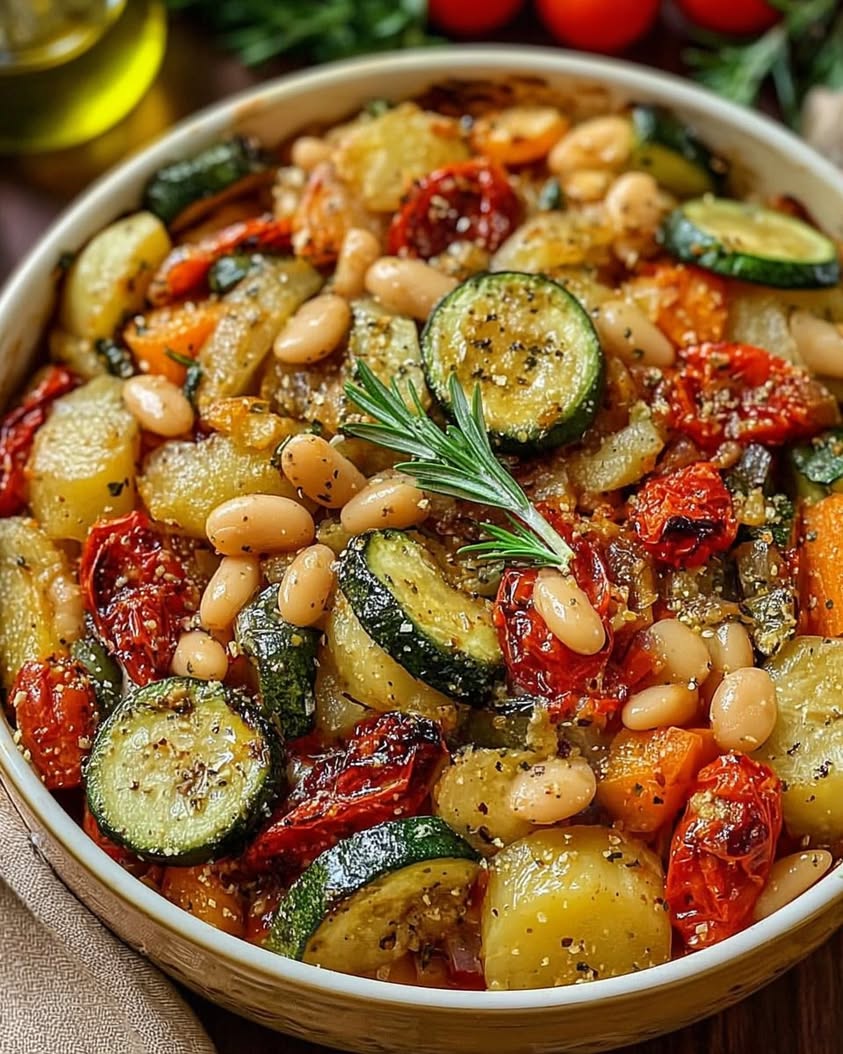
Imagine a dish that captures the very essence of comfort food while delivering a vibrant burst of nutrition. This Rustic Roasted Vegetable Bake with Cannellini Beans is exactly that. It is a celebration of simple ingredients transformed by the magic of oven roasting. Consequently, the natural sugars in the vegetables caramelize, creating a deep, sweet, and savory foundation. Meanwhile, the creamy cannellini beans add a wonderful heartiness that makes this bake a satisfying main course. Ultimately, this recipe is a testament to how uncomplicated cooking can yield spectacularly delicious results.
The aroma that fills your kitchen while this bake roasts is nothing short of intoxicating. Garlic and rosemary mingle with the earthy scent of roasting root vegetables and sweet peppers. As a result, your home feels warm and welcoming before you even take the first bite. This Rustic Roasted Vegetable Bake with Cannellini Beans is incredibly versatile. For instance, it works beautifully as a hearty vegetarian dinner, a standout side dish for a holiday meal, or even as meal prep for busy weeks. Furthermore, it embraces the beauty of seasonal produce, allowing you to adapt it throughout the year.
Creating this dish is a genuinely rewarding experience. The process is straightforward and almost meditative. You simply chop, toss, and roast. There is no need for complicated techniques or hard-to-find ingredients. This Rustic Roasted Vegetable Bake with Cannellini Beans is a reliable recipe that consistently delivers fantastic flavor. It is the kind of meal that brings people together around the table. Everyone will appreciate its comforting warmth and robust taste.
Quick Recipe Highlights
- Flavor Profile: This bake offers a symphony of savory, sweet, and earthy notes. The roasted vegetables develop a natural caramelized sweetness that perfectly balances the savory garlic and fragrant rosemary. Additionally, the creamy cannellini beans provide a mild, nutty base that soaks up all the delicious roasting juices.
- Texture: You will enjoy a wonderful contrast of textures in every forkful. The vegetables become tender with slightly crisp, caramelized edges. Meanwhile, the cannellini beans stay soft and creamy, creating a pleasing mouthfeel against the firmer veggies. The finished dish is hearty and satisfying without being heavy.
- Aroma: As it roasts, the kitchen fills with an irresistible fragrance. The primary aromatic notes come from the earthy rosemary and pungent garlic melding with the sweet, roasted scents of bell pepper and onion. This comforting aroma is a hallmark of simple, wholesome cooking.
- Visual Appeal: This bake is a feast for the eyes with its vibrant color palette. You will see deep golden browns from the roasted edges, bright reds from the peppers, and pops of green from fresh herbs. It presents beautifully in a rustic ceramic dish, showcasing its wholesome ingredients.
- Skill Level Needed: This recipe is perfect for beginner cooks and weeknight warriors. It requires only basic knife skills for chopping and the simple technique of tossing ingredients on a sheet pan. There is no fussy timing or complex steps, making it a very approachable dish.
- Special Equipment: You need only standard kitchen tools. A large baking sheet or roasting pan is essential for allowing the vegetables to roast properly without steaming. A good chef’s knife and cutting board make prep work quick. Otherwise, no special equipment is required.
Recipe Overview
- Difficulty Level: We classify this Rustic Roasted Vegetable Bake as easy. The steps are minimal and sequential. You chop vegetables, combine them with beans and seasonings, and roast. There is no intricate technique or precision required. The oven does most of the work, making it a forgiving recipe for any skill level.
- Category: This dish comfortably fits into multiple meal categories. It is a complete vegetarian main course packed with protein and fiber. Alternatively, it serves as a substantial side dish alongside roasted chicken or fish. It also falls perfectly into the category of healthy comfort food and excellent make-ahead meals.
- Cuisine: The recipe draws inspiration from rustic Mediterranean and Italian culinary traditions. The use of cannellini beans, rosemary, garlic, and olive oil is classic to those regions. However, the preparation is modern and adaptable, focusing on whole foods and straightforward roasting techniques common in contemporary home cooking.
- Cost: This is an exceptionally budget-friendly meal. The base of root vegetables and beans is very inexpensive, especially when purchased in season or from bulk bins. Fresh herbs and good olive oil are the primary splurges, but they are used efficiently. Overall, you can feed a family for a fraction of the cost of takeout.
- Season: This Rustic Roasted Vegetable Bake shines in the fall and winter. During these seasons, root vegetables like potatoes and carrots are at their peak sweetness and affordability. Conversely, it is also wonderful in spring with asparagus and new potatoes, or in summer with zucchini and eggplant, showing its year-round versatility.
- Occasion: It is ideal for casual family dinners, cozy weeknight meals, and potluck gatherings. Because it is so visually appealing and hearty, it also works for informal entertaining. You can easily double the recipe to feed a crowd. It is a reliable, crowd-pleasing option that suits many occasions.
Why You’ll Love This Recipe
First and foremost, the taste and texture of this Rustic Roasted Vegetable Bake with Cannellini Beans are utterly irresistible. The high-heat roasting process unlocks incredible depth of flavor. Vegetables become sweet and complex, while the beans turn creamy and rich. Each bite delivers a satisfying contrast between tender interiors and caramelized edges. The melding of garlic, rosemary, and olive oil creates a fragrant sauce that coats every ingredient. Consequently, you get a dish that is far greater than the sum of its simple parts.
From a convenience standpoint, this recipe is a true winner. The preparation is remarkably simple and mostly hands-off. After about twenty minutes of chopping and tossing, the oven takes over for forty minutes. This gives you time to set the table, prepare a simple salad, or simply relax. Furthermore, cleanup is easy, especially if you line your baking sheet with parchment paper. This Rustic Roasted Vegetable Bake is the epitome of a low-effort, high-reward meal for busy lifestyles.
Nutritionally, this dish is a powerhouse. It is packed with vitamins, minerals, and fiber from a diverse array of vegetables. The cannellini beans provide a significant amount of plant-based protein and soluble fiber, which promotes digestive health and lasting satiety. Using olive oil as the primary fat adds heart-healthy monounsaturated fats. This Rustic Roasted Vegetable Bake with Cannellini Beans is a meal that nourishes your body and satisfies your hunger completely.
For social and entertaining value, this bake is incredibly reliable. It is naturally vegetarian and can be easily adapted for vegans, making it inclusive for diverse dietary needs. The rustic, family-style presentation encourages sharing and conversation. It holds well on a buffet table and tastes excellent at room temperature. Therefore, it is a stress-free centerpiece for casual dinners with friends or large family gatherings.
Finally, the cost-effectiveness and accessibility of this recipe are major benefits. The ingredients are humble, affordable, and readily available at any standard grocery store. You can make substitutions based on what you have on hand or what is on sale. This Rustic Roasted Vegetable Bake with Cannellini Beans demonstrates that eating healthy, delicious food does not require expensive or exotic ingredients. It is accessible cooking at its very best.
Historical Background and Cultural Significance
The concept of roasting vegetables with beans is deeply rooted in peasant cooking traditions across Europe, particularly around the Mediterranean basin. For centuries, home cooks relied on the hearth or oven to transform humble, readily available ingredients into nourishing meals. The method of combining hardy vegetables with legumes like cannellini beans provided a complete source of sustenance. This practice was born from necessity, utilizing crops that stored well through colder months. Ultimately, these rustic bakes formed the backbone of family meals in rural communities.
Culturally, dishes like this Rustic Roasted Vegetable Bake signify resourcefulness and seasonality. In Italian cuisine, similar preparations are known as “contorni” or side dishes, but they often become meals in themselves. The use of rosemary and garlic speaks to the flavors of Tuscan and Provencal cooking. These dishes were typically prepared in large batches to feed families and to make the most of a single firing of the wood-burning oven. Consequently, they represent a communal and economical approach to eating.
The recipe has evolved significantly with modern kitchen technology. Historically, cooking temperatures were less precise, and roasting times were longer. The introduction of reliable home ovens allowed for more consistent caramelization. Furthermore, the global availability of ingredients like bell peppers and specific bean varieties has expanded the traditional palette. Today’s version, like this Rustic Roasted Vegetable Bake with Cannellini Beans, honors the old-world spirit while embracing contemporary convenience and ingredient diversity.
Regional variations of this concept are abundant. In France, a similar dish might include herbes de Provence and white wine. In Spain, paprika and chorizo could be added. Greek versions often feature oregano and lemon. The common thread is the technique of roasting to concentrate flavors. This particular recipe with cannellini beans leans into an Italian-American sensibility, using accessible vegetables and robust herbs. It is a beautiful example of how immigrant traditions adapt and thrive in new contexts.
Ingredient Deep Dive
Cannellini Beans: Also known as white kidney beans, cannellini beans are a staple of Central Italian cuisine, particularly in Tuscany. They are celebrated for their creamy texture and mild, nutty flavor. Nutritionally, they are an excellent source of plant-based protein, fiber, iron, and folate. When selecting them, choose cans marked “low sodium” or cook dried beans from scratch for the best flavor and texture. For storage, keep dried beans in a cool, dark pantry, and refrigerate any leftovers in their cooking liquid or canned brine for up to four days. You can substitute great northern beans or navy beans if needed.
Potatoes & Carrots: These root vegetables have been dietary staples across cultures for millennia, providing essential calories and nutrients. They are rich in complex carbohydrates, vitamin A (from carrots), vitamin C, and potassium. For this bake, choose waxy potatoes like Yukon Gold or red potatoes, as they hold their shape well. Select firm carrots with vibrant color. Store them in a cool, dark, well-ventilated place, not in plastic bags. You can easily adapt the recipe by using sweet potatoes, parsnips, or turnips for different seasonal variations.
Bell Pepper & Red Onion: These vegetables add crucial sweetness and vibrant color. Bell peppers, native to Central and South America, are packed with vitamins A and C. Red onions offer a milder sweetness and contain quercetin, an antioxidant. Choose peppers that are firm with taut skin and onions that are heavy for their size without soft spots. Store peppers in the refrigerator’s crisper drawer and onions in a cool, dark pantry. For substitutions, try yellow squash, fennel, or shallots to alter the flavor profile slightly.
Garlic & Rosemary: This aromatic duo is classic in Mediterranean cooking. Garlic has been used both culinarily and medicinally for thousands of years. Rosemary is a woody herb symbolizing remembrance, often found growing wild in coastal regions. Garlic provides allicin, a compound with potential health benefits, while rosemary contains antioxidants. Use fresh garlic cloves and fresh rosemary sprigs for the brightest flavor. Store garlic at room temperature and fresh rosemary in a damp paper towel in the refrigerator. Dried rosemary can work in a pinch, but use half the amount.
Olive Oil: The foundational fat of this recipe, olive oil has been central to Mediterranean life for over 6,000 years. It provides heart-healthy monounsaturated fats and helps absorb fat-soluble vitamins from the vegetables. For roasting, a good quality extra-virgin olive oil is perfect, as its flavor can withstand the oven’s heat. Store it in a cool, dark place to prevent rancidity. While other oils can be used, olive oil’s distinct fruity and peppery notes are integral to the authentic flavor of this Rustic Roasted Vegetable Bake.
Common Mistakes to Avoid
- Overcrowding the Pan: This is the most common error. If the vegetables are piled on top of each other, they will steam instead of roast. You need space for hot air to circulate and create caramelization. Always use a large enough baking sheet or roast in two batches if necessary.
- Using the Wrong Potato: Starchy potatoes like Russets can become mushy during the extended roasting time. Instead, choose waxy varieties such as Yukon Gold, red potatoes, or fingerlings. These hold their shape and texture much better, resulting in a more pleasing final dish.
- Not Preheating the Oven: A properly preheated oven is non-negotiable for good roasting. If you put the pan into a cold oven, the vegetables will start to cook slowly and release their water, leading to soggy results. Always wait for the oven to reach the full temperature before adding your bake.
- Underseasoning: Vegetables and beans need generous seasoning to shine. Do not be shy with salt and pepper. Remember to season both before roasting and give a final light seasoning after cooking. Taste as you go to ensure the flavors are balanced.
- Adding Fresh Herbs Too Early: Delicate fresh herbs like parsley or basil will burn and turn bitter if added before roasting. Instead, reserve them for garnishing the finished dish. Woody herbs like rosemary and thyme are the exception and can be added at the beginning.
- Skipping the Toss: For even cooking and coating, you must toss the vegetables and beans thoroughly with the oil and seasonings. A half-hearted mix will leave some pieces bland and dry. Use your hands or large spoons to ensure every piece is glistening.
- Forgetting to Stir: While you do not need to stir constantly, one good stir halfway through the roasting time is crucial. This promotes even browning on all sides of the vegetables and prevents any pieces on the edge from burning.
- Using Dull Cans of Beans: Always drain and rinse canned beans thoroughly. The starchy liquid in the can can make the entire bake gummy and overly thick. Rinsing also removes excess sodium and improves the overall texture of the beans.
Essential Techniques
Uniform Chopping: Cutting your vegetables into consistently sized pieces is the most important technique for this recipe. Similarly sized pieces will cook at the same rate, preventing some from being undercooked while others burn. Aim for 1-inch chunks for potatoes, carrots, and peppers. This ensures the interior becomes tender just as the exterior achieves perfect caramelization. A sharp chef’s knife and a stable cutting board are your best tools for mastering this fundamental skill.
High-Heat Roasting: Roasting at a high temperature, typically between 400°F and 425°F, is essential. This technique quickly caramelizes the natural sugars on the surface of the vegetables, creating complex flavors and appealing color. The high heat also drives off excess moisture, concentrating the taste and preventing sogginess. The key visual cue for success is the development of golden-brown, slightly crisp edges on the vegetables. The aroma in your kitchen will also shift from raw vegetable smells to sweet, nutty, and deeply savory notes.
Proper Pan Dressing: Thoroughly coating the ingredients with oil and seasonings is a simple but critical step. The oil conducts heat evenly and helps the seasonings adhere. To do it right, place all chopped vegetables and beans in a large bowl. Drizzle with oil, add seasonings, and then use your hands to toss and massage everything together. You should see a light, even sheen on every piece. This guarantees flavor in every bite and promotes even browning across the entire batch.
Pro Tips for Perfect Rustic Roasted Vegetable Bake
First, pat your chopped vegetables completely dry with a clean kitchen towel before adding oil. Any surface moisture will create steam and hinder the roasting process, preventing that desirable caramelization.
For extra flavor, toss a few whole, unpeeled garlic cloves onto the pan with the vegetables. They will roast into sweet, spreadable cloves that you can squeeze out and mix into the finished bake.
Add a splash of acidity at the end. A drizzle of balsamic glaze, a squeeze of fresh lemon juice, or a teaspoon of red wine vinegar just before serving brightens all the flavors beautifully.
If you have time, let the seasoned vegetables sit for 10-15 minutes before roasting. This allows the salt to draw out a little moisture, which then evaporates quickly in the hot oven for better browning.
Use parchment paper or a silicone baking mat for easier cleanup. Importantly, avoid wax paper, as it cannot withstand the high oven temperature and will smoke.
For a richer finish, sprinkle a handful of grated Parmesan cheese or nutritional yeast over the bake during the last five minutes of roasting. It will melt and form a delicious savory crust.
Do not discard any crispy, caramelized bits that stick to the pan. Those “fond” pieces are packed with flavor. Scrape them up and mix them back into the vegetables when you stir.
Variations and Adaptations
Regional Variations: To travel with your taste buds, incorporate different regional flavors. For a Spanish twist, add smoked paprika and chickpeas instead of cannellini beans. A Greek version could include oregano, lemon zest, and kalamata olives. For a French-inspired dish, use herbes de Provence and a splash of white wine added halfway through roasting.
Seasonal Adaptations: This recipe is a perfect canvas for seasonal produce. In spring, use asparagus, new potatoes, and fresh peas added in the last 10 minutes. Summer calls for zucchini, eggplant, and cherry tomatoes. In fall, incorporate cubed butternut squash, Brussels sprouts, and shallots. The method remains the same regardless of the vegetables you choose.
Dietary Modifications: For a vegan version, ensure your vegetable broth is vegan and omit any cheese garnish. To make it gluten-free, this recipe is naturally compliant—just check any pre-made spice blends. For a lower-carb option, increase the proportion of non-starchy vegetables like peppers, zucchini, and mushrooms while reducing the amount of potatoes and carrots.
Flavor Variations: Experiment with different herb and spice profiles. Try thyme and sage for an autumnal feel, or cumin and coriander for a warmer, earthier note. A spoonful of harissa or tomato paste mixed into the olive oil before tossing will add a spicy or rich depth, respectively.
Texture Modifications: If you prefer more textural contrast, add a handful of raw nuts like walnuts or almonds in the last 5-7 minutes of roasting. For a creamier finish, stir in a few spoonfuls of crumbled goat cheese or feta after the bake comes out of the oven.
Presentation Alternatives: Instead of serving it family-style from the baking dish, you can plate individual portions over a bed of quinoa, polenta, or mashed cauliflower. For an elegant appetizer, spoon the cooled bake onto endive leaves or crostini.
Serving and Presentation Guide
For plating, serve this Rustic Roasted Vegetable Bake directly from the roasting dish for a casual, family-style meal. The rustic presentation is part of its charm. Alternatively, use a large, shallow serving bowl to showcase the vibrant colors. To create height and visual interest on individual plates, use a round mold or simply spoon the bake into a neat mound in the center of the plate.
Garnishing is key to elevating the visual appeal. A final flourish of fresh, chopped parsley, basil, or chives adds a pop of green. A light drizzle of high-quality extra-virgin olive oil or a balsamic reduction adds shine and sophistication. For texture, a sprinkle of toasted pine nuts or breadcrumbs provides a delightful crunch.
Traditional accompaniments include a simple green salad with a sharp vinaigrette to cut through the richness. Crusty bread is essential for soaking up any delicious juices left in the dish. For a more substantial meal, pair it with grilled Italian sausage or a simple baked chicken breast.
Modern serving suggestions include using the bake as a hearty topping for grain bowls alongside avocado and a tahini dressing. You can also stuff it into pita pockets or wraps with a dollop of tzatziki or hummus. Another idea is to top a store-bought pizza crust with the mixture and a little extra cheese for a quick “leftover” pizza.
Temperature considerations are flexible. This dish is fantastic served piping hot from the oven, but it is also delicious at room temperature, making it excellent for picnics or potlucks. The flavors actually deepen as it sits. Avoid serving it cold from the refrigerator, as the olive oil will solidify. Gently reheat any leftovers.
For portion control, a standard serving is about one and a half to two cups per person as a main course. As a side dish, one cup is sufficient. Using a measuring cup to serve can help manage portions, especially if you are meal-prepping for the week ahead.
Wine and Beverage Pairing
Wine pairings for this earthy, savory bake should complement its rustic character without overpowering it. A medium-bodied red wine like a Chianti or Sangiovese works beautifully, as their bright acidity and cherry notes cut through the richness. Alternatively, a crisp, dry white wine such as a Pinot Grigio or Sauvignon Blanc offers a refreshing contrast. For a more adventurous pairing, try a dry rosé from Provence, which bridges the gap between red and white with its berry flavors and herbal notes.
Non-alcoholic alternatives are just as important. Sparkling water with a twist of lemon or lime cleanses the palate between bites. For a more crafted option, a rosemary-infused lemonade mirrors the herbal notes in the dish. Iced hibiscus tea provides a tart, fruity counterpoint that is both refreshing and visually stunning.
While not a traditional pairing for this dish, coffee or tea can work if serving it for a brunch or lunch. A light roast coffee with low acidity will not clash with the vegetables. An herbal tea, like peppermint or chamomile, served after the meal, can be a soothing finish.
Temperature considerations are straightforward. Serve red wines slightly below room temperature, around 60-65°F. White wines and rosés should be well-chilled, around 45-50°F. Non-alcoholic sparkling drinks are best served ice-cold to maximize refreshment.
General serving suggestions include always offering water alongside any other beverage. Provide options for guests with different preferences. When entertaining, you might offer one red and one white wine choice, plus a signature non-alcoholic drink, to ensure everyone finds a pairing they enjoy.
Storage and Shelf Life
For storage, allow the Rustic Roasted Vegetable Bake to cool completely to room temperature before transferring it. Do not leave it out for more than two hours to prevent bacterial growth. Place the cooled bake in an airtight container. Glass containers are ideal as they do not absorb odors and allow you to see the contents.
Refrigerate the airtight container promptly. The ideal storage temperature is at or below 40°F. Properly stored, this bake will keep in the refrigerator for 4 to 5 days. The flavors will continue to meld and often taste even better the next day.
Signs of spoilage include an off or sour smell, visible mold growth (often fuzzy spots in white, green, or blue), or a significant change in texture becoming unpleasantly slimy. If you see any of these signs, discard the entire portion immediately.
Reheating instructions are simple for best results. Reheat individual portions in a skillet over medium heat to restore some of the crisp edges. You can also reheat it in a 350°F oven for 10-15 minutes until warmed through. The microwave is convenient but will make the vegetables soft; stir halfway through and cover with a damp paper towel.
Freezing guidelines are possible but with a caveat. The texture of the potatoes and beans may become slightly grainy or mealy upon thawing. If you choose to freeze, store in a freezer-safe container for up to 2 months. Thaw overnight in the refrigerator before reheating thoroughly in the oven to help restore texture.
Make Ahead Strategies
You can implement an efficient prep timeline for this dish. Up to two days in advance, wash and chop all your vegetables. Store them in separate airtight containers or resealable bags in the refrigerator. You can also drain and rinse the beans ahead of time. On the day of cooking, simply toss the prepped ingredients with oil and seasonings and roast.
For storage between steps, keep chopped, starchy vegetables like potatoes submerged in a bowl of cold water in the fridge to prevent browning. Drain and pat them very dry before using. Other vegetables like peppers and onions can be stored dry in their containers. Pre-measure your oil, herbs, and spices into small containers to streamline the assembly process.
The quality impact of prepping vegetables ahead is minimal, especially if they are stored properly. The key is ensuring they are thoroughly dried before roasting to avoid steaming. The flavor of the finished bake will be virtually identical to making it completely from scratch on the same day.
Assembly tips for make-ahead are straightforward. When ready to cook, preheat your oven. Combine all your prepped ingredients in a large bowl. Because the vegetables are cold from the fridge, you may need to add 3-5 extra minutes to the roasting time. Toss everything together just as you normally would.
If you fully cook the bake ahead of time, reheat it in a 375°F oven until hot throughout, about 15-20 minutes. Cover with foil if the top starts to over-brown. This method is far superior to microwaving, as it helps revive some of the roasted texture.
For the freshest finish, always add any delicate fresh herbs, a final drizzle of oil, or a squeeze of citrus juice after reheating, just before serving. This brightens the dish and adds a layer of fresh flavor that may have diminished during storage.
Scaling Instructions
Halving the recipe is simple for smaller households. Use half of every ingredient. The key adjustment is to use a smaller baking sheet or quarter sheet pan. A smaller volume on a large pan can lead to burning because the pieces are too spread out. The cooking time may reduce slightly, so start checking for doneness around the 30-minute mark.
Doubling or tripling the recipe for a crowd requires careful planning. Double all ingredients. You must use multiple baking sheets and rotate them between oven racks halfway through cooking to ensure even browning. Do not pile the ingredients higher on a single pan; overcrowding will cause steaming. The total cook time may increase by 5-10 minutes due to the larger mass of food in the oven.
Equipment adjustments are necessary when scaling. For a double batch, you will likely need two large rimmed baking sheets. Ensure your oven can accommodate both with enough space for air circulation. If using convection, you may be able to use three sheets at once. For a half batch, a smaller pan or even a large oven-safe skillet works perfectly.
Timing modifications are minimal but important. Larger batches need a slightly longer cook time, but not double. Check at the original time, then add time in 5-minute increments. Smaller batches may cook a few minutes faster. Always rely on the visual cues of tender vegetables and caramelized edges rather than strictly on the clock.
Storage considerations change with scale. A double batch will yield more leftovers. Ensure you have enough appropriately sized airtight containers for refrigeration. Consider freezing a portion of a large batch immediately after cooling if you know you will not consume it within 4-5 days.
Nutritional Deep Dive
This Rustic Roasted Vegetable Bake with Cannellini Beans provides a balanced macronutrient profile. A typical serving offers a substantial amount of complex carbohydrates from the potatoes, carrots, and beans, which provide sustained energy. It delivers a good dose of plant-based protein from the cannellini beans, supporting muscle maintenance and satiety. The healthy fats come primarily from olive oil, contributing to heart health and aiding in the absorption of fat-soluble vitamins present in the vegetables.
The micronutrient analysis is impressive. The dish is rich in Vitamin A from the carrots and peppers, essential for vision and immune function. Potatoes and peppers contribute Vitamin C. Cannellini beans are an excellent source of iron and folate. The garlic and onions provide antioxidants and prebiotic fibers that support gut health. Using fresh rosemary adds trace amounts of beneficial compounds like rosmarinic acid.
Overall health benefits are numerous. The high fiber content promotes digestive regularity and helps maintain healthy cholesterol levels. The combination of fiber, protein, and healthy fats leads to stable blood sugar and prolonged fullness, which can aid in weight management. The anti-inflammatory properties of the olive oil, garlic, and herbs contribute to long-term wellness. It is a nutrient-dense meal that supports overall health.
For dietary considerations, this recipe is naturally vegetarian, vegan-adaptable, and gluten-free. It is also dairy-free as written. It is suitable for those following a Mediterranean-style diet. Individuals monitoring sodium intake should use low-sodium beans and control added salt. Those on a low-FODMAP diet may need to modify the onion and garlic content.
A standard portion as a main course provides a satisfying meal for most adults. The calorie count is moderate but filling due to the fiber and protein. It is a volumous meal, meaning you eat a large, satisfying portion for a reasonable number of calories, which is a key principle for weight management.
Weight management tips include being mindful of the amount of olive oil used, though it is a healthy fat, it is calorie-dense. You can reduce it slightly if needed. Pairing a smaller portion of the bake with a large side salad increases volume and nutrients without significantly increasing calories. This dish is an excellent component of a balanced diet focused on whole foods.
Dietary Adaptations
Gluten-Free: This recipe is naturally gluten-free as written. The primary concern is cross-contamination. Ensure all packaged ingredients like vegetable broth or canned beans are certified gluten-free if you have celiac disease or a severe sensitivity. No other adaptations are necessary.
Dairy-Free: The standard recipe contains no dairy. To keep it dairy-free, simply avoid garnishing with cheese or using a butter substitute. Check any store-bought vegetable broth to ensure it does not contain dairy-derived ingredients like whey.
Vegan: This bake is easily vegan. Use vegetable broth and confirm it is a vegan brand. The olive oil is plant-based. For garnish, use nutritional yeast instead of Parmesan cheese to achieve a cheesy, umami flavor without animal products.
Low-Carb/Keto: For a lower-carb version, omit the potatoes and carrots. Increase low-carb vegetables like bell peppers, zucchini, mushrooms, and broccoli. You can also add more cannellini beans for protein, though they contain carbs, so portion control is key for strict keto.
Paleo: The main non-paleo ingredients are the beans and potatoes. Substitute the cannellini beans with additional roasted vegetables or include compliant protein like diced chicken sausage. Replace white potatoes with sweet potatoes or butternut squash in moderation.
Low-FODMAP: Onions and garlic are high in FODMAPs. Substitute the onion with the green tops of scallions (green parts only). Use garlic-infused olive oil instead of fresh garlic to capture the flavor without the fructans. Ensure the beans are well-rinned, and consider a smaller portion.
Nut-Free: This recipe is naturally nut-free. Be cautious if using pre-made spice blends, as they can sometimes be processed in facilities that handle nuts. All whole ingredients listed are safe for a nut-free diet.
Troubleshooting Guide
Vegetables Are Soggy: This is usually caused by overcrowding the pan or under-heating the oven. Ensure your pieces are spread in a single layer with space between them. Verify your oven temperature with an independent thermometer. Next time, pat the vegetables drier before tossing with oil.
Vegetables Are Burned on Bottom: Your oven rack may be too low, or the pan may be too dark (dark metal absorbs more heat). Use a light-colored baking sheet and position the rack in the center of the oven. Lining the pan with parchment paper can also provide a slight buffer against intense direct heat.
Beans Are Too Dry or Tough: Canned beans can dry out if roasted for too long without enough oil. Ensure they are well-coated in the oil mixture. If using beans you cooked from dry, ensure they were fully cooked and tender before adding them to the roast. You can add a splash of broth to the pan halfway through cooking if things look too dry.
Lack of Flavor: Underseasoning is the likely culprit. Season generously in the tossing stage. Remember that vegetables need a fair amount of salt. Adding an acid like lemon juice or vinegar at the end can brighten and define the flavors. Using fresh, high-quality herbs makes a significant difference.