
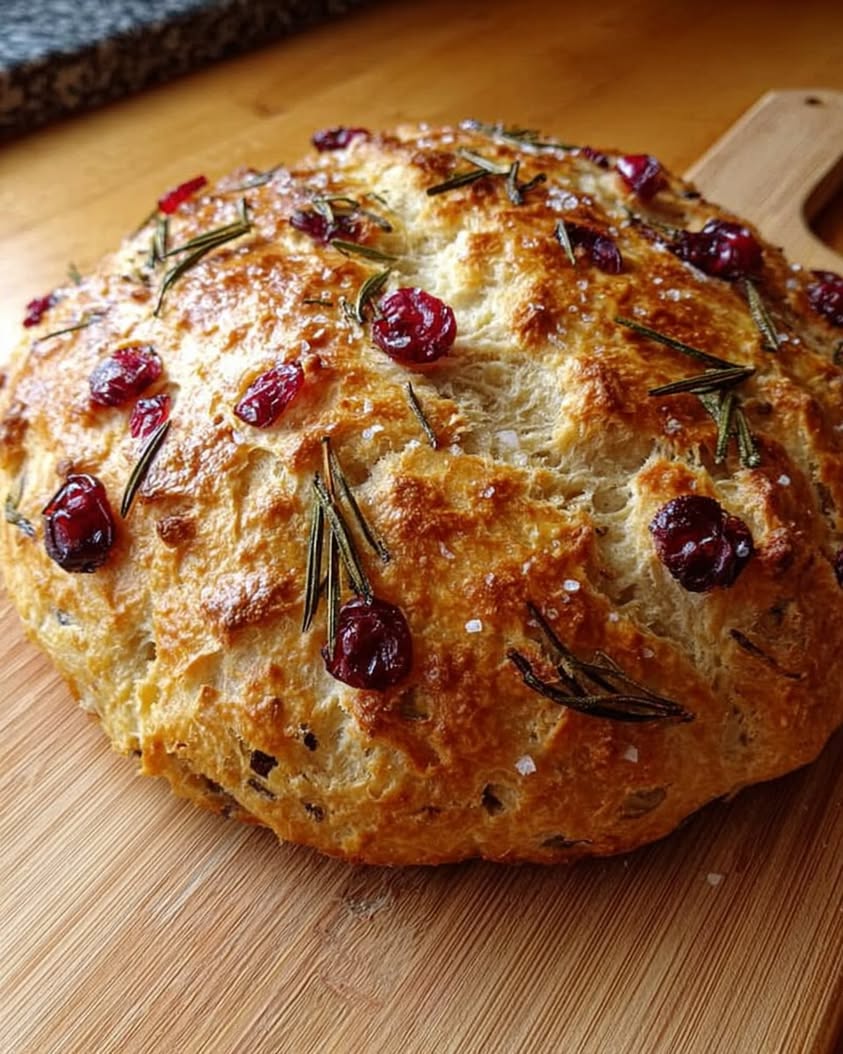
No-Knead Rosemary Cranberry Bread with Olive Oil & Sea Salt: Easy Artisan Recipe
There is something truly magical about pulling a warm, crusty loaf of bread from your own oven. This No-Knead Rosemary Cranberry Bread with Olive Oil & Sea Salt is the perfect example of how simple ingredients can create something extraordinary. With a crackling crust, a soft and airy interior, and bursts of tart cranberry and fragrant rosemary, this artisan loaf will fill your kitchen with an irresistible aroma. The great news? You do not need any special skills or expensive equipment to make it. In fact, this recipe is designed for beginners and busy home bakers who want fresh bread without the fuss.
The secret to this easy artisan recipe lies in a long, slow fermentation that develops deep flavor and a beautiful open crumb without any kneading. You simply stir together flour, water, yeast, and salt, then let time do the work. After the dough has rested and risen for eighteen to twenty-four hours, it transforms into a billowy, bubbly mass that is ready to shape and bake. The addition of olive oil adds richness and tenderness, while the sea salt sprinkled on top provides a delightful crunch that contrasts perfectly with the soft bread. This is bread making at its most accessible and rewarding.
Imagine slicing into a loaf that tastes like it came from a fancy bakery. The tartness of the dried cranberries balances beautifully with the earthy, pine-like flavor of fresh rosemary. Every bite offers a mix of textures, from the crispy, salty crust to the chewy, moist crumb. Whether you serve it alongside a bowl of soup, use it for a holiday stuffing, or simply enjoy it toasted with butter, this No-Knead Rosemary Cranberry Bread with Olive Oil & Sea Salt will quickly become a household favorite. It is a recipe that invites you to slow down, enjoy the process, and share something delicious with the people you love.
Quick Recipe Highlights
- Flavor Profile: The flavor is a wonderful combination of savory and sweet. The fresh rosemary provides an earthy, herbal note that pairs beautifully with the tart, chewy dried cranberries. A good flaky sea salt on top adds a clean, salty finish that enhances every other ingredient.
- Texture: The crust is incredibly crispy and shatters when you bite into it. The interior crumb is soft, airy, and slightly chewy, with small and large irregular holes that are the hallmark of a great no-knead loaf. The olive oil ensures the bread stays moist and tender even on the second day.
- Aroma: The scent of fresh rosemary and baking bread is aromatic and inviting. As the loaf bakes, your whole kitchen will fill with a warm, herby fragrance that promises a delicious meal. The subtle hint of olive oil adds a fruity, grassy note to the overall olfactory experience.
- Visual Appeal: This bread is a showstopper. The golden-brown crust is speckled with green rosemary and white sea salt crystals, while deep red cranberries peek through the surface. The round, rustic shape makes it look like a professional artisan loaf, perfect for any table.
- Skill Level Needed: This is a genuinely beginner-friendly recipe. You do not need to knead or use any special techniques. If you can stir ingredients in a bowl and wait patiently, you can make this bread successfully. It is an ideal first project for anyone new to bread baking.
- Special Equipment: You will need a large mixing bowl, a Dutch oven or a heavy oven-safe pot with a lid, and parchment paper. A digital kitchen scale is highly recommended for the most accurate results, but measuring cups will also work. No stand mixer required.
Recipe Overview
- Difficulty Level: The difficulty level is easy because the recipe involves no physical kneading or complex shaping. The long fermentation does the hard work of developing gluten for you. Patience is the only real requirement, as the active hands-on time is less than twenty minutes. Even a first-time baker can achieve excellent results with this no-knead method.
- Category: This recipe falls squarely in the bread, appetizer, and side dish categories. It is a versatile loaf that works wonderfully for breakfast toast, lunch sandwiches, and dinner sides. It also functions beautifully as a centerpiece for a cheese board or a rustic dinner party.
- Cuisine: The combination of rosemary and olive oil is deeply rooted in Italian and Mediterranean culinary traditions. No-knead bread itself was popularized by American baker Jim Lahey, making this a fusion of classic European flavors and modern American convenience. The result is a rustic, country-style loaf that feels both timeless and innovative.
- Cost: The cost of this bread is very low, especially compared to buying a similar quality loaf from a bakery. A bag of all-purpose flour, a jar of dried cranberries, and a bunch of fresh rosemary are all very affordable staples. The only slightly premium ingredient is good olive oil and flaky sea salt, but a little goes a long way. You can make this entire loaf for less than five dollars.
- Season: While you can make this bread any time of the year, it is especially welcome in the fall and winter. The tart cranberries and warm rosemary flavors feel festive and comforting during the holiday season. It pairs perfectly with hearty autumn soups and winter stews, making it a staple for cooler months.
- Occasion: This loaf is perfect for Thanksgiving, Christmas, and other holiday gatherings. It also makes a wonderful hostess gift when wrapped in a clean kitchen towel. Beyond celebrations, it is a fantastic everyday bread for a cozy weekend baking project or a special addition to a simple weeknight dinner.
Why You’ll Love This Recipe
The taste and texture of this No-Knead Rosemary Cranberry Bread with Olive Oil & Sea Salt are simply out of this world. The crust is audibly crispy, shattering with each bite to reveal a soft, tender, and slightly chewy interior. The tart cranberries provide little bursts of sweetness that cut through the savory richness of the olive oil and rosemary. Furthermore, the flaky sea salt on top creates a satisfying contrast that makes this bread incredibly moreish. You will find yourself reaching for just one more slice long after you are full. It is a sensory experience that feels luxurious despite its humble ingredients.
Convenience is at the heart of this easy artisan recipe. The biggest labor component is simply waiting for the dough to rise, which takes almost no effort on your part. You combine the ingredients in about fifteen minutes, cover the bowl, and walk away. The next day, you shape the dough, let it rest for a short second rise, and bake it in a hot Dutch oven. This hands-off approach makes it perfect for busy people who still crave homemade bread. You can even prepare the dough on a Friday night and bake it fresh on Saturday morning for a special breakfast.
From a nutritional standpoint, this bread offers several advantages over store-bought loaves. You control the quality of every ingredient, meaning no preservatives, artificial flavors, or unnecessary additives. The olive oil provides healthy monounsaturated fats, which are good for heart health. Cranberries are packed with antioxidants and vitamin C, while rosemary contains anti-inflammatory compounds. Additionally, the long fermentation process can make the bread easier to digest for some people, as the yeast has more time to break down complex carbohydrates.
This recipe has incredible social and entertaining value. The act of baking bread is inherently comforting and welcoming, and the aroma that fills your home will make guests feel instantly at ease. Presenting a beautiful, golden-brown loaf at the dinner table creates a moment of shared appreciation and joy. You can tear off pieces to share with friends over a glass of wine, or slice it neatly for a formal dinner party. It is a conversation starter and a symbol of care and hospitality that is sure to impress everyone at your table.
Finally, this recipe is incredibly cost-effective and uses accessible ingredients. You do not need to hunt down specialty flours or expensive yeast. Most of the items in the ingredient list are likely already in your pantry. Making bread at home is significantly cheaper than buying artisan loaves from a bakery, which can cost upwards of eight dollars each. This recipe yields a large, impressive loaf for a fraction of the price, allowing you to enjoy high-quality bread regularly without breaking the bank. It is a simple pleasure that fits any budget.
Historical Background and Cultural Significance
The story of no-knead bread begins in the early 2000s, when American baker Jim Lahey of Sullivan Street Bakery in New York City introduced a revolutionary method. Lahey discovered that a very wet dough, combined with a long, slow rise, could develop strong gluten networks without any physical kneading. His recipe, published in the New York Times in 2006, ignited a home baking movement that continues today. It democratized bread making, proving that anyone could create professional-quality loaves with minimal effort and equipment.
The cultural importance of no-knead bread lies in its ability to connect modern home bakers with ancient traditions. Before the invention of efficient yeast and mixers, all bread was made with a long fermentation. This recipe pays homage to that heritage by using time as its primary tool. It rediscovered the art of patience in cooking, a value often lost in our fast-paced world. Furthermore, it encouraged a generation of people to slow down, cook from scratch, and enjoy the therapeutic process of working with dough.
The evolution of this recipe has been remarkable. Bakers around the world have adapted the basic formula to include seeds, nuts, fruits, herbs, and different types of flour. The addition of olive oil, cranberries, and rosemary represents a perfect fusion of the no-knead technique with traditional Mediterranean flavors. This specific combination has gained immense popularity for its incredible taste and visual appeal. It is a modern classic that continues to be shared and refined across countless kitchens and food blogs.
Regional variations of this style of bread are plentiful. In the Pacific Northwest, bakers might add hazelnuts and dried cherries. In the South, you might find versions with pecans and dried figs. Italian bakers often incorporate fresh herbs like sage or thyme with olives and sun-dried tomatoes. This rosemary cranberry version has become a staple for autumn and winter baking, especially in the United States. Its vibrant red and green colors make it a natural fit for Christmas tables, and its versatility ensures it is loved year-round.
Ingredient Deep Dive
Bread flour is the primary structure builder in this recipe. Culturally, bread flour has been the backbone of baking for centuries, prized for its high protein content which creates a strong, chewy gluten network. Nutritionally, it provides complex carbohydrates for sustained energy, along with small amounts of protein and B vitamins. When selecting bread flour, look for a high-protein brand like King Arthur or Bob’s Red Mill. Store it in a cool, dry place in an airtight container and use it within a few months for best results. A good substitute for bread flour is all-purpose flour, though the texture of the final loaf will be slightly softer.
Fresh rosemary is a fragrant herb with a rich history. In ancient Greece and Rome, rosemary was associated with memory and fidelity, and it has been used in Mediterranean cooking for millennia. Nutritionally, rosemary is packed with antioxidants and has anti-inflammatory properties. When selecting rosemary, look for bright, vibrant green needles that are not wilted or yellowed. To store it, wrap the sprigs in a damp paper towel and place them in a sealed bag in the refrigerator for up to a week. If you do not have fresh rosemary, dried rosemary can be used, but reduce the amount by half as the flavor is more concentrated.
Dried cranberries add a bright, tart sweetness that balances the savory elements of the bread. Cranberries are native to North America and have been cultivated by Indigenous peoples for centuries, long before the first Thanksgiving. They are an excellent source of vitamin C and fiber. When buying dried cranberries, check the ingredient list to avoid varieties with added sugar or oils. Store them in a sealed container in a cool, dark place for up to a year. You can substitute dried cranberries with dried cherries, dried currants, or chopped dried apricots for a different flavor profile.
Extra-virgin olive oil is a cornerstone of the Mediterranean diet. Its use in bread dates back to ancient times, where it was used to enrich dough and keep bread fresh longer. Nutritionally, olive oil is full of heart-healthy monounsaturated fats and powerful antioxidants. For this recipe, choose a good quality extra-virgin olive oil with a fruity, not bitter, flavor. Store it away from heat and light to preserve its delicate compounds. If you need a substitute, avocado oil works well, though it has a milder flavor that will slightly alter the final taste.
Flaky sea salt is the final touch that elevates this loaf from good to great. Unlike table salt, flaky sea salt has a unique crystalline structure that provides a crunchy, burst of salinity. Salt is essential in bread making as it strengthens the gluten strands and controls yeast activity. For best results, use a finishing salt like Maldon. Store it in a dry place and avoid exposure to moisture. If you do not have flaky sea salt, you can use kosher salt, but it will not create the same textural contrast on the crust.
Common Mistakes to Avoid
- Using cold ingredients straight from the refrigerator can slow down the yeast activity. Always ensure your water and other ingredients are at room temperature for a consistent rise.
- Skipping the long fermentation period is a critical mistake. Do not rush the process. The dough needs at least eighteen hours at room temperature to develop its flavor and structure.
- Over-flouring your work surface can dry out the dough. Use a light dusting of flour and use a bench scraper to handle the sticky dough instead of adding more flour.
- Forgetting to preheat your Dutch oven results in a lack of oven spring. The pot must be screaming hot when the dough goes in to create the initial burst of steam.
- Using old or expired yeast will prevent the bread from rising properly. Always test your yeast by dissolving it in warm water with a pinch of sugar. If it does not foam within ten minutes, buy new yeast.
- Cutting into the bread while it is still hot will cause a gummy texture. You must allow the loaf to cool completely on a wire rack for at least one hour before slicing.
- Not scoring the dough before baking can lead to uncontrolled cracking. A shallow slash across the top of the loaf allows steam to escape in a controlled manner and helps the bread expand.
- Baking without using parchment paper can cause the dough to stick to the pot. A sling of parchment paper makes it easy to lift the dough in and out without burning yourself.
- Adding too many dried cranberries can weigh down the dough. Stick to the recommended amount to ensure the bread rises properly and has a balanced crumb structure.
- Humidity can affect the dough’s hydration. On a humid day, you may need to add a tablespoon or two of extra flour to achieve the right sticky consistency.
Essential Techniques
The first essential technique is the autolyse or the initial mixing of flour and water. This step allows the flour to fully hydrate and the gluten to begin forming before you add the yeast and salt. To master it, simply stir the flour and water together until no dry bits remain, then let it rest for twenty to thirty minutes. This rest period makes the dough much easier to handle later. Many beginners skip this step, but it is a crucial shortcut to developing a strong, elastic dough.
Next, folding the dough is the primary way to strengthen the gluten without kneading. After the first few hours of the bulk fermentation, perform three or four folds at thirty-minute intervals. To fold, reach under one side of the dough, stretch it up, and fold it over the top. Rotate the bowl and repeat on all four sides. This technique builds tension and traps air inside the dough. Its importance cannot be overstated as it creates a well-structured crumb. The visual cue for success is a dough that feels tighter and more cohesive after each fold.
Shaping the dough into a tight ball is the next critical skill. After the long rise, turn the dough out onto a well-floured surface. Gently stretch the dough into a rectangle, then fold the top third down to the center and the bottom third up over that. Finally, take the left and right sides and fold them into the center, creating a package. Flip the package over so the seams are on the bottom. Using your hands, gently drag the dough towards you to create surface tension. This technique ensures the loaf holds its shape during the second rise and bakes into a beautiful round boule.
The final essential technique is creating steam in the oven. Professional bakeries use steam to create a crispy, glossy crust. You achieve the same effect by using a preheated Dutch oven with a lid. The dough releases moisture as it bakes, and the trapped steam surrounds the loaf, allowing the crust to stay soft and expand before it sets. Without steam, the crust forms too quickly, limiting oven spring. For best results, keeping the lid on for the first thirty minutes of baking is crucial. Removing the lid for the final fifteen minutes allows the crust to brown and crisp up perfectly.
Pro Tips for Perfect No-Knead Rosemary Cranberry Bread with Olive Oil & Sea Salt
For the most flavorful bread, use a digital kitchen scale to measure your ingredients by weight. Volume measurements can be inconsistent, but weighing your flour and water ensures the perfect hydration ratio every time. This small investment will improve all your baking projects.
If your kitchen is cold, place the covered bowl of dough in the oven with the light on. The slightly warm environment will encourage steady fermentation. Avoid placing the bowl directly over a heat source, as this can kill the yeast.
Do not be tempted to open the Dutch oven during the first thirty minutes of baking. Peeking releases the precious steam that is essential for a good rise. Trust the process and wait until the recipe tells you to remove the lid.
To ensure the cranberries are evenly distributed, add them during the final fold of the bulk fermentation. This prevents them from all sinking to the bottom of the loaf. Gently knead them into the dough with wet hands to avoid sticking.
For an extra crispy crust, after the loaf has baked and cooled, place it back in a 300°F oven for five to ten minutes without the pot. This will re-crisp the crust and ensure it stays crunchy.
Always use a sharp lame or a serrated knife to score the dough. A dull blade will drag and deflate the dough instead of making a clean cut. A quick, confident slash at a shallow angle will produce the best result.
Variations and Adaptations
Regional variations of this easy artisan recipe are a wonderful way to explore different cuisines. For a Tuscan-inspired version, replace the rosemary with fresh sage and the cranberries with chopped Kalamata olives and sun-dried tomatoes. This savory adaptation pairs beautifully with hearty pasta dishes. Alternatively, for a French-inspired twist, add a cup of grated Gruyere or Parmesan cheese along with the rosemary for a rich, nutty flavor. The cheese will melt into the dough, creating pockets of savory goodness.
Seasonal adaptations are a fantastic way to use fresh produce throughout the year. Instead of dried cranberries, fold in fresh blueberries and a teaspoon of lemon zest during the summer. The blueberries will burst and create beautiful purple swirls in the crumb. For a fall version, use dried figs and chopped pecans, which pair wonderfully with the rosemary. You can also sprinkle the top with pumpkin seeds before baking for a seasonal, nutty crunch that adds both texture and visual appeal.
Dietary modifications can make this recipe accessible to a wider audience. For a gluten-free version, substitute the bread flour with a high-quality gluten-free all-purpose flour blend and add one teaspoon of xanthan gum. The dough will be more like a batter than a traditional dough, so you may need to bake it in a loaf pan instead of a Dutch oven. For a vegan adaptation, this bread is already vegan as written, but ensure your sugar (if using) is vegan-friendly. The olive oil and cranberries are naturally plant-based.
Flavor variations are limited only by your imagination. You can infuse the olive oil with garlic by warming it gently with a clove of crushed garlic before adding it to the dough. For a spicy kick, add a teaspoon of red pepper flakes or a tablespoon of chopped fresh jalapeno with the rosemary. A sweet variation can be achieved by swapping the sea salt on top for a sprinkle of raw sugar and adding a teaspoon of orange zest to the dough. This creates a deliciously sweet and savory breakfast bread.
Serving and Presentation Guide
Plating this No-Knead Rosemary Cranberry Bread with Olive Oil & Sea Salt is a simple affair. The loaf itself is so beautiful that it needs little embellishment. For a classic presentation, serve the whole loaf on a wooden cutting board with a high-quality serrated knife for guests to slice themselves. Alternatively, slice the bread into thick, even pieces and arrange them in a fan pattern on a large platter. This creates an inviting, shareable display that encourages people to help themselves.
Garnishing ideas can elevate the presentation to a new level. Arrange a few sprigs of fresh rosemary around the base of the bread to emphasize the herbaceous flavor. A small dish of flaky sea salt and a saucer of high-quality extra-virgin olive oil for dipping can also be placed alongside. For a more festive look during the holidays, add a few fresh cranberries and edible flowers to the board. These simple touches add color and context to the bread, enhancing the overall dining experience.
Traditional accompaniments for this bread are both comforting and delicious. Serve it warm with salted European-style butter, which will melt into the airy crumb. It is also excellent with soft cheeses like brie or camembert, which contrast nicely with the tart cranberries. For a heartier meal, use the bread to make a sandwich with roast turkey, arugula, and a cranberry relish. The bread is sturdy enough to hold up to robust fillings without getting soggy.
Modern serving suggestions include using the bread for bruschetta. Toast thick slices of the bread, rub them with a cut clove of garlic, and drizzle with olive oil. Top with a mixture of chopped tomatoes, fresh basil, and a splash of balsamic vinegar. The rosemary and cranberry flavors will complement the classic bruschetta ingredients beautifully. Another modern idea is to cube the bread and toss it with olive oil and herbs to make homemade croutons for a seasonal salad.
Wine and Beverage Pairing
Wine pairings for this No-Knead Rosemary Cranberry Bread with Olive Oil & Sea Salt should match its savory and fruity profile. A light-bodied, fruity red wine like a Pinot Noir from Oregon or a Beaujolais Nouveau is an excellent choice. The wine’s bright acidity and red fruit notes will harmonize with the tart cranberries. For white wine lovers, a dry Riesling or a Vermentino offers a crisp, mineral finish that cuts through the richness of the olive oil. These wines enhance the bread’s natural flavors without overpowering them.
Non-alcoholic alternatives are equally delightful. A sparkling water with a splash of cranberry juice and a sprig of rosemary makes a festive and refreshing mocktail. The bubbles will cleanse your palate between bites. For a cozy beverage, a hot cup of chamomile or herbal tea pairs wonderfully with the bread. The calming notes of the tea provide a gentle contrast to the robust flavors of the bread, making it a perfect end-of-day treat.
Rose and blush wines are also wonderful pairings for this bread. A dry Provence rose with its subtle strawberry and herb notes is a natural match for the rosemary. The wine’s refreshing acidity balances the sweetness of the cranberries, creating a harmonious combination. For a more decadent pairing, try a slightly sparkling Moscato d’Asti. Its low alcohol content and light sweetness complement the bread’s savory elements, making it a great choice for a brunch table.
Storage and Shelf Life
Proper storage is key to maintaining the quality of your baked loaf. Once the bread has cooled completely, wrap it tightly in a clean cloth or beeswax wrap. Store it at room temperature, not in the refrigerator, as the cold temperature will dry out the bread and make it stale faster. The bread will stay fresh and delicious for up to three days when stored properly. The crust will soften slightly over time, but the interior will remain moist and flavorful.
If you find the crust has softened by the second day, you can re-crisp it easily. Simply place the bread in a 350°F oven directly on the oven rack for five to seven minutes. This will revive the crust and make the bread taste almost as good as fresh-baked. Avoid using the microwave to reheat the bread, as this will make it tough and chewy. Toasting individual slices is another excellent way to enjoy leftover bread, especially for breakfast or as a base for canapes.
For longer storage, freezing is the best option. Slice the bread first, then wrap each slice individually in plastic wrap and place them in a freezer-safe bag. This allows you to take out only the amount you need without defrosting the entire loaf. The bread can be frozen for up to three months. To thaw, simply let the slices come to room temperature on the counter. You can also toast them directly from frozen for a quick and easy snack.
Make Ahead Strategies
The primary make-ahead strategy for this recipe is the long fermentation itself. You can mix the dough up to twenty-four hours in advance and let it rise in the bowl covered with plastic wrap. Once the dough has risen for eighteen to twenty-four hours, you can proceed with the shaping and baking steps. This makes the bread ideal for planning ahead for a special meal, as the most time-consuming part happens while you are sleeping or working.
After the bulk fermentation, you can further pause the process. Once the dough has risen, you can cover it tightly and place it in the refrigerator for up to eight hours before shaping. This cold fermentation can even enhance the flavor, giving the bread a more complex, sourdough-like tang. When you are ready to bake, simply remove the dough from the fridge, shape it, and let it rest for the second rise. The baking time will remain the same.
If you have leftover shaped dough, you can also freeze it for later use. Shape the loaf, place it on a parchment-lined baking sheet, and freeze it until solid. Once frozen, transfer the shaped dough to a freezer bag. When you are ready to bake, remove the dough from the freezer and let it thaw and complete its second rise in the refrigerator overnight. Bake as directed the next day. This method allows you to enjoy fresh bread anytime with minimal effort.
Scaling Instructions
Halving this No-Knead Rosemary Cranberry Bread with Olive Oil & Sea Salt recipe is straightforward. Simply divide all the ingredients by two. You will need approximately one and a half cups of bread flour and half the amount of all other ingredients. The fermentation time may be slightly shorter because there is less dough, so check for the dough to double in size by the eighteen-hour mark. You can bake the smaller loaf in a smaller Dutch oven or a standard loaf pan for a different shape.
Doubling or tripling the recipe is also easy and perfect for entertaining. Multiply each ingredient by two or three accordingly. You will need a very large bowl for the bulk fermentation, and you may need to use two Dutch ovens to bake both loaves at the same time. If your oven cannot accommodate two pots, you can bake the loaves one after the other. Keep the second loaf in the refrigerator while the first one bakes to prevent it from over-proofing. The timing for the second rise and bake remains the same.
Equipment adjustments are necessary when scaling. If you double the recipe, ensure your Dutch oven is large enough to hold the dough without overflowing. A six-quart pot is usually sufficient for a single loaf, but for a double batch, an eight-quart pot or two separate pots are required. If you do not have a large enough pot, you can shape the dough into two smaller loaves and bake them in separate pots. This approach ensures even baking and avoids a misshapen final product.
Nutritional Deep Dive
The macronutrient breakdown for one serving of this bread is relatively balanced. Each slice provides a good amount of complex carbohydrates from the bread flour, roughly twenty to thirty grams per serving. The olive oil adds approximately five grams of healthy monounsaturated fat, which is beneficial for heart health. The protein content is modest, around four to six grams per serving, primarily from the flour. The dried cranberries contribute about ten grams of sugar per serving, mostly natural fruit sugars.
Micronutrient analysis reveals several important vitamins and minerals. The bread contains small amounts of B vitamins, including thiamin and niacin, which are essential for energy metabolism. The olive oil provides vitamin E, a powerful antioxidant that supports skin and immune health. Rosemary is a source of vitamin K and iron, while the cranberries offer vitamin C and manganese. The flaky sea salt provides sodium, which is necessary for nerve function but should be consumed in moderation.
The health benefits of this bread are notable when compared to many store-bought alternatives. Because the recipe relies on a long fermentation, some of the gluten and phytic acid are broken down, potentially making the bread easier to digest. The inclusion of olive oil adds anti-inflammatory properties to the meal. Furthermore, the cranberries are rich in antioxidants called proanthocyanidins, which may help prevent urinary tract infections and support immune function.
Dietary Adaptations
For a gluten-free adaptation of this easy artisan recipe, use a high-quality gluten-free all-purpose flour blend that contains a binder like xanthan gum or guar gum. You will also need to increase the hydration slightly, as gluten-free flours absorb more moisture. The dough will be much stickier and more like a batter. Instead of shaping it into a ball, pour it directly into a greased loaf pan and flatten the top with wet hands. The baking time may need to be extended by ten to fifteen minutes to ensure the center is fully cooked.
This recipe is naturally dairy-free, making it an excellent choice for those with lactose intolerance. However, always check the labels on your dried cranberries, as some brands may be processed in facilities that handle milk products. If you are strictly avoiding dairy, you can serve the bread with dairy-free spreads like avocado or olive oil instead of butter. The bread itself is already perfectly moist and flavorful, so it does not require any dairy additions.
This recipe is also naturally vegan, as it contains no eggs, butter, or milk. The only ingredient of concern for strict vegans is the sugar, if you choose to add a pinch to the yeast to activate it. Most white sugar is processed using bone char, so look for certified vegan sugar if this is a concern. Otherwise, the bread is a fantastic vegan option that delivers rich flavor and satisfying texture without any animal products. It is a crowd-pleaser at any plant-based gathering.
Troubleshooting Guide
If your bread turns out dense and heavy without a good open crumb, the most common culprit is insufficient hydration. The dough should be very wet and sticky, almost like a thick batter. If you add too much flour during the shaping process, the final loaf will be dense. Next time, use only a light dusting of flour on your work surface and rely on a bench scraper to handle the dough. Also, ensure the dough has doubled in bulk during the first rise, which indicates proper yeast activity.
If the crust of your bread is too thick or tough, the oven temperature might be too high, or the bread was over-baked. Check the accuracy of your oven with a separate oven thermometer. Furthermore, ensure you are removing the lid for the final fifteen minutes of baking. If you leave the lid on for the entire time, the steam will prevent the crust from drying out properly, resulting in a soft, tough skin instead of a crispy one. Reducing the baking temperature by twenty-five degrees can also help.
If the cranberries sink to the bottom of the loaf, they were not incorporated properly during folding. Next time, add the cranberries during the last stretch and fold of the bulk fermentation, not during the initial mixing. This ensures they are suspended throughout the dough. Additionally, make sure the cranberries are dry and not overly hydrated, as moisture can cause them to fall. If they are very sticky, dust them lightly with a little flour before adding them to the dough.
Recipe Success Stories
Community feedback for this recipe has been overwhelmingly positive. One reader from Ohio shared that her family, who usually avoids whole grains, could not stop eating this bread at Thanksgiving. She added an extra quarter cup of dried cranberries and claimed it was the best bread she had ever made. Another baker from Texas said the recipe was her first successful loaf after years of failed attempts. She emphasized the importance of patience and using a kitchen scale for perfect results.
Variation successes have been creative and inspiring. A home cook from California substituted the fresh rosemary with dried thyme and added a cup of chopped Kalamata olives. She served the bread with a Greek salad and reported that the combination was phenomenal. Another baker used this base recipe to create a savory monkey bread by tearing the dough into pieces, rolling them in garlic butter and cheese, and baking them in a bundt pan. Her family devoured the entire thing in minutes.
Adaptation stories often highlight the recipe’s flexibility. A gluten-free baker shared that she used a 1:1 gluten-free flour blend and added a teaspoon of xanthan gum. She baked the dough in a loaf pan and said it was the first gluten-free bread that her celiac son actually enjoyed. A vegan reader was delighted that the recipe needed no modifications to fit her lifestyle. She served it with homemade vegan cashew cream cheese and fresh cranberry jam for a gourmet holiday brunch.
Frequently Asked Questions
Readers Love These Recipes !
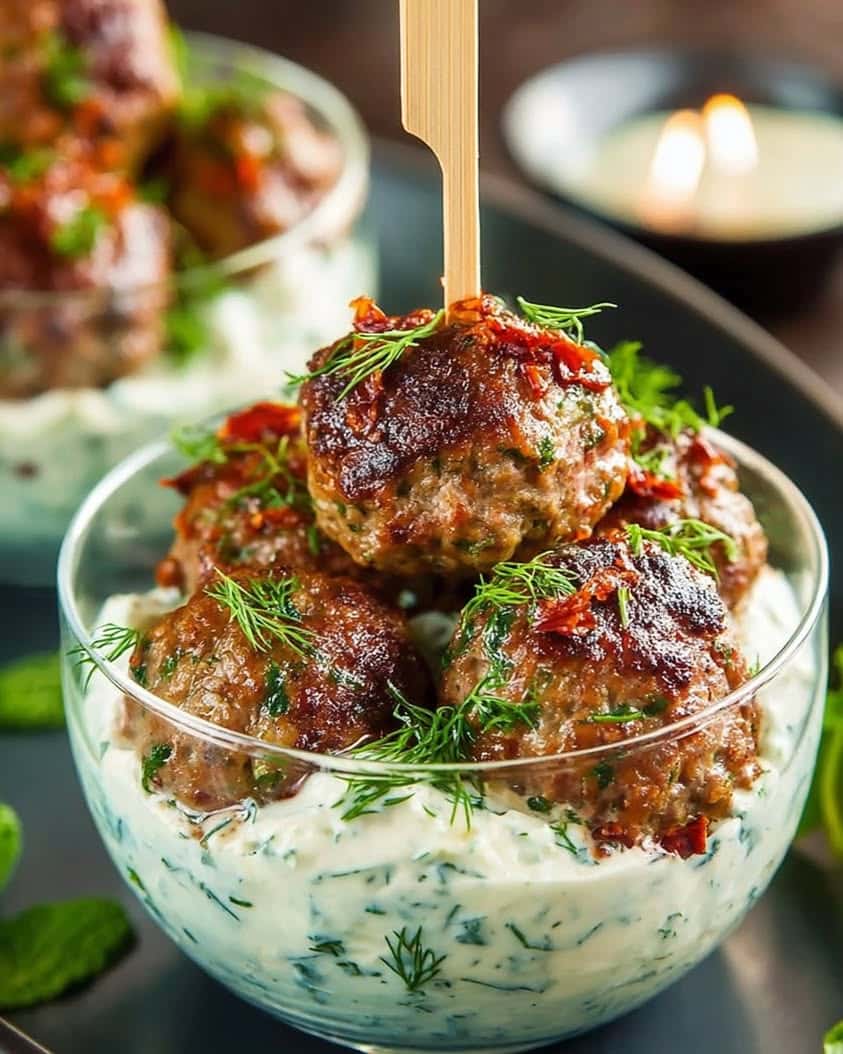
Greek Beef Meatballs with Creamy Sun-Dried Tomato Tzatziki
September 14, 2026
Greek-Style Beef Meatballs with Creamy Sun-Dried Tomato Tzatziki: A Mediterranean Dinner Worth Sharing Difficulty: Easy to Moderate Prep Time: 25 minutes Cook Time: 20 minutes Total Time: 45 minutes Servings: 4 to 6 people Greek-Style Beef Meatballs with Creamy Sun-Dried Tomato Tzatziki bring the warm, sun-soaked flavors of the Mediterranean straight to your dinner table.
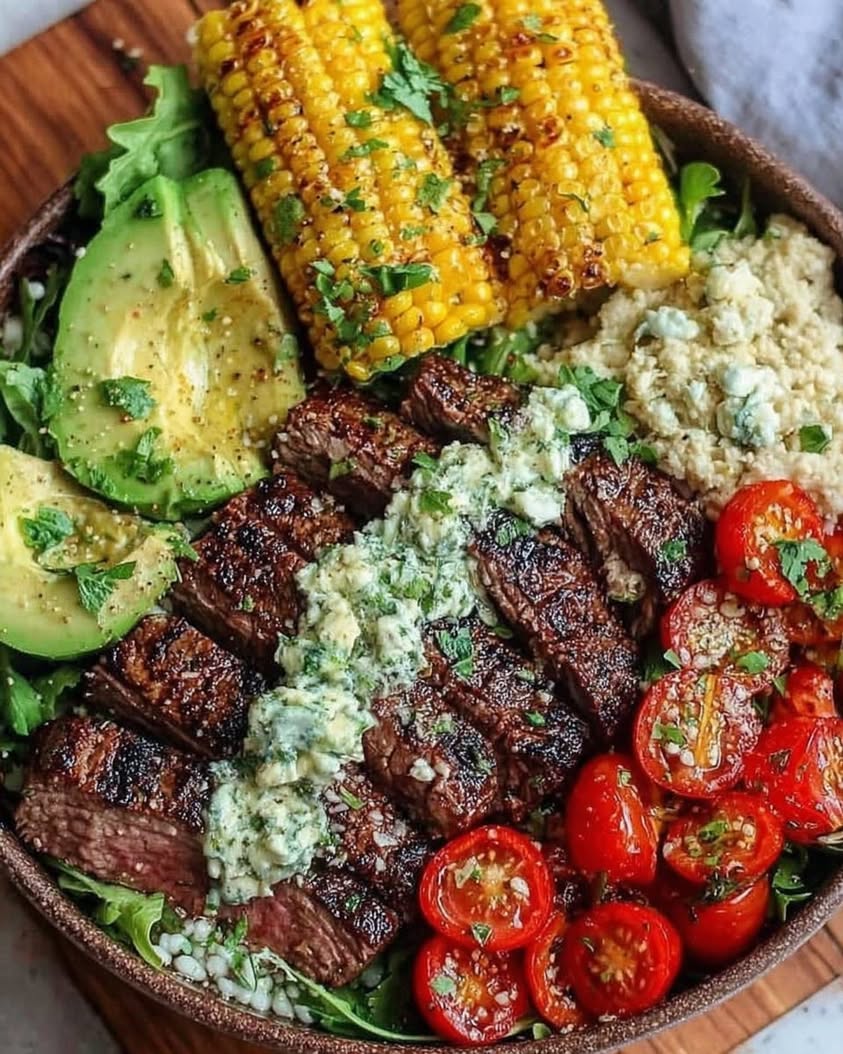
Steak Avocado and Roasted Corn Bowl with Cilantro Cream
September 14, 2026
Steak, Avocado, and Roasted Corn Bowl with Cilantro Cream Sauce: A Flavor-Packed Weeknight Dinner ⚖️ Difficulty Easy ⏲️ Prep Time 20 mins 🕒 Cook Time 15 mins ⏱️ Total Time 35 mins 🍽 Servings 4 This Steak, Avocado, and Roasted Corn Bowl with Cilantro Cream Sauce brings together the best of summer flavors in one

Baklava Cream Sandwich Cookies: A Delicious Twist on Classic Dessert
September 14, 2026
Baklava Cream Sandwich Cookies: A Delicious Twist on Classic Dessert ⚖️ Difficulty Intermediate ⏲️ Prep Time 45 mins 🕒 Cook Time 15 mins ⏱️ Total Time 60 mins 🍽 Servings 18 cookies If you love baklava, then you will absolutely adore these Baklava Cream Sandwich Cookies. This delightful recipe takes everything you cherish about the
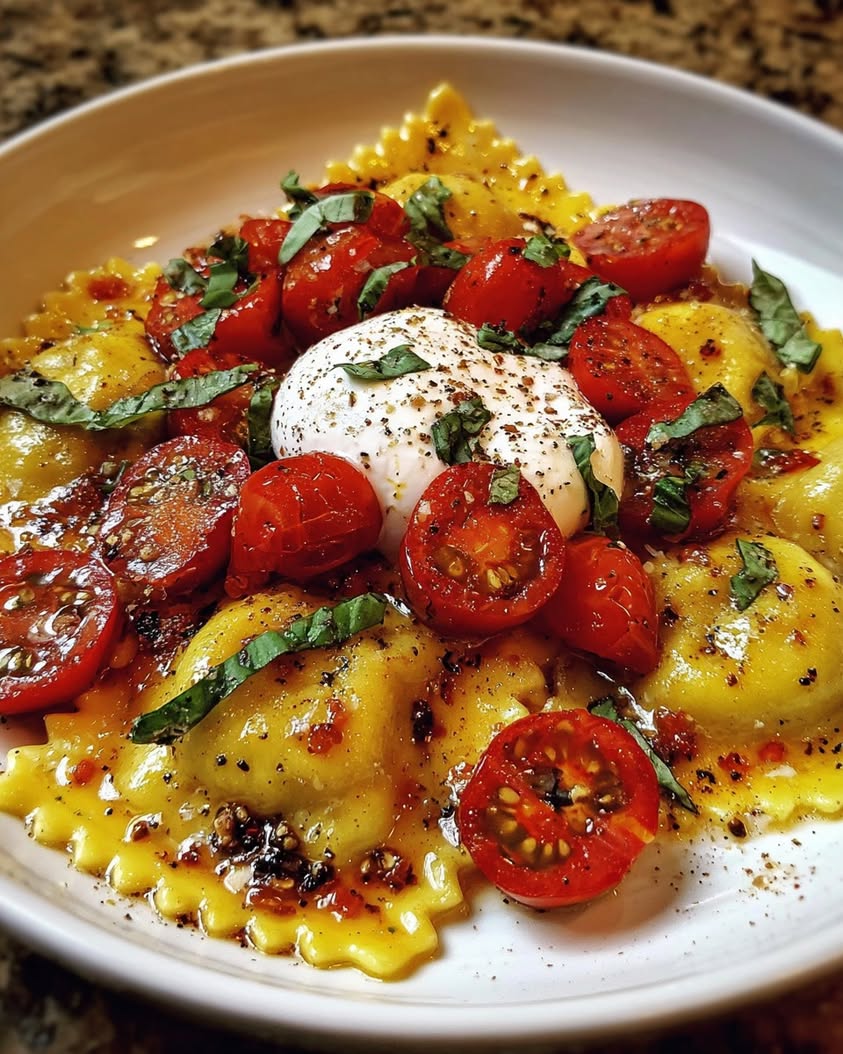
Ricotta Lemon Ravioli with Burst Tomatoes and Burrata
September 14, 2026
Ricotta and Lemon Zest Ravioli with Burst Tomatoes and Burrata: A Bright, Creamy Pasta Dream ⚖️ Difficulty Intermediate ⏲️ Prep Time 45 mins 🕒 Cook Time 20 mins ⏱️ Total Time 65 mins 🍽 Servings 4 Ricotta and Lemon Zest Ravioli with Burst Tomatoes and Burrata brings a restaurant-quality pasta dish straight to your home
