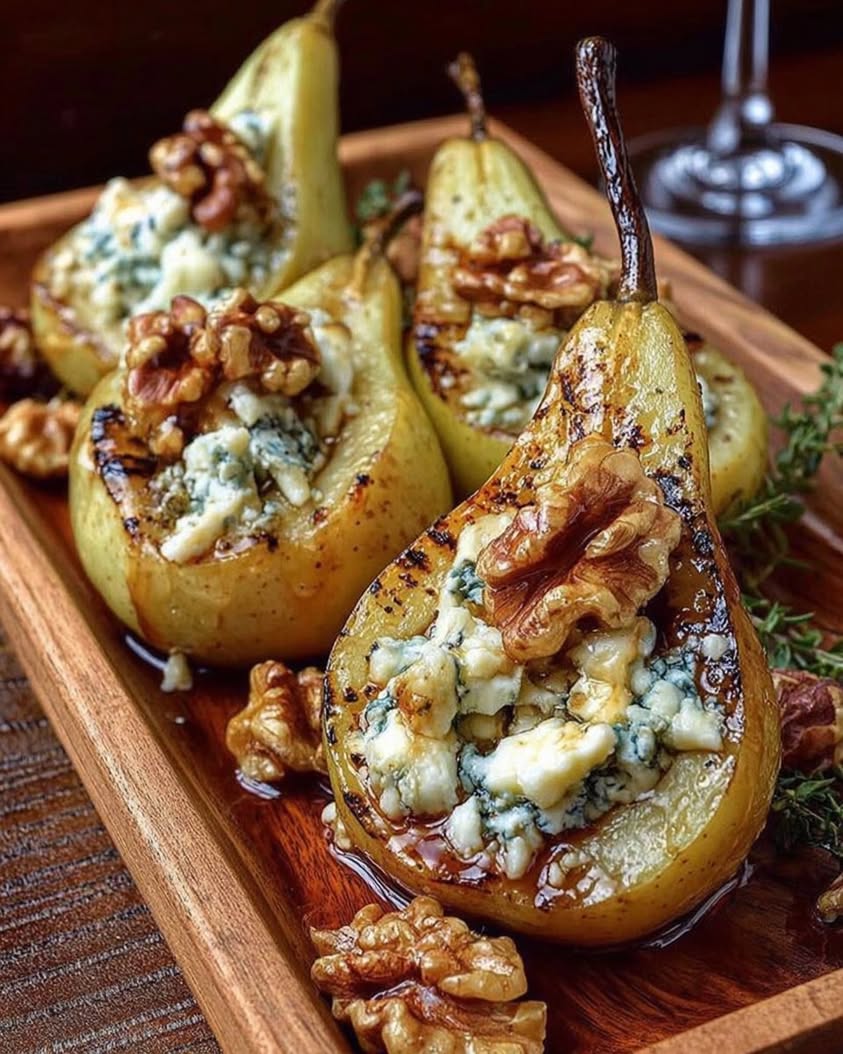
Elegant Roasted Pears with Blue Cheese and Walnuts Recipe: A Simple Yet Sophisticated Dessert
Imagine a dessert that feels both decadent and wholesome, a dish that perfectly balances sweet and savory notes with minimal effort. This Elegant Roasted Pears with Blue Cheese and Walnuts recipe is exactly that. It transforms simple, seasonal pears into a stunning centerpiece. The warm, caramelized fruit pairs magically with the bold, creamy blue cheese and the earthy crunch of toasted walnuts. Consequently, you get a sophisticated flavor profile that will impress any guest.
Furthermore, this dish is incredibly versatile. You can serve it as a stunning appetizer, a unique salad topper, or a light dessert that feels special. The process is straightforward, requiring just a handful of quality ingredients and a single baking sheet. The roasting process intensifies the pear’s natural sugars, creating a tender, jam-like interior. Meanwhile, the cheese melts slightly, and the walnuts toast to perfection, filling your kitchen with an irresistible aroma.
Ultimately, this recipe is a celebration of texture and contrast. The soft, yielding pear contrasts beautifully with the crumbly cheese and the nutty crunch. Each bite is a complex journey, moving from sweet to savory to rich and back again. It’s a perfect example of how a few well-chosen components can create something far greater than the sum of their parts. This Elegant Roasted Pears with Blue Cheese and Walnuts dish is your secret weapon for effortless entertaining.
Quick Recipe Highlights
- Flavor Profile: This dish masterfully combines the sweet, caramelized notes of roasted pear with the sharp, tangy punch of blue cheese. The walnuts add a deep, toasty bitterness that ties everything together, creating a perfectly balanced savory dessert or appetizer.
- Texture: You experience a wonderful contrast: the soft, almost buttery flesh of the warm pear against the creamy, crumbly cheese. Meanwhile, the toasted walnuts provide a satisfying, crunchy counterpoint that makes every bite interesting.
- Aroma: As the pears roast, they release a sweet, honeyed fragrance. This blends with the nutty scent of toasting walnuts and the distinctive, pungent aroma of the melting blue cheese, creating an inviting and complex kitchen perfume.
- Visual Appeal: The presentation is naturally beautiful. Halved pears cradle pools of melted cheese and are generously sprinkled with golden-brown walnut pieces. A final drizzle of honey adds a glossy sheen, making the dish look restaurant-worthy.
- Skill Level Needed: This is a beginner-friendly recipe. The techniques are basic: halving fruit, arranging on a tray, and simple baking. Success relies more on ingredient quality and timing than on advanced culinary skill.
- Special Equipment: You need only a sharp knife, a cutting board, and a rimmed baking sheet. Parchment paper is highly recommended for easy cleanup and to prevent the honey from sticking disastrously to the pan.
Recipe Overview
- Difficulty Level: This Elegant Roasted Pears with Blue Cheese and Walnuts recipe is rated easy for good reason. The steps are sequential and simple: prep the pears, mix the filling, bake, and garnish. There is no intricate knife work, no fussy techniques, and the baking time is forgiving. Even a novice cook can achieve impressive results on the first try.
- Category: This versatile dish blurs the lines between categories beautifully. It functions perfectly as a starter for a dinner party, a decadent addition to a cheese board, or a light yet sophisticated dessert. It can even be served alongside a bitter green salad for a luxurious lunch.
- Cuisine: While not tied to one specific tradition, the combination of fruit, cheese, and nuts has strong roots in European and American farmhouse cooking. It echoes the flavors of a classic cheese course or a Waldorf salad, presented in a warm, modern format that feels both rustic and refined.
- Cost: This is a cost-effective gourmet dish. Pears and walnuts are relatively affordable, especially in season. The blue cheese is the splurge, but a little goes a long way. Overall, you can create a restaurant-quality plate for a fraction of the price of dining out.
- Season: Autumn and winter are the prime seasons for this recipe, when pears are at their peak of flavor and sweetness. However, with the global market, you can find good pears year-round, making this a versatile option for any season when you crave warm, comforting flavors.
- Occasion: It’s ideal for intimate dinner parties, holiday gatherings like Thanksgiving or Christmas, or a romantic date night at home. It also makes a spectacular contribution to a potluck, as it travels well and stands out from typical casseroles and desserts.
Why You’ll Love This Elegant Roasted Pears with Blue Cheese and Walnuts Recipe
First and foremost, the taste and texture appeal is undeniable. This Elegant Roasted Pears with Blue Cheese and Walnuts recipe delivers a symphony of flavors in every forkful. The warm, softened pear becomes intensely sweet and floral. Then, the blue cheese introduces a sharp, salty complexity that cuts through the sweetness. Finally, the walnuts contribute a crucial earthy bitterness and crunch. This combination is unexpectedly harmonious and deeply satisfying, appealing to those who enjoy moving beyond purely sweet desserts.
Next, consider the sheer convenience and preparation benefits. From start to finish, this dish takes about 35 minutes, with only 10 minutes of active hands-on work. You simply halve the pears, mix the cheese and nuts, and bake. There’s no need for a mixer, a blender, or multiple pots and pans. Consequently, cleanup is a breeze, especially if you use parchment paper. This makes it an ideal recipe for busy weeknights or last-minute entertaining when you need something impressive fast.
Additionally, this dish offers notable nutritional advantages compared to many traditional desserts. Pears are a great source of dietary fiber and vitamin C. Walnuts provide healthy fats, protein, and omega-3 fatty acids. Blue cheese, while rich, offers calcium and protein. Compared to a slice of cake or a bowl of ice cream, this option feels more balanced and substantial. It satisfies your sweet tooth while also providing nutrients that leave you feeling energized, not sluggish.
Moreover, the social and entertaining value is incredibly high. Presenting this Elegant Roasted Pears with Blue Cheese and Walnuts dish immediately signals thoughtfulness and culinary flair. It’s a conversation starter. Guests are often delighted by the innovative pairing and the beautiful presentation. Serving it encourages sharing and tasting, creating an interactive and memorable dining experience. It elevates a simple meal into a special occasion with minimal effort on your part.
Finally, the cost-effectiveness and accessibility are major wins. You don’t need rare or expensive ingredients. A trip to a standard grocery store will provide everything you need. The recipe is also highly adaptable; you can use different pear varieties, swap the blue cheese for gorgonzola or even a firm goat cheese, and substitute pecans for walnuts. This flexibility means you can often use what you already have on hand, reducing waste and making gourmet cooking accessible to any budget.
Historical Background and Cultural Significance
The concept of pairing fruit with cheese is ancient, with roots stretching across many cultures. Historically, combining preserved fruits with aged cheeses was a practical way to create balanced, nutrient-dense meals, especially in colder months when fresh produce was scarce. This Elegant Roasted Pears with Blue Cheese and Walnuts recipe is a modern, warm interpretation of that timeless tradition. It builds on the classic cheese course, a staple of European dining, by applying heat to transform the textures and meld the flavors together more completely.
Culturally, the combination holds particular significance in regions known for dairy and orchard fruits. In France, pears (poires) are famously served with Roquefort cheese. In Italy, gorgonzola is often paired with pears or figs. In the United States, the Waldorf salad, with its apples, walnuts, and sometimes blue cheese, presents a similar flavor profile in a cold format. This recipe, therefore, sits at a culinary crossroads, drawing inspiration from these established pairings and presenting them in a new, hot form that feels both familiar and novel.
The evolution of this specific recipe likely stems from the modern home cook’s desire for simple, elegant dishes that maximize flavor. Roasting fruit to concentrate its sugars became a popular technique in the late 20th century. Applying this method to pears and adding cheese and nuts was a natural, innovative step. The recipe represents a shift towards less formal, more ingredient-focused entertaining, where a single, well-composed dish can be the star of the meal without requiring classical French training to prepare.
Regional variations of this concept abound, demonstrating its adaptability. In the American South, you might find roasted pears with pecans and a bourbon-honey drizzle. In the Mediterranean, figs might replace pears, and honey would be a local wildflower or thyme variety. Some versions add a sprinkle of fresh thyme or rosemary before baking. Others finish with a balsamic glaze reduction instead of honey. This Elegant Roasted Pears with Blue Cheese and Walnuts recipe provides a perfect, forgiving base from which countless personal and regional twists can spring.
Ingredient Deep Dive
Pears (Bosc or Anjou): Bosc and Anjou pears are ideal for roasting because they hold their shape well during cooking. Their flesh becomes tender but doesn’t turn to mush. Pears have been cultivated for thousands of years, originating in Asia and spreading through Europe. They are a good source of fiber, vitamin C, and copper. When selecting pears, choose ones that are firm but yield slightly at the stem. Avoid any with significant bruising. For storage, keep unripe pears at room temperature and move them to the refrigerator once ripe to slow further ripening. If you cannot find Bosc or Anjou, firm Bartlett pears can work in a pinch.
Blue Cheese: Blue cheese, like Roquefort, Gorgonzola, or Stilton, is a cheese injected with Penicillium cultures, creating its characteristic blue veins and sharp, salty flavor. It has a storied history, with legends claiming Roquefort was discovered by a shepherd in a French cave. Nutritionally, it provides calcium, protein, and fat, but it is high in sodium. For this recipe, choose a blue cheese that is creamy yet crumbly. Avoid pre-crumbled varieties, which are often drier. Store blue cheese tightly wrapped in the refrigerator. For a milder flavor, try Gorgonzola Dolce. For a dairy-free version, a creamy, tangy cashew cheese can be a surprising substitute.
Walnuts: Walnuts are one of the oldest tree foods, revered in ancient Persia and Rome. They are uniquely rich in alpha-linolenic acid, a plant-based omega-3 fat, and also provide protein, magnesium, and antioxidants. Toasting walnuts is non-negotiable for this recipe; it deepens their flavor and improves their crunch. Always buy walnuts in sealed packages and store them in the freezer to prevent their oils from turning rancid. For substitution, pecans offer a similar buttery crunch, while almonds would provide a firmer, lighter note. Avoid using raw walnuts, as they can taste bitter and lack the necessary toasted aroma.
Honey: Honey is the world’s oldest sweetener, used by humans for over 8,000 years. It adds a floral sweetness and glossy finish that balances the salty cheese. Raw honey contains trace enzymes, antioxidants, and vitamins. For this dish, a mild, liquid honey like clover or orange blossom works well, allowing the other flavors to shine. A darker, more robust honey like buckwheat can overpower. If your honey has crystallized, gently warm the jar in a bowl of hot water. For a vegan adaptation, pure maple syrup or agave nectar are excellent alternatives, though they will impart their own distinct flavor profiles.
Common Mistakes to Avoid
- Using Overripe Pears: Overly soft pears will collapse into mush during roasting. You lose the pleasing structure where the pear half acts as a vessel. Always start with pears that are firm to the touch for the best textural result.
- Skipping the Walnut Toast: Raw walnuts have a slightly bitter, grassy flavor and lack crunch. Toasting them is a quick step that unlocks their nutty, rich potential and is essential for the flavor complexity of the final dish.
- Choosing the Wrong Blue Cheese: A dry, overly aged blue cheese will not melt appealingly and can be too pungent. Conversely, a soft, spreadable blue might disappear. Aim for a variety that is creamy yet still crumbly for the perfect texture.
- Overcrowding the Baking Sheet: Placing the pear halves too close together steams them instead of roasting them. You need space for hot air to circulate to achieve proper caramelization on the cut surfaces.
- Under-roasting the Pears: Removing the pears before they are tender and lightly browned means they won’t be sweet enough. The edges should be golden and a knife should slide into the thickest part with no resistance.
- Adding Honey Before Baking: Drizzling honey over the cheese before it goes in the oven can cause it to burn and become bitter. Honey is a finishing element; add it after baking so its delicate flavor shines.
- Not Using Parchment Paper: The honey and cheese drippings will caramelize and stick fiercely to a bare baking sheet. Parchment paper guarantees easy release and effortless cleanup.
- Serving Cold: This dish is at its peak when warm. The cheese should be slightly melted, and the pears tender. Allowing it to sit too long before serving diminishes the wonderful contrast between the warm fruit and cool garnish.
Essential Techniques
Halving and Coring Pears: This technique is fundamental for creating an edible vessel. Use a sharp chef’s knife to slice the pear neatly from stem to bottom. Then, employ a melon baller or a small teaspoon to scoop out the fibrous core and seeds, creating a small, neat hollow. The goal is to remove the tough parts while maximizing the amount of sweet, usable flesh. A common pitfall is cutting too deeply and removing edible fruit. The visual cue for success is a clean, smooth cavity just large enough to hold your cheese and walnut filling.
Toasting Walnuts: Toasting nuts is a dry-heat technique that drives off moisture and catalyzes the Maillard reaction, creating deeper, richer flavors. Spread raw walnuts in a single layer on a dry baking sheet. Toast in a preheated 350°F oven for 8-10 minutes, shaking the pan once, until fragrant and lightly golden. The importance lies in flavor transformation; raw nuts are bland and can be bitter. The pitfall is distraction—they burn quickly. Watch them closely and rely on your nose; when you can smell their nutty aroma, they are done.
Roasting Fruit: Roasting pears uses oven heat to break down pectin and cellulose, softening the fruit while caramelizing its natural sugars. This concentrates the flavor and creates a tender, jam-like texture. The key is even heat and enough space on the pan for moisture to evaporate. The common mistake is roasting at too high a temperature, which can scorch the outside before the inside is soft. Success is visible: the pear halves will be fork-tender, and the cut surfaces will have turned a beautiful, appetizing golden-brown color.
Pro Tips for Perfect Elegant Roasted Pears with Blue Cheese and Walnuts
First, always bring your cheese to room temperature for about 20 minutes before crumbling. Cold cheese is harder to crumble evenly and won’t melt as nicely on the warm pear. This simple step ensures a creamier texture.
Second, for extra flavor, toss your toasted walnuts with a tiny pinch of sea salt and a crack of black pepper while they are still warm. The seasoning will adhere to the nuts and add another layer of complexity.
Third, if your pears are very hard, you can poach them gently in a simple syrup or even just water for 5 minutes before roasting. This guarantees they will be perfectly tender after the baking time.
Fourth, consider adding a whisper of fresh thyme leaves over the pears before baking. The herbal note complements the sweetness and the cheese beautifully without overpowering the dish.
Fifth, for a stunning presentation, serve each pear half on a small individual plate drizzled with honey and garnished with a single, perfect walnut half. This makes each serving feel special and intentional.
Sixth, if preparing for a party, you can roast the pears up to an hour in advance. Keep them warm, then add the cheese and broil for just a minute or two right before serving to melt the cheese perfectly.
Seventh, use the leftover pear trimming and core to make a quick syrup. Simmer them with water, sugar, and a cinnamon stick, then strain. You can use this to drizzle on pancakes or cocktails, minimizing waste.
Eighth, for a textural surprise, sprinkle a few pomegranate arils over the finished dish. Their juicy pop and bright color add a festive and fresh element that contrasts wonderfully with the other components.
Variations and Adaptations
Regional Variations: Embrace local ingredients. In the Pacific Northwest, use hazelnuts instead of walnuts and a blackberry honey. In Italy, substitute Gorgonzola Dolce and finish with a aged balsamic glaze. A Southern twist might include pecans and a bourbon-infused honey drizzle, adding a touch of warm spice like cinnamon to the roasting process.
Seasonal Adaptations: While pears are classic, this method works with many fruits. In summer, try halved peaches or nectarines. In late summer, use fresh figs. For a winter holiday version, use firm apple varieties like Honeycrisp or Pink Lady, and add a sprinkle of chopped dried cranberries to the filling for a tart, chewy contrast.
Dietary Modifications: For a vegan version, use a high-quality vegan blue-style cheese made from cashews and substitute the honey with maple syrup or agave. For a paleo or Whole30 adaptation, omit the cheese and fill the pear with a mixture of toasted nuts, coconut flakes, and a date paste, then roast.
Flavor Variations: Infuse the honey with rosemary or lavender for an aromatic twist. Add a pinch of cayenne pepper to the cheese filling for a subtle heat. Mix a teaspoon of Dijon mustard into the crumbled cheese for a tangy, sophisticated note that cuts through the richness.
Texture Modifications: For added creaminess, mix a tablespoon of mascarpone or ricotta into the blue cheese before filling the pears. For more crunch, add a tablespoon of toasted breadcrumbs or crushed amaretti cookies to the walnut topping before baking.
Presentation Alternatives: Instead of serving halves, slice the roasted pears and fan them on a plate over a bed of arugula, then top with the cheese and nuts for a deconstructed salad. Alternatively, chop the roasted pears and toss with the cheese and nuts to create a warm chutney or compote to serve over grilled pork or chicken.
Serving and Presentation Guide
Plating Techniques: For individual servings, place one warm pear half in the center of a small plate or shallow bowl. Let the cheese and walnuts spill over the sides naturally. For a family-style presentation, arrange all the pear halves on a rustic wooden board or a large platter, slightly overlapping. This encourages guests to help themselves and creates a visually abundant centerpiece.
Garnishing Ideas: Beyond the honey drizzle, consider fresh garnishes for color and freshness. A few tiny arugula or watercress leaves add a peppery bite and green vibrancy. Edible flowers like nasturtiums or pansies make a stunning special-occasion garnish. A final, light sprinkle of flaky sea salt (like Maldon) just before serving enhances all the flavors.
Traditional Accompaniments: In a classic context, this dish needs little else. However, offering a crusty baguette or slices of toasted walnut bread on the side is perfect for scooping up any melted cheese and honey that escapes onto the plate. A simple green salad with a tart vinaigrette balances the richness.
Modern Serving Suggestions: For a contemporary appetizer, serve a single pear half on a swipe of whipped ricotta or labneh. As a dessert, accompany it with a small scoop of vanilla bean ice cream or a dollop of lightly sweetened crème fraîche. The contrast of temperatures is delightful.
Temperature Considerations: This dish is best served warm, not piping hot. Let the pears cool for 5 minutes after roasting so the cheese is melty but not scorching, and the pear is tender but manageable to eat. This allows the flavors to settle and integrate perfectly.
Portion Control Tips: One pear half per person is standard for a dessert or a substantial appetizer. If serving as part of a larger cheese board or with multiple other small plates, you can cut the pear halves into quarters after roasting for smaller, bite-sized portions that are easy to pick up.
Wine and Beverage Pairing
Wine Pairings: The sweet, salty, and rich profile of this dish calls for wines with good acidity and complementary flavors. A Sauternes or other late-harvest dessert wine is a classic, luxurious match—its honeyed sweetness mirrors the dish. Alternatively, a off-dry Riesling or Vouvray has the acidity to cut through the cheese and the fruitiness to complement the pear. For red wine lovers, a lighter Pinot Noir with low tannins and red fruit notes can work beautifully without overpowering the delicate flavors.
Non-Alcoholic Alternatives: Sparkling apple cider or pear cider offers effervescence and appley sweetness that pairs naturally. A ginger beer, especially one with a spicy kick, provides a cleansing contrast to the richness. For a more refined option, try a cold-brewed hibiscus tea (agua de jamaica) lightly sweetened; its tart, cranberry-like flavor is a fantastic counterpoint to the blue cheese.
Coffee/Tea Pairings: After a meal featuring this as dessert, a cup of black tea with notes of stone fruit, like a Darjeeling, would be lovely. For coffee, choose a medium-roast brew with low acidity and nutty or chocolatey notes. Avoid very dark, bitter roasts, as they can clash with the sweetness of the pear and honey.
Temperature Considerations: Serve white and dessert wines well chilled (45-50°F). Red wines should be served slightly cooler than room temperature, around 55-60°F, to keep them refreshing. Non-alcoholic sparkling drinks should be ice-cold to provide the best contrast to the warm pears.
Serving Suggestions: Always offer the beverage in appropriate glassware to enhance the experience. Pour dessert wine in smaller portions. Present sparkling options in flutes or coupes to celebrate the occasion. Having a carafe of water on the table is also essential, as the salty cheese will naturally make guests thirsty.
Storage and Shelf Life
Storage Methods: Store any leftovers in an airtight container in the refrigerator. It’s best to keep the components somewhat separate if possible, but storing them assembled is fine. The pears will continue to soften, and the cheese will firm up again when chilled.
Temperature Requirements: This dish must be refrigerated if not consumed within two hours of preparation. Do not leave roasted pears with dairy at room temperature for extended periods, as this invites bacterial growth.
Container Recommendations: Use a shallow glass or BPA-free plastic container with a tight-fitting lid. Place a piece of parchment paper over the pears before sealing to prevent the cheese from sticking directly to the lid.
Signs of Spoilage: Discard the dish if you notice any off odors (sour or ammonia-like smells from the cheese), significant discoloration (dark grey or green mold beyond the blue veins), or if the pears develop an excessively slimy texture.
Reheating Instructions: Reheat gently to restore the warm, melty texture. Place portions on a parchment-lined baking sheet and warm in a 300°F oven for 8-10 minutes, or until heated through. Avoid the microwave, as it will make the pears rubbery and can cause the cheese to separate greasily.
Freezing Guidelines: Freezing is not recommended for this assembled dish. The high water content in the pears will cause them to become mushy upon thawing, and the dairy in the cheese can separate and become grainy. It is best enjoyed fresh or refrigerated for short-term leftovers.
Make Ahead Strategies
Prep Timeline: You can prep this dish up to 24 hours in advance with great results. Toast the walnuts and store them at room temperature in an airtight container. Crumble the cheese, cover, and refrigerate. Halve and core the pears, then submerge them in a bowl of water with a squeeze of lemon juice to prevent browning. Cover and refrigerate.
Storage Between Steps: The lemon-water bath is crucial for the pears; it keeps them looking fresh and white. Drain and pat them very dry with paper towels before assembling and baking. Keep the cheese and nuts separate until you are ready to fill and roast to maintain their distinct textures.
Quality Impact Assessment: Prepping ahead has minimal negative impact and can actually improve your stress levels when entertaining. The only caution is to ensure the pears are thoroughly dried before roasting, or they will steam instead of caramelize.
Assembly Tips: When ready to cook, simply take your prepped components from the fridge, pat the pears dry, fill them, and bake. Your active time is reduced to just a few minutes, making last-minute assembly a breeze.
Reheating Guidelines: If you fully assemble and roast the pears ahead of time, you can reheat them as a whole dish. Cover loosely with foil and warm in a 325°F oven for 10-15 minutes. Add a fresh sprinkle of nuts after reheating for optimal crunch.
Fresh Element Additions: Always add the final drizzle of honey and any fresh herb garnishes (like thyme) after reheating, just before serving. This ensures the honey’s flavor is bright and the herbs look vibrant, not wilted.
Scaling Instructions
Halving the Recipe: Halving is straightforward for a smaller yield. Use two pear halves, halve all other ingredient quantities, and use a smaller baking sheet or quarter sheet pan. The baking time may be slightly reduced by 2-3 minutes, so start checking for doneness early. All other techniques remain identical.
Doubling or Tripling: For a crowd, simply multiply the ingredients. The key is to use multiple baking sheets and rotate them in the oven halfway through cooking to ensure even roasting. You may need to add a few extra minutes to the baking time if the oven is very full. Consider preparing in batches if oven space is limited.
Equipment Adjustments: When scaling up, ensure your baking sheets are heavy-duty to prevent warping. Using parchment paper on every sheet is even more critical for easy management. Have a large serving platter or multiple boards ready for presentation.
Timing Modifications: With larger batches, prep time increases linearly, but active cooking time does not. The oven does the work for multiple trays at once. Factor in extra time for assembling many pear halves. Stagger putting trays in the oven if you only have one rack that fits them properly.
Storage Considerations: Leftovers from a large batch store the same as a small one. However, you may want to store components separately if you anticipate not serving all at once. Keep roasted, unfilled pears in one container and the cheese/nut mixture in another, combining and reheating portions as needed.
Nutritional Deep Dive
Macro Breakdown: A serving of this Elegant Roasted Pears with Blue Cheese and Walnuts provides a balance of macronutrients. The pears and honey contribute carbohydrates, primarily natural sugars and fiber. The blue cheese and walnuts are sources of healthy fats and protein. This combination can help provide sustained energy, as the fiber and fat slow the absorption of sugars.
Micronutrient Analysis: This dish is a source of several key micronutrients. Pears offer vitamin C and copper. Walnuts are rich in manganese and copper, and provide some magnesium and phosphorus. Blue cheese contributes calcium, phosphorus, and vitamin B12. The honey contains small amounts of antioxidants, which vary based on the floral source.
Health Benefits: The fiber from the pears promotes digestive health. The omega-3 fatty acids from the walnuts support heart and brain health. The calcium from the cheese is vital for bone strength. The antioxidants present in all the components help combat oxidative stress in the body.
Dietary Considerations: This is naturally a gluten-free dish. It is vegetarian but not vegan due to the cheese and honey. It is high in sodium from the blue cheese, so those monitoring sodium intake should be mindful of portion size or use a lighter hand with the cheese.
Portion Analysis: One pear half with filling is a satisfying portion. It is rich, so a little goes a long way. This helps with natural portion control. Compared to many desserts, it is lower in refined sugars and empty calories, offering more nutritional density per bite.
Weight Management Tips: This can be part of a balanced diet. The fiber and protein promote satiety, which can help prevent overeating. To make it slightly lighter, you can reduce the amount of cheese by a third and increase the walnut proportion for crunch. Using a lighter drizzle of honey also reduces sugar content.
Dietary Adaptations
Gluten-free: This recipe is naturally gluten-free as written. Simply ensure that any packaged ingredients, like pre-crumbled cheese, are certified gluten-free, as some anti-caking agents may contain gluten. It is a safe and delicious option for those with celiac disease or gluten sensitivity.
Dairy-free: For a dairy-free version, replace the blue cheese with a high-quality vegan alternative. Brands like Violife or Follow Your Heart make credible blue-style cheeses from plant-based ingredients. The result will be different but still offer a tangy, creamy element that pairs well with the sweet pear.
Vegan: To make this fully vegan, use a plant-based blue cheese substitute and replace the honey with maple syrup, agave nectar, or a vegan “bee-free” honey. Ensure the walnuts are not processed on equipment shared with dairy products. The roasting process and final presentation will be just as beautiful.
Low-carb/Keto: For a keto adaptation, use a low-sugar pear variety like Bosc in moderation, as fruit carbs must be counted. Choose a full-fat blue cheese and increase the walnut portion. Replace the honey with a keto-friendly sweetener syrup like monk fruit or allulose blend. The net carbs will be significantly reduced.
Paleo: A strict Paleo version omits dairy and processed sweeteners. Omit the cheese and fill the pear cavity with a mixture of toasted nuts, shredded coconut, and a paste made from dates. Use raw honey (which is Paleo-approved) for drizzling. This creates a different but still delicious nut-and-fruit focused dish.
Low-FODMAP: Pears are high in fructose and polyols, making them high-FODMAP. For a Low-FODMAP adaptation, substitute the pear with a firm, low-FODMAP fruit like unripe papaya or dragon fruit. Use a lactose-free hard cheese instead of blue cheese, and ensure the walnuts are limited to a 10-gram serving per portion.
Troubleshooting Guide
Texture Issues (Pears Too Mushy): If your pears turned to mush, they were likely overripe before baking. Next time, choose firmer fruit. If the pears are underripe and too hard after baking, they needed more time. Cover with foil and return to the oven for another 5-10 minutes, checking frequently until a knife pierces them easily.
Flavor Balance (Dish Too Sweet or Too Salty): If the dish is too sweet, you may have used very ripe pears and a strong honey. Counteract by adding a few drops of lemon juice over the finished dish. If it’s too salty from the cheese, ensure you are using a measured amount and not over-crumbling. Serve with an unsalted cracker or bread to balance the bite.
Temperature Problems (Cheese Not Melting, Pears Cold): If the cheese isn’t melty, your oven temperature may be off, or the pears may have cooled too much before adding the cheese. For the last 2 minutes of baking, switch the oven to broil (watch closely!) to quickly melt the cheese topping. Always serve immediately after the final drizzle.
Equipment Challenges (Sticking to Pan): If the pears and caramelized juices stuck to the pan, parchment paper is your best friend for next time. For cleanup now, fill the hot pan with warm, soapy water and let it soak. The baked-on sugars will dissolve, making scrubbing much easier.
Ingredient Substitutions (Out of an Ingredient): No walnuts? Use Print
Roasted Pears with Blue Cheese and Walnuts
- Total Time: 45 minutes
- Yield: 4
Description
A simple yet elegant dessert or appetizer featuring sweet roasted pears topped with tangy blue cheese and crunchy walnuts.
Ingredients
- 4 ripe but firm pears, halved and cored
- 2 tablespoons olive oil
- 2 tablespoons honey
- 1/2 cup crumbled blue cheese
- 1/2 cup chopped walnuts
- 1 teaspoon fresh thyme leaves
- Salt and black pepper to taste
Instructions
- Preheat the oven to 375°F (190°C). Arrange the pear halves cut-side up on a baking sheet.
- Drizzle the pears with olive oil and honey, then season lightly with salt and pepper.
- Roast for 20-25 minutes until the pears are tender and lightly caramelized.
- Remove from the oven and top each pear half with blue cheese and walnuts.
- Return to the oven for 3-5 minutes until the cheese is slightly melted.
- Garnish with fresh thyme and serve warm.
Notes
You can customize the seasonings to taste.
- Prep Time: 15 minutes
- Cook Time: 30 minutes
- Method: Dessert
- Cuisine: American