Roasted Beet Cucumber Feta Salad: A Vibrant and Easy Summer Recipe
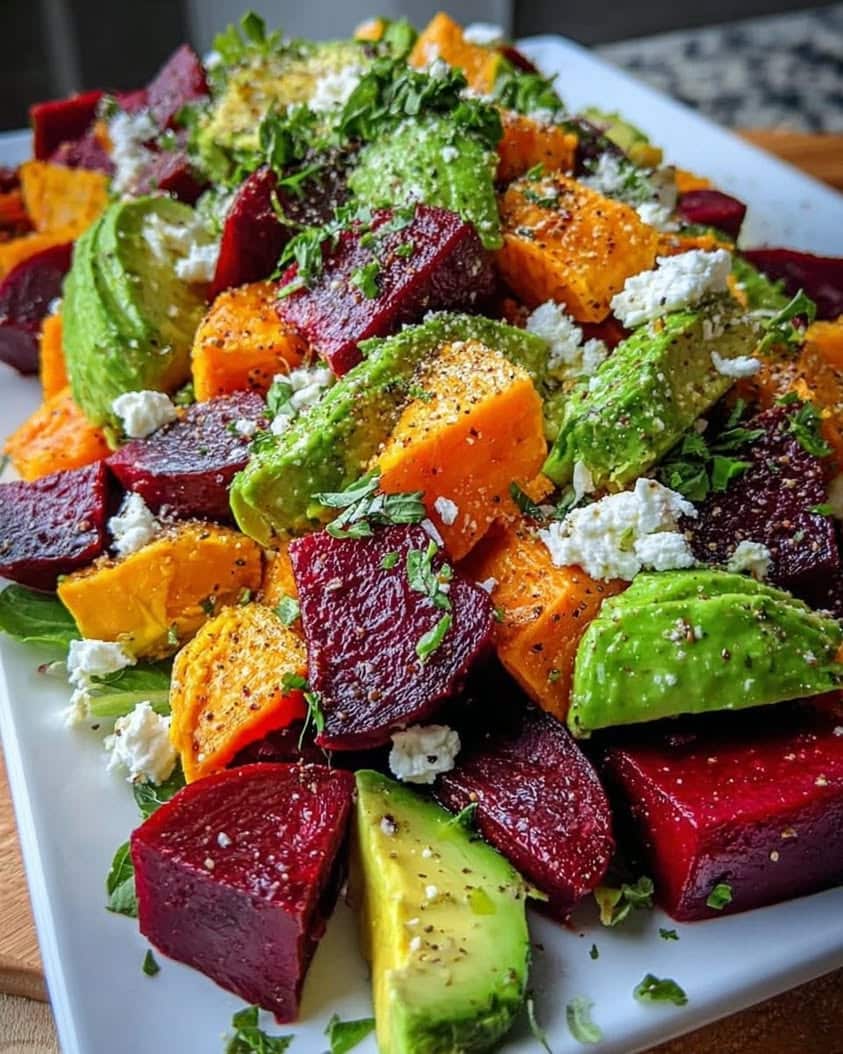
This roasted beet cucumber feta salad is a stunning celebration of color and flavor that will brighten any table. Moreover, it masterfully combines sweet, earthy roasted beets with the cool crunch of cucumber and the salty tang of feta cheese. Consequently, each forkful delivers a complex and satisfying experience that feels both rustic and elegant. This salad is not just a side dish; it is a vibrant centerpiece that showcases the best of seasonal produce.
Creating this roasted beet cucumber feta salad is surprisingly simple, even though the results look impressively gourmet. The process involves roasting beets to caramelize their natural sugars, which intensifies their flavor beautifully. Meanwhile, you can prepare the other components, making it an efficient recipe for busy weeknights or relaxed weekend entertaining. Ultimately, this salad proves that healthy eating can be incredibly delicious and visually spectacular.
Furthermore, this roasted beet cucumber feta salad is incredibly versatile. For instance, you can serve it as a light lunch, a substantial side dish for grilled meats, or a standout offering at a potluck. The combination of textures and tastes is universally appealing, pleasing both adventurous eaters and those with simpler palates. This recipe is a guaranteed crowd-pleaser that you will return to again and again.
Quick Recipe Highlights
- Flavor Profile: This roasted beet cucumber feta salad offers a perfect balance of sweet, savory, and tangy notes. The earthy sweetness of the beets contrasts beautifully with the salty feta. Additionally, the lemon-herb vinaigrette adds a bright, acidic punch that ties everything together.
- Texture: You will enjoy a wonderful contrast of textures in every bite. The tender, slightly chewy roasted beets meet the crisp, refreshing cucumber. Meanwhile, the creamy feta and crunchy toasted walnuts provide even more delightful mouthfeel variations.
- Aroma: The salad fills the kitchen with the warm, sweet scent of roasting beets. After that, the fresh dill and lemon zest add a garden-fresh, citrusy fragrance that is incredibly inviting. The aroma promises a fresh and healthy meal.
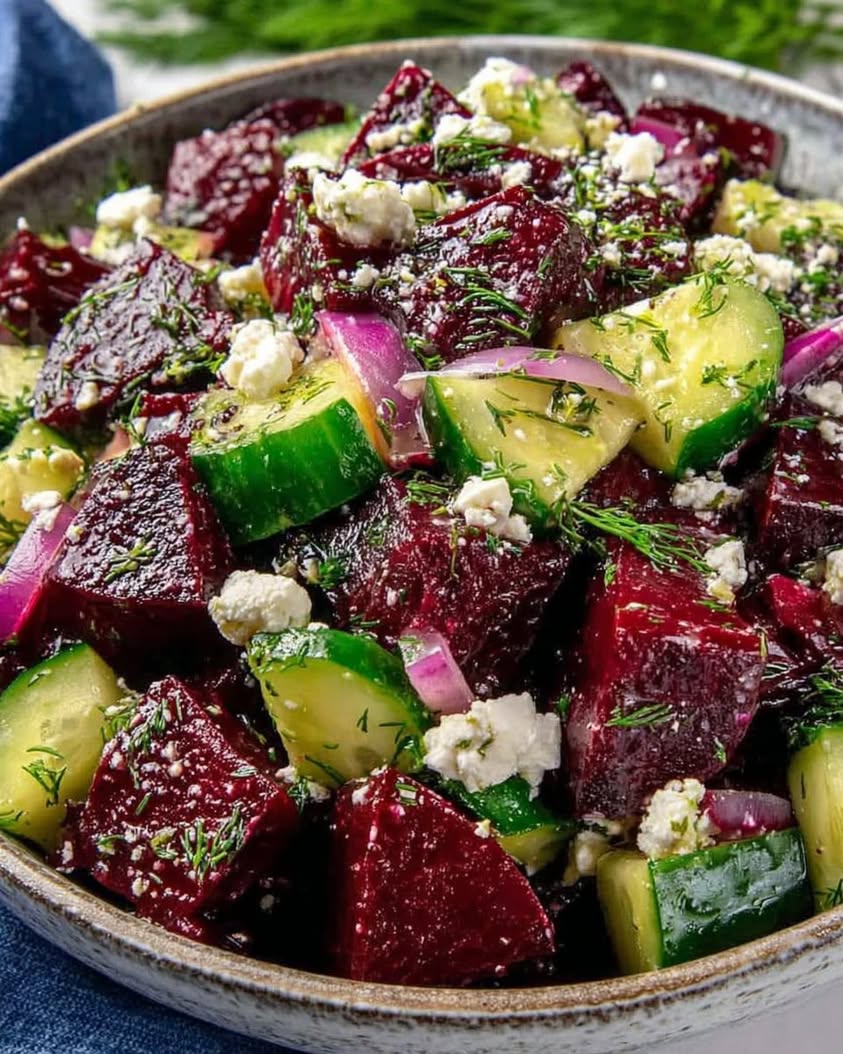
- Visual Appeal: This dish is a feast for the eyes with its deep ruby red, creamy white, and vibrant green colors. The presentation is naturally artistic, making it perfect for social media or impressing dinner guests. It looks as good as it tastes.
- Skill Level Needed: This is a beginner-friendly recipe that requires basic kitchen skills like chopping and roasting. There are no complicated techniques, making it accessible for novice cooks. However, the final result appears sophisticated and chef-crafted.
- Special Equipment: You only need a baking sheet, a sharp knife, and a mixing bowl. A vegetable peeler is helpful for the cucumber, and a small jar is useful for shaking the vinaigrette. No fancy gadgets are required.
Recipe Overview
- Difficulty Level: This roasted beet cucumber feta salad earns an “Easy” rating because it involves straightforward techniques. The primary task is roasting beets, which is largely hands-off. Peeling and chopping the other vegetables is simple, and assembling the salad requires no special culinary knowledge. Anyone can achieve excellent results on the first try.
- Category: This recipe falls squarely into the salad category, but it is substantial enough to be a main course. It is also a fantastic side dish, a potluck contribution, or a meal prep option. Its flexibility makes it a valuable addition to your recipe repertoire for various dining situations.
- Cuisine: While not tied to one specific tradition, this salad draws inspiration from Mediterranean and Middle Eastern culinary styles. The use of feta, olive oil, lemon, and fresh herbs is classic in Greek cuisine. However, the combination with roasted root vegetables gives it a modern, global fusion twist.
- Cost: This is a very cost-effective recipe, especially when beets and cucumbers are in season. Feta cheese and walnuts are the only somewhat pricier ingredients, but a little goes a long way. You can easily feed four people a generous portion for a relatively small investment.
- Season: This roasted beet cucumber feta salad is perfect for late spring through early fall. This is when beets and cucumbers are at their peak freshness and flavor. Conversely, it also brings a much-needed burst of color and freshness to colder month tables when you crave something bright.
- Occasion: It is ideal for casual weeknight dinners, elegant dinner parties, summer barbecues, and holiday feasts like Easter or Christmas. Its make-ahead potential also makes it perfect for picnics and packed lunches. This salad fits almost any event on your calendar.
Why You’ll Love This Recipe
First and foremost, the taste and texture appeal of this roasted beet cucumber feta salad is undeniable. The sweet, concentrated flavor of the roasted beets creates a deep foundation. Then, the cool, crisp cucumber provides a refreshing contrast that cleanses the palate. Meanwhile, the salty, creamy feta cheese and the rich, crunchy walnuts add layers of complexity that make each bite interesting. The lemon-herb vinaigrette acts as the unifying element, adding zing and highlighting all the other flavors. This combination is both satisfying and surprisingly addictive.
Furthermore, the convenience and preparation benefits are significant. Although the beets require roasting time, that process is almost entirely passive. You can prepare the vinaigrette, chop the cucumber, and crumble the feta while they cook. This efficient use of time means you are not stuck in the kitchen for hours. Additionally, the salad holds up well, so you can make it ahead of time without the components getting soggy. It is the perfect solution for stress-free entertaining or easy meal prep for the week.
Nutritionally, this roasted beet cucumber feta salad is a powerhouse. Beets are loaded with fiber, folate, and beneficial nitrates that support heart health and stamina. Cucumbers provide hydration and silica for skin health. Meanwhile, feta offers a good dose of calcium and protein, and walnuts contribute healthy omega-3 fats. This dish is packed with vitamins, minerals, and antioxidants that support overall well-being. It is a meal that makes you feel as good as it tastes.
From a social perspective, this salad has immense entertaining value. Its stunning visual presentation is guaranteed to draw compliments from your guests. It pairs wonderfully with a wide variety of main courses, from grilled chicken to lamb chops. Because it can be served at room temperature, it does not require last-minute fussing. You can place it on the table and enjoy the company of your friends and family, confident that your side dish is a standout success.
Finally, the cost-effectiveness and accessibility of the ingredients make this recipe a practical winner. Beets and cucumbers are typically affordable vegetables, especially in season. You can find feta cheese and walnuts in any standard grocery store. There is no need for exotic or expensive specialty items. This accessibility means you can whip up this impressive, healthy dish anytime the craving strikes, without breaking the bank.
Historical Background and Cultural Significance
The individual components of this roasted beet cucumber feta salad have deep and varied historical roots. Beets, for instance, have been cultivated since ancient times, originally for their leafy greens rather than their roots. The ancient Romans and Greeks valued them, but the modern sweet, bulbous beet we know today was developed much later. Feta cheese, protected by EU law, has a history stretching back thousands of years in Greece, with methods described by Homer. Combining these ancient ingredients with the cooling cucumber, a staple from India, creates a dish with a timeless, global heritage.
Culturally, salads combining cheese, vegetables, and herbs are central to the Mediterranean diet, which is renowned for its health benefits. This roasted beet cucumber feta salad embodies that philosophy of fresh, simple, and flavorful eating. In many Eastern European cultures, beet salads are a traditional staple, often featuring sour cream and dill. This recipe acts as a bridge, merging the earthy beet traditions of Eastern Europe with the bright, herbaceous flavors of the Mediterranean. It is a delicious example of culinary fusion.
The evolution of this specific recipe is a modern story. Roasting vegetables to intensify their flavor became a widespread home cooking technique in the late 20th century. Applying this method to beets transforms them from a boiled, sometimes mundane ingredient into a sweet, caramelized star. The addition of crunchy cucumber and salty feta is a natural progression to balance that sweetness. This evolution reflects a contemporary desire for food that is both health-conscious and packed with robust, satisfying flavors.
Regional variations of this concept are endless. In Greece, you might find a similar salad with boiled beets, known as “Pantzarosalata.” In the American South, a pickled beet and onion salad is common. Some versions incorporate goat cheese instead of feta, or add grains like farro or quinoa to make it more substantial. The addition of nuts, like the walnuts here, or seeds like pumpkin or sunflower, is a popular modern twist for added texture and nutrition. This recipe serves as an excellent base for your own creative interpretations.
Ingredient Deep Dive
Beets: Beets have a history dating back to the ancient Mediterranean, where they were initially cultivated for their leaves. The root itself became popular later. Nutritionally, they are a fantastic source of fiber, folate, manganese, and potassium. They also contain unique compounds like betalains, which have powerful antioxidant and anti-inflammatory properties. When selecting beets, look for firm, smooth bulbs with vibrant greens still attached if possible, as this indicates freshness. Store them unwashed in the refrigerator crisper drawer. For a time-saving alternative, you can use pre-cooked vacuum-packed beets, though roasting fresh ones yields superior flavor.
English Cucumber: Cucumbers originated in India over 3,000 years ago and spread across the ancient world. The English or “hothouse” cucumber is a variety bred to have thinner skin and fewer seeds. They are primarily composed of water, making them incredibly hydrating and low in calories. They also provide vitamin K and silica. Choose cucumbers that are firm and deep green with no soft spots. Because their skin is thin and edible, there is no need to peel them, which preserves nutrients and texture. If you cannot find an English cucumber, a regular garden cucumber peeled and seeded is a fine substitute.
Feta Cheese: Authentic Greek feta is a brined curd cheese made from at least 70% sheep’s milk, often blended with goat’s milk. It has a protected designation of origin (PDO) status. It is a good source of calcium, phosphorus, and protein, though it is also high in sodium. For the best flavor and texture, buy feta in a block stored in brine, not pre-crumbled in a tub. The brine keeps it moist and flavorful. Store it in its brine in the refrigerator. For a dairy-free version, a firm, salty tofu or a vegan “feta” made from almonds or coconut oil can be used.
Walnuts: Walnuts are one of the oldest tree foods, with remnants found in Neolithic sites. They are celebrated for their high content of alpha-linolenic acid (ALA), a plant-based omega-3 fat. They are also rich in antioxidants and support brain and heart health. Always taste a walnut before using a large quantity to ensure it is not rancid. Store walnuts in an airtight container in the refrigerator or freezer to prevent their oils from spoiling. For a nut-free version, toasted sunflower seeds or pepitas make an excellent crunchy alternative.
Fresh Dill & Lemon Vinaigrette: Dill has been used since ancient Egyptian times for both culinary and medicinal purposes. Its feathery fronds have a bright, slightly anise-like flavor that pairs perfectly with beets and cucumbers. Lemon juice and olive oil form the classic base of a Mediterranean vinaigrette, providing healthy fats and vitamin C. Use fresh lemon juice rather than bottled for the brightest flavor. Extra virgin olive oil is preferred for its fruity notes. This simple dressing elevates the entire salad without overpowering the primary ingredients.
Common Mistakes to Avoid
- Underseasoning the Beets: Beets need generous seasoning before roasting. If you only add salt after roasting, the flavor will not penetrate. Always toss the beet cubes in oil, salt, and pepper before they go into the oven. This step ensures every piece is properly seasoned from the inside out.
- Overcrowding the Baking Sheet: Crowding the beets on the pan causes them to steam instead of roast. Consequently, you will miss out on the desirable caramelized edges. Spread them in a single layer with a little space between each piece for the best results. This allows hot air to circulate and promotes even browning.
- Adding Dressing Too Early: Pouring the vinaigrette over the hot roasted beets can make them soggy and cause the colors to bleed excessively. Always let the beets cool to at least room temperature before combining them with the cucumber and dressing. This preserves the ideal texture and visual appeal.
- Using Pre-Crumbled Feta: Pre-crumbled feta is often drier, chalkier, and less flavorful than a block crumbled by hand. The block feta stored in brine is far superior in taste and texture. Take the extra minute to crumble it yourself for a creamier, more authentic result.
- Skipping the Toasting Step for Walnuts: Raw walnuts can taste slightly bitter and lack the deep, nutty aroma of toasted ones. Toasting them in a dry pan for a few minutes unlocks their full flavor and adds a crucial layer of complexity to the salad. Do not skip this simple but transformative step.
- Neglecting to Taste and Adjust: The balance of sweet, salty, and acidic can vary based on your specific ingredients. Before serving, always taste the assembled salad. You may need an extra squeeze of lemon, a pinch of salt, or another drizzle of olive oil to make the flavors sing.
- Cutting the Vegetables Inconsistently: If your beet pieces and cucumber chunks are wildly different sizes, they will not roast or eat evenly. Aim for a uniform dice, roughly ¾-inch, for consistent cooking and a harmonious bite. This attention to detail improves the final dish significantly.
- Using Wilted or Old Herbs: Fresh dill is a key flavor component. If it is brown, slimy, or has lost its vibrant aroma, it will detract from the salad. Use only fresh, bright green dill fronds. Similarly, always use freshly squeezed lemon juice instead of bottled for the brightest flavor.
Essential Techniques
Roasting Root Vegetables: Roasting is a dry-heat cooking method that caramelizes the natural sugars in vegetables, concentrating their flavor. For beets, peeling and cutting them into uniform cubes ensures even cooking. Tossing them in oil is crucial, as it conducts heat and promotes browning. The high oven temperature (around 400°F) is necessary to create a slightly crispy exterior while keeping the interior tender. A common pitfall is under-roasting, which leaves the beets hard. They are done when easily pierced with a fork. The visual cue is darkened, slightly shrunken edges.
Creating an Emulsified Vinaigrette: An emulsion is a stable mixture of two liquids that normally do not mix, like oil and vinegar (or lemon juice). The key is to add the oil very slowly while whisking vigorously. This breaks the oil into tiny droplets suspended in the acid. Mustard or honey can act as an emulsifier to help bind the mixture. The goal is a dressing that clings to the salad ingredients rather than pooling at the bottom of the bowl. A perfectly emulsified vinaigrette will be slightly thickened and uniform in appearance.
Knife Skills for Salad Prep: Consistent knife cuts are not just about aesthetics; they ensure even flavor distribution and texture in every bite. For this salad, a medium dice (¾-inch) is ideal for both beets and cucumber. Using a sharp knife and a stable cutting board is essential for safety and precision. The “claw grip” technique, where you curl your fingertips under while holding the food, protects your fingers. Practicing uniform cuts will dramatically improve the quality and presentation of all your salads and vegetable dishes.
Pro Tips for Perfect Roasted Beet Cucumber Feta Salad
Wear Gloves When Handling Beets: Beet juice stains skin and cutting boards easily. Wearing disposable kitchen gloves while peeling and chopping raw beets will save you from having pink hands for a day. Alternatively, you can roast them whole and then peel them, which minimizes handling.
Roast on Parchment Paper: Lining your baking sheet with parchment paper makes cleanup a breeze. More importantly, it prevents the beet juices and sugars from caramelizing and sticking directly to the pan, which can cause burning and make the beets difficult to turn.
Let Beets Cool Completely: Patience is key. Allowing the roasted beets to cool to room temperature before assembling the salad prevents the residual heat from wilting the fresh cucumber and melting the feta cheese. This step is crucial for maintaining optimal texture.
Toast Nuts in a Dry Pan: Toasting walnuts in a dry skillet over medium heat for 3-5 minutes until fragrant maximizes their flavor. Stir them constantly to prevent burning. Let them cool before adding to the salad so they retain their crunch.
Season in Layers: Season the beets before roasting, season the vinaigrette, and then do a final seasoning of the fully assembled salad. This layered approach builds depth of flavor that you cannot achieve by adding all the salt at one stage.
Use a Microplane for Lemon Zest: Before juicing your lemon, use a Microplane to zest it. You can add a teaspoon of this bright, aromatic zest directly to the vinaigrette or sprinkle it over the finished salad for an extra burst of citrus flavor.
Dress Just Before Serving for Ultimate Crispness: If you are making components ahead, combine the cooled beets, cucumber, and feta. Then, add the toasted walnuts and dressing only right before you serve. This guarantees the cucumber stays crisp and the walnuts stay crunchy.
Variations and Adaptations
Regional Variations: For a Greek twist, add Kalamata olives and a sprinkle of dried oregano to the vinaigrette. A Middle Eastern version might include a sprinkle of za’atar and swap the walnuts for pistachios. In a French-inspired take, use goat cheese (chèvre) instead of feta and add some fresh tarragon to the herbs.
Seasonal Adaptations: In the fall, add roasted cubes of sweet potato or delicata squash alongside the beets. For a winter salad, incorporate segments of orange or grapefruit and use hearty kale as a base instead of mixing with cucumber alone. In spring, fresh peas or asparagus tips make a lovely addition.
Dietary Modifications: For a vegan roasted beet cucumber salad, omit the feta and use a vegan alternative or a handful of creamy white beans. To make it nut-free, replace walnuts with toasted pumpkin seeds (pepitas). A low-carb version can simply increase the cucumber ratio and slightly reduce the amount of beet.
Flavor Variations: Experiment with different herbs. Mint or basil can be wonderful substitutes for or additions to dill. For a sweeter profile, add a teaspoon of honey or maple syrup to the vinaigrette. A pinch of crushed red pepper flakes can introduce a subtle, welcome heat.
Texture Modifications: To make the salad more substantial, fold in a cup of cooked quinoa, farro, or barley. For extra creaminess, add a few slices of ripe avocado just before serving. If you prefer a smoother texture, you can grate the roasted beets instead of dicing them.
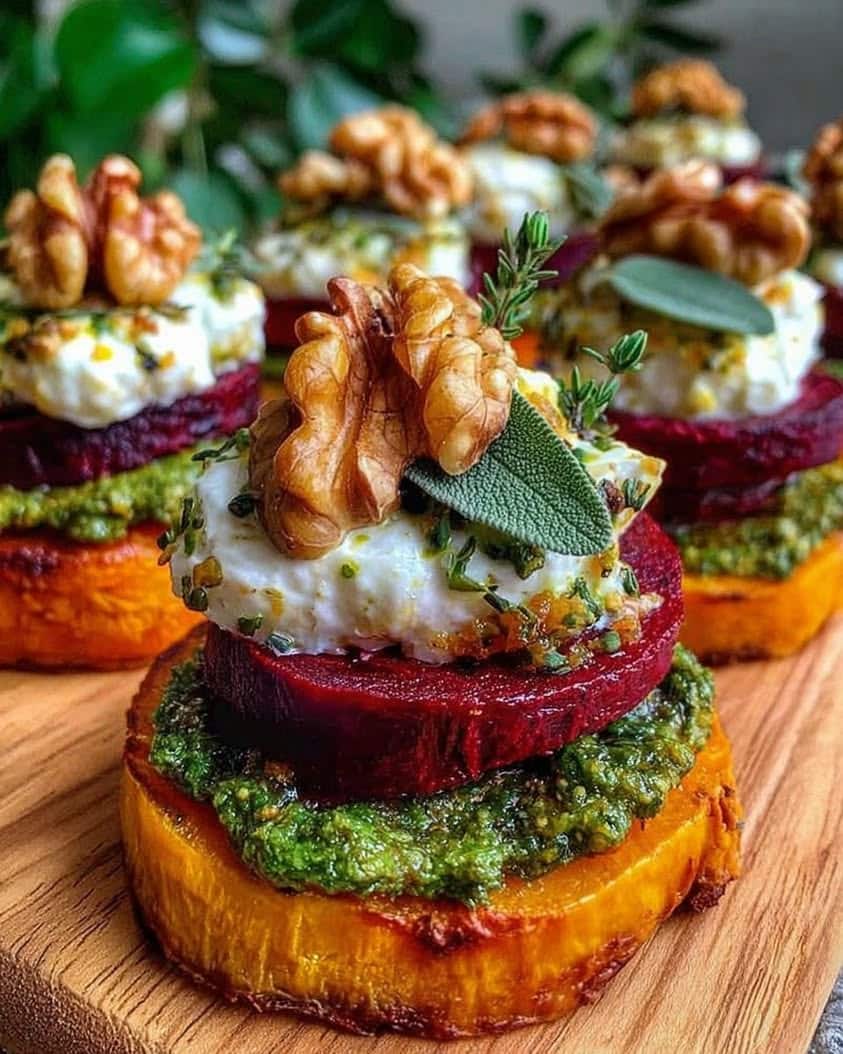
Presentation Alternatives: Serve individual portions in small mason jars for a picnic. Alternatively, arrange the components artfully on a large platter instead of tossing them, creating a stunning deconstructed salad. You can also use the salad as a vibrant topping for crostini or as a filling for a wrap with hummus.
Serving and Presentation Guide
Plating Techniques: For a family-style presentation, use a wide, shallow bowl or a large platter. This allows the beautiful colors to be displayed. Gently toss the salad so the ingredients are evenly distributed but not smashed. For individual servings, use a ring mold to create a neat, stacked presentation on each plate, then carefully lift the mold away.
Garnishing Ideas: A final flourish makes the salad look restaurant-worthy. Sprinkle extra fresh dill fronds over the top. Add a few edible flowers like nasturtiums or pansies for a special occasion. A final drizzle of high-quality extra virgin olive oil just before serving adds a lovely sheen.
Traditional Accompaniments: This salad pairs classically with grilled meats like lamb chops, chicken souvlaki, or simple grilled fish. It is also fantastic alongside other Mediterranean mezze such as hummus, tzatziki, and warm pita bread. For a vegetarian feast, serve it with spanakopita or lentil patties.
Modern Serving Suggestions: Use it as a vibrant bed for seared scallops or grilled halloumi cheese. Crumble it over a bowl of garlicky yogurt for a deconstructed dip. Alternatively, pack it in a lunch container with a portion of grilled chicken or chickpeas for a complete, satisfying meal.
Temperature Considerations: This salad is best served at cool room temperature. If the beets are refrigerator-cold, their flavor is muted. Take the assembled salad out of the fridge 15-20 minutes before serving to allow the flavors to bloom. However, do not let it sit in a warm kitchen for hours.
Portion Control Tips: As a side dish, plan for about 1 to 1.5 cups per person. As a main course for lunch, 2 to 3 cups is a generous serving. Remember that the beets are nutrient-dense and satisfying, so a little goes a long way in terms of both flavor and fullness.
Wine and Beverage Pairing
Wine Pairings: The earthy sweetness of the beets and the salty feta create an interesting pairing challenge. A crisp, high-acid white wine like Sauvignon Blanc or a Greek Assyrtiko cuts through the richness and complements the lemon and dill. Alternatively, a light-bodied, low-tannin red like Pinot Noir or Beaujolais can work beautifully with the earthy notes of the beets without overpowering the salad.
Non-Alcoholic Alternatives: Sparkling water with a squeeze of lemon or lime is a classic, refreshing choice. For something more special, try a cucumber-mint infused sparkling water or a tart cherry juice spritzer. The cherry juice subtly echoes the earthy-sweet flavor profile of the beets.
Coffee/Tea Pairings: This salad is not typically paired with coffee or tea as part of a meal. However, a light herbal tea like peppermint or lemon verbena served after the meal would be a lovely, digestif that complements the fresh flavors without clashing.
Temperature Considerations: White wines and non-alcoholic spritzers should be served well-chilled, around 45-50°F. Light reds like Pinot Noir are best served slightly cooler than room temperature, around 55°F. This ensures the beverages refresh the palate rather than weighing it down.
Serving Suggestions: Always serve wine in appropriate glassware to enhance the aroma and taste. For non-alcoholic options, a tall glass with plenty of ice and a fresh herb garnish (like a dill sprig) ties the drink visually to the salad. Presentation matters for the complete dining experience.
Storage and Shelf Life
Storage Methods: Store leftover roasted beet cucumber feta salad in an airtight container in the refrigerator. It is best to keep the components separate if possible: store the roasted beets in one container and the chopped cucumber, feta, and walnuts in another. Combine and dress just before serving for the best texture.
Temperature Requirements: This salad must always be refrigerated at 40°F or below. Do not leave it at room temperature for more than two hours, as the dairy and fresh vegetables are perishable. If you are serving it outdoors on a warm day, keep the serving bowl on a bed of ice.
Container Recommendations: Glass containers with tight-sealing lids are ideal. They do not absorb stains from the beet juice like plastic can. If storing the dressed salad, a container with a wide base is better than a tall, narrow one, as it allows for more even cooling and less crushing.
Signs of Spoilage: Discard the salad if you notice an off or sour smell, significant wilting or sliminess on the vegetables, or any mold growth, especially on the cheese. The vibrant colors will fade over time, but that is not a sign of spoilage, just a loss of visual appeal.
Reheating Instructions: This salad is not meant to be reheated. It is designed to be eaten cold or at room temperature. If you have only stored the roasted beet component, you can bring it to room temperature or enjoy it cold. Do not microwave the assembled salad.
Freezing Guidelines: Freezing is not recommended for this salad. The high water content in the cucumber will cause it to become mushy and watery upon thawing. The texture of the feta will also degrade significantly. It is best enjoyed fresh within a few days of making.
Make Ahead Strategies
Prep Timeline: You can fully prepare this salad up to 24 hours in advance. Roast and cool the beets up to 3 days ahead and store them in the fridge. Chop the cucumber and make the vinaigrette 1 day ahead. Crumble the feta and toast the walnuts the day of serving for the best texture.
Storage Between Steps: Store the cooled roasted beets in a sealed container in the fridge. Keep the chopped cucumber in a separate container; you can place a paper towel in with it to absorb excess moisture. Store the vinaigrette in a jar in the fridge. Let everything come to cool room temperature before assembling.
Quality Impact Assessment: Making the salad a day in advance allows the flavors to meld beautifully. The beets may bleed a little more color into the feta, creating a lovely pink hue, which is perfectly fine. The cucumber will soften slightly but will retain a pleasant crunch if not dressed too early.
Assembly Tips: For the best make-ahead results, combine the beets, cucumber, and feta in your serving bowl. Cover and refrigerate. Store the toasted walnuts separately at room temperature in a bag or container. Keep the dressing in its jar. Add the walnuts and dressing, then toss, just before serving.
Reheating Guidelines: As a cold salad, no reheating is needed. Simply take the assembled (but undressed) salad from the refrigerator 15-20 minutes before serving to take the chill off. This ensures the olive oil in the dressing does not solidify and the flavors are more pronounced.
Fresh Element Additions: If making more than a day ahead, add the fresh dill only when you add the dressing. This preserves its bright green color and fresh aroma. You can also reserve a few extra crumbles of feta and walnut pieces to sprinkle on top after tossing for a fresher look.
Scaling Instructions
Halving the Recipe: To serve two, simply divide all ingredient quantities by two. Use a smaller baking sheet for the beets to ensure they are not crowded. The roasting time may be slightly less, so start checking for doneness at 30 minutes. All other steps remain the same.
Doubling or Tripling: For a crowd, multiply the ingredients accordingly. You will need to roast the beets in multiple batches or on multiple oven racks to avoid steaming. Rotate the pans halfway through cooking for even roasting. Mix the salad in a very large bowl or divide the mixing between two bowls.
Equipment Adjustments: When scaling up, ensure you have a bowl large enough to mix everything without spilling. A large sheet pan or two are essential for proper beet roasting. For dressing, mix it in a large liquid measuring cup or a bowl with a spout for easy pouring over the big batch.
Timing Modifications: The prep time will increase linearly when you double the ingredients. However, the roasting time for the beets may need a slight increase (5-10 minutes) if the pans are very full, as the oven’s moisture level will be higher. Always rely on the fork-tender test rather than a strict timer.
Storage Considerations: A large batch of salad will take longer to cool in the refrigerator. Spread it out in a shallow container or multiple containers to promote rapid, even cooling, which is critical for food safety. Leftovers will keep for the same duration as a regular batch.
Nutritional Deep Dive
Macro Breakdown: A serving of this roasted beet cucumber feta salad provides a balanced mix of macronutrients. The healthy fats come primarily from the olive oil, walnuts, and feta cheese. Carbohydrates are supplied by the beets and cucumber, offering both simple and complex carbs along with fiber. The feta and walnuts contribute a moderate amount of protein, making this salad more satiating than a leafy green-only option.
Micronutrient Analysis: This dish is a micronutrient powerhouse. Beets are exceptionally high in folate and manganese. Cucumbers provide vitamin K. Feta cheese is rich in calcium and phosphorus. Walnuts offer a significant amount of copper and manganese. The lemon juice adds a boost of vitamin C, which also helps with the absorption of iron from the plant-based sources.
Health Benefits: The combination of ingredients supports heart health through nitrates (beets), omega-3s (walnuts), and monounsaturated fats (olive oil). The fiber promotes digestive health and stable blood sugar levels. Antioxidants from the beets (betalains) and walnuts combat oxidative stress. It is an anti-inflammatory meal that supports overall wellness.
Dietary Considerations: This salad is naturally gluten-free. It is vegetarian but not vegan due to the feta. It can be modified for low-carb diets by reducing the beet portion. For those monitoring sodium, you can reduce the amount of feta or use a low-sodium variety and be mindful of added salt.
Portion Analysis: One serving (approximately 1.5 to 2 cups) is a satisfying and nutrient-dense portion that can serve as a light meal. As a side, it complements a protein source without being overly heavy. The fiber and water content contribute to a feeling of fullness, which can aid in portion control for other parts of the meal.
Weight Management Tips: This salad is excellent for weight management due to its high volume, fiber, and water content, which promote satiety with a moderate calorie count. To reduce calories slightly, you can use a lighter hand with the olive oil or walnuts. However, the healthy fats are crucial for nutrient absorption and satisfaction, so do not eliminate them entirely.
Dietary Adaptations
Gluten-free: This roasted beet cucumber feta salad is naturally gluten-free as written. All ingredients—fresh vegetables, cheese, nuts, oil, and lemon—are inherently free of gluten. Always double-check labels on pre-packaged items like pre-crumbled feta or walnuts for any “processed in a facility” warnings if you have celiac disease or a severe sensitivity.
Dairy-free/Vegan: To make a vegan roasted beet cucumber salad, omit the feta cheese. Substitute with a block of firm tofu, crumbled and marinated in lemon juice and nutritional yeast for a “cheesy” flavor. Alternatively, use a store-bought vegan feta made from almonds or coconut. Ensure the vinaigrette uses a vegan sweetener if any is added.
Low-carb/Keto: For a keto-friendly version, reduce the amount of beet significantly, as they are higher in natural sugars. Increase the cucumber and add other low-carb vegetables like radishes or celery. Ensure the dressing uses a keto-approved sweetener like stevia if sweetness is desired, and be mindful of the carb count in walnuts.
Paleo: A Paleo adaptation requires removing the dairy. Omit the feta cheese entirely. You can add avocado for creaminess or use a Paleo-friendly “cheese” made from nuts. Ensure the olive oil is high quality and that no processed ingredients are in the dressing. The basic vegetables and nuts are perfectly Paleo-approved.
Low-FODMAP: Beets are high in FODMAPs (specifically fructans) in servings over 2 slices (20g). To make this low-FODMAP, strictly limit the beet portion to a small garnish. Use only the green part of spring onions instead of red onion if the recipe includes it. Feta cheese is typically low-FODMAP in 40g servings, so measure carefully.
Nut-Free: Simply omit the walnuts. For added crunch, substitute with toasted sunflower seeds or pumpkin seeds (pepitas). These seeds provide a similar textural element and nutritional benefits without the tree nut allergen. Always check that seeds are processed in a nut-free facility if the allergy is severe.
Troubleshooting Guide
Beets Are Not Tender: If your beets are still Print
Roasted Beet Cucumber Feta Salad
- Total Time: 45 minutes
- Yield: 4
Description
A vibrant and refreshing salad featuring earthy roasted beets, crisp cucumbers, and tangy feta cheese, all tossed in a zesty lemon-herb vinaigrette.
Ingredients
- 3 medium beets, peeled and cubed
- 1 large cucumber, diced
- 1/2 cup crumbled feta cheese
- 1/4 cup chopped fresh dill
- 1/4 cup chopped fresh parsley
- 3 tablespoons olive oil
- 2 tablespoons fresh lemon juice
- 1 teaspoon honey
- 1 clove garlic, minced
- Salt and black pepper to taste
Instructions
- Preheat oven to 400°F (200°C). Toss cubed beets with 1 tablespoon olive oil, salt, and pepper. Spread on a baking sheet and roast for 25-30 minutes until tender. Let cool.
- In a small bowl, whisk together remaining olive oil, lemon juice, honey, minced garlic, salt, and pepper to make the vinaigrette.
- In a large bowl, combine roasted beets, diced cucumber, feta cheese, dill, and parsley. Drizzle with vinaigrette and toss gently to coat. Serve immediately or chill before serving.
Notes
You can customize the seasonings to taste.
- Prep Time: 15 minutes
- Cook Time: 30 minutes
- Method: Side
- Cuisine: Mediterranean