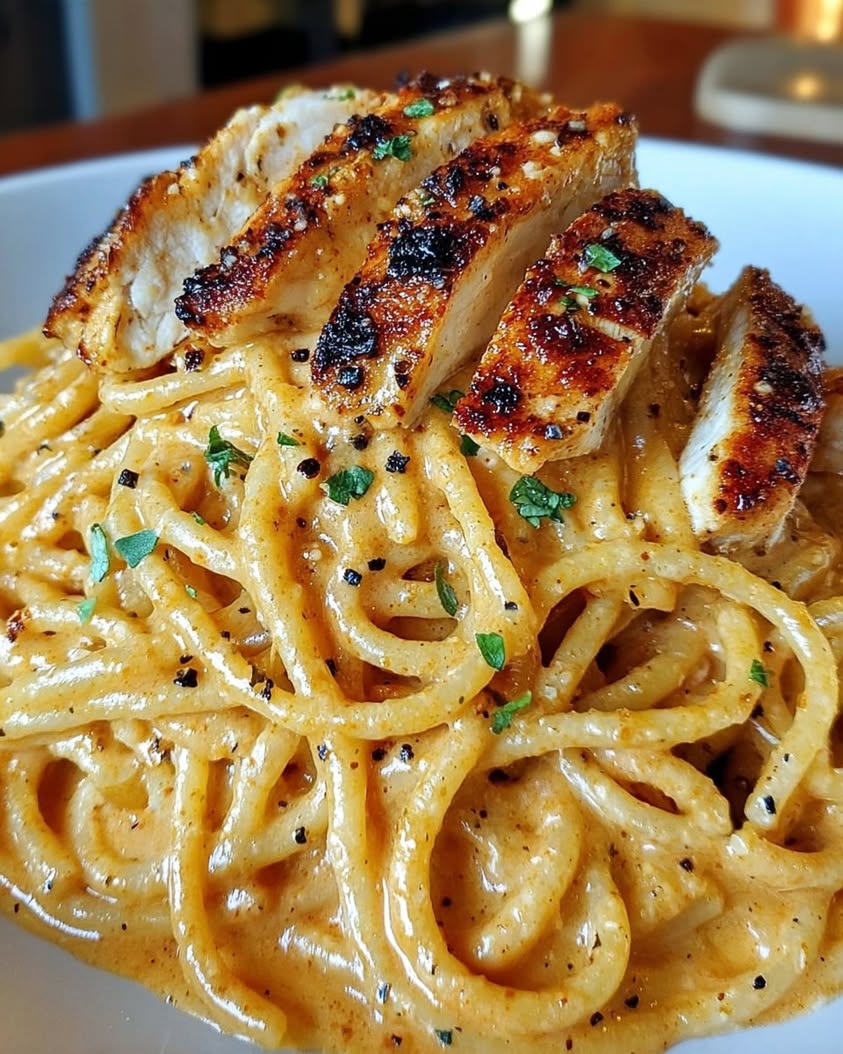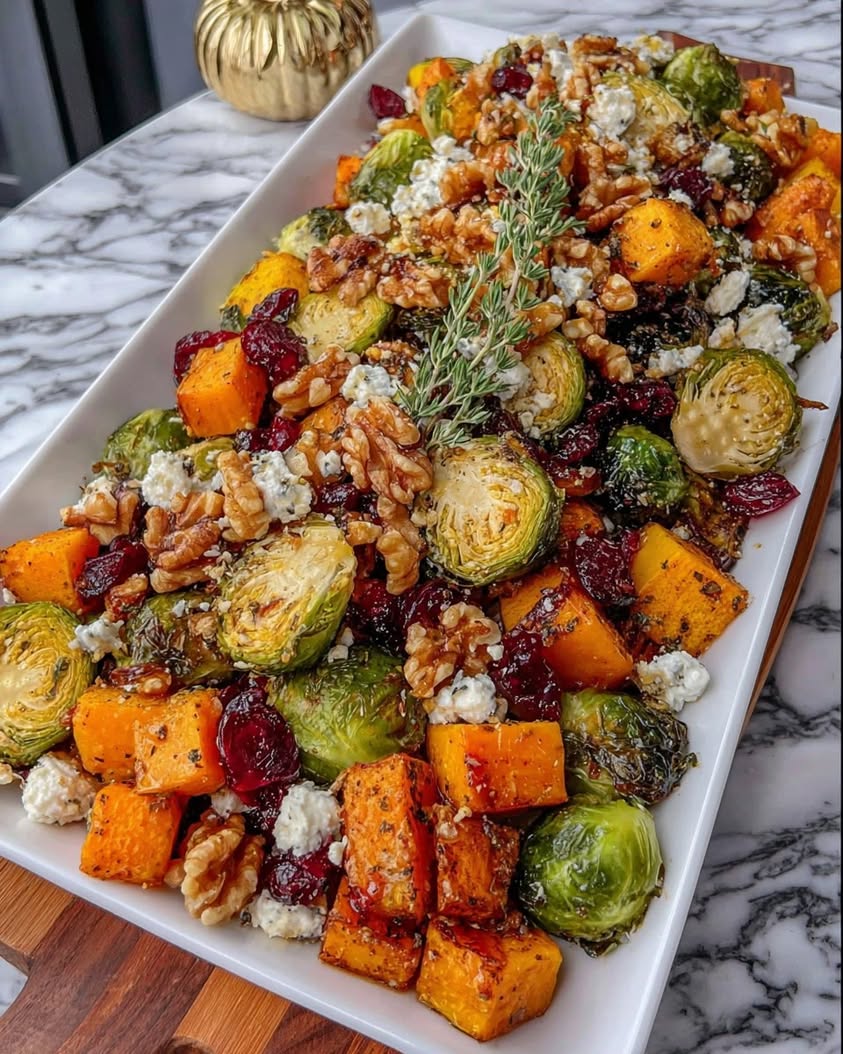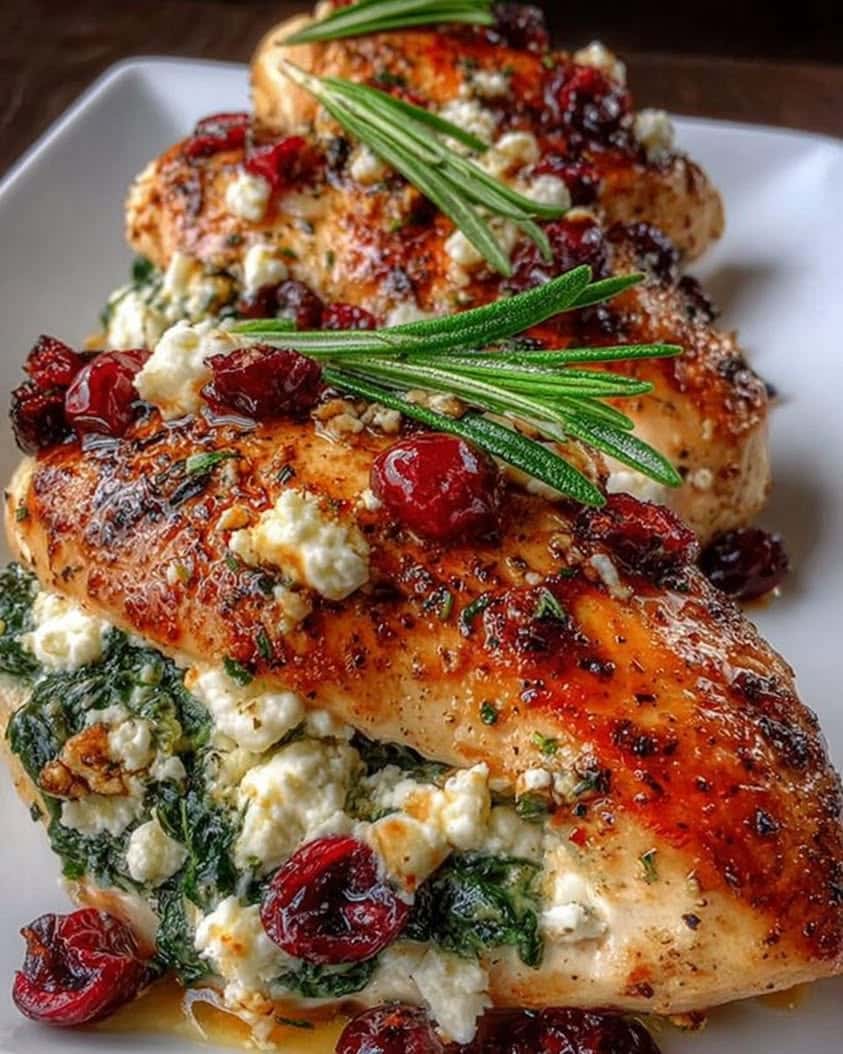
Ultimate Mini Greek Meatball Bites with Tzatziki on Pita Recipe: Your New Favorite Appetizer
Imagine a platter of perfectly seasoned, juicy meatballs, each one a tiny explosion of Mediterranean flavor, nestled on a warm, soft pita chip and topped with a cool, creamy dollop of homemade tzatziki. This is the magic of the Ultimate Mini Greek Meatball Bites with Tzatziki on Pita Recipe. These little morsels are not just appetizers; they are an experience. The combination of savory lamb or beef, bright herbs like oregano and mint, and the tangy, garlic-forward sauce creates a symphony of tastes that dance on your palate. You get the satisfying crunch of the pita, the tender bite of the meatball, and the refreshing coolness of the cucumber-yogurt sauce all in one mouthful. It is a textural and flavor masterpiece.
For home cooks looking to impress without spending all day in the kitchen, this Ultimate Mini Greek Meatball Bites with Tzatziki on Pita Recipe is a total game changer. You can prepare the meatballs and the tzatziki sauce ahead of time, which makes assembly a breeze right before your guests arrive. The ingredients are straightforward and easy to find at any local grocery store. The cooking method is simple, relying on a hot oven or a skillet to get those meatballs perfectly browned and cooked through. Because the recipe is so forgiving, it is perfect for beginners but sophisticated enough for seasoned hosts. So, gather your ingredients and get ready to create the most talked-about dish at your next gathering.
The beauty of this Ultimate Mini Greek Meatball Bites with Tzatziki on Pita Recipe lies in its incredible versatility. It works just as well as a casual game-day snack as it does an elegant starter for a dinner party. The bright, herbaceous flavors of the meatballs pair beautifully with the coolness of the tzatziki, creating a balanced and addictive bite. Furthermore, the dish is naturally gluten-free if you choose gluten-free pita, and it can be adapted for different dietary needs. Whether you serve them on a large platter for sharing or as individual appetizer plates, these bites are guaranteed to disappear quickly. Get ready to watch your family and friends reach for seconds and thirds, all while asking for the recipe.
Quick Recipe Highlights
- Flavor Profile: The taste is a vibrant blend of savory ground meat, aromatic garlic, and earthy oregano. Fresh mint and lemon zest add a bright, zesty note, while the tzatziki provides a cool, tangy counterpoint. The combination is both familiar and exciting.
- Texture: You will experience a wonderful contrast of textures. The meatballs are tender and juicy on the inside with a slightly crisp, golden-brown exterior. The pita chip offers a delightful crunch, and the tzatziki is luxuriously smooth and creamy. This multi-textural experience makes every bite interesting.
- Aroma: The kitchen will fill with the inviting scent of garlic, onion, and oregano as the meatballs cook. Hints of lemon and fresh mint will also weave through the air. The aroma alone will draw everyone to the kitchen in anticipation.
- Visual Appeal: The dish is visually stunning. Golden-brown meatballs sit atop toasted pita chips, all drizzled with a pristine white tzatziki sauce. A sprinkle of fresh dill or mint and a few crumbles of feta cheese add beautiful pops of green and white against the warm tones.
- Skill Level Needed: This recipe is designed for beginners and experienced cooks alike. The techniques are straightforward, involving simple mixing and either baking or pan-frying. Anyone can successfully create this impressive dish with clear instructions.
- Special Equipment: You will need basic kitchen tools like a baking sheet or large skillet, mixing bowls, and a grater for the cucumber. A food processor is optional but makes the tzatziki very smooth. No specialized or expensive equipment is required.
Recipe Overview
- Difficulty Level: This recipe is rated as Easy because the steps are simple and easy to follow. There are no complicated techniques like making a roux or tempering eggs. The most difficult part is grating the cucumber for the tzatziki, which is still incredibly simple. With a little practice, you can whip up a batch in no time.
- Category: This dish falls into the appetizer and snack categories perfectly. It also works wonderfully as a light main course for lunch or dinner when served with a Greek salad. You can easily scale it up to be the centerpiece of a mezze platter.
- Cuisine: The recipe is deeply rooted in Greek and broader Mediterranean culinary traditions. The use of lamb, oregano, mint, garlic, and yogurt are all hallmark ingredients of this region. Tzatziki, in particular, is a quintessential Greek sauce that has become beloved worldwide for its refreshing quality.
- Cost: This is a very cost-effective way to feed a crowd. Ground lamb or beef is quite affordable, and pita bread is budget-friendly. The herbs and yogurt are also inexpensive staple items. You can create a very impressive appetizer spread for a fraction of the cost of going out.
- Season: While delicious year-round, this dish truly shines in the warmer months of spring and summer. The fresh herbs and cool tzatziki are incredibly refreshing on a hot day. It is also a perfect light meal during the summer when you want something satisfying but not too heavy.
- Occasion: These meatball bites are perfect for a wide range of occasions. They are a huge hit at parties, potlucks, and family gatherings. They also make a fantastic, easy weeknight dinner or a special weekend appetizer. You can even serve them as a fun finger food for a movie night.
Why You Will Love This Recipe
The primary reason you will fall for this Ultimate Mini Greek Meatball Bites with Tzatziki on Pita Recipe is the sheer explosion of flavor in every single bite. The meatballs are packed with a robust mixture of garlic, onion, and fresh herbs like oregano and mint. When you combine this savory, juicy meatball with the cool, garlicky, and tangy tzatziki sauce, you get a perfect balance that your taste buds will crave. The slight char from the pita adds a wonderful smoky element. Consequently, each mouthful is a journey through the bright and sunny flavors of the Mediterranean coast.
Beyond the amazing taste, you will love the incredible convenience of this recipe. The entire process from start to finish takes only about 35 minutes. You can prepare both the meatball mixture and the tzatziki sauce a day in advance, which makes entertaining a total breeze. When your guests arrive, all you have to do is form the meatballs and cook them quickly. This hands-off approach allows you to actually spend time with your company instead of being stuck in the kitchen. It is the perfect solution for busy weeknights or last-minute social plans.
Furthermore, the nutritional profile of this dish is a huge advantage. It is naturally high in protein from the meat and Greek yogurt, which helps keep you full and satisfied. The cucumber in the tzatziki adds hydration and a few essential vitamins. By using lean ground meat and baking the meatballs instead of frying them, you can keep the fat content moderate. You can control the amount of salt and skip any unhealthy preservatives often found in store-bought appetizers. As a result, you can feel good about serving this delicious food to your family.
This recipe is a superstar for social occasions and entertaining. It is a crowd-pleaser that appeals to both adults and children. The bite-sized format makes them perfect for mingling, as they require no fork or knife. They are easy to hold and eat in two bites. When you present a platter of these golden-brown beauties, drizzled with white sauce and garnished with fresh herbs, it creates a beautiful and inviting centerpiece. You will definitely impress your guests and earn a reputation as a fantastic host.
Finally, the cost-effectiveness and accessibility of the ingredients make this recipe a staple in your rotation. Ground meat, pita, yogurt, and cucumber are all affordable and available at any grocery store. You likely already have most of the spices and herbs in your pantry. This means you can create a dish that tastes like it came from a high-end restaurant without breaking the bank. You can feed a whole group of people for a very reasonable price. The minimal investment of time and money yields an extraordinary return in flavor and satisfaction.
Historical Background and Cultural Significance
The origins of the meatball, or “keftedes” in Greek, stretch back thousands of years in Mediterranean cuisine. Ancient Greek and Roman texts reference dishes of minced meat mixed with herbs and grains, fried or baked. These early versions were a pragmatic way to use lesser cuts of meat. By combining the ground meat with breadcrumbs, onions, and seasonings, cooks could stretch their resources while creating a flavorful and filling meal. This tradition of resourcefulness is the very foundation of the dish we enjoy today.
In Greek culture, meatballs are more than just food; they represent hospitality and family gatherings. A plate of keftedes is often served as a meze, a small dish meant to be shared and enjoyed with conversation and drinks. The act of shaping the meatballs by hand and sharing them with loved ones is a deeply communal experience. Tzatziki, its counterpart, also holds a significant cultural place as a classic Greek condiment. It is a staple at almost every Greek table, served alongside grilled meats, vegetables, and bread. Together, they form a harmony of flavors that is quintessentially Greek.
The evolution of this recipe into the modern “mini meatball bites” we see today reflects a global trend towards convenient, finger-friendly foods. While traditional Greek meatballs are often larger and served as a main dish, the miniaturization makes them perfect for modern appetizer culture. They are ideal for cocktail parties, game-day spreads, and easy dinners. The combination with pita bread is a natural progression from how Gyros and Souvlaki are served. We simply took all the best elements of a Greek platter and condensed them into a perfect, single-bite format.
Regional variations of this recipe are quite common. In some areas of Greece, they add rice or bulgur wheat to the meatball mixture for a different texture. The herbs also vary; some use more oregano and thyme, while others prefer spearmint or dill. The tzatziki recipe is also flexible, with some families adding a splash of red wine vinegar for extra tang or straining the yogurt longer for a thicker dip. In coastal regions, seafood versions of these mini bites are popular. This adaptability is a testament to the recipe’s robust and timeless foundation.
Ingredient Deep Dive
Ground lamb is the traditional choice for these meatballs, and for good reason. Lamb has a richer, more gamey flavor that pairs beautifully with the bold Mediterranean spices. Historically, lamb was a staple in the Greek diet due to the mountainous terrain which was ideal for sheep grazing. Nutritionally, lamb is a great source of high-quality protein, zinc, and iron. When selecting ground lamb, look for a bright red color with white fat marbling. It should smell fresh, not gamey. You can substitute ground beef, preferably 80/20, for a milder flavor.
Greek yogurt is the star of the tzatziki sauce. Its thick, strained nature is what gives the sauce its signature creamy texture. The straining process removes excess whey, concentrating the protein and creating a tangy, rich flavor. Greek yogurt is packed with probiotics and protein, which makes it a healthy choice. For the best results, always use full-fat Greek yogurt. Traditional Greek yogurt is ideal. Low-fat versions can be watery. If you are in a pinch, you can strain regular yogurt through cheesecloth for a few hours to achieve a similar thickness.
Cucumber is the other essential component of the tzatziki. It provides a fresh, cooling crunch and a subtle sweetness that balances the tangy yogurt and pungent garlic. English cucumbers or Persian cucumbers are the best choices because they have fewer seeds and thinner skins. They are also less watery. When prepping the cucumber, it is crucial to grate it and then squeeze out as much liquid as possible. This step prevents the tzatziki from becoming runny. Without this crucial step, your sauce will be watery and lack the proper thick, luscious consistency.
Fresh dill is a classic herb used in Greek cuisine and is a wonderful addition to both the meatballs and the tzatziki. It has a bright, slightly sweet, and grassy flavor that is unmistakable. Dill pairs perfectly with cucumber and yogurt. If you cannot find fresh dill, dried dill weed can be used, but use a smaller amount (about one teaspoon for the whole recipe) as dried herbs are more concentrated. Fresh mint is another excellent and more traditional option for a brighter, cooler flavor. You can use a combination of both.
Pita bread forms the crunchy base of this dish. While you can use store-bought pita chips, toasting your own pita bread is simple and yields superior results. Look for pocket-style pita bread. When toasted, it becomes delightfully crisp and sturdy enough to hold the meatball and sauce without getting soggy. You can season the pita chips with a little olive oil, salt, and oregano before toasting for extra flavor. Gluten-free pita bread works perfectly here. Whole wheat pita is also a great option for adding more fiber.
Common Mistakes to Avoid
- Do not skip salting the cucumber for the tzatziki. This is the most common mistake. You must grate the cucumber, sprinkle it with salt, and let it sit for about 10 minutes. Then, squeeze it dry in a clean kitchen towel. This removes the excess water and prevents a watery sauce.
- Do not overmix the meatball mixture. Overworking the meat will make the meatballs tough and dense. You should gently combine the ingredients until they are just incorporated. Use a light touch. A heavy hand will ruin the tender texture.
- Do not use dry, low-quality herbs. Fresh herbs are best, but if you use dried, make sure they are not old and stale. Dried herbs lose their potency over time. Using fresh dill and mint will make a massive difference in the flavor profile of the dish.
- Do not crowd the pan or baking sheet when cooking the meatballs. If they are too close together, they will steam instead of brown. This prevents the beautiful, golden-brown crust from forming. You need to give them space for good air circulation.
- Do not overbake the meatballs. They will become dry and tough. Bake them until they are just cooked through, which should take about 10 to 15 minutes. An instant-read thermometer should read 160 degrees Fahrenheit for beef or lamb.
- Do not skip toasting the pita. Raw pita will be soft and chewy, and it will not hold up to the weight of the meatball and sauce. Toasted pita chips provide a crucial crunch and structural integrity that makes the bites easy to pick up.
- Do not add the garlic to the tzatziki raw and whole. Mince the garlic very finely or grate it into a paste. Raw, large chunks of garlic can be overwhelming and unpleasant. A garlic press works wonderfully for this task.
- Do not serve the meatballs straight from the oven. Let them rest for about 5 minutes. This allows the juices to redistribute throughout the meatball, ensuring they stay moist and tender. Cutting into them immediately will cause the juices to run out.
Essential Techniques
Mastering the art of creating a juicy meatball starts with the “panade.” A panade is a mixture of breadcrumbs and milk (or yogurt) that is added to the ground meat. This technique is crucial because the starches in the bread absorb and hold onto moisture. As the meatball cooks, the panade releases that moisture back into the meat, preventing it from drying out. To make a panade, simply combine your breadcrumbs with a few tablespoons of milk or Greek yogurt and let it sit for 5 minutes until it forms a paste. Then, mix this paste into your meatball mixture. This single step guarantees a superior texture every time.
The technique for making the perfect tzatziki sauce is all about controlling moisture. The key lies in two steps: grating and squeezing. First, grate the cucumber on the large holes of a box grater. Second, and most critically, you must squeeze the shredded cucumber vigorously. Place the grated cucumber in the center of a clean kitchen towel, gather the corners, and twist tightly to wring out as much liquid as possible. You will be surprised at how much water comes out. This extracted water is what would have made your tzatziki thin and watery. After this, simply combine the dry cucumber with your thick yogurt, garlic, herbs, olive oil, and lemon juice.
Toasting the pita to a perfect crisp is a simple technique that elevates the whole dish. The goal is a chip that is shatteringly crunchy but not burnt. Preheat your oven to 375 degrees Fahrenheit. Cut the pita bread into wedges or small pieces. Arrange them in a single layer on a baking sheet. Lightly brush or spray them with olive oil and sprinkle with salt. Bake for 8-10 minutes, flipping them halfway through, until they are golden brown and crisp. Keep a close eye on them in the last few minutes because pita can burn quickly. The perfectly toasted pita will provide a satisfying crunch that contrasts beautifully with the tender meatball.
Pro Tips for Perfect Ultimate Mini Greek Meatball Bites
For the juiciest meatballs, use a combination of ground lamb and ground beef. The fat content of lamb adds incredible flavor and moisture, while beef provides a neutral base. Aim for a ratio of about 70% lamb to 30% beef for the best results. This simple blend will take your bites to the next level.
When forming the meatballs, wet your hands slightly with water or a little olive oil. This will prevent the meat mixture from sticking to your fingers. It makes the process much faster and the meatballs will come out perfectly round and uniform. This little trick is a lifesaver.
For an extra layer of flavor, sear the meatballs in a hot skillet before finishing them in the oven. A hot cast-iron skillet with a bit of olive oil will create a deep, golden-brown crust that adds texture and a rich, savory taste. You only need 2-3 minutes per side. Many restaurants use this technique.
Make the tzatziki sauce at least 30 minutes before serving to allow the flavors to meld. The garlic and herbs need time to infuse into the yogurt. You can even make it a day ahead. The flavor will only get better as it sits in the refrigerator. This is a perfect make-ahead component.
Use a microplane to zest a lemon into the meatball mixture. The lemon zest adds a bright, aromatic citrus note that you cannot get from juice alone. It brightens the entire dish and cuts through the richness of the meat. Do not skip this small but powerful ingredient.
Do not throw away the leftover cucumber water. You can use it to add a refreshing flavor to smoothies, cocktails, or soups. It is a waste not to use it. You can also freeze it in ice cube trays for later use. It is a great zero-waste tip.
Variations and Adaptations
Regional variations of this dish are incredibly diverse across the Mediterranean. In Turkey, you might find “kofta” made with bulgur wheat and a different set of spices. They are often grilled over charcoal rather than baked. In Lebanon, they might add pine nuts to the meatball mixture for a delightful crunch and nutty flavor. These regional adaptations show the incredible flexibility of the basic concept. You can take inspiration from these traditions and experiment with your own local ingredients and spices.
Seasonal adaptations are also a great way to keep this recipe fresh. In the spring, you can add fresh, green garlic and wild mint to the meatballs. In the summer, you might grill the meatballs on skewers instead of baking them. During the fall, you could add a pinch of cinnamon or allspice to the meat mixture for a warm, aromatic twist. In the winter, serve the meatballs in a warm, spiced tomato sauce. Adapting the recipe to the seasons keeps it exciting and ensures you are using the best produce available.
Dietary modifications are easily achievable with this recipe. To make the recipe gluten-free, use gluten-free breadcrumbs or almond flour for the panade and serve on gluten-free pita. For a dairy-free version, use a cashew-based yogurt or a vegan coconut yogurt for the tzatziki. The meatballs themselves are naturally dairy-free if you skip the typical feta cheese addition. These simple swaps make the dish accessible to almost everyone. You can confidently serve this at a gathering with diverse dietary requirements.
Flavor variations are a fun way to put your own spin on the dish. Try adding a tablespoon of harissa paste to the meatball mixture for a smoky, spicy kick. You can also add a teaspoon of ground cumin for a more earthy, North African flavor profile. For a sweeter, more aromatic version, add a pinch of cinnamon and allspice. Fresh dill can be swapped for mint or even fresh parsley. The possibilities are limited only by your imagination. Each new combination yields a deliciously different result.
Serving and Presentation Guide
For a beautiful and inviting presentation, start with a large, flat platter. Arrange the toasted pita chips in a single, overlapping layer to create a solid base. Then, place a mini meatball on top of each pita chip. Finally, drizzle the tzatziki sauce generously over the top. You can also serve the tzatziki in a small bowl in the center of the platter for dipping if you prefer a more interactive presentation. This layered approach looks elegant and is very easy to serve.
Garnishing is the final touch that makes the dish pop. A sprinkle of fresh, chopped dill or mint over the tzatziki adds a pop of green color and a hit of fresh flavor. A few crumbles of tangy feta cheese add a salty contrast and a beautiful white and yellow hue. You can also add a few halved grape tomatoes or a scattering of kalamata olives around the platter for extra color and Mediterranean flair. A light drizzle of extra virgin olive oil over the meatballs adds a beautiful sheen and richness.
Traditional accompaniments for Greek meatballs include a simple Greek salad with tomatoes, cucumber, red onion, and feta. A bowl of warm, fluffy pita bread for extra dipping is always welcome. You can also serve them alongside a bowl of roasted red pepper dip, which adds a smoky, sweet element. For a more substantial meal, you can serve them over a bed of lemony orzo or fluffy rice. These accompaniments help round out the meal and provide a variety of flavors and textures.
Modern serving suggestions can elevate the dish even further. Serve them on individual skewers for a fun, handheld appetizer at a cocktail party. You can also deconstruct the dish and serve the meatballs in a lettuce wrap for a low-carb option. For a trendy “meze board,” arrange them on a large wooden board with olives, hummus, roasted vegetables, and the tzatziki. This creates a stunning visual everyone will love to photograph and share.
Wine and Beverage Pairing
The bright, herbaceous flavors of this dish pair beautifully with a variety of wines. A classic choice is a crisp, dry white wine like an Assyrtiko from Santorini, Greece. Its high acidity and mineral notes cut through the richness of the meatballs and complement the tangy tzatziki perfectly. A Sauvignon Blanc from New Zealand or California also works wonderfully, offering grassy, herbaceous notes that mirror the dill and oregano. For a red wine lover, a light-bodied red like a Pinot Noir or a Beaujolais is ideal, as they will not overpower the delicate flavors.
For non-alcoholic alternatives, a sparkling water with a squeeze of lemon and a sprig of mint is incredibly refreshing. It cleanses the palate between bites. A classic Greek coffee is a fantastic after-dinner pairing. Its strong, slightly sweet flavor pairs surprisingly well with the savory and tangy notes of the dish. A tangy lemonade or a iced tea infused with mint are also excellent choices. These options provide a cool, palate-cleansing balance to the savory meatballs.
If you are serving this as a main course for dinner, a light beer like a Greek lager, such as Mythos or Alpha, is a perfect companion. Its crisp, clean profile matches the lightness of the pita and tzatziki. For a more adventurous pairing, try a dry rosé. It has enough structure to stand up to the meat but is fruity enough to complement the herbs. The best pairing is something that you enjoy and that refreshes your palate. Serve all beverages very cold to enhance the contrast of temperatures.
Storage and Shelf Life
Proper storage is essential to maintain the quality of your leftovers. Store the cooked meatballs and the tzatziki sauce separately to prevent the pita from getting soggy. Place the meatballs in an airtight container and the tzatziki in a separate container. They can be stored in the refrigerator for up to four days. The pita chips are best stored in a paper bag or an open container at room temperature to stay crisp. The meatballs should be fully cooled before you put them in the refrigerator.
The temperature requirements for safe storage are straightforward. The refrigerator should be set at or below 40 degrees Fahrenheit. This is the “danger zone” threshold where bacteria grow quickly. If you are transporting the dish to a party, use a cooler with ice packs. Never leave the meatballs or tzatziki out at room temperature for more than two hours. This is a critical food safety rule. If the temperature is above 90 degrees, this time is reduced to one hour.
The best container for storing the tzatziki is a glass container with a tight-fitting lid. Glass is non-porous and will not absorb the strong garlic or onion smells. Plastic containers can sometimes hold onto these odors. For the meatballs, a metal or glass container is also fine. Avoid using plastic bags because they can cause the meatballs to become squished. The goal is to prevent them from drying out. You can add a paper towel to the container to absorb any excess moisture.
Signs of spoilage include a sour or off-putting smell, a slimy texture on the meatballs, or any mold growth on the tzatziki. If you see any of these signs, discard the leftovers immediately. Do not taste them to check. When in doubt, throw it out. For best quality, consume the leftovers within three days. The tzatziki sauce may separate slightly as it sits; simply give it a good stir before serving.
Reheating the meatballs is simple and can be done in a few ways. The best method is to reheat them in a skillet over medium heat with a splash of water or broth. Cover the skillet to steam them back to juicy perfection. You can also reheat them in the microwave, but this can make them a bit tougher. For a crispy exterior, reheat them in a 350-degree oven on a baking sheet for about 5-7 minutes. Do not reheat the tzatziki; it should always be served cold.
Freezing is a great option for this recipe. You can freeze the uncooked meatballs on a baking sheet until solid, then transfer them to a freezer-safe bag. They can be frozen for up to three months. You can also freeze the fully cooked meatballs. The tzatziki sauce does not freeze well, as it will become watery and grainy upon thawing. When ready to cook frozen meatballs, do not thaw them first. Cook them directly from frozen, adding a few extra minutes to the cooking time.
Make Ahead Strategies
This recipe is built for make-ahead convenience, which makes it perfect for stress-free entertaining. You can prepare the meatball mixture up to 24 hours in advance. Simply combine all the ingredients, cover the bowl tightly with plastic wrap, and store it in the refrigerator. The flavors will meld and deepen as it rests, making the final product even more flavorful. This step alone saves you 15 minutes of active prep time on the day of serving. It is a huge win.
Between mixing and cooking, the quality impact is minimal. In fact, the mixture benefits from a rest period. The breadcrumbs in the panade have more time to absorb moisture, which leads to even juicier meatballs. The only thing to note is that the mixture may become slightly firmer as it chills. This actually makes it easier to form into neat, uniform balls. You will not notice any negative impact. It is a great example of how planning ahead can improve your cooking.
Assembly tips for the day of serving are crucial for a beautiful presentation. When you are ready to assemble, cook the meatballs and toast the pita chips. Let the meatballs rest for a few minutes. Then, arrange the pita chips on a platter. Place the meatballs on top. Now, you can either drizzle the tzatziki over the meatballs or serve it on the side in a bowl. If you drizzle, do it right before serving to prevent the pita from getting soggy. This last-minute assembly ensures the pita stays crisp.
Reheating guidelines for the meatballs are simple. If you are reheating them after they have been stored, the best method is in a skillet. Add a tablespoon of water to the skillet, cover it, and heat over medium-low heat. This steams the meatballs back to life. Alternatively, you can reheat them in a 350-degree oven for about 5 minutes. Do not microwave them for more than 30 seconds, as they can become tough and rubbery. Always add them to the platter while they are still hot.
Adding fresh elements at the end is what brings the dish to life. Just before serving, add a fresh sprinkle of chopped dill or mint over the tzatziki. A squeeze of fresh lemon juice over the whole platter adds a bright, final note. You can also add a few fresh cucumber slices or cherry tomatoes to the platter. These fresh, raw elements contrast with the cooked meatballs and the creamy sauce, providing a wonderful textural and flavor balance. It is the perfect finishing touch.
Scaling Instructions
Halving the recipe is very straightforward. Simply divide all the ingredient quantities by two. For the meatball mixture, you will need about 8 ounces of ground meat. The egg and breadcrumb amounts will remain roughly the same; use one small egg or just the yolk. For the tzatziki, half of a cucumber is sufficient. The cooking time will be slightly shorter since you will have fewer meatballs on the pan. Check for doneness a few minutes earlier. This is perfect for a smaller family meal.
Doubling or tripling the recipe is even easier. You can simply multiply all the ingredient quantities by two or three. The same mixing instructions apply. The main adjustment will be in the cooking equipment. You will need two baking sheets or a larger pan to avoid overcrowding. You may need to cook the meatballs in batches. The cooking time will not increase significantly if you use multiple pans, but you should rotate the pans in the oven halfway through for even cooking. This is ideal for large parties.
Equipment adjustments are necessary when scaling up. If you are making a large batch, a large mixing bowl is essential. You will need one or two large baking sheets. A food processor can be a huge time saver for grating large quantities of cucumber and making tzatziki. For a triple batch, consider using a stand mixer with the paddle attachment to combine the meatball mixture. This will save your hands from getting tired. Having the right tools makes scaling up seamless.
Timing modifications are key for managing a large batch. While the cooking time per batch remains about 12-15 minutes, the total cooking time will increase because you are cooking multiple batches. Plan for this by starting the first batch of meatballs while you are forming the second batch. You can also cook multiple trays in the oven simultaneously by switching the racks halfway through. Allow the meatballs to cool slightly before stacking them on the platter so they do not steam each other.
Storage considerations become more important with a larger batch. You will need larger containers for storage. Meatballs can be stored in a single layer in a large, shallow container to cool quickly. They can also be frozen. The tzatziki can be stored in a large jar or bowl. Make sure to label everything clearly with the date. If you are entertaining, you can serve the meatballs in a chafing dish or a slow cooker set on warm to keep them at the perfect temperature for a longer period. This allows your guests to serve themselves.
Nutritional Deep Dive
The macro breakdown for this dish is quite balanced. The meatballs are a fantastic source of high-quality protein, with each serving providing about 20-25 grams. This protein is crucial for muscle repair and satiety. The fat content comes primarily from the ground meat and the olive oil, providing healthy unsaturated fats. The carbohydrates come from the pita bread. Overall, it is a well-rounded meal that provides sustained energy. You can adjust the ratio by using leaner meat or more pita.
A micronutrient analysis reveals a host of vitamins and minerals. The meat is a great source of iron and zinc, which are vital for immune function. The yogurt provides calcium and probiotics for bone and digestive health. The cucumber is rich in vitamin K and antioxidants. The herbs, like mint and dill, contain small amounts of vitamins A and C. Garlic is known for its anti-inflammatory properties. This dish is not just delicious; it is packed with nutrients that support overall Print
Mini Greek Meatball Bites with Tzatziki on Pita
- Total Time: 35 minutes
- Yield: 4
Description
Delicious mini meatballs seasoned with Mediterranean flavors, served on warm pita with creamy tzatziki sauce.
Ingredients
- 1 pound ground lamb or beef
- 1/2 cup finely chopped onion
- 2 cloves garlic, minced
- 1/4 cup breadcrumbs
- 1 egg
- 1 teaspoon dried oregano
- 1 teaspoon dried mint
- 1/2 teaspoon salt
- 1/4 teaspoon black pepper
- 1 cup Greek yogurt
- 1/2 cup grated cucumber (drained)
- 1 tablespoon lemon juice
- 1 tablespoon olive oil
- 1 clove garlic (for tzatziki), minced
- 4 small pita breads
Instructions
- In a bowl, combine ground meat, onion, garlic, breadcrumbs, egg, oregano, mint, salt, and pepper. Mix well and form into 1-inch meatballs.
- Place meatballs on a baking sheet and bake at 400°F (200°C) for 15-20 minutes until cooked through.
- Meanwhile, make tzatziki: mix Greek yogurt, grated cucumber, lemon juice, olive oil, and minced garlic. Season with salt to taste.
- Warm pita breads in a dry skillet or oven. Cut each pita into 4 wedges.
- Arrange meatballs on pita wedges and top with tzatziki sauce.
Notes
You can customize the seasonings to taste. For a lighter version, use ground turkey or chicken.
- Prep Time: 15 minutes
- Cook Time: 20 minutes
- Method: Appetizer
- Cuisine: Mediterranean