Mini Greek Meatball Bites with Tzatziki: The Perfect Party Appetizer
Imagine a platter of warm, golden-brown meatballs, each one a perfect bite-sized morsel. They are tender and fragrant with oregano and mint. You dip one into a cool, creamy tzatziki sauce, and the flavors dance together. This is the magic of Mini Greek Meatball Bites with Tzatziki. They are not just food. They are an experience that transports you straight to a sun-drenched taverna in Greece. This recipe transforms simple ingredients into a show-stopping appetizer.
These mini meatballs, also known as Keftedes, are a staple in Greek cuisine. They are typically served as a meze, or small plate, and are perfect for sharing. The combination of ground meat, herbs, and spices creates a deep, savory flavor. The tzatziki sauce, made with yogurt, cucumber, and garlic, adds a refreshing counterpoint. It cuts through the richness of the meatballs beautifully. This balance makes them so addictive. They are a guaranteed hit at any gathering, from casual weeknight dinners to festive holiday parties.
Making these Mini Greek Meatball Bites with Tzatziki at home is surprisingly simple. The process is straightforward and rewarding. You combine the ingredients, shape the meatballs, and bake or fry them. The tzatziki comes together in minutes with just a stir. The result is a homemade dish that tastes far more complex than the effort suggests. You get the satisfaction of creating something from scratch with incredible flavor. This is feel-good food you can share with everyone you love.
This recipe for Mini Greek Meatball Bites with Tzatziki is your ticket to a perfect appetizer. The meatballs are juicy and flavorful. The tzatziki is cool and bright. They are incredibly easy to make. You can prepare them ahead of time. They please every crowd. Let us dive into why this recipe works so well.
Quick Recipe Highlights
- Flavor Profile: The meatballs are savory and herbaceous with notes of garlic, oregano, and mint. The tzatziki is tangy, creamy, and refreshing from fresh cucumber and dill. The combination is a classic balance of rich and bright.
- Texture: The meatballs have a tender, juicy interior with a slightly crisp exterior. The tzatziki is smooth and creamy. The grated cucumber adds a pleasant texture that cuts through the richness.
- Aroma: The aroma of garlic and oregano fills your kitchen as the meatballs cook. The fresh mint and dill add a bright, clean note. The scent is distinctly Mediterranean and inviting.
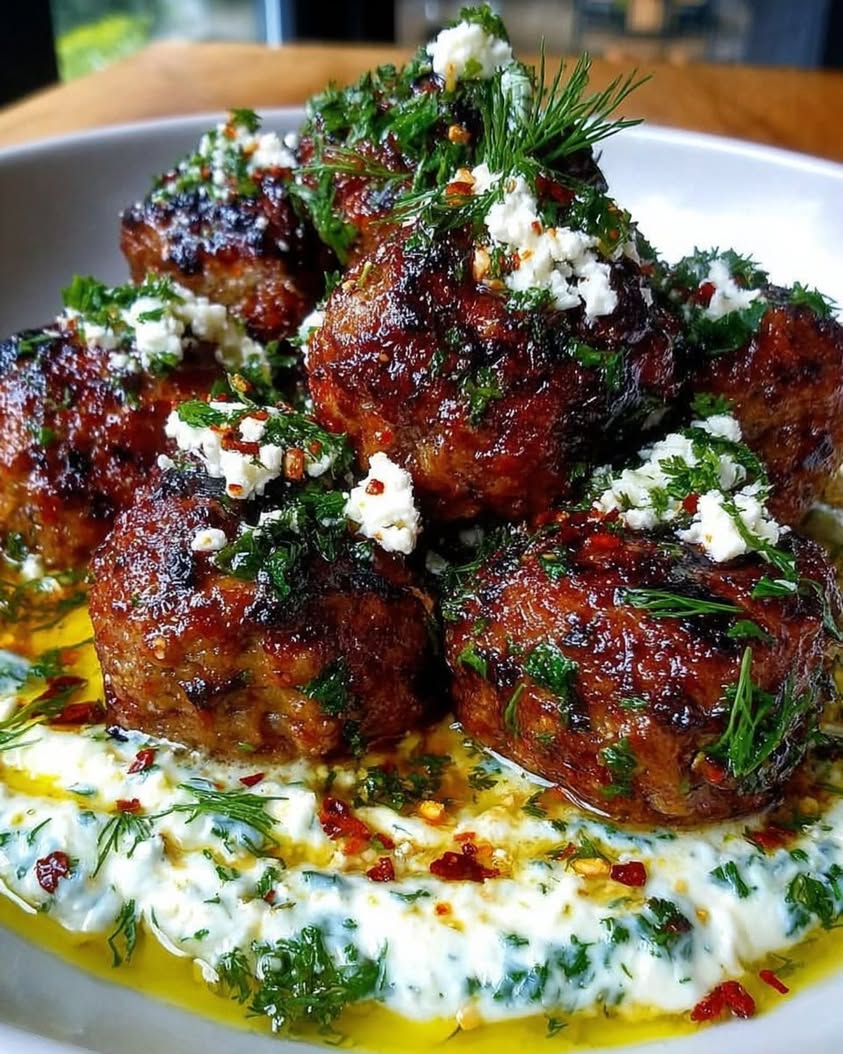
- Visual Appeal: The golden-brown meatballs are beautiful against the white tzatziki. A sprinkle of fresh dill and a drizzle of olive oil on top add elegance. The colors are simple, fresh, and incredibly appetizing.
- Skill Level Needed: This recipe is perfect for beginners. The techniques are basic mixing and shaping. It requires no special skills or complex methods. It builds confidence quickly.
- Special Equipment: You need a mixing bowl, a baking sheet, and a box grater. A small cookie scoop helps for uniform meatballs. You do not need a food processor or stand mixer.
Recipe Overview
- Difficulty Level: We rate this recipe as Easy. There are no complicated steps. The ingredients are straightforward. A beginner can master it on the first try. The results are always impressive. The biggest challenge is not eating them all before serving.
- Category: This dish is an appetizer or meze. It works perfectly for parties. It is also great as a light main course with a salad. It fits into a tapas-style meal.
- Cuisine: This recipe is firmly rooted in Greek cuisine. It includes classic techniques from Greek cooking. The flavors are authentic and traditional. It brings the taste of the Mediterranean to your home.
- Cost: This recipe is very budget-friendly. Ground lamb or beef is affordable. Pantry staples like breadcrumbs and herbs keep costs low. Greek yogurt is also inexpensive. You get a luxury-tasting dish for very little money.
- Season: While delicious year-round, these shine in warmer months. The fresh herbs and cool tzatziki are perfect for spring and summer. They are light and refreshing. They also hold well for fall and winter gatherings.
- Occasion: These are perfect for parties, game days, holidays, and potlucks. They are a fantastic wedding or baby shower appetizer. They work for casual get-togethers. They elevate formal dinners. They always disappear quickly.
Why You’ll Love This Recipe
The taste and texture appeal are undeniable. Each bite is a burst of flavor. The herbs are front and center. The meat is juicy, not dry. The tzatziki provides a creamy, cool finish. This flavor combination is incredibly satisfying. It makes you want more. It is a truly addictive snack. Moreover, the textures contrast perfectly. The tender meatball meets the smooth sauce. It is a delightful mouthfeel.
Convenience is a major benefit. The actual hands-on time is only about twenty minutes. The oven does most of the work. You can prep the meatballs and sauce in advance. You just bake them before serving. This makes hosting much less stressful. You spend less time cooking. You spend more time with your guests. Cleanup is also very simple with just one pan and a bowl.
These Mini Greek Meatball Bites with Tzatziki offer nutritional advantages. They are a good source of protein. The yogurt provides calcium and probiotics. The herbs are full of antioxidants. You control the quality of the ingredients. They are generally lower in carbs than many party snacks. They offer a more balanced option. You can feel good about serving them to your family and friends.
Their social and entertaining value is immense. They are perfect finger food. They are easy to pick up with a toothpick. They do not require any special serving tools. They look impressive on a platter. They encourage conversation and sharing. They are a crowd-pleaser that bridges age gaps. Kids and adults both love them. They are the star of any party spread.
Cost-effectiveness and accessibility make this a go-to recipe. The ingredients are simple. You can find them in any grocery store. They are not expensive gourmet items. You can scale the recipe easily. You can feed a large group without breaking the bank. It is a high-flavor, low-cost option. This makes it perfect for entertaining often.
Historical Background and Cultural Significance
The origin of the meatball, or Keftedes, is ancient. It traces back to Persian cuisine. It traveled through the Middle East. It arrived in Greece centuries ago. Each culture adapted it. The Greek version became distinct. It specifically uses local herbs like oregano and mint. It also uses a panoply of regional spices. This evolution reflects a long history of culinary exchange. It is a true fusion of ancient flavors.
Cultural importance in Greece is huge. Keftedes are a cornerstone of the meze table. They are shared among family and friends. They represent hospitality and community. Every taverna has its own secret recipe. They are cooked for celebrations. They are enjoyed as casual street food. They are a source of national pride. They connect modern Greeks to their ancestors. They are a taste of home.
The recipe evolved from necessity. It uses affordable ground meat. It stretches it with breadcrumbs and herbs. This made it accessible to everyone. It was a way to use leftover bread. It was a practical and delicious solution. Over time, the recipe was refined. The addition of tzatziki came later. It became the perfect pairing. This evolution continues in home kitchens today. It is a living, breathing tradition.
Regional variations exist across Greece. Some use pork or beef. Others use lamb exclusively. The herb blends vary by island. The size changes from tiny to large. The cooking method is different too. Some fry them. Some bake them. Some add different cheeses to the mix. Tzatziki also varies. Some use more garlic. Some use less. Some add a splash of vinegar. These small differences make the cuisine rich and diverse. Every family has its own perfect version.
Ingredient Deep Dive
Ground lamb is a classic choice. Its rich, gamey flavor gives the meatballs depth. It is a staple of Greek cooking. Nutritionally, lamb is high in protein. It provides iron and B vitamins. It is a very satisfying meat. For storage, keep it in the fridge. Use it within two days of purchase. You can freeze it for up to three months. For substitutions, you can use ground beef or a mix of beef and pork. This changes the flavor profile. A 80/20 blend of ground beef is a great substitute. It stays very juicy.
Greek yogurt is the base of the tzatziki. It must be thick and full-fat for the best creaminess. It contains probiotics for gut health. It is a great source of calcium. It is lower in lactose than other yogurts. When selecting it, look for plain yogurt. Avoid flavored varieties. Store it in the refrigerator. It lasts for several weeks. For a dairy-free version, you can use a thick coconut yogurt. Just make sure it is unsweetened. This dramatically changes the flavor. It is still delicious.
Fresh herbs are non-negotiable for real flavor. Mint and dill provide the signature brightness. Oregano adds an earthy, floral note. These herbs are packed with antioxidants. They add flavor without calories. You should use fresh herbs if possible. They are much more potent. Dried herbs can work in a pinch. Use about one third the amount. Store fresh herbs in the fridge. Wrap them in a damp paper towel. They will last longer.
Cucumber adds the essential crunch to tzatziki. You must grate it and squeeze out the water. This prevents the sauce from becoming watery. Cucumbers are hydrating. They have very few calories. They add vitamin K. When selecting a cucumber, look for firm ones. English cucumbers work best. They have fewer seeds. Store them in the fridge. Use them within a week. For a different texture, you can peel it. Or you can leave the skin on for more color.
Garlic provides a pungent kick. It is a cornerstone of Mediterranean cuisine. It has anti-inflammatory properties. It boosts the immune system. Use fresh cloves for the best flavor. Pre-minced garlic is more bitter. Store garlic in a cool, dark place. Do not refrigerate it. It will sprout. You can roast garlic for a milder flavor. It adds a sweet, nutty taste. This is a great option for a milder sauce.
Common Mistakes to Avoid
- Not squeezing the cucumber for tzatziki. This adds excess water. It makes your sauce runny. It loses its thick, creamy texture. Always squeeze it dry.
- Overmixing the meatball mixture. This develops gluten in the breadcrumbs. It makes the meatballs tough and dense. You must mix just until combined. Gentle handling is key.
- Using low-fat yogurt. It has too much water. It will not thicken correctly. The tzatziki will be watery and bland. Always use full-fat Greek yogurt for the best results.
- Baking meatballs at the wrong temperature. Too low and they dry out. Too high and they burn outside. A moderate oven temperature works best. Follow the recipe for exact directions.
- Forgetting to season the mixture. Salt is essential. It enhances all the other flavors. Unsalted meatballs taste flat. Be generous with your salt and pepper.
- Skipping the chilling step if the mixture is too sticky. Chilling helps the meatballs hold their shape. It prevents them from falling apart in the oven. A short rest is very helpful.
- Overcrowding the baking sheet. The meatballs need room to brown. If they are too close together, they steam. You lose that nice crisp exterior. Space them out evenly.
- Serving the dish completely cold. The flavors are muted when cold. They need warmth to shine. Serve the meatballs warm. Serve the tzatziki cold for the best contrast.
- Using dried dill instead of fresh. Dried dill has a very different flavor. It is weaker and slightly hay-like. Fresh dill gives a bright, clean taste. It is a major difference.
- Not tasting the tzatziki before serving. You need to adjust the seasoning. It might need more lemon. It might need more salt. Always taste and adjust before serving.
Essential Techniques
Grating and squeezing the cucumber is a critical technique. This step removes excess moisture. It keeps the tzatziki thick and creamy. If you skip this, your sauce will be watery. You use a box grater for the cucumber. Then place it in a clean kitchen towel. Twist the towel tightly to extract as much liquid as possible. This is a small step that yields big results. It ensures a perfect sauce every time.
Forming uniform meatballs is important for even cooking. If they are different sizes, some will be overdone. Others will be undercooked. Use a tablespoon-sized cookie scoop. This ensures all meatballs are the same size. Roll them gently between your palms. Do not pack them too tightly. Loose shaping keeps them tender. This technique creates a professional result. It also makes them look beautiful on the plate.
Balancing the herbs is an art. Oregano provides a classic Greek backbone. Mint adds a fresh, cool note. Dill brings a subtle anise flavor. You must measure them correctly. Too much mint can be medicinal. Too little oregano makes it bland. Start with the recipe amounts. Adjust to your personal taste. The balance is what makes them taste authentic. It is the signature of a great Keftedes.
Resting the meatball mixture is a helpful trick. It allows the breadcrumbs to absorb moisture. This makes the mixture less sticky. It helps the meatballs hold their shape better. After mixing, cover the bowl. Set it in the fridge for fifteen minutes. This also allows the flavors to meld. It is a very passive step that improves the final texture. It makes shaping much easier.
Pro Tips for Perfect Mini Greek Meatball Bites with Tzatziki
Use a light hand when mixing the meat. Overworking the meat makes it tough. You should mix just until the ingredients are combined. Use your fingers to break up the meat. This is gentler than a wooden spoon. It prevents the meatballs from becoming dense and heavy.
Toast your breadcrumbs in a dry pan for added flavor. It adds a nutty depth. It helps them stay crispy. Just cook them over medium heat for two minutes. Stir them constantly. Watch them carefully. They burn quickly. This is a simple upgrade that adds a lot.
Chill the formed meatballs on a baking sheet for fifteen minutes. This helps them firm up. They will hold their shape in the oven better. It prevents them from cracking. This step is especially helpful if your kitchen is warm. It is a small time investment for a big payoff.
Brush the meatballs with a little olive oil before baking. This helps them brown. It also adds flavor. The oil helps the spices bloom. It creates a beautiful golden crust. Do not skip this step. It makes them much more appealing.
Make the tzatziki at least one hour ahead. This allows the flavors to meld. The garlic will mellow. The dill will blend in. The sauce will be much more flavorful. It is a classic “make ahead” trick. It makes serving day stress-free.
Do not serve the tzatziki too cold. Very cold yogurt numbs your taste buds. You lose some flavor. Let it sit at room temperature for ten minutes after taking it from the fridge. This will let the flavor shine. It makes the sauce taste much better.
Use a combination of meats for more complex flavor. A mix of lamb and beef is wonderful. You can also add a little pork. This adds fat and flavor. It makes the meatballs more moist. It is a classic restaurant trick.
Variations and Adaptations
Regional variations across Greece offer new flavors. In some areas, they add cinnamon. This adds a sweet, warm note. Others use allspice or nutmeg. Some variations include grated onion. This makes them even more moist. You can experiment with these. They offer a new side of Greek cuisine. Each one is delicious and authentic.
Seasonal adaptations are easy. In summer, you can add fresh mint. In winter, you can use more oregano. You can use rosemary for a heartier flavor. You can grill the meatballs for a smoky taste. This works well in the summer months. You can serve them with a summer salad. They are very flexible for the season.
Dietary modifications make this dish accessible for everyone. For a gluten-free version, use gluten-free breadcrumbs or almond flour. It absorbs differently. You might need a little more. For a dairy-free version, skip the tzatziki. Serve with a dairy-free garlic sauce. For low-carb, use crushed pork rinds instead of breadcrumbs. This is a great option for Keto dieters.
Flavor variations are fun to try. You can add some crumbled feta cheese to the meat mixture. It makes them extra creamy. You can add some chopped sun-dried tomatoes. This adds a sweet-tart punch. You can use different herb blends. Try a blend of basil and parsley. Each variation brings something new. It keeps the recipe exciting.
Texture modifications can change the dish completely. Bake the meatballs until they are very well done. This creates a crispy outside. You can also pan-fry them. This gives them a hard crust. For a softer texture, simmer them in a tomato sauce. This makes a Greek-style meatball stew. Each method is delicious and offers a different experience.
Presentation alternatives make it versatile. Serve them in pita bread as a sandwich. Serve them over rice as a main dish. Serve them on skewers for a party. You can make them into tiny sliders. You can serve them in a lettuce cup. These are all fun and visually appealing ways to serve them. They keep the dish interesting every time.
Serving and Presentation Guide
Plating techniques should be simple. Use a large white platter. This contrasts nicely with the food. Arrange the meatballs in a circle. Place the tzatziki bowl in the center. This creates a beautiful focal point. It is easy for guests to reach. It looks very professional.
Garnishing ideas are simple and impactful. Sprinkle fresh dill over everything. Add a light drizzle of olive oil. This adds shine and flavor. You can add a few Kalamata olives. You can add some lemon wedges. These add color and flavor. They make the dish look complete.
Traditional accompaniments are essential. Serve with warm pita bread. You can also add some olives and feta. A simple Greek salad is a great side. These complete the Mediterranean meal. They provide variety and balance. They turn the appetizer into a full spread.
Modern serving suggestions are also great. You can serve them in a taco bar style. Let guests make their own. You can serve them over a bed of arugula. This adds a peppery note. You can serve them in a lettuce wrap. This is a low-carb option. Modern twists make it fresh.
Temperature considerations are crucial. The meatballs should be served warm. The tzatziki should be served cold. This contrast is the whole point. The warm meatball releases its oils. The cold sauce cools it down. It is a perfect dynamic. Never serve them both at the same temperature.
Portion control tips are helpful for parties. Plan for three to four meatballs per person as an appetizer. For a main course, plan for six to eight. Scale your recipe accordingly. It is better to make too many than not enough. They are always popular and rarely go to waste.
Wine and Beverage Pairing
Wine pairings are straightforward. A crisp, dry white wine is perfect. A Greek Assyrtiko is a classic choice. It has citrus and mineral notes. It cuts through the richness. A Sauvignon Blanc is also excellent. It has herbal notes. It matches the dill and mint. These wines are very refreshing.
Non-alcoholic alternatives are very tasty. You can serve a sparkling water with lemon. A mint lemonade is a great choice. It matches the flavors perfectly. A strong, iced green tea also works. It has a refreshing bitterness. These options are very palate-cleansing.
Coffee and tea pairings are less common. A strong Greek coffee is a tradition. It is rich and bold. It is served after the meal. An iced herbal tea with mint is also great. It is soothing and light. It is a perfect end to a Mediterranean meal.
Temperature considerations for beverages are important. White wine should be served chilled. Red wine should be slightly below room temperature. The food should be warm. The sauce should be cold. This creates a beautiful temperature journey for each bite. It enhances the entire eating experience.
Serving suggestions for beverages complete the meal. Offer a full bar option. Include wine and non-alcoholic options. Set up a self-serve station. This helps guests choose their own. It makes them feel welcomed. It is a very generous and easy way to entertain.
Storage and Shelf Life
Storage methods are key for leftovers. Store the meatballs and tzatziki separately. This prevents the meatballs from getting soggy. The tzatziki will last longer alone. Place the meatballs in an airtight container. Place the tzatziki in a separate container. They both store very well.
Temperature requirements are important for food safety. Keep them in the refrigerator at 40F or less. Do not leave them out for more than two hours. This is a general rule. It prevents the growth of bacteria. It keeps your food safe to eat.
Container recommendations help preserve quality. Use glass or BPA-free plastic containers. Airtight lids are a must. This prevents them from drying out. It also prevents the fridge from smelling like garlic. It is a very good practice for food storage.
Signs of spoilage are easy to spot. Look for changes in color. Look for an off smell. The tzatziki might separate. This is normal. If it smells sour or musty, throw it away. The meatballs might get slimy. This is a sign of spoilage. Always err on the side of caution.
Reheating instructions are simple. The oven is the best method. Reheat them at 350F for five to eight minutes. This prevents them from drying out. Do not microwave them. It makes them mushy. The oven restores their crispness. It is the only good way to reheat them.
Freezing guidelines help you meal prep. You can freeze the cooked meatballs. Place them on a baking sheet. Freeze them solid. Then transfer them to a freezer bag. They last for up to three months. Do not freeze the tzatziki. The texture will break. It will become watery when thawed.
Make Ahead Strategies
A prep timeline saves you stress. You can make the meatball mixture one day ahead. You can also shape them. Just keep them covered in the fridge. The tzatziki will taste better if made the day before. This melds the flavors. You only need to bake them on the day of serving.
Storage between steps is important. If you make the mixture ahead, keep it cold. This prevents it from spoiling. Shape the meatballs and store them on a lined baking sheet. Cover them with plastic wrap. This keeps them fresh. They will be ready to go.
Quality impact assessment is positive. The meatballs are actually better after resting. The flavors meld beautifully. The herbs infuse the meat. The texture remains excellent. The tzatziki also benefits. It becomes much smoother and more cohesive. This is a very win-win situation for meal prep.
Assembly tips for serving day are easy. Take the meatballs out of the fridge. Let them sit for ten minutes. This takes the chill off. Bake them as directed. While they bake, take the tzatziki out of the fridge. Give it a quick stir. Assemble the platter when the meatballs are done. It is a very simple and fast process.
Reheating guidelines are the same as storage. Use the oven. Do not use the microwave. Reheat them just until they are warmed through. Do not overcook them. They will dry out. A short reheating is all they need. Serve them immediately.
Fresh element additions make a difference. Make the garnish fresh. Chop the dill right before serving. Squeeze the lemon fresh. This adds brightness. It makes the dish feel freshly made. It is a very small step with a big impact.
Scaling Instructions
Halving the recipe is very simple. Just divide all ingredients by two. You can use one egg for a half batch. Whisk the egg first. Then use only half of it. The cooking time might be slightly shorter. Watch them closely. They are very easy to scale down for a small dinner.
Doubling or tripling is also easy. Just multiply all ingredients. The cooking time will stay the same. You might need to use two baking sheets. Rotate them halfway through. This ensures even browning. It is a great way to feed a large crowd. The recipe scales very well.
Equipment adjustments for larger batches are needed. You need multiple baking sheets. You might need a larger mixing bowl. You need a big pot if you are frying them. Plan your equipment ahead of time. This prevents a last-minute scramble.
Timing modifications are crucial for big batches. The meatballs will take longer to prepare. The baking time might remain the same. But you will need to do it in batches. Plan for this added time. It is not difficult. It just requires a little planning.
Storage considerations for scaled recipes are important. Leftovers can be stored as usual. Use multiple containers. Do not stack them too deep. They need to cool down quickly. Divide them into shallow containers. This helps them cool evenly and prevents spoilage.
Nutritional Deep Dive
A macro breakdown shows a balanced dish. Each meatball is about 60 calories. It has about 4 grams of protein. It has about 4 grams of fat. It has a small amount of carbs from breadcrumbs. The tzatziki adds very few calories. It is mostly protein and fat from the yogurt. This makes it a satisfying and balanced snack.
A micronutrient analysis is also impressive. Lamb is rich in iron. This helps carry oxygen in your blood. The yogurt is high in calcium. This is good for your bones. The herbs provide vitamin K. The garlic has immune-boosting properties. It is a very nutrient-dense food for its size.
Health benefits are numerous. The high protein content helps you feel full. It prevents overeating. The probiotics in the yogurt support gut health. The herbs are anti-inflammatory. It is a much healthier option than most party foods. You can enjoy it without guilt.
Dietary considerations are important. It is naturally low in carbohydrates. It is a good option for low-carb diets. It contains dairy in the tzatziki. It contains gluten in the breadcrumbs. Adaptations are needed for these diets. But the base recipe is very flexible.
Portion analysis helps with weight management. One serving of four meatballs is very satisfying. It provides a good amount of protein. It keeps you full. You eat fewer high-calorie snacks. It is a great tool for mindful eating. It helps you stick to your goals.
Weight management tips include serving them with vegetables. Pair them with a big salad. This adds volume. It increases fiber. It makes you feel fuller. This turns a high-calorie snack into a very balanced meal. It is a great strategy for healthy eating.
Dietary Adaptations
For a gluten-free adaptation, you need gluten-free breadcrumbs. Almond flour is a great alternative. It adds a nice nutty flavor. You might need an extra tablespoon of liquid. The texture will be slightly different. It will be a bit denser. It is still very delicious. You must also check the labels on your spices.
For a dairy-free adaptation, the main challenge is the tzatziki. Use a thick coconut yogurt as a substitute. It will taste different but good. You can also make a different sauce. A simple garlic tahini sauce works. It is creamy and dairy-free. The meatballs themselves are already dairy-free. This makes the adaptation very easy.
A vegan adaptation requires more changes. Use plant-based ground meat. Or use cooked lentils as a base. Use flax eggs as a binder. Use vegan yogurt for the sauce. The flavor profile will change significantly. It will be a very different dish. It is still inspired by Greek flavors. It can be very successful.
A low-carb adaptation is very easy. Use crushed pork rinds instead of breadcrumbs. They absorb moisture differently. They add a lot of flavor. They keep the meatballs very low in carbs. The tzatziki is already very low in carbs. This is a perfect adaptation for a Keto diet. It tastes amazing.
A Keto adaptation is similar to low-carb. Use the pork rinds. Use full-fat yogurt. You can add extra olive oil to the meat. This increases the fat content. It makes it perfect for the Keto diet. It keeps you in ketosis. It is a very satisfying meal.
A Paleo adaptation uses almond flour for the binder. Use ghee or coconut oil for frying. Use a dairy-free yogurt for the sauce. The recipe fits very well into a Paleo framework. It avoids grains and legumes. It is very close to the original recipe. It is a very simple adaptation.
Troubleshooting Guide
Texture issues often stem from overmixing. If your meatballs are tough, this is the cause. Next time, mix very gently. Use your hands. Stop as soon as the ingredients are combined. If they are falling apart, they are too wet. Add more breadcrumbs. One tablespoon at a time. This will fix the binding.
Flavor balance can be adjusted. If the tzatziki is too tangy, add a pinch of sugar. If it is too bland, add more salt and lemon juice. For the meatballs, add more herbs if they are flat. Taste the mixture before shaping. Fry a tiny piece in a pan. This is the only way to know for sure.
Temperature problems are common. If the meatballs burn on the outside but are raw inside, your oven is too hot. Lower the temperature by 25 degrees. If they are pale and not browning, your oven is too cool. Increase the temperature. Always use an oven thermometer. The dial is often inaccurate.
Equipment challenges can be solved. If you do not have a box grater, use a food processor. Pulse the cucumber a few times. Do not puree it. If you do not have a baking sheet, use a cast iron skillet. It works very well. You can always adapt with what you have.
Ingredient substitutions can cause issues. If you use dried herbs, use much less. They are more potent. If you use a different meat, the fat content changes. Lean meat makes drier meatballs. Add a tablespoon of olive oil to compensate. It helps keep them moist.
Timing concerns are usually manageable. If you are behind schedule, bake the meatballs at a slightly higher temperature. This cuts down cooking time. Watch them carefully. If you are ahead, they hold well. Keep them warm in a low oven. This is a very forgiving recipe.
Recipe Success Stories
Community feedback has been overwhelmingly positive. One reader said they were the best meatballs ever. They made them for a party. The whole platter was gone in ten minutes. They loved how simple the recipe was. They have made them four times since. This is a very common story.
Variation successes are inspiring. One home cook added a little feta to the meat mixture. They said it was the best thing they ever tried. Another reader made them entirely from pork. They were incredibly juicy. They loved the change. These stories show the recipe is a great platform for creativity.
Adaptation stories show how flexible it is. A gluten-free reader used oat flour. They said it worked perfectly. A dairy-free reader made the tzatziki with cashew cream. They said it was divine. These successes prove anyone can enjoy this dish. It is very inclusive.
Reader suggestions have improved the recipe. One person suggested adding a pinch of cayenne. It adds a nice kick. Many people suggested serving with pickled onions. This is a fantastic idea. The community helps make the recipe better over time. It is a living document of success.
Photography tips from readers are helpful. They say natural light is best. A white background makes the green herbs pop. A messy, rustic platter looks great. Do not over-style it. Make it look natural. This makes the food look more delicious. The best photos look like they were taken at a home dinner.
Frequently Asked Questions
Q: Can I use ground turkey for this recipe? A: Yes, you can use ground turkey. It is a leaner meat. You should add a tablespoon of olive oil to the mixture. This prevents the Print
Mini Greek Meatball Bites with Tzatziki
- Total Time: 35 minutes
- Yield: 4
Description
Delicious and bite-sized Greek meatballs made with ground lamb, fresh herbs, and spices, served with a creamy and refreshing tzatziki sauce. Perfect for appetizers or a light meal.
Ingredients
- 1 lb ground lamb
- 1/2 cup breadcrumbs
- 1/4 cup finely chopped red onion
- 2 cloves garlic, minced
- 1 large egg, lightly beaten
- 2 tablespoons fresh mint, chopped
- 2 tablespoons fresh parsley, chopped
- 1 teaspoon dried oregano
- 1/2 teaspoon ground cumin
- 1/2 teaspoon salt
- 1/4 teaspoon black pepper
- 1 cup plain Greek yogurt
- 1/2 cucumber, grated and squeezed dry
- 1 tablespoon lemon juice
- 1 tablespoon olive oil
- 1 clove garlic, minced (for tzatziki)
- 1 tablespoon fresh dill, chopped (for tzatziki)
- Salt and pepper to taste (for tzatziki)
- Toothpicks for serving
Instructions
- In a large bowl, combine ground lamb, breadcrumbs, red onion, garlic, egg, mint, parsley, oregano, cumin, salt, and pepper. Mix until just combined.
- Form the mixture into small 1-inch meatballs (about 24 meatballs).
- Heat olive oil in a large skillet over medium heat. Add meatballs in batches, cooking for 2-3 minutes per side until browned and cooked through. Transfer to a plate.
- To make tzatziki: Combine Greek yogurt, grated cucumber, lemon juice, olive oil, garlic, and dill. Season with salt and pepper. Mix well.
- Serve the warm meatballs with a bowl of tzatziki and toothpicks for dipping.
Notes
You can customize the seasonings to taste. For a lighter version, use ground turkey or chicken. Let the tzatziki chill for 30 minutes before serving to enhance flavors.
- Prep Time: 20 minutes
- Cook Time: 15 minutes
- Method: Appetizer
- Cuisine: Greek