Mediterranean Za’atar Turkey Meatball Bowls Recipe for Healthy Weeknight Dinner
You deserve a dinner that feels both special and effortless, and this Mediterranean Za’atar Turkey Meatball Bowls recipe for healthy weeknight dinner delivers exactly that. Imagine tender turkey meatballs infused with earthy za’atar spice, nestled on a bed of fluffy quinoa and colorful vegetables. The aroma of garlic and lemon balances the richness of the meat, while a cool, creamy tzatziki sauce brings freshness to every bite. You will find yourself reaching for seconds before you even finish the first bowl.
This recipe is designed for real life, meaning you can prep it ahead of time or whip it up on a busy Tuesday evening. The turkey meatballs stay juicy because of a few simple tricks, and the za’atar seasoning adds a complexity that feels surprisingly gourmet. As you layer the components into bowls, you will notice how the vibrant colors and textures invite everyone to the table. It is a meal that satisfies cravings for something hearty yet light, and it never feels heavy or greasy.
Mediterranean Za’atar Turkey Meatball Bowls recipe for healthy weeknight dinner has quickly become a favorite in my kitchen. It adapts easily to what you have on hand, and the flavor profile pleases even picky eaters. You can serve it warm for a cozy night in or pack it cold for lunch the next day. The balance of protein, fiber, and healthy fats keeps you full without the afternoon slump. Honestly, it is the kind of recipe you will turn to again and again.
Quick Recipe Highlights
- Flavor Profile: The za’atar brings a nutty, herbal note that pairs perfectly with the savory ground turkey. Lemon juice adds brightness, while garlic and cumin provide warmth. You get a Mediterranean flavor that is both bold and approachable.
- Texture: The meatballs have a tender interior with a lightly browned exterior. The quinoa offers a fluffy, slightly chewy contrast, and the crisp cucumbers and tomatoes add crunch. The creamy tzatziki sauce ties everything together with a smooth finish.
- Aroma: As the meatballs cook, the za’atar releases a fragrant, almost woody scent that fills your kitchen. Garlic and onions join in with their savory notes, and a squeeze of lemon adds a fresh, citrusy lift before serving.
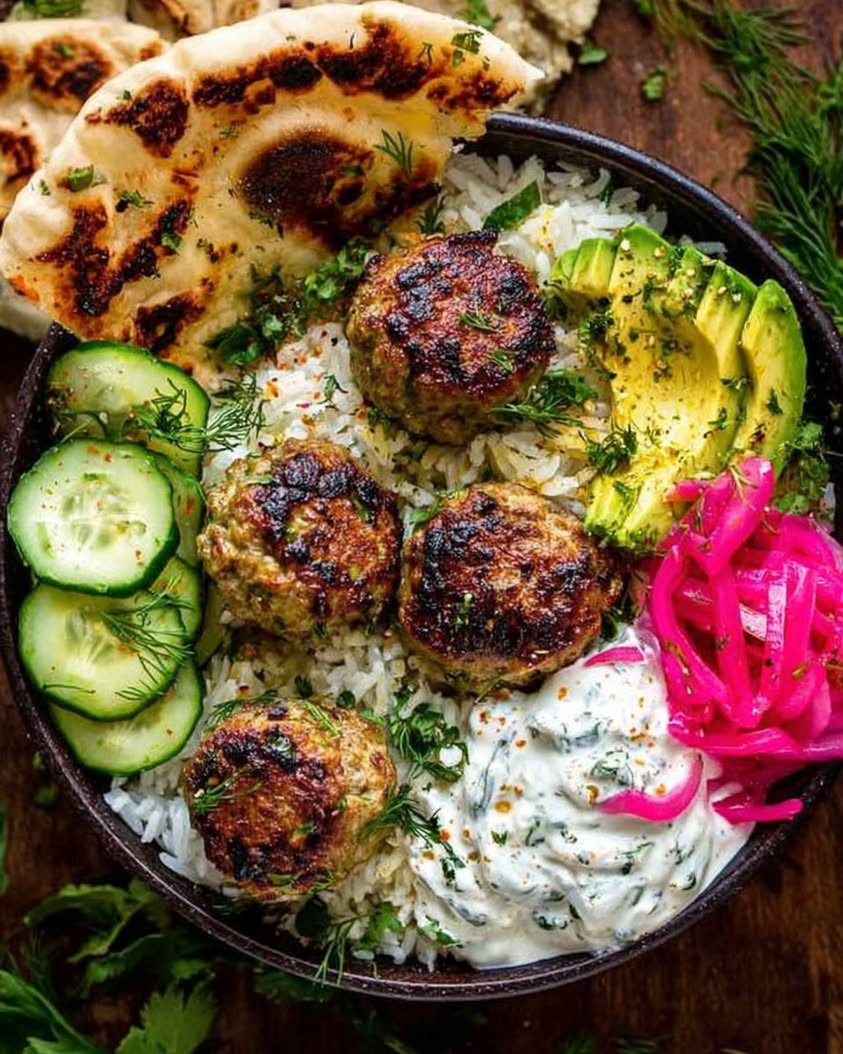
- Visual Appeal: You see deep green herbs against the golden-brown meatballs, bright red tomatoes, and white quinoa. The tzatziki is drizzled on top, creating a beautiful swirl that makes each bowl look like restaurant fare.
- Skill Level Needed: This recipe is beginner-friendly because it uses straightforward techniques like mixing, shaping, and baking. You do not need advanced knife skills or complex cooking methods. Even first-time cooks can achieve great results on their first try.
- Special Equipment: You need a large baking sheet lined with parchment paper for the meatballs. A medium saucepan works for the quinoa, and a mixing bowl is essential for combining the ingredients. No specialty tools are required for this dish.
Recipe Overview
- Difficulty Level: I rate this recipe as easy because the steps are simple and forgiving. You shape the meatballs by hand, bake them until golden, and assemble the bowls. There is no complicated sauce reduction or precise timing required. The recipe teaches you basic techniques that build confidence in the kitchen.
- Category: This meal works perfectly as a main course for lunch or dinner. It also works well for meal prep, because the components store and reheat nicely. You could even serve it as a hearty appetizer in smaller portions for a gathering.
- Cuisine: The dish draws inspiration from Eastern Mediterranean and Levantine culinary traditions. Za’atar is a staple spice blend across Lebanon, Jordan, Palestine, and Israel. This recipe brings those authentic flavors into a modern, weeknight-friendly format that respects the original spirit while making it accessible to home cooks everywhere.
- Cost: Ground turkey is often more affordable than beef or lamb, especially when bought in bulk. Za’atar is a one-time pantry investment that lasts for months. The vegetables and quinoa are budget-friendly staples, so the total cost per serving stays low. You can easily feed a family of four for under fifteen dollars.
- Season: This recipe shines in late spring through early fall, when tomatoes and cucumbers are at their peak. The lighter protein and fresh herbs feel right when the weather warms up. However, you can enjoy it year-round by using high-quality greenhouse vegetables or roasted alternatives in winter.
- Occasion: These bowls are perfect for casual weeknight dinners, meal prep Sunday, or even a relaxed dinner party. They travel well for potlucks and picnics. The bright colors and fresh flavors also make them a great choice for a health-focused gathering or a post-workout meal.
Why You’ll Love This Recipe
The taste of these Mediterranean Za’atar Turkey Meatball Bowls recipe for healthy weeknight dinner is simply unforgettable. The za’atar seasoning adds a savory, herbal depth that elevates the turkey beyond ordinary meatballs. Every bite carries a hint of toasted sesame and sumac, which creates a tangy, nutty finish that keeps you coming back for more. The meatballs stay moist and tender because you mix in grated onion and a touch of olive oil. You will not miss the higher-fat meats one bit. The cool tzatziki sauce cuts through the richness, and the fresh vegetables add a crisp, refreshing counterpoint that balances the entire dish.
Convenience is at the heart of this recipe, and that is why I reach for it on busy nights. You can prep the meatballs and cook the quinoa ahead of time, then assemble everything in under ten minutes when you are ready to eat. The baking method means you do not have to stand over a hot stove flipping meatballs, so you can set a timer and walk away. Cleanup is minimal because you use one baking sheet, one pot, and one bowl. This recipe respects your time without sacrificing the homemade taste you crave.
Nutritionally, these bowls are a powerhouse. The turkey provides lean protein that supports muscle repair and keeps you full for hours. Quinoa is a complete protein with all nine essential amino acids, plus fiber and iron. The vegetables deliver vitamins A and C, antioxidants, and hydration. Tzatziki made from Greek yogurt adds probiotics and calcium with far less fat than traditional creamy sauces. You get a balanced meal that helps you stick to your health goals while still feeling indulgent and satisfying.
Socially, these bowls are a hit because they look impressive with minimal effort. You can set up a bowl bar with all the components and let everyone build their own creation. This interactive element makes dinner more fun and accommodates different preferences easily. Guests will marvel at the depth of flavor, and they will never guess how little time you actually spent. It is the kind of recipe that makes you look like a culinary genius, even on a random Wednesday night when you just want to relax.
Cost-effectiveness is another reason this recipe stands out. Ground turkey is often on sale, and a single pound feeds four people generously when paired with grains and vegetables. Za’atar is a spice blend that costs a few dollars but lasts through dozens of meals. The vegetables and yogurt are refrigerator staples that you likely already keep on hand. You can feed a family for less than the cost of takeout, and you get leftovers that taste even better the next day. This recipe proves that eating well does not have to break the bank.
Historical Background and Cultural Significance
Za’atar has been a cornerstone of Middle Eastern cuisine for thousands of years, with references dating back to ancient Egypt and biblical times. The spice blend traditionally combines dried thyme, oregano, marjoram, toasted sesame seeds, and sumac. It was prized for its preservative qualities and its ability to add depth to simple ingredients. In the Levant, za’atar is more than a seasoning, it is a symbol of hospitality and shared identity. Families often pass down their own variations, adjusting the ratios to match regional tastes.
Meatball dishes, or kofta, have a similarly long history across the Mediterranean and Middle East. They appear in various forms from Greece to Iran, often featuring ground lamb or beef mixed with herbs and spices. The addition of za’atar to turkey meatballs is a modern twist that respects tradition while adapting to contemporary dietary preferences. Turkey is leaner than lamb or beef, but the za’atar compensates with powerful flavor that makes the meatballs taste rich and authentic. This evolution shows how classic recipes continue to change and thrive.
The bowl format itself is a relatively new trend that reflects how we eat today. Bowls allow for customization and balance, making it easy to include a variety of food groups in one dish. In the Mediterranean region, mezze platters and shared plates have long encouraged this kind of variety. The bowl simply modernizes that communal spirit into an individual serving that is perfect for busy lives. You get the same vibrant mix of flavors and textures, but with a convenience that suits modern schedules.
Regional variations of this style of meal are endless. In Turkey, you might find meatballs served with bulgur and yogurt. In Lebanon, they often come with a side of tabbouleh and pita. This recipe draws from those influences while using ingredients that are widely available in U.S. grocery stores. The flexibility means you can adapt it to whatever you have on hand or whatever dietary needs you face. It is a living recipe that honors its roots while embracing the creativity of home cooks everywhere.
Ingredient Deep Dive
Za’atar is the star of this dish, and its cultural significance runs deep. In ancient times, it was believed to have medicinal properties and was used to improve digestion and concentration. Nutritionally, za’atar provides antioxidants from the herbs and healthy fats from the sesame seeds. It also contains calcium, iron, and fiber. When selecting za’atar, look for a blend that smells vibrant and has visible sesame seeds. Store it in an airtight container in a cool, dark place for up to six months. You can substitute it with a mix of dried oregano, thyme, and a touch of lemon zest if needed, but the authentic flavor is worth seeking out.
Ground turkey is the primary protein source, and it offers a lighter alternative to traditional red meat. It contains fewer calories and less saturated fat, making it a heart-healthy choice. Turkey is also rich in B vitamins, selenium, and zinc, which support immune function. For the best meatball texture, choose ground turkey with at least seven percent fat. Too lean, and the meatballs will dry out. Store fresh turkey in the refrigerator and use it within two days, or freeze it for up to three months. You can substitute ground chicken or even a plant-based ground product for a different twist.
Quinoa is a grain-like seed that originated in the Andes and has become a global staple. It is a complete protein, meaning it contains all nine essential amino acids your body needs. Quinoa also provides magnesium, fiber, and iron. When cooking quinoa, rinse it first to remove the natural coating that can taste bitter. Then cook it in a 2:1 ratio of liquid to quinoa for about 15 minutes. For a flavor boost, cook it in chicken or vegetable broth instead of water. Store cooked quinoa in the fridge for up to five days, and use it in salads, bowls, or as a side dish.
Cucumbers and tomatoes bring freshness and crunch to the bowl. English cucumbers have fewer seeds and a thinner skin, which makes them ideal for salads. Roma tomatoes are meaty and less watery, so they hold up well. Both are rich in vitamin C and antioxidants that support skin health. Store cucumbers in the refrigerator crisper drawer, and keep tomatoes at room temperature for best flavor. If you need substitutes, try cherry tomatoes and Persian cucumbers for a similar texture. You could also add bell peppers or radishes for extra color and crunch.
Common Mistakes to Avoid
- Overmixing the meatball mixture can make them dense and tough. Mix just until the ingredients are combined, then stop. Overworking activates the protein in the turkey, which results in rubbery meatballs instead of tender ones.
- Using turkey that is too lean, like 99 percent fat-free, will produce dry meatballs. The lack of fat means they will not hold moisture well during baking. Aim for at least 93 percent lean for best results.
- Skipping the chilling step causes the meatballs to fall apart in the oven. Chilling the shaped meatballs for at least 15 minutes helps them hold their shape. This simple step makes a significant difference in the final texture.
- Overcooking the meatballs leads to a dry, crumbly texture. Bake them just until they reach an internal temperature of 165 degrees Fahrenheit. Use an instant-read thermometer to check for accuracy instead of relying on time alone.
- Forgetting to rinse the quinoa leaves a bitter taste. The natural coating called saponin can make the quinoa taste soapy if not rinsed. Rinse it in a fine-mesh strainer under cold water for one minute before cooking.
- Dicing the vegetables too large or too small ruins the balance. Aim for uniform half-inch pieces so every bite includes a little of everything. Inconsistent sizes lead to some bites being mostly one ingredient.
- Using watery yogurt for the tzatziki results in a thin, runny sauce. Greek yogurt is thicker and has less liquid. If your yogurt seems thin, strain it through cheesecloth for an hour before mixing.
- Not seasoning the quinoa properly makes the bowl taste flat. Cook the quinoa in broth and add a pinch of salt and pepper. This simple step adds flavor to the base of the bowl.
- Adding delicate herbs too early in the cooking process causes them to lose their flavor. Fresh parsley and mint should be added just before serving. This preserves their bright, fresh taste.
- Assembling the bowls too far ahead leads to soggy vegetables and warm ingredients going cold. Keep components separate until just before serving to maintain the best texture and temperature.
Essential Techniques
Grating the onion rather than chopping it ensures the meatballs stay moist. When you grate an onion, it releases more liquid, which mixes with the turkey and breadcrumbs. This extra moisture prevents the meatballs from drying out during baking. To master this technique, use a box grater and grate the onion directly into a bowl. Squeeze out some of the excess liquid, but not all of it, you want some moisture to remain. A visual cue is that the grated onion looks almost like a paste rather than discrete pieces.
Baking the meatballs on a lined sheet pan instead of frying them reduces mess and fat. You simply roll the meatballs, place them on the pan, and let the oven do the work. This method produces evenly browned meatballs without the need for constant attention. For best results, space the meatballs at least one inch apart so they brown rather than steam. Flip them halfway through cooking to ensure even browning on all sides. The visual cue is a golden-brown crust that forms on the outside while the inside stays juicy.
Making the tzatziki sauce requires a simple technique of grating the cucumber and removing the excess water. Grate the cucumber, then sprinkle it with a little salt and let it sit for five minutes. After that, squeeze the grated cucumber firmly over the sink to remove as much liquid as possible. This step prevents the sauce from becoming watery and keeps it thick and creamy. The visual cue is that the grated cucumber looks dry and no longer releases liquid when squeezed.
Pro Tips for Perfect Mediterranean Za’atar Turkey Meatball Bowls recipe for healthy weeknight dinner
Use your hands to mix the meatball ingredients instead of a spoon. Your hands are more gentle and you can feel when the mixture is just combined. This prevents overmixing and ensures tender meatballs every time.
Let the cooked quinoa sit covered for five minutes after cooking. This allows the steam to finish the process and makes the quinoa fluffier. Fluff it with a fork before serving to separate the grains.
For the best za’atar flavor, toast the spice blend in a dry pan for 30 seconds before adding it to the meatball mixture. This releases the essential oils and intensifies the aroma. Watch closely so it does not burn.
Chill the meatballs on the baking sheet for 15 minutes before putting them in the oven. This helps them hold their shape and prevents them from spreading. It is a short wait that pays off in texture.
Add a squeeze of lemon juice to the tzatziki sauce just before serving. This brightens the flavor and wakes up the other ingredients. Taste as you go and adjust the salt and lemon to your preference.
Warm the bowls or plates before assembling to keep the food at the right temperature longer. You can do this by running them under hot water and drying them, or by placing them in a low oven for a few minutes.
Double the tzatziki sauce recipe if you like extra sauce for dipping or drizzling. It keeps well in the fridge for up to five days and pairs with many other dishes. Use it as a dip for vegetables or a spread for sandwiches.
Let the assembled bowls sit for two minutes before serving to allow the flavors to meld. This brief rest lets the warm ingredients slightly soften the cool ones, creating a more cohesive bite.
Variations and Adaptations
Regional variations of this dish can transport your taste buds to different corners of the Mediterranean. For a Greek-inspired version, swap the za’atar for a blend of oregano, garlic, and lemon zest. Use feta cheese crumbled on top instead of tzatziki. You could also add Kalamata olives and roasted red peppers for a briny, sweet contrast. This change gives the bowls a distinctively different flavor profile while keeping the healthy turkey base intact.
Seasonal adaptations help you enjoy this recipe all year long. In the summer, use fresh tomatoes and cucumbers straight from the garden. In the fall, roast butternut squash cubes and swap the fresh herbs for a touch of cinnamon and nutmeg. Winter calls for roasted root vegetables and a drizzle of pomegranate molasses for sweetness. Spring brings fresh peas and asparagus tips that add a bright, green element to the bowl.
Dietary modifications make this recipe accessible to more people. For a gluten-free version, use certified gluten-free breadcrumbs or substitute rolled oats ground into a powder. The rest of the ingredients are naturally gluten-free, so this is an easy change. For a dairy-free adaptation, use coconut yogurt for the tzatziki and make sure the breadcrumbs are dairy-free as well. The flavor will be slightly different, but the creaminess remains.
Flavor variations can keep the recipe exciting across multiple rotations. Add a teaspoon of smoked paprika to the meatball mixture for a subtle smokiness. Or mix in a tablespoon of harissa paste for some heat. You could also add chopped fresh mint to the tzatziki for a cool, herbaceous note that pairs beautifully with the za’atar. Each variation offers a new experience without changing the structural simplicity.
Texture modifications change the mouthfeel of the final dish. For a crunchier texture, toast pine nuts or slivered almonds and sprinkle them on top. You could also add crispy chickpeas by tossing canned chickpeas in olive oil and za’atar, then roasting them until golden. This addition adds protein and a satisfying crunch that contrasts with the soft quinoa and tender meatballs.
Presentation alternatives allow you to customize the visual appeal. Instead of a bowl, serve the components on a large platter for a family-style meal. Place the meatballs in the center, surrounded by quinoa, vegetables, and sauce. This encourages sharing and makes a beautiful centerpiece for dinner parties. You can also serve the meatballs on a bed of greens for a lighter, salad-style version.
Serving and Presentation Guide
Plating these Mediterranean Za’atar Turkey Meatball Bowls recipe for healthy weeknight dinner is all about layering. Start with a generous scoop of quinoa in the center of each bowl. Arrange the meatballs artfully around the quinoa, leaving space for the vegetables. Place the cucumber and tomato pieces in the gaps, and finish with a drizzle of tzatziki sauce. This method creates a visually balanced plate that is as appealing to the eye as it is to the palate.
Garnishing adds the final touch that elevates the dish from homey to elegant. A sprinkle of fresh parsley or mint adds a pop of green and a burst of freshness. A pinch of extra za’atar on top reinforces the main flavor. For a finishing flourish, add a few pomegranate seeds for a jewel-like appearance and a sweet pop of flavor that contrasts with the savory elements.
Traditional accompaniments enhance the Mediterranean experience. Serve warm pita bread or pita chips on the side for scooping up any extra tzatziki or stray vegetables. A side of olives and pickled turnips adds briny, acidic notes that cut through the richness of the meatballs. You could also offer a simple salad of arugula dressed with lemon and olive oil for a peppery counterpoint.
Modern serving suggestions make this recipe perfect for entertaining. Create a bowl bar with all the components in separate dishes and let guests build their own creation. Include extras like crumbled feta cheese, roasted red peppers, and hot sauce for customization. This interactive format works well for parties because it accommodates different tastes and dietary needs effortlessly.
Temperature considerations are important for the best eating experience. The meatballs and quinoa should be warm, while the vegetables and tzatziki are best served cold or at room temperature. This contrast in temperature creates an interesting mouthfeel that keeps each bite exciting. If you are serving the bowls at a party, set out the warm components in insulated dishes and the cold ones on ice.
Portion control tips help you avoid overeating while still feeling satisfied. Use a standard bowl that holds about two cups of food. Fill half the bowl with quinoa and vegetables, a quarter with meatballs, and top with a generous drizzle of tzatziki. This visual guide ensures balanced portions without needing to measure everything precisely.
Wine and Beverage Pairing
Wine pairings for this Mediterranean Za’atar Turkey Meatball Bowls recipe for healthy weeknight dinner focus on light, aromatic whites and fruity reds. A crisp Assyrtiko from Greece has citrus and mineral notes that cut through the richness of the meatballs. Alternatively, a dry rosé from Provence offers red fruit flavors and enough acidity to handle the herbs. For a red option, a light-bodied Pinot Noir with earthy undertones complements the za’atar without overpowering the turkey.
Non-alcoholic alternatives keep the meal refreshing. A sparkling water with a squeeze of lemon and a sprig of mint is simple and palate-cleansing. You could also try a ginger and turmeric tonic that adds warmth and a subtle spice that echoes the za’atar. For something more exotic, a chilled hibiscus tea with a touch of honey provides a tart, floral counterpart to the savory elements.
Temperature considerations for beverages matter. Serve white wines and rosés at around 45 degrees Fahrenheit, straight from the refrigerator. Red wines should be slightly cooler than room temperature, around 55 degrees. Sparkling water and non-alcoholic drinks are best served over ice with a wedge of lemon or lime for an extra refreshing quality.
Serving suggestions for beverages include offering a small tasting pour of wine with each bowl. You can also create a mocktail by muddling cucumber and mint, then adding soda water and a splash of lime juice. This drink mirrors the fresh flavors in the bowl and enhances the overall meal experience without competing with the food.
Storage and Shelf Life
Storage methods for the components of this dish require separate containers. Store the cooked meatballs in an airtight container in the refrigerator for up to four days. The quinoa should be stored separately in a sealed container for up to five days. The vegetables and tzatziki also need their own containers to maintain their texture. This separation prevents the components from becoming soggy or cross-contaminating flavors.
Temperature requirements are straightforward. Keep all components at 40 degrees Fahrenheit or below in your refrigerator. If you are transporting them for a picnic or lunch, use an insulated bag with ice packs. Never leave the assembled bowls at room temperature for more than two hours, especially if the tzatziki is dairy-based.
Container recommendations emphasize airtight seals to keep out moisture and odors. Glass containers are ideal because they do not absorb smells and are easy to clean. For the tzatziki, a small jar or container with a tight-fitting lid works best. For the meatballs, a shallow container allows them to cool quickly and evenly.
Signs of spoilage include a sour smell from the tzatziki or a slimy texture on the vegetables. If the meatballs develop an off odor or a sticky film, discard them immediately. The quinoa may become overly dry after a few days, but it will not spoil as quickly as the protein. Always trust your senses when deciding whether to keep leftovers.
Reheating instructions vary by component. Warm the meatballs in a 350 degree Fahrenheit oven for about 10 minutes, or in a microwave on medium power for 60 seconds. The quinoa can be reheated in the microwave with a splash of water to restore moisture. The vegetables and tzatziki should stay cold, so only reheat the meatballs and quinoa before assembling.
Freezing guidelines extend the shelf life even further. You can freeze the cooked meatballs in a single layer on a baking sheet until solid, then transfer them to a freezer-safe bag. They will keep for up to three months. Thaw them in the refrigerator overnight before reheating. The tzatziki does not freeze well because it will separate, so make it fresh when you are ready to serve.
Make Ahead Strategies
Prep timeline for this Mediterranean Za’atar Turkey Meatball Bowls recipe for healthy weeknight dinner starts up to three days in advance. You can cook the quinoa, make the tzatziki, and chop the vegetables all on Sunday. Shape the meatballs and store them in the refrigerator on a baking sheet covered with plastic wrap. When you are ready to cook, simply bake the meatballs and assemble the bowls.
Storage between steps requires thoughtful organization. Keep the quinoa in a sealed container in the fridge. The chopped vegetables should be stored in a container with a paper towel to absorb excess moisture. The tzatziki needs a separate container with a lid. The raw meatballs should stay on the baking sheet, covered, to prevent them from sticking together.
Quality impact assessment shows that most components taste just as good or better after a day of resting. The quinoa absorbs more flavor from the broth, and the tzatziki flavors meld together. The meatballs stay moist as long as they are not overcooked. The only thing that does not improve is the vegetables, so add them fresh just before serving.
Assembly tips for make-ahead bowls involve keeping components separate until the last minute. If you need to pack lunch, pack the quinoa, meatballs, vegetables, and tzatziki in separate compartments of a bento box. Assemble when you are ready to eat to maintain the best texture. This approach prevents the bowl from becoming soggy and ensures each bite is fresh.
Reheating guidelines for prepped components are simple. Reheat the meatballs and quinoa together in the microwave or oven. Add the cold vegetables and tzatziki after reheating to keep them cool and crisp. If you are packing for lunch, keep the hot and cold components separate and reheat only the hot ones at work.
Fresh element additions can revive leftovers that have been sitting for a day. Add a squeeze of fresh lemon juice, a handful of fresh herbs, or some extra za’atar before serving. These small additions brighten the flavors and make the leftovers taste like a new dish. A sprinkle of sea salt also helps bring back the vibrancy of the components.
Scaling Instructions
Halving the recipe is straightforward and works well for one or two servings. Use half the turkey, half the za’atar, and half the quinoa. The cooking time for the meatballs will remain the same because they are the same size. The quinoa will cook faster in a smaller pot, so check it a few minutes early. Store any leftover ingredients properly to use in other recipes throughout the week.
Doubling or tripling the recipe for a crowd requires some adjustments. Use two baking sheets to avoid overcrowding the meatballs, and rotate them halfway through cooking. The quinoa may need two pots unless you have a very large one. The tzatziki can easily be doubled by simply using twice the ingredients. When making large batches, allow extra time for shaping the meatballs and chilling them.
Equipment adjustments for larger batches prevent bottlenecks. Use your largest mixing bowl for the meatball mixture, and line multiple baking sheets with parchment paper. If you have a stand mixer, use the paddle attachment to mix the meatball ingredients on low speed to save time. For the quinoa, use a stockpot instead of a saucepan to accommodate the larger volume.
Timing modifications for scaled recipes are minimal but important. Larger batches of meatballs may take a few extra minutes to bake because the oven temperature drops when you open the door. Use an instant-read thermometer to check for doneness rather than relying on time alone. The quinoa will cook in roughly the same time, but larger volumes may require a few extra minutes.
Storage considerations change when you scale up. Leftovers from a doubled recipe can be stored in multiple containers to allow for quicker cooling. Divide the meatballs and quinoa into shallow containers so they cool down within two hours. The tzatziki should be stored in a separate container and used within five days. Consider freezing half the meatballs for another meal later in the month.
Nutritional Deep Dive
Macro breakdown for one serving of this Mediterranean Za’atar Turkey Meatball Bowls recipe for healthy weeknight dinner is balanced and satisfying. Each bowl contains approximately 35 grams of protein, 30 grams of carbohydrates, and 15 grams of fat. The protein comes from the turkey and quinoa, while the carbohydrates are from the quinoa and vegetables. The fat is mostly from the olive oil, turkey, and yogurt in the tzatziki.
Micronutrient analysis shows a wealth of vitamins and minerals. The turkey provides B vitamins, particularly niacin and vitamin B6, which support energy metabolism. The quinoa is rich in magnesium, iron, and zinc. The vegetables add vitamin C, vitamin K, and potassium. The yogurt contributes calcium and probiotics that support digestive health. This meal covers many nutritional bases in one bowl.
Health benefits of this dish extend beyond basic nutrition. The lean protein promotes satiety and helps with weight management by keeping you full longer. The fiber from quinoa and vegetables supports healthy digestion and steady blood sugar levels. The healthy fats from olive oil and yogurt provide essential fatty acids that support brain health. The antioxidants from the herbs and vegetables reduce inflammation and support immune function.
Dietary considerations for this recipe are positive. It is naturally low in saturated fat compared to red meat versions. It is moderate in sodium, especially if you use low-sodium broth and control the salt added to the meatballs. It is also a great source of complex carbohydrates that provide sustained energy without the crash of simple carbs.
Portion analysis helps you tailor the bowl to your needs. A standard serving is about one and a half cups of quinoa, three meatballs, and a generous cup of vegetables. If you are looking for a lower carb option, reduce the quinoa to half a cup and increase the vegetables. For a higher protein version, add an extra meatball or two. The flexibility makes this recipe easy to adjust for different goals.
Weight management tips include being mindful of the tzatziki portion. The yogurt sauce adds flavor and creaminess, but it also adds calories and fat. Use about two tablespoons per bowl to keep the calorie count in check. You can also dilute the tzatziki with a little water or extra lemon juice to stretch it further without adding calories.
Dietary Adaptations
Gluten-free adaptation is simple because this recipe is mostly gluten-free already. Use certified gluten-free breadcrumbs or substitute with ground rolled oats. Make sure the za’atar you buy does not contain any wheat filler. The rest of the ingredients are naturally gluten-free, including the quinoa, vegetables, and yogurt. This adaptation maintains the same texture and flavor as the original.
Dairy-free adaptation requires swapping the Greek yogurt in the tzatziki for a dairy-free alternative. Coconut yogurt works best because it has a similar thickness and tanginess. Oatly or soy-based yogurts also work, though they may be slightly thinner. The meatballs themselves are dairy-free, so no changes are needed there. This adaptation is safe for those with lactose intolerance or a dairy allergy.
Vegan adaptation requires replacing the turkey with a plant-based substitute. Use cooked lentils, mashed chickpeas, or a store-bought vegan ground meat product. You can also use finely chopped mushrooms and walnuts for a meaty texture. The za’atar breadcrumbs help bind the mixture together. Use a vegan yogurt for the tzatziki, and make sure the breadcrumbs are vegan. This adaptation creates a hearty plant-based meal that satisfies the same craving.
Low-carb adaptation focuses on reducing the quinoa. Replace the quinoa with cauliflower rice that has been sautéed until tender. You can also use a bed of mixed greens or roasted zucchini noodles for a lighter base. The vegetables in the bowl are naturally low in carbs, so you can increase them to add bulk. The meatballs themselves are low in carbs, so the main adjustment is the grain replacement.
Keto adaptation goes further by increasing the fat content. Use a fattier ground turkey, like 85 percent lean, and add extra olive oil to the meatball Print
Mediterranean Za’atar Turkey Meatball Bowls
- Total Time: 35 minutes
- Yield: 4
Description
A vibrant and healthy meal with spiced turkey meatballs, fluffy quinoa, fresh veggies, and a tangy yogurt sauce.
Ingredients
- 1 lb ground turkey
- 1/2 cup breadcrumbs
- 1 large egg, lightly beaten
- 2 cloves garlic, minced
- 2 tablespoons za'atar spice blend
- 1 teaspoon salt
- 1/2 teaspoon black pepper
- 1 cup cooked quinoa
- 1 English cucumber, diced
- 1 cup cherry tomatoes, halved
- 1/4 cup red onion, thinly sliced
- 1/4 cup kalamata olives, sliced
- 1/4 cup fresh parsley, chopped
- 1/2 cup Greek yogurt
- 1 tablespoon lemon juice
- 1/2 teaspoon dried dill
- 2 tablespoons olive oil
Instructions
- Preheat oven to 400°F (200°C) and line a baking sheet with parchment paper.
- In a bowl, mix ground turkey, breadcrumbs, egg, garlic, za'atar, salt, and pepper until combined. Shape into 1-inch meatballs and place on prepared sheet.
- Bake meatballs for 18-20 minutes, until cooked through and golden.
- Meanwhile, prepare the yogurt sauce: mix Greek yogurt, lemon juice, dill, and a pinch of salt.
- Assemble bowls with a base of quinoa, then top with cucumber, tomatoes, red onion, olives, meatballs, and parsley.
- Drizzle yogurt sauce and olive oil over each bowl before serving.
Notes
You can customize the seasonings to taste. For a gluten-free option, use gluten-free breadcrumbs or almond flour.
- Prep Time: 15 minutes
- Cook Time: 20 minutes
- Method: Main
- Cuisine: Mediterranean