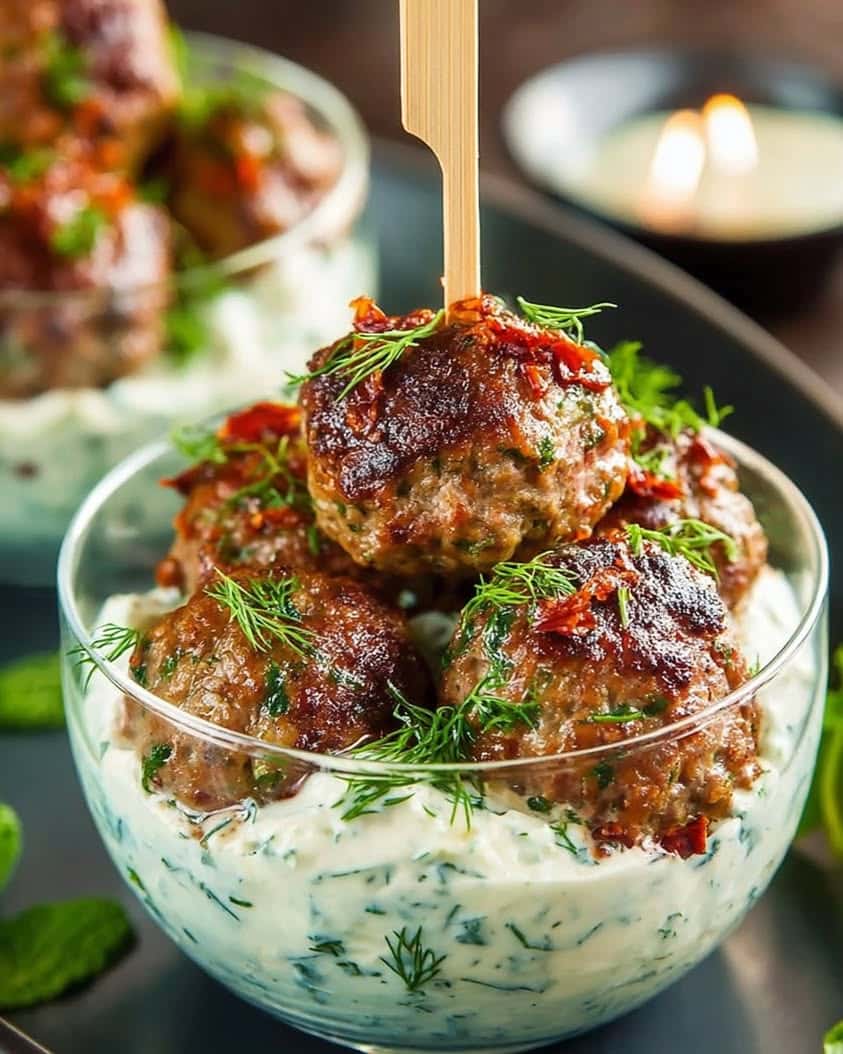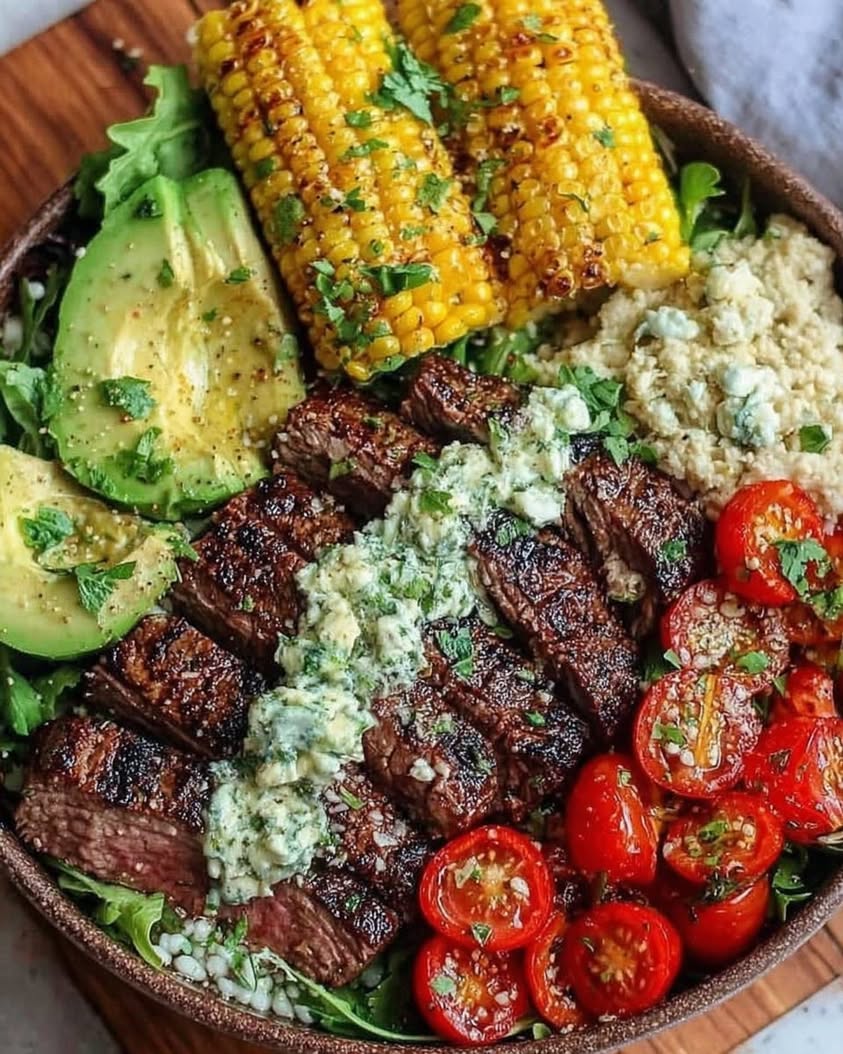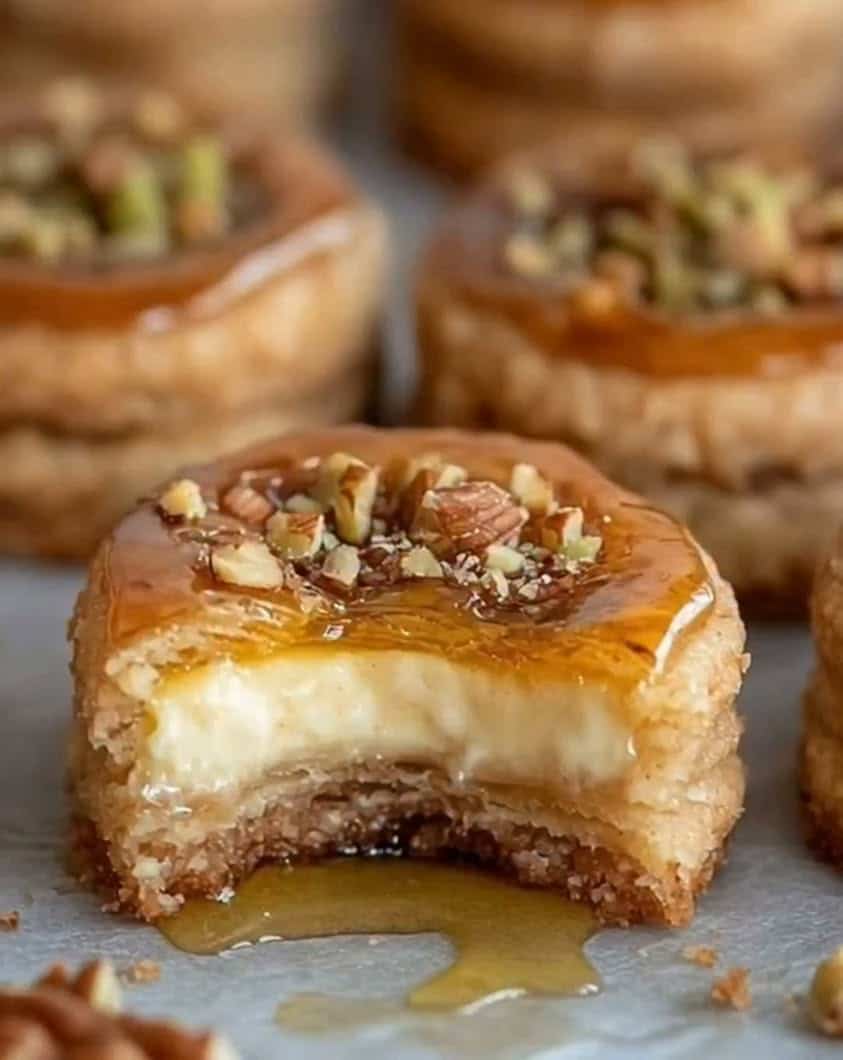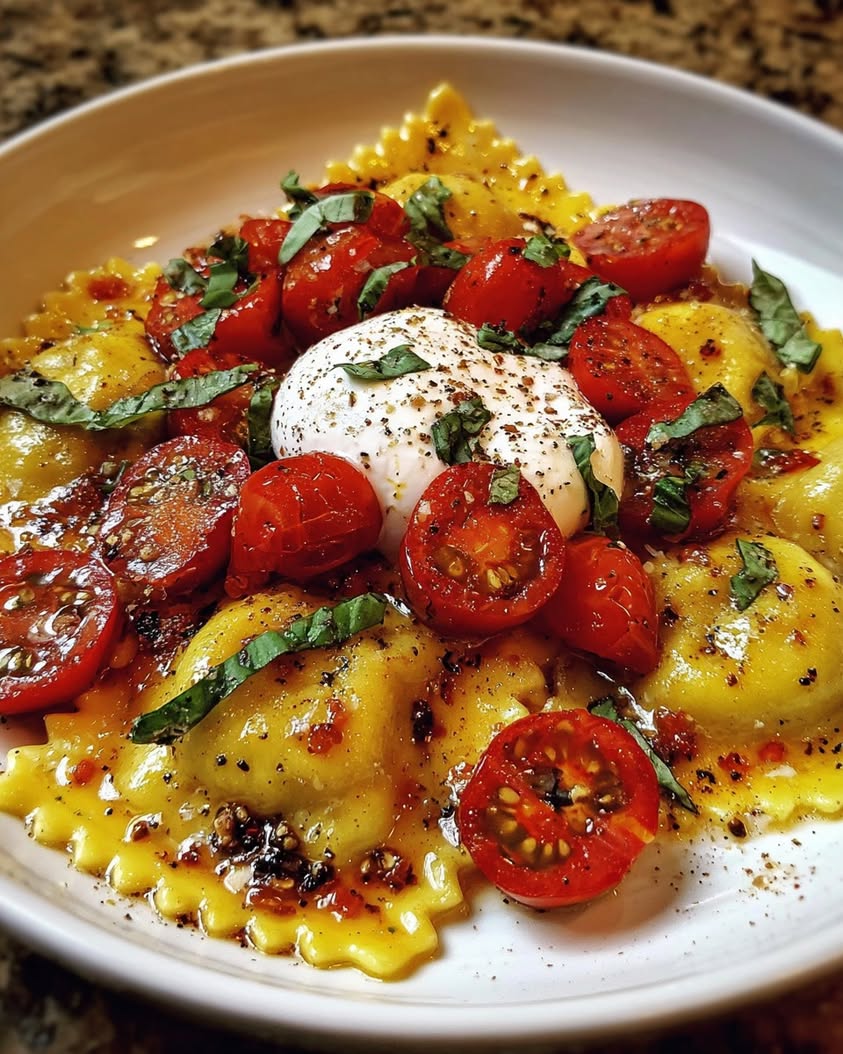
Mediterranean Veggie Stack with Feta and Orange Honey: A Vibrant Layered Lunch
Imagine a plate where roasted eggplant, bell peppers, and zucchini stack high, each layer basted in a sweet and tangy orange honey glaze. This Mediterranean Veggie Stack with Feta and Orange Honey delivers exactly that experience. It transforms simple produce into a stunning main dish that works for a light dinner, a fancy brunch, or a healthy meal prep option. The combination of smoky vegetables, creamy feta cheese, and citrusy honey creates a flavor profile that feels both familiar and refreshingly new. You will find that this recipe balances savory and sweet elements without overwhelming your palate, making it a crowd-pleaser for vegetarians and meat-eaters alike.
When you cut into this Mediterranean Veggie Stack, the layers hold their shape beautifully, offering a satisfying bite every time. The orange honey drizzle seeps into the warm vegetables, adding a glossy finish and a bright finish. Feta cheese crumbles add a salty, tangy contrast that cuts through the sweetness. This dish celebrates the best of Mediterranean cooking, where fresh ingredients shine with minimal fuss. Because it requires only 15 minutes of active prep and 25 minutes of oven time, you can pull it together on a busy weeknight. The vibrant colors also make it an impressive centerpiece for entertaining, giving you that restaurant-quality look at home.
Beyond its visual appeal, this Mediterranean Veggie Stack with Feta and Orange Honey offers a smart way to eat more vegetables. You get fiber, vitamins, and antioxidants from the mixed produce, plus protein and calcium from the feta. The honey and orange juice provide natural sweetness without refined sugar. Whether you serve it as a main course with crusty bread or as a side dish alongside grilled chicken, this recipe adapts to your needs. It also stores well, so you can enjoy leftovers for lunch the next day. Let us dive into the details so you can build your own stack tonight.
Quick Recipe Highlights
- Flavor Profile: You get a balance of smoky roasted vegetables, tangy feta, and sweet orange honey. The honey glaze adds a floral note that complements the earthiness of eggplant and zucchini. Each bite offers a new layer of flavor without any single element dominating.
- Texture: The vegetables become tender with slightly caramelized edges, while the feta stays creamy and crumbly. The honey drizzle creates a sticky, luxurious coating that adds a bit of chew. This contrast makes every forkful interesting.
- Aroma: Roasting vegetables fills your kitchen with a warm, savory scent. When you add the orange honey glaze, you get a bright citrus note that cuts through the richness. The combination feels like a sunny Mediterranean afternoon.
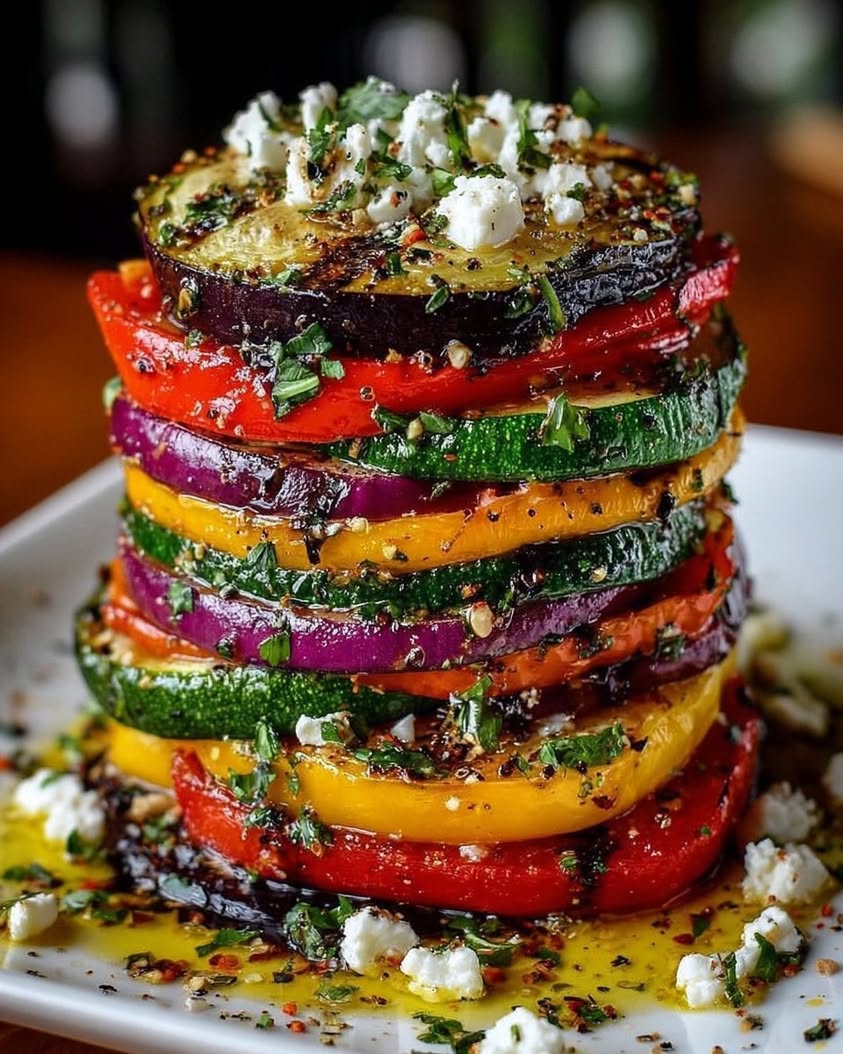
- Visual Appeal: The stack features deep purple eggplant, bright red bell pepper, and green zucchini layered in a neat tower. White feta crumbles and golden honey drizzle create a striking presentation. It looks impressive enough for a dinner party.
- Skill Level Needed: This recipe requires basic knife skills for slicing vegetables evenly. You do not need any advanced techniques, so it suits beginners. The oven does most of the work.
- Special Equipment: You need a baking sheet lined with parchment paper and a small saucepan for the honey glaze. A sharp chef knife helps you cut uniform rounds. No mandoline or specialty tools are necessary.
Recipe Overview
- Difficulty Level: I rate this recipe as easy because it involves simple steps like slicing, roasting, and assembling. You do not need to monitor a stove or worry about timing. Even novice cooks can achieve great results on their first try.
- Category: This dish works as a main course for lunch or a light dinner. It also fits into appetizer or side dish categories if you serve smaller portions. You can even present it as a vegetarian main for holiday gatherings.
- Cuisine: The recipe draws heavily from Greek and Lebanese culinary traditions. You see influences in the use of eggplant, bell peppers, and feta cheese. The honey and orange glaze adds a North African touch that brightens the whole dish.
- Cost: This Mediterranean Veggie Stack with Feta and Orange Honey costs about 8 to 12 dollars for four servings. Eggplant, zucchini, and bell peppers are inexpensive year-round. Feta cheese and honey are the priciest items, but a little goes a long way.
- Season: You can make this recipe any time of year, but it shines in late summer when zucchini and bell peppers are at their peak. The bright flavors also offer a welcome lift during winter months. Orange honey works perfectly in spring as well.
- Occasion: This dish suits casual weeknight dinners as well as special occasions like brunches or vegetarian feasts. Its elegant presentation makes it a hit at potlucks. You can also prep components ahead for effortless entertaining.
Why You Will Love This Recipe
The taste and texture of this Mediterranean Veggie Stack with Feta and Orange Honey deliver a sensory experience that keeps you coming back. You get the smoky depth of roasted eggplant, the sweetness of caramelized bell peppers, and the slight crunch of zucchini. The feta cheese adds a creamy, salty punch that balances the honey glaze perfectly. Each layer offers a different sensation, so you never get bored. The orange honey drizzle ties everything together with a sticky, citrusy finish that lingers pleasantly. You will find that the combination feels both indulgent and light at the same time.
Convenience and preparation benefits make this recipe a weeknight winner. You only need 15 minutes to slice the vegetables and whisk the glaze. The oven handles the roasting, freeing you to prepare a side or set the table. Assembly takes just two minutes once the vegetables cool slightly. Cleanup is minimal because you use one baking sheet and one saucepan. This recipe also scales easily if you need to feed a crowd. You can double the vegetables and roast them on two baking sheets without adjusting the cooking time. Leftovers reheat beautifully in the oven or microwave.
Nutritional advantages also make this dish a smart choice for healthy eating. Each serving provides about 8 grams of fiber from the vegetables, which supports digestion and fullness. Feta cheese delivers protein and calcium without the high fat content of other cheeses. The honey and orange juice offer natural sugars that satisfy sweet cravings without processed ingredients. You get vitamin C from the bell peppers and orange juice, plus antioxidants from the eggplant skins. This meal fits well into a Mediterranean diet, which studies link to heart health and longevity.
Social and entertaining value sets this recipe apart from ordinary vegetable dishes. When you present a stack of colorful vegetables drizzled with glossy honey, guests feel impressed by the effort. You can prepare the components ahead and assemble just before serving, which reduces stress on the day of your event. The recipe also works beautifully for catering because it holds its shape on a buffet table. You can pair it with hummus, pita bread, or a simple green salad for a complete meal. Friends will ask for the recipe after the first bite.
Cost-effectiveness and accessibility make this recipe practical for any budget. Eggplant, zucchini, and bell peppers rank among the most affordable fresh vegetables, especially during summer. A block of feta cheese costs about 4 dollars and lasts for multiple uses. Honey and oranges are pantry staples that you likely already have. You can also substitute ingredients based on what you find at the market. For instance, yellow squash works in place of zucchini, and goat cheese replaces feta nicely. This flexibility means you can make the dish year-round without breaking the bank.
Historical Background and Cultural Significance
The origins of this layered vegetable concept trace back to the eastern Mediterranean region, where cooks have stacked vegetables for centuries. In Greece, you see similar preparations like briam, a dish of roasted eggplant, zucchini, and tomatoes layered with herbs and olive oil. Turkish cuisine features imam bayildi, which involves stuffing eggplant with onions and tomatoes. These traditions emphasize using local produce at its peak. The Mediterranean Veggie Stack with Feta and Orange Honey builds on this heritage by adding a sweet-savory glaze that reflects North African influences. Honey has been a staple in Mediterranean cooking since ancient times, used both as a sweetener and a preservative.
Cultural importance of this recipe lies in its representation of the Mediterranean diet, which UNESCO recognizes as an intangible cultural heritage. The diet emphasizes plant-based ingredients, healthy fats, and communal eating. This dish embodies those principles by centering vegetables and cheese while using olive oil and honey as key flavorings. In many Mediterranean households, meals revolve around what is available from gardens or local markets. Stacking vegetables also reflects a practical approach to cooking, where you use every piece of produce efficiently. The feta cheese adds a touch of luxury that makes the dish feel celebratory.
Evolution of the recipe over time shows how cooks adapt traditions to modern tastes. Originally, Mediterranean vegetable dishes were often braised or stewed for hours to concentrate flavors. Roasting became popular with the advent of ovens and faster cooking methods. The addition of a honey glaze likely came from cross-cultural exchange with North African cuisines that use honey in savory dishes. This recipe also reflects a modern preference for visually striking plates that photograph well. You see chefs and home cooks alike embracing the tower structure because it elevates simple ingredients into something special.
Regional variations of layered vegetable dishes abound across the Mediterranean. In Lebanon, you might find batata harra, which combines potatoes with cilantro and chili peppers. In Italy, eggplant parmesan layers fried eggplant with tomato sauce and cheese. The Greek version often includes oregano and mint for herbal freshness. This recipe draws from multiple traditions by using a mix of vegetables common in Greek cooking while adding a honey element reminiscent of Moroccan dishes. You can adapt the spice profile easily, adding zaatar or sumac for a different regional twist. The underlying technique remains the same: roast vegetables, layer them, and finish with a flavorful drizzle.
Ingredient Deep Dive
Eggplant is the star of this Mediterranean Veggie Stack with Feta and Orange Honey, and it has a long history in Mediterranean cooking. This purple vegetable originated in India and spread to the Middle East and Europe over a thousand years ago. In Greek and Turkish cuisines, eggplant appears in dishes like moussaka and baba ganoush. Nutritionally, eggplant is low in calories but high in fiber and antioxidants like nasunin, which supports brain health. When selecting eggplants, look for firm, glossy skin with no soft spots. Store them at room temperature for up to three days or in the refrigerator for a week. If you need a substitute, you can use portobello mushrooms or large zucchini rounds for a similar texture.
Bell peppers add sweetness and color to the stack, and they come from the Americas originally. Spanish explorers brought peppers to Europe, where they became integral to Mediterranean cooking. Bell peppers are rich in vitamin C, providing over 100 percent of your daily needs per serving. They also contain beta-carotene and capsaicin, which support immune function and reduce inflammation. For this recipe, choose peppers that feel heavy for their size with smooth, taut skin. Store them in the refrigerator crisper drawer for up to two weeks. If you do not have bell peppers, you can use poblano peppers for a milder heat or roasted red peppers from a jar for convenience.
Zucchini brings a tender texture that balances the other vegetables, and it belongs to the summer squash family. Zucchini originated in the Americas but Italian farmers developed the modern variety we know today. You get about 20 calories per cup, along with vitamin B6 and manganese. Zucchini also contains antioxidants like lutein and zeaxanthin, which support eye health. Look for zucchini that feels firm and has shiny skin without blemishes. Store them in the refrigerator for up to five days, but do not wash them until ready to use. Yellow squash or pattypan squash make excellent substitutes if zucchini is unavailable.
Feta cheese adds a tangy, salty element that contrasts with the sweet honey glaze. True feta comes from Greece and is made from sheep milk or a blend of sheep and goat milk. It has a Protected Designation of Origin status, meaning only cheese made in certain Greek regions can be called feta. Nutritionally, feta provides protein, calcium, and phosphorus while being lower in fat than many other cheeses. For this recipe, choose feta that is packed in brine for the best flavor and texture. Store opened feta in the brine in the refrigerator for up to two weeks. If you need a dairy-free option, you can use marinated tofu or a vegan feta made from cashews.
Orange juice and honey form the glaze that makes this dish special. Oranges originated in Southeast Asia and spread to the Mediterranean, where they became a symbol of wealth and health. Honey has been used since ancient times for its sweetness and antibacterial properties. This combination provides vitamin C and natural sugars without processed ingredients. For the best flavor, use freshly squeezed orange juice and a high-quality honey like wildflower or orange blossom. Store orange juice in the refrigerator for up to three days, and keep honey in a cool, dark place for years. If you need a low-sugar option, you can use a sugar-free syrup or reduce the honey and add extra orange juice.
Common Mistakes to Avoid
- You might slice the vegetables unevenly, which causes some pieces to overcook while others remain undercooked. Aim for rounds that are about half an inch thick for consistent roasting. Use a sharp knife to get clean, even cuts.
- You could forget to salt the eggplant before cooking, which leads to a bitter taste. Eggplant contains natural compounds that can taste bitter, and salting draws out excess moisture and bitterness. Let the salted slices sit for 15 minutes, then pat them dry.
- You might overcrowd the baking sheet, which steams the vegetables instead of roasting them. Arrange the slices in a single layer with space between each piece. Use two baking sheets if necessary to ensure even browning.
- You could skip the parchment paper, causing the honey glaze to stick and burn onto the pan. Line your baking sheet with parchment for easy cleanup. The glaze caramelizes nicely without sticking.
- You might drench the vegetables in honey glaze before roasting, which results in a soggy texture. Instead, brush the glaze lightly on both sides of each slice. Reserve extra glaze for drizzling after assembly.
- You could overcook the feta cheese by adding it too early in the process. Feta dries out quickly in the oven, so add it only during the last two minutes of roasting. This keeps it creamy instead of rubbery.
- You might stack the vegetables while they are still hot, which causes the layers to slide apart. Let the roasted vegetables cool for five minutes before assembling. This gives them enough structure to hold the stack.
- You could serve the stacks immediately without resting, which makes them difficult to cut cleanly. Allow the assembled stacks to rest for a minute or two so the flavors meld. The stack will also hold its shape better.
- You might use too much honey glaze, making the dish overly sweet. Start with a light brushing and adjust after tasting. The goal is a subtle sweetness that complements the vegetables.
- You could skip preheating the oven, leading to uneven cooking. Always preheat your oven to 400 degrees Fahrenheit for best results. This ensures the vegetables caramelize properly and cook through evenly.
Essential Techniques
Salting eggplant is a crucial step that transforms its texture and flavor. When you slice the eggplant and sprinkle it with salt, you draw out moisture that otherwise makes the vegetable soggy during roasting. This process also reduces bitterness by removing compounds called solanine. To master this technique, cut the eggplant into rounds about half an inch thick. Lay them on a paper towel-lined baking sheet, sprinkle both sides with salt, and let them rest for 15 minutes. You will see beads of moisture form on the surface. Pat the slices dry with clean paper towels before proceeding. This extra step ensures your Mediterranean Veggie Stack has a firm, meaty texture instead of a limp one.
Roasting vegetables at the right temperature is essential for achieving caramelization without burning. Set your oven to 400 degrees Fahrenheit, which gives enough heat to brown the natural sugars in the vegetables. Arrange the slices in a single layer, leaving space between each piece so hot air circulates properly. Roast for 15 minutes, then flip each slice and brush with the honey glaze. Continue roasting for another 8 to 10 minutes until the edges are golden and the centers are tender. Look for a light golden color and a glossy sheen from the glaze. Overcooking leads to mushy stacks, so watch carefully during the final minutes.
Creating a stable stack requires attention to the order of layers and the resting time. Start with the widest, sturdiest slices at the bottom, such as large bell pepper or zucchini rounds. Place eggplant slices in the middle for a meaty texture, and top with smaller slices for a balanced look. Press each layer gently to encourage adhesion without squashing the vegetables. After building the stack, let it rest for one to two minutes at room temperature. This brief rest allows the honey glaze to set slightly and the layers to bond. You will find that the stack cuts cleanly with a sharp knife when you follow this technique.
Pro Tips for Perfect Mediterranean Veggie Stack
- For the best flavor, use freshly squeezed orange juice instead of bottled juice. Bottled juice often contains preservatives that alter the taste. The fresh version adds a bright, authentic citrus note to your glaze.
- Cut all vegetables to the same thickness to ensure even cooking. Use a ruler or a mandoline for precision if you want professional results. Uniform slices also make the stack look more polished.
- Do not skip the step of drying the salted eggplant thoroughly. Excess moisture dilutes the glaze and leads to steaming rather than roasting. Pat each slice with a clean kitchen towel before adding the glaze.
- Experiment with different herbs to complement the honey glaze. Fresh thyme or oregano adds an earthy note that balances the sweetness. Sprinkle them over the stacks just before serving for a pop of color and flavor.
- If you want extra crunch, add a layer of toasted pine nuts or sliced almonds between the vegetable layers. The nuts provide a textural contrast that elevates the dish. Toast them in a dry skillet for two minutes before adding.
- Serve the stacks on a bed of arugula or mixed greens to add freshness and color. Drizzle a little extra honey glaze over the greens for a cohesive dressing. This turns the dish into a complete salad meal.
Variations and Adaptations
Regional variations can transform this Mediterranean Veggie Stack with Feta and Orange Honey into something entirely different. For a Greek twist, add crumbled oregano and mint to the honey glaze, then top with Kalamata olives. For a Moroccan version, mix cinnamon and cumin into the glaze and add a sprinkle of sesame seeds after roasting. You can also incorporate zaatar, a Middle Eastern spice blend, for a tangy, herbal note. Each regional adaptation changes the flavor profile while keeping the same base technique. Feel free to experiment based on your pantry or the cuisine you crave that week.
Seasonal adaptations allow you to make this dish year-round with locally available produce. In spring, swap zucchini for asparagus spears and add fresh peas between the layers. In fall, use butternut squash and sweet potatoes instead of bell peppers, and replace the orange honey with a maple tahini glaze. Winter calls for hearty ingredients like roasted cauliflower steaks and leeks. The honey and orange combination works well with almost any vegetable, so you can adapt based on what looks freshest at the market. Seasonal versions also keep the recipe interesting throughout the year.
Dietary modifications make this dish accessible for various eating preferences. To make it dairy-free, substitute feta with marinated tofu or a cashew-based vegan cheese. Slice the tofu into rounds and marinate it in lemon juice and salt for 10 minutes before roasting. For a vegan version, use the dairy-free feta option and ensure your honey is substituted with agave or maple syrup. The result remains equally delicious and satisfying. If you follow a low-fat diet, you can omit the olive oil and use vegetable broth for brushing the vegetables instead. The honey glaze already adds plenty of flavor without extra oil.
Flavor variations let you customize the sweetness and spice level of the glaze. Add a teaspoon of harissa paste for a smoky heat that complements the honey. Alternatively, use a tablespoon of pomegranate molasses in place of half the honey for a tangy, fruity note. For a brighter flavor, mix in grated ginger or a pinch of saffron threads. You can also experiment with different citrus fruits like lemon or lime for a sharper taste. Each variation creates a unique version of the Mediterranean Veggie Stack that you can tailor to your mood.
Texture modifications offer ways to add interest while keeping the core recipe intact. For a crispy top layer, sprinkle panko breadcrumbs over the stack before the final two minutes of roasting. The breadcrumbs brown and add a satisfying crunch. For a creamier texture, dollop a spoonful of thick Greek yogurt on top of the stack before serving. You can also add roasted chickpeas between the layers for a protein boost and crunchy contrast. These small changes can turn the dish into a more substantial meal.
Presentation alternatives let you serve the dish in different formats for various occasions. Instead of stacking, you can arrange the roasted vegetables in a single layer on a platter and drizzle the honey glaze over the top. This deconstructed version works well for potlucks or buffets. For individual servings, use a ring mold to shape the stack neatly on each plate. You can also serve the vegetables as a warm salad by chopping them into bite-sized pieces and tossing with the glaze and feta. Each presentation style keeps the same great flavors.
Serving and Presentation Guide
Plating techniques can elevate your Mediterranean Veggie Stack from a simple dinner to a restaurant-quality dish. Start with a warm plate to help the stack hold its temperature longer. Place a dollop of hummus or tzatziki in the center of the plate to anchor the stack and add a creamy element. Gently transfer the assembled stack using a wide spatula, positioning it slightly off-center for a modern look. Surround the stack with a drizzle of extra honey glaze and a handful of fresh herbs. This presentation creates a beautiful contrast of colors and textures that impresses guests.
Garnishing ideas can add freshness and visual appeal to the finished dish. Sprinkle crumbled feta over the top, using a fork to create a rustic, crumbly texture. Add a few fresh mint or basil leaves for a pop of green that brightens the plate. For a touch of elegance, place edible flowers like nasturtiums or chive blossoms around the stack. A light dusting of smoked paprika or sumac provides a warm color and a hint of spice. Avoid over-garnishing, as the stack itself should remain the star.
Traditional accompaniments for this Mediterranean Veggie Stack include warm pita bread, hummus, or a side of tabbouleh. The stack also pairs beautifully with a simple lemon-dressed arugula salad for a complete meal. In Greece, you might serve it alongside roasted potatoes or rice pilaf. For a lighter option, offer a cucumber and tomato salad with olive oil and vinegar. These sides complement the sweet and savory flavors without overwhelming them. You can also serve the stack as a side dish itself alongside grilled lamb or fish.
Modern serving suggestions allow you to adapt the dish for contemporary dining trends. Serve the stack as a main course for a plant-based dinner party, paired with a glass of Sauvignon Blanc. For a brunch setting, present the stack on a bed of scrambled eggs or alongside a frittata. You can also use the vegetables as a filling for a wrap or pita sandwich, making it a portable lunch option. The honey glaze doubles as a sandwich spread when you want an extra burst of flavor.
Temperature considerations are important for the best eating experience. Serve the stacks warm, not hot, so the flavors have time to meld. If you prepare the vegetables ahead, reheat them in a 350 degree oven for five minutes before assembling. The feta should remain cool and creamy, so add it after reheating if possible. For a cold version, chill the roasted vegetables completely and serve them with a cold drizzle of honey glaze and room-temperature feta. This works well for summer picnics or meal prep lunches.
Portion control tips help you serve the right amount for each person. One stack made from three to four vegetable layers plus feta is usually enough for a main course for one adult. If serving as a side, half a stack per person works well. For a buffet, cut each stack into halves or quarters and arrange them on a platter. You can also use smaller vegetable rounds to create mini stacks for appetizers. These bite-sized versions are perfect for parties and sampling multiple flavors.
Wine and Beverage Pairing
Wine pairings for this Mediterranean Veggie Stack with Feta and Orange Honey should complement both the sweetness of the glaze and the earthiness of the vegetables. A crisp Sauvignon Blanc works well because its acidity cuts through the sweetness of the honey and refreshes the palate. For those who prefer red wine, a light Garnacha or Beaujolais offers fruitiness without overwhelming the dish. You can also try a dry Riesling, which balances the citrus notes with its own floral character. Serve all wines slightly chilled, around 50 to 55 degrees Fahrenheit, to enhance their refreshing qualities.
Non-alcoholic alternatives include sparkling water with a slice of lemon or orange to echo the citrus notes in the glaze. A chilled hibiscus iced tea provides a tart, floral element that pairs nicely with the feta and honey. For a more substantial drink, try a homemade lemonade sweetened with honey instead of sugar. Mint tea, served cold, also works because its herbal freshness cleanses the palate between bites. These options make the dish accessible to all guests regardless of alcohol preferences.
Coffee and tea pairings can work if you serve this dish for brunch or a light evening meal. A lightly roasted Ethiopian coffee with floral notes complements the orange honey without competing with it. For tea, a chamomile or jasmine green tea offers a gentle, aromatic pairing that soothes the palate. Avoid strongly flavored teas like chai, as the spices can overwhelm the dish. Serve these beverages at room temperature or warm to align with the comforting nature of the stacks.
Temperature considerations for beverages matter when serving this dish. Chill white wines and non-alcoholic drinks to between 45 and 50 degrees Fahrenheit for maximum refreshment. Red wines should be slightly cool, around 55 degrees, to avoid tasting too heavy. Hot beverages like coffee and tea should be served at a comfortable drinking temperature, around 140 degrees Fahrenheit. Proper temperatures ensure each sip enhances the eating experience.
Storage and Shelf Life
Storage methods for leftover stacks require careful handling to preserve texture and flavor. Place any uneaten stacks in an airtight container, layering paper towels between them to absorb excess moisture. Do not stack the stacks on top of each other, as the weight can cause them to break apart. Refrigerate the container promptly, and consume leftovers within three days for best quality. The honey glaze may separate slightly upon storage, but a quick reheat will re-emulsify it.
Temperature requirements for storage are standard refrigerator conditions between 35 and 40 degrees Fahrenheit. Do not leave the stacks at room temperature for more than two hours, as the vegetables and feta can spoil. If you plan to serve the dish later, keep the roasted vegetables separate from the feta and honey glaze until just before serving. This prevents the feta from becoming soggy and the glaze from pooling. Always bring refrigerated stacks to room temperature for 15 minutes before reheating to ensure even warming.
Container recommendations include glass or ceramic containers with tight-fitting lids. Plastic containers can absorb the honey glaze scent and may stain over time. Use a shallow container so the stacks sit in a single layer without being crushed. If you need to store the components separately, use small containers for the honey glaze and feta. Label each container with the date so you know how long they have been stored. Proper containers keep the flavors fresh and prevent cross-contamination.
Signs of spoilage to watch for include a sour smell coming from the feta or a slimy texture on the vegetables. If the honey glaze develops visible mold or an off odor, discard it immediately. The vegetables should remain firm and not mushy when spoiled. Any discoloration beyond normal roasting browning indicates spoilage. When in doubt, throw it out to avoid foodborne illness.
Reheating instructions for the stacks are simple and effective. Place the stacks on a baking sheet and warm them in a 350 degree oven for eight to ten minutes. This method restores the roasted texture without making the vegetables soggy. You can also reheat individual stacks in a toaster oven for five minutes. Avoid using the microwave, as it will make the feta rubbery and the vegetables watery. After reheating, give the stacks a fresh drizzle of honey glaze and a sprinkle of feta for best results.
Freezing guidelines are not recommended for this recipe because the texture of the vegetables changes significantly upon thawing. The zucchini and bell peppers become watery, and the feta turns crumbly and dry. If you have leftover vegetables that have not been assembled, you can freeze them in a single layer on a baking sheet and transfer them to a freezer bag for up to three months. Use these frozen vegetables in soups or stews rather than attempting to restack them. For best quality, enjoy the stacks fresh or within a few days of preparation.
Make Ahead Strategies
Prep timeline for this recipe allows you to break tasks into manageable steps. Up to three days ahead, you can slice the vegetables and store them in the refrigerator in separate containers lined with paper towels. Do not salt the eggplant until the day you plan to cook it, as salting draws out moisture that can make the slices soggy over time. The honey glaze can be made up to a week in advance and stored in an airtight jar in the refrigerator. These steps reduce your active time on serving day to just roasting and assembly.
Storage between steps requires attention to keep the components fresh. Once you roast the vegetables, let them cool completely before storing them in an airtight container. Add a layer of parchment paper between each slice to prevent them from sticking together. Store the roasted vegetables in the refrigerator for up to two days. The feta cheese should be kept in its brine or in a sealed container with a damp paper towel to maintain its texture. Do not assemble the stacks until you are ready to serve, as the layers lose their structure over time.
Quality impact assessment shows that make-ahead preparation can save time without sacrificing flavor. The honey glaze actually improves as it sits, allowing the flavors to meld and deepen. Roasted vegetables retain their texture well for up to two days, though they may lose some crispness. The feta remains creamy if stored properly. Overall, the dish tastes nearly as good prepared a day in advance as it does fresh. The key is to assemble and glaze the stacks just before serving for the best presentation and texture.
Assembly tips for make-ahead success focus on last-minute details. Remove the roasted vegetables from the refrigerator 15 minutes before assembly so they come to room temperature. This prevents the stacks from being cold in the center when served. Warm the honey glaze gently on the stove or in the microwave for 10 seconds to thin it out. Use a light hand when brushing the glaze onto each layer, as the vegetables already have their own oils. This approach ensures a glossy, professional finish without making the stacks too wet.
Reheating guidelines for pre-roasted vegetables differ slightly from reheating assembled stacks. Place the roasted vegetables on a baking sheet and warm them in a 350 degree oven for five to seven minutes. Flip them halfway through for even heating. Once warm, proceed with assembly and glazing as usual. If you have already assembled the stacks, reheat them whole for eight to ten minutes. The stacks hold up well to this reheat because the honey glaze acts as a sealant that keeps them intact.
Fresh element additions at the last minute enhance the final dish. Sprinkle a handful of fresh herbs like mint, basil, or parsley over the stacks just before serving. A squeeze of fresh lemon juice brightens the flavors and cuts through the honey sweetness. You can also add a few toasted pine nuts or pomegranate seeds for a pop of color and texture. These fresh touches make the dish feel vibrant even if the core components were prepared ahead. Guests will not know you saved time by prepping earlier.
Scaling Instructions
Halving the recipe is straightforward and requires only basic adjustments. Use one medium eggplant, one bell pepper, and one zucchini instead of two each. Halve the honey and orange juice quantities as well, using two tablespoons of honey and one tablespoon of orange juice. The cooking time remains the same because the slices are still the same thickness. You will need only one baking sheet, and the stacks will be smaller, serving two people. Halving works well for a smaller household or a light lunch.
Doubling or tripling the recipe requires extra equipment and attention to timing. Use two or three baking sheets and rotate them halfway through roasting for even cooking. If your oven has hot spots, swap the sheets between racks after 10 minutes. You may need to increase the roasting time by two to three minutes because the oven temperature drops slightly with more food. The honey glaze doubles or triples easily, and you can store the extra glaze for other uses. This version yields 8 to 12 servings, perfect for a dinner party or a large family gathering.
Equipment adjustments for larger batches ensure consistent results. Use half-sheet pans instead of quarter-sheet pans to fit more slices in a single layer. If you do not have enough baking sheets, roast the vegetables in batches, keeping the prepared slices warm in a 200 degree oven. A large saucepan or skillet works for making the glaze in larger quantities. You might also need extra mixing bowls for salting the eggplant in batches. Plan for extra prep time when scaling up, as slicing and salting take longer with more produce.
Tim Print
Mediterranean Veggie Stack with Feta & Orange Honey
- Total Time: 40 minutes
- Yield: 2
Description
A vibrant and healthy stack of roasted Mediterranean vegetables topped with creamy feta and a sweet-tangy orange honey glaze, perfect for a light main or impressive side dish.
Ingredients
- 1 large eggplant, sliced into 1/2-inch rounds
- 2 zucchinis, sliced lengthwise
- 1 red bell pepper, sliced into rings
- 1/2 cup olive oil
- 2 cloves garlic, minced
- 1 teaspoon dried oregano
- 1/2 teaspoon salt
- 1/4 teaspoon black pepper
- 4 ounces feta cheese, crumbled
- 1/4 cup honey
- Juice of 1 orange
- 1 teaspoon orange zest
- Optional: fresh parsley for garnish
Instructions
- Preheat oven to 400°F (200°C).
- In a small bowl, whisk together olive oil, minced garlic, oregano, salt, and pepper.
- Arrange eggplant, zucchini, and bell pepper slices on a baking sheet lined with parchment paper. Brush both sides of each slice with the seasoned olive oil.
- Roast for 20 minutes, flipping halfway through, until vegetables are tender and lightly charred.
- While vegetables roast, make the orange honey: In a small saucepan, combine honey, orange juice, and orange zest. Heat over medium-low for 3-4 minutes until slightly thickened, stirring occasionally. Remove from heat.
- To assemble, stack roasted vegetables on a plate: start with an eggplant slice, top with zucchini, then bell pepper. Repeat layers. Sprinkle crumbled feta on top.
- Drizzle the orange honey over the stack. Garnish with fresh parsley if desired.
- Serve warm or at room temperature.
Notes
You can customize the seasonings to taste. For extra flavor, add a pinch of red pepper flakes or cumin. This dish pairs well with a side of quinoa or crusty bread.
- Prep Time: 15 minutes
- Cook Time: 25 minutes
- Method: Main
- Cuisine: Mediterranean