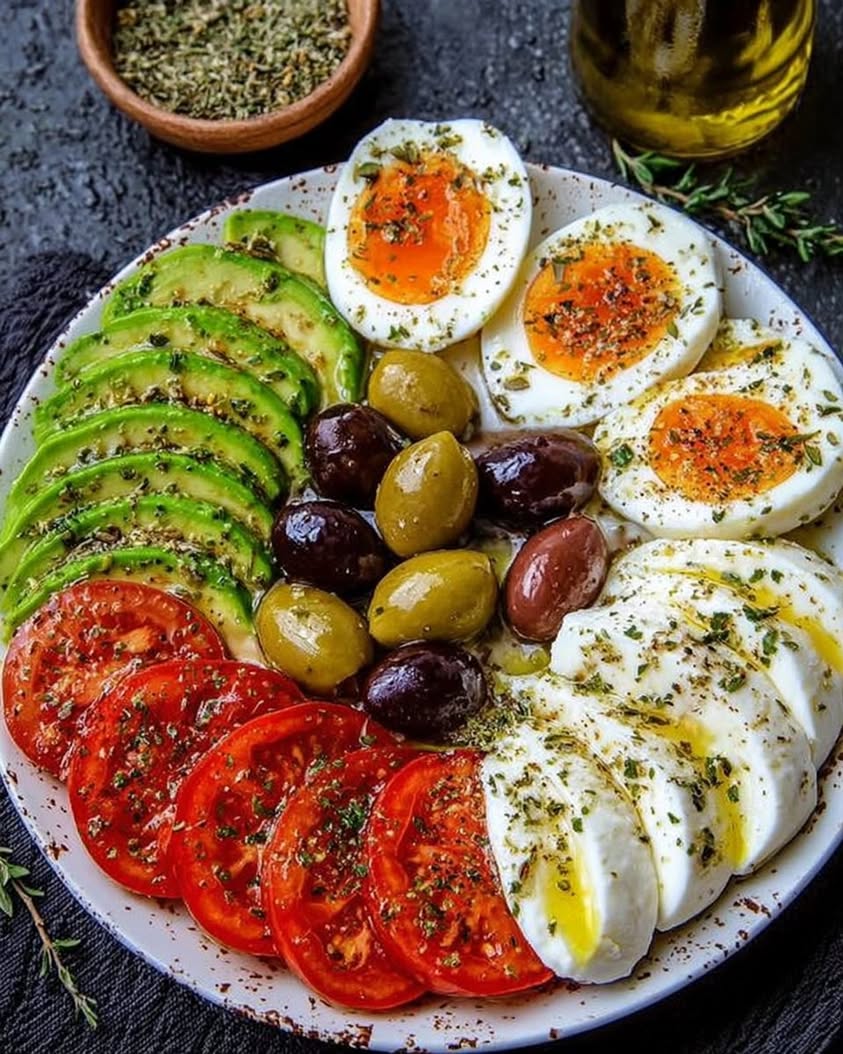
The Ultimate Mediterranean Protein Plate Recipe for Healthy Meal Prep
You deserve a meal that fuels your body and excites your taste buds, and the ultimate Mediterranean protein plate is exactly that. This dish combines lean grilled chicken, creamy hummus, tangy feta, and fresh vegetables into a single, satisfying bowl. As a result, you get a balanced meal that keeps you full for hours without feeling heavy. The key to this recipe lies in its simplicity, as every ingredient brings a distinct flavor that works in perfect harmony. Whether you are new to Mediterranean cooking or a seasoned fan, this plate delivers on taste, nutrition, and convenience. You will love how quickly it comes together for busy weeknights or weekend meal prep sessions. The vibrant colors and bold aromas will make your kitchen feel like a cozy Greek taverna. Moreover, this plate is highly customizable, so you can swap proteins or vegetables based on what you have on hand. Your family will appreciate the fresh, wholesome ingredients, and you will appreciate the minimal cleanup. Ultimately, this Mediterranean protein plate recipe for healthy meal prep is your ticket to eating well every single day.
Think about the last time you ordered a Mediterranean platter at a restaurant and wished you could recreate it at home. Now you can, and it is easier than you imagine. The beauty of this dish is that it relies on simple cooking techniques like grilling and roasting, which bring out the natural sweetness of the vegetables and the juiciness of the chicken. You will smell the smoked paprika and garlic as they hit the hot pan, immediately transporting you to a coastal market. The creamy hummus provides a cool, velvety contrast to the warm, spiced chicken, while the briny kalamata olives add a pop of saltiness. Each bite offers a new combination of textures and flavors, from the crunch of cucumber to the softness of roasted red peppers. As you prepare this plate, you will notice how the ingredients layer on top of each other, creating a dish that is greater than the sum of its parts. This recipe is designed for real life, meaning you can make it ahead of time and enjoy it for days. It also makes an excellent impression when you have guests over, because the presentation is stunning with minimal effort. In short, this Mediterranean protein plate recipe for healthy meal prep will become a staple in your weekly rotation.
The nutritional profile of this plate is nothing short of impressive, as it packs over 30 grams of protein per serving along with healthy fats and fiber. This combination stabilizes your blood sugar and keeps cravings at bay, which is why it works so well for weight management. You will also get a generous dose of vitamins A, C, and K from the fresh vegetables, plus antioxidants from the olives and olive oil. The Mediterranean diet is widely celebrated for its heart-healthy benefits, and this plate embodies that philosophy perfectly. By choosing whole foods like lean protein, legumes, and vegetables, you nourish your body on a cellular level. Additionally, this recipe is naturally gluten-free and can be adapted for dairy-free or vegan diets with simple swaps. The portion sizes are generous yet controlled, making it easy to stay on track with your goals. You will feel energized after eating this meal, not sluggish, because there are no processed ingredients or hidden sugars. It is a true win-win for your health and your palate. For all these reasons, this Mediterranean protein plate recipe for healthy meal prep deserves a permanent spot in your kitchen repertoire.
Quick Recipe Highlights
- Flavor Profile: This plate offers a bright, savory experience with notes of lemon, garlic, and herbs. The chicken is seasoned with oregano and smoked paprika, while the hummus adds a nutty, earthy undertone. A drizzle of balsamic glaze ties everything together with a touch of sweetness.
- Texture: You will enjoy a delightful contrast between the tender, juicy chicken and the crisp, fresh vegetables. The hummus is smooth and creamy, while the feta cheese crumbles into soft, salty bites. Olives provide a chewy pop, and the roasted peppers are silky and soft.
- Aroma: When you cook the chicken and vegetables, the kitchen fills with the warm, inviting scent of oregano, garlic, and roasting peppers. The hummus offers a subtle sesame fragrance, and the fresh herbs add a bright, green note. This combination creates an appetizing aroma that signals a delicious meal is ready.
- Visual Appeal: The plate is a visual feast with vibrant red tomatoes, green cucumbers, purple olives, and white feta cheese. The golden-brown chicken sits proudly in the center, surrounded by a rainbow of colorful components. A drizzle of olive oil adds a glossy finish that makes the dish look restaurant-quality.
- Skill Level Needed: This recipe is perfect for beginners, as it requires only basic knife skills and simple cooking methods. You do not need any advanced techniques like sous vide or tempering. By following the straightforward steps, anyone can achieve excellent results on the first try.
- Special Equipment: You will need a grill pan or a standard skillet, a baking sheet, and a sharp chef’s knife. A food processor is helpful if you make hummus from scratch, but store-bought hummus works perfectly. No other specialized tools are necessary.
Recipe Overview
- Difficulty Level: This recipe is rated as easy because the steps are straightforward and require no complex culinary skills. You simply season the protein, chop the vegetables, and assemble the plate. Even if you are a novice cook, you can manage these tasks with confidence. The timing is forgiving, and there are no tricky sauces or emulsions to prepare.
- Category: This dish falls into the main course category, but it also works beautifully as a hearty lunch or a post-workout meal. It is a complete meal on its own, so you do not need additional sides. You can also serve it as part of a larger buffet or mezze spread for entertaining.
- Cuisine: this dish draws inspiration from the coastal regions of Greece, Turkey, and Lebanon, where fresh produce and lean proteins are staples. The use of olive oil, lemon, garlic, and herbs reflects the core principles of Mediterranean cooking. This cuisine emphasizes balance, freshness, and simple preparations that let high-quality ingredients shine.
- Cost: The total cost for this recipe is moderate, with chicken breast being the most expensive component. However, you can reduce costs by using canned chickpeas and making hummus from scratch. Seasonal vegetables and store-brand olives also help keep the budget in check. Overall, this meal is more affordable than ordering similar platters from restaurants.
- Season: This plate is best enjoyed in the summer and early fall when tomatoes, cucumbers, and bell peppers are at their peak. During these months, the vegetables are sweeter, juicier, and more flavorful. Nonetheless, you can still make it year-round using greenhouse-grown produce and roasted red peppers from a jar.
- Occasion: This recipe is perfect for everyday meals, but it also shines at casual gatherings, picnics, and summer parties. It travels well and can be served at room temperature, which makes it ideal for potlucks. You can also prepare it for romantic dinners or family celebrations where you want to impress without stress.
Why You’ll Love This Recipe
You will love the taste and texture of this Mediterranean protein plate because it hits every note on the flavor spectrum. The savory, umami-rich chicken pairs beautifully with the creamy hummus and the briny olives. Meanwhile, the fresh cucumbers and tomatoes provide a cool, crisp contrast that keeps every bite interesting. The feta cheese adds a tangy, salty kick that elevates the entire dish. As a result, you get a meal that is both satisfying and exciting, never boring or one-dimensional. The combination of warm and cool elements also creates a dynamic eating experience that feels indulgent yet incredibly healthy. You will find yourself looking forward to lunch or dinner with this plate on the menu. Every forkful offers something different, which prevents palate fatigue and keeps you engaged. The flavors also meld together beautifully over time, so leftovers taste even better the next day. In short, this plate is a symphony of tastes and textures that will delight your senses from the first bite to the last.
Convenience is another major reason this recipe will become your go-to for busy weeks. The entire process takes about 40 minutes from start to finish, including prep and cooking. You can easily double the recipe and portion it out for four or five days of lunches. The ingredients are widely available at any grocery store, so you do not need to hunt for specialty items. Additionally, the cooking methods are straightforward, requiring minimal active time at the stove. While the chicken and vegetables roast in the oven, you can prepare the hummus or chop the fresh components. This efficient workflow means you spend less time in the kitchen and more time enjoying your day. Cleanup is also a breeze since you use only a few bowls and a single baking sheet. For meal prep enthusiasts, this recipe is a dream because it stores well and maintains its quality. You can assemble the plates in advance and simply grab one when hunger strikes. This level of convenience makes healthy eating realistic and sustainable.
The nutritional advantages of this Mediterranean protein plate are substantial and well-documented. Each serving provides a robust amount of lean protein from the chicken, which supports muscle repair and keeps you full. The healthy fats from olive oil, olives, and hummus promote heart health and aid in nutrient absorption. Additionally, the fiber from the vegetables and chickpeas supports digestive health and stabilizes blood sugar levels. This balanced macro profile helps you maintain energy throughout the day without crashes or cravings. The dish is also rich in antioxidants like lycopene from tomatoes and vitamin C from bell peppers. These compounds combat inflammation and support your immune system. Furthermore, the Mediterranean diet is consistently linked to lower rates of chronic disease and longer life expectancy. By incorporating this plate into your routine, you are making a positive investment in your long-term health. You can feel good about feeding this meal to your family, knowing it meets high nutritional standards.
This recipe also excels in its social and entertaining value, as it is a guaranteed crowd-pleaser. When you serve this plate at a gathering, guests will admire the beautiful presentation and fresh ingredients. It works well for casual get-togethers, as people can customize their plates with their preferred components. You can set up a DIY bar with all the elements and let everyone build their own creation. This interactive approach makes the meal more fun and memorable for your guests. Moreover, the dish is naturally impressive without requiring hours of labor or advanced cooking skills. Your friends and family will think you spent all day in the kitchen, but you will know the secret. The vibrant colors and enticing aromas will draw people to the table, sparking conversation and compliments. You can also pair it with crusty bread or pita chips for extra crunch. For all these reasons, this plate is perfect for everything from weeknight dinners to holiday brunches.
Finally, the cost-effectiveness and accessibility of this recipe make it a smart choice for any budget. Chicken breast is affordable, especially when bought in bulk or on sale, and it stretches nicely across multiple servings. Canned chickpeas and jarred olives are pantry staples that cost very little per serving. Fresh vegetables are inexpensive, particularly when you buy what is in season. You can also substitute ingredients based on what you have on hand, which reduces food waste. For example, you can use leftover roasted chicken or swap in grilled shrimp for variety. The hummus can be made from scratch using dried chickpeas for even greater savings. Additionally, this recipe helps you avoid pricey takeout or restaurant meals, saving you significant money over time. The ingredients are all available at standard supermarkets, so there is no need for specialty stores. This accessibility ensures that anyone, regardless of location or budget, can enjoy a delicious, healthy Mediterranean meal.
Historical Background and Cultural Significance
The origins of the Mediterranean protein plate are rooted in the ancient culinary traditions of the Mediterranean basin. For thousands of years, people in Greece, Turkey, and the Levant have combined legumes, grains, vegetables, and lean meats into nourishing meals. The concept of a composed plate, with various components arranged together, dates back to the meze culture of the Ottoman Empire. These small dishes were served as appetizers or light meals, encouraging communal eating and shared experiences. Over time, the meze evolved into larger platters that could serve as main courses. The emphasis on fresh, seasonal ingredients reflects the agricultural practices of the region, where olives, grapes, and wheat have been cultivated since antiquity. This historical foundation gives the modern protein plate a deep sense of authenticity and tradition. By preparing this dish, you are connecting with a legacy of mindful eating and culinary craftsmanship. The recipe has been passed down through generations, adapting to local tastes and available ingredients. Today, it stands as a testament to the enduring appeal of simple, wholesome food.
The cultural significance of this dish cannot be overstated, as it represents a way of life that prioritizes health, community, and pleasure. In Mediterranean cultures, meals are social events that bring families and friends together around the table. The sharing of food is an act of hospitality and love, and the protein plate embodies this spirit. Eating together fosters connection, conversation, and a sense of belonging. Moreover, the Mediterranean diet is recognized by UNESCO as an Intangible Cultural Heritage of Humanity. This designation highlights its importance as a cultural practice that promotes health and well-being. The ingredients used in this plate, such as olive oil and chickpeas, are symbols of the region’s agricultural bounty. They reflect a deep respect for the land and the seasons. By embracing this dish, you are participating in a rich cultural tradition that spans continents and centuries. You are also supporting sustainable eating practices that benefit both your body and the planet.
The evolution of the Mediterranean protein plate is a story of adaptation and innovation across different eras. Originally, these platters were simple farmer’s meals made from whatever was available in the pantry or garden. As trade routes expanded, new ingredients like lemons and spices were incorporated, enriching the flavor profile. During the 20th century, immigration brought Mediterranean cuisine to the United States and other parts of the world. Chefs and home cooks began adapting traditional recipes for local palates, leading to the creation of new variations. The modern protein plate, with its emphasis on macros and meal prep, reflects contemporary nutritional science. It also caters to the busy lifestyles of today, where efficiency and health are paramount. Despite these changes, the core principles of the dish remain unchanged, focusing on fresh ingredients, balanced flavors, and simple techniques. This evolution ensures the recipe stays relevant while honoring its roots. The result is a versatile dish that appeals to traditionalists and modern food lovers alike.
Regional variations of the Mediterranean protein plate showcase the incredible diversity of the region. In Greece, the plate might feature souvlaki, tzatziki, grilled vegetables, and a pile of crispy fries. Turkish versions often include doner kebab, bulgur pilaf, and a tangy yogurt sauce. Lebanese interpretations might highlight shawarma, tabbouleh, and baba ghanoush alongside hummus. Each variation reflects the local ingredients, spices, and culinary preferences of that area. For example, North African versions could incorporate harissa-spiced chicken and couscous. Even within a single country, you will find differences based on coastal versus inland traditions. These variations demonstrate the flexibility of the dish and its ability to adapt to different contexts. They also offer endless inspiration for your own kitchen experiments. You can take elements from each regional style to create a plate that is uniquely yours. This diversity is what makes Mediterranean cuisine so exciting and accessible to cooks of all skill levels.
Ingredient Deep Dive
Chicken breast is the star protein in this Mediterranean protein plate, and it holds a significant place in global cuisine. Historically, chicken was domesticated in Southeast Asia and spread across the world, becoming a staple in countless cultures. In Mediterranean cooking, chicken is prized for its mild flavor and lean texture, which absorbs marinades beautifully. Nutritionally, chicken breast is an excellent source of high-quality protein, providing about 30 grams per serving. It is also rich in B vitamins, particularly niacin and B6, which support energy metabolism. When selecting chicken, look for breasts that are uniform in thickness for even cooking. Organic or free-range options offer better flavor and texture, but conventional chicken works well too. Store fresh chicken in the refrigerator for up to two days, or freeze it for up to three months. For substitutions, you can use turkey breast, firm tofu, or chickpeas for a vegetarian version. The versatility of chicken makes it a reliable choice for this dish.
Chickpeas, the base of the hummus, are another essential ingredient with a rich history. These legumes were cultivated in the Middle East over 7,000 years ago and remain a dietary cornerstone today. Chickpeas are a fantastic source of plant-based protein and fiber, which promote satiety and digestive health. They also provide important minerals like iron, magnesium, and folate. For the best hummus, use dried chickpeas that you cook yourself, as they offer a creamier texture than canned. However, canned chickpeas are a convenient alternative that still produces excellent results. When storing dried chickpeas, keep them in a cool, dark place in an airtight container. Cooked chickpeas can be refrigerated for up to five days or frozen for several months. If you need a substitution, white beans or lentils can be used to make a similar dip. The humble chickpea is a nutritional powerhouse that deserves a regular spot in your kitchen.
Extra virgin olive oil is the liquid gold of Mediterranean cuisine and a key component of this plate. Its history dates back to ancient Greece and Rome, where it was used for cooking, lighting, and religious ceremonies. Olive oil is packed with monounsaturated fats, which are known to reduce inflammation and support heart health. It also contains powerful antioxidants like polyphenols that protect your cells from damage. When choosing olive oil, opt for extra virgin varieties that are cold-pressed and have a fruity, peppery flavor. Store it in a dark, cool cabinet away from heat and light to preserve its quality. For this recipe, olive oil is used both for cooking the chicken and for drizzling over the finished plate. You can substitute avocado oil for a milder flavor, but olive oil is strongly recommended for authenticity. Using high-quality olive oil elevates the entire dish and connects you to centuries of culinary tradition.
Fresh vegetables like cucumbers, tomatoes, and bell peppers add crunch and color to the protein plate. Cucumbers originated in India and have been cultivated for over 3,000 years, valued for their refreshing, hydrating qualities. They are low in calories but high in vitamin K and antioxidants. For the best flavor, choose firm, dark green cucumbers without soft spots. English cucumbers are ideal because they have fewer seeds and a thin skin. Tomatoes, native to South America, were introduced to Europe in the 16th century and quickly became a Mediterranean staple. They are rich in lycopene, a powerful antioxidant linked to reduced cancer risk. Roma tomatoes work well for this plate due to their meaty texture and low moisture content. Bell peppers come in various colors, each offering different levels of sweetness and vitamin C. Store these vegetables in the refrigerator crisper drawer and use them within a week for peak freshness. These colorful ingredients make the plate as nutritious as it is beautiful.
Common Mistakes to Avoid
- Overcooking the chicken is a frequent error that results in dry, tough meat. Always use a meat thermometer to ensure the internal temperature reaches 165 degrees Fahrenheit. Remove the chicken from the heat immediately and let it rest for five minutes before slicing.
- Using bland, store-bought hummus without seasoning can make the plate taste flat. Enhance the hummus with a pinch of cumin, a squeeze of lemon juice, and a drizzle of olive oil. This small step adds a layer of authentic Mediterranean flavor.
- Skipping the marination step for the chicken will lead to less flavorful results. Even 15 minutes of marinating in olive oil, lemon juice, and herbs makes a noticeable difference. For best results, marinate the chicken for at least 30 minutes or overnight.
- Chopping vegetables unevenly affects both presentation and eating experience. Aim for uniform pieces so that each bite contains a balanced mix of ingredients. This attention to detail elevates the dish from good to great.
- Adding wet ingredients like cucumbers too early when meal prepping can make the plate soggy. Store cucumber and tomato components separately and add them just before serving. This trick keeps the vegetables crisp and fresh for days.
- Forgetting to season the vegetables before roasting results in bland sides. Toss bell peppers and red onions with olive oil, salt, and pepper before roasting. This simple step caramelizes their natural sugars and enhances their flavor.
- Using low-quality olives that are overly salty or mushy can ruin the dish’s balance. Choose firm, brine-cured kalamata olives or Castelvetrano olives for a superior taste. Rinse them quickly to remove excess brine if needed.
- Overloading the plate with too many components can make it feel chaotic. Stick to the core ingredients and avoid adding unnecessary extras. A focused approach ensures each element gets the attention it deserves.
- Neglecting to let the roasted vegetables cool before assembling the plate can wilt the greens. Allow them to cool to room temperature for about 10 minutes. This patience preserves the texture of the fresh components.
Essential Techniques
Grilling the chicken properly is crucial for achieving a juicy, flavorful result. The direct heat of the grill or grill pan creates a beautiful sear that locks in moisture. Start by preheating your grill or pan over medium-high heat until it is hot. Place the marinated chicken breasts on the grill and resist the urge to move them for several minutes. After about 6 to 7 minutes, you will see grill marks forming, and the chicken will release easily from the surface. Flip the chicken and cook for another 6 to 7 minutes until the internal temperature reaches 165 degrees Fahrenheit. Let the chicken rest for five minutes before slicing, which allows the juices to redistribute throughout the meat. A common pitfall is cutting into the chicken too early, which causes the juices to run out. Mastering this technique ensures that every piece of chicken is tender and succulent. The visual cue of clear juices running from the meat is a reliable indicator of doneness.
Roasting vegetables at a high temperature brings out their natural sweetness and creates a pleasing texture. The dry heat of the oven caramelizes the sugars in bell peppers and red onions, producing a rich, savory flavor. To master this technique, preheat your oven to 425 degrees Fahrenheit and line a baking sheet with parchment paper. Cut the vegetables into similar-sized pieces to ensure even cooking, and toss them with olive oil and seasonings. Spread them in a single layer on the baking sheet, leaving space between each piece. Overcrowding the pan will cause the vegetables to steam instead of roast, resulting in a soggy texture. Roast for 20 to 25 minutes, flipping halfway through, until the edges are charred and the centers are tender. A golden-brown color and a slightly wrinkled skin are visual cues that the vegetables are ready. This technique is forgiving and allows you to adjust the roasting time based on your preference. Once mastered, you can apply this method to a wide variety of vegetables for other recipes.
Pro Tips for Perfect The Ultimate Mediterranean Protein Plate Recipe for Healthy Meal Prep
To achieve the best flavor, always marinate the chicken for at least 30 minutes. The acid from the lemon juice helps tenderize the meat while the herbs infuse it with aroma. You can prepare the marinade the night before for even deeper flavor penetration. This small investment of time pays off with noticeably juicier chicken.
When making hummus from scratch, warm the chickpeas slightly before blending. This simple step helps the hummus become ultra-smooth and creamy. You can also add a pinch of baking soda while cooking dried chickpeas to soften their skins. The result is a silky texture that rivals any restaurant version.
Use a mandoline slicer to cut the cucumbers and red onions into uniform, thin slices. This tool ensures consistent thickness, which improves the plate’s appearance and makes each bite balanced. If you do not have a mandoline, practice your knife skills for even results. The extra effort is worth it for a professional-looking dish.
Toast the pine nuts or walnuts used as a garnish to enhance their nutty flavor. Place them in a dry skillet over medium heat for about 3 minutes, shaking frequently. Watch them closely, as they can burn quickly. The toasted nuts add a delightful crunch and richness to the plate.
Drizzle the finished plate with a high-quality balsamic glaze for a touch of sweetness and acidity. You can find balsamic glaze at most grocery stores or make your own by reducing balsamic vinegar. This final touch ties all the components together and adds a beautiful glossy sheen.
Let the roasted vegetables cool completely before adding them to the meal prep containers. Warm vegetables release steam that can make the other ingredients soggy. By cooling them first, you maintain the integrity of the hummus and fresh vegetables. This step is key for successful make-ahead meals.
Variations and Adaptations
Regional variations of this Mediterranean protein plate offer exciting new flavor profiles to explore. You can create a Greek-inspired version by adding tzatziki sauce, diced cucumber, and a sprinkle of oregano. For a Turkish twist, use grilled lamb kofta instead of chicken and serve with a side of spicy ezme salad. Lebanese versions often feature shawarma-spiced chicken with garlic toum sauce and pickled turnips. These adaptations let you travel the Mediterranean without leaving your kitchen. Each variation highlights unique local ingredients and spice blends. You can also mix and match elements from different regions to create your own signature plate. The versatility of this dish means you can explore new flavors every week. As a result, you will never get bored with this recipe in your rotation.
Seasonal adaptations allow you to make this plate year-round with the freshest produce available. In the spring, add steamed asparagus and fresh peas for a bright, green touch. Summer is the time for ripe heirloom tomatoes, sweet corn, and fresh basil. Autumn versions can incorporate roasted butternut squash and pomegranate seeds for a warm, earthy feel. Winter plates benefit from roasted root vegetables like carrots and parsnips, plus a sprinkle of dried cranberries. By following the seasons, you support local farmers and enjoy peak flavor. This approach also keeps your meals interesting and aligned with nature’s rhythm. The base ingredients of protein and hummus remain constant, while the vegetables change. This flexibility is one of the greatest strengths of this recipe.
Serving and Presentation Guide
Plating this Mediterranean protein plate in an organized, visually appealing way enhances the dining experience. Start by spreading a generous dollop of hummus in the center of a wide, shallow bowl. Arrange the sliced chicken in a fan pattern over the hummus, showing off the nicely charred edges. Place the roasted vegetables in a neat cluster on one side, and arrange the fresh cucumber and tomato salad on the other. Scatter the feta cheese, olives, and toasted nuts over the entire plate for pops of color and texture. A final drizzle of olive oil and a sprinkle of fresh parsley complete the presentation. This method creates a restaurant-quality look that impresses guests and makes everyday meals feel special. The key is to keep each component visible and distinct, so the plate looks abundant and carefully composed.
Garnishing ideas can take this plate from simple to stunning with minimal effort. Fresh herbs like mint, parsley, or dill add a bright, green accent that contrasts with the warm tones of the chicken. A sprinkle of sumac or za’atar spice on the hummus provides a tangy, earthy note. Edible flowers, such as nasturtiums or borage, create a beautiful, garden-inspired presentation. For a touch of elegance, serve the plate with warm pita bread or crispy pita chips on the side. The garnish not only adds visual appeal but also introduces additional layers of flavor. Consider the overall color balance when choosing your garnishes, aiming for contrast and harmony. These small details show your guests that you care about the entire dining experience.
Wine and Beverage Pairing
When pairing wine with this Mediterranean protein plate, look for options that complement the bright, herbaceous flavors. A crisp, mineral-driven white wine like Assyrtiko from Greece works beautifully with the lemon and oregano notes. Alternatively, a dry rosé from Provence offers red fruit flavors that match the roasted peppers and tomatoes. For red wine lovers, a light-bodied Pinot Noir or a Grenache-based blend provides enough acidity to cut through the hummus. The key is to avoid heavily oaked wines, which can overpower the delicate flavors of the dish. Serve your wine slightly chilled for white and rosé, and at cool room temperature for red. These pairings enhance the Mediterranean experience and make your meal feel more festive.
Non-alcoholic alternatives are equally satisfying and can be tailored to the flavors of the plate. A sparkling water with a splash of pomegranate juice and a mint leaf offers a refreshing, tart companion. Iced herbal tea, such as hibiscus or mint, provides a cooling contrast to the warm components. For a more traditional option, serve a glass of cold, unsweetened kombucha with ginger or citrus notes. The effervescence and acidity of these drinks cleanse the palate between bites. You can also prepare a simple lemonade with fresh thyme for an herbaceous twist. These beverages ensure that everyone, regardless of their drinking preferences, can enjoy a perfect pairing with their meal.
Storage and Shelf Life
Proper storage is essential for maintaining the quality of your Mediterranean protein plate over several days. Store each component separately in airtight containers to prevent moisture transfer and maintain texture. The cooked chicken can be refrigerated for up to four days in a sealed container. Roasted vegetables will stay fresh for about three to four days as well. The hummus and fresh vegetables, such as cucumbers and tomatoes, should be stored in separate containers to avoid sogginess. Assemble the plates only when you are ready to eat, adding the fresh components just before serving. This method ensures that your meal prep remains crisp and appetizing throughout the week. Label your containers with the date to keep track of freshness. With these practices, you can enjoy your meal prep for days without any loss of quality.
Temperature requirements are straightforward for this dish, as all components are safe at standard refrigeration temperatures. Keep your refrigerator at 40 degrees Fahrenheit or below to inhibit bacterial growth. When reheating, you have the option to warm the chicken and roasted vegetables together in the microwave or oven. For best results, reheat these components separately and let them cool slightly before adding to the fresh ingredients. Avoid reheating the hummus or fresh vegetables, as they are best enjoyed cold or at room temperature. If you plan to freeze the components, note that the hummus freezes well for up to three months, but the fresh vegetables will not hold up. You can freeze the cooked chicken and roasted vegetables in freezer-safe bags, removing as much air as possible. Thaw them overnight in the refrigerator before using. With careful storage, you can extend the life of your meal prep while retaining excellent flavor and texture.
Make Ahead Strategies
Planning your prep timeline is crucial for efficient meal prep with this Mediterranean protein plate. Begin by marinating the chicken up to 24 hours in advance, which allows the flavors to penetrate deeply. On your prep day, start by roasting the vegetables and cooking the chicken while they are in the oven. While the chicken rests and the vegetables cool, prepare the hummus if you are making it from scratch. Chop the fresh vegetables and store them in separate containers with a paper towel to absorb excess moisture. Assemble the components into individual meal prep containers, but leave a space for the fresh ingredients. This system allows you to complete most of the work in about one hour. You will then have lunches or dinners ready for the next four days. Each morning or evening, you can quickly add the fresh elements and enjoy a complete meal without any fuss.
Storing components between steps requires some care to maintain optimal quality. After cooking the chicken, let it cool completely before slicing to prevent moisture loss. Store the sliced chicken in a single layer in a container lined with paper towels. This absorbs any excess liquid and keeps the chicken from becoming soggy. Roasted vegetables should also be cooled completely and stored in a separate container. The hummus should be covered with a thin layer of olive oil before sealing the container, which prevents it from drying out. Keep the fresh vegetables in the crisper drawer of your refrigerator to maintain their crunch. For best results, do not wash the cucumbers or tomatoes until you are ready to use them. By following these guidelines, you ensure that each component tastes as fresh as the day you made it. The assembly process becomes quick and simple, making your week far more manageable.
Scaling Instructions
Halving this recipe is straightforward if you are cooking for one or two people. Simply use one chicken breast instead of two, and reduce the vegetables and hummus proportionally. The cooking time for the chicken remains the same, but you may need to adjust the roasting time for a smaller quantity of vegetables. Spread them out in a single layer on the baking sheet to ensure even cooking. You can also make a smaller batch of hummus using half a can of chickpeas. The leftover chickpeas can be stored in the refrigerator for another use. This method prevents waste and keeps your meal prep efficient. Scaling down the recipe is a great way to try it before committing to a larger batch. Once you confirm you love it, you can confidently double the recipe for a full week of meals.
Doubling or tripling the recipe requires some adjustments to your equipment and timing. For the chicken, you may need to use two baking sheets or a larger grill pan to avoid overcrowding. Cook the chicken in batches if necessary, keeping the first batch warm in a low oven. For the roasted vegetables, use two baking sheets and rotate them halfway through the cooking time. You will need a larger food processor or two batches for the hummus. The prep time will increase slightly, but the overall workflow remains the same. Store the increased quantities in larger containers, ensuring each component has enough space. The storage time remains unchanged, as long as you keep everything properly sealed and refrigerated. Scaling up is ideal for feeding a crowd or stocking your freezer with ready-to-go meals. With these adjustments, you can easily adapt the recipe to any serving size without compromising quality.
Nutritional Deep Dive
The macro breakdown of this Mediterranean protein plate makes it a balanced meal that supports various dietary goals. Each serving contains approximately 40 grams of protein, 35 grams of healthy fats Print
Mediterranean Protein Plate
- Total Time: 30 minutes
- Yield: 2
Description
A vibrant and satisfying Mediterranean-inspired plate featuring grilled chicken, hummus, fresh veggies, and feta cheese, perfect for a high-protein lunch or dinner.
Ingredients
- 2 boneless skinless chicken breasts
- 1 tablespoon olive oil
- 1 teaspoon dried oregano
- 1/2 teaspoon garlic powder
- Salt and pepper to taste
- 1 cup cooked chickpeas
- 1/2 cup hummus
- 1 cup cherry tomatoes, halved
- 1/2 cucumber, diced
- 1/4 cup kalamata olives
- 1/4 cup crumbled feta cheese
- 2 tablespoons lemon juice
- 2 tablespoons chopped fresh parsley
Instructions
- Preheat a grill or grill pan over medium-high heat. Season chicken breasts with olive oil, oregano, garlic powder, salt, and pepper.
- Grill chicken for 6-7 minutes per side or until internal temperature reaches 165°F. Let rest for 5 minutes, then slice.
- In a bowl, combine chickpeas, cherry tomatoes, cucumber, olives, feta, lemon juice, and parsley to make a simple salad.
- Assemble the plate by spreading hummus on a large plate or platter. Arrange sliced chicken and the salad mixture on top.
- Serve immediately with warm pita bread if desired.
Notes
You can customize the seasonings to taste.
- Prep Time: 15 minutes
- Cook Time: 15 minutes
- Method: Main
- Cuisine: Mediterranean