Butternut Squash, Goat Cheese and Caramelized Onion Quiche: A Savory Seasonal Showstopper
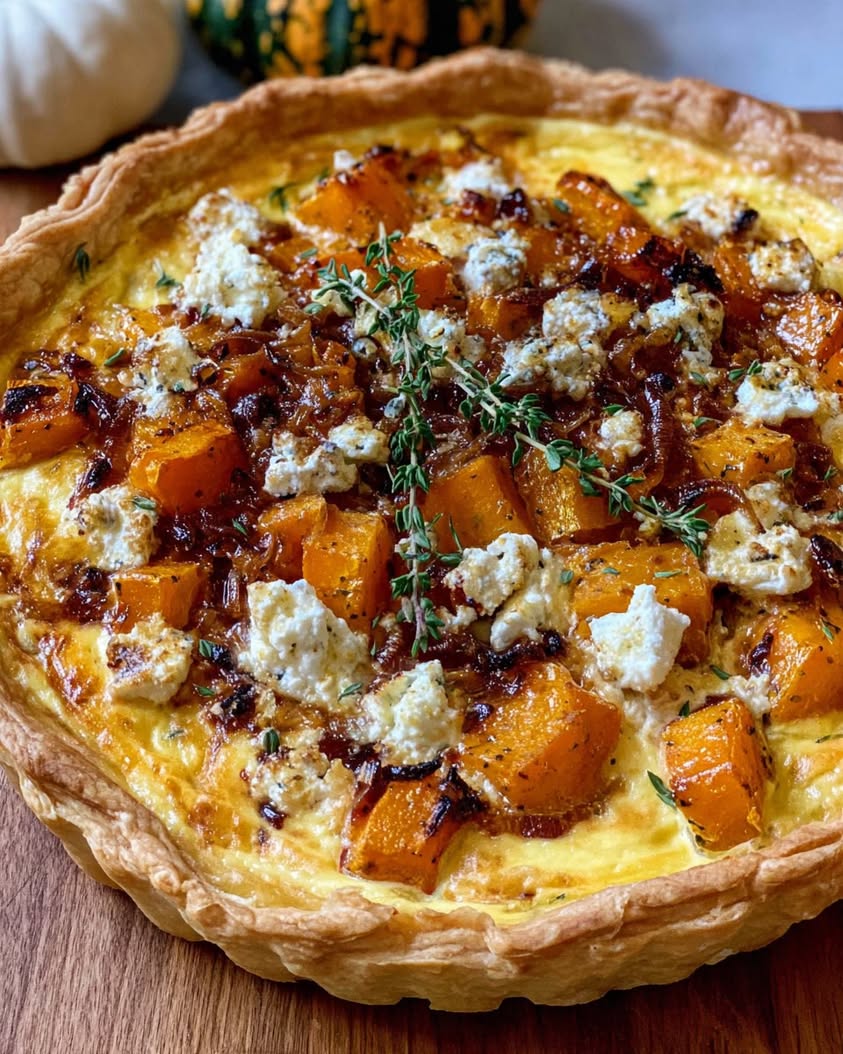
This Butternut Squash, Goat Cheese and Caramelized Onion Quiche brings together some of the most beloved flavors of autumn in one stunning dish. Imagine a flaky, golden crust cradling a silky custard filled with sweet roasted squash, tangy crumbled goat cheese, and deeply caramelized onions that melt in your mouth. Each bite delivers a perfect balance of savory and sweet, creamy and crisp, making this quiche a guaranteed crowd-pleaser at any table. Whether you serve it for a leisurely weekend brunch, a light weeknight dinner, or a festive holiday gathering, this Butternut Squash, Goat Cheese and Caramelized Onion Quiche delivers restaurant-quality results right from your home kitchen.
The magic of this recipe lies in how the ingredients complement one another. Roasting the butternut squash first concentrates its natural sugars and brings out a rich, nutty depth that pairs beautifully with the earthy sweetness of caramelized onions. The goat cheese adds a bright, creamy tang that cuts through the richness of the custard, while fresh thyme ties everything together with a subtle herbal note. Meanwhile, the buttery pastry shell provides the perfect crunchy contrast to the soft, velvety filling. Even though this Butternut Squash, Goat Cheese and Caramelized Onion Quiche looks impressive enough for a special occasion, the steps are straightforward and forgiving, so home cooks of all skill levels can master it with confidence.
Beyond its gorgeous appearance and irresistible flavor, this Butternut Squash, Goat Cheese and Caramelized Onion Quiche offers real practical benefits. You can prepare the crust, roast the squash, and caramelize the onions a day ahead, which makes assembly on the day of serving remarkably quick and stress-free. The quiche also reheats beautifully, so you can enjoy leftovers for breakfast or lunch throughout the week. Plus, it travels well to potlucks, picnics, and brunches, making it one of the most versatile dishes in your repertoire. Once you taste how beautifully the roasted squash, tangy goat cheese, and sweet caramelized onions come together, this Butternut Squash, Goat Cheese and Caramelized Onion Quiche will earn a permanent spot in your rotation.
Quick Recipe Highlights
- Flavor Profile: This quiche balances sweet roasted butternut squash against the tangy creaminess of goat cheese, while caramelized onions add a deep, savory-sweet richness. Fresh thyme and a pinch of nutmeg round out the custard with warm, aromatic notes that linger pleasantly on the palate.
- Texture: The flaky pastry crust shatters lightly under the fork, giving way to a silky, tender custard studded with soft chunks of squash and creamy pockets of goat cheese. Caramelized onions weave through the filling, adding a melt-in-your-mouth quality that keeps every bite interesting.
- Aroma: As the quiche bakes, your kitchen fills with the warm scent of butter, thyme, and sweet onions. The roasted squash contributes an earthy, caramelized fragrance that makes the wait feel almost unbearable.
- Visual Appeal: Golden-brown crust, deep orange squash, creamy white goat cheese, and amber onions create a beautifully rustic presentation. A sprinkle of fresh thyme on top adds a pop of green that makes the quiche look professionally plated.
- Skill Level Needed: This recipe suits intermediate home cooks who feel comfortable working with pie dough and whisking custard. Beginners can absolutely succeed too, since the steps are clearly defined and the filling forgives small imperfections.
- Special Equipment: You will need a 9-inch pie or tart pan, a rolling pin, parchment paper, and pie weights for blind baking. A sharp chef’s knife and a large skillet help with caramelizing the onions evenly. A whisk and a large mixing bowl round out the essential tools.
Recipe Overview
- Difficulty Level: I rate this quiche as intermediate because it involves three distinct components: the pastry crust, the caramelized onions, and the custard filling. Each component is simple on its own, but coordinating them requires some planning and attention. The blind-baking step and custard setting also demand a bit of finesse, though the recipe includes clear visual cues to guide you. With a little patience, even newer cooks can pull this off beautifully.
- Category: This dish works as a main course for brunch, lunch, or dinner, and it also shines as an appetizer cut into small squares. You can serve it warm, at room temperature, or even chilled, which makes it incredibly flexible for entertaining.
- Cuisine: Quiche originates from French culinary tradition, specifically the Lorraine region, where cooks perfected the art of savory custard tarts centuries ago. This version nods to that classic technique while embracing American seasonal ingredients like butternut squash and goat cheese. The result is a fusion that feels both timeless and contemporary.
- Cost: Expect to spend roughly 12 to 16 dollars on ingredients for eight servings, depending on where you shop and whether you make your own crust. Butternut squash and onions are budget-friendly staples, while goat cheese represents the priciest component. Making the crust from scratch saves money compared to store-bought pastry.
- Season: Fall and winter are the ideal seasons for this quiche, since butternut squash reaches peak sweetness and affordability during those months. The warm, comforting flavors suit cooler weather perfectly. That said, you can find quality squash year-round, so this dish works anytime you crave it.
- Occasion: Serve this quiche for holiday brunches, baby showers, weekend family breakfasts, or elegant dinner parties. It also makes a lovely contribution to potlucks and picnics because it holds up well at room temperature. Any gathering that calls for something special yet unfussy fits the bill.
Why You’ll Love This Recipe
The taste and texture of this Butternut Squash, Goat Cheese and Caramelized Onion Quiche deliver pure comfort with a sophisticated edge. Sweet roasted squash melts into the custard, while tangy goat cheese creates creamy surprises in every bite. Caramelized onions bring a jammy sweetness that deepens the whole flavor profile, and the flaky crust provides that satisfying crunch. Few dishes manage to feel this indulgent while remaining so balanced, and that harmony keeps everyone coming back for seconds.
Convenience makes this recipe a weeknight hero as well. You can roast the squash and caramelize the onions up to three days in advance, and you can even blind-bake the crust ahead of time. On assembly day, you simply whisk the custard, layer the fillings, and bake. The quiche also reheats beautifully in the oven or microwave, so breakfast and lunch for the following days practically take care of themselves.
Nutritionally, this Butternut Squash, Goat Cheese and Caramelized Onion Quiche offers more than empty calories. Butternut squash delivers vitamin A, vitamin C, and fiber, while eggs provide high-quality protein. Goat cheese contributes calcium and a moderate amount of fat, and onions add antioxidants and flavor without many calories. You can lighten the recipe further by using milk instead of cream or a whole-wheat crust, giving you flexibility to match your dietary goals.
Socially, this quiche shines as a centerpiece that sparks conversation. Its beautiful layers of orange, white, and gold look stunning on a buffet table, and guests always ask for the recipe. Because it serves eight and slices cleanly, it handles crowds gracefully. Hosting becomes far less stressful when one dish looks this impressive yet requires no last-minute cooking.
Finally, cost-effectiveness makes this Butternut Squash, Goat Cheese and Caramelized Onion Quiche a smart choice for budget-conscious cooks. Squash, onions, eggs, and flour rank among the most affordable grocery staples, and a single quiche feeds a crowd. Compared to buying a bakery quiche, which often costs 25 dollars or more, homemade versions save significant money while tasting fresher. That combination of value and quality makes this recipe a genuine kitchen win.
Historical Background and Cultural Significance
Quiche originated in the Lorraine region of France, where medieval cooks baked savory custards in bread dough to feed families economically. Over centuries, the dish evolved into the refined tart we recognize today, with the classic quiche Lorraine featuring bacon and cream. The foundational technique of pouring a savory egg custard into pastry became a cornerstone of French home cooking, eventually spreading across Europe and beyond.
In French culture, quiche represents the art of simple, honest food elevated through technique rather than expensive ingredients. Home cooks pride themselves on achieving a crisp crust and a custard that sets without cracking. The dish appears at family gatherings, market-day lunches, and holiday tables, symbolizing warmth and hospitality. Its adaptability means every region and every family puts its own spin on the formula.
The evolution of quiche in America took a creative turn during the twentieth century, when cooks began adding vegetables, cheeses, and seasonal ingredients beyond the traditional bacon. Butternut squash and goat cheese entered the picture as farmers markets and seasonal eating gained popularity in recent decades. Modern cooks embraced the sweet-savory combination, and the butternut squash quiche became a fixture of autumn menus across the country.
Regional variations abound today. In New England, cooks sometimes add maple syrup to enhance the squash. In the Pacific Northwest, local chèvre and fresh herbs take center stage. Southern versions might incorporate pecans or a touch of bourbon. This Butternut Squash, Goat Cheese and Caramelized Onion Quiche represents a contemporary American approach that honors French technique while celebrating local, seasonal produce.
Ingredient Deep Dive
Butternut squash holds a special place in North American cooking, especially in fall and winter. Indigenous communities cultivated squash for thousands of years before European settlers arrived, and it remains a symbol of harvest abundance. Nutritionally, butternut squash offers an impressive dose of vitamin A, vitamin C, potassium, and fiber, all with relatively few calories. When selecting squash, choose one that feels heavy for its size with smooth, unblemished skin and a solid stem. Store whole squash in a cool, dry place for up to three months, but refrigerate cut pieces wrapped tightly for up to five days. If you cannot find butternut, acorn squash, delicata, or even sweet potato make excellent substitutes.
Roasting butternut squash transforms its texture and flavor dramatically. The dry heat of the oven caramelizes the natural sugars, creating deeper sweetness and a richer aroma. Cubes roast faster than halves, so cut the squash into even one-inch pieces and toss with olive oil, salt, and pepper. Spread the pieces in a single layer to encourage browning rather than steaming. You can roast squash up to three days ahead and refrigerate it until needed, which makes this recipe even more convenient.
Goat cheese, known as chèvre in France, brings a distinctive tang and creamy texture to the quiche. Goat cheese has been produced for centuries in regions like the Loire Valley, where small farms perfected fresh and aged varieties. Nutritionally, it provides calcium, protein, and probiotics, and it contains slightly less lactose than cow’s milk cheese, which some people find easier to digest. Look for fresh chèvre that smells clean and mild, avoiding any package with an ammonia scent. Store it in the refrigerator and use within a week of opening. Feta or cream cheese can substitute in a pinch, though each changes the flavor profile.
Caramelized onions require patience but reward you with extraordinary depth. Onions have anchored global cuisines for millennia, and caramelization showcases their natural sugars. Yellow or sweet onions work best because they contain more sugar than red or white varieties. Choose firm onions with dry, papery skins and no soft spots, and store them in a cool, dark, well-ventilated space away from potatoes. The slow cooking process breaks down the onions into a jammy, golden sweetness that no shortcut can replicate. Shallots offer a milder alternative, while leeks deliver a gentler onion flavor.
Eggs form the backbone of the custard, and quality matters here. Farm-fresh eggs with rich yolks create a silkier texture and better flavor than older eggs. Eggs supply complete protein, choline, and essential vitamins, making the quiche satisfying and nourishing. Select eggs with clean, uncracked shells, and store them in the refrigerator. For the richest custard, use whole eggs plus an extra yolk, and combine them with cream or half-and-half. If you avoid eggs, silken tofu blended with a little cornstarch can approximate the custard texture in a pinch.
Common Mistakes to Avoid
- Skipping the blind bake. If you pour custard into a raw crust, the bottom turns soggy and undercooked. Always par-bake the crust with pie weights until the surface looks dry and set.
- Undercooking the onions. Caramelization takes at least thirty minutes over medium-low heat; rushing with high heat burns the edges while leaving the centers raw. Stir patiently and let the sugars develop slowly.
- Using wet squash. If you roast squash without drying it properly or skip roasting altogether, excess moisture makes the custard watery. Roast cubes until lightly browned and pat away any surface oil.
- Overmixing the custard. Whisking too vigorously incorporates air bubbles that rise and crack the surface. Stir gently until the eggs and cream just combine.
- Overbaking the quiche. The custard should jiggle slightly in the center when you pull it from the oven. It continues cooking as it cools, so remove it while still a touch loose.
- Adding cold filling to a hot crust. Sudden temperature changes can shrink the crust. Let the par-baked shell cool for a few minutes before filling.
- Skimping on seasoning. Custards need generous salt and pepper to taste rich rather than flat. Taste the custard mixture before pouring it into the shell.
- Cutting the quiche too soon. Resting for at least fifteen minutes allows the custard to set fully. Slicing immediately produces messy, runny portions.
- Overloading the fillings. Too much squash or cheese forces the custard to overflow and prevents proper setting. Follow the specified quantities for balanced results.
- Using a cold oven. Preheating fully ensures even baking and proper crust browning. Give your oven at least fifteen minutes to reach temperature.
Essential Techniques
Blind baking, also called par-baking, ranks as the most important technique for a crisp quiche crust. This step involves lining the chilled pastry with parchment paper, filling it with pie weights or dried beans, and baking until the edges turn golden and the base looks dry. Blind baking prevents the custard from soaking into the dough and creating a soggy bottom. Master it by keeping the dough cold, pricking the base with a fork, and using enough weights to hold the pastry flat. You know it is ready when the surface appears matte rather than shiny; if the center still looks wet, return it to the oven for a few more minutes.
Caramelizing onions requires low, slow heat and a watchful eye. The goal is to coax the natural sugars out of the onions and brown them deeply without burning. Start by slicing onions evenly so they cook at the same rate, then melt butter or heat oil over medium-low heat. Stir occasionally, scraping up fond from the pan, and adjust the heat down if the edges darken too quickly. Success looks like soft, amber-colored strands that taste sweet and jammy. A splash of balsamic vinegar or a pinch of sugar can rescue onions that refuse to brown.
Roasting squash properly concentrates flavor and removes excess water. Toss one-inch cubes with olive oil, salt, and pepper, then spread them on a lined sheet pan with space between pieces. Crowding steams the squash instead of browning it, so use two pans if necessary. Roast at 425 degrees Fahrenheit for about twenty-five minutes, flipping halfway, until the edges caramelize and the flesh turns tender. Visual cues matter: golden-brown edges and a fork sliding in easily signal perfectly roasted squash ready for the quiche.
Pro Tips for Perfect Butternut Squash, Goat Cheese and Caramelized Onion Quiche
- Chill the dough twice. Keep the pastry cold before rolling and again before blind baking so it holds its shape and stays flaky.
- Roast the squash a day ahead. Overnight refrigeration firms the cubes and makes assembly faster on baking day.
- Caramelize extra onions. They keep for a week and taste fantastic in sandwiches, pasta, and soups.
- Dot goat cheese rather than stirring it in. Leaving visible pockets creates creamy surprises in every slice.
- Add a pinch of nutmeg to the custard. It enhances the squash without becoming noticeable on its own.
- Bake on the lower-middle rack. This placement browns the crust while keeping the custard from overbrowning.
- Use a pie shield if the edges darken too fast. A ring of foil protects the crust during the final minutes.
- Let the quiche rest before slicing. Fifteen to twenty minutes yields clean, bakery-style wedges.
Variations and Adaptations
Regional variations of this quiche reflect local harvests and traditions. In New England, cooks often drizzle maple syrup over the squash before roasting for extra sweetness. In the Southwest, a pinch of smoked paprika and crumbled queso fresco replace the goat cheese. Italian-inspired versions swap thyme for sage and add a handful of toasted pine nuts. Each regional spin keeps the sweet-savory foundation while introducing a new personality to the dish.
Seasonal adaptations make this recipe flexible year-round. In spring, substitute asparagus or peas for the squash. Summer welcomes roasted cherry tomatoes and corn. In winter, roasted parsnips or sweet potatoes offer similar sweetness. The custard base stays constant, so you can reinvent the quiche with whatever the market offers, and that adaptability keeps the recipe fresh through the calendar.
Dietary modifications expand the audience for this quiche. Gluten-free cooks can use a gluten-free pastry blend or an almond-flour crust. Dairy-free versions replace goat cheese with a creamy cashew-based cheese and swap cream for full-fat coconut milk. Vegan bakers use a tofu-based custard with nutritional yeast for savoriness. These adaptations require small adjustments but preserve the dish’s spirit and satisfying flavor.
Flavor variations let you personalize the quiche to your taste. Add crispy bacon or prosciutto for a meaty version, or stir in roasted garlic for deeper savoriness. A drizzle of honey or balsamic glaze just before serving brightens the whole dish. Fresh herbs like chives or parsley lift the flavor after baking, and a sprinkle of red pepper flakes adds gentle heat. Let your pantry guide you and try a new twist each time you bake.
Texture modifications change the mouthfeel while keeping the flavor profile intact. For a lighter custard, substitute milk for half the cream. A whole-wheat crust yields a heartier chew, while a cornmeal crust adds pleasant crunch. Shredding the squash instead of cubing it creates a more uniform filling. Swap goat cheese for whipped ricotta if you prefer a milder, fluffier texture.
Presentation alternatives suit every occasion. Bake the filling in mini muffin tins for elegant appetizer bites, or use a rectangular tart pan for a striking centerpiece. Individual ramekins create charming single servings, and a galette-style free-form crust offers rustic charm. The quiche invites creativity in plating, so choose the format that fits your event.
Serving and Presentation Guide
Plating techniques matter when you want the quiche to impress. Serve slices on a wide plate with a small side salad nestled alongside for color contrast. Run a thin knife around the pan before lifting the first slice, and use a pie server to transfer wedges cleanly. Wipe the plate edge with a towel to remove crumbs and keep the presentation polished and restaurant-like.
Garnishing ideas elevate the visual appeal with minimal effort. Scatter fresh thyme leaves and a few crumbles of goat cheese over the top. A light drizzle of olive oil or balsamic glaze adds sheen, while microgreens bring vibrant green accents. Toasted walnuts or pepitas add crunch and rustic charm. Keep garnishes simple so the quiche itself remains the star.
Traditional accompaniments include a simple green salad with vinaigrette, which cuts through the richness of the custard. Roasted vegetables, crusty bread, and a bowl of seasonal fruit round out the meal beautifully. For brunch, pair the quiche with crispy bacon and fresh coffee, or serve mimosas for a festive touch.
Modern serving suggestions include pairing the quiche with grain salads, roasted Brussels sprouts, or shaved fennel salad. A drizzle of hot honey adds a trendy twist. Serve slices alongside a bowl of tomato soup for a cozy lunch, or place the quiche on a charcuterie board with cheeses and cured meats for a relaxed gathering.
Temperature considerations affect flavor and texture significantly. The quiche tastes best warm or at room temperature, and many hosts prefer serving it at room temperature so the custard firms fully. If serving warm, let it rest fifteen minutes after baking. Avoid serving it ice-cold from the fridge, since the flavors mute and the crust loses its crispness.
Portion control tips help you plan for guests. Slice eight generous wedges for a main course, or cut the quiche into sixteen squares for an appetizer spread. Smaller portions pair well with other dishes, while larger wedges suit a simple meal. Store leftovers in single portions so guests can grab another slice easily.
Wine and Beverage Pairing
Wine pairings for this quiche should balance the sweet squash, tangy goat cheese, and rich custard. A crisp Sauvignon Blanc provides bright acidity that cleanses the palate, while a dry Riesling complements the sweetness of the onions. For a richer pairing, an oaked Chardonnay or a light Pinot Noir brings depth without overpowering the dish.
Non-alcoholic alternatives include sparkling water with lemon, apple cider, or a ginger ale spritzer. These bright drinks refresh the palate between bites. Chilled herbal iced tea, especially with thyme or chamomile notes, echoes the flavors in the quiche beautifully.
Coffee and tea pairings suit brunch settings perfectly. A medium-roast coffee with nutty undertones mirrors the roasted squash, while a green tea or Earl Grey offers a gentle counterpoint. Keep beverages warm rather than hot so they do not distract from the food.
Temperature considerations apply to beverages too. White wines and sparkling options should be well chilled, while reds taste best slightly cool rather than warm. Non-alcoholic drinks benefit from plenty of ice on warm days, and hot beverages should be served just below boiling.
Serving suggestions include offering a small beverage station so guests can help themselves. Arrange glasses, an ice bucket, and bottles near the buffet for easy access. A pitcher of infused water with citrus slices adds a simple, elegant touch.
Storage and Shelf Life
Storage methods determine how long your quiche stays fresh and delicious. Once cooled completely, cover the quiche tightly with plastic wrap or transfer slices to airtight containers. Refrigerate promptly and consume within three to four days for the best quality. Wrapping individual slices prevents them from drying out and makes reheating simple.
Temperature requirements matter for food safety. Keep the quiche refrigerated at 40 degrees Fahrenheit or below. Avoid leaving it at room temperature for more than two hours, especially in warm weather. When transporting the quiche to an event, use a cooler bag with ice packs to maintain safe temperatures.
Container recommendations include shallow airtight containers or reusable silicone bags for individual slices. Glass containers work well because they resist staining and reheat evenly. Label containers with the date so you always know how long the quiche has been stored.
Signs of spoilage include a sour smell, visible mold, slimy texture, or an off color in the custard. If any of these appear, discard the quiche immediately. When in doubt, trust your senses and do not risk eating questionable food, especially dishes containing eggs and dairy.
Reheating instructions keep leftovers tasting fresh. Warm slices in a 350-degree oven for ten to twelve minutes, or microwave individual portions for thirty to forty-five seconds. For the crispest crust, reheat in a toaster oven or skillet. Avoid reheating the whole quiche at once if you plan to eat only a few slices.
Freezing guidelines help you plan ahead. Wrap cooled slices tightly in plastic wrap, then foil, and freeze for up to two months. Thaw overnight in the refrigerator before reheating. The texture remains quite good, though the crust softens slightly, so oven reheating restores much of the original crispness.
Make Ahead Strategies
A prep timeline transforms this recipe into a stress-free project. Bake the crust, roast the squash, and caramelize the onions up to three days in advance. Store each component separately in the refrigerator. On serving day, simply whisk the custard, layer the fillings, and bake, cutting the active work to about twenty minutes.
Storage between steps keeps components fresh without compromising quality. Keep the par-baked crust tightly wrapped at room temperature for a day or refrigerated for three days. Store roasted squash and onions in separate airtight containers so the flavors stay distinct and the textures hold up.
Quality impact assessment confirms which steps freeze well and which do not. Caramelized onions and roasted squash freeze beautifully for up to two months, and par-baked crusts also freeze well when wrapped tightly. The custard, however, should always mix fresh on baking day for the best texture.
Assembly tips streamline the final stages. Have all components at room temperature before assembling, whisk the custard just before pouring, and arrange the fillings evenly for consistent slices. This organized approach removes any last-minute scrambling.
Reheating guidelines apply to fully baked quiche stored ahead as well. If you bake the quiche a day in advance, cool it completely, refrigerate it overnight, and reheat slices in a 350-degree oven until warmed through. Fresh herbs added after reheating restore brightness.
Fresh element additions keep a make-ahead quiche tasting vibrant. Top reheated slices with fresh thyme, chives, or a squeeze of lemon. A quick side salad and a drizzle of olive oil refresh the plate and make leftovers feel like a new meal.
Scaling Instructions
Halving the recipe works well for smaller households. Use a 6-inch pie pan and reduce the custard to two eggs plus one yolk with three-quarters cup of cream. Roast half a small squash, caramelize one large onion, and bake for about thirty-five minutes. Watch the timing closely since smaller quiches set faster.
Doubling or tripling requires baking in batches rather than one giant pan. Two 9-inch quiches fit on separate racks with rotation halfway through, and the custard scales easily with a simple multiplication. Caramelizing onions in a larger skillet takes only slightly longer, and roasting extra squash on two sheet pans prevents steaming.
Equipment adjustments matter when scaling. Large batches may exceed the capacity of a single mixer, so whisk custard in batches or use a large bowl and balloon whisk. Have extra pie pans, parchment, and pie weights ready. For big events, bake quiches sequentially and keep finished ones warm in a low oven.
Timing modifications keep scaled recipes on track. Doubled recipes add ten to fifteen minutes to roasting and caramelizing because larger volumes take longer to heat through. Bake quiches one at a time if your oven runs unevenly, and always rely on visual cues rather than strict clock times.
Storage considerations apply to extra batches. Freeze extra slices in labeled portions for future meals, or share with neighbors and friends. A double batch also suits meal prep for the week, giving you quick breakfasts and lunches ready to go.
Nutritional Deep Dive
The macro breakdown of this quiche reveals a balanced profile. Each serving provides roughly 350 to 400 calories, with about 15 grams of protein from the eggs and cheese, 25 grams of fat from cream and pastry, and 25 grams of carbohydrates. The fiber from squash and onions adds about 2 grams per serving, supporting digestive health alongside the protein.
Micronutrient analysis highlights impressive contributions. Butternut squash delivers over 100 percent of daily vitamin A as beta-carotene, plus vitamin C and potassium. Eggs contribute choline and B vitamins, while goat cheese supplies calcium and phosphorus. Onions add antioxidants like quercetin and trace minerals, making this dish nourishing beyond its comfort-food appeal.
Health benefits extend beyond basic nutrition. The combination of protein, fiber, and fat promotes satiety and steady energy. Beta-carotene supports vision and immune function, and choline supports brain health. Enjoying a moderate portion alongside vegetables creates a well-rounded meal without excessive indulgence.
Dietary considerations include lactose and gluten for sensitive eaters. Traditional versions contain dairy and wheat, though many substitutions exist. Those watching sodium can reduce added salt, and those managing cholesterol can use more egg whites and less cheese. Adjustments let nearly everyone enjoy this quiche comfortably.
Portion analysis shows one-eighth of the quiche satisfies most adults as a main course with a side salad. Smaller portions suit appetizer settings, while larger portions fit hungry teenagers. Portion awareness helps you enjoy the richness without overdoing it.
Weight management tips include serving the quiche with plenty of vegetables to fill half the plate. Lightening the custard with milk and reducing cheese lowers calories without sacrificing flavor. Eating slowly and savoring each bite also helps you feel satisfied with a reasonable portion.
Dietary Adaptations
Gluten-free adaptations replace the wheat crust with a gluten-free flour blend or an almond-flour crust. Press the dough into the pan rather than rolling it for easier handling, and blind bake slightly longer since gluten-free crusts brown more slowly. Check all packaged ingredients for gluten, and the filling itself remains naturally gluten-free.
Dairy-free versions swap goat cheese for a cashew-based cheese and replace cream with full-fat coconut milk. The custard still sets beautifully, though the flavor shifts slightly sweeter. Choose unsweetened coconut milk and add extra salt and herbs to balance the taste. Olive oil can replace butter in the crust for a dairy-free pastry.
Vegan adaptations rely on a tofu custard with nutritional yeast, turmeric for color, and a pinch of kala namak for eggy flavor. Use a coconut-oil crust and skip the goat cheese entirely, or use a vegan cheese alternative. Bake slightly longer at a lower temperature so the tofu custard sets without cracking.
Low-carb and keto versions replace the traditional crust with an almond-flour or cheese-based crust. The filling already fits low-carb macros, and you can boost fat content with extra cream and cheese. These adaptations keep the quiche satisfying while meeting specific dietary goals.
Paleo versions use a grain-free crust made from almond and coconut flours, and they skip dairy cheese in favor of a cashew-based alternative. The eggs, squash, and onions all fit paleo guidelines, so the core ingredients align nicely with the plan.
Low-FODMAP adaptations require care with onions, which contain fructans. Substitute the green parts of scallions or use a low-FODMAP onion alternative, and keep portions of goat cheese modest. Butternut squash in moderate amounts typically suits low-FODMAP diets, making this version accessible to sensitive eaters.
Troubleshooting Guide
Texture issues usually stem from the custard or crust. A watery filling often means the squash was too wet or the quiche was underbaked; roast squash thoroughly and bake until the center jiggles only slightly. A rubbery custard indicates overcooking, so remove the quiche promptly when it reaches the right doneness. A soggy crust almost always means insufficient blind baking.
Flavor balance problems are easy to fix with small adjustments. If the quiche tastes flat, add salt and a squeeze of lemon to the custard, since acidity brightens richness. If it tastes too sweet, reduce the caramelization time slightly or add extra thyme and black pepper. Taste the custard before baking and adjust confidently.
Temperature problems arise from oven inconsistencies. If the top browns before the center sets, tent the quiche with foil and lower the heat by 25 degrees. If the center remains liquid after the edges set, continue baking in five-minute increments. An oven thermometer helps you verify accuracy and avoid guesswork.
Equipment challenges often involve the pie pan or pie weights. Ceramic pans conduct heat gently, while metal pans brown crusts faster. If you lack pie weights, dried beans or rice work perfectly. A springform pan can substitute for a tart pan, though line the base carefully to prevent leaks.
Ingredient substitutions can change results, so adjust accordingly. Feta substitutes for goat cheese with a saltier profile, so reduce added salt. Sweet potatoes replace butternut squash with a softer texture, and they may release more moisture, so roast them until dry. Milk instead of cream yields a lighter custard that sets more slowly.
Timing concerns come up often, especially around caramelizing onions. Start them early in the day and let them take their time. The quiche itself also needs resting time after baking, so plan for a fifteen-minute buffer. Building small windows into your schedule removes stress and ensures success.
Recipe Success Stories
Community feedback consistently highlights how approachable this quiche is even for newer cooks. Readers love that the step-by-step guidance makes caramelizing onions feel manageable, and many report their first attempt looked bakery-perfect. Photos shared with the recipe show golden crusts and creamy slices, inspiring others to try it themselves.
Variation successes include a reader who added Print
Butternut Squash, Goat Cheese & Caramelized Onion Quiche
- Total Time: 45 minutes
- Yield: 4
Description
A savory quiche with roasted butternut squash, creamy goat cheese, and sweet caramelized onions in a flaky crust.
Ingredients
- 1 pie crust (9-inch)
- 1 small butternut squash, peeled and cubed (about 2 cups)
- 1 large onion, thinly sliced
- 2 tablespoons olive oil
- 4 ounces goat cheese, crumbled
- 4 large eggs
- 1 cup milk
- 1/2 teaspoon salt
- 1/4 teaspoon black pepper
- 1/4 teaspoon nutmeg
Instructions
- Preheat oven to 375°F (190°C).
- Toss butternut squash with 1 tablespoon olive oil, salt, and pepper. Roast for 20-25 minutes until tender.
- In a skillet, heat remaining olive oil over medium-low heat. Add onions and cook slowly, stirring occasionally, until caramelized (about 20 minutes).
- In a bowl, whisk together eggs, milk, nutmeg, and a pinch of salt and pepper.
- Spread caramelized onions and roasted squash in the pie crust. Sprinkle goat cheese on top.
- Pour egg mixture over the filling.
- Bake for 35-40 minutes, until set and golden. Let cool slightly before serving.
Notes
You can customize the seasonings to taste.
- Prep Time: 15 minutes
- Cook Time: 30 minutes
- Method: Main
- Cuisine: American