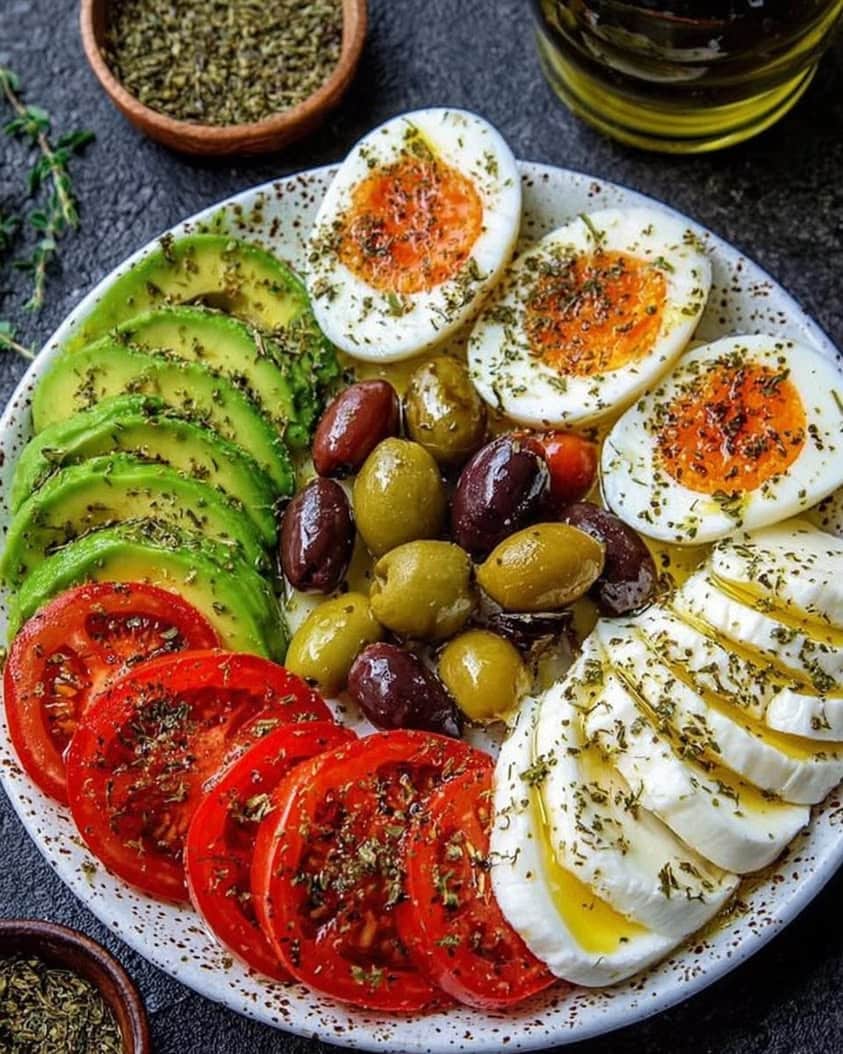
Mediterranean Protein Plate: Easy High-Protein Recipe for Healthy Lunches
If you want a lunch that keeps you full and feels like a treat, this Mediterranean Protein Plate is exactly what you need. It combines juicy grilled chicken, creamy hummus, crisp vegetables, and warm pita into one colorful meal. Because of that, you get a high-protein recipe that supports your health goals without boring you. Moreover, this dish comes together in just 25 minutes, so it fits busy weekdays too.
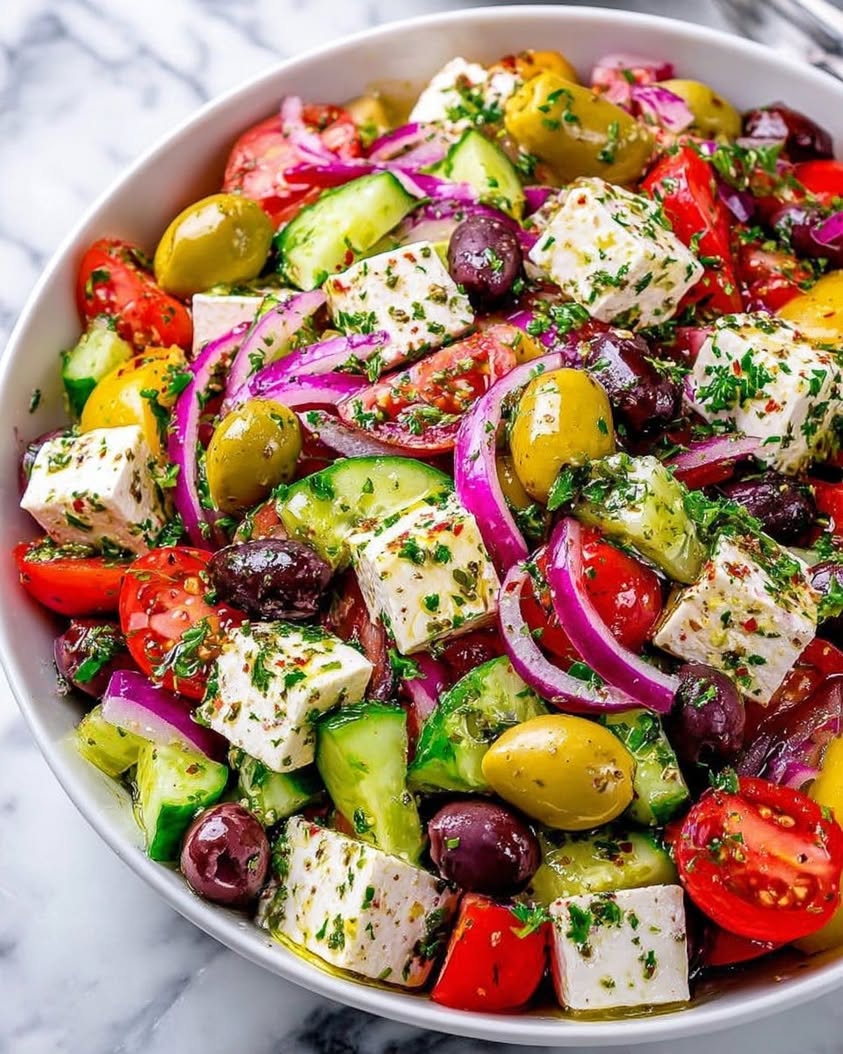
Picture this: you open your lunch container and see bright cherry tomatoes, cool cucumber, briny olives, and golden chicken. The smell of oregano and lemon drifts up as you drizzle olive oil over the plate. Then you scoop up a bite with creamy hummus and crunchy pita. As a result, every forkful delivers a mix of textures and bold flavors. In short, this Mediterranean Protein Plate turns an ordinary lunch into a small celebration.
Additionally, this recipe works for meal prep, family dinners, and casual gatherings. Since you can grill the chicken ahead of time and chop the veggies in advance, assembly takes minutes. Furthermore, the ingredients are budget-friendly and easy to find at any grocery store. Therefore, you can enjoy a restaurant-quality meal at home. Keep reading, because I will walk you through every step, plus tips, variations, and storage advice for this Mediterranean Protein Plate.
Quick Recipe Highlights
- Flavor Profile: This Mediterranean Protein Plate tastes bright, savory, and slightly tangy. Lemon and oregano season the chicken, while hummus adds a nutty richness. Moreover, feta and olives bring a salty punch that balances everything.
- Texture: You get tender chicken, creamy hummus, and crunchy cucumber in every bite. The pita adds a soft, chewy contrast, and the tomatoes burst with juice. Consequently, the plate never feels monotonous.
- Aroma: Fresh lemon zest and dried oregano lead the aroma. Garlic in the hummus and tzatziki adds warmth, and olive oil rounds it out. As a result, the kitchen smells like a seaside taverna.
- Visual Appeal: Red tomatoes, green cucumber, white feta, and golden chicken create a rainbow on the plate. Because you arrange items in sections, the Mediterranean Protein Plate looks organized and inviting. Therefore, it photographs beautifully for social media.
- Skill Level Needed: You only need basic knife skills and a hot skillet or grill pan. If you can chop vegetables and cook chicken until done, you can nail this recipe. Hence, beginners and experienced cooks alike will succeed.
- Special Equipment: A grill pan or cast-iron skillet gives great char on the chicken. You also need a cutting board, a sharp chef’s knife, and a few small bowls for dips. However, you can use a regular skillet if you do not own a grill pan.
Recipe Overview
- Difficulty Level: This Mediterranean Protein Plate earns an Easy rating because it uses simple techniques. You marinate the chicken briefly, then sear it for a few minutes per side. Meanwhile, you chop fresh vegetables and spoon hummus onto plates. Consequently, the whole process feels stress-free and quick.
- Category: This dish works as a main course lunch or a light dinner. It also functions as a meal-prep protein plate for the week. Furthermore, you can serve it as part of a larger mezze spread.
- Cuisine: The recipe draws from Mediterranean and Middle Eastern traditions. Greek souvlaki inspires the lemon-oregano chicken, while hummus and pita come from Levantine cuisine. Additionally, tzatziki and feta reflect Greek influence. Therefore, the plate celebrates the shared flavors of the region.
- Cost: You can make four servings for about 14 to 18 dollars total. Chicken breasts or thighs cost roughly 6 to 8 dollars, and vegetables add another 4 to 6 dollars. Moreover, hummus, pita, and feta usually cost 4 to 6 dollars combined. As a result, each plate costs around 4 dollars.
- Season: Summer offers the best tomatoes and cucumbers, so the plate shines from June through September. However, you can enjoy it year-round because grocery stores stock these items constantly. In winter, roasted vegetables can replace the fresh ones.
- Occasion: Serve this Mediterranean Protein Plate for casual weeknight dinners, lunch with friends, or picnic spreads. It also suits game days, potlucks, and healthy office lunches. Because it looks impressive, it works for holiday gatherings too.
Why You’ll Love This Recipe
First, the taste and texture keep you coming back. The chicken carries a lemony, herbaceous punch that pairs perfectly with creamy hummus. Meanwhile, crisp cucumber and juicy tomatoes add freshness, and feta delivers a salty kick. Because the pita is warm and soft, it soaks up olive oil and tzatziki beautifully. Consequently, each bite feels balanced and satisfying, never heavy or dull.
Second, convenience makes this Mediterranean Protein Plate a weeknight hero. You need only 25 minutes from start to finish. Additionally, you can prep components ahead and assemble later. For example, grill the chicken on Sunday, chop vegetables on Monday, and build plates on Tuesday in five minutes. Therefore, you save time and avoid takeout temptation.
Third, the nutritional profile supports many health goals. Lean chicken provides high-quality protein, which helps build muscle and curb hunger. Moreover, chickpea hummus adds fiber and plant protein, while olive oil supplies healthy fats. Because vegetables fill half the plate, you get vitamins, minerals, and antioxidants. As a result, you feel energized instead of sluggish after eating.
Fourth, this dish shines when you entertain. The colorful arrangement invites guests to build their own plates, which sparks conversation. Furthermore, you can set out bowls of hummus, tzatziki, olives, and feta and let everyone customize. Because the recipe scales easily, hosting a crowd feels simple. In short, it delivers a memorable social experience with minimal stress.
Fifth, cost-effectiveness and accessibility matter, and this recipe delivers both. The ingredients appear in almost every supermarket, including budget stores. Additionally, you can swap proteins or vegetables based on sales. Because dried herbs and olive oil last for months, you build a pantry that supports many meals. Therefore, you eat well without overspending, and you can repeat this Mediterranean Protein Plate weekly.
Historical Background and Cultural Significance
The Mediterranean Protein Plate draws from centuries of coastal cooking. Specifically, Greek, Lebanese, and Turkish cooks have long served mezze platters with small portions of many dishes. These plates encouraged sharing and conversation around the table. Consequently, the style spread across the region and eventually around the world. Because travelers loved the fresh, bold flavors, similar plates appeared in U.S. restaurants during the late twentieth century.
Culturally, the plate reflects the Mediterranean diet, which emphasizes vegetables, legumes, olive oil, and lean protein. Researchers study this eating pattern for its links to heart health and longevity. Additionally, the diet celebrates seasonal ingredients and simple preparation. Therefore, the Mediterranean Protein Plate carries both nutritional wisdom and cultural pride. Families in Greece, Lebanon, and Israel still serve variations at gatherings today.
Over time, the recipe evolved as cooks adapted to local ingredients. For instance, Greek cooks added souvlaki-style chicken and tzatziki, while Levantine cooks contributed hummus and tabbouleh. Meanwhile, Italian influence brought olives and oregano. Because immigrants carried these traditions to new countries, the plate absorbed new touches, such as quinoa or avocado. As a result, the modern version blends old and new beautifully.
Regional variations abound. In Greece, you might find pork souvlaki with pita and tzatziki. In Lebanon, the plate may include baba ghanoush, tabbouleh, and pickled turnips. Furthermore, Israeli versions often feature falafel and Israeli salad. Because each region celebrates its own staples, the Mediterranean Protein Plate never tastes exactly the same twice. Therefore, you can explore many cultures through one flexible format.
Ingredient Deep Dive
Chicken breast or thighs form the protein backbone of this Mediterranean Protein Plate. Historically, Mediterranean cooks grilled skewers of marinated meat over charcoal, which inspired modern souvlaki. Nutritionally, chicken delivers lean protein, B vitamins, and selenium, which support muscle and immune health. When you shop, choose firm, pink meat with no strong odor, and look for air-chilled options when possible. Store raw chicken in the coldest part of the fridge and cook within two days. If you prefer, swap in shrimp, salmon, or firm tofu for a different twist.
Additionally, chicken absorbs marinades quickly, so even 15 minutes adds flavor. A mix of lemon juice, olive oil, garlic, and oregano creates the classic Greek profile. Because acid tenderizes the meat, the chicken stays juicy. However, do not marinate for more than 12 hours, since the acid can break down the texture. Therefore, plan a short marinate and focus on proper cooking instead.
Hummus brings creaminess and plant-based protein to the plate. This chickpea-tahini dip originated in the Levant and appears on tables across the Middle East. Nutritionally, chickpeas supply fiber, folate, and iron, while tahini adds healthy fats and calcium. When buying hummus, check the label for simple ingredients and no added sugars. Store it in the fridge for up to a week, and stir in a little olive oil before serving. If you need a substitute, white bean dip or baba ghanoush works well.
Furthermore, homemade hummus tastes fresher and costs less. Blend chickpeas, tahini, lemon juice, garlic, and ice water until smooth. Because ice water lightens the texture, the dip becomes fluffy. Consequently, your Mediterranean Protein Plate feels restaurant-quality.
Cucumber and cherry tomatoes add crunch and sweetness. These vegetables thrive in Mediterranean climates and appear in countless salads, such as Greek horiatiki and Israeli salad. Cucumbers provide hydration and vitamin K, while tomatoes deliver vitamin C and lycopene. Choose firm cucumbers with no soft spots, and pick tomatoes that feel heavy for their size. Store cucumbers in the crisper drawer and keep tomatoes at room temperature for best flavor. If tomatoes look pale, roasted red peppers make a fine substitute.
Red onion offers a sharp, savory bite that cuts through richness. This allium appears throughout Mediterranean cooking, from salads to grilled dishes. Nutritionally, onions supply antioxidants and compounds that support heart health. Select onions that feel firm and have dry, papery skin. Keep them in a cool, dark place for weeks. Because raw onion can overpower, soak slices in cold water for ten minutes to mellow the flavor.
Kalamata olives and feta cheese deliver salty, briny notes. Greeks have cured olives for thousands of years, and feta enjoys protected status in the European Union. Olives provide healthy monounsaturated fats, and feta adds calcium and protein. When shopping, choose olives from a deli counter for better flavor, and pick feta packed in brine. Store both in the fridge, and use within two weeks. If you avoid dairy, skip the feta or use a dairy-free alternative.
Pita bread ties the plate together as a scoop and wrap. This ancient flatbread dates back thousands of years in the Middle East. It offers carbohydrates for energy and pairs perfectly with dips. Look for whole-wheat pita for extra fiber, and check for soft, flexible rounds. Store pita in a sealed bag at room temperature, or freeze for longer shelf life. Alternatively, use naan, sourdough flatbread, or lettuce cups for a lower-carb option.
Olive oil and lemon juice form the dressing that brightens everything. Mediterranean cooks have pressed olives for oil since ancient times, and the fat sits at the heart of the regional diet. Olive oil provides heart-healthy fats and antioxidants, while lemon adds vitamin C. Choose extra-virgin oil for raw drizzles because it has richer flavor. Keep oil in a dark bottle away from heat, and use within a year. If you lack lemons, red wine vinegar works as a substitute.
Common Mistakes to Avoid
- Overcooking the chicken: Dry chicken ruins the plate. Use a meat thermometer and pull the meat at 165 degrees Fahrenheit. Then let it rest for five minutes so juices redistribute.
- Under-seasoning the vegetables: Plain cucumbers and tomatoes taste flat. Therefore, sprinkle them with salt, pepper, and a squeeze of lemon before serving. This step wakes up their natural sweetness.
- Skipping the marinade rest: Marinating for even 15 minutes boosts flavor. If you cook the chicken immediately, the seasoning sits only on the surface. Consequently, the meat tastes bland inside.
- Using cold hummus straight from the fridge: Cold hummus feels stiff and dull. Let it sit at room temperature for 15 minutes, then stir in olive oil. As a result, the texture becomes silky.
- Crowding the grill pan: Too much chicken in the pan steams the meat instead of searing it. Cook in batches, and leave space between pieces. Therefore, you get a golden crust.
- Chopping vegetables too early: Cut cucumbers and tomatoes right before serving to prevent sogginess. If you meal prep, store them separately from the hummus and chicken.
- Forgetting to warm the pita: Cold pita feels tough and chewy. Warm it in a dry skillet for 30 seconds per side. Then wrap it in a towel to keep it soft.
- Adding dressing too soon: Olive oil and lemon juice can wilt vegetables over time. Drizzle the dressing just before eating. Consequently, textures stay crisp.
- Ignoring salt levels in feta and olives: These ingredients already carry salt. Therefore, taste before adding extra salt to the plate.
- Rushing the rest time: Slicing chicken immediately releases juices onto the board. Rest the meat, then slice against the grain for tender bites.
Essential Techniques
Marinating chicken boosts flavor and tenderness, which makes it a core technique for this Mediterranean Protein Plate. Acid from lemon juice and oil from olive oil carry herbs into the meat. To master it, whisk the marinade, add the chicken, and refrigerate for 15 to 30 minutes. Avoid over-marinating, because acid can turn the surface mushy. You will know it worked when the chicken looks glossy and smells fragrant. Visual cues include a slight color change on the surface.
Grilling or pan-searing creates a savory crust called the Maillard reaction. This step builds deep flavor and appealing color. To master it, preheat the pan until a drop of water sizzles, then add oil and chicken. Cook without moving the meat for 4 to 5 minutes, then flip. Common pitfalls include a cold pan and crowded space, which prevent browning. When done, the chicken should release easily and show dark grill marks.
Resting meat keeps it juicy, and many cooks skip this step. During cooking, juices move toward the center, so resting lets them redistribute. To master it, transfer the chicken to a board and tent it loosely with foil for 5 minutes. Do not wrap tightly, because steam softens the crust. You will know it worked when the juices stay on the plate, not the cutting board. As a result, every slice tastes moist.
Layering and arranging the plate creates visual appeal and balanced bites. This technique matters because we eat with our eyes first. To master it, imagine a clock and place hummus at one section, chicken at another, and vegetables in the remaining spaces. Then tuck pita wedges along the edge. Common pitfalls include mixing everything together, which muddies colors. When done well, the plate looks like a colorful mosaic.
Balancing flavors ensures the plate never tastes flat or too salty. Sweet tomatoes, salty feta, tangy lemon, and creamy hummus should each play a role. To master it, taste each component separately, then taste them together. Adjust with lemon for brightness or olive oil for richness. You will know it worked when no single flavor dominates. Consequently, each bite feels harmonious.
Pro Tips for Perfect Mediterranean Protein Plate
First, pound chicken breasts to an even thickness before cooking. This step ensures uniform cooking, so no dry edges appear. Consequently, every slice stays juicy and tender.
Second, salt the chicken 20 minutes before cooking. This dry brine draws moisture into the meat and seasons it deeply. As a result, you need less marinade time.
Third, use a hot pan and let the chicken sit undisturbed. Moving the meat too soon prevents browning. Therefore, patience rewards you with a golden crust.
Fourth, warm the pita in the same pan after cooking the chicken. The leftover juices and oil add flavor. Then wrap the pita in foil to stay warm.
Fifth, dress the cucumbers and tomatoes with salt, pepper, and a splash of red wine vinegar. This quick pickle brightens the vegetables. Consequently, they taste livelier.
Sixth, swirl olive oil over the hummus and sprinkle paprika or sumac. This simple garnish adds color and aroma. Furthermore, it makes the plate look polished.
Seventh, slice the chicken against the grain. This technique shortens muscle fibers, so each piece feels tender. Because of this, the meat chews easily.
Eighth, assemble plates on chilled plates in summer or warm plates in winter. Temperature affects how the food tastes and feels. Therefore, match the plate to the season for the best experience.
Variations and Adaptations
Regional variations let you explore the Mediterranean through one format. In Greece, use pork souvlaki and add tzatziki plus a sprinkle of oregano. In Lebanon, swap hummus for baba ghanoush and add tabbouleh. Furthermore, Israeli versions include falafel and pickled vegetables. Because each country celebrates its own staples, you can rotate variations all year. Consequently, the Mediterranean Protein Plate never feels repetitive.
Seasonal adaptations keep the plate fresh as produce changes. In summer, use heirloom tomatoes, cucumbers, and fresh corn. In fall, add roasted sweet potatoes and Brussels sprouts. During winter, roasted cauliflower and citrus segments bring brightness. Meanwhile, spring calls for radishes, peas, and fresh herbs. As a result, you eat with the seasons and enjoy peak flavor.
Dietary modifications make the recipe inclusive. For gluten-free needs, serve the plate with gluten-free pita or lettuce cups. For dairy-free diets, skip the feta or use a plant-based cheese. If you follow a vegan lifestyle, replace chicken with grilled tofu or chickpea patties. Additionally, keto followers can skip the pita and double the vegetables and hummus. Therefore, nearly everyone can enjoy this dish.
Flavor variations allow you to change the mood without changing the structure. Try a Moroccan twist with ras el hanout, preserved lemon, and harissa. For an Italian spin, use balsamic vinegar, basil, and mozzarella pearls. If you crave heat, add chili flakes and sriracha to the hummus. Because the base stays the same, experimentation feels easy. Hence, you can reinvent the plate weekly.
Texture modifications matter for picky eaters. If you dislike raw onion, caramelize it for sweetness. If crunchy vegetables bother you, roast them until tender. For creamier bites, blend the hummus longer and add extra tahini. Consequently, you tailor the plate to your preferences.
Presentation alternatives suit different occasions. For a party, arrange everything on a large platter and let guests serve themselves. For lunch boxes, use compartment containers to keep items separate. If you want a handheld meal, stuff the ingredients into a pita pocket. As a result, the recipe fits any setting.
Serving and Presentation Guide
Plating techniques transform simple ingredients into a stunning meal. Start by spreading hummus in a wide swirl on one side of the plate. Then fan chicken slices in a semicircle next to it. Moreover, group vegetables in small piles to create color blocks. Finally, tuck pita wedges at the edge. Because of this layout, the Mediterranean Protein Plate looks intentional and appetizing.
Garnishing ideas elevate the visual appeal further. Sprinkle chopped parsley or mint over the vegetables for a green pop. Add a dusting of sumac or paprika on the hummus. Furthermore, scatter a few extra olives and capers around the plate. Therefore, small touches make a big difference.
Traditional accompaniments round out the experience. Serve with warm pita, tzatziki, and a small bowl of olive oil for dipping. Additionally, pickled turnips or pepperoncini add tang. Because these sides echo Mediterranean customs, the meal feels authentic.
Modern serving suggestions fit today’s lifestyle. Try a grain bowl version with quinoa or farro under the toppings. Alternatively, layer everything into a mason jar salad for work. For a low-carb option, use lettuce cups instead of pita. As a result, the plate adapts to modern tastes.
Temperature considerations affect enjoyment. Serve chicken warm or at room temperature, never ice cold. Additionally, keep hummus and tzatziki cool but not frigid. Because flavors bloom at room temperature, let components sit out for 10 minutes before serving.
Portion control tips help with health goals. Aim for 4 to 6 ounces of chicken per person, plus half a cup of hummus and one pita. Fill the rest of the plate with vegetables. Consequently, you get a balanced meal without overeating.
Wine and Beverage Pairing
Wine pairings enhance the Mediterranean flavors beautifully. A crisp Sauvignon Blanc cuts through the creamy hummus and salty feta. Additionally, a dry rosé from Provence complements the lemon and herbs. If you prefer red, choose a light Pinot Noir or a Greek Xinomavro. Because these wines have bright acidity, they balance the richness of the plate.
Non-alcoholic alternatives work just as well. Sparkling water with lemon and mint refreshes the palate. Moreover, iced hibiscus tea offers tartness that mirrors the lemon chicken. For a creamy option, try a yogurt-based drink like ayran or lassi. As a result, everyone at the table has a satisfying choice.
Coffee and tea pairings might surprise you. A light green tea with mint echoes the herbal notes in the marinade. Additionally, a cold brew coffee brings out the roasted flavors in the pita. Because these drinks cleanse the palate, they keep each bite lively.
Temperature considerations matter for beverages too. Serve white wine and rosé well chilled, around 45 to 50 degrees Fahrenheit. For red wine, aim for 55 to 60 degrees to preserve fruit flavors. Consequently, the drinks taste their best.
Serving suggestions include offering a pitcher of water with cucumber slices on the table. Furthermore, provide lemon wedges so guests can adjust acidity. Therefore, the beverage station feels welcoming and complete.
Storage and Shelf Life
Storage methods determine how long your Mediterranean Protein Plate stays fresh. Keep each component in a separate airtight container, because mixing causes sogginess. For example, store chicken, hummus, vegetables, and pita apart. Consequently, you can reassemble plates quickly during the week.
Temperature requirements matter for food safety. Keep chicken and hummus below 40 degrees Fahrenheit in the fridge. Additionally, store cut vegetables in the crisper drawer for best texture. Because proper cooling slows bacteria growth, your food stays safe.
Container recommendations include glass containers with locking lids and small jars for dips. Glass does not stain or hold odors, and it reheats well. For pita, use a bread bag or a zip-top bag. As a result, each item stays in ideal condition.
Signs of spoilage include sour smells, sliminess, and mold. If chicken looks gray or feels tacky, throw it out. Furthermore, discard hummus that smells fermented or shows dark spots. When in doubt, toss it, because safety comes first.
Reheating instructions keep the meal enjoyable. Warm chicken in a skillet over medium heat for 3 to 4 minutes, or microwave covered for 1 minute. Avoid overheating, since that dries the meat. Moreover, warm pita in a dry pan or toaster oven.
Freezing guidelines extend shelf life for busy weeks. Freeze cooked chicken in portion bags for up to 3 months. Additionally, freeze pita separately, and thaw at room temperature. However, do not freeze cucumbers or tomatoes, because they turn mushy. Therefore, freeze only the sturdy components.
Make Ahead Strategies
A prep timeline keeps your week organized. On Sunday, marinate and cook the chicken, then cool and refrigerate it. Next, chop onions and store them in water. On Monday, make hummus or portion store-bought dip into containers. Because you spread tasks across days, the work feels light.
Storage between steps protects quality. Keep cooked chicken in its own container with a little olive oil to prevent drying. Furthermore, store chopped cucumbers and tomatoes separately and undressed. As a result, textures remain fresh until serving.
Quality impact assessment helps you decide what to prep. Chicken holds well for 3 to 4 days, and hummus lasts a week. However, cut tomatoes degrade after 2 days, so chop them closer to serving. Consequently, you prioritize items that hold up.
Assembly tips speed up busy mornings. Set out containers, scoop hummus, add chicken, and pile vegetables. Then pack pita in a separate bag. Because assembly takes five minutes, you avoid morning stress.
Reheating guidelines for prepped meals keep flavors intact. Warm only the chicken and pita, and leave the vegetables and dips cold. This contrast makes the plate taste fresh. Therefore, you enjoy a better lunch.
Fresh element additions brighten prepped plates. Add a squeeze of lemon, a drizzle of olive oil, and fresh herbs right before eating. Additionally, crumble feta at the last minute. As a result, the plate tastes newly made.
Scaling Instructions
Halving the recipe suits two people or a couple of lunches. Use 2 chicken breasts, half a cup of hummus, and 2 pitas. Additionally, reduce vegetables by half, but keep the full amount of lemon and olive oil. Because dressings stretch easily, you rarely need to halve them exactly.
Doubling or tripling works for parties and large families. Cook chicken in batches to avoid crowding the pan. Furthermore, buy larger tubs of hummus and extra pita. Because the plate is assembly-based, scaling feels simple.
Equipment adjustments matter when you scale up. Use two sheet pans or a large grill to cook more chicken at once. Additionally, borrow extra cutting boards to speed chopping. As a result, you avoid bottlenecks.
Timing modifications keep large batches manageable. Start with the chicken, since it takes the longest. Meanwhile, chop vegetables and warm pita. Consequently, everything finishes around the same time.
Storage considerations grow with batch size. Use larger containers or multiple smaller ones. Moreover, label containers with dates so you eat the oldest first. Therefore, nothing goes to waste.
Nutritional Deep Dive
The macro breakdown of this Mediterranean Protein Plate supports balanced eating. Each serving offers roughly 35 to 40 grams of protein from chicken and hummus. Additionally, you get about 30 grams of carbohydrates, mostly from pita and vegetables. Healthy fats from olive oil, tahini, and feta add another 15 to 20 grams. Consequently, the meal fuels workouts and daily activities.
Micronutrient analysis reveals a wealth of vitamins and minerals. Chicken supplies B6, B12, and selenium, which support energy and immunity. Tomatoes deliver vitamin C and lycopene, while cucumbers provide vitamin K. Furthermore, feta and tahini add calcium, and chickpeas contribute iron and folate. As a result, the plate covers many daily needs.
Health benefits extend beyond basic nutrition. The Mediterranean diet links to lower heart disease risk and better blood sugar control. Because the plate emphasizes vegetables, legumes, and olive oil, it aligns with those findings. Moreover, fiber from chickpeas and vegetables supports digestion.
Dietary considerations include sodium, since feta and olives are salty. If you watch sodium, rinse olives and use less feta. Additionally, choose low-sodium hummus. Therefore, you can adjust the plate to your needs.
Portion analysis helps with weight management. One plate with 5 ounces of chicken and one pita lands around 550 to 650 calories. If you want fewer calories, skip the pita and add more vegetables. Conversely, athletes can add extra hummus and a second pita.
Weight management tips include eating slowly and savoring each bite. Because the plate offers varied textures, meals feel satisfying. Furthermore, protein and fiber keep hunger away for hours. As a result, you snack less between meals.
Dietary Adaptations
Gluten-free versions require only one swap. Replace regular pita with gluten-free pita, rice cakes, or lettuce cups. Additionally, check hummus labels for gluten additives, though most brands are safe. Because the rest of the plate is naturally gluten-free, the change is easy. Therefore, celiac diners can enjoy the meal.
Dairy-free adaptations skip the feta and tzatziki. Use a dairy-free yogurt for the sauce, or make a lemon-tahini drizzle instead. Furthermore, add extra olives for salty depth. As a result, the plate stays creamy and bold.
Vegan versions replace chicken with grilled tofu, tempeh, or chickpea patties. Marinate the plant protein in the same lemon-oregano mixture. Additionally, use dairy-free dips and skip feta. Consequently, the plate becomes fully plant-based.
Low-carb adaptations remove the pita and reduce hummus. Instead, double the cucumbers, tomatoes, and greens. Moreover, add extra olive oil for satiety. Therefore, the plate fits low-carb plans.
Keto versions demand higher fat and very low carbs. Use chicken thighs, add avocado, and drizzle generous olive oil. Furthermore, skip hummus and pita entirely. As a result, the plate aligns with keto macros.
Paleo adaptations avoid grains and legumes. Swap hummus for a mashed avocado dip, and skip pita in favor of extra vegetables. Additionally, choose grass-fed chicken when possible. Consequently, the plate fits paleo guidelines.
Low-FODMAP adaptations require care with onion and garlic. Use garlic-infused oil instead of fresh garlic, and skip raw onion. Furthermore, limit hummus to a small portion, since chickpeas can trigger symptoms. As a result, sensitive diners can still enjoy the plate.
Other specific diets, such as Whole30, benefit from simple swaps. Skip hummus and feta, and use compliant dips like avocado or olive tapenade. Additionally, confirm that all spices contain no additives. Therefore, the plate adapts to many lifestyles.
Troubleshooting Guide
Texture issues often stem from overcooking or poor storage. If chicken feels dry, slice it thinner and add a drizzle of olive oil. Additionally, if vegetables turn soggy, store them separately and dress at serving time. Because texture drives enjoyment, small fixes make a big difference.
Flavor balance problems usually involve too much salt or acid. If the plate tastes salty, add plain hummus or cucumber to dilute. If it tastes flat, squeeze fresh lemon and sprinkle herbs. Consequently, you restore harmony.
Temperature problems arise when components sit out too long. Keep cold items cold and warm items warm until serving. Furthermore, do not leave chicken at room temperature beyond two hours. As a result, safety and taste stay intact.
Equipment challenges include lacking a grill pan. In that case, use a cast-iron skillet or a regular nonstick pan. Additionally, you can roast chicken in the oven at 425 degrees for 18 to 20 minutes. Therefore, you never need special tools.
Ingredient substitutions help when stores run out. Use white beans instead of chickpeas for dip, or swap feta for goat cheese. Furthermore, replace cucumber with zucchini ribbons. Because the plate is flexible, substitutions rarely fail.
Timing concerns ease with a simple plan. Cook chicken first, then chop vegetables while it rests. Additionally, warm pita last so it stays soft. As a result, everything lands on the table together.
Recipe Success Stories
Community feedback shows how much people love this Mediterranean Protein Plate. Many readers report making it weekly for office lunches. Additionally, parents say their kids enjoy building their own plates. Because the recipe is flexible, families customize it to their tastes.
Variation successes include a reader who used grilled shrimp instead of chicken. She reported that the plate tasted lighter yet still filling. Another reader added roasted eggplant and za’atar for a smoky twist. Consequently, the recipe inspires creativity.
Adaptation stories highlight meal-prep wins. One busy nurse prepped five containers on Sunday and ate them through Friday. She noted that storing components separately kept everything fresh. Furthermore, she saved money by skipping cafeteria food.
Reader Print
Mediterranean Protein Plate
- Total Time: 45 minutes
- Yield: 4
Description
A vibrant and satisfying plate featuring grilled chicken, quinoa, chickpeas, and fresh Mediterranean vegetables, drizzled with a lemon-herb vinaigrette.
Ingredients
- 2 boneless, skinless chicken breasts
- 1 cup quinoa, rinsed
- 1 can (15 oz) chickpeas, drained and rinsed
- 1 cucumber, diced
- 2 cups cherry tomatoes, halved
- 1 red onion, thinly sliced
- 1/2 cup Kalamata olives
- 1/2 cup crumbled feta cheese
- 1/4 cup fresh parsley, chopped
- 1/4 cup fresh mint, chopped
- 1/4 cup olive oil
- 2 tablespoons lemon juice
- 1 teaspoon dried oregano
- Salt and pepper to taste
Instructions
- Cook quinoa according to package instructions. Fluff with a fork and set aside to cool.
- Season chicken breasts with salt, pepper, and oregano. Grill or pan-sear over medium-high heat for 6-7 minutes per side, until cooked through. Let rest for 5 minutes, then slice.
- In a large bowl, combine cucumber, tomatoes, red onion, olives, chickpeas, and cooled quinoa.
- In a small bowl, whisk together olive oil, lemon juice, salt, and pepper to make the vinaigrette.
- Pour the vinaigrette over the quinoa mixture and toss to combine. Gently fold in feta cheese and fresh herbs.
- Divide the quinoa salad among plates. Top with sliced grilled chicken. Serve immediately.
Notes
You can customize the seasonings to taste.
- Prep Time: 15 minutes
- Cook Time: 30 minutes
- Method: Main
- Cuisine: Mediterranean