Mediterranean Protein Breakfast Plate: A Healthy Start to Your Morning
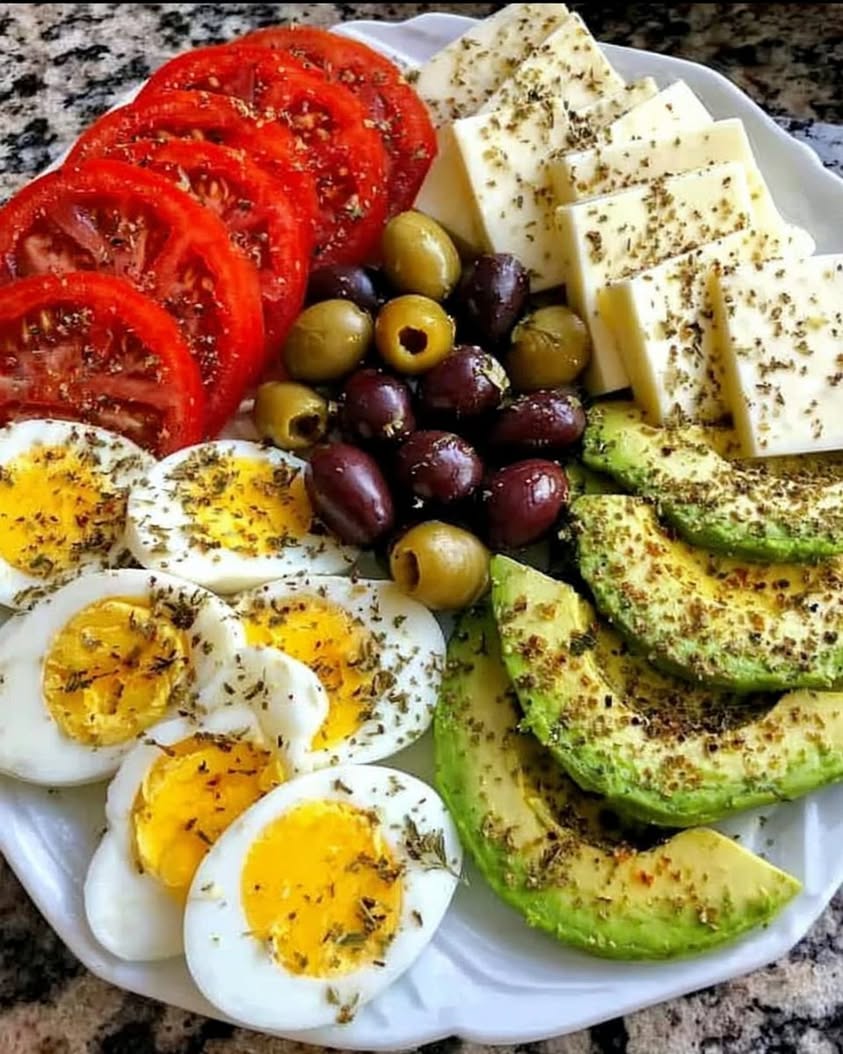
Imagine starting your day with a plate of vibrant colors and bold Mediterranean flavors. The Mediterranean Protein Breakfast Plate with Eggs Avocado Olives is more than just a meal. It is an experience that awakens your senses and fuels your body for hours. You get creamy avocado, perfectly cooked eggs, and briny olives all on one plate, and that combination feels like a mini vacation to a sunny Greek island. This breakfast board is not only stunning to look at but also incredibly satisfying, making it a perfect choice for a weekend brunch or a quick, healthy weekday meal.
Furthermore, this dish is a powerhouse of nutrition that supports your energy levels and overall wellness. The healthy fats from the avocado and olives keep you full and focused. The protein from the eggs helps repair muscles and keeps your metabolism active. As a result, this breakfast is a smart choice for anyone looking to eat clean without sacrificing flavor. The Mediterranean Protein Breakfast Plate with Eggs Avocado Olives is a reminder that eating well can be easy, delicious, and deeply rewarding. It is a complete, balanced meal that requires minimal effort but delivers maximum taste and satisfaction.
Finally, the beauty of this recipe lies in its flexibility and simplicity. You can customize the Mediterranean Protein Breakfast Plate with Eggs Avocado Olives based on what you have in your fridge or what you crave. Add fresh herbs, a sprinkle of feta cheese, or a side of whole-grain toast to soak up the runny yolk. This breakfast is a celebration of fresh, whole ingredients that come together to create something truly special. It proves that a healthy breakfast can be fast, fun, and full of flavor, making it a staple in your weekly meal rotation.
Quick Recipe Highlights
- Flavor Profile: This plate delivers a fantastic balance of savory, creamy, and briny notes. The richness of the avocado and eggs is perfectly cut by the salty kick of kalamata olives. A squeeze of lemon and a sprinkle of fresh herbs bring brightness and a touch of acidity, making every bite complex and exciting.
- Texture: You experience a wonderful variety of textures in this dish. The eggs can be soft and runny, the avocado is smooth and buttery, and the olives offer a firm, chewy bite. The overall feel is satisfying and indulgent without being heavy, and each component provides a distinct mouthfeel that keeps the eating experience interesting.
- Aroma: The aromas are fresh and inviting. You smell the delicate, clean scent of freshly cracked eggs as they hit the hot pan. The earthy, grassy notes of ripe avocado and the tangy, vinegary scent of olives create a beautiful fragrance that signals a wholesome, delicious meal is ready.
- Visual Appeal: This breakfast is a feast for the eyes. Bright green avocado slices contrast beautifully with the deep purple or black olives and the golden yellow of the eggs. A sprinkle of red pepper flakes or fresh herbs adds a pop of color, making the plate look as good as it tastes.
- Skill Level Needed: This recipe is perfect for cooks of all abilities, especially beginners. The techniques involved are straightforward: slicing an avocado, frying or poaching eggs, and arranging everything on a plate. It requires no complex skills or special experience, so anyone can create this impressive breakfast quickly.
- Special Equipment: You only need basic kitchen tools for this recipe. A non-stick skillet is helpful for cooking eggs without sticking. A sharp knife and a cutting board are essential for safely slicing the avocado. Other than that, you just need a plate and a fork to enjoy your meal.
Recipe Overview
- Difficulty Level: We rate this recipe as Easy because it involves very few steps and simple techniques. You do not need to multitask or handle intricate procedures. The main tasks are slicing, cooking eggs to your liking, and assembling the plate. It is a forgiving recipe where you can easily adjust based on your preferences, making it a great confidence builder for new cooks.
- Category: This dish fits perfectly into the breakfast, brunch, and light lunch categories. It is substantial enough to serve as a main meal but quick enough to prepare on a busy morning. You can also serve it as part of a larger brunch spread alongside fresh fruit, yogurt, or whole-grain bread.
- Cuisine: The inspiration for this plate comes directly from the Mediterranean region, specifically Greek and Italian culinary traditions. Using fresh vegetables, healthy fats, and simple preparations is a hallmark of this cuisine. The combination of eggs, avocado (though not native, it has become a staple), and olives reflects a modern, health-conscious take on classic Mediterranean flavors.
- Cost: The cost of making this dinner is quite low. Eggs are a very affordable protein source. Avocados can vary in price depending on the season, but they are generally inexpensive. Olives are also budget-friendly. Overall, this meal costs roughly $6 to $8 for two generous servings, which is much cheaper than going out for a similar brunch plate.
- Season: This breakfast is versatile and works well in any season. It is particularly refreshing in spring and summer when avocados are at their peak and you crave lighter, cooler meals. In fall and winter, the warm eggs and healthy fats provide comfort and nourishment, making it a year-round favorite.
- Occasion: This plate is ideal for a relaxed weekend morning when you have a little more time to enjoy cooking. It is also perfect for a special Valentine’s Day breakfast, a Mother’s Day brunch, or a post-workout replenishment meal. Its beautiful presentation makes it suitable for impressing guests during a casual get-together.
Why You Will Love This Recipe
First and foremost, the taste of the Mediterranean Protein Breakfast Plate with Eggs Avocado Olives is simply irresistible. The creamy avocado acts as a perfect base for the runny yolk from a sunny-side-up egg. Each bite is a harmony of rich, salty, and slightly tangy flavors that dance on your tongue. You get the satisfying pop of an olive and the silky smoothness of the avocado, and this combination creates a texture that is both luxurious and grounding. It is a flavor experience that feels both indulgent and wonderfully healthy, a rare and delightful balance.
Moreover, the convenience of this recipe makes it a game-changer for your morning routine. You can prepare the entire Mediterranean Protein Breakfast Plate with Eggs Avocado Olives in under 25 minutes, including prep time. There is minimal chopping involved, and you only need one pan for the eggs. Cleanup is quick and easy because you do not dirty a lot of dishes. This means you can enjoy a gourmet-quality breakfast without spending your entire morning in the kitchen, freeing you up to start your day right.
From a nutritional standpoint, this plate is a winner for anyone focused on wellness. It is packed with healthy monounsaturated fats from the avocado and olives, which are great for heart health and brain function. The eggs provide high-quality protein and essential vitamins like B12 and D. This meal is naturally low in carbohydrates and free from processed ingredients, making it a perfect choice for those following a low-carb, keto, or whole-foods diet. It supports sustained energy levels and keeps you feeling full and satisfied until lunch.
Additionally, this recipe has excellent social and entertaining value. When you serve the Mediterranean Protein Breakfast Plate with Eggs Avocado Olives to guests, it looks like you spent a lot of time and effort, even though it is incredibly simple. The vibrant colors and beautiful arrangement make a stunning presentation that impresses everyone at the table. It is a fantastic dish for a brunch party because you can set up a DIY bar where guests choose their own toppings, making the meal interactive and fun for everyone involved.
Finally, the cost-effectiveness and accessibility of this recipe are major plus points. Most of the ingredients are readily available at any grocery store, and they are generally affordable. You do not need to hunt for exotic items or spend a lot of money. The recipe is also highly adaptable to what you have on hand. If you are out of olives, you can use capers or skip them altogether. This flexibility means you can make a delicious breakfast with the ingredients you already have, saving you time and money on special shopping trips.
Historical Background and Cultural Significance
The concept of a breakfast plate featuring eggs, vegetables, and olives is deeply rooted in the agricultural traditions of the Mediterranean region. For centuries, farmers and shepherds would start their day with a simple, nourishing meal of what they had on hand. Eggs from the henhouse were a primary source of protein. Olives, whether fresh or cured, were a staple crop that provided healthy fats and could be stored for long periods. This combination was practical, filling, and delicious, forming the basis of a heart-healthy diet that has been celebrated for generations.
Culturally, the shared breakfast table is a cornerstone of social life in places like Greece, Italy, and Spain. The Mediterranean Protein Breakfast Plate with Eggs Avocado Olives represents this spirit of community and hospitality. It is not just about eating; it is about taking time to enjoy a meal with family or friends, often accompanied by strong coffee and lively conversation. This tradition of a slow, communal breakfast is a cherished ritual that promotes mindfulness and connection, contrasting sharply with the rushed mornings common in many modern societies.
The evolution of this recipe is a fascinating journey from simple farm fare to a trendy health-food staple. Over the past two decades, nutritionists and food bloggers have championed the Mediterranean diet for its numerous health benefits. As a result, classic ingredients like olive oil, olives, and eggs have been rebranded as superfoods. The addition of avocado, a fruit native to Central America, is a more recent innovation that gained popularity due to its creamy texture and nutritional profile. This fusion perfectly illustrates how traditional dishes adapt to modern tastes and scientific understanding.
Regional variations of this breakfast plate are abundant. In Greece, you might find it served with feta cheese, tomatoes, and a drizzle of extra virgin olive oil. In Italy, a version called “Uova alla Piastra” often includes arugula and Parmesan cheese. Lebanese breakfasts frequently feature boiled eggs and olives for breakfast with za’atar and pita bread. Each region adds its own local cheese, herbs, or bread, but the core components of eggs, olives, and fresh produce remain consistent. This diversity highlights the universality of simple, wholesome ingredients prepared with care.
Ingredient Deep Dive
Eggs have a long and storied history as a fundamental protein source across almost every culture. In the Mediterranean, chickens have been domesticated for thousands of years, and eggs have always been a symbol of life and fertility. Nutritionally, eggs are a powerhouse, containing all nine essential amino acids, making them a complete protein. They are also rich in choline, which is crucial for brain health, and they contain antioxidants like lutein and zeaxanthin, which support eye health. When selecting eggs, look for ones with clean, uncracked shells. Store them in their original carton in the coldest part of your refrigerator, not in the door. They can last for three to five weeks. If you need a substitute, you can try tofu scramble for a vegan option or use mashed chickpeas for a different texture.
Avocado, though not native to the Mediterranean, has become a beloved and essential ingredient in modern Mediterranean cuisine. Its buttery texture and mild, nutty flavor make it a perfect complement to eggs and olives. The fruit is native to south-central Mexico and has been cultivated for over 5,000 years. Avocados are packed with heart-healthy monounsaturated fats, fiber, and potassium, which are great for lowering blood pressure and improving digestion. To select a ripe avocado, gently squeeze it in the palm of your hand; it should yield slightly to gentle pressure without being mushy. The stem nub should pop off easily, revealing green underneath. Store unripe avocados at room temperature and move them to the refrigerator once they are ripe. They will keep for a few days. Good substitutes include ripe pear slices or a spoonful of guacamole.
Olives are a quintessential Mediterranean ingredient with a history dating back to ancient times. They have been cultivated for their fruit and oil for over 7,000 years, and they are a symbol of peace, wisdom, and prosperity. Nutritionally, olives are full of healthy monounsaturated fats, vitamin E, and powerful antioxidants that fight inflammation. They also contain iron and fiber. When buying olives, you have many choices. Kalamata olives offer a rich, fruity flavor, while green Castelvetrano olives are buttery and mild. For a stronger, saltier kick, try cured black olives. Store opened olives in their brine in the refrigerator; they will last for several weeks. For a substitute, capers offer a similar briny punch, or you can use pickled mushrooms for a different texture and flavor profile.
Extra virgin olive oil is the lifeblood of this dish and the Mediterranean diet. It is made from the first cold pressing of olives and retains the highest levels of antioxidants and healthy fats. This oil is rich in oleic acid, which has been shown to reduce heart disease risk. It also gives the plate a fruity, peppery finish that ties all the ingredients together. When selecting olive oil, look for a dark bottle that protects it from light, as light can degrade the oil. Check the harvest date to ensure freshness. Store it in a cool, dark cabinet away from the stove. It is best used raw as a finishing oil for this recipe to preserve its flavor. A good substitute is avocado oil, which has a neutral flavor and a high smoke point.
Common Mistakes to Avoid
- Using an unripe avocado: An unripe avocado is hard, flavorless, and difficult to slice. Always check for ripeness before you start cooking. Look for a slight give when you gently squeeze the fruit. If it is too firm, you cannot salvage it for this recipe, so plan ahead.
- Overcooking the eggs: Overcooked eggs, especially if you are making sunny-side-up, become rubbery and dry. The yolk should be runny to create a sauce that mixes with the avocado and olives. Watch the eggs closely and remove them from the heat when the whites are just set but the yolk is still liquid.
- Failing to season properly: The Mediterranean Protein Breakfast Plate with Eggs Avocado Olives relies on simple flavors, so seasoning is critical. Do not forget to salt and pepper your eggs and avocado. A flaky sea salt right at the end makes a big difference in the final taste.
- Using too much oil in the pan: Adding too much olive oil to the pan can make the eggs greasy and heavy. Use just a light coating, about a teaspoon, to prevent sticking. You can always drizzle more fresh oil over the finished plate for extra flavor.
- Slicing the avocado too early: Avocado browns quickly when exposed to air. Slice it right before you are ready to serve the plate. If you must slice it ahead, squeeze a little lemon juice over the slices to slow down the browning process.
- Choosing bland or poor-quality olives: The olives are a key flavor driver in this dish. Using bland, canned black olives can ruin the taste. Invest in good-quality, brine-cured olives like Kalamata or Castelvetrano for the best flavor and texture.
- Skipping the finishing touches: A simple garnish can elevate this plate from good to great. Do not skip the squeeze of lemon juice, the sprinkle of red pepper flakes, or a few fresh herb leaves like parsley or dill. These details add brightness and visual appeal.
- Not warming your plate: Serving the hot eggs on a cold plate will cool them down quickly. A quick trick is to warm your serving plate in the microwave for 30 seconds or run it under hot water and dry it before plating. This keeps everything at the perfect temperature.
Essential Techniques
Mastering the technique of cooking the perfect sunny-side-up egg is crucial for this dish. The goal is to have fully set whites and a warm, runny yolk. Start with a non-stick skillet over medium-low heat and add a small amount of oil or butter. Crack the egg directly into a small bowl first to avoid shell fragments, then gently slide it into the pan. Cover the pan with a lid for the last minute of cooking to steam the top of the whites without flipping the egg. You will know it is done when the whites are opaque and no longer jiggly, but the yolk is still bright and liquid. A common pitfall is using high heat, which will brown the bottom before the top is cooked, so patience with a gentle heat is key.
Another essential technique is how to perfectly slice an avocado. A clean slice ensures a beautiful presentation. First, cut the avocado lengthwise around the pit, then twist the two halves apart. Take the half with the pit and gently tap the pit with the blade of your knife, then twist to remove it. Next, score the flesh of each half lengthwise and crosswise with a knife, creating cubes, but be careful not to cut through the skin. Finally, use a large spoon to scoop the flesh out in one piece. This method yields perfect, even slices or cubes. If you try to peel the avocado with your fingers, you will end up with a messy, bruised mess instead of a beautiful, smooth slice for your plate.
Toasting your bread or pita is a simple technique that adds texture and flavor to the meal. A warm, crispy piece of bread is perfect for scooping up the runny yolk and creamy avocado. You can toast the bread in a toaster, under the broiler, or in a dry skillet. If you use a skillet, warm it over medium heat and toast the bread for a couple of minutes on each side until it is golden brown and crispy. This step adds a satisfying crunch that contrasts beautifully with the soft, creamy components of the plate. Ignoring this step leaves your base soggy and less enjoyable.
Pro Tips for Perfect Mediterranean Protein Breakfast Plate
For the best results with your Mediterranean Protein Breakfast Plate with Eggs Avocado Olives, start with room-temperature eggs. They cook more evenly and will not shock the pan, leading to a more tender white. Take your eggs out of the fridge about 15 minutes before you start cooking. This small step makes a big difference in the final texture of your eggs.
Do not forget to season your avocado. A simple sprinkle of flaky sea salt and a crack of black pepper directly on the avocado slices enhances their natural richness and brings out their buttery flavor. You can also add a tiny pinch of chili flakes for a subtle heat that pairs well with the creamy texture.
If you want a citrusy pop, add a squeeze of lemon or lime juice right before serving. The acidity cuts through the richness of the egg yolk and avocado, brightening the entire dish. This is a classic Mediterranean trick that balances all the flavors perfectly.
For a more substantial meal, serve the plate with a side of cold, crisp vegetables. Sliced cucumber, cherry tomatoes, and red onion add freshness and crunch. They also provide extra nutrients and make the plate look even more vibrant and complete.
To add even more Mediterranean flavor, include a sprinkle of crumbled feta cheese. The salty, tangy cheese pairs beautifully with the eggs and avocado. You can also add a few caper berries or a spoonful of toum (a Lebanese garlic sauce) for a flavor explosion.
Always use your best extra virgin olive oil as a finishing drizzle. Do not cook with your expensive oil; add it raw after the eggs are cooked. This preserves its fruity, peppery flavor and gives the entire plate a luxurious, authentic taste that you cannot replicate with cooking oil.
Variations and Adaptations
Regional variations of this breakfast plate are endless and exciting. In the Spanish style, you can add a slice of Spanish tortilla (a thick potato and egg frittata) and some piquillo peppers. This turns the plate into a heartier, more substantial meal. The tortilla adds a different texture, while the sweet, smoky peppers complement the olives perfectly. This version is perfect for a larger brunch or a special occasion brunch where you have more time to prepare.
For a seasonal adaptation, think about what is fresh at the market. In the spring, add some bright green asparagus spears and a handful of fresh peas. In the summer, roast cherry tomatoes and zucchini until they are sweet and tender. In the fall or winter, you could include roasted butternut squash or sautéed kale, which adds a hearty, earthy flavor. This keeps the plate interesting and utilizes the best produce of the moment.
Dietary modifications are quite easy for this recipe. To make it vegan, substitute the eggs with a generous portion of tofu scramble or roasted chickpeas for protein. You can also use a vegan feta cheese. For a dairy-free version, simply skip any cheese and ensure your bread is dairy-free. The dish is naturally gluten-free if you avoid bread or use gluten-free toast, making it accessible for many different dietary needs.
Flavor variations can completely change the profile of the dish. Try adding a spoonful of harissa paste for a spicy North African kick. For a Greek twist, drizzle the plate with tzatziki sauce. If you prefer a more herbaceous flavor, add a handful of fresh mint, dill, or basil. The core ingredients are a perfect canvas for experimenting with different global flavors and spice blends.
Texture modifications can help you use different ingredients. If you want a smoother texture, you can mash the avocado with a fork instead of slicing it. For a crunchier element, top the plate with toasted pine nuts or crushed pistachios. You can also swap the soft-boiled or fried eggs for hard-boiled eggs, which give a firmer, more solid bite. These simple changes can make the dish feel new every time you make it.
Presentation alternatives are also fun to try. Instead of a flat plate, serve everything in a wide, shallow bowl for a more rustic look. You can also deconstruct the plate and serve the components separately, like a breakfast tapas-style presentation. This is fantastic for sharing and allows everyone to build their own perfect bite.
Serving and Presentation Guide
Plating your Mediterranean Protein Breakfast Plate with Eggs Avocado Olives is all about creating a visually appealing arrangement. Start with a large, warm, white plate for the best contrast. Place your toasted bread or pita on one side of the plate. Then, arrange the avocado slices in a fan pattern next to the bread. Place the cooked eggs next to the avocado, and scatter the olives around the plate in a few small clusters. This deliberate arrangement creates a beautiful, cohesive look that is restaurant-quality.
Garnishing is where you can add that final touch of elegance. A light drizzle of extra virgin olive oil over the entire plate adds shine and flavor. A squeeze of lemon juice provides a bright, acidic note. Finish with a sprinkle of flaky sea salt, freshly ground black pepper, and a pinch of red pepper flakes. Finally, add a few small leaves of fresh parsley or dill for a pop of green color. These simple garnishes make the dish look intentional and professional.
Traditional accompaniments for this plate often include crusty sourdough bread or warm pita, which are used for dipping into the yolk and avocado. A side of fresh fruit, like a few slices of orange or a handful of berries, adds sweetness and balance. Some people also enjoy a small bowl of Greek yogurt with honey on the side for a complete, traditional Mediterranean breakfast experience.
For a modern serving suggestion, consider serving this breakfast in a Buddha bowl style. Layer the components on a bed of fresh greens or quinoa for an even more nutrient-dense meal. You can also serve it on a wooden board for a rustic, sharing-style presentation. This is particularly appealing for weekend brunches with friends, as it creates a casual, interactive dining atmosphere.
Temperature considerations are very important for this dish. The eggs and toast should be served hot and immediately. The avocado and olives are best at room temperature. If you refrigerate any of the components, take them out a few minutes before serving to let them come to the ideal temperature. Combining warm and cool elements on the same plate creates a dynamic and enjoyable eating experience.
Portion control tips ensure you get the right amount of food for your needs. One serving of this plate should include two large eggs, one half of an avocado, and about a quarter cup of olives. This provides a balanced amount of protein, healthy fats, and fiber. For a larger appetite, you can add more toast, a side of roasted potatoes, or an extra egg to boost the calorie and nutrient content.
Wine and Beverage Pairing
For a special brunch or weekend breakfast, a wine pairing can elevate your Mediterranean Protein Breakfast Plate with Eggs Avocado Olives. A crisp, dry sparkling wine like Prosecco or Cava is an excellent choice. The bubbles and acidity cut through the richness of the eggs and avocado, cleansing your palate with every sip. A light, unoaked white wine such as a Sauvignon Blanc or an Assyrtiko from Greece also works wonderfully. Its citrusy and herbal notes complement the olives and lemon in the dish without overpowering them.
If you prefer non-alcoholic alternatives, there are many great options. A classic Mediterranean beverage is a glass of fresh-squeezed orange juice, which provides a sweet and tangy contrast to the savory plate. A sparkling water with a slice of lemon or cucumber is refreshing and light. For a more sophisticated option, try a kombucha with a ginger or citrus flavor; the fermentation and acidity pair well with the rich components of the breakfast.
For coffee and tea drinkers, this breakfast is a perfect partner. A strong, dark roast coffee or an espresso balances the richness of the dish and provides a comforting caffeine kick. A Greek coffee, served with a thick foam and grounds at the bottom, is an authentic and traditional pairing. For tea lovers, a mint tea or a chamomile tea provides a soothing, aromatic complement that cleanses the palate and aids digestion.
Temperature is crucial when serving these beverages. Sparkling wines and juices should be served well-chilled. Coffee and tea should be served hot. The temperature contrast between the warm food and the cold or hot drink enhances the overall sensory experience. Always serve drinks in appropriate glassware to maintain the correct temperature and to make the meal feel more special.
Storage and Shelf Life
Storing leftovers of your Mediterranean Protein Breakfast Plate with Eggs Avocado Olides requires careful consideration because some ingredients do not store well. It is best to store each component separately in airtight containers. Cooked eggs can be refrigerated for up to two days, but they will become firmer and less enjoyable when reheated. Sliced avocado will brown quickly, so it is best to only slice what you plan to eat. If you have leftover avocado, keep the pit in the half and wrap it tightly in plastic wrap to slow down oxidation.
Temperature requirements are essential for food safety. All components should be refrigerated within two hours of cooking. Keep your refrigerator at or below 40 degrees Fahrenheit. Olives can be stored in their brine in the refrigerator for several weeks. Eggs should always be kept cold. If you are not eating the meal immediately, do not leave it on the counter for an extended period.
For container recommendations, use glass or BPA-free plastic containers with tight-fitting lids. Glass containers are best for storing olives and leftover oil because they do not absorb odors. For avocado, a very small container with a tight fit can help minimize exposure to air. Alternatively, press a piece of plastic wrap directly against the surface of the avocado before sealing the container.
Signs of spoilage are easy to spot. If the eggs develop a sour or sulfurous smell, or if they become slimy, discard them immediately. Avocado that is brown, mushy, or has a rancid odor is past its prime. Olives that smell funky or have a fizzy texture are also spoiled. Always use your senses to judge freshness, and when in doubt, throw it out to avoid foodborne illness.
Reheating instructions are simple for this dish. The best way to reheat the eggs is in a non-stick skillet over low heat for a minute or two. You can also microwave them for about 30 seconds, but this can make them rubbery. The avocado and olives are best eaten cold, so do not reheat them. Only warm the eggs and toast, and then assemble the plate with the cold ingredients.
Freezing guidelines are not recommended for this meal. Eggs become watery and rubbery when frozen and thawed. Avocado turns into a brown, mushy mess when frozen. Olives can become soft and lose their texture. This dish is meant to be enjoyed fresh, so it is best to make only what you intend to eat in one sitting.
Make Ahead Strategies
When planning a make-ahead strategy for your Mediterranean Protein Breakfast Plate with Eggs Avocado Olives, focus on the components that can be prepared in advance. You can hard-boil the eggs up to five days ahead and store them in the refrigerator. This is a great time-saver for busy mornings. You can also cook a large batch of fried or poached eggs, but they are best when fresh. For the best quality, only cook the eggs the morning you plan to serve them.
Storage between steps is crucial for maintaining quality. If you are hard-boiling eggs ahead, store them in their shells in the refrigerator. Do not peel them until you are ready to eat, as the shells help prevent them from drying out and absorbing other odors. The olives can be kept in their brine in a jar in the fridge. You can also prep the herbs by washing and drying them, then storing them in a paper towel-lined container.
Assessing the quality impact of make-ahead steps is important. Hard-boiled eggs taste great for days. However, sliced avocado will brown quickly, so that must be done fresh. Similarly, toast loses its crunch within minutes, so it should be toasted right before serving. Understanding which components suffer from being made ahead helps you plan efficiently.
Assembly tips for a make-ahead breakfast are simple. On the morning of serving, your main tasks are slicing the avocado, toasting the bread, and cooking the fresh eggs (if you choose not to use hard-boiled ones). If you are using hard-boiled eggs, you can slice them and assemble the entire plate in under five minutes. This makes a delicious, impressive breakfast feel almost effortless.
Reheating guidelines for make-ahead components are straightforward. Hard-boiled eggs are best enjoyed cold or at room temperature. If you want them warm, you can place them in a bowl of hot water for a few minutes. Do not microwave them in their shells as they may explode. For any other cooked eggs, reheat them gently in a skillet as described earlier.
Fresh element additions are the key to making a make-ahead meal taste freshly made. Always add the avocado, lemon juice, herbs, and the final drizzle of olive oil right before serving. These fresh, vibrant elements will disguise the fact that some components were prepped ahead, giving you a breakfast that tastes like it was made from scratch.
Scaling Instructions
Halving the Mediterranean Protein Breakfast Plate with Eggs Avocado Olives to serve one person is very simple. Just use one egg, half an avocado, and a small handful of olives. The cooking time for the egg remains the same because you are still cooking one or two eggs in the same pan. The only challenge is using half an avocado. To keep the other half fresh, leave the pit in and squeeze a little lemon juice over the exposed flesh, then wrap it tightly in plastic wrap and store it in the fridge. It will be good for another day.
Doubling or tripling the recipe to serve four or six people requires a little more planning but is still easy. You will need a larger skillet or two pans to cook the eggs simultaneously so they are all ready at the same time. For four people, you can use a 12-inch skillet to cook four eggs at once. For six people, you will likely need two skillets. You can also poach or bake the eggs in the oven to feed a crowd more efficiently, which is a great method for a big brunch gathering.
Equipment adjustments for larger batches include using a sheet pan to bake the eggs. You can crack multiple eggs into a lightly greased sheet pan and bake them at 350 degrees Fahrenheit for about 10 to 12 minutes. This method is very hands-off and yields consistent results for a crowd. For the avocado, you will need to slice more fruit, but the technique remains the same. Make sure you have enough plates or bowls to serve everyone.
Timing modifications for a larger group require a bit of coordination. If you are cooking eggs in batches, keep the first batch warm in a low-temperature oven (around 200 degrees Fahrenheit) on a baking sheet while you finish the rest. The avocado and olives should be prepped and stored in the refrigerator until you are ready to serve. This way, you can plate everything quickly and serve everyone a hot, delicious meal at the same time.
Storage considerations for a scaled-up recipe are minimal because this dish is best served fresh. If you have leftover cooked eggs, they can be stored as described earlier. However, for a large gathering, it is better to make only as many servings as you need to avoid waste. The fresh ingredients, especially avocado, do not hold up well, so plan your quantities carefully.
Nutritional Deep Dive
A standard serving of the Mediterranean Protein Breakfast Plate with Eggs Avocado Olives provides a fantastic macronutrient profile for a balanced breakfast. You get approximately 25 to 30 grams of high-quality Print
Breakfast Power Plate Mediterranean Protein Breakfast Plate with Eggs, Avocado & Olives
- Total Time: 17 minutes
- Yield: 2
Description
A hearty and nutritious Mediterranean-inspired breakfast plate loaded with protein and healthy fats, featuring perfectly cooked eggs, creamy avocado, and briny olives.
Ingredients
- 4 large eggs
- 1 ripe avocado, sliced
- 1/2 cup Kalamata olives
- 1/4 cup crumbled feta cheese
- 1 cup cherry tomatoes, halved
- 1/2 small cucumber, diced
- 2 tablespoons extra virgin olive oil
- 1 tablespoon lemon juice
- 1/2 teaspoon dried oregano
- Salt and black pepper to taste
- 2 slices whole grain bread or pita, toasted (optional)
Instructions
- Bring a pot of water to a gentle simmer and carefully add the eggs. Cook for 6-7 minutes for soft-boiled eggs, then transfer to an ice bath. Peel and halve.
- In a small bowl, whisk together olive oil, lemon juice, dried oregano, salt, and pepper to make a simple dressing.
- Arrange the avocado slices, olives, feta cheese, cherry tomatoes, and cucumber on a large plate.
- Place the halved eggs on the plate and drizzle the dressing over the vegetables and eggs.
- Serve immediately with toasted bread or pita if desired.
Notes
You can customize the seasonings to taste. For a vegan version, replace eggs with grilled tofu or chickpeas and omit the feta.
- Prep Time: 10 minutes
- Cook Time: 7 minutes
- Method: Breakfast
- Cuisine: Mediterranean