High-Protein Mediterranean Chicken & Avocado Salad: A Fresh, Flavor-Packed Meal
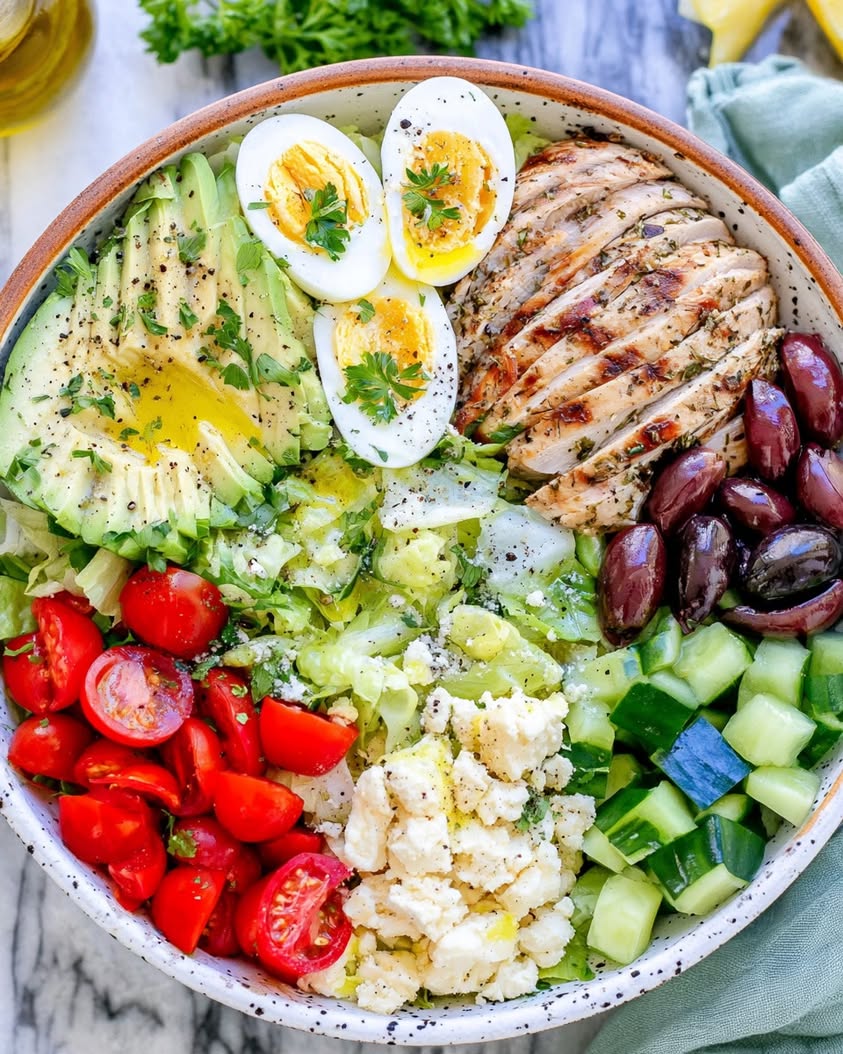
This High-Protein Mediterranean Chicken & Avocado Salad brings together everything you love about bright, sun-soaked cooking in one colorful bowl. Juicy grilled chicken meets creamy avocado, crisp cucumber, sweet cherry tomatoes, and briny feta cheese, all tossed in a zesty lemon-oregano dressing. If you crave a meal that satisfies without weighing you down, this salad delivers on every front. The High-Protein Mediterranean Chicken & Avocado Salad works beautifully as a weeknight dinner, a meal-prep lunch, or a show-stopping dish for your next gathering.
What makes this recipe shine is its balance. You get lean protein from the chicken, healthy fats from the avocado and olive oil, and a generous dose of fiber from fresh vegetables. Meanwhile, the Mediterranean-inspired dressing ties everything together with tangy lemon, earthy oregano, and a touch of garlic. Because the High-Protein Mediterranean Chicken & Avocado Salad comes together in just 35 minutes, you can enjoy restaurant-quality flavors without spending hours in the kitchen. Additionally, the ingredients are easy to find at any grocery store, and most of them likely already live in your pantry or fridge.
Beyond taste, this salad supports an active lifestyle. Each serving packs a serious protein punch, which helps with muscle recovery and keeps you full longer. The fresh vegetables deliver vitamins and antioxidants, while the olive oil and avocado provide heart-healthy fats. As a result, the High-Protein Mediterranean Chicken & Avocado Salad fits neatly into weight management plans, low-carb diets, and clean-eating routines. Whether you meal-prep on Sunday or throw it together after work, this recipe rewards you with vibrant flavor and real nutritional value.
Quick Recipe Highlights
- Flavor Profile: Expect a bright, tangy, and herbaceous taste with savory grilled chicken and salty feta. The lemon-oregano dressing adds freshness, while the avocado brings a subtle richness that balances the acidity.
- Texture: You get crunch from cucumber and red onion, creaminess from avocado, and juicy tenderness from the chicken. The feta adds a pleasant crumble, so every bite feels varied and satisfying.
- Aroma: Grilled chicken with oregano and garlic fills the kitchen with a warm, savory scent. Fresh lemon zest and herbs lift the aroma, making the salad smell as vibrant as it looks.
- Visual Appeal: Deep greens, ruby-red tomatoes, creamy avocado slices, and white feta create a striking color contrast. Arrange the components in sections for a picture-perfect bowl that guests will notice immediately.
- Skill Level Needed: This recipe suits beginners because it relies on simple grilling and chopping. You only need basic knife skills and a hot pan or grill to succeed.
- Special Equipment: A grill pan or outdoor grill works best for the chicken, though a skillet does the job too. You also need a cutting board, a sharp chef’s knife, and a small whisk or jar for the dressing.
Recipe Overview
- Difficulty Level: I rate this recipe easy because it involves straightforward steps and forgiving timing. The chicken cooks quickly, and the salad components require only chopping. Even a first-time cook can nail it with minimal practice, and cleanup stays simple.
- Category: This dish functions as a main-course salad, a protein-rich lunch, or a light dinner. It also works as a potluck contribution or a meal-prep staple for the week.
- Cuisine: The recipe draws from Mediterranean culinary traditions, especially Greek and Levantine cooking. Those cuisines celebrate olive oil, lemon, oregano, fresh vegetables, and grilled meats. This salad borrows those hallmarks and adapts them into a convenient modern bowl.
- Cost: The ingredients cost roughly moderate for four servings, with chicken and avocado as the priciest items. Feta, olives, and fresh produce stay affordable, and pantry staples like olive oil and oregano stretch across many meals.
- Season: Summer offers peak flavor for tomatoes, cucumber, and avocado. However, the recipe works year-round because grocery stores stock these items consistently. Spring and early fall also suit it well for light, fresh meals.
- Occasion: Serve it for casual weeknight dinners, weekend lunches, or backyard gatherings. It also shines at picnics, potlucks, and healthy holiday spreads where guests want something fresh.
Why You’ll Love This Recipe
The taste and texture of this High-Protein Mediterranean Chicken & Avocado Salad keep people coming back. Grilled chicken absorbs the lemon-oregano marinade and develops a lightly charred crust, which adds smoky depth. Creamy avocado contrasts with crunchy cucumber and crisp red onion, while feta delivers salty pops throughout. Because the dressing stays bright and tangy, the salad never feels heavy, and each bite refreshes your palate. The combination of warm chicken and cool vegetables creates a delightful temperature contrast that elevates the whole experience.
Convenience makes this recipe a weeknight hero. You need only 35 minutes from start to finish, and most of that time involves simple chopping. The chicken grills in about six to seven minutes per side, so dinner arrives fast. Additionally, you can prep components ahead and assemble later, which saves time on busy evenings. Cleanup stays minimal because you use one grill pan and one mixing bowl, and the dressing shakes together in a jar.
Nutritionally, this salad earns its high-protein label honestly. Chicken breast provides lean protein, avocado supplies healthy monounsaturated fats, and vegetables add fiber and micronutrients. The olive oil dressing contributes heart-healthy fats, and the lemon delivers vitamin C. Because the recipe keeps carbs low, it fits low-carb and keto-style eating patterns. Meanwhile, the protein and fiber combo promotes satiety, which helps curb snacking between meals.
Socially, this dish impresses guests without stress. The colorful presentation looks restaurant-worthy, yet the recipe demands little effort. You can set out the components and let guests build their own bowls, which suits casual gatherings. The Mediterranean theme pairs well with warm pita, hummus, and grilled vegetables, so you can round out a full spread easily. Consequently, the High-Protein Mediterranean Chicken & Avocado Salad becomes your go-to dish for entertaining.
Finally, cost-effectiveness and accessibility make this recipe practical. Chicken breast, seasonal vegetables, and pantry staples keep the budget reasonable. Most ingredients appear in standard grocery stores, and you can swap items based on sales or availability. Because the recipe scales easily, it fits both small households and larger families. Over time, you save money by cooking at home instead of ordering takeout, and you control the quality of every ingredient.
Historical Background and Cultural Significance
Mediterranean cooking traces back thousands of years across Greece, southern Italy, Spain, and the Levant. Olive oil has anchored these cuisines since ancient times, and coastal communities built diets around fresh vegetables, legumes, fish, and grilled meats. Oregano grew wild across the rocky hillsides, and cooks learned to pair it with lemon and garlic. As a result, the flavor foundation of this High-Protein Mediterranean Chicken & Avocado Salad reflects centuries of culinary tradition.
Greece, in particular, shaped the salad culture that inspires this recipe. Traditional Greek salads combine tomatoes, cucumber, onion, olives, and feta with olive oil and oregano. Villagers served these salads with grilled meats during warm months, and the practice spread across the region. Consequently, the combination of grilled chicken and Mediterranean vegetables feels natural and time-tested rather than trendy.
The recipe evolved as cooks moved toward lighter, protein-forward meals. Modern nutrition science highlighted the benefits of lean protein and healthy fats, and home cooks began adding chicken and avocado to classic vegetable salads. Avocado arrived from the Americas, but it fit the Mediterranean flavor profile because of its creamy texture and mild taste. Therefore, this salad represents a fusion of Old World tradition and New World ingredients.
Regional variations abound across the Mediterranean. In Greece, cooks lean heavily on oregano and feta. In Lebanon, sumac and parsley often appear in similar salads. Italian cooks might add basil and balsamic notes. Meanwhile, American home cooks adapt freely, adding avocado, quinoa, or chickpeas. Because the core flavors remain consistent, the High-Protein Mediterranean Chicken & Avocado Salad welcomes creative twists while staying true to its roots.
Ingredient Deep Dive
Chicken Breast: Chicken breast serves as the protein backbone of this salad, and it has fed families across cultures for centuries. It offers lean protein with minimal fat, which supports muscle building and weight management. When selecting chicken, look for firm, pinkish meat with no strong odor, and check for plump, moist texture. Store raw chicken in the coldest part of your fridge and cook it within two days of purchase. For substitutions, turkey breast or firm tofu work well.
Chicken breast absorbs marinades beautifully, so it takes on oregano, lemon, and garlic flavors quickly. Because it cooks fast, it suits busy schedules. Additionally, its mild taste pairs with bold dressings without clashing. Consequently, chicken remains a reliable choice for protein-packed salads. If you prefer dark meat, thighs offer more richness, though they add extra fat.
Avocado: Avocado originated in Mexico and Central America, where cultures cultivated it for thousands of years. Today it symbolizes healthy eating because of its monounsaturated fats, fiber, and potassium. When choosing avocados, pick ones that yield slightly to gentle pressure and feel heavy for their size. Avoid fruit with sunken spots or mushy areas. Store ripe avocados in the fridge to slow ripening and use them within a few days.
Avocado brings creaminess that balances crunchy vegetables and tangy dressing. Its mild, buttery flavor complements lemon and oregano without overpowering them. Nutritionally, avocado supports heart health and helps your body absorb fat-soluble vitamins. Consequently, it earns a permanent spot in this High-Protein Mediterranean Chicken & Avocado Salad. If avocado is unavailable, consider hummus or a drizzle of tahini for similar richness.
Cherry Tomatoes: Cherry tomatoes trace back to South America, and European traders spread them across the Mediterranean centuries ago. They now define summer salads across Greece, Italy, and Spain. Choose firm, glossy tomatoes with vibrant color and no wrinkles. Store them at room temperature away from direct sun, and refrigerate only when fully ripe. For substitutes, grape tomatoes or chopped Roma tomatoes work nicely.
Cherry tomatoes deliver sweetness and acidity that brighten the salad. Their juicy pop adds texture contrast, and their vitamin C content supports immunity. Because they hold their shape well, they make the salad look appealing. Additionally, they release natural juices that mingle with the dressing, deepening the flavor over time.
Feta Cheese: Feta has anchored Greek cuisine for centuries, and protected designation rules govern its production in Greece. It brings salty, tangy notes and a crumbly texture that elevates simple salads. Look for feta packed in brine for the best flavor and moisture. Store it submerged in brine in the fridge, and use it within a week after opening. Goat cheese or ricotta salata make good alternatives.
Feta adds savory depth that balances the lemon dressing and sweet tomatoes. Its saltiness enhances the chicken without requiring extra seasoning. Nutritionally, feta provides calcium and protein, though it carries notable sodium. Consequently, use it thoughtfully if you monitor salt intake. Crumbled feta distributes more evenly than large chunks, so every bite gets a taste.
Cucumber: Cucumbers have grown across the Mediterranean and Asia for thousands of years, and they appear in salads throughout Greece and Turkey. They offer hydration, crisp texture, and mild flavor. Choose firm, dark green cucumbers without soft spots, and store them in the fridge crisper drawer. English cucumbers work best because they have thinner skins and fewer seeds.
Cucumber adds refreshing crunch and cools the palate against bold oregano and garlic. Its high water content keeps the salad light and hydrating on warm days. Additionally, cucumber absorbs dressing nicely, so it tastes better after a short rest. If you prefer less bitterness, peel the skin or scoop out seeds.
Olive Oil and Lemons: Olive oil has powered Mediterranean kitchens for millennia, and it remains central to Greek, Italian, and Spanish cooking. Lemons arrived later but became essential for brightening dishes. Choose extra virgin olive oil for dressings because it carries the most flavor and antioxidants. Store olive oil in a cool, dark place and use lemons within a week of buying.
Together, olive oil and lemon create the dressing’s backbone. The oil adds richness and helps absorb nutrients, while lemon delivers acidity and vitamin C. Because this combination requires no cooking, it preserves fresh flavors. Consequently, the dressing takes seconds to make yet transforms the entire High-Protein Mediterranean Chicken & Avocado Salad.
Common Mistakes to Avoid
- Overcooking the chicken dries it out and ruins the salad’s texture. Grill until the internal temperature reaches 165 degrees Fahrenheit, then rest the meat before slicing. A meat thermometer prevents guesswork.
- Under-seasoning the chicken leaves the salad flat because the dressing cannot fix bland protein. Salt the chicken before grilling and let the marinade sit for at least 15 minutes. Taste a small piece before serving.
- Adding avocado too early causes browning and mushiness. Slice avocado right before serving or toss it with lemon juice to slow oxidation. Keep it separate during storage.
- Skipping the resting period for chicken lets juices run out and dry the meat. Rest the grilled chicken for five minutes before slicing. This step keeps every bite moist.
- Using unripe avocado creates a hard, flavorless salad. Choose avocados that yield to gentle pressure and ripen them at room temperature if needed. Plan ahead so fruit ripens on schedule.
- Overdressing the salad makes it soggy and heavy. Add dressing gradually and toss gently, then serve extra dressing on the side. You can always add more, but you cannot remove excess.
- Chopping vegetables too far ahead causes them to lose crunch and freshness. Prep components within a few hours of serving, or store them separately. Cucumber especially softens quickly.
- Ignoring the grill heat leads to uneven cooking and burnt spots. Preheat the grill or pan properly and adjust heat as needed. Medium-high heat suits chicken breast best.
- Using stale or low-quality feta weakens the flavor. Buy feta packed in brine and check the expiration date. Fresh feta crumbles better and tastes brighter.
- Forgetting to wash produce introduces grit and potential contaminants. Rinse tomatoes, cucumber, and herbs thoroughly before chopping. Dry them well so the dressing clings properly.
Essential Techniques
Grilling chicken properly makes or breaks this recipe. High heat creates a flavorful crust while keeping the interior juicy, so preheat your grill or pan for several minutes. Cook each side for six to seven minutes without moving the meat too often, which allows browning to develop. Use a thermometer to confirm doneness, and rest the chicken before slicing. Visual cues include clear juices and golden-brown grill marks.
Balancing the dressing requires tasting as you go. Whisk olive oil, lemon juice, garlic, oregano, salt, and pepper, then taste before adding more of anything. The dressing should taste bright and slightly acidic because it will soften when tossed with the salad. Common pitfalls include too much salt or overpowering garlic, so add those gradually. Good dressing coats the back of a spoon and smells fragrant.
Slicing chicken against the grain improves tenderness. The grain refers to the direction of the muscle fibers, and cutting across them shortens them, making each bite easier to chew. Find the grain by looking for lines running through the meat, then angle your knife perpendicular to those lines. Sharp knives make clean cuts and prevent tearing. Visual cues include smooth slices that hold their shape.
Handling avocado gently preserves its shape and texture. Halve the fruit around the pit, twist to separate, and scoop the flesh with a spoon. Slice or cube it on a cutting board, and toss with lemon juice if serving later. Avoid pressing or mashing the avocado unless you want a creamy texture. Handle it last when assembling so it stays intact.
Tossing the salad evenly distributes flavor without bruising ingredients. Use a large bowl and add dressing in stages, folding gently from the bottom. Add delicate items like avocado and feta at the end, then give a final light toss. This method keeps components intact and ensures every bite tastes balanced. Proper tossing prevents pockets of dry greens or overdressed spots.
Pro Tips for Perfect High-Protein Mediterranean Chicken & Avocado Salad
Marinate the chicken for at least 30 minutes, and up to four hours, to deepen flavor. A simple mix of olive oil, lemon juice, garlic, oregano, and salt transforms plain chicken breast. Longer marinating risks mushy texture, so keep it within the window.
Season the dressing generously with black pepper and a pinch of red pepper flakes for gentle heat. The flakes add complexity without overwhelming the Mediterranean flavors. Taste and adjust before tossing.
Use a grill pan indoors during colder months to achieve similar char without firing up the outdoor grill. A cast-iron grill pan retains heat well and creates bold grill marks. Preheat it thoroughly for the best results.
Slice cherry tomatoes in half to release their juices into the dressing. Halved tomatoes distribute sweetness more evenly and make the salad easier to eat. Keep them at room temperature for maximum flavor.
Quick-pickle red onion in lemon juice for ten minutes to mellow its bite. This step softens the sharpness and adds tanginess that complements the chicken. Drain before adding to the salad.
Toast a handful of pita triangles or panko crumbs for crunch if you want extra texture. Toasted elements add contrast and make the salad feel heartier. Add them right before serving to keep them crisp.
Assemble the salad in a wide, shallow bowl for easy tossing and beautiful presentation. Wide bowls display the colors and let guests see every ingredient. They also make serving simpler.
Rest the grilled chicken for five minutes, then slice it thinly for even distribution. Thin slices integrate better with the vegetables and absorb more dressing. Slicing also makes the salad easier to eat.
Variations and Adaptations
Regional variations offer endless inspiration. A Greek-style version leans on extra feta, Kalamata olives, and a generous sprinkle of dried oregano. Italian-inspired cooks might add basil, balsamic vinegar, and shaved Parmesan. Meanwhile, a Levantine twist introduces sumac, parsley, and a tahini-lemon dressing. Each variation keeps the Mediterranean spirit while shifting the flavor profile.
Seasonal adaptations keep the salad exciting year-round. In summer, use peak tomatoes and fresh corn for sweetness. During fall, roasted red peppers and toasted pumpkin seeds add warmth. Winter calls for citrus segments and hearty greens like kale, while spring welcomes radishes and fresh herbs.
Dietary modifications make this recipe flexible. Swap chicken for grilled shrimp, salmon, or chickpeas to change the protein. For dairy-free versions, omit feta or use a plant-based alternative. Vegan cooks can replace chicken with crispy tofu and add extra avocado for richness.
Flavor variations let you play with dressings. Try a balsamic vinaigrette for deeper sweetness or a yogurt-lemon dressing for creaminess. Add harissa for heat, or drizzle tahini for nutty richness. Each dressing shifts the character of the salad while keeping the core ingredients intact.
Texture modifications accommodate different preferences. Add toasted nuts, crispy chickpeas, or crumbled pita chips for extra crunch. Alternatively, keep it soft with extra avocado and a creamy dressing. Texture contrast makes salads memorable, so choose additions that complement the base.
Presentation alternatives suit different occasions. Serve the salad in lettuce cups for a handheld appetizer, or layer it in a mason jar for meal prep. A platter arrangement works well for parties, while individual bowls suit dinner at home. Each format keeps the High-Protein Mediterranean Chicken & Avocado Salad visually appealing.
Serving and Presentation Guide
Plating techniques matter for both looks and taste. Start with greens as the base, then arrange chicken slices in a fan pattern over the top. Group tomatoes, cucumber, and onion in sections for a composed look, and scatter feta and avocado last. Spoon dressing over the salad at the table so guests see the glossy finish. This approach makes the salad look intentional and appetizing.
Garnishing ideas enhance visual appeal and add flavor. Sprinkle fresh oregano or parsley for greenery, add lemon wedges for brightness, and finish with cracked black pepper. A drizzle of olive oil and a few olives complete the look. Keep garnishes simple so the salad stays clean and elegant.
Traditional accompaniments round out the meal. Warm pita bread, hummus, and tzatziki pair beautifully with these Mediterranean flavors. A side of grilled vegetables or rice pilaf adds heartiness for bigger appetites. These sides echo the flavors without competing.
Modern serving suggestions suit contemporary dining. Serve the salad in a wrap or pita pocket for a handheld lunch, or layer it over quinoa for extra protein. A bed of orzo or couscous transforms it into a grain bowl. These options make the recipe versatile across meals.
Temperature considerations affect flavor. Serve the salad with warm or room-temperature chicken and chilled vegetables for contrast. Avoid serving the chicken ice-cold because it mutes the flavors. Room-temperature avocado tastes best, so pull it from the fridge a few minutes before serving.
Portion control tips help with balanced meals. Aim for about one cup of vegetables and one palm-sized portion of chicken per serving. Add avocado and feta in modest amounts to control calories. These portions keep the salad satisfying yet light.
Wine and Beverage Pairing
Wine pairings should match the salad’s bright, tangy flavors. A crisp Sauvignon Blanc cuts through the feta and lemon dressing beautifully. Alternatively, a dry Greek Assyrtiko offers minerality that complements the Mediterranean profile. Rosé works well for casual meals because it bridges light and rich elements.
Non-alcoholic alternatives keep everyone included. Sparkling water with lemon and mint refreshes the palate, while iced green tea adds subtle earthiness. A cucumber-lime cooler brings cooling freshness that mirrors the salad. These options feel festive without alcohol.
Coffee and tea pairings suit lunch settings. A light iced tea with lemon echoes the dressing, while a mild green tea complements the herbs. Avoid heavy coffee during the meal because it can overwhelm delicate flavors. Save espresso for afterward if desired.
Temperature considerations matter for beverages too. Serve white wine and sparkling drinks well chilled to contrast with the grilled chicken. Warmer drinks like tea should stay moderately hot so they do not clash with the cool salad. Proper temperatures sharpen the overall experience.
Serving suggestions include offering drinks in pitchers for group gatherings. Set out lemon wedges and herbs so guests can garnish their own glasses. This interactive touch fits the relaxed Mediterranean spirit and makes entertaining easier.
Storage and Shelf Life
Storage methods preserve freshness and texture. Keep the salad components separate when possible, especially the dressing, avocado, and chicken. Store chopped vegetables in airtight containers and dress only what you plan to eat. This method keeps everything crisp and avoids sogginess.
Temperature requirements matter for food safety. Refrigerate the salad at 40 degrees Fahrenheit or below and consume it within three to four days. Keep the chicken in a separate container if you want to reheat it later. Never leave the salad at room temperature for more than two hours.
Container recommendations include glass containers with tight lids for vegetables and a jar for dressing. Glass does not absorb odors and makes it easy to see contents. Use small containers for feta and olives to keep them organized. Label containers with dates so you remember when you prepared them.
Signs of spoilage include a sour smell, slimy textures, or dull colors. Discard any salad that smells off or contains mold. When in doubt, throw it out because food safety matters more than saving leftovers. Avocado browns quickly, but brown spots do not always mean spoilage if the salad is otherwise fresh.
Reheating instructions apply mainly to the chicken. Warm it gently in a skillet or microwave until it reaches 165 degrees Fahrenheit, then add it to fresh salad components. Do not microwave the entire salad because vegetables and avocado do not reheat well. Reheating only the chicken preserves texture.
Freezing guidelines save time for future meals. Freeze grilled chicken slices in freezer bags for up to two months, and thaw them overnight in the fridge. Do not freeze avocado, cucumber, or tomatoes because they turn mushy. Prepare fresh vegetables when you plan to serve the salad.
Make Ahead Strategies
Prep timeline planning makes weeknights easier. Chop vegetables, whisk dressing, and grill chicken up to one day ahead. Store each component in separate containers so textures stay intact. This strategy cuts assembly time to minutes.
Storage between steps requires attention to moisture. Pat vegetables dry before storing and keep dressing separate. Place avocado in a container with lemon juice to slow browning. Proper storage preserves flavor and crunch.
Quality impact assessment helps set expectations. Grilled chicken tastes nearly as good reheated, and vegetables stay crisp if stored well. Avocado loses some texture after a day, so slice it fresh when possible. Overall, make-ahead prep sacrifices little quality.
Assembly tips speed up serving. Set out containers in order, toss vegetables with dressing first, then add chicken, avocado, and feta. Tossing in stages prevents overdressing and keeps each component distinct. Assembly takes five minutes with prepped ingredients.
Reheating guidelines for the chicken recommended serving remain simple. Warm only what you plan to eat and add it to chilled vegetables. This contrast makes the salad feel fresh even from leftovers. Avoid reheating the whole salad in one go.
Fresh element additions refresh leftovers. Add new cucumber, tomatoes, or lettuce to day-old salad, and whisk extra dressing. A squeeze of lemon revives flavors quickly. These small additions make leftovers taste new.
Scaling Instructions
Halving the recipe suits smaller households. Cut chicken and vegetables in half, but keep dressing amounts flexible because salads tolerate extra dressing. Use a smaller grill pan and adjust cooking time slightly. Leftovers stay manageable and reduce waste.
Doubling or tripling works well for gatherings. Increase all ingredients proportionally and use a larger grill or cook chicken in batches. Keep dressing separate so guests control their portions. Larger batches need more bowls and serving utensils.
Equipment adjustments matter when scaling up. Use sheet pans for grilling chicken in the oven if your grill fills up. Larger mixing bowls prevent spillage and make tossing easier. Organize a station for assembly to keep the process smooth.
Timing modifications include grilling chicken in batches and prepping vegetables while chicken cooks. Larger salads need extra tossing time and more serving space. Start earlier than you think so everything reaches the table on schedule.
Storage considerations grow with bigger batches. Use multiple containers for vegetables and label them by date. Keep chicken in freezer bags if you plan to store it longer. Planning storage prevents waste when you scale up.
Nutritional Deep Dive
The macro breakdown shows why this salad earns its high-protein status. Chicken delivers roughly 25 to 30 grams of protein per serving, while avocado and olive oil provide healthy fats. Carbohydrates stay low thanks to the vegetable base, with fiber from produce supporting digestion. Overall, the macros fit balanced, low-carb eating patterns.
Micronutrient analysis reveals strong vitamin and mineral contributions. Tomatoes provide vitamin C and lycopene, while avocado supplies potassium and vitamin E. Feta adds calcium, and leafy greens contribute vitamin K and folate. Chicken brings B vitamins, especially niacin and B6.
Health benefits include satiety, muscle support, and heart health. Protein and fiber keep hunger in check, and monounsaturated fats support cardiovascular wellness. Antioxidants from vegetables fight oxidative stress. As a result, the salad fits wellness-focused lifestyles.
Dietary considerations involve sodium and fat levels. Feta and olives add sodium, so adjust quantities if you monitor salt intake. Avocado and olive oil increase fat, though these are heart-healthy fats. Balance portions to fit your needs.
Portion analysis helps with calorie control. One serving provides a filling meal with moderate calories, mainly from protein and fats. Add extra greens to increase volume without many calories. Adjust chicken and avocado portions for higher or lower calorie targets.
Weight management tips include using dressing sparingly and loading up on vegetables. Protein keeps you full, which reduces snacking. Pair the salad with light sides to stay within calorie goals. These strategies make healthy eating sustainable.
Dietary Adaptations
Gluten-free versions require almost no changes because the salad contains no grains. Verify that feta and dressing ingredients carry gluten-free labels. Serve with gluten-free pita if you want bread on the side. This recipe naturally suits gluten-free diets.
Dairy-free modifications mean omitting feta or using a plant-based alternative. Avocado adds richness when feta leaves the picture, and olives provide salty contrast. A dairy-free dressing already works because olive oil and lemon carry the flavor. These swaps keep the salad vibrant.
Vegan adaptations replace chicken with crispy chickpeas or grilled tofu and skip feta entirely. Add extra avocado and nuts for richness and protein. Use maple syrup instead of honey if a sweeter dressing appears. The result stays hearty and satisfying.
Low-carb and keto adaptations already align with this recipe. Keep the vegetable base and dressing, and add extra olive oil or avocado for fat. Skip bread and sugary sides. The salad fits these diets with minimal adjustments.
Paleo adaptations favor whole ingredients, which this recipe already emphasizes. Choose a dairy-free cheese alternative or omit feta. Use a clean olive oil dressing without additives. Grilled chicken and vegetables fit paleo guidelines naturally.
Low-FODMAP adaptations require attention to onion and avocado portions. Replace red onion with scallion greens and limit avocado to a small portion. Choose feta in moderation because it is lower in lactose. These tweaks support sensitive digestion.
Troubleshooting Guide
Texture issues often come from watery vegetables or overdressed salad. Dry cucumber and tomatoes well before mixing, and dress just before serving. If the salad becomes soggy, drain excess liquid and add fresh greens. These fixes restore crunch quickly.
Flavor balance problems usually involve excess salt, acid, or garlic. Taste the dressing first, and adjust with a pinch of salt or a squeeze of lemon. If acid overwhelms, add a little olive oil. Balance improves with small, gradual changes.
Temperature problems like cold chicken or warm avocado affect enjoyment. Let chicken rest and cool slightly before chilling, and pull avocado from the fridge shortly before serving. Keep chilled components cold during hot weather. Proper handling keeps flavors bright.
Equipment challenges include uneven grilling or dull knives. Preheat pans thoroughly and use a thermometer for doneness. Sharpen knives before slicing chicken and avocado. Simple tools prevent bigger issues.
Ingredient substitutions require matching texture and flavor. Swap feta with goat cheese, avocado with hummus, and chicken with shrimp. Keep dressing flavors consistent so the profile stays Mediterranean. Substitutions work best when textures align.
Timing concerns ease with preparation planning. Grill chicken first, then chop vegetables while it rests. Make dressing last so it stays fresh. These steps keep the process smooth and stress-free.
Recipe Success Stories
Community feedback highlights how quickly this salad becomes a favorite. Readers report making it weekly for lunch and sharing it at parties with rave reviews. Many praise the dressing for being simple yet bold. Others mention how the salad keeps them full during busy workdays.
Variation successes include adding quinoa, swapping shrimp for chicken, and using tahini dressing. Families appreciate the flexibility for picky eaters. Some readers serve the components separately so everyone builds their own bowl. These stories show the recipe adapts easily.
Adaptation stories focus on dietary needs. Gluten-free and keto readers note that the salad fits their plans without sacrificing flavor. Vegan cooks share tofu versions with great results. These adaptations keep the recipe inclusive.
Reader suggestions improve the recipe over time. Some recommend grilling extra chicken for meal prep, while others add toasted pita for crunch. A few mention using lemon zest in the dressing for extra brightness. These ideas reflect real kitchen experience.
Photography tips help readers share beautiful results. Use natural light and a shallow bowl to show layers, and add lemon wedges for color. Arrange chicken on top so it stands out. These touches make the salad look as good as it tastes.
Frequently Asked Questions
Can I use chicken thighs instead of chicken breast?
Yes, chicken thighs work well and bring extra richness because of their higher fat content. Grill them longer than breast meat to ensure doneness, and rest them before slicing. Dark meat pairs nicely with the lemon-oregano dressing.
How do I keep avocado from browning?
Toss avocado slices with lemon or lime juice to slow oxidation. Add avocado to the salad right before serving, and store leftovers with plastic wrap pressed against the surface. These steps keep color and texture better for a day.
Can I make this salad ahead of time?