Vibrant Mediterranean Beef Stir-Fry with Feta and Fresh Vegetables: A 30-Minute Flavor Explosion
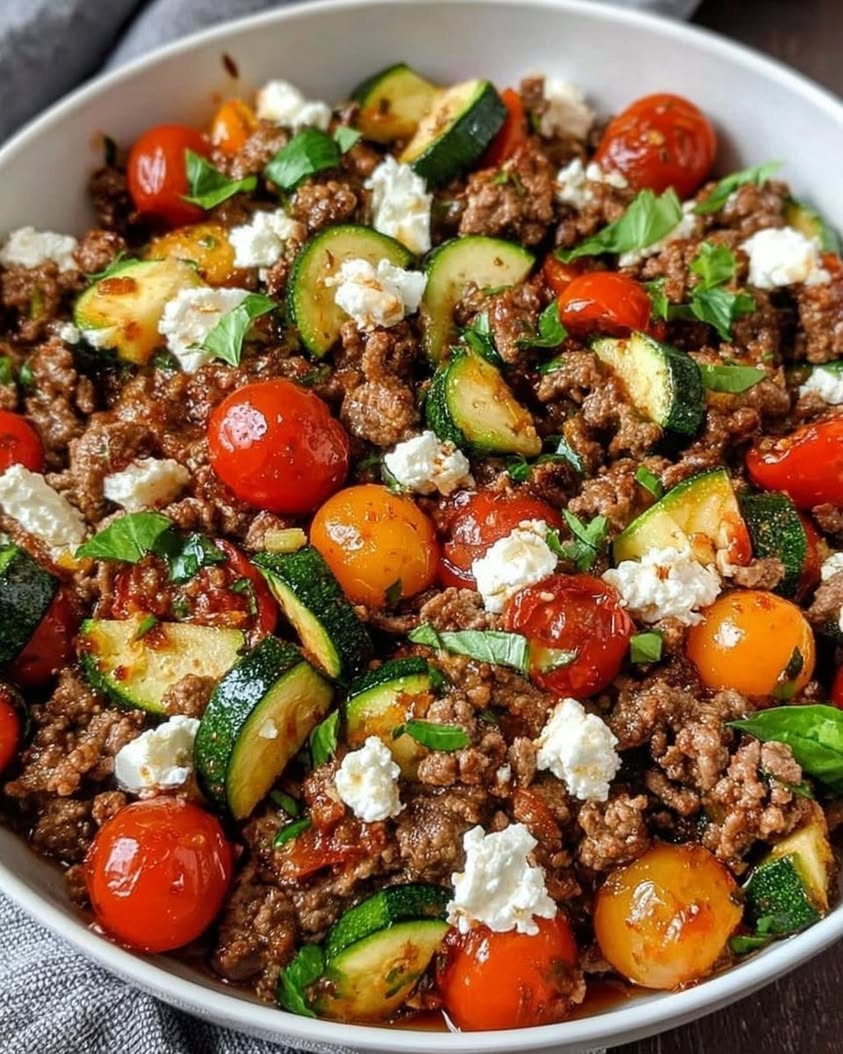
Craving a dinner that’s bursting with color, flavor, and healthy ingredients? This Vibrant Mediterranean Beef Stir-Fry with Feta and Fresh Vegetables is your answer. It transforms the classic stir-fry technique with sun-drenched Mediterranean flavors, resulting in a one-pan wonder that’s ready in under 30 minutes. Imagine tender strips of beef mingling with sweet cherry tomatoes and crisp zucchini, all coated in a garlicky, herb-infused sauce. Ultimately, the finishing touch of creamy, tangy feta cheese brings everything together in a spectacular way.
This recipe is more than just a quick weeknight meal; it’s a celebration of fresh, simple ingredients. The method is straightforward, making it perfect for busy cooks who refuse to compromise on taste. Furthermore, the combination of lean protein and colorful vegetables means you’re serving a meal that’s as nutritious as it is delicious. From the sizzle of the beef hitting the hot pan to the final sprinkle of feta, every step builds layers of flavor that will have everyone asking for seconds. Consequently, this dish proves that healthy eating can be incredibly exciting and satisfying.
Quick Recipe Highlights
- Flavor Profile: This dish offers a beautiful balance of savory, tangy, and fresh notes. The rich umami from the seared beef contrasts perfectly with the bright acidity of the tomatoes and lemon, while the oregano and garlic provide a classic Mediterranean backbone. Finally, the salty feta cheese adds a creamy, briny finish that ties all the flavors together.
- Texture: You get a wonderful contrast in every bite. The beef is tender and juicy, the zucchini retains a slight crispness, and the cherry tomatoes soften and burst, releasing their juices. The crumbled feta adds a delightful creamy yet crumbly element that makes the texture profile truly engaging and satisfying.
- Aroma: As this cooks, your kitchen will fill with the irresistible scent of garlic and dried oregano toasting in olive oil, followed by the savory aroma of browning beef. The fresh parsley added at the end provides a final, bright herbal note that makes the dish smell as fresh as it tastes.
- Visual Appeal: This stir-fry is a feast for the eyes with its vibrant color palette. The deep brown of the beef, the bright green of the zucchini and parsley, the red pops of tomato, and the white crumbles of feta create a stunning, restaurant-quality presentation that’s incredibly inviting.
- Skill Level Needed: This is a beginner-friendly recipe. The primary skills required are basic knife work for chopping and the ability to manage high-heat cooking without burning the ingredients. If you can slice vegetables and stir food in a hot pan, you can absolutely master this vibrant Mediterranean beef stir-fry.
- Special Equipment: You only need a large skillet or wok and a good chef’s knife. A wide, heavy-bottomed pan is ideal because it allows for quick evaporation and proper searing. No fancy gadgets are required, making this an accessible recipe for any home cook.
Recipe Overview
- Difficulty Level: We rate this vibrant Mediterranean beef stir-fry as “Easy.” The steps are sequential and simple: prepare ingredients, cook the beef, cook the vegetables, and combine. There’s no complex sauce reduction or precise baking time. The most critical part is not overcrowding the pan to ensure a good sear on the beef, which is a simple technique to learn. Overall, it’s a forgiving recipe perfect for building confidence in the kitchen.
- Category: This dish fits beautifully into several categories. It’s a quick and easy main course for dinner, a fantastic option for healthy meal prep, and an impressive yet simple dish for casual entertaining. Additionally, it can be served over grains for a complete meal or enjoyed on its own for a lower-carb option.
- Cuisine: While using a stir-fry technique, the flavor profile is firmly rooted in Mediterranean cuisine. The hallmarks are there: olive oil, garlic, oregano, lemon, feta, and fresh vegetables like zucchini and tomato. It’s a modern fusion that takes the speed of Asian stir-fry and marries it with the rustic, sun-soaked flavors of the Mediterranean coast.
- Cost: This is a very cost-effective meal. Using a single pound of beef stretched with plenty of affordable vegetables like zucchini and tomatoes makes it budget-friendly. Feta cheese, while a premium ingredient, is used as a garnish, so a small amount goes a long way. You can easily feed a family of four for less than the cost of takeout.
- Season: This vibrant Mediterranean beef stir-fry is truly a summer superstar when zucchini and cherry tomatoes are at their peak sweetness and abundance. However, it works year-round because these vegetables are readily available in grocery stores. The bright, fresh flavors are particularly welcome in colder months as a reminder of warmer days.
- Occasion: It’s incredibly versatile for different occasions. It’s a perfect solution for a hectic Tuesday night, a great casual Friday dinner with friends, and even a lovely light lunch option. Because it comes together so quickly, it’s also ideal for those nights when you haven’t planned ahead but still want a wholesome, home-cooked meal.
Why You’ll Love This Recipe
First and foremost, the taste and texture are absolutely phenomenal. Each forkful delivers a symphony of flavors: the deep savoriness of perfectly cooked beef, the sweet burst of tomato, the mild freshness of zucchini, and the sharp, creamy punch of feta. The textures play off each other wonderfully, from the tender beef to the slight crunch of the veggies and the soft crumble of the cheese. It’s a satisfying eating experience that feels indulgent yet is packed with wholesome ingredients. You won’t find a more flavorful way to enjoy a balanced plate.
Secondly, the convenience factor is unbeatable. This entire vibrant Mediterranean beef stir-fry cooks in one pan in about 15 minutes. The prep is minimal—just some slicing and dicing. There’s no need to boil water, preheat an oven, or make a separate complicated sauce. Everything comes together in the skillet, meaning dinner is on the table fast and cleanup is a breeze. For busy individuals and families, this efficiency is a game-changer, proving that a delicious, healthy meal doesn’t require hours in the kitchen.
From a nutritional standpoint, this dish is a powerhouse. It provides a great balance of high-quality protein from the lean beef, essential vitamins and fiber from the zucchini and tomatoes, and healthy fats from the olive oil. The vegetables add volume and nutrients without many calories, making the meal filling and nutritious. Using lean beef and loading up on veggies makes this a smart choice for anyone focused on healthy eating without sacrificing flavor or satisfaction.
This recipe also has fantastic social and entertaining value. It’s colorful and beautiful on the plate, making it look like you spent far more time than you actually did. It’s easy to double for a crowd, and the ingredients are generally well-liked. You can serve it family-style in the skillet for a rustic, inviting presentation. It’s a dish that encourages sharing and conversation, perfect for a relaxed dinner party or a festive family gathering.
Finally, it’s remarkably cost-effective and accessible. The ingredients are common and available at any standard grocery store. You can often find sales on lean beef, and zucchini and tomatoes are typically affordable vegetables. By cooking this at home, you save significantly compared to ordering a similar dish at a restaurant. Moreover, you control the quality of ingredients and the amount of salt and oil used, making it a healthier and more economical choice in the long run.
Historical Background and Cultural Significance
The story of this dish is a modern tale of culinary fusion. While stir-frying as a technique has ancient roots in Chinese cuisine, the specific flavor profile of this recipe draws directly from the Mediterranean diet, one of the most studied and celebrated eating patterns in the world. The Mediterranean diet, originating from countries like Greece, Italy, and Spain, emphasizes fresh vegetables, lean proteins, olive oil, and herbs. This vibrant Mediterranean beef stir-fry takes that philosophical foundation and applies a fast, high-heat cooking method popularized in the West for its speed and health benefits.
Culturally, this recipe represents a beautiful blending of food traditions. It respects the Mediterranean principle of using fresh, seasonal produce and simple, bold flavors. Simultaneously, it embraces the modern global kitchen’s need for efficiency and convenience. The result is a dish that feels both timeless and contemporary. It speaks to how global cuisines evolve and influence each other, creating new classics that fit our current lifestyles while honoring the wisdom of traditional eating patterns.
The evolution of this recipe is a direct response to 21st-century cooking demands. Home cooks today seek meals that are quick, healthy, flavorful, and made with recognizable ingredients. The classic beef stir-fry, often associated with soy sauce and ginger, gets a complete makeover here. By swapping Asian seasonings for oregano, lemon, and feta, the recipe creates a familiar format with a totally new and exciting flavor destination. This evolution shows the adaptability of cooking techniques and the endless possibilities for innovation in the home kitchen.
Regional variations of this concept are endless. In Greece, you might find a similar combination of ingredients baked in a casserole or stewed slowly. In Italy, the beef might be replaced with sausage, and the herbs might include basil. The stir-fry method itself allows for incredible flexibility based on what’s fresh and local. You could add bell peppers, onions, kalamata olives, or artichoke hearts. The core idea—quick-cooked protein and vegetables with Mediterranean flavors—is a template that welcomes creativity and personalization based on regional produce and taste preferences.
Ingredient Deep Dive
Lean Beef (Sirloin or Striploin): Sirloin is a prized cut for its balance of flavor and tenderness without excessive marbling. Historically, cattle rearing has been part of Mediterranean agriculture for millennia, providing a crucial protein source. Nutritionally, lean beef is an excellent source of complete protein, iron, zinc, and B vitamins, particularly B12, which is vital for energy and nerve function. When selecting, look for bright red color with fine texture and minimal visible fat. For storage, keep it in the coldest part of your refrigerator and use within 2 days, or freeze for longer storage. For substitutions, you can use ground beef (though texture changes), chicken breast, turkey cutlets, or even firm tofu or chickpeas for a plant-based version.
Zucchini: This summer squash, known as courgette in many parts of the world, originated in the Americas but was cultivated into its modern form in Italy. It became a staple of Mediterranean cuisine. It’s incredibly low in calories but high in water, fiber, vitamin C, and antioxidants like lutein. Choose firm, medium-sized zucchini with glossy, unblemished skin; smaller ones tend to be sweeter and less seedy. Store them unwashed in a plastic bag in the refrigerator crisper for up to a week. If you need a substitute, yellow summer squash is nearly identical. For a different texture, try diced eggplant or bell peppers.
Cherry Tomatoes: Tomatoes are a New World fruit that transformed European and Mediterranean cooking after their introduction. Cherry tomatoes are particularly valued for their intense sweetness and convenience. They are packed with lycopene, a powerful antioxidant, along with vitamins C and K. Select tomatoes that are plump, smooth, and deeply colored, still attached to their vine if possible for maximum flavor. Keep them at room temperature until fully ripe, then refrigerate to slow further ripening. Grape tomatoes can be used interchangeably. Sun-dried tomatoes (rehydrated) would offer a more intense, chewy alternative, though they change the dish’s fresh character.
Feta Cheese: Feta is a brined curd cheese with a history dating back to ancient Greece, protected by EU designation of origin. Traditionally made from sheep’s milk or a sheep/goat blend, it’s tangy, salty, and crumbly. It provides calcium and protein but is also high in sodium. For the best flavor, seek out authentic Greek feta in brine, not the pre-crumbled dry variety. Store it submerged in its brine in the refrigerator. If you need a substitute, other crumbly salty cheeses like cotija, queso fresco, or even a mild goat cheese can work, though the flavor profile will shift. For a dairy-free option, try a firm, salty tofu crumble marinated in lemon juice.
Olive Oil, Garlic, and Oregano: This trio forms the essential flavor base of countless Mediterranean dishes. Olive oil, the cornerstone of the region’s diet, provides heart-healthy monounsaturated fats. Garlic adds pungent depth and has been used for both culinary and medicinal purposes for centuries. Dried oregano, specifically the Greek rigani variety, offers an earthy, slightly bitter aroma that is quintessential. Use extra-virgin olive oil for its fruitiness, fresh garlic cloves for the best flavor, and high-quality dried oregano (rubbing it between your palms before adding wakes up the oils). There are few direct substitutes for this holy trinity, though avocado oil can replace olive oil, and a mix of marjoram and thyme can approximate oregano in a pinch.
Common Mistakes to Avoid
- Overcrowding the Pan: Adding all the beef at once is a critical error. The meat will steam instead of sear, resulting in gray, tough beef without the flavorful brown crust. Always cook in batches if your pan isn’t large enough to give each piece space. This ensures proper Maillard reaction, which is essential for deep flavor.
- Using Cold Beef: Taking beef straight from the fridge and into the pan lowers the pan temperature drastically. For a better sear, let the sliced beef sit at room temperature for 10-15 minutes before cooking. This small step helps the meat cook more evenly and develop that desirable caramelized exterior.
- Underseasoning the Beef: Seasoning is not just for the final dish. Generously season the beef strips with salt and pepper before they hit the pan. This builds flavor from the inside out. If you only season the vegetables or the finished dish, the beef itself will taste bland in comparison to the other components.
- Overcooking the Zucchini: Zucchini has a high water content and can quickly turn from crisp-tender to mushy. Add it to the hot pan and stir-fry just until it brightens in color and loses its raw stiffness, usually 3-4 minutes. Remember, it will continue to cook slightly from residual heat after you remove the pan from the stove.
- Adding the Feta Too Early: Feta cheese is a garnish, not a cooking ingredient. If you add it during the cooking process, it will melt into a greasy, unappealing mess. Always crumble the feta over the finished dish just before serving. The residual heat will slightly warm it without causing it to lose its distinct texture and shape.
- Using Pre-Crumbled, Dry Feta: The pre-crumbled feta found in tubs is often drier, saltier, and less flavorful than a block stored in brine. For the best creamy texture and authentic tangy taste, buy a block of Greek feta in brine and crumble it yourself. The difference in quality and flavor is significant.
- Skipping the Rest for the Beef: After cooking the beef, it’s tempting to immediately mix it back in. However, letting it rest on a plate for a few minutes allows the juices to redistribute. If you cut or mix it right away, those flavorful juices will end up on the plate instead of in your mouth.
- Not Getting the Pan Hot Enough: A proper stir-fry requires high heat. Make sure your skillet is properly preheated before adding the oil and then the beef. You should hear a strong sizzle upon contact. If the pan isn’t hot, the ingredients will stew and become watery rather than searing properly.
Essential Techniques
High-Heat Searing: This is the most important technique for this vibrant Mediterranean beef stir-fry. High heat (around 400°F/200°C) causes the amino acids and sugars on the surface of the beef to react, creating hundreds of new flavor compounds in a process called the Maillard reaction. To master it, ensure your pan is fully heated before adding oil, then add the beef in a single layer without crowding. Let it sit undisturbed for 1-2 minutes to form a crust before stirring. A common pitfall is moving the meat too soon; it will naturally release from the pan when properly seared. Look for a deep brown color and audible sizzle as your visual and auditory cues for success.
Stir-Frying Vegetables: Unlike slow simmering, stir-frying uses high heat and constant motion to cook vegetables quickly, preserving their color, texture, and nutrients. The key is to have all vegetables uniformly cut so they cook evenly. Add them to the hot pan and use a tossing or folding motion with a spatula to keep them moving. This constant contact with the hot surface cooks them rapidly while preventing burning. The pitfall is adding vegetables to a cold pan, which causes them to steam and become soggy. Success is signaled by vibrant, bright-colored vegetables that are tender-crisp, not mushy.
Deglazing (Implied): While not a separate step with added liquid in this recipe, the technique is present. After removing the beef, the fond—those delicious browned bits stuck to the pan—is the foundation of your sauce. Cooking the garlic and oregano in that same pan, followed by the zucchini and tomatoes, uses their released moisture to naturally deglaze the pan. This means scraping up the fond and dissolving it into the cooking vegetables, which builds incredible depth of flavor. The mistake is washing the pan between steps, literally throwing flavor down the drain. A successful deglaze is evident when you scrape the pan and the browned bits easily lift, coloring and flavoring the vegetables.
Pro Tips for Perfect Vibrant Mediterranean Beef Stir-Fry
First, slice your beef against the grain. Look for the long muscle fibers on the raw steak and cut perpendicular to them. This shortens the fibers, making each piece much more tender to chew after cooking, a simple trick with a huge payoff.
For maximum flavor, marinate the beef briefly. Even 15 minutes in a mixture of a tablespoon of the olive oil, half the minced garlic, and a pinch of the dried oregano will infuse it with Mediterranean character before it even hits the pan.
Control vegetable moisture by salting the sliced zucchini lightly and letting it sit in a colander for 10 minutes before cooking. This draws out excess water, preventing your stir-fry from becoming soggy and ensuring a better sear on all ingredients.
Boost the sauce naturally by gently crushing a few of the cherry tomatoes with your spatula as they cook. This releases their juices and seeds, which thicken slightly with the olive oil and fond to create a light, glossy coating for the beef and vegetables.
Finish with fresh herbs and acid. Adding the fresh parsley and a final squeeze of lemon juice right at the end, off the heat, preserves their bright, fresh flavors. Heat dulls these delicate notes, so this final flourish makes the dish taste incredibly vibrant.
Let the completed stir-fry rest for 5 minutes before serving. This allows the flavors to meld together and any excess juices to be reabsorbed slightly, ensuring your plate isn’t watery and every component is perfectly seasoned.
Variations and Adaptations
For regional variations, consider a Greek twist by adding a handful of kalamata olives and a sprinkle of dried mint. An Italian version could use fresh basil instead of oregano and add a splash of balsamic glaze at the end. A Turkish influence might include a pinch of red pepper flakes and a dollop of yogurt on the side.
Seasonal adaptations are easy. In spring, use asparagus and fresh peas. For autumn, swap zucchini for cubed butternut squash and add sliced mushrooms. The core method remains the same; just adjust the cooking time for harder vegetables by starting them a few minutes earlier.
Dietary modifications are straightforward. For gluten-free, ensure your beef seasoning has no additives. To make it dairy-free, omit the feta or use a vegan feta alternative. For a lower-carb or keto version, serve it over cauliflower rice or simply enjoy it on its own.
Flavor variations can take this dish in new directions. Add a teaspoon of smoked paprika with the oregano for a smoky depth. For a spicy kick, include sliced fresh chili or red pepper flakes with the garlic. A tablespoon of capers added with the tomatoes will introduce a briny, pop of flavor.
Texture modifications can cater to different preferences. For a crisper zucchini, cut it into thicker half-moons. For a more stew-like consistency, cover the pan after adding the tomatoes to trap steam and soften the vegetables more thoroughly. Adding toasted pine nuts or slivered almonds as a garnish introduces a delightful crunch.
Presentation alternatives include serving the stir-fry in hollowed-out bell peppers, over a bed of creamy polenta, or stuffed into whole-wheat pita pockets for a handheld meal. You can also serve it deconstructed, with each component arranged separately on a platter for a stylish, interactive dining experience.
Serving and Presentation Guide
For plating, use a wide, shallow bowl or plate to showcase the colorful ingredients. Spoon the beef and vegetable mixture onto the center, allowing any light sauce to pool slightly. Crumble the feta cheese generously over the top, letting some pieces rest on the beef and others mingle with the tomatoes. This creates height and visual interest.
Garnishing is key for a professional finish. Sprinkle the fresh parsley evenly for a pop of green. Add a final drizzle of high-quality extra-virgin olive oil for shine. A few twists of freshly cracked black pepper and a thin lemon wedge on the side not only add flavor but also signal freshness and care in preparation.
Traditional accompaniments keep the meal Mediterranean. Serve with warm, crusty bread to soak up the delicious juices. A simple side of butter lettuce salad with a lemon-oregano vinaigrette complements the main dish perfectly. For a more substantial meal, couscous, orzo, or quinoa are excellent grain choices that absorb the flavors beautifully.
Modern serving suggestions include turning it into a grain bowl. Layer a base of farro or brown rice, top with the stir-fry, feta, and a spoonful of tzatziki or hummus. You can also use it as a filling for wraps or flatbreads, adding a spread of garlicky yogurt sauce for extra moisture and tang.
Temperature considerations are important. This dish is best served immediately, hot from the pan. The feta will slightly soften but not melt from the residual heat. If you need to hold it, keep the components separate and combine just before serving to prevent the zucchini from becoming limp and the beef from overcooking.
Portion control is easy with this nutrient-dense meal. A good rule is to fill half your plate with the vegetable-heavy stir-fry, with the beef and feta making up the other half. If serving with a grain, aim for a ½ to ¾ cup portion per person to keep the meal balanced and satisfying without being overly heavy.
Wine and Beverage Pairing
Wine pairings should complement the savory beef, tangy tomatoes, and salty feta. A medium-bodied red with good acidity, like a Greek Agiorgitiko, an Italian Chianti, or a Spanish Tempranillo, works wonderfully. The acidity cuts through the richness and matches the tomato, while the fruitiness complements the beef. If you prefer white wine, a robust, oak-aged Chardonnay or a Greek Assyrtiko can stand up to the bold flavors without being overwhelmed.
Non-alcoholic alternatives are just as important. A sparkling lemonade or limeade mirrors the citrus notes in the dish. Iced herbal tea, like mint or rosemary-infused tea, complements the Mediterranean herbs beautifully. For a more complex option, try a virgin Bloody Mary mocktail, which picks up on the tomato and pepper flavors perfectly.
While not a classic coffee dish, if serving this for lunch, a light roast coffee or an espresso afterward would be a nice finish. For tea, a cup of peppermint or chamomile tea after the meal aids digestion and provides a soothing end to a flavorful dinner.
Temperature considerations for beverages are standard: serve white wines and non-alcoholic sparklers well-chilled. Red wines should be served at a cool room temperature, around 60-65°F (15-18°C). Iced teas and lemonades should be very cold to provide a refreshing contrast to the warm, savory stir-fry.
Serving suggestions include offering both red and white wine options if you have guests. Always serve water on the table to cleanse the palate. For a special touch, garnish non-alcoholic drinks with a sprig of fresh oregano or a slice of lemon to visually tie them to the meal’s theme.
Storage and Shelf Life
For storage methods, let the stir-fry cool completely before transferring it to an airtight container. It’s best to store the beef and vegetable mixture separately from any fresh garnishes like feta, parsley, or lemon wedges. This prevents the fresh components from becoming soggy and the feta from dissolving into the dish.
Temperature requirements are straightforward: always refrigerate leftovers promptly. The stored stir-fry will keep safely in the refrigerator for 3 to 4 days. Do not leave it at room temperature for more than two hours, as the combination of protein and moist vegetables is prone to bacterial growth.
Container recommendations include glass containers with tight-fitting lids, which are non-reactive and don’t retain odors. If you must use plastic, ensure it is BPA-free and designed for food storage. For best results, portion the leftovers into single-serving containers for easy grab-and-go lunches.
Signs of spoilage to watch for include an off or sour smell, a significant change in texture (excessive mushiness), or the presence of mold. If the beef develops a slimy film or the vegetables become unpleasantly soft and watery, it’s best to discard the dish.
Reheating instructions are crucial for quality. Gently reheat portions in a skillet over medium heat, adding a tiny splash of water or broth to prevent drying out. You can also use a microwave, but cover the dish and reheat in 30-second intervals, stirring in between, to avoid overheating the beef, which can make it tough.
Freezing guidelines are possible but with caveats. The beef and vegetable mixture can be frozen for up to 2 months, though zucchini may become softer upon thawing. Thaw overnight in the refrigerator and reheat gently in a pan. Do not freeze the dish with feta cheese already added, as it will become grainy and unpleasant upon thawing.
Make Ahead Strategies
Creating a prep timeline can streamline your cooking. The day before, slice the beef, place it in a resealable bag with the seasoning (salt, pepper, oregano, garlic), and refrigerate. Chop the zucchini and store it in a separate container. This way, when it’s time to cook, everything is ready to go, cutting your active prep time to just minutes.
Storage between steps is simple. Keep the marinating beef and chopped vegetables in their own airtight containers in the refrigerator. The beef can marinate for up to 24 hours, which will only enhance its flavor. The chopped zucchini is best used within a day to prevent it from drying out or becoming slimy.
Assessing the quality impact, pre-marinating the beef is highly beneficial. Pre-chopping vegetables has a minimal impact, though they may lose a tiny amount of moisture. The key is to avoid pre-cooking any components, as reheating can lead to overcooked beef and mushy vegetables, significantly diminishing the final dish’s texture.
Assembly tips for a make-ahead meal are to cook the entire stir-fry, then let it cool completely without adding the feta, parsley, or lemon juice. Store this base mixture. When ready to serve, reheat it gently, then finish with the fresh garnishes. This preserves the bright, fresh flavors and textures of the final elements.
Reheating guidelines for pre-made components are specific. If you’ve pre-cooked the base, reheat it in a skillet over medium heat until just warmed through. Avoid boiling or high-heat microwaving, as this will continue to cook the vegetables into mush. The goal is to simply bring it back to a pleasant serving temperature.
Fresh element additions are non-negotiable for the best result. Always add the crumbled feta, fresh parsley, and a final squeeze of lemon juice after reheating, just before serving. This ensures the cheese retains its texture, the herbs their vibrancy, and the lemon its sharp acidity, which can dull with heat.
Scaling Instructions
Halving the recipe is simple for one or two people. Use half a pound of beef, one medium zucchini, and one cup of tomatoes. Keep all other seasonings (garlic, oregano, etc.) at half the amount as well. Use a medium skillet instead of a large one to maintain the correct pan heat and prevent the ingredients from steaming.
Doubling or tripling the recipe for a crowd requires some adjustments. Use the largest skillet or wok you have, or cook in multiple batches to avoid overcrowding. You may need to increase the cooking time slightly for the vegetables in a very full pan. Taste and adjust seasoning at the end, as scaling spices linearly can sometimes be overpowering.
Equipment adjustments are necessary when scaling. For a double batch, a 14-inch skillet or a large wok is ideal. For tripling, plan to use two large pans simultaneously or cook in sequential batches, keeping the cooked beef warm in a low oven. Do not attempt to cook a triple batch in a standard 12-inch skillet; it will not work properly.
Timing modifications are minimal when scaling up if you cook in batches. The beef will still take 2-3 minutes per batch. The vegetables may take an extra minute or two if the pan is very full, as they will release more moisture. The key is to monitor doneness by texture and color, not strictly by the clock.
Storage considerations change with scale. A larger batch means more leftovers. Portion them into meal-sized containers immediately after cooling for easy lunches. Remember that a large, deep container of hot food will take much longer to cool in the refrigerator, increasing food safety risk. Spread it into shallow containers to cool quickly before stacking.
Nutritional Deep Dive
This vibrant Mediterranean beef stir-fry offers an excellent macro breakdown. A serving provides a high amount of complete protein from the beef, essential for muscle repair and satiety. The carbohydrates come primarily from the vegetables, which are high in fiber, leading to a slower, more stable energy release. The fats are predominantly the heart-healthy monounsaturated fats from olive oil, with a smaller amount of saturated fat from the beef and feta.
The micronutrient analysis is impressive. Zucchini and tomatoes contribute significant vitamin C, potassium, and vitamin K. The beef is a top source of highly bioavailable iron and zinc. The olive oil provides vitamin E, and the garlic offers trace minerals like manganese. Together, they create a nutrient-dense meal that supports immune function, blood health, and overall cellular protection.
Health benefits are aligned with the Mediterranean diet principles. This meal supports heart health through its balance of lean protein, vegetables, and healthy fats. The high fiber content aids digestion and promotes gut health. The antioxidants from the tomatoes (lycopene) and olive oil help combat inflammation. It’s a meal that fuels the body with quality ingredients.
Dietary considerations are favorable for many plans. It’s naturally gluten-free and can be made lower in carbohydrates by omitting a grain side. For those monitoring sodium, you can reduce the salt used to season the beef and choose a lower-sodium feta cheese. The dish is also suitable for diabetic diets due to its high protein and fiber content, which help manage blood sugar spikes.
Portion analysis shows that a single serving, as described, is satisfying without being excessive. The volume from the vegetables creates a full plate, promoting satiety through both physical bulk and nutritional density. This helps prevent overeating while ensuring you receive a wide array of nutrients from a single meal.
Weight management tips include using this recipe as a core component of a balanced diet. Its high protein and fiber content keep you feeling full longer, reducing the likelihood of snacking on less healthy options. To reduce calories slightly, you can decrease the olive oil by a teaspoon and use a leaner cut of beef like top round. Serving it with a large side salad adds even more volume for very few additional calories.
Dietary Adaptations
For a gluten-free version, this recipe is already compliant as written. Simply ensure that any pre-packaged beef or seasonings you use do not contain gluten-based additives or fillers. Most dried oregano and pure spices are gluten-free, but it’s always good to check labels if you have celiac disease or a severe sensitivity.
To make it dairy-free, omit the feta cheese entirely. For a similar salty, tangy element, you can add a tablespoon of capers or chopped kalamata olives at the end. Another option is to use a store-bought vegan f Print
Vibrant Mediterranean Beef Stir-Fry with Feta, Zucchini & Cherry Tomatoes
- Total Time: 45 minutes
- Yield: 4
Description
A quick and colorful stir-fry featuring tender beef, fresh zucchini, and sweet cherry tomatoes, all tossed in a zesty Mediterranean-inspired sauce and topped with crumbled feta cheese.
Ingredients
- 1 lb beef sirloin, thinly sliced
- 2 medium zucchinis, sliced into half-moons
- 1 pint cherry tomatoes, halved
- 1 red onion, thinly sliced
- 3 cloves garlic, minced
- 2 tbsp olive oil
- 1 tsp dried oregano
- 1/2 tsp smoked paprika
- Salt and black pepper to taste
- 1/4 cup crumbled feta cheese
- Fresh parsley for garnish
Instructions
- Heat olive oil in a large skillet or wok over medium-high heat.
- Add the beef slices and cook until browned, about 4-5 minutes. Remove from skillet and set aside.
- In the same skillet, add the red onion and zucchini. Stir-fry for 5-6 minutes until slightly softened.
- Add the garlic, cherry tomatoes, oregano, smoked paprika, salt, and pepper. Cook for another 3-4 minutes until tomatoes begin to soften.
- Return the beef to the skillet and toss everything together until heated through, about 2 minutes.
- Remove from heat and sprinkle with crumbled feta cheese and fresh parsley before serving.
Notes
You can customize the seasonings to taste.
- Prep Time: 15 minutes
- Cook Time: 30 minutes
- Method: Main
- Cuisine: Mediterranean