Vibrant Mediterranean Beef Stir-Fry with Feta and Fresh Vegetables: A 30-Minute Flavor Explosion
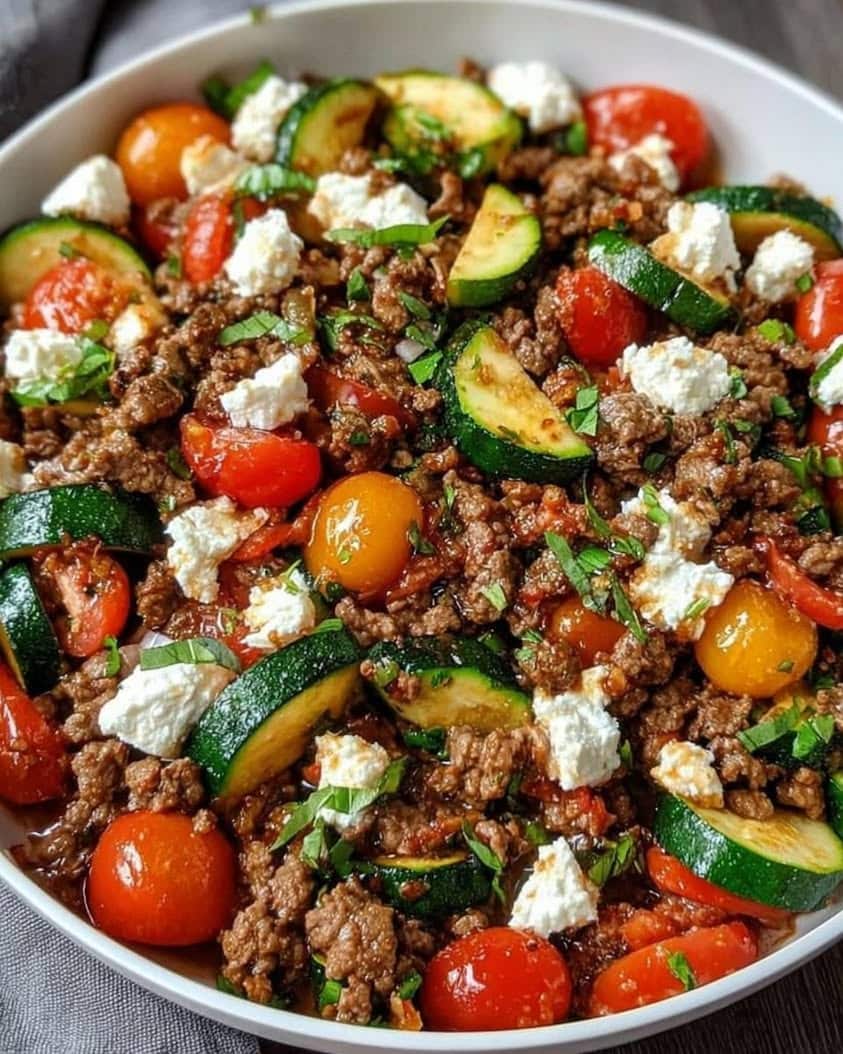
This vibrant Mediterranean beef stir-fry with feta and fresh vegetables is your ticket to a stunning, healthy dinner in just half an hour. Imagine tender strips of beef sizzling alongside crisp zucchini and blistered cherry tomatoes, all infused with garlic and oregano. Ultimately, the dish comes alive with a generous sprinkle of tangy feta cheese and fresh herbs. This recipe masterfully bridges the gap between quick weeknight cooking and impressive, flavor-packed meals.
Furthermore, the magic of this vibrant Mediterranean beef stir-fry with feta and fresh vegetables lies in its simplicity and speed. Unlike traditional slow-simmered Mediterranean dishes, this recipe uses the high-heat stir-fry method to lock in juices and create delicious caramelization in minutes. Consequently, you get a meal that feels both rustic and refined, packed with protein and colorful veggies. It’s a guaranteed crowd-pleaser that will have everyone asking for seconds.
Finally, this dish is incredibly versatile. You can serve it over fluffy couscous, quinoa, or with a side of crusty bread to soak up the delicious pan juices. Whether you’re cooking for a busy family dinner or a casual gathering with friends, this vibrant Mediterranean beef stir-fry with feta and fresh vegetables delivers maximum flavor with minimal effort. Let’s dive into how you can create this masterpiece in your own kitchen.
Quick Recipe Highlights
- Flavor Profile: This vibrant Mediterranean beef stir-fry with feta and fresh vegetables offers a beautiful balance. You get the savory, umami-rich taste of seared beef, the sweet acidity from burst cherry tomatoes, and the sharp, salty punch of crumbled feta. Herbs like oregano and parsley add a final, fragrant layer that ties everything together perfectly.
- Texture: The texture contrast is a key delight. Expect tender, juicy beef against the slight crunch of zucchini that’s cooked just until tender-crisp. Meanwhile, the cherry tomatoes soften and release their juices, creating a light sauce. The creamy, crumbly feta cheese adds a wonderful contrasting texture that makes every bite interesting.
- Aroma: As this vibrant Mediterranean beef stir-fry cooks, your kitchen will fill with an irresistible aroma. First, the scent of garlic and dried oregano hitting the hot oil is unmistakably Mediterranean. Then, the savory smell of browning beef joins in, followed by the sweet, fresh scent of the vegetables as they cook down.
- Visual Appeal: This dish is a feast for the eyes with its vibrant color palette. The deep brown of the beef, bright green zucchini, and red cherry tomatoes create a stunning contrast. Finally, the white crumbles of feta and green flecks of fresh parsley make the presentation absolutely Instagram-worthy.
- Skill Level Needed: This is a beginner-friendly recipe designed for success. The techniques involved—slicing, mincing, and stir-frying—are fundamental. If you can manage your stove’s heat and do some simple prep work, you can absolutely master this vibrant Mediterranean beef stir-fry with feta and fresh vegetables.
- Special Equipment: You only need a large skillet or wok and a good chef’s knife. A heavy-bottomed pan is ideal for even heat distribution to properly sear the beef and vegetables. Other than that, standard kitchen tools like a cutting board and measuring spoons are all you require.
Recipe Overview
- Difficulty Level: We rate this vibrant Mediterranean beef stir-fry with feta and fresh vegetables as “Easy” for several reasons. The ingredient list is straightforward, and the cooking process is sequential and simple. There’s no complex knife work or advanced techniques like braising or baking involved. Essentially, it’s a one-pan meal where timing is the most critical factor, making it very approachable for cooks of all levels.
- Category: This recipe fits beautifully into multiple categories. Primarily, it’s a quick and healthy main course perfect for weeknights. Additionally, it can be classified as a high-protein meal and a vegetable-forward dish. Because it’s so versatile, it also works well for meal prep, as the components reheat nicely for lunches throughout the week.
- Cuisine: This dish draws direct inspiration from the sun-drenched flavors of the Mediterranean basin. It incorporates core elements of Greek cuisine—oregano, garlic, feta, and olive oil—but uses the quick-cooking stir-fry technique more common in East Asian cooking. The result is a delicious fusion that honors Mediterranean flavors while respecting modern time constraints.
- Cost: This vibrant Mediterranean beef stir-fry with feta and fresh vegetables is quite cost-effective. The most expensive ingredient is the beef, but using a smaller amount as the star protein alongside plenty of affordable vegetables like zucchini keeps the budget in check. Ingredients like canned tomatoes, dried oregano, and garlic are pantry staples that cost very little per serving.
- Season: This is truly a year-round recipe, but it shines brightest in late summer. That’s when zucchini and cherry tomatoes are at their peak of flavor and lowest price. However, the ingredients are readily available in supermarkets any time of year, making it a reliable go-to regardless of the season.
- Occasion: It’s perfect for a fast family dinner after a long day. Conversely, it’s impressive enough for casual entertaining. You can easily double the recipe for a larger group. Serve it with a simple salad and some warm pita bread, and you have a complete, stress-free meal for guests that feels special and thoughtfully prepared.
Why You’ll Love This Recipe
First and foremost, the taste and texture of this vibrant Mediterranean beef stir-fry with feta and fresh vegetables are utterly addictive. Each forkful delivers a symphony of flavors: the deep savoriness of the beef, the bright acidity from the tomatoes, and the creamy saltiness of the feta. The vegetables retain a pleasant bite, ensuring the dish never feels mushy. Ultimately, the fresh herbs added at the end provide a fragrant lift that makes the whole dish taste incredibly fresh and vibrant.
From a convenience standpoint, this recipe is a weeknight hero. It comes together in about 30 minutes from start to finish, with most of that time being active cooking. The one-pan method means cleanup is a breeze—a major win after a busy day. Furthermore, the ingredient prep is simple: just slicing, dicing, and mincing. You don’t need any special skills or equipment to achieve a restaurant-quality result right at home.
Nutritionally, this vibrant Mediterranean beef stir-fry with feta and fresh vegetables is a balanced powerhouse. It provides high-quality protein from the lean beef, a wealth of vitamins and fiber from the zucchini and tomatoes, and healthy fats from the olive oil. The Mediterranean diet is renowned for its health benefits, and this dish encapsulates its principles perfectly. It’s satisfying without being heavy, making it an excellent choice for those mindful of their eating habits.
For social and entertaining value, this dish is a fantastic option. It’s visually stunning, which makes it perfect for sharing on social media or impressing dinner guests. The flavors are universally appealing, not too spicy or exotic, so it’s a safe bet for picky eaters. You can easily scale it up for a crowd, and it pairs wonderfully with simple sides. Serving this vibrant Mediterranean beef stir-fry feels like you’ve put in much more effort than you actually did.
Finally, this recipe is incredibly cost-effective and accessible. You don’t need any rare or expensive ingredients. In fact, you likely have many of the seasonings in your pantry already. Using a moderate amount of beef stretched with plenty of vegetables is a smart way to make a meal feel generous without breaking the bank. This accessibility means you can enjoy a taste of the Mediterranean anytime you want, without a special trip to the store.
Historical Background and Cultural Significance
The story of this vibrant Mediterranean beef stir-fry with feta and fresh vegetables is one of modern fusion. Traditional Mediterranean cooking, particularly in Greece and surrounding regions, often features similar ingredients but prepared with slower methods like braising, roasting, or grilling. The concept of a “stir-fry” is inherently linked to East Asian culinary traditions, where high heat and quick cooking in a wok preserve texture and nutrients. This recipe represents a beautiful marriage of these two worlds, adapting timeless flavors to fit contemporary, fast-paced lifestyles.
Culturally, the ingredients are deeply significant. Feta cheese, protected by EU law as a product with a designated origin, is a cornerstone of Greek cuisine. Olive oil is more than just a fat in the Mediterranean; it’s a cultural icon and a symbol of health and prosperity. Oregano grows wild on hillsides throughout the region, and its pungent aroma is synonymous with Mediterranean cooking. By combining these elements, the dish pays homage to a rich culinary heritage, even while using a non-traditional cooking technique.
The evolution of this recipe is a direct response to modern needs. As home cooks sought ways to eat healthily without spending hours in the kitchen, fusion recipes like this one gained popularity. The stir-fry method is perfect for locking in the flavors of fresh vegetables and quickly cooking thin slices of meat, making it an ideal vehicle for Mediterranean seasonings. Consequently, this dish is a testament to how global cuisines can adapt and influence each other, creating something new and delicious in the process.
Regional variations of this concept abound. In Turkey, one might find a similar combination with spices like cumin and mint, served over bulgur. In Southern Italy, the feta might be replaced with ricotta salata, and the oregano with basil. The core idea—quick-cooked meat and vegetables with bold, fresh flavors and a salty cheese—is versatile. This particular version with feta and oregano leans heavily into its Greek inspiration, offering a distinct and memorable flavor profile that is both familiar and exciting.
Ingredient Deep Dive
Let’s start with the star: the beef. For this vibrant Mediterranean beef stir-fry, you’ll want a tender cut that cooks quickly. Sirloin, flank steak, or tenderloin are excellent choices. Their relatively low fat content means they won’t become greasy, and they slice beautifully against the grain for maximum tenderness. From a nutritional standpoint, beef is an excellent source of complete protein, iron, and B vitamins, particularly B12. When shopping, look for meat with a bright red color and fine marbling. For storage, keep it in the coldest part of your fridge and use within a day or two of purchase, or freeze for longer storage.
Feta cheese is the defining finish. Authentic Greek feta is made from at least 70% sheep’s milk, often blended with goat’s milk, giving it a tangy, salty, and slightly earthy flavor. Its crumbly texture and ability to not melt completely make it perfect for sprinkling over hot dishes. Nutritionally, feta is a good source of calcium and protein, though it is high in sodium. When selecting feta, opt for a block stored in brine for the best flavor and texture, rather than pre-crumbled varieties which can contain anti-caking agents. If you need a dairy-free substitute, a firm, salted tofu crumbled with a bit of lemon juice can mimic the texture and saltiness.
Zucchini and cherry tomatoes form the vegetable backbone. Zucchini, a summer squash, is incredibly versatile and mild, acting as a perfect carrier for the other flavors. It’s low in calories but high in water, fiber, and antioxidants like vitamin C. Choose firm, medium-sized zucchini with glossy skin. Cherry tomatoes are sweetness powerhouses. When heated, their sugars caramelize, and they burst, creating a instant, light sauce. They are packed with lycopene, a powerful antioxidant. For the best results, use the freshest vegetables you can find. In a pinch, yellow squash can replace zucchini, and diced canned tomatoes can stand in for cherries, though the texture will be softer.
The flavor builders are simple but essential. Extra virgin olive oil is non-negotiable for its fruity, peppery notes that form the base of the sauce. Fresh garlic and dried oregano are the classic Mediterranean aromatics—oregano’s pungency is a hallmark of the region’s cuisine. Fresh parsley added at the end brings a bright, clean note. For the best flavor, use the highest quality olive oil you have for finishing, and don’t skimp on the garlic. If you don’t have fresh parsley, fresh dill or mint would be lovely alternatives that stay within the Mediterranean flavor profile.
Common Mistakes to Avoid
- Overcrowding the Pan: Adding all the beef at once is a critical error. The meat will steam instead of sear, resulting in gray, tough beef rather than flavorful, browned pieces. Always cook in batches to ensure each piece has contact with the hot surface for proper caramelization.
- Skipping the Beef Rest: Not letting the cooked beef rest before slicing forces the juices out. Consequently, your beef will be dry. Let it sit for 5-10 minutes after cooking, then slice against the grain for the most tender result.
- Overcooking the Zucchini: Zucchini has a high water content and can quickly turn from tender-crisp to mushy. Add it to the hot pan and stir-fry just until it loses its raw stiffness and develops a few golden spots. It should still have a slight bite.
- Using Pre-Crumbled Feta: Pre-crumbled feta often contains additives to prevent caking, which can affect its texture and melting quality. For superior flavor and creaminess, always buy a block of feta in brine and crumble it yourself just before serving.
- Adding Garlic Too Early: Garlic burns in an instant over high heat, becoming bitter. Always add minced garlic after you’ve cooked the bulkier vegetables, and stir constantly for just 30-60 seconds until fragrant. This preserves its sweet, aromatic quality.
- Neglecting to Season in Layers: Seasoning only at the end results in bland food. Season the beef generously before cooking, and then taste and adjust the seasoning of the vegetables as they cook. Finally, remember that the feta will add saltiness, so be cautious with the final salt addition.
- Stirring Constantly: While it’s called a stir-fry, you don’t need to stir non-stop. Let the ingredients sit for a minute to develop a sear and caramelization. Constant stirring lowers the pan temperature and leads to steamed, rather than fried, ingredients.
- Using a Cold Pan: Starting with a cold skillet is a recipe for soggy vegetables and poorly seared meat. Always preheat your pan over medium-high heat until it’s hot before adding the oil. You should see a slight shimmer in the oil when it’s ready.
Essential Techniques
Slicing Beef Against the Grain: This is the single most important technique for tender stir-fry beef. First, identify the direction of the muscle fibers (the “grain”). Then, position your knife perpendicular to those lines and slice thinly. Cutting against the grain shortens the muscle fibers, making the meat much easier to chew. If you slice with the grain, you’ll end up with long, tough strands no matter how briefly you cook it.
High-Heat Stir-Frying: The goal is to cook food quickly over intense heat to sear the exterior while keeping the interior juicy. Ensure your pan is very hot before adding oil. Then, add ingredients in batches to avoid dropping the temperature. The signature “wok hei” or breath of the wok isn’t just for Asian cooking; it’s essential here for creating flavorful browning on the beef and vegetables without overcooking them.
Building Flavor in Layers: Great cooking is about building depth. Start by searing the beef to develop fond (those browned bits) in the pan. Then, use the vegetables and a splash of liquid (like the juices from the tomatoes) to deglaze the pan, incorporating that fond into the sauce. Finally, add fresh herbs and cheese off the heat to preserve their delicate flavors. Each step adds a new dimension to the final dish.
Pro Tips for Perfect Vibrant Mediterranean Beef Stir-Fry
First, pat your sliced beef completely dry with paper towels before seasoning. Any surface moisture will create steam and prevent a proper, flavorful sear. This simple step is the difference between boiled-tasting meat and beautifully caramelized beef.
Second, get your “mise en place” ready. Have all your vegetables chopped, garlic minced, and herbs measured before you turn on the stove. Stir-frying happens fast, and you won’t have time to chop zucchini while the beef is cooking. Organization is key to a smooth process.
Third, don’t discard the resting juices from the beef. After you let the cooked beef rest, you’ll notice flavorful juices collect on the plate. Pour these precious juices back into the pan when you combine everything at the end. They are pure flavor.
Fourth, use a mix of olive oils. Start with a regular olive oil or a light vegetable oil for the high-heat searing, as extra virgin olive oil has a lower smoke point. Then, finish the dish with a drizzle of your best extra virgin olive oil off the heat for its fresh, fruity aroma.
Fifth, let the cherry tomatoes blister. Don’t stir them immediately. Allow them to sit in the hot pan for a minute until their skins start to wrinkle and char slightly. This concentrates their sweetness and adds a subtle smoky note to the dish.
Sixth, add the feta cheese off the heat. Sprinkle the crumbled feta over the finished stir-fry just before serving. The residual heat will warm it slightly without causing it to melt completely, preserving its creamy texture and distinct salty bites.
Variations and Adaptations
For regional twists, try a Turkish variation by swapping oregano for dried mint and cumin, and replacing feta with a sprinkle of tangy sumac. An Italian-inspired version could use fresh basil and oregano, with mozzarella pearls or shaved Parmesan instead of feta. The basic framework is wonderfully adaptable to different herb and cheese combinations from across the Mediterranean.
Seasonal adaptations are easy. In spring, add asparagus spears and fresh peas. For a fall version, incorporate cubed sweet potato or pumpkin, adjusting the cook time slightly. In winter, use hearty greens like chopped kale or Swiss chard, adding them just after the zucchini to wilt down. The recipe is a perfect canvas for whatever is fresh at the market.
Dietary modifications are straightforward. For a gluten-free meal, ensure your beef seasoning is gluten-free and serve with quinoa or rice. To make it dairy-free, omit the feta and add a handful of kalamata olives and a squeeze of lemon for that salty, tangy kick. For a lower-carb or keto option, simply serve the stir-fry on its own or over cauliflower rice.
Flavor variations can keep the recipe exciting. Add a pinch of red pepper flakes with the garlic for heat. Stir in a tablespoon of capers or chopped sun-dried tomatoes for a briny, intense flavor. A splash of balsamic glaze drizzled at the end can add a sweet-and-sour complexity that pairs beautifully with the feta.
Serving and Presentation Guide
Plating is everything for this colorful dish. Instead of piling everything haphazardly, use a large, shallow bowl or plate. First, create a bed of your chosen grain—fluffy couscous, quinoa, or orzo work beautifully. Then, spoon the vibrant Mediterranean beef stir-fry over the top, allowing the colorful vegetables and beef to be the star. Let some of the juicy tomatoes and their liquid seep into the grain below.
Garnishing is the final touch of elegance. Beyond the fresh parsley, consider a final drizzle of high-quality extra virgin olive oil. A few extra crumbles of feta, a twist of black pepper, and perhaps a few whole oregano leaves make the dish look professionally prepared. For a pop of color and brine, a few whole kalamata olives on the side are perfect.
Traditional accompaniments keep the meal authentic. Warm pita bread or crusty baguette slices are essential for scooping up every last bit of sauce and feta. A simple side salad of chopped cucumber, tomato, red onion, and olives dressed with lemon and olive oil (a classic Greek horiatiki) completes the Mediterranean feast perfectly.
Wine and Beverage Pairing
Wine pairings should complement the dish’s savory, salty, and tangy notes. A medium-bodied Greek red like Agiorgitiko or a Spanish Garnacha works wonderfully, as their bright fruit and mild tannins won’t fight the feta. Alternatively, a crisp, dry white wine such as Assyrtiko from Greece or a Sauvignon Blanc cuts through the richness and highlights the fresh herbs. The key is to avoid overly oaky or high-tannin wines that can clash with the tomatoes and cheese.
For non-alcoholic alternatives, think of beverages that offer refreshment and balance. Sparkling water with a squeeze of lemon or lime is always a winner. A homemade mint lemonade provides a sweet-tart counterpoint. Iced herbal teas, like rosemary or oregano tea (served unsweetened), can surprisingly echo the herbal notes in the food and create a harmonious dining experience.
Storage and Shelf Life
Proper storage is key to enjoying leftovers. Allow the vibrant Mediterranean beef stir-fry to cool completely before transferring it to an airtight container. Store it in the refrigerator for up to 3-4 days. It’s best to store the feta separately if possible, adding it fresh when reheating to maintain its texture. The flavors often meld and improve overnight, making fantastic next-day lunches.
Reheating requires care to prevent overcooking. Gently reheat portions in a skillet over medium-low heat with a tiny splash of water or broth to create steam. Alternatively, use a microwave, covered, at 50% power in short intervals, stirring in between. Avoid high heat, which can turn the zucchini to mush and toughen the beef. Always add fresh feta and herbs after reheating.
Freezing is possible but with caveats. The beef and sauce base freeze reasonably well for up to 2 months. However, the zucchini will become very soft and watery upon thawing. If you plan to freeze, consider omitting the zucchini and adding fresh when you reheat. Thaw overnight in the refrigerator before reheating gently on the stove.
Make Ahead Strategies
You can significantly speed up dinner time with smart prep. The day before, slice the beef against the grain, pat it dry, and store it in a sealed container in the fridge. You can also chop the zucchini, mince the garlic, and measure out your dried spices. Keep each component separate. Having everything ready means you can have this vibrant Mediterranean beef stir-fry on the table in under 15 minutes of active cooking.
For meal prep, cook the entire recipe and divide it into single-serving containers without the feta. When ready to eat, reheat a portion and top with freshly crumbled feta and parsley. This method ensures you have healthy, delicious lunches ready to go. The vegetables will soften slightly but the flavors will be deep and satisfying.
Scaling Instructions
Doubling or tripling this recipe for a crowd is straightforward, but requires adjustments. Use two large skillets instead of overcrowding one. Cook the beef in batches across both pans to ensure proper searing. You may need to increase the cook time for the vegetables slightly, as a larger volume will lower the pan temperature. Taste and adjust seasoning carefully, as scaling spices isn’t always a direct 1:1 ratio—start with 1.5 times the seasoning for a double batch and adjust from there.
Halving the recipe is simple for smaller households. Use a medium skillet and reduce the cook times slightly, as a smaller amount of food will cook faster. Keep a close eye on the garlic and zucchini to prevent burning. All other instructions remain the same. This flexibility makes the vibrant Mediterranean beef stir-fry perfect for any number of diners.
Nutritional Deep Dive
This dish is a nutritionally balanced meal. The lean beef provides a substantial amount of high-quality protein, essential for muscle repair and satiety. Zucchini contributes dietary fiber, vitamin C, and potassium, while cherry tomatoes are renowned for their lycopene content, an antioxidant linked to heart health. The olive oil offers monounsaturated fats, beneficial for cholesterol levels. The feta cheese adds calcium and protein, though its sodium content means those monitoring salt intake should be mindful of their portion.
From a dietary standpoint, one serving provides a good balance of macronutrients. It’s relatively low in carbohydrates, especially if served without a grain base, making it suitable for lower-carb eating plans. The combination of protein, fiber, and healthy fats promotes steady energy levels and helps keep you full for hours. For weight management, it’s a satisfying option that doesn’t sacrifice flavor, helping you stick to your goals without feeling deprived.
Dietary Adaptations
For a gluten-free version, this recipe is naturally compliant as written. Simply ensure any pre-mixed seasonings or broth used are certified gluten-free. Serve with quinoa, rice, or a baked potato instead of couscous (which contains wheat) for a complete gluten-free meal.
To make it dairy-free, omit the feta cheese. Replace the creamy, salty element with a handful of pitted and sliced kalamata olives and an extra squeeze of fresh lemon juice just before serving. The olives provide the necessary briny saltiness that balances the sweet tomatoes and savory beef.
A vegan adaptation is entirely possible. Replace the beef with two cans of drained and rinsed chickpeas or a block of extra-firm tofu, pressed and cubed. Use a robust vegan feta alternative, or make a “feta” from crumbled firm tofu marinated in lemon juice, nutritional yeast, and salt. Sauté the chickpeas or tofu until golden to develop flavor before proceeding with the vegetables.
Troubleshooting Guide
If your vegetables are releasing too much water and steaming, your pan isn’t hot enough. Ensure you preheat the skillet properly before adding oil. Also, avoid salting the zucchini until it’s already in the pan and starting to cook, as salt draws out moisture. If a pool of liquid develops, simply increase the heat to boil it off quickly before the vegetables overcook.
If the beef turns out tough, two issues are likely. First, you may have sliced it with the grain instead of against it. Second, you might have overcooked it. Beef for stir-fry needs only 1-2 minutes per batch over high heat. It will continue to cook slightly when added back to the hot pan at the end. For next time, slice carefully and be vigilant with timing.
If the dish tastes bland, you likely underseasoned or didn’t build flavor in layers. Remember to season the beef before cooking, and taste the vegetable mixture before combining everything. The fond (browned bits) from searing the beef is packed with flavor—make sure to deglaze the pan thoroughly with the tomato juices. Finally, the feta and fresh herbs are crucial finishing layers of flavor.
Frequently Asked Questions
Q: Can I use a different type of meat?
A: Absolutely. Chicken breast or thighs, sliced pork tenderloin, or even large shrimp are excellent substitutes for beef. Adjust the cooking time accordingly—chicken and pork will take slightly longer than beef to cook through, while shrimp will cook in just 1-2 minutes per side.
Q: My zucchini got mushy. What happened?
A: Zucchini becomes mushy from overcooking or from being salted too early (which draws out water). Cook it just until tender-crisp, and add it to the pan after the tomatoes have started to blister. It should only need 3-4 minutes of stir-frying.
Q: Can I make this without feta?
A: Yes, but you’ll lose the signature salty, tangy element. To compensate, add a handful of kalamata olives or capers with the vegetables, and finish the dish with a squeeze of lemon juice and a sprinkle of flaky sea salt.
Q: What’s the best way to slice the beef thinly?
A: For easier slicing, place the beef in the freezer for 15-20 minutes until it firms up but is not frozen solid. This makes it much easier to cut thin, even slices against the grain with a sharp knife.
Q: Is this recipe keto-friendly?
A: Yes, the stir-fry itself is very low in carbs. To keep it keto, serve it on a bed of cauliflower rice or simply enjoy it on its own as a bowl. Double-check that no sugar is added to your canned tomato product if using one.
Q: Can I use dried parsley instead of fresh?
A: It’s not recommended. Dried parsley has very little flavor compared to fresh. The fresh herb adds a vital bright, green note at the end. If you don’t have parsley, fresh dill, mint, or even basil would be better substitutes than dried.
Q: How do I prevent the garlic from burning?
A> Add the minced garlic after the vegetables have cooked for a minute and the pan temperature has slightly decreased. Stir it constantly for only 30-60 seconds until fragrant—it cooks incredibly fast.
Q: Can I add other vegetables?
A: Definitely. Bell peppers, red onion, mushrooms, or eggplant would all be great additions. Add harder vegetables (like peppers) with the zucchini, and quicker-cooking ones (like spinach) at the very end just to wilt.
Additional Resources
If you loved the flavors in this vibrant Mediterranean beef stir-fry, explore other recipes that use similar ingredients. A classic Greek salad, a hearty beef souvlaki, or a simple orzo pasta with lemon and herbs would all complement your new cooking skills. Understanding the basics of the Mediterranean diet can also inspire more healthy and delicious meals.
To improve your technique, consider reading about proper knife skills for slicing and dicing efficiently. Learning how to identify and slice meat against the grain is a game-changer for all your cooking. Additionally, understanding smoke points of different oils will help you cook more confidently with high heat, ensuring perfect sears every time.
PrintVibrant Mediterranean Beef Stir-Fry with Feta, Zucchini & Cherry Tomatoes
- Total Time: 45 minutes
- Yield: 4
Description
A quick, colorful stir-fry featuring lean beef, fresh zucchini, and sweet cherry tomatoes, all tossed in a zesty Mediterranean-inspired sauce and topped with crumbled feta cheese.
Ingredients
- 1 lb lean beef sirloin, thinly sliced
- 2 medium zucchinis, sliced into half-moons
- 1 pint cherry tomatoes, halved
- 1 red onion, thinly sliced
- 3 cloves garlic, minced
- 2 tbsp olive oil
- 1 tsp dried oregano
- 1/2 tsp smoked paprika
- Salt and black pepper to taste
- 1/4 cup crumbled feta cheese
- Fresh parsley for garnish
Instructions
- Heat olive oil in a large skillet or wok over medium-high heat. Add beef slices and cook until browned, about 4-5 minutes. Remove beef and set aside.
- In the same skillet, add red onion and zucchini. Stir-fry for 5-6 minutes until slightly softened. Add garlic, oregano, paprika, salt, and pepper, cooking for 1 minute until fragrant.
- Add cherry tomatoes and cooked beef back to the skillet. Toss everything together and cook for 2-3 minutes until tomatoes are just softened and beef is heated through.
- Remove from heat. Sprinkle with crumbled feta and fresh parsley. Serve immediately over rice or with crusty bread.
Notes
You can customize the seasonings to taste.
- Prep Time: 15 minutes
- Cook Time: 30 minutes
- Method: Main
- Cuisine: Mediterranean