Loaded Mediterranean Chicken Power Bowl with Tzatziki and Feta: A Healthy and Flavorful Meal
This Loaded Mediterranean Chicken Power Bowl with Tzatziki and Feta is the ultimate weeknight dinner. It brings together bright, fresh flavors and satisfying textures. You get juicy, seasoned chicken, creamy tzatziki, and salty feta cheese all in one bowl. This healthy meal feels like a special treat without demanding hours in the kitchen. It is perfect for busy families or anyone looking to eat well.
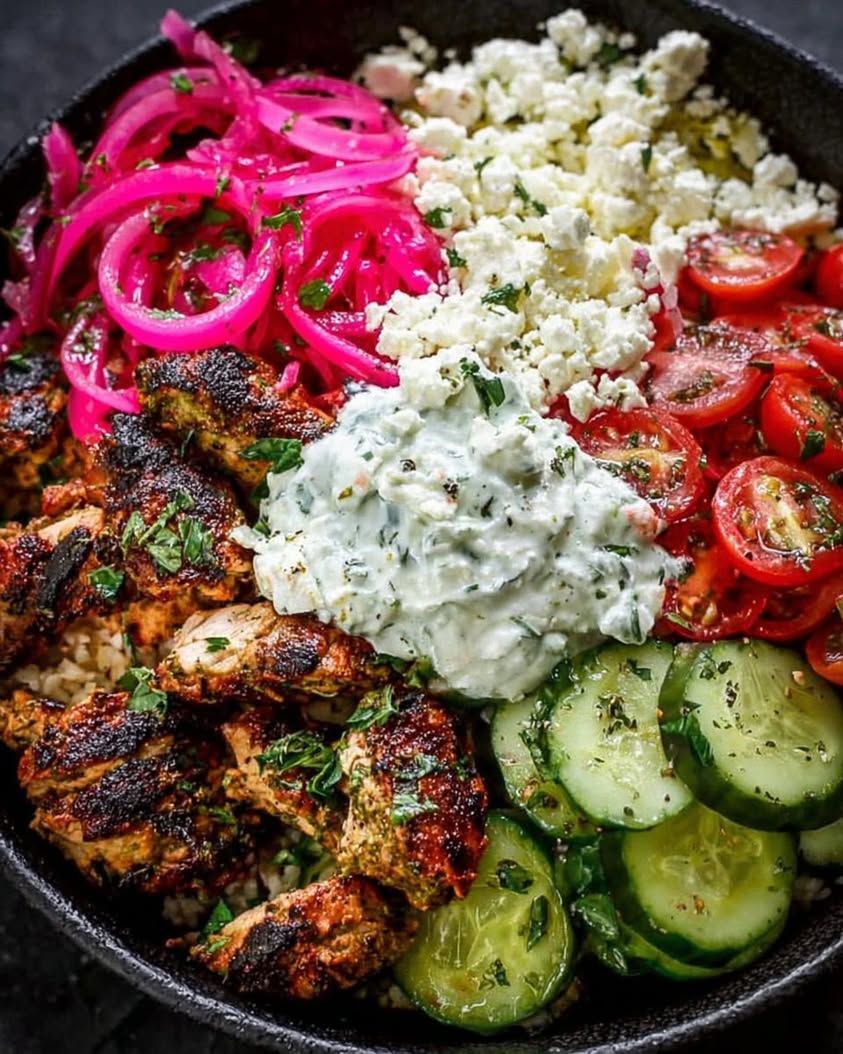
The combination of ingredients creates a symphony of tastes. The grilled chicken offers a smoky, savory base. Then, you add cool cucumber, sweet cherry tomatoes, and briny olives. A drizzle of homemade tzatziki sauce ties everything together. The crumbled feta adds a final touch of tangy richness. This Loaded Mediterranean Chicken Power Bowl with Tzatziki and Feta is a complete, balanced dish that delights the senses.
This recipe is also incredibly versatile and forgiving. You can prep the components ahead of time for quick assembly on busy nights. Moreover, it is naturally packed with protein, healthy fats, and fresh vegetables. It fits perfectly into a Mediterranean diet lifestyle. Best of all, its vibrant colors and bold flavors make it a crowd-pleaser for guests and family alike.
Quick Recipe Highlights
- Flavor Profile: This bowl delivers a fantastic balance of savory, tangy, and fresh flavors. The seasoned chicken provides a savory and slightly smoky taste. Meanwhile, the tzatziki adds a cool, garlicky tang, and the feta contributes a salty, briny kick.
- Texture: You will experience a wonderful medley of textures in every bite. The chicken is tender and juicy, while the cucumbers offer a refreshing crunch. The creamy tzatziki and soft feta create a smooth counterpoint to the crisp vegetables.
- Aroma: The smell of this dish is incredibly inviting. You will first notice the warm, aromatic scent of grilled chicken seasoned with oregano and garlic. Then, the fresh, clean aroma of cucumber and mint from the tzatziki comes through, promising a light and healthy meal.
- Visual Appeal: This bowl is a feast for the eyes with its bright, vibrant colors. The golden-brown chicken sits next to deep red tomatoes, bright green cucumbers, and purple olives. The white tzatziki and feta create a beautiful contrast, making the bowl look as good as it tastes.
- Skill Level Needed: This recipe is perfect for beginner and intermediate cooks. All the steps are straightforward and require basic cooking techniques like grilling or sautéing. Making the tzatziki is simply a matter of mixing ingredients, making it very accessible.
- Special Equipment: You will need a few basic kitchen tools. A grill pan or outdoor grill works best for the chicken. You should also have a sharp knife for chopping vegetables and a box grater or food processor for the cucumber.
Recipe Overview
- Difficulty Level: We classify this recipe as Easy. The reason is that each component is simple to prepare individually. There are no complicated techniques like making a complex sauce or tempering eggs. The biggest challenge is just timing the cooking so everything is ready at once, which is quite simple.
- Category: This dish fits into several meal categories. It works perfectly as a hearty main course for lunch or dinner. You could also serve it as a larger appetizer or part of a buffet spread. It is commonly known as a power bowl or grain bowl, focusing on whole, nutritious ingredients.
- Cuisine: This recipe is deeply rooted in Mediterranean cuisine. It draws inspiration from Greek and Levantine cooking traditions. The use of olive oil, oregano, lemon, garlic, cucumber, and feta is classic to this sunny region. Tzatziki sauce itself is a staple in Greek cooking, and this bowl is a modern, deconstructed version of classic dishes.
- Cost: The cost is moderate and very reasonable for the portion size. Chicken breast is generally affordable, especially when bought in bulk. The fresh vegetables are inexpensive, and pantry staples like olive oil and spices are low-cost. The only slightly pricier items are good quality feta cheese and plain Greek yogurt, but a little goes a long way.
- Season: While delicious year-round, this bowl shines in the summer and spring. This is when tomatoes and cucumbers are at their peak freshness and flavor. The light, refreshing nature of the dish also makes it perfect for warmer weather. However, you can easily enjoy it during any season with good-quality produce from the store.
- Occasion: This Loaded Mediterranean Chicken Power Bowl with Tzatziki and Feta is suitable for many occasions. It is a fantastic option for a quick and healthy weeknight dinner. It also works wonderfully for meal prep lunches, as the components store well. Furthermore, it is a beautiful and impressive dish to serve at a casual get-together or summer barbecue.
Why You Love This Recipe
The taste is the first reason you will adore this recipe. Every single bite hits a different note, from the savory chicken to the cool, creamy tzatziki. The salty pop of feta and the sweet burst of cherry tomatoes create a perfect flavor party. The textures are equally compelling, offering a satisfying crunch against soft and creamy elements. It is a truly engaging eating experience that leaves you completely satisfied.
Convenience is another major factor. this Loaded Mediterranean Chicken Power Bowl with Tzatziki and Feta comes together in about 40 minutes. You can easily cook the chicken while you chop the vegetables. The tzatziki takes just five minutes to whisk together. For even quicker assembly, you can cook the chicken and make the sauce a day in advance. This makes it an ideal solution for hectic schedules when you still want a homemade meal.
Nutritionally, this bowl is a powerhouse. It is loaded with lean protein from the chicken, which keeps you feeling full and energized. The vegetables provide essential vitamins, minerals, and fiber. Greek yogurt and olive oil contribute healthy fats and probiotics. This balanced meal supports your health goals without feeling like a restrictive diet. It is nourishing and genuinely delicious at the same time.
The social value of this dish is undeniable. When you serve this vibrant bowl, it immediately impresses your guests. The beautiful colors and fresh aromas show that you put thought and care into the meal. People love being able to customize their own bowl with different toppings. It encourages interaction and conversation around the table, making any meal feel more special.
Finally, it is incredibly cost-effective and accessible. You do not need any exotic or hard-to-find ingredients. Most items are standard in a well-stocked kitchen or easily found at any grocery store. By using affordable ingredients in a creative way, you get a meal that tastes restaurant-quality for a fraction of the price. It is a smart, delicious way to feed your family or yourself.
Historical Background and Cultural Significance
The concept of a power bowl is a modern invention, but its roots are ancient. The idea of combining grains, protein, and vegetables in one dish is universal. Cultures around the world have their own versions, from Japanese donburi to Mexican burrito bowls. The Mediterranean version draws on the rich culinary traditions of Greece, Turkey, and the Levant. This bowl is a contemporary celebration of those timeless flavors.
In Greek culture, sharing food is an act of hospitality and community. Mezze platters with various dips, meats, and vegetables are common at gatherings. This Loaded Mediterranean Chicken Power Bowl with Tzatziki and Feta captures that spirit of sharing. It takes the classic components of a Greek salad and a gyro plate and arranges them in a modern, convenient format. It makes the essence of Greek dining accessible for a quick meal.
The recipe has evolved significantly from its traditional roots. Ancient Greek cooking relied heavily on simple preparations using olive oil, herbs, and grilled meats. Over centuries, the introduction of ingredients like yogurt and cucumbers from other regions enriched the cuisine. Today, the power bowl represents a fusion of old and new. It uses traditional ingredients but assembles them in a way that fits modern, health-conscious lifestyles.
Regional variations across the Mediterranean are vast. In Turkey, you might find a similar dish called a kasarli pide or a doner plate. In Israel, a sabich bowl uses fried eggplant and hard-boiled eggs. Further along the coast, Moroccan bowls might feature spiced lamb and couscous. This version is a pan-Mediterranean creation, borrowing the best elements from several countries. It celebrates the diversity of the region while remaining cohesive and delicious.
Ingredient Deep Dive
Chicken Breast: Chicken breast is the primary protein in this bowl and holds significant cultural weight worldwide. In modern health-conscious cooking, it is prized for its lean protein content. It helps build muscle and keeps you satiated for hours. When selecting chicken, look for breasts that are plump and uniform in thickness. This ensures even cooking. For storage, keep it in the coldest part of your fridge and use it within two days. You can substitute boneless, skinless chicken thighs for a richer flavor, or even use leftover rotisserie chicken.
Greek Yogurt and Cucumber (for Tzatziki): Greek yogurt is a staple of the Mediterranean diet and a key component. It is thicker and creamier than regular yogurt because it has been strained to remove whey. This process also concentrates its protein content, making it very nutritious. Cucumbers add a refreshing, hydrating element to the sauce. Choose firm, dark green cucumbers without soft spots. To avoid a watery tzatziki, always grate the cucumber and squeeze out the excess liquid before adding it to the yogurt. For a dairy-free option, you can use a thick plant-based yogurt and add a bit of lemon juice for tang.
Feta Cheese: Feta is a brined curd white cheese that is iconic in Greek cuisine. It has a tangy, salty flavor that transforms any dish. Nutritionally, it is a good source of calcium and protein, though it is also high in sodium. Its crumbly texture is perfect for topping bowls and salads. When buying feta, you should choose blocks stored in brine for the best flavor and texture. It will last for several weeks in the fridge when kept in its brine. If you cannot find feta, a mild goat cheese or even queso fresco can be used as a substitute, though the flavor will change slightly.
Cherry Tomatoes and Cucumber: These vegetables are the foundation of the bowl’s freshness. Cherry tomatoes are packed with lycopene, a powerful antioxidant. They are sweetest when they are deep red and firm to the touch. Store them at room temperature for best flavor. English cucumbers are ideal because they have fewer seeds and a thinner skin. They provide a crisp, hydrating crunch. You should always wash them thoroughly. For a summer twist, you can use heirloom cherry tomatoes in different colors or add some chopped bell peppers for extra sweetness and crunch.
Olive Oil and Oregano: Extra virgin olive oil is the lifeblood of Mediterranean cooking. It is rich in monounsaturated fats and antioxidants. A high-quality oil will have a fruity, peppery taste that enhances everything it touches. Dried oregano is a classic herb in this cuisine, with a pungent, slightly bitter flavor. It pairs wonderfully with lemon and garlic. Always store olive oil in a cool, dark place to prevent it from going rancid. For a different flavor profile, you could use fresh herbs like thyme or rosemary instead of oregano.
Common Mistakes to Avoid
- Do not overcook the chicken breast. Overcooked chicken becomes dry and tough. Use a meat thermometer to ensure it reaches 165 degrees Fahrenheit internally, then let it rest before slicing.
- Avoid using watery yogurt for the tzatziki. Regular yogurt will make the sauce thin and runny. Always use thick, strained Greek yogurt to ensure a creamy consistency.
- Never skip salting and draining the cucumber for tzatziki. If you skip this step, the tzatziki will be watery and bland. The salt draws out moisture, which you must then squeeze out.
- Do not use low-quality feta cheese. Feta that is pre-crumbled often contains anti-caking agents that change the texture. Buy a block of feta in brine for the best crumbly texture and salty taste.
- Do not forget to season the chicken generously. Plain chicken breast is bland. You must season it well with salt, pepper, oregano, and garlic powder before cooking.
- Do not chop the vegetables too early. Chopped cucumbers and tomatoes can become watery and mushy if they sit too long. Cut them just before serving for maximum crunch.
- Avoid using a cold bowl. Serving the bowl on a cold plate can make the chicken and sauce less appetizing. Warm your bowls slightly in the oven or use room-temperature plates.
- Do not overdress the bowl. Too much sauce can drown the other flavors. Drizzle the tzatziki lightly and let people add more at the table.
- Do not skip resting the chicken after grilling. Cutting into it immediately releases all the juices. Let the chicken rest for 5 minutes before slicing to keep it moist.
- Do not be afraid to taste and adjust the seasoning. Everyone has different tastes. Taste your tzatziki and chicken and adjust the salt, lemon, or herbs to your liking.
Essential Techniques
Grilling the Chicken: This technique is crucial for achieving a smoky flavor and juicy texture. The high heat of the grill sears the outside of the chicken, locking in the moisture. To master it, you first need to pound the chicken breast to an even thickness. This ensures it cooks uniformly. The most common pitfall is cooking over too low a heat, which dries out the meat before it browns. A visual cue for success is seeing beautiful, dark grill marks and an internal temperature of 165 degrees Fahrenheit.
Making the Tzatziki: This simple sauce relies on one critical step: removing moisture from the cucumber. The key is to grate the cucumber, sprinkle it with salt, and let it sit in a colander for 10 minutes. Then, you must squeeze it firmly in a clean kitchen towel to remove as much liquid as possible. This prevents the sauce from becoming watery. A common mistake is adding the cucumber directly to the yogurt. The visual cue for success is a thick, creamy sauce that holds its shape on a spoon.
Proper Vegetable Prep: How you cut the vegetables affects the overall eating experience. The cucumber should be sliced into half-moons or diced into bite-sized cubes. This makes them easy to eat with a fork. The cherry tomatoes should be halved, which releases their juices and makes them sweeter. A common pitfall is cutting the vegetables too large, which makes the bowl messy to eat. The visual cue for success is uniform, neat pieces that are about the same size for a balanced presentation.
Pro Tips for Perfect Loaded Mediterranean Chicken Power Bowl with Tzatziki and Feta
Marinate the chicken for at least 30 minutes before cooking. A simple marinade of olive oil, lemon juice, garlic, and oregano adds tremendous depth of flavor. It also helps tenderize the meat, ensuring it stays juicy on the grill.
Always use a meat thermometer to check the chicken’s doneness. This removes all guesswork and prevents dry, overcooked chicken. The perfect internal temperature is 165 degrees Fahrenheit in the thickest part of the breast.
Make the tzatziki sauce a few hours ahead of time. This allows the flavors to meld together beautifully. The garlic and dill or mint will infuse the yogurt, creating a much more complex and delicious sauce.
Toast some pita bread or add a bed of fluffy couscous to the bowl. This adds a wonderful textural element and makes the meal more filling. It also helps soak up any extra tzatziki or juices from the vegetables.
Do not be shy with the fresh herbs. A sprinkle of fresh mint, dill, or parsley on top just before serving brightens the entire dish. It adds a final layer of fresh flavor and a beautiful pop of green color.
For extra warmth and flavor, lightly char the pita bread on the grill or in a dry skillet. This takes only a minute per side and gives the bread a smoky, slightly crispy exterior. It is a simple touch that elevates the entire meal.
Variations and Adaptations
Regional Variations: For a Greek island twist, you can add grilled octopus or shrimp instead of chicken. In a Turkish version, you might use lamb kofta and a garlic-yogurt sauce with mint. An Israeli-style bowl could feature falafel, tahini sauce, and pickled turnips instead of tzatziki and olives. Each variation highlights a different aspect of the Mediterranean pantry.
Seasonal Adaptations: In the summer, use peak-season heirloom tomatoes and fresh corn off the cob. During the fall, you can add roasted butternut squash or roasted red peppers for sweetness. In the winter, consider using roasted vegetables like cauliflower and broccoli for a heartier, warming meal. The base of chicken and tzatziki works year-round with whatever produce is freshest.
Dietary Modifications: For a gluten-free version, simply skip the pita bread or use a gluten-free alternative. To make it dairy-free, replace the Greek yogurt with a thick coconut-based yogurt and use a dairy-free feta alternative. You can also make a tahini-based dressing instead of tzatziki. For a low-carb version, serve the bowl over a bed of fresh spinach or mixed greens instead of grains.
Flavor Variations: You can change the protein by using a different marinade. Try a harissa paste for a spicy North African kick. Or use a lemon-herb marinade with rosemary and thyme for a more classic flavor. You could also swap out the tzatziki for a creamy lemon-tahini dressing or a simple vinaigrette made with red wine vinegar and oregano.
Texture Modifications: For added crunch, you can top the bowl with toasted pine nuts, slivered almonds, or pomegranate seeds. These little additions provide a delightful pop and textural contrast. If you prefer a softer texture, you can roast the vegetables instead of serving them raw. Roasted eggplant, zucchini, and bell peppers would be a wonderful addition.
Presentation Alternatives: For a dinner party, you can deconstruct the bowl and serve it as a mezze platter. Arrange the chicken, vegetables, feta, and pita on a large board with the tzatziki in a bowl for dipping. This encourages sharing and makes for a stunning presentation. You could also stuff the ingredients into a large pita pocket for a portable lunch.
Serving and Presentation Guide
Plating techniques are important for making your bowl look appetizing. Start by placing a bed of fresh greens or cooked quinoa at the bottom of the bowl. This creates a base that absorbs the flavors. Then, arrange the sliced chicken, halved tomatoes, cucumber, and olives in separate sections around the bowl. This organized arrangement looks neat and professional. Finally, place a generous dollop of tzatziki in the center or on the side.
Garnishing ideas can elevate the visual appeal effortlessly. A sprinkle of fresh dill or mint adds a pop of green. A few pinches of sumac or zaatar can add a beautiful reddish-purple color and a tangy flavor. A light drizzle of good extra virgin olive oil over everything just before serving adds a glossy shine and a fruity aroma. A few whole olives placed on top also add a final touch of elegance.
Traditional accompaniments for this bowl include warm pita bread or pita chips. You might also serve it with a side of lemon wedges for squeezing. In a more traditional Greek setting, you would also offer a small Greek salad on the side. For a modern approach, you can serve it with a side of roasted potatoes or a simple lentil soup. The bowl itself is a complete meal, but these sides make it heartier.
Temperature considerations are key to the best eating experience. The chicken should be served warm, not piping hot. The vegetables should be cool and crisp. The tzatziki should be chilled. This contrast of temperatures makes each bite interesting. If you are serving this for a party, you can keep the chicken warm in a low oven and serve the vegetables and sauce chilled.
Portion control tips are helpful for healthy eating. For an average adult, one serving is about one large chicken breast, one cup of vegetables, and a generous two tablespoons of tzatziki. This provides a balanced meal without overeating. You can also add a half cup of cooked quinoa or farro to make it more filling. Using a bowl that is not too large helps control portion sizes visually.
Wine and Beverage Pairing
Wine pairings for this bowl are delightful and refreshing. A crisp, dry white wine like an Assyrtiko from Greece is a classic choice. Its high acidity and citrus notes cut through the richness of the feta and tzatziki beautifully. A Sauvignon Blanc from New Zealand also works wonderfully, with its herbaceous notes complementing the oregano. For a red option, a light-bodied, chilled red like a Bardolino or a Pinot Noir is a safe bet.
Non-alcoholic alternatives are equally satisfying and easy to prepare. A glass of sparkling water with a squeeze of fresh lemon and a sprig of mint is incredibly refreshing. This cleanses the palate between bites. You could also make a simple iced herbal tea, like a hibiscus or mint tea. For a more festive option, try a glass of kombucha, which has a similar tangy and bubbly profile to a light wine.
Coffee and tea pairings are not typical for this lunch or dinner dish. However, if you are serving this for a brunch, a strong cup of Greek coffee would be a bold and authentic choice. For an afternoon lunch, a glass of iced green tea with a hint of lemon or mint would be very refreshing. The key is to keep the beverage light and not too sweet, so it does not overpower the fresh flavors of the bowl.
The temperature of your beverage matters. White wines and rosés should be served well-chilled, around 45-50 degrees Fahrenheit. Sparkling water should be ice cold. Red wines should be slightly chilled, around 55 degrees, to keep them refreshing. Serving hot coffee or tea is fine for a brunch setting, but iced versions are generally preferred for this fresh dish.
Serving suggestions include using large, stemmed wine glasses for a more elegant feel. For a casual meal, a simple mason jar or a sturdy glass is perfect. You can also add a small garnish to the drink, like a cucumber slice or a sprig of mint, to tie it back to the flavors in the bowl. This small touch creates a cohesive dining experience.
Storage and Shelf Life
Proper storage methods are essential for maintaining freshness. Store each component of the bowl separately. The cooked chicken should be placed in an airtight container and refrigerated. The chopped vegetables should be kept in a separate container, also airtight. The tzatziki sauce should be stored in a small jar or container with a tight-fitting lid. Never combine leftovers, as the vegetables will make the chicken soggy.
Temperature requirements are simple but critical. All components must be refrigerated at or below 40 degrees Fahrenheit. This prevents the growth of harmful bacteria. You should never leave the assembled bowl out at room temperature for more than two hours. If you are serving it at a party, place the bowl on a bed of ice to keep it chilled, or serve the components separately so people can assemble their own.
Container recommendations focus on airtight seals. Glass containers are excellent because they do not stain or absorb odors. They are also microwave-safe for reheating. Plastic containers with snap-on lids are a good, lightweight alternative. For the tzatziki, a small glass jar is ideal because it is easy to pour from and seals tightly. Avoid using metal containers for the sauce, as it can react with the acidity.
Signs of spoilage are easy to spot. For the chicken, look for a slimy texture or a sour, off-putting smell. For the vegetables, look for wilting, browning, or a soft, mushy texture. The tzatziki will separate slightly, which is normal, but if it develops a watery layer on top and smells sour, it should be discarded. Always trust your senses; if something looks or smells wrong, it is best to throw it away.
Reheating instructions are crucial for the chicken. The best way to reheat the chicken is in a skillet over medium heat with a splash of water or broth. Cover the pan to create steam, which will keep the chicken moist. You can also use a microwave, but this can make the chicken rubbery. Never reheat the vegetables or the tzatziki. These should always be served cold or at room temperature.
Freezing guidelines are quite specific. While you can freeze the cooked chicken breast, the texture will change slightly upon thawing. It will be more dry and less juicy. It is best to freeze the chicken in a freezer-safe bag for up to three months. You should never freeze the tzatziki or the fresh vegetables. They will become watery and lose their crisp texture completely upon thawing.
Make Ahead Strategies
Prep timeline is the key to efficient meal prepping. You can do most of the work up to three days in advance. On Sunday, you can cook the chicken and make the tzatziki sauce. You can also wash and chop the vegetables a day in advance. For the best texture, wait to assemble the bowls until just before serving. This plan reduces your nightly cooking time to just five minutes of assembly.
Storage between steps requires careful planning. The cooked chicken should be stored in an airtight container in the refrigerator. The tzatziki should be stored in a separate container. The chopped vegetables, especially the tomatoes and cucumbers, should be stored in a container lined with a paper towel. This paper towel absorbs excess moisture and keeps the vegetables crisp and fresh for longer.
Quality impact assessment shows that this dish holds up very well. The chicken actually tastes better the next day as the flavors meld together. The tzatziki also develops a deeper flavor after a day in the fridge. The main quality concern is the fresh vegetables. If you chop them more than 24 hours in advance, they can lose their crunch. Therefore, it is best to chop them the morning of serving.
Assembly tips are simple for a quick meal. When you are ready to eat, take all the containers out of the fridge. Place the bowl base of greens or quinoa down first. Then, slice the chicken and arrange it next to the vegetables. Spoon the tzatziki on the side or on top. If the chicken is too cold from the fridge, you can reheat it in the microwave for 30 seconds before slicing.
Reheating guidelines for the make-ahead chicken are the same as for leftovers. The best method is a hot skillet with a lid. This keeps the chicken moist. If you are packing this for lunch, you can pack the chicken cold and heat it up in the office microwave. Just be careful not to overheat it. The vegetables and tzatziki should always remain cold or at room temperature for the best texture and flavor.
Fresh element additions are a great way to revive a make-ahead bowl. Just before serving, add a squeeze of fresh lemon juice over everything. This brightens the flavors immediately. You can also add a handful of fresh herbs like dill or mint. A final drizzle of high-quality extra virgin olive oil will also add a fresh, peppery kick. These small additions make the meal taste freshly made, even if the components were prepped days ago.
Scaling Instructions
Halving the recipe is very straightforward. Simply divide all the ingredient quantities in half. This will yield about two servings. You will need to adjust the cooking time for the chicken only slightly, as a smaller piece of meat will cook faster. Use a smaller bowl for making the tzatziki. The cooking method remains the same, but keep a close eye on the chicken to avoid overcooking it.
Doubling or tripling the recipe requires a bit more planning. You will need to use a larger skillet or cook the chicken in batches. Do not overcrowd the pan, as this will steam the chicken instead of searing it. You will also need a larger mixing bowl for the tzatziki. All the other ingredients can simply be multiplied. The cooking time for the chicken might increase slightly because you are cooking more pieces, but the internal temperature is still the best guide.
Equipment adjustments are necessary for larger batches. You will likely need a large roasting pan if you want to cook the chicken in the oven instead of on the stovetop. You might also need a larger food processor to grate the cucumbers for the tzatziki if you are making a huge batch. Ensure you have enough storage containers for all the different components.
Timing modifications are important for scaling. When cooking many chicken breasts, they can take a few extra minutes to cook through. You should use a meat thermometer to check several pieces to ensure they are all done. For the vegetables, it might be faster to use a food processor to chop them if you are making a large amount. The tzatziki can be made up to a day in advance to save time on the day of serving.
Storage considerations are critical when scaling up. You will need larger, airtight containers to store the chicken and vegetables separately. The tzatziki should still be stored in a container with a tight lid. If you have made a huge batch, you can portion the chicken and vegetables into individual meal prep containers. This makes it easy to grab one for lunch. The components will stay fresh for about four days in the fridge.
Nutritional Deep Dive
Macro breakdown for one serving of this bowl is very balanced. You will get approximately 400-450 calories. The macros consist of roughly 35 grams of protein, 25 grams of fat, and 15 grams of carbohydrates. The high protein content comes mainly from the chicken and Greek yogurt. The fats are primarily healthy mono and polyunsaturated fats from the olive oil and feta. The carbohydrates are from the vegetables and any grains you choose to add.
Micronutrient analysis shows this bowl is packed with vitamins and minerals. It is an excellent source of Vitamin C from the tomatoes and lemon juice. It also provides a good amount of Vitamin K from the cucumber. The chicken provides B vitamins, including B6 and niacin. The feta and yogurt are excellent sources of calcium. The olive oil provides Vitamin E, a powerful antioxidant. It is a nutrient-dense meal that supports overall health.
Health benefits of this bowl are numerous. The lean protein helps with muscle repair and keeps you feeling full. The healthy fats from olive oil support heart health and brain function. The vegetables provide fiber, which aids digestion. The probiotics in the Greek yogurt support a healthy gut microbiome. This combination of nutrients makes this bowl a powerful tool for weight management and overall wellness.
Dietary considerations are important for many people. This bowl is naturally gluten-free if you skip the pita bread. It is also relatively low in carbohydrates compared to many other meals. It is high in protein and healthy fats, making it suitable for many low-carb and keto diets, provided you adjust the portion of vegetables. It is a great choice for anyone following a Mediterranean diet, which is widely recommended by nutritionists.
Portion analysis shows that this bowl is very satisfying. A standard serving contains enough protein to keep you full for several hours. The fat content helps slow digestion, providing sustained energy. The fiber from the vegetables also contributes to satiety. This means you are less likely to snack on unhealthy foods later. It is a great meal for anyone trying to control their appetite and maintain a healthy weight.
Weight management tips related to this recipe include controlling the amount of olive oil and feta used. While these are healthy fats, they are also calorie-dense. Use a light hand when drizzling the oil. You can also reduce the amount of feta or use a low-fat version. Adding more vegetables to the bowl increases the volume without adding many calories. This helps you feel full while eating fewer calories.
Dietary Adaptations
For a gluten-free version, the key is to avoid any bread or grains that contain gluten. This bowl is naturally gluten-free when served on a bed of greens. You can also use certified gluten-free quinoa or rice. Ensure your tzatziki is made with gluten-free yogurt. All the other ingredients are naturally gluten-free. This makes it a very safe and delicious option for anyone with celiac disease or a gluten sensitivity.
For a dairy-free adaptation, you need to replace the feta and tzatziki. You can find excellent dairy-free feta alternatives made from almonds or cashews. For the tzatziki, use a thick, plain coconut or soy-based yogurt. Be sure to squeeze the cucumber well, as dairy-free yogurts can be thinner. The flavor will be slightly different, but it will still be very delicious and creamy. You might also add a little extra lemon juice for tang.
To make this bowl vegan, you must replace the chicken and the dairy. You can use grilled portobello mushrooms, marinated and grilled tofu, or a plant-based chicken alternative. You should use the same dairy-free substitutes for the feta and yogurt. A great vegan option is to use crispy chickpeas for protein. Toss them in olive oil and oregano and roast them until crispy. This adds a wonderful texture and flavor.
For a low-carb version, you simply need to eliminate or reduce the carb sources. Skip any grains like quinoa or couscous. Use a large bed of fresh spinach or a Print
Loaded Mediterranean Chicken Power Bowl with Tzatziki & Feta
- Total Time: 40 minutes
- Yield: 4
Description
A vibrant and nutritious bowl featuring juicy seasoned chicken, fresh veggies, tangy tzatziki, and creamy feta over fluffy rice.
Ingredients
- 2 boneless skinless chicken breasts (about 1 lb)
- 1 tbsp olive oil
- 1 tsp dried oregano
- 1 tsp garlic powder
- 1/2 tsp salt
- 1/4 tsp black pepper
- 1 cup cooked brown rice or quinoa
- 1 cup cherry tomatoes, halved
- 1/2 cup cucumber, diced
- 1/2 cup kalamata olives, sliced
- 1/4 cup red onion, thinly sliced
- 1/2 cup crumbled feta cheese
- 1/2 cup store-bought or homemade tzatziki sauce
- Fresh parsley for garnish
Instructions
- Preheat oven to 400°F (200°C). Line a baking sheet with parchment paper.
- In a small bowl, mix olive oil, oregano, garlic powder, salt, and pepper. Coat chicken breasts evenly with the seasoning mixture.
- Place chicken on prepared baking sheet and bake for 20–25 minutes, or until internal temperature reaches 165°F (74°C). Let rest 5 minutes, then slice.
- In serving bowls, divide cooked rice or quinoa as the base.
- Top with sliced chicken, cherry tomatoes, cucumber, olives, red onion, and feta cheese.
- Drizzle with tzatziki sauce and garnish with fresh parsley. Serve immediately.
Notes
You can customize the seasonings to taste.
- Prep Time: 15 minutes
- Cook Time: 25 minutes
- Method: Main
- Cuisine: Mediterranean