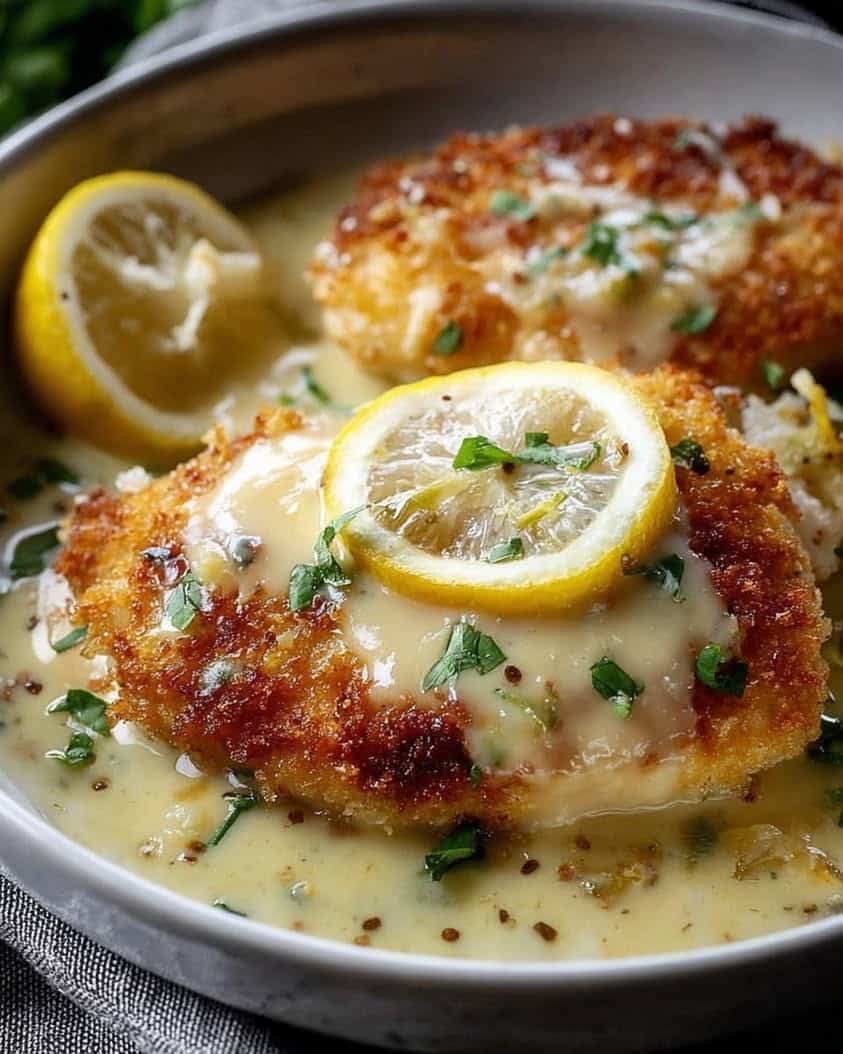
Lemon Pecorino Crusted Chicken with Creamy Lemon Sauce: A Restaurant-Worthy Dinner at Home
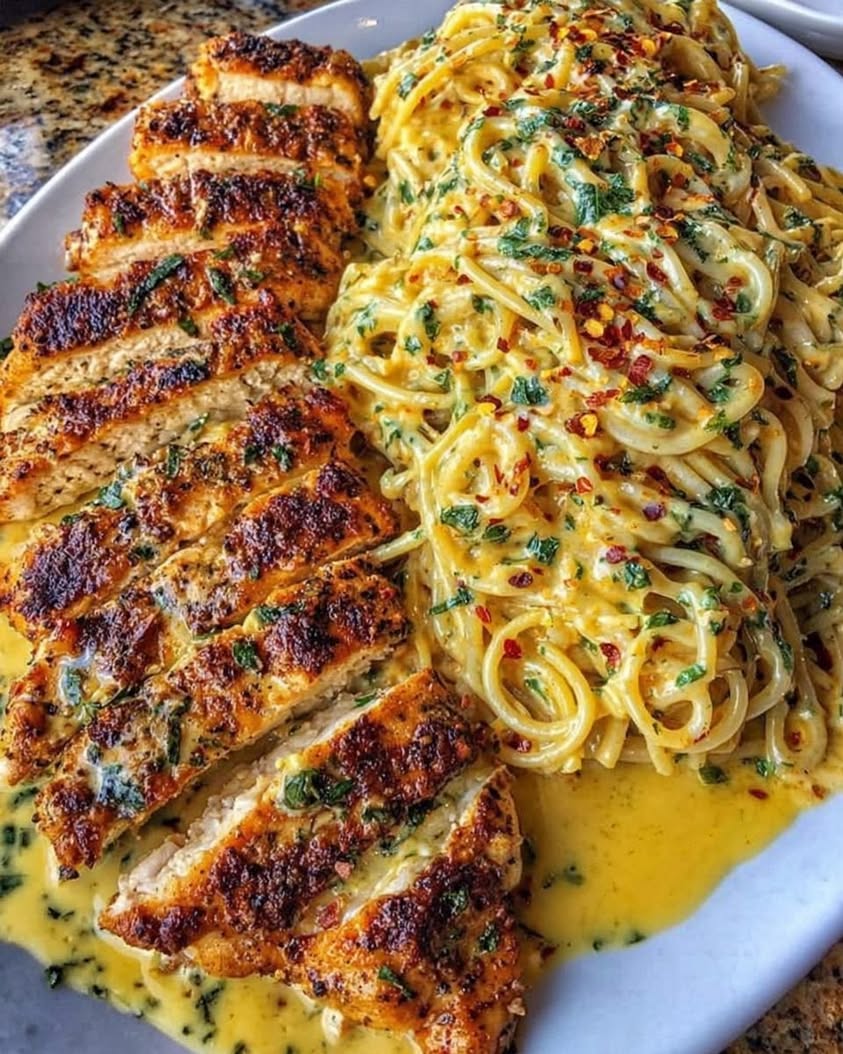
This Lemon Pecorino Crusted Chicken with Creamy Lemon Sauce brings bright Italian flavors straight to your weeknight table. The golden crust locks in juicy tenderness, while the silky sauce adds a tangy finish that keeps everyone reaching for seconds. If you love lemon chicken recipes, this Lemon Pecorino Crusted Chicken with Creamy Lemon Sauce will quickly become your new favorite. Moreover, it comes together in about 40 minutes with simple pantry staples. In addition, the recipe uses basic skillet techniques that even beginner cooks can master. As a result, you get a dish that tastes like a trattoria specialty without the restaurant price tag.
The combination of sharp Pecorino Romano and fresh lemon zest creates a crust that crackles with flavor. Meanwhile, the creamy lemon sauce balances richness with acidity, so every bite feels fresh rather than heavy. Because the chicken breasts stay thin and even, they cook quickly and stay moist. Furthermore, the sauce uses the same pan drippings, which deepens the flavor and reduces cleanup. Consequently, this Lemon Pecorino Crusted Chicken with Creamy Lemon Sauce works equally well for busy weeknights and weekend dinner parties.
Many home cooks shy away from pan-seared chicken because they worry about dry meat or burnt crusts. However, this recipe solves those problems with a simple two-step method and clear visual cues. In addition, the ingredient list stays short, so you can shop once and cook with confidence. Because the technique relies on moderate heat and proper timing, you gain skills you can reuse in dozens of other dishes. Therefore, consider this Lemon Pecorino Crusted Chicken with Creamy Lemon Sauce a building block for your entire cooking repertoire.
Quick Recipe Highlights
- Flavor Profile: The crust delivers sharp, salty Pecorino and bright lemon zest. Meanwhile, the creamy sauce adds butter, garlic, and a gentle tang. Together, they create a balanced bite that never feels heavy.
- Texture: The chicken stays juicy and tender under a crisp golden coating. In addition, the sauce coats your tongue with a velvety smoothness. As a result, each forkful offers contrast between crunch and cream.
- Aroma: Fresh lemon zest hits your nose the moment the chicken sears. Furthermore, garlic and butter fill the kitchen as the sauce simmers. Consequently, the whole house smells like a sunny Italian bistro.
- Visual Appeal: Golden-brown cutlets rest on a pale, glossy sauce. Additionally, a sprinkle of parsley and extra lemon slices adds color. Because the contrast is so striking, the plate looks polished with almost no effort.
- Skill Level Needed: Beginner and intermediate cooks will handle this easily. However, you should know how to bread cutlets and deglaze a pan. Because the timing is forgiving, the recipe helps you build confidence fast.
- Special Equipment: You need a large skillet, three shallow dishes, and a whisk. In addition, a meat mallet helps pound the chicken evenly. Optionally, an instant-read thermometer ensures perfect doneness.
Recipe Overview
- Difficulty Level: This dish lands squarely in the easy category because the steps are simple and repeatable. Moreover, the ingredients come from any grocery store, so you will not hunt for specialty items. In addition, the sauce uses the same pan, which keeps the process streamlined. Therefore, even a first-time cook can serve this Lemon Pecorino Crusted Chicken with Creamy Lemon Sauce with pride.
- Category: This recipe works as a main course for lunch or dinner. Furthermore, you can serve it for holiday meals, date nights, or casual family suppers. Because it pairs with pasta, vegetables, and salads, it fits nearly any menu.
- Cuisine: The dish draws on Italian American cooking traditions, especially the Roman love of Pecorino Romano. Meanwhile, the creamy lemon sauce echoes northern Italian cream sauces and Mediterranean citrus habits. Because Italian cooks prize simplicity, the recipe keeps the ingredient list short. Consequently, each component shines without masking the others.
- Cost: Four servings cost roughly twelve to sixteen dollars depending on your market. Specifically, chicken breasts run about six to eight dollars, while Pecorino and cream add four to six dollars. Because you likely own the spices and flour already, the total stays low. As a result, this meal beats most takeout options on price.
- Season: The recipe shines in spring and summer when lemons taste brightest. However, you can cook it year-round because lemons stay available. In addition, the creamy sauce offers comfort in colder months.
- Occasion: Serve this dish for weeknight dinners, anniversary meals, or small dinner parties. Moreover, it impresses guests without demanding hours in the kitchen. Because the recipe scales easily, it suits both intimate and larger gatherings.
Why You Will Love This Recipe
The taste and texture of this Lemon Pecorino Crusted Chicken with Creamy Lemon Sauce deliver pure satisfaction. The crust brings salty, nutty Pecorino and floral lemon zest in every bite. Meanwhile, the sauce adds a tangy creaminess that coats the chicken without drowning it. Because the two elements balance each other, you never tire of the flavor. In addition, the contrast between crisp coating and tender meat keeps each bite interesting. Consequently, this dish pleases both adventurous eaters and picky kids.
Convenience sets this recipe apart from fancier chicken dinners. You need one skillet and about forty minutes from start to finish. Furthermore, the ingredients are easy to find and often already in your kitchen. Because the steps flow logically, you can prep while the pan heats. As a result, cleanup stays minimal and stress stays low, which makes this Lemon Pecorino Crusted Chicken with Creamy Lemon Sauce ideal for busy weeknights.
Nutritionally, this recipe offers solid protein with reasonable fat and carbs. Each serving delivers around thirty-five grams of protein, which supports muscle repair and satiety. Additionally, lemon adds vitamin C, and Pecorino contributes calcium. Because you control the cream and butter amounts, you can lighten the sauce if you wish. Therefore, the dish fits many healthy eating plans with small tweaks.
Socially, the recipe shines when you entertain. The golden cutlets look impressive on a platter, and the sauce pours beautifully at the table. Moreover, guests love the bright lemon aroma that fills the room. Because the recipe doubles easily, you can feed a crowd without extra stress. In addition, the dish pairs with wine, which makes hosting even simpler. Consequently, this Lemon Pecorino Crusted Chicken with Creamy Lemon Sauce becomes your go-to for dinner parties.
Finally, the recipe wins on cost and accessibility. Chicken breasts rank among the cheapest proteins per pound. Meanwhile, Pecorino, cream, and lemons add modest expense. Because the technique uses basic equipment, you need no special tools. As a result, home cooks on any budget can enjoy a restaurant-style meal. Furthermore, leftovers taste great the next day, which stretches your grocery dollar even further.
Historical Background and Cultural Significance
The origin story of this dish blends Italian tradition with American home cooking. Pecorino Romano dates back to ancient Rome, where shepherds made salty sheep cheese for soldiers. Meanwhile, Italians have long paired lemon with seafood and chicken to cut richness. Because immigrants brought these habits to the United States, the combo evolved into modern lemon chicken recipes. Consequently, this Lemon Pecorino Crusted Chicken with Creamy Lemon Sauce reflects centuries of Mediterranean taste.
Culturally, Pecorino Romano holds protected status in Italy and appears in iconic dishes like cacio e pepe and carbonara. Additionally, lemon groves along the Amalfi Coast shape southern Italian cooking. Because cooks there use citrus constantly, the pairing of lemon and cheese feels natural. In addition, creamy sauces appear more often in northern regions, where butter and cream abound. Therefore, this recipe bridges two Italian culinary worlds on one plate.
The recipe evolved as American cooks embraced skillet chicken in the 1980s and 1990s. Moreover, the rise of lemon chicken dishes in restaurants pushed home cooks to experiment. Because breaded cutlets cook fast, they suited the busy family schedule. In addition, the creamy pan sauce trick, which uses drippings and cream, became a staple technique. As a result, the modern version of this Lemon Pecorino Crusted Chicken with Creamy Lemon Sauce was born.
Regional variations appear across Italy and the United States. For instance, some cooks in Sicily add capers and olives for briny depth. Meanwhile, cooks in Tuscany might use white wine instead of broth. In the American South, some versions add hot sauce or cayenne for heat. Because the base recipe welcomes changes, families develop their own signatures. Consequently, no two versions taste exactly alike, which keeps the dish exciting.
Ingredient Deep Dive
Chicken Breasts: Chicken breasts serve as the lean, mild canvas for this recipe. Historically, poultry became a weeknight staple in the United States after World War II. Nutritionally, each breast offers about twenty-six grams of protein per hundred grams. When you shop, look for firm, pink meat without gray spots. Store raw chicken in the coldest part of your fridge and use it within two days. If you prefer, swap in chicken thighs for juicier results, or use turkey cutlets for a leaner option.
Chicken breasts also absorb marinades and coatings beautifully. Because they stay mild, they let the Pecorino and lemon shine. In addition, pounding them thin ensures even cooking. However, overcooking dries them out, so watch the internal temperature. Therefore, treat chicken gently and pull it at one hundred sixty-five degrees Fahrenheit.
Pecorino Romano: Pecorino Romano ranks among Italy’s oldest cheeses, with roots in Roman military rations. Culturally, it symbolizes Roman cooking and appears in countless pasta dishes. Nutritionally, it packs protein and calcium but also plenty of sodium. When buying, choose a wedge with a pale ivory color and a tight rind. Wrap it in parchment, then plastic, and store it in the fridge for up to two months. For substitutions, use Parmigiano Reggiano or aged Manchego for similar punch.
Pecorino also melts and crisps beautifully in a skillet. Because it carries salt, you can reduce added salt in the recipe. In addition, grating it finely helps it adhere to the chicken. As a result, the crust browns evenly and tastes intense. Meanwhile, the cheese adds umami depth that plain breadcrumbs lack.
Lemons: Lemons originated in Asia and spread through the Mediterranean centuries ago. Culturally, they represent freshness and hospitality in Italian and Middle Eastern cooking. Nutritionally, one lemon supplies over thirty percent of your daily vitamin C. When selecting, choose firm, heavy fruit with bright yellow skin. Store lemons in the fridge crisper for up to three weeks. If needed, substitute lime or Meyer lemon for a different twist.
Lemon zest carries oils that deliver the brightest flavor. Because heat releases those oils, adding zest to the crust intensifies aroma. In addition, fresh juice brightens the sauce and balances cream. Consequently, always use fresh lemons rather than bottled juice for the best result.
Heavy Cream: Heavy cream adds luxurious body to the sauce and carries fat-soluble flavors. Historically, cream sauces became popular in French and northern Italian kitchens. Nutritionally, cream contains saturated fat, so portion control matters. When shopping, pick cream with at least thirty-six percent fat for stable simmering. Store it in the coldest shelf of your fridge and use within a week of opening. For lighter options, try half-and-half or evaporated milk, though the sauce will thin slightly.
Cream also prevents the lemon juice from tasting harsh. Because fat coats the tongue, it softens acidity and rounds the flavor. In addition, cream thickens quickly over moderate heat. Therefore, simmer gently and stir often to avoid curdling.
Common Mistakes to Avoid
- Skipping the pound step leaves thick breasts that cook unevenly. Consequently, the outside burns before the center cooks through. Therefore, always pound chicken to an even half-inch thickness.
- Using cold chicken straight from the fridge shocks the pan and steams the crust. Instead, let the meat sit at room temperature for fifteen minutes. As a result, you get a better sear and juicier meat.
- Overcrowding the skillet traps moisture and prevents browning. Therefore, cook in batches if needed. Because each cutlet needs space, use a large pan or two pans.
- Adding lemon juice too early in the sauce can curdle the cream. Instead, stir in juice off the heat. Consequently, the sauce stays smooth and glossy.
- Using pre-grated cheese yields a sandy texture and weak flavor. Instead, grate Pecorino fresh on a microplane. Because fresh cheese melts better, the crust turns crisp and golden.
- Burning the garlic creates a bitter sauce that ruins the dish. Therefore, add garlic only after the pan cools slightly. In addition, keep the heat at medium-low while it cooks.
- Forgetting to rest the chicken lets juices run out and dry the meat. Instead, rest the cutlets for five minutes. As a result, the meat reabsorbs moisture and stays tender.
- Ignoring pan temperature leads to either pale crusts or burnt spots. Consequently, test the oil with a breadcrumb before adding chicken. Because a gentle sizzle signals readiness, you avoid guesswork.
- Thinning the sauce with too much broth makes it watery. Instead, reduce the broth first, then add cream. Therefore, the final sauce clings to the chicken nicely.
- Salting twice overwhelms the dish because Pecorino already brings salt. Instead, taste the sauce before adding more. As a result, the flavors stay balanced and bright.
Essential Techniques
Pounding Chicken Evenly: This technique matters because uniform thickness guarantees even cooking. To master it, place each breast between plastic wrap and pound with a mallet or rolling pin. Work from the center outward with gentle strokes. Common pitfalls include tearing the meat or flattening it too thin. Watch for a consistent half-inch thickness, and you will see the whole cutlet turn opaque and firm at the same time.
Breading Station Setup: A proper station keeps your hands clean and the crust tidy. Arrange three shallow dishes with flour, egg, and crumb mixture in a line. Then use one hand for dry steps and one for wet steps. A common pitfall involves clumping, which happens when wet fingers touch the crumbs. Visually, the coating should look even and fully cover the meat with no bare patches.
Pan Searing: Searing creates the golden crust that defines this dish. Heat your skillet over medium-high until a drop of water sizzles, then add oil. Lay cutlets away from you to avoid splatter. A common pitfall is moving the chicken too soon, which tears the crust. Watch for edges turning opaque and golden before you flip.
Deglazing: Deglazing lifts the browned bits that carry deep flavor. After removing the chicken, pour broth or wine into the hot pan and scrape with a wooden spoon. A common pitfall involves skipping this step, which wastes flavor. Visually, the liquid should turn amber as the bits dissolve.
Finishing the Cream Sauce: This step determines whether the sauce feels silky or grainy. Lower the heat, add cream, and whisk gently until it thickens. A common pitfall is boiling the sauce, which can split the cream. Watch for a glossy coat on the spoon, and pull the pan off the heat before adding lemon juice.
Pro Tips for Perfect Lemon Pecorino Crusted Chicken with Creamy Lemon Sauce
First, grate your Pecorino on a microplane for the finest texture. Because fine cheese melts quickly, the crust crisps evenly. In addition, mix the cheese with panko for extra crunch.
Second, dry the chicken with paper towels before breading. Because moisture blocks adhesion, dry meat holds the coating better. As a result, the crust stays intact during searing.
Third, add a pinch of cayenne to the crumb mixture. Consequently, the heat balances the salty cheese and tangy lemon. Furthermore, it deepens the overall flavor without overwhelming anyone.
Fourth, use a thermometer to check doneness. Because chicken dries out past one hundred sixty-five degrees, pull it early and rest it. Therefore, you guarantee juicy meat every time.
Fifth, whisk a teaspoon of cold butter into the finished sauce. Because butter emulsifies, the sauce turns glossy and rich. In addition, it rounds out the lemon’s sharp edges.
Sixth, taste the sauce before serving and adjust with salt, pepper, or lemon. Because flavors vary by brand, tasting ensures balance. Consequently, your final dish tastes intentional rather than accidental.
Seventh, warm your plates before plating. Because warm plates keep the crust crisp longer, guests enjoy better texture. In addition, the sauce stays fluid instead of congealing.
Eighth, save extra sauce in a small pitcher for the table. Because people love extra sauce, passing it around boosts the meal. Consequently, everyone customizes their plate to taste.
Variations and Adaptations
Regional variations let you explore different corners of Italy. For instance, add capers and chopped olives for a Sicilian twist. Meanwhile, a Tuscan version uses white wine and sage in the sauce. Because each region prizes local ingredients, your pantry guides the choice. In addition, a Roman approach doubles the Pecorino for a bolder crust.
Seasonal adaptations keep the dish fresh all year. In spring, fold peas and mint into the sauce for brightness. During summer, serve with sliced tomatoes and basil. In fall, add roasted squash on the side. Because lemons stay available, the core recipe works in every season.
Dietary modifications make the recipe flexible for many eaters. For gluten-free needs, use almond flour and gluten-free panko. For dairy-free versions, swap Pecorino for nutritional yeast and use coconut cream. Because the technique stays the same, the dish adapts without losing character.
Flavor variations range from spicy to herbal. Add Calabrian chili paste for heat, or stir in pesto for a basil punch. Meanwhile, a drizzle of honey tames the acidity for a sweeter profile. Because the base is neutral, nearly any flavor direction works.
Texture modifications change the mouthfeel. For a crunchier crust, double the panko and press it firmly. For a lighter dish, skip breading and sear plain chicken, then finish with sauce. Because texture drives enjoyment, choose what suits your mood.
Presentation alternatives help you plate creatively. Slice the chicken over pasta, or nestle it into a crusty roll for sandwiches. Additionally, serve it over polenta, rice, or mashed potatoes. Because the sauce is versatile, it flatters nearly any base.
Serving and Presentation Guide
Plating techniques shape the first impression. Place a pool of sauce in the center of a warm plate, then set the cutlet on top. In addition, lean the chicken slightly so the crust stays visible. Because height adds elegance, stack a second small piece at an angle.
Garnishing ideas bring color and freshness. Scatter chopped parsley, lemon zest, or torn basil over the chicken. Furthermore, add thin lemon slices for a bright pop. Because garnishes signal care, guests notice the effort.
Traditional accompaniments include pasta, risotto, or crusty bread. Meanwhile, a simple green salad with vinaigrette cuts the richness. Because Italian meals value balance, keep sides light and seasonal.
Modern serving suggestions invite creativity. Try serving over cauliflower rice for a low-carb option. Alternatively, pile the sliced chicken onto a charcuterie board with cheeses and olives. Because the dish tastes great warm or at room temperature, it suits casual grazing.
Temperature considerations matter for texture. Serve the chicken hot, but let the sauce sit for a minute before pouring. Because boiling sauce can wilt the crust, moderate heat preserves crunch.
Portion control tips help you plan. One cutlet per person suits most appetites, especially with sides. However, hungry crowds may want two, so plan accordingly. Because the recipe doubles easily, you can scale without stress.
Wine and Beverage Pairing
Wine pairings elevate the meal with complementary acidity. A crisp Pinot Grigio mirrors the lemon and cleanses the palate. Meanwhile, an unoaked Chardonnay matches the creamy sauce. Because Italian whites often carry citrus notes, they pair naturally here.
Red wine lovers can reach for a light Sangiovese or Pinot Noir. Because tannins clash with cream, choose low-tannin bottles. In addition, serving reds slightly chilled keeps them refreshing.
Non-alcoholic alternatives keep everyone included. Sparkling water with lemon and mint refreshes between bites. Additionally, an Arnold Palmer blends tea and lemon for a familiar pairing.
Coffee and tea pairings work surprisingly well after the meal. A light green tea lifts the palate, while an espresso adds a bitter contrast. Because lemon and coffee share bright notes, the combo feels intentional.
Temperature considerations apply to all drinks. Serve whites and sparkling options well chilled, around forty-five degrees. Meanwhile, reds taste best near sixty degrees. Because proper temperature sharpens flavors, it improves the whole experience.
Serving suggestions include offering a small pitcher of sauce and extra lemon wedges. Because guests enjoy customizing, keep these within reach. As a result, the table feels generous and welcoming.
Storage and Shelf Life
Storage methods determine how well leftovers keep. Place cooled chicken in an airtight container and pour sauce over it. Additionally, store the sauce separately if you want to keep the crust crisp. Because moisture softens coatings, separation helps texture.
Temperature requirements keep food safe. Refrigerate within two hours of cooking, and keep the fridge at forty degrees or below. Meanwhile, never leave the dish at room temperature overnight. Because bacteria grow quickly, prompt chilling matters.
Container recommendations include glass containers with tight lids. Because glass resists stains and odors, it stores sauces well. In addition, shallow containers cool food faster.
Signs of spoilage include sour smells, slimy textures, and cloudy sauce. Therefore, discard leftovers after four days. Because dairy spoils faster than meat, check the sauce first.
Reheating instructions vary by method. Warm chicken gently in a covered skillet over low heat. Meanwhile, reheat sauce separately and pour it over just before serving. Because high heat toughens meat, keep temperatures modest.
Freezing guidelines extend shelf life to about two months. Wrap chicken tightly and freeze sauce in a separate container. However, expect the crust to soften after thawing. Consequently, freeze only when necessary.
Make Ahead Strategies
A prep timeline keeps cooking night calm. Bread the chicken up to four hours ahead and refrigerate on a rack. Meanwhile, grate cheese and zest lemons in advance. Because these steps save time, dinner comes together in minutes.
Storage between steps protects quality. Keep breaded cutlets uncovered in the fridge so the coating dries slightly. Additionally, store sauce ingredients together in one bowl. Because organization reduces errors, prep becomes effortless.
Quality impact assessment matters for planning. Breaded chicken holds well for a few hours, but longer storage causes sogginess. Therefore, bread close to cooking time for the best crust.
Assembly tips streamline the final steps. Set out everything before you turn on the heat. Furthermore, measure liquids into small cups. Because a tidy station speeds cooking, you avoid burnt garlic or rushed decisions.
Reheating guidelines for make-ahead portions mirror standard reheating. Use low heat and add a splash of broth to the pan. Meanwhile, refresh the sauce with a squeeze of lemon. Consequently, the dish tastes nearly fresh.
Fresh element additions boost make-ahead meals. Add chopped herbs and zest right before serving. Because these touches revive flavor, the dish never tastes like leftovers.
Scaling Instructions
Halving the recipe suits couples or small families. Use two breasts and reduce the cream to a half cup. Meanwhile, keep the same pan size for even searing. Because smaller batches cook fast, watch the timing closely.
Doubling or tripling works for parties and holidays. Use two or three skillets, or cook in batches to avoid crowding. Additionally, increase the sauce by fifty percent beyond the math to ensure plenty. Because sauce disappears fast, extra pays off.
Equipment adjustments keep results consistent. For large batches, use a sheet pan in a warm oven to hold finished cutlets. Meanwhile, wipe the pan between batches to prevent burning. Because clean pans sear better, this step protects flavor.
Timing modifications matter when scaling. Larger batches take longer overall, even with multiple pans. Therefore, start cooking earlier than usual. In addition, keep finished chicken warm at two hundred degrees.
Storage considerations change with volume. Use larger containers and cool food in shallow layers. Because big pots of sauce cool slowly, divide them. As a result, food safety stays intact.
Nutritional Deep Dive
The macro breakdown offers useful guidance for planning. Each serving delivers roughly four hundred calories, thirty-five grams of protein, twenty grams of fat, and fifteen grams of carbs. Because protein dominates, the dish satisfies hunger well. In addition, fat from cream and cheese supplies energy.
Micronutrient analysis reveals hidden benefits. Pecorino supplies calcium and phosphorus, while lemon adds vitamin C. Meanwhile, chicken contributes selenium and B vitamins. Because these nutrients support immunity and energy, the meal does more than taste good.
Health benefits include high satiety and steady blood sugar. Because protein and fat digest slowly, you stay full longer. Additionally, lemon antioxidants support overall wellness.
Dietary considerations require attention for some eaters. The dish contains dairy, gluten, and eggs, so check labels if you avoid those. Meanwhile, sodium runs moderately high because of Pecorino. Consequently, adjust salt if you watch intake.
Portion analysis helps with weight management. One cutlet with a half cup of sauce fits most plans. Furthermore, pairing with vegetables adds volume without many calories. Because balance matters, fill half your plate with produce.
Weight management tips include lightening the sauce with half-and-half and using less oil. Additionally, serve over greens instead of pasta. Because small swaps add up, you can enjoy the dish often.
Dietary Adaptations
Gluten-free versions swap all-purpose flour and panko for almond flour and gluten-free crumbs. Because these alternatives brown quickly, lower the heat slightly. In addition, check that your broth and cheese carry no gluten. As a result, celiac diners enjoy the same dish safely.
Dairy-free adaptations replace Pecorino with nutritional yeast and cream with coconut cream. Meanwhile, use olive oil instead of butter. Because coconut adds sweetness, balance it with extra lemon. Consequently, the sauce stays rich without dairy.
Vegan versions require plant-based chicken or tofu plus vegan cheese and cream. Because tofu benefits from pressing, remove excess water first. In addition, marinate it in lemon and garlic for depth. As a result, plant-based eaters get a similar experience.
Low-carb versions skip breadcrumbs and use crushed pork rinds or Parmesan crisps. Because these coatings crisp fast, watch the pan closely. Meanwhile, serve with zucchini noodles. Consequently, carbs drop dramatically.
Keto versions embrace the full-fat sauce and almond flour coating. Because fat provides most calories, the dish fits macro targets. Additionally, add extra Pecorino for flavor. As a result, keto diners stay satisfied.
Paleo versions use almond flour and arrowroot, plus ghee instead of butter. Because paleo excludes dairy, skip the cheese or use a dairy-free alternative. Meanwhile, coconut cream replaces heavy cream. Consequently, the dish stays true to paleo rules.
Low-FODMAP versions avoid garlic and onion in the sauce. Instead, use garlic-infused oil for flavor. Because cream is low in FODMAPs at small amounts, keep portions modest. As a result, sensitive stomachs handle the meal well.
Troubleshooting Guide
Texture issues usually trace back to heat or timing. If the crust turns soggy, your oil was too cool or the pan was crowded. Therefore, increase heat slightly and cook in batches. Because dry surfaces brown best, pat the chicken before breading.
Flavor balance problems often involve salt or acid. If the sauce tastes flat, add lemon juice and a pinch of salt. Meanwhile, if it tastes too sharp, stir in butter or cream. Because balance is subjective, taste as you go.
Temperature problems cause dry meat or split sauce. If the chicken dries out, you likely overcooked it. Therefore, use a thermometer and pull it at one hundred sixty-five degrees. In addition, if the sauce splits, whisk in cold cream off the heat.
Equipment challenges arise with thin pans that create hot spots. If your chicken burns in patches, move the pan or use a heavier skillet. Meanwhile, avoid nonstick pans for high-heat searing. Because even heat matters, invest in cast iron or stainless steel.
Ingredient substitutions sometimes change results. If you swap Pecorino for Parmesan, expect a milder flavor. Meanwhile, milk instead of cream thins the sauce. Therefore, adjust quantities and simmer longer.
Timing concerns frustrate many cooks. If the sauce finishes before the chicken, keep it warm over low heat. Additionally, if chicken finishes first, hold it in a warm oven. Because coordination matters, plan the steps in advance.
Recipe Success Stories
Community feedback shows how much readers enjoy this Lemon Pecorino Crusted Chicken with Creamy Lemon Sauce. Many report that picky kids ask for seconds. Meanwhile, others say guests assume the dish came from a restaurant. Because results impress, the recipe spreads through families fast.
Variation successes highlight creativity. One reader added capers and sun-dried tomatoes for a Mediterranean spin. Another used gluten-free panko with excellent results. In addition, a reader swapped in halibut for a seafood version. Because the technique transfers, the recipe adapts widely.
Adaptation stories show versatility. A busy parent breads chicken on Sunday and cooks during the week. Meanwhile, a college student makes it in a dorm kitchen with one skillet. Because the recipe stays simple, it fits many lifestyles.
Reader suggestions improve the dish over time. Some recommend doubling the sauce for pasta nights. Others suggest adding red pepper flakes for heat. Additionally, several readers rave about serving it over risotto.
Photography tips help readers capture the golden crust. Shoot near a window for soft natural light. Meanwhile, angle the plate so the sauce catches a highlight. Because garnish adds color, add parsley right before the shot.
Frequently Asked Questions
Can I use chicken thighs instead of breasts? Yes, boneless skinless thighs work beautifully here. Because thighs carry more fat, they stay juicy even if you overcook them slightly. However, pound them to even thickness and add two to three minutes of cook time. As a result, you get deeper flavor and a forgiving dish.
How do I keep the crust from falling off? Press the crumbs firmly onto the chicken and let the breaded cutlets rest for ten minutes. Because the coating hydrates slightly, it adheres better. In addition, avoid moving the chicken too soon in the pan. Consequently, the crust stays intact.
Can I make this recipe dairy-free? Yes, use nutritional yeast in place of Pecorino and coconut cream instead of heavy cream. Meanwhile, replace butter with olive oil or vegan butter. Because coconut cream carries sweetness, add extra lemon juice. As a result, the dish satisfies dairy-free eaters.
What can I use instead of Pecorino Romano? Parmigiano Reggiano offers a similar salty punch with less sharpness. Additionally, aged Manchego or Grana Padano work well. Because these cheeses melt nicely, the crust still crisps. Consequently, you can cook with what your store carries.
How do I prevent the sauce from curdling? Add lemon juice off the heat and whisk constantly. Because high heat splits cream, keep the pan at a gentle simmer. In addition, use fresh cream rather than older product. As a result, the sauce stays silky.
Can I prepare this dish ahead of time? Yes, bread the chicken up to four hours ahead and refrigerate it on a rack. Meanwhile, mix the sauce ingredients and store them covered. Because the final steps take minutes, dinner comes together fast.
What sides pair best with this chicken? Angel hair pasta, creamy polenta, and roasted asparagus all work well. Additionally, a simple arugula salad with lemon vinaigrette balances the richness. Because the sauce is versatile, most Italian sides complement it.
How long do leftovers last? Leftovers keep in the fridge for up to four days in an airtight container. Because dairy spoils, check the sauce for sour smells before reheating. In addition, reheat gently to protect the crust.
Can I freeze this dish? Yes, freeze the chicken and sauce separately for up to two months. However, expect the crust to soften after thawing. Because texture changes, consider freezing only the sauce for best results.
Is this recipe spicy? No, the base recipe stays mild and family-friendly. However, you can add cayenne or Calabrian chili to the coating for heat. Because the sauce cools Print
Lemon Pecorino Crusted Chicken with Creamy Lemon Sauce
- Total Time: 45 minutes
- Yield: 4
Description
A delightful chicken dish featuring a crispy lemon-pecorino crust, served with a rich and tangy creamy lemon sauce.
Ingredients
- 4 boneless, skinless chicken breasts
- 1 cup grated Pecorino Romano cheese
- 1/2 cup panko breadcrumbs
- 1 lemon, zested and juiced
- 2 tablespoons chopped fresh parsley
- 1 teaspoon garlic powder
- Salt and pepper, to taste
- 2 tablespoons olive oil
- 1 tablespoon unsalted butter
- 1 cup heavy cream
- 1/2 cup chicken broth
- 2 tablespoons fresh lemon juice
- 1/4 cup grated Pecorino Romano cheese, for sauce
Instructions
- Preheat oven to 375°F (190°C).
- In a shallow dish, combine 1 cup Pecorino Romano, panko, lemon zest, parsley, garlic powder, salt, and pepper.
- Dredge chicken breasts in the mixture, pressing to adhere.
- Heat olive oil in a large skillet over medium heat. Cook chicken until golden brown, about 3-4 minutes per side. Transfer to a baking sheet and bake for 15-20 minutes, until cooked through.
- In the same skillet, melt butter. Add heavy cream, chicken broth, lemon juice, and 1/4 cup Pecorino. Simmer until thickened, about 5 minutes. Season with salt and pepper.
- Serve chicken with sauce drizzled over the top.
Notes
You can customize the seasonings to taste.
- Prep Time: 15 minutes
- Cook Time: 30 minutes
- Method: Main
- Cuisine: American