The Irresistible Lemon Garlic Butter Chicken with Creamy Parmesan Pasta Recipe
Imagine coming home after a long day, and the first thing you smell is butter sizzling in a hot pan mixed with fresh garlic and bright lemon. That is the magic of this recipe. The Lemon Garlic Butter Chicken with Creamy Parmesan Pasta recipe is not just a meal; it is an experience. The chicken comes out perfectly golden on the outside, yet it stays incredibly juicy and tender on the inside. You will love how the simple ingredients come together to create a rich, savory sauce that coats every strand of pasta. This dish feels fancy, but it is surprisingly simple to pull off on a busy weeknight.
The creamy parmesan pasta that accompanies the chicken is the star of the show on its own. Each bite delivers a silky, velvety texture that clings to the pasta without being too heavy. The combination of sharp parmesan cheese and heavy cream creates a luxurious sauce that balances perfectly with the bright acidity of the lemon. You get a little bit of tang from the citrus, a punch of savoriness from the garlic, and a nutty richness from the cheese. When you combine all these flavors, you end up with a dish that is both comforting and elegant. This is the kind of meal that makes everyone at the table ask for seconds.
What makes this Lemon Garlic Butter Chicken with Creamy Parmesan Pasta recipe truly special is its versatility. You can serve it for a quick family dinner, but it also works beautifully for a date night at home. The ingredients are easy to find at any grocery store, and you likely already have many of them in your pantry. The process flows smoothly from searing the chicken to building the sauce, so you never feel rushed or overwhelmed. By the end of this post, you will have all the confidence you need to recreate this restaurant-quality dish right in your own kitchen. Let us dive in and get started.
Quick Recipe Highlights
- Flavor Profile: This dish brings together bright, zesty lemon and sweet, aromatic garlic with the richness of butter and cream. The sharp, salty parmesan cheese adds depth, while the chicken provides a savory, meaty base. The overall taste is balanced, with no single flavor overpowering the others.
- Texture: The chicken develops a beautiful golden crust that gives way to tender, juicy meat. The pasta is cooked al dente, providing a slight chew that contrasts nicely with the smooth, creamy sauce. Every mouthful offers a combination of crisp, soft, and silky elements.
- Aroma: As the garlic hits the hot butter, a sweet, nutty fragrance fills your kitchen. The lemon zest releases its bright, citrusy scent, which cuts through the richness of the cream. The finished dish smells warm, inviting, and deeply satisfying.
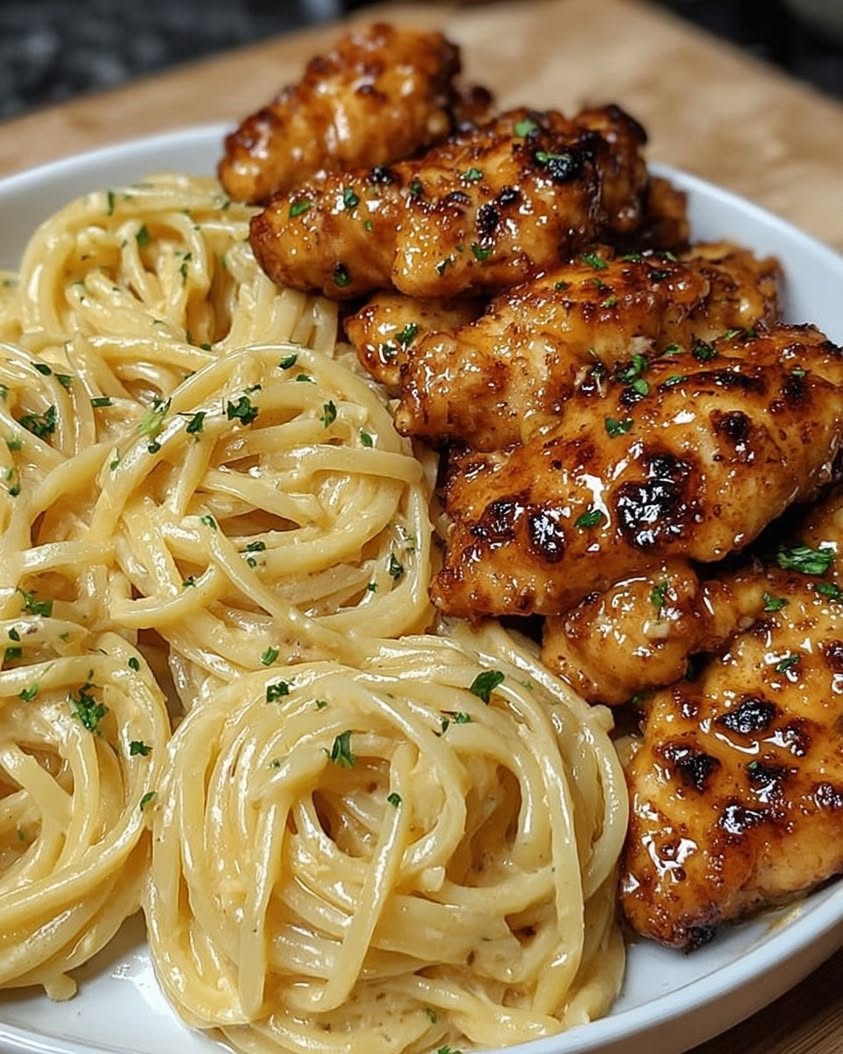
- Visual Appeal: The golden-brown chicken breasts sit atop a bed of creamy white pasta, speckled with green parsley and yellow lemon zest. The sauce glistens under the light, making the entire plate look appetizing and well-composed. This is a dish that photographs beautifully and impresses guests.
- Skill Level Needed: This recipe is rated as easy because it uses straightforward techniques. You only need to sear chicken, sauté garlic, and simmer a simple cream sauce. Even beginner cooks can achieve excellent results with careful attention to temperature.
- Special Equipment: You will need a large skillet or frying pan with a lid, a pot for boiling pasta, and a sharp knife for mincing garlic. A microplane or zester helps for getting fine lemon zest, but a grater works in a pinch. You do not need any specialized tools for this recipe.
Recipe Overview
- Difficulty Level: I chose an easy difficulty level for this recipe because the steps are very straightforward. You do not need to master any advanced cooking techniques like tempering eggs or making a roux. The sauce comes together by simply stirring ingredients together over low heat, which reduces the risk of curdling or breaking. Even if you are new to cooking, you can follow these instructions without any stress.
- Category: This dish falls under the main course category, specifically a hearty chicken and pasta dinner. It works well for both lunch and dinner, depending on portion sizes. You can also serve it as a special brunch item if you pair it with a light salad and crusty bread.
- Cuisine: The culinary tradition here is Italian-American, which combines classic Italian ingredients like parmesan and pasta with American cooking methods. The use of cream in pasta sauce is more common in American kitchens than in traditional Italian cooking. However, the lemon and garlic flavors are deeply rooted in Southern Italian cuisine, where simple, fresh ingredients shine.
- Cost: This recipe is very budget-friendly because it uses affordable ingredients like chicken breast, pasta, and cream. The parmesan cheese is the most expensive component, but you only need a small amount to get great flavor. Overall, you can expect to spend around ten to fifteen dollars for a meal that serves four people. This makes it an excellent choice for feeding a family without breaking the bank.
- Season: You can enjoy this dish all year round, but it shines particularly well in spring and summer. The bright lemon flavor feels refreshing during warmer months, while the creamy sauce provides comfort on cooler evenings. You can easily adapt it to the seasons by adding fresh herbs like basil in the summer or rosemary in the fall.
- Occasion: This recipe is perfect for weeknight dinners when you want something satisfying without spending hours in the kitchen. It also works wonderfully for romantic dinners, birthday celebrations, or casual dinner parties. The elegant presentation makes it a great choice for impressing guests without requiring advanced cooking skills.
Why You Will Love This Recipe
First, let us talk about the incredible taste and texture combination you get with this lemon garlic butter chicken and creamy parmesan pasta. The chicken is seared to perfection, giving it a beautiful golden crust that locks in all the juices. When you cut into it, the meat is tender and moist, practically melting in your mouth. The pasta, meanwhile, is coated in a sauce that is rich, creamy, and full of flavor. The tangy lemon cuts through the richness, while the garlic adds a savory depth that keeps you coming back for more. Every single bite is a perfect balance of creamy, zesty, and savory elements.
Convenience is another huge reason to love this recipe. You only need one skillet for the chicken and the sauce, which means less cleanup afterwards. The entire cooking process takes about forty minutes from start to finish, making it a realistic option for busy weeknights. You do not have to marinate the chicken for hours or use complicated techniques. Simply season the chicken, sear it, and then build the sauce in the same pan. This streamlined approach saves you time and energy while still delivering restaurant-quality results.
From a nutritional standpoint, this dish offers a good balance of protein, carbohydrates, and healthy fats. The chicken provides lean protein that helps build and repair muscles, keeping you full and satisfied. The pasta gives you energy in the form of complex carbohydrates, while the cream and butter add a small amount of fat that aids in nutrient absorption. You also get a dose of vitamin C from the lemon, which supports your immune system. When you pair this meal with a side of steamed vegetables or a fresh salad, you create a well-rounded dinner that fuels your body.
This recipe also has great social and entertaining value. It looks impressive on the plate, so your guests will think you spent hours in the kitchen. The aroma of garlic and lemon fills your home, creating a warm and welcoming atmosphere. You can easily double the recipe to serve a larger crowd without any extra effort. Plus, everyone loves a dish that combines chicken and pasta, making it a crowd-pleaser for picky eaters and foodies alike. You can even set up a pasta bar with extra toppings so your guests can customize their plates.
Finally, this lemon garlic butter chicken with creamy parmesan pasta recipe is incredibly cost-effective and accessible. You do not need to buy expensive ingredients or specialty items. Most of what you need, like butter, garlic, and pasta, is probably already in your kitchen. Chicken breast is often on sale, and you can use any type of short pasta you like. This means you can make a delicious, satisfying meal without a special trip to the store. It truly is an accessible recipe for cooks of all skill levels and budgets.
Historical Background and Cultural Significance
The origins of combining chicken with lemon and garlic can be traced back to Mediterranean cuisine, specifically to Greece and Italy. In these regions, cooks have used lemon juice and garlic as a natural way to tenderize meat and add brightness to dishes for centuries. The technique of searing chicken in butter is a classic French method, which was later adopted by Italian-American cooks. Over time, these traditions merged to create the dish we know and love today. The creamy pasta element, however, is a more modern addition that reflects American preferences for rich, saucy meals.
Cultural importance of this recipe lies in its role as a comfort food that bridges different culinary worlds. In Italian households, Sunday dinners often feature a roasted chicken with simple herbs and lemon. In American kitchens, creamy pasta dishes like fettuccine alfredo have been staples for decades. This recipe brings those two traditions together into one harmonious meal. It represents the fusion of old-world cooking techniques with new-world convenience and flavor preferences. Many families pass down variations of this dish from generation to generation, each adding their own twist.
The evolution of this recipe is a fascinating journey through food trends and ingredient availability. In the mid-twentieth century, canned cream soups became popular shortcuts for making creamy sauces. However, home cooks gradually returned to making sauces from scratch using fresh cream and cheese. The rise of food blogs and cooking shows in the 2000s further popularized this dish, as home cooks sought restaurant-quality meals that were achievable at home. Today, you can find countless variations online, from one-pan versions to slow cooker adaptations. This recipe continues to evolve, adapting to modern tastes and dietary needs.
Regional variations of lemon garlic butter chicken and creamy pasta are abundant. In the southern United States, cooks might add a pinch of cayenne pepper or paprika for a subtle kick. In coastal areas, some people substitute the chicken with shrimp or scallops for a seafood twist. In Italy itself, you would likely find the chicken served with a simple lemon sauce and a side of roasted vegetables rather than pasta. Some regions in France use tarragon instead of garlic for a more herbaceous flavor. The beauty of this dish lies in its flexibility, allowing you to adapt it to what you have on hand or what you are in the mood for.
Ingredient Deep Dive
Chicken breast is the backbone of this dish, and it has a rich cultural history in American cuisine. Chicken has been a staple protein in the United States since colonial times, valued for its affordability and versatility. Nutritionally, chicken breast is an excellent source of lean protein, providing about 30 grams per serving. It also contains B vitamins, which support energy metabolism, and selenium, an important antioxidant. When selecting chicken breast, look for pieces that are firm to the touch and have a pinkish color without any off smell. For storage, keep it in the coldest part of your refrigerator and use it within two days of purchase. If you need a substitution, boneless, skinless chicken thighs work wonderfully because they are more forgiving and juicier.
Lemons are a key player in this recipe, and they come with a long history of culinary and medicinal use. Originating in Asia, lemons were brought to Europe by Arab traders and later to the Americas by Spanish explorers. They are packed with vitamin C, which boosts the immune system and helps with iron absorption. Lemons also contain citric acid, which can help brighten flavors and balance rich dishes. When selecting lemons, choose ones that feel heavy for their size and have smooth, bright yellow skin. For storage, keep them in the refrigerator to extend their shelf life by up to a month. You can substitute lemon juice from a bottle in a pinch, but fresh lemon zest adds a brightness that cannot be replicated.
Garlic is the aromatic powerhouse that gives this recipe its signature savory flavor. Garlic has been cultivated for over 5,000 years and was used by ancient Egyptians both as food and medicine. It contains allicin, a compound that has antibacterial and anti-inflammatory properties. Garlic is also rich in manganese, vitamin B6, and vitamin C. When buying garlic, look for bulbs that are firm, with tight, unbroken skins. Avoid any that feel spongy or show signs of sprouting. Store garlic in a cool, dark place with good air circulation, and do not refrigerate it. For a substitution, you can use shallots or onion powder, but nothing quite matches the pungent, sweet flavor of fresh garlic.
Heavy cream is what makes the pasta sauce so luxurious and satisfying. Cream has been used in cooking for centuries, particularly in French and Italian cuisines. It is high in fat, which helps carry fat-soluble vitamins and adds a rich mouthfeel to sauces. Nutritionally, heavy cream provides calcium and vitamin A, though it should be enjoyed in moderation due to its calorie content. When selecting heavy cream, look for brands with no added stabilizers or preservatives for the best flavor. Store it in the coldest part of your refrigerator and use it within a week of opening. For a lighter option, you can use half-and-half, but the sauce will be less thick and creamy.
Parmesan cheese is the finishing touch that brings everything together. This hard, granular cheese originated in Italy, specifically in the regions of Parma and Reggio Emilia. It is aged for at least 12 months, which gives it a sharp, nutty flavor and a crumbly texture. Parmesan is a good source of calcium and protein, and it contains probiotics that support gut health. When buying parmesan, always choose a wedge rather than pre-shredded cheese, as pre-shredded versions often contain anti-caking agents that prevent smooth melting. Store it wrapped in wax paper inside a plastic bag in the refrigerator. For a substitution, you can use pecorino romano, which has a saltier, more pungent flavor.
Common Mistakes to Avoid
- Overcooking the chicken is the most common mistake. Chicken breast cooks quickly, and leaving it on the heat too long will result in dry, tough meat. Always use a meat thermometer to check for an internal temperature of 165 degrees Fahrenheit.
- Using pre-shredded parmesan cheese is a big no. This cheese often contains cellulose and other additives that prevent it from melting smoothly. Always grate your own parmesan from a wedge for the best texture and flavor.
- Adding the cream too early or over high heat will cause it to curdle. Low and slow is the key here. Once you add the cream, keep the heat low and stir gently to maintain a smooth, silky sauce.
- Not seasoning the chicken enough leads to bland meat. Salt and pepper are essential, but do not be shy. You can also add garlic powder or onion powder for extra depth of flavor.
- Forgetting to reserve pasta water is a missed opportunity. The starchy water helps thicken the sauce and makes it cling to the pasta better. Save at least one cup before draining the pasta.
- Using a pan that is too small crowds the chicken and prevents proper browning. Give each piece of chicken enough room to sear without steaming. If needed, cook the chicken in batches.
- Adding all the garlic at once to a very hot pan can burn it quickly. Burnt garlic tastes bitter and ruins the sauce. Add the garlic after you lower the heat, and stir constantly until fragrant.
- Not resting the chicken before slicing causes the juices to run out. Let the chicken rest for at least five minutes after cooking. This allows the juices to redistribute, resulting in moister meat.
- Pouring the cream into an empty pan without any liquid is risky. The cream can scorch easily. Always have some chicken broth or pasta water in the pan before adding the cream.
- Loading the pasta with too much sauce at once makes it soggy. Start with a little sauce and add more as needed. The pasta will continue to absorb liquid even after you plate it.
Essential Techniques
Searing the chicken is a foundational technique that creates a golden crust and locks in moisture. Start by patting the chicken breasts dry with paper towels to remove excess moisture. Season them generously with salt and pepper on both sides. Heat a large skillet over medium-high heat and add a tablespoon of oil. When the oil shimmers, carefully place the chicken in the pan and press it down gently. Let it cook undisturbed for about five to six minutes on the first side. You will know it is ready to flip when the chicken releases easily from the pan and has a deep golden color. Flip and cook for another five minutes until the internal temperature reaches 165 degrees. This technique ensures that the outside is beautifully browned while the inside remains tender and juicy.
Making the cream sauce is another essential skill that requires patience and attention. After removing the chicken from the pan, reduce the heat to medium-low. Add the butter and let it melt completely, then add the minced garlic. Stir constantly for about thirty seconds until the garlic is fragrant but not browned. Next, pour in the chicken broth and scrape the bottom of the pan with a wooden spoon. This process is called deglazing, and it releases all the browned bits that are packed with flavor. Let the broth simmer for a minute or two to reduce slightly. Finally, stir in the heavy cream and bring the mixture to a gentle simmer. Add the grated parmesan cheese and stir until it is fully melted and the sauce is smooth. Keep the heat low to prevent curdling and stir occasionally as the sauce thickens.
Timing the pasta to finish at the same time as the sauce is a mark of a well-organized cook. Bring a large pot of salted water to a rolling boil. Add your pasta and cook it according to the package directions, but aim for al dente, one to two minutes less than the recommended time. About two minutes before the pasta is done, reserve a cup of the starchy pasta water. Drain the pasta, but do not rinse it, as the starch helps the sauce adhere. Immediately add the drained pasta to the skillet with the sauce, tossing gently to coat. If the sauce seems too thick, add a splash of the reserved pasta water to loosen it. The sauce will continue to thicken as it cools, so err on the side of saucier.
Resting the chicken after cooking is a step that many home cooks skip, but it makes a significant difference. Once you sear the chicken, transfer it to a cutting board and tent it loosely with aluminum foil. Let it rest for at least five minutes before slicing. During this time, the juices that were forced to the center of the meat during cooking redistribute evenly throughout the breast. If you cut into the chicken too early, those juices will spill out onto the cutting board, leaving you with dry meat. After resting, slice the chicken against the grain into half-inch thick pieces. This technique ensures that each slice is tender, moist, and full of flavor.
Pro Tips for Perfect Lemon Garlic Butter Chicken with Creamy Parmesan Pasta
First, always use fresh lemon juice and zest instead of bottled juice. The natural oils in fresh zest add an aromatic brightness that bottled juice cannot replicate. Squeeze the lemon just before you add it to the sauce to preserve its vibrant flavor.
Second, add a splash of white wine to the pan after deglazing with chicken broth. The acidity in the wine complements the lemon and adds complexity to the sauce. Let it cook for a minute to allow the alcohol to burn off.
Third, use a microplane to mince your garlic instead of chopping it with a knife. This creates a fine paste that dissolves into the sauce, giving you garlic flavor without large chunks. It also helps the garlic cook more evenly.
Fourth, do not skip the step of patting the chicken dry. Moisture on the surface of the chicken will create steam, which prevents a nice golden crust. Dry chicken sears much better and develops that desirable brown color.
Fifth, grate your parmesan cheese while it is still cold from the refrigerator. Cold cheese grates more easily and creates fine shreds that melt beautifully. Warm cheese can become sticky and difficult to grate.
Sixth, toss the pasta with the sauce in the hot skillet off the heat. The residual heat from the pan will help the sauce emulsify and cling to the pasta. If you use a separate bowl, the sauce might cool down too quickly.
Seventh, add a pinch of red pepper flakes for a subtle kick of heat. The spice balances the richness of the cream and adds an extra layer of flavor. Start with a quarter teaspoon and adjust to your preference.
Eighth, finish the dish with a handful of fresh parsley for color and freshness. Parsley adds a bright, herbaceous note that cuts through the creamy sauce. Chop it right before serving to keep it vibrant.
Variations and Adaptations
Regional variations of this dish are endless, but one popular version comes from the Pacific Northwest. Here, cooks often substitute the chicken with fresh salmon or halibut for a seafood twist. The lemon and garlic flavors complement the richness of the fish beautifully. You can follow the same cooking technique, but reduce the cooking time slightly since fish cooks faster than chicken. The creamy parmesan pasta remains the same, creating a luxurious pairing with the flaky fish. This variation is perfect for lent or any time you want a lighter meal.
Seasonal adaptations allow you to enjoy this recipe throughout the year. In the spring, add fresh peas and asparagus tips to the pasta for a pop of green color and freshness. In the summer, toss in cherry tomatoes and fresh basil for a burst of sweetness. Fall calls for roasted butternut squash or mushrooms, which add earthy flavors that pair well with the creamy sauce. Winter versions can include wilted spinach or kale for a hearty, nutritious boost. Each season brings its own unique twist to this versatile dish.
Dietary modifications make this recipe accessible to people with different needs. For a gluten-free version, simply use gluten-free pasta and ensure your chicken broth is certified gluten-free. For a dairy-free option, substitute the butter with olive oil or vegan butter, use coconut cream instead of heavy cream, and replace the parmesan with nutritional yeast. For a lower fat version, use half-and-half instead of heavy cream and reduce the amount of butter. These substitutions change the flavor profile slightly, but the dish remains delicious and satisfying.
Flavor variations let you customize the dish to your taste. If you love spicy food, add a diced jalapeno or serrano pepper along with the garlic. For an herby version, add a teaspoon of dried thyme or rosemary to the sauce. You can also experiment with different cheeses, such as asiago, fontina, or gruyere, each bringing its own unique flavor. For a smokier taste, use smoked paprika or a dash of liquid smoke in the chicken seasoning. The possibilities are truly endless, and you can adjust the flavors to match your mood.
Texture modifications can change the entire eating experience. For a crunchier texture, bread the chicken in panko breadcrumbs before searing. This adds a satisfying crispness that contrasts with the creamy pasta. For a thicker sauce, let it simmer for a few extra minutes to reduce further. For a thinner sauce, add more chicken broth or pasta water until it reaches your desired consistency. You can also toss in some cooked, crumbled bacon for added crunch and saltiness. Each of these tweaks adds a new dimension to the classic recipe.
Presentation alternatives allow you to serve this dish in different ways. Instead of slicing the chicken and placing it on top of the pasta, you can dice it and toss it directly into the sauce. This creates a more cohesive dish where every bite has chicken. You can also serve the pasta in individual bowls with the chicken placed on top for a more elegant look. For a family-style presentation, arrange the sliced chicken on a large platter over the pasta and garnish with extra lemon slices and fresh herbs.
Serving and Presentation Guide
Plating this lemon garlic butter chicken with creamy parmesan pasta is all about creating visual contrast and height. Start by using tongs to twirl a portion of pasta into a neat nest in the center of a wide, shallow bowl. This gives you a stable base and makes the dish look intentional. Next, arrange three or four slices of chicken on top of the pasta, leaning them slightly against each other for a dynamic shape. Finally, spoon a little extra sauce over the chicken and pasta to keep everything moist and glossy. The goal is to create a plate that looks as good as it tastes.
Garnishing ideas can elevate your dish from simple to spectacular. A sprinkle of freshly grated parmesan cheese adds both flavor and visual texture. Fresh lemon zest on top provides bright yellow specks that contrast with the white sauce. Chopped fresh parsley or basil adds a pop of green and a fresh herbal note. You can also add a few whole capers for a salty, briny burst that cuts through the richness. For a final touch, drizzle a little extra virgin olive oil around the rim of the plate for a polished look.
Traditional accompaniments for this dish include a crisp green salad with a simple vinaigrette. The acidity in the dressing helps balance the richness of the creamy pasta. Crusty bread is another classic choice, perfect for sopping up any leftover sauce. Steamed vegetables like broccoli, green beans, or asparagus also work well, adding color and nutrients. For a more substantial meal, serve it with roasted potatoes or a side of sauteed mushrooms. Each of these side dishes complements the main event without stealing the spotlight.
Modern serving suggestions involve presenting the dish in a more deconstructed way. For instance, you can serve the chicken on a separate plate with a side of the creamy pasta, allowing guests to combine them as they like. Alternatively, you can plate the pasta in individual ramekins for a more formal, restaurant-style presentation. If you are serving a crowd, set up a buffet with the chicken, pasta, and sauce in separate dishes so everyone can build their own plate. This interactive approach is great for parties and casual gatherings.
Temperature considerations are crucial for the best eating experience. Serve the pasta immediately after plating, as it will continue to absorb the sauce and become less saucy over time. The chicken should be warm but not piping hot, as it needs to rest anyway. If you are making the dish ahead of time, reheat the pasta gently with a splash of milk or cream to restore its creamy texture. Never reheat the chicken in the microwave, as it tends to dry out. Instead, reheat it in a low oven or in the skillet with a little butter.
Portion control tips help you avoid overeating or wasting food. A standard serving size is about six ounces of chicken breast and one cup of cooked pasta. This provides a balanced meal with enough protein and carbohydrates to keep you satisfied. If you are serving the dish as part of a multi-course meal, consider reducing the portion size by half. For hungry eaters, you can increase the pasta portion to one and a half cups. Always err on the side of less pasta and more chicken for a protein-rich meal.
Wine and Beverage Pairing
Wine pairings for this lemon garlic butter chicken with creamy parmesan pasta recipe should complement the richness of the sauce while cutting through the fat. A crisp, unoaked Chardonnay is an excellent choice, as its bright acidity mirrors the lemon in the dish. Sauvignon Blanc also works wonderfully, especially if it has grassy, herbal notes that tie into the garlic. For a red option, a light-bodied Pinot Noir with low tannins is a surprising but effective choice. The fruitiness of the wine balances the creaminess without overpowering the delicate flavors. Serve the wine slightly chilled for the best experience.
Non-alcoholic alternatives can be just as satisfying when paired with this meal. A sparkling water with a squeeze of lemon and a sprig of mint is refreshing and cleanses the palate between bites. Iced tea with a hint of lemon is another classic choice that echoes the citrus notes in the dish. For a more sophisticated option, try a non-alcoholic sparkling wine or a shrub made with apple cider vinegar and herbs. These beverages add a festive feel without the alcohol. You can also serve a creamy lemonade that mimics the tangy-sweet balance of the dish itself.
Coffee and tea pairings are less common for a main course, but they can work for a brunch or lunch version of this dish. A light, floral green tea complements the lemon and garlic without competing with the cream. Herbal teas like chamomile or mint are also good choices, as they are gentle on the palate. For a coffee pairing, a medium-roast coffee with low acidity is best, as it will not clash with the lemon. Avoid dark roasts, which can taste bitter and overpower the delicate flavors of the dish.
Temperature considerations for beverages are important to enhance the dining experience. White wines and sparkling waters should be served cold, between 45 and 50 degrees Fahrenheit. Red wines like Pinot Noir should be served slightly cool, around 55 degrees, to keep them refreshing. Non-alcoholic beverages should also be well-chilled. If you are serving coffee or tea, serve it hot but not boiling, as extreme temperatures can dull your taste buds. The goal is to keep your palate fresh and ready to appreciate the food.
Serving suggestions for beverages include offering them in stemware for an elegant touch. For wine, use a white wine glass for the Chardonnay or Sauvignon Blanc, and a red wine glass for the Pinot Noir. Non-alcoholic drinks look great in highball glasses or mason jars with a slice of lemon. Always provide a pitcher of water on the table, as the creamy sauce can be quite rich. Water helps cleanse the palate and keeps you hydrated throughout the meal.
Storage and Shelf Life
Proper storage methods are essential to keep your leftovers tasting fresh. First, allow the chicken and pasta to cool to room temperature, but do not leave them out for more than two hours. Transfer the chicken and pasta into separate airtight containers to prevent the chicken from becoming soggy. The pasta will continue to absorb the sauce, so it is best to store them apart. If you must store them together, add a splash of milk or cream before reheating to revive the sauce. Label the containers with the date so you can track freshness.
Temperature requirements for storing leftovers are straightforward. Place the containers in the refrigerator at a temperature of 40 degrees Fahrenheit or below. The chicken will stay good for up to three days, while the pasta is best consumed within two days. For longer storage, you can freeze the dish, though the texture of the cream sauce may change slightly. Freeze the chicken and pasta separately in freezer-safe bags or containers. Squeeze out as much air as possible to prevent freezer burn. Properly frozen leftovers will last for up to three months.
Container recommendations focus on maintaining quality and preventing leaks. Glass containers with airtight lids are ideal because they do not absorb odors and are microwave-safe. Plastic containers are lighter and stack easily, but they can stain over time. If you use plastic, choose BPA-free options. For freezing, use heavy-duty freezer bags or vacuum-sealed bags for the best results. Always leave a little headspace in containers, as food expands when frozen. Avoid using metal containers, as they can react with the acidic lemon sauce and affect the flavor.
Signs of spoilage are easy to spot if you know what to look for. The chicken will develop a sour or off smell and may become slimy to the touch. The pasta sauce may separate or develop a watery layer on top, which is a sign it has spoiled. Mold growth is another obvious indicator, usually appearing as fuzzy green or white spots. If you see any of these signs, discard the leftovers immediately. Do not taste them to check, as foodborne illness is not worth the risk. When in doubt, throw it out.
Reheating instructions are important to restore the dish to its former glory. For the chicken, the best method is to reheat it in a skillet over medium heat with a little butter or chicken broth. Cover the skillet to trap steam, which helps keep the meat moist. Reheat for about three to four minutes per side until warmed through. For the pasta, add it to a saucepan with a splash of milk or cream over low heat. Stir gently until the sauce loosens and the pasta is hot. For the microwave, use a low power setting and stir every thirty seconds to avoid hot spots. Never reheat leftovers more than once.
Freezing guidelines help you prepare for busy days ahead. To freeze the chicken, wrap each piece tightly in plastic wrap, then place them in a freezer bag. This prevents freezer burn and allows you to thaw individual portions. For the pasta, freeze it in a single layer in a freezer bag, then press out the air and seal. When you are ready to use it, thaw the chicken in the refrigerator overnight. Reheat the pasta directly from frozen by adding it to a skillet with a little water or broth and covering it. The texture might be slightly softer than fresh, but the flavor will still be excellent.
Make Ahead Strategies
A prep timeline helps you stay organized when planning to serve this lemon garlic butter chicken with creamy parmesan pasta for a gathering. Up to two days before serving, you can season the chicken and store it in the refrigerator. This allows the salt to penetrate the meat, resulting in more flavorful and tender chicken. On the day before, you can grate the parmesan cheese and store it in a sealed bag. You can also mince the garlic and store it in a small container with a little olive oil. These small steps save you time on the day of cooking.
Storage between steps is crucial to maintain quality. If you cook the chicken ahead of time, let it cool completely before refrigerating it in an airtight container. The pasta can be cooked a day in advance, but toss it with a little olive oil to prevent sticking. Store the sauce separately from the pasta to avoid sogginess. When you are ready to serve, reheat the sauce in a skillet, then add the pasta and toss to combine. Slice the chicken and reheat it gently before plating. This method ensures that the chicken stays moist and the pasta does not become mushy.
Quality impact assessment of make-ahead strategies is generally positive for this recipe. The chicken actually benefits from being seasoned and rested in the refrigerator, as the flavors meld together. The sauce can be made a day ahead and actually becomes more flavorful as the garlic and lemon mingle. However, the pasta is best when freshly cooked, as it can become sticky or mushy when reheated. Print
Lemon Garlic Butter Chicken with Creamy Parmesan Pasta
- Total Time: 40 minutes
- Yield: 4
Description
Juicy pan-seared chicken in a rich lemon garlic butter sauce served over creamy Parmesan pasta. A comforting and elegant dinner that comes together in under an hour.
Ingredients
- 2 boneless, skinless chicken breasts (halved lengthwise)
- Salt and black pepper to taste
- 1 teaspoon garlic powder
- 2 tablespoons olive oil
- 3 tablespoons unsalted butter
- 4 cloves garlic, minced
- 1/2 cup chicken broth
- 1/4 cup fresh lemon juice
- 1 teaspoon lemon zest
- 1/2 cup heavy cream
- 1/2 cup grated Parmesan cheese
- 8 ounces fettuccine or pasta of choice
- Fresh parsley for garnish (optional)
Instructions
- Season chicken breasts with salt, pepper, and garlic powder on both sides.
- Heat olive oil in a large skillet over medium-high heat. Add chicken and cook until golden and cooked through, about 5-6 minutes per side. Remove chicken and set aside.
- In the same skillet, reduce heat to medium and add butter. Once melted, add garlic and sauté until fragrant, about 1 minute.
- Pour in chicken broth, lemon juice, and lemon zest. Stir and let simmer for 2 minutes.
- Add heavy cream and Parmesan cheese, stirring until the cheese is melted and sauce is smooth. Let simmer for 2-3 minutes until slightly thickened.
- Meanwhile, cook pasta according to package directions until al dente. Drain and reserve 1/2 cup pasta water.
- Add cooked pasta to the skillet with the sauce, tossing to coat. If too thick, add a splash of pasta water to reach desired consistency.
- Slice the chicken and serve over the pasta. Garnish with fresh parsley if desired.
Notes
You can customize the seasonings to taste. Add red pepper flakes for a spicy kick or extra lemon juice for more tang.
- Prep Time: 15 minutes
- Cook Time: 25 minutes
- Method: Main
- Cuisine: Italian-American