Kentucky Sawdust Pie: A Sweet, Nutty Southern Dessert Recipe
Discover the magic of Kentucky Sawdust Pie, a classic Southern dessert that turns humble ingredients into a spectacular treat. This pie is a beloved secret from Kentucky’s culinary heritage, offering a uniquely satisfying texture and flavor. Moreover, its name comes from the appearance of the filling, which resembles fine wood shavings before baking. Consequently, the result is a gooey, nutty, and sweet confection that will have everyone asking for seconds.
This Kentucky Sawdust Pie recipe is surprisingly simple, yet it delivers a complex taste experience. The combination of shredded coconut, chopped pecans, and graham cracker crumbs creates a delightful crunch. Meanwhile, a rich blend of butter, sugar, and eggs binds everything into a luscious, caramel-like filling. Ultimately, each bite offers a perfect harmony of textures, from the crisp top to the soft, chewy center. This dessert is a true testament to the ingenuity of Southern baking.
Imagine serving a slice of this warm pie with a dollop of freshly whipped cream or a scoop of vanilla ice cream. The contrast of temperatures and textures is absolutely divine. Furthermore, the aroma of toasted coconut and pecans wafting from your oven is irresistible. This Kentucky Sawdust Pie is perfect for holidays, potlucks, or any occasion that calls for a comforting, homemade dessert. It is a guaranteed crowd-pleaser that tells a delicious story with every forkful.
Quick Recipe Highlights
- Flavor Profile: This Kentucky Sawdust Pie boasts a rich, buttery sweetness with deep caramel notes. The toasted pecans add a warm, earthy nuttiness, while the coconut provides a subtle tropical hint. Additionally, a hint of vanilla ties all the flavors together beautifully.
- Texture: The filling sets into a fabulous chewy and gooey texture, similar to a pecan pie but with more substance. The shredded coconut and graham cracker crumbs create a pleasant, crumbly interior that contrasts wonderfully with the crisp, golden-brown top layer.
- Aroma: As it bakes, the kitchen fills with the comforting scents of brown sugar caramelizing, butter toasting, and nuts roasting. The coconut releases a sweet, fragrant note that makes the entire house smell like a bakery.
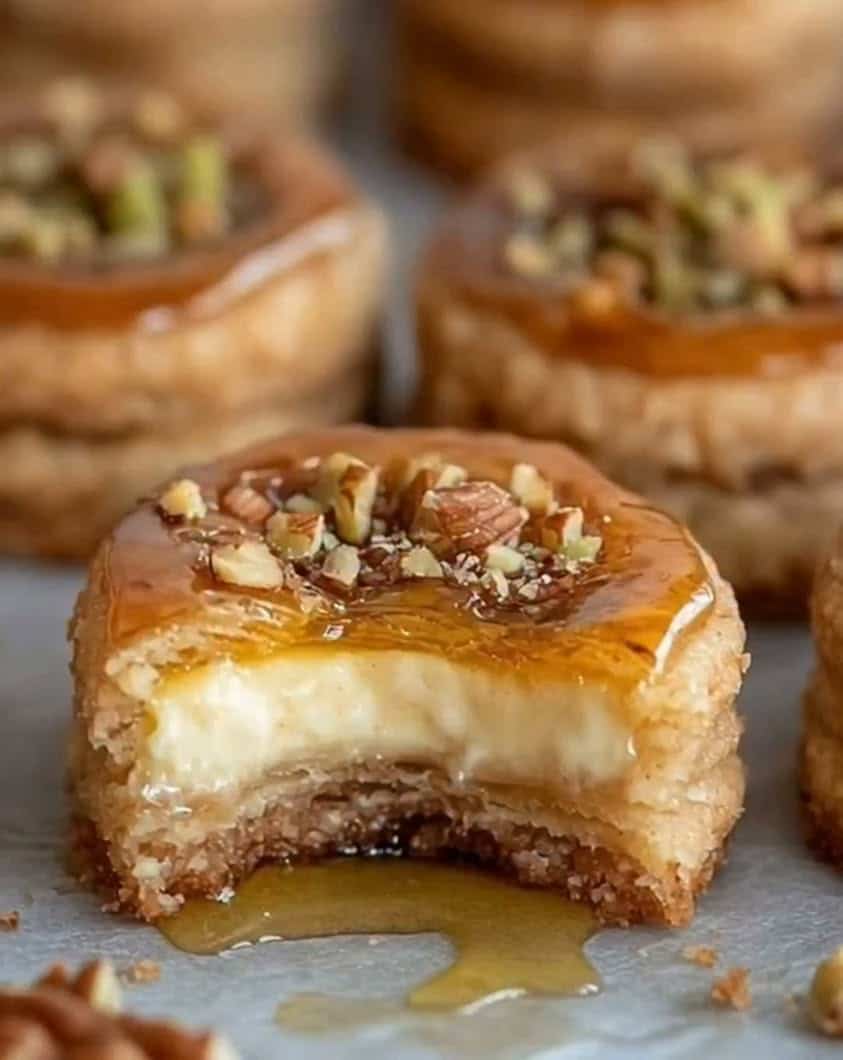
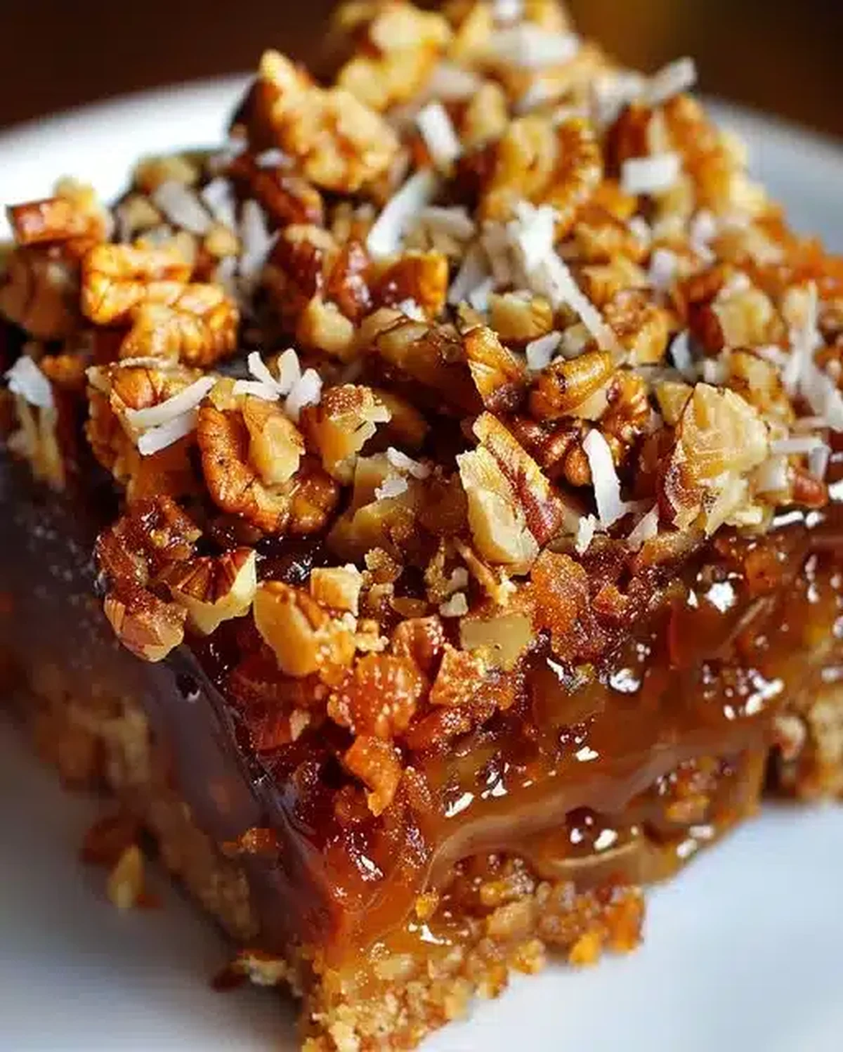
- Visual Appeal: When baked, the pie presents a beautifully cracked, golden-brown surface that hints at the goodness within. Slicing into it reveals a packed, textured filling flecked with the brown of pecans and the white of coconut, making it look as delightful as it tastes.
- Skill Level Needed: This is an exceptionally beginner-friendly recipe. Basically, if you can measure ingredients and stir, you can make this pie. There is no need for advanced techniques like making pastry from scratch, as it uses a simple pre-made crust.
- Special Equipment: You only need basic kitchen tools: a mixing bowl, a whisk or spoon, and a 9-inch pie plate. A standard oven does all the work. No stand mixer, food processor, or specialty pans are required, making this recipe highly accessible.
Recipe Overview
- Difficulty Level: We rate this Kentucky Sawdust Pie recipe as “Easy” because it involves straightforward mixing and pouring. The steps are minimal and logical, with no tricky techniques like blind-baking or tempering eggs. Consequently, even novice bakers can achieve perfect results on their first try.
- Category: This dessert falls squarely into the category of classic Southern pies and cobblers. It is a baked dessert pie, ideal for concluding a family dinner or being the star of a holiday dessert table. It also fits into the category of “comfort food desserts” due to its rich, satisfying nature.
- Cuisine: This pie is a proud representative of American Southern cuisine, specifically from the state of Kentucky. It embodies the resourcefulness of rural cooking, transforming inexpensive, shelf-stable ingredients into a decadent and memorable treat. The flavors are deeply rooted in Southern tradition.
- Cost: This is a very economical dessert to make. The ingredients are mostly pantry staples like sugar, eggs, and flour. Meanwhile, the pecans and coconut are affordable, especially when purchased in bulk. Overall, you can create an impressive pie for a fraction of the cost of a store-bought specialty dessert.
- Season: While delicious year-round, this Kentucky Sawdust Pie feels particularly fitting for fall and winter. The warm, nutty flavors pair perfectly with cooler weather. However, it is also a fantastic summer potluck dessert because it travels well and can be served at room temperature.
- Occasion: This pie is versatile for many events. It is humble enough for a weeknight family treat yet special enough for Thanksgiving, Christmas, or a Kentucky Derby party. Furthermore, its unique name and story make it a wonderful conversation starter at any gathering.
Why You’ll Love This Recipe
You will adore the incredible taste and texture of this Kentucky Sawdust Pie. Each bite delivers a symphony of sweet, buttery, and nutty flavors that are deeply comforting. The chewy interior with its subtle crunch from pecans and coconut is utterly addictive. Moreover, the contrast between the crisp top and the soft, yielding filling is a textural masterpiece. This dessert satisfies cravings for something rich and decadent without being overly heavy or cloying.
The convenience of this Kentucky Sawdust Pie recipe is a major benefit. You can prepare the entire filling in one bowl in about ten minutes. Since it uses a store-bought pie crust, you skip the most daunting step for many home bakers. Consequently, you get a spectacular, homemade-tasting dessert with minimal effort and cleanup. This makes it an ideal last-minute solution when you need to impress guests or treat your family.
From a nutritional perspective, this dessert does offer some benefits from its core ingredients. Pecans provide healthy fats, protein, and important minerals like manganese. Meanwhile, coconut adds fiber and medium-chain triglycerides. While it is a treat, using wholesome nuts and coconut means you are consuming more than just empty calories. Of course, enjoyment and moderation are key components of a balanced diet.
The social and entertaining value of this pie is immense. Bringing a Kentucky Sawdust Pie to a gathering guarantees curiosity and delight. Its unique name prompts questions and stories, making it more than just food—it becomes an experience. Additionally, because it is so easy to make, you can focus on your guests instead of stressing in the kitchen. It is a dessert that fosters connection and shared enjoyment.
Finally, the cost-effectiveness and accessibility of this Kentucky Sawdust Pie are unbeatable. You likely have most ingredients in your pantry already. Even if you need to shop, the items are inexpensive and available at any grocery store. This recipe proves that you do not need expensive, exotic components to create a show-stopping dessert. It is a testament to the beauty of simple, honest cooking.
Historical Background and Cultural Significance
The origin story of Kentucky Sawdust Pie is rooted in the resourcefulness of Appalachian and Southern cooks. During times when fresh fruit was scarce or expensive, home bakers relied on shelf-stable ingredients. Consequently, they created “desperation pies” using items like vinegar, oatmeal, or, in this case, coconut and nuts. The name “sawdust” vividly describes the appearance of the shredded coconut and crumb mixture before it is baked. This pie is a delicious symbol of making the most of what you have.
This pie holds significant cultural importance as a piece of Kentucky’s culinary identity. It represents a thread in the fabric of community and family gatherings in the region. Often passed down through generations, the recipe is a cherished heirloom. Furthermore, it showcases the Southern tradition of hospitality, where no guest leaves the table without something sweet. The pie is a humble yet proud offering that speaks to a history of warmth and generosity.
The evolution of the Kentucky Sawdust Pie recipe is interesting. Early versions may have used different nuts or sweeteners based on local availability. The modern standardization with pecans, coconut, and graham crackers reflects more consistent access to ingredients. However, the soul of the recipe—creating a rich, satisfying pie from pantry staples—remains unchanged. This evolution shows how traditional recipes adapt while preserving their essential character.
Regional variations of this dessert do exist. Some versions might use walnuts instead of pecans, or add a handful of chocolate chips for a different twist. In other areas, a meringue topping is added, transforming it into a different type of treat. The basic formula, however, is wonderfully adaptable. Exploring these variations is a fun way to connect with how different communities put their own stamp on a classic idea.
Ingredient Deep Dive
Pecans: Pecans are native to North America and have been a staple in Southern cooking for centuries. They are rich in monounsaturated fats, which are heart-healthy, and provide antioxidants, vitamins, and minerals. For the best flavor in your Kentucky Sawdust Pie, select plump, uniform nuts without cracks or holes. Store them in an airtight container in the freezer to prevent their oils from turning rancid. If needed, walnuts make a fine, though slightly more bitter, substitution.
Shredded Coconut: Coconut adds essential texture and a subtle tropical sweetness to the pie. Historically, dried coconut became a popular baking ingredient in the 19th century as trade routes expanded. It provides dietary fiber and minerals like manganese and copper. For this recipe, use sweetened shredded coconut for the right moisture and flavor balance. Store unused coconut in a sealed bag in the pantry. Unsweetened coconut can be used for a less sweet version, but you may need to adjust the sugar slightly.
Graham Cracker Crumbs: These crumbs form the “sawdust” base of the filling, providing structure and a lovely, toasty flavor. Graham crackers were invented in the 19th century as part of a health food movement. You can buy pre-crumbled crumbs or crush whole crackers in a bag with a rolling pin. Their mild sweetness and wheaty taste are integral. As a substitution, crushed vanilla wafers or digestive biscuits would work in a pinch, though the flavor profile will shift.
Butter: Butter is crucial for richness and helping the filling set with a perfect texture. Use unsalted butter to control the overall saltiness of your Kentucky Sawdust Pie. For the best results, ensure your butter is properly melted but not browned. Browned butter could add a nutty note, but it might overpower the other flavors. In terms of storage, butter can be frozen for longer-term keeping. For a dairy-free version, a high-quality plant-based butter substitute will work.
Common Mistakes to Avoid
- Overmixing the Filling: Stir the ingredients just until they are combined. Overmixing can incorporate too much air, which might cause the filling to puff up and then collapse unevenly during baking. A smooth, well-blended batter is the goal.
- Using a Cold Pie Crust: If using a frozen crust, let it thaw completely before adding the filling. A frozen crust can cause the bottom to bake unevenly, potentially leaving it soggy. Room temperature is ideal for consistent baking.
- Not Toasting the Nuts and Coconut: While optional, toasting the pecans and coconut beforehand unlocks deeper, richer flavors. Skipping this step means your Kentucky Sawdust Pie will taste good but lack the complex, roasted notes that make it exceptional.
- Underbaking the Pie: The pie is done when the center is set and the top is a deep golden brown. Removing it too early will result in a filling that is too loose or runny. Use the visual and jiggle tests described in the instructions.
- Overbaking the Pie: Conversely, baking too long can make the filling dry and crumbly instead of chewy and gooey. Set a timer and check the pie a few minutes before the suggested bake time ends to avoid overdoing it.
- Cutting the Pie While Hot: Allow the pie to cool for at least two hours. Cutting into it while it’s piping hot will cause the filling to ooze out, making messy slices. Patience is key for clean, beautiful pieces.
- Using a Different Pan Size: Stick to a standard 9-inch pie plate. A deeper dish will result in a thicker filling that may not cook through, while a larger dish will make a thin, overcooked filling. The right pan ensures proper proportions.
- Ignoring the Salt: Do not omit the pinch of salt. Salt is a flavor enhancer that balances the intense sweetness and highlights the nutty flavors. Without it, your pie may taste one-dimensional and overly sweet.
Essential Techniques
Properly Melting Butter: Melt butter gently over low heat or in short bursts in the microwave. The goal is to have it fully liquid but not hot enough to cook the eggs when combined. This technique ensures a smooth emulsion in your Kentucky Sawdust Pie filling. A common pitfall is browning the butter, which changes its flavor profile. For success, stir frequently and remove it from the heat as soon as the last solid piece disappears.
Combining Wet and Dry Ingredients: Always whisk your eggs and sugars together first until they are smooth and slightly pale. Then, slowly stream in the melted butter while whisking constantly. This gradual incorporation prevents the hot butter from scrambling the eggs. Finally, fold in the dry ingredients and nuts just until combined. This method guarantees a homogeneous filling without overworking the batter.
Testing for Doneness: This is a critical technique for the perfect Kentucky Sawdust Pie. The pie is done when the edges are firmly set and the center jiggles slightly as a unified mass when you gently shake the pan. If the center looks liquidy or waves like water, it needs more time. The top should be a uniform golden brown. Rely on these visual and physical cues more than the clock alone.
Pro Tips for Perfect Kentucky Sawdust Pie
First, toast your pecans and coconut on a baking sheet at 350°F for 5-7 minutes before adding them to the mix. This simple step intensifies their flavor and adds a deeper aroma to the entire pie. Just let them cool completely before stirring into the filling.
For an extra layer of flavor, add a teaspoon of bourbon to the filling. This is a classic Kentucky twist that complements the brown sugar and nuts beautifully. The alcohol bakes off, leaving behind a warm, complex note that adults will love.
Place your pie plate on a preheated baking sheet in the oven. This helps conduct heat to the bottom crust, ensuring it bakes through and becomes crisp. It also makes it easier to handle the filled pie when transferring it in and out of the oven.
If the edges of your crust begin to brown too quickly, use a pie crust shield or make one from aluminum foil. Simply cover the crust edges about halfway through the baking time. This prevents burning while allowing the center of the filling to finish setting.
Let the pie cool completely on a wire rack. This allows the filling to set properly, making it easier to slice. For the cleanest cuts, use a sharp, thin-bladed knife and wipe it clean between each slice.
For serving, warm individual slices briefly in the microwave for 10-15 seconds. This revives the gooey texture and makes it taste freshly baked. Then, top with cold whipped cream or ice cream for a fantastic temperature contrast.
Variations and Adaptations
For regional variations, consider adding a half cup of chocolate chips to create a “turtle pie” effect. Some Southern cooks add a tablespoon of cornmeal for a bit of grit and authenticity. In other areas, a splash of apple cider vinegar is used to brighten the sweetness, a hallmark of many desperation pies.
Seasonal adaptations are easy. In the fall, add a teaspoon of pumpkin pie spice to the dry ingredients. For a winter holiday version, mix in a handful of dried cranberries or cherries for a festive red hue. In summer, serve it with a berry compote instead of whipped cream.
Dietary modifications are straightforward. For a gluten-free Kentucky Sawdust Pie, use a certified gluten-free pie crust and ensure your graham cracker crumbs are gluten-free. For dairy-free, use a plant-based butter substitute and a dairy-free pie crust. Both variations yield excellent results.
Flavor variations can personalize your pie. Substitute the vanilla extract with almond extract for a marzipan-like flavor. Use dark brown sugar instead of light for a deeper molasses note. You could even swap half the pecans for chopped toasted almonds for a different nutty profile.
Texture modifications are possible. For a chunkier texture, use roughly chopped pecans instead of finely chopped. For a smoother, more uniform filling, pulse the graham crackers, nuts, and coconut together in a food processor until finely ground.
Presentation alternatives include baking the filling in individual tartlet shells for a party-friendly option. Alternatively, sprinkle the unbaked filling with a few extra pecan halves arranged in a pattern for a decorative top. Drizzling the baked and cooled pie with salted caramel sauce before serving adds visual appeal and flavor.
Serving and Presentation Guide
Plating techniques for this pie are simple but effective. Use a pie server or a thin, offset spatula to lift clean slices onto dessert plates. If a slice breaks, don’t worry—simply reassemble it on the plate and cover any imperfections with your topping. The homemade charm is part of its appeal.
Garnishing ideas elevate the presentation. A dollop of freshly whipped cream is classic. For a more elegant touch, dust the plate with a light sprinkle of cinnamon or cocoa powder. A few fresh mint leaves or a single toasted pecan half placed on top of the whipped cream adds color and sophistication.
Traditional accompaniments include a scoop of high-quality vanilla ice cream, which melts into the warm pie beautifully. Whipped cream is the other classic partner. For a Southern touch, serve with a small glass of sweet tea or a cup of black coffee to balance the sweetness.
Modern serving suggestions might involve deconstructing the pie. Crumble a slice into a glass and layer it with bourbon-infused whipped cream and toasted pecans for a parfait. Alternatively, serve small, bite-sized squares on a platter for a buffet, allowing guests to sample without committing to a full slice.
Temperature considerations are key. This Kentucky Sawdust Pie is excellent warm, at room temperature, or even chilled. Warm highlights the gooey texture, room temperature offers the full flavor profile, and chilled provides a firmer, fudge-like consistency. Offer it based on your preference or the weather.
Portion control tips are helpful given its richness. A standard 9-inch pie easily serves 8 generous slices. For larger gatherings or as part of a dessert spread, you can cut it into 12 smaller, sliver-like slices. This allows everyone to enjoy a taste without feeling overly full.
Wine and Beverage Pairing
Wine pairings for this sweet, nutty pie should focus on dessert wines that can match its intensity. A rich Tawny Port, with its notes of caramel and nuts, is a sublime match. Alternatively, a late-harvest Riesling or a Sauternes offers honeyed sweetness and acidity that cuts through the pie’s richness. The key is to choose a wine that is as sweet as or sweeter than the dessert itself.
Non-alcoholic alternatives provide wonderful pairing options. A glass of cold, creamy oat milk or almond milk complements the flavors directly. Sparkling apple cider offers a festive, effervescent contrast. For a more complex option, a chai tea latte brings warm spices that harmonize with the pecans and brown sugar.
Coffee and tea pairings are a natural fit. A medium-roast black coffee provides a bitter counterpoint that highlights the pie’s sweetness. A cup of Earl Grey tea, with its bergamot citrus notes, offers a lovely aromatic contrast. For a true Southern experience, serve it with a strong cup of chicory coffee.
Temperature considerations for beverages depend on the pie. If serving the pie warm, a cold beverage like iced coffee or milk creates a pleasing contrast. If serving at room temperature, a warm drink like coffee or tea feels more cohesive. Ultimately, let the season and your personal preference guide you.
Serving suggestions include offering a small flight of tasting portions. Provide tiny glasses of Port, sweet tea, and coffee alongside a slice. This allows guests to experiment and discover their favorite pairing. It also makes the dessert course into an interactive and memorable experience.
Storage and Shelf Life
Storage methods are simple. Once completely cooled, cover the pie loosely with aluminum foil or plastic wrap. You can also place it under a cake dome. Do not store it in an airtight container while still warm, as this will create condensation and make the crust soggy.
Temperature requirements are flexible. You can store your Kentucky Sawdust Pie at room temperature for up to two days. For longer storage, refrigerate it for up to five days. The cooler temperature will firm up the filling significantly. Let refrigerated slices come to room temperature or warm them slightly before serving for the best texture.
Container recommendations include a pie carrier with a lid for transport. For home storage, the pie plate itself is fine if covered. If you need to stack it in the fridge, place a few toothpicks in the center of the pie to hold the plastic wrap away from the surface.
Signs of spoilage are rare due to the high sugar content, which acts as a preservative. However, look for any off odors, such as a sour or rancid smell, especially from the nuts. Visible mold is an obvious sign to discard the pie. When in doubt, it’s best to err on the side of caution.
Reheating instructions are easy. Warm individual slices in the microwave for 15-20 seconds. For a whole pie, place it in a 300°F oven for about 10 minutes. Reheating restores the gooey, fresh-from-the-oven texture that makes this dessert so special.
Freezing guidelines allow you to enjoy pie later. Wrap the cooled pie tightly in plastic wrap, then in aluminum foil. Freeze for up to three months. Thaw overnight in the refrigerator and then bring to room temperature or warm before serving. The texture may be slightly less perfect but will still be delicious.
Make Ahead Strategies
Prep timeline can be stretched over two days. On day one, toast your nuts and coconut, and mix the dry ingredients (crumbs, nuts, coconut). Store this mixture in an airtight container. Also, measure out your sugars and have your eggs ready in the fridge. This makes assembly on day two incredibly fast.
Storage between steps is simple. The dry mix can sit at room temperature. The melted butter and mixed wet ingredients should be prepared just before you are ready to bake. You can, however, prepare the entire filling, pour it into the crust, cover it tightly, and refrigerate it for up to 24 hours before baking. Let it sit at room temperature for 20 minutes before going into the oven.
Quality impact assessment shows that make-ahead steps have minimal negative effect. Toasting nuts ahead actually improves flavor as it allows their oils to settle. The filling may separate slightly if mixed and stored, but a quick stir before pouring will recombine it. Overall, prepping ahead saves time without sacrificing the final result.
Assembly tips for a make-ahead pie involve using a cold filling. If you’ve refrigerated the filled, unbaked pie, place it directly into a preheated oven. You may need to add 3-5 minutes to the baking time since you’re starting with a cold center. Keep an eye on the crust edges and use a shield if they brown too quickly.
Reheating guidelines for a fully baked pie made ahead are the same as for storage. The pie can be baked 1-2 days in advance and stored covered at room temperature. Warm slices as needed. This makes it an ideal dessert for entertaining, as all the work is done before your guests arrive.
Fresh element additions should be saved for serving. Whipped cream, ice cream, or any fresh berry garnish should be added just before the pie is served. This ensures the toppings retain their texture and appearance, providing the best possible eating experience.
Scaling Instructions
Halving the recipe is straightforward for a smaller household. Simply divide all ingredient quantities by two. Use a 7-inch pie plate or a small tart pan for the best depth and baking results. The baking time will be slightly less, so start checking for doneness at the 30-minute mark. The texture and flavor will be perfectly preserved.
Doubling or tripling the recipe is easy for a crowd. Multiply all ingredients accordingly. You will need to bake multiple pies, as pouring a double batch into one large dish will not work—the center will not cook through. Bake the pies on the same oven rack, rotating their positions halfway through baking to ensure even cooking. Alternatively, use a large sheet pan to make “sawdust bars” by pressing the crust and filling into the pan and adjusting the bake time.
Equipment adjustments are minimal when scaling. For multiple pies, ensure you have enough mixing bowls or mix in batches. A large whisk or a hand mixer can help combine larger volumes of wet ingredients more easily. Otherwise, the process remains exactly the same for each individual pie you make.
Timing modifications are important. When baking multiple pies, the total oven time may increase slightly due to the added mass in the oven. However, each individual pie’s bake time should remain roughly the same. Use an oven thermometer to ensure your oven temperature is accurate, as a crowded oven can sometimes run cooler.
Storage considerations for scaled recipes are similar. Multiple pies can be stored as described. If making bars on a sheet pan, let them cool completely before cutting. Store bars in a single layer in an airtight container with parchment paper between layers. They will keep at room temperature for several days.
Nutritional Deep Dive
Macro breakdown for a typical slice shows it is a energy-dense dessert. It is high in carbohydrates from the sugars and graham crackers, and high in fats from the butter, pecans, and coconut. It provides a moderate amount of protein from the eggs and nuts. This composition is typical for a rich, celebratory pie and should be enjoyed as an occasional treat within a balanced diet.
Micronutrient analysis reveals some benefits. Pecans are an excellent source of manganese, copper, and thiamine. Coconut provides manganese and copper as well. Eggs contribute choline and selenium. While not a health food, the pie does deliver more than just empty calories due to these whole food ingredients.
Health benefits are linked primarily to the pecans. The monounsaturated fats in pecans can support heart health when they replace saturated fats in the diet. The antioxidants in nuts and coconut may help reduce oxidative stress. However, the high sugar and calorie content means these benefits are best realized when the pie is consumed in moderation.
Dietary considerations include being vegetarian-friendly. It is not suitable for vegan, gluten-free, or dairy-free diets in its standard form, but can be adapted as described in other sections. Those with nut allergies must avoid it due to the pecans, though a seed-based substitution could be explored with caution.
Portion analysis is key to enjoyment. A standard slice is satisfying due to its richness. Being mindful of portion size allows you to savor the dessert without overindulging. Cutting the pie into 12 smaller slices is an effective strategy for calorie control while still getting to enjoy the unique flavor.
Weight management tips involve planning. If you know you’ll be having this Kentucky Sawdust Pie, consider balancing your other meals that day with lean proteins, vegetables, and whole grains. Incorporate physical activity as part of your routine. Most importantly, eat mindfully, savoring each bite without guilt, as deprivation often leads to overconsumption later.
Dietary Adaptations
For a gluten-free Kentucky Sawdust Pie, use a certified gluten-free pie crust. Ensure your graham cracker crumbs are from a gluten-free brand, or substitute with an equal amount of gluten-free cookie crumbs, such as from ginger snaps or shortbread. Check that all other ingredients, like vanilla extract, are gluten-free. The baking process remains identical.
A dairy-free version is easily achieved. Substitute the butter with a high-quality plant-based butter stick (not spread) that is meant for baking. Use a dairy-free pie crust, which can often be found in the freezer section or made from scratch using vegetable shortening. The filling will set perfectly and taste remarkably similar to the original.
Creating a vegan adaptation requires a few more swaps. Replace the eggs with a flax egg or commercial egg replacer suitable for binding. Use plant-based butter and a vegan pie crust. The texture may be slightly different, as eggs provide structure, but the flavor will still be delightful. Be sure to use vegan-friendly sugar.
Low-carb and keto adaptations are challenging but possible. Replace the graham cracker crumbs with a mixture of almond flour and a little coconut flour. Use a keto-friendly sweetener like erythritol or monk fruit blend in place of both sugars. The pecans and coconut are already keto-friendly. The pie will have a different texture but can satisfy a sweet craving.
For a paleo version, use a crust made from nuts and dates. Substitute the graham cracker crumbs with more finely ground nuts. Use coconut sugar instead of brown and white sugar, and ensure all ingredients are paleo-compliant. This creates a dessert more aligned with whole-food, ancestral eating principles.
Troubleshooting Guide
If your filling is too runny, you likely underbaked the pie. Place it back in the oven for another 5-10 minutes until the center sets. If it’s already cooled, slicing and serving it as a “pudding pie” with a spoon is a fine salvage. Next time, use the jiggle test more carefully.
If the filling is too dry or crumbly, it was overbaked. To serve, drizzle each slice with a simple syrup or caramel sauce to add moisture back. For future attempts, reduce the baking time by 5 minutes and check earlier. Remember that the pie continues to set as it cools.
For flavor balance issues, if the pie tastes bland, you may have forgotten the salt or vanilla. A sprinkle of flaky sea salt on top of each slice can help balance it after baking. If it’s too sweet, serve it with unsweetened whipped cream or a bitter coffee to counterbalance the sugar.
Temperature problems often involve a soggy bottom crust. This happens if the filling is added to a frozen crust or if the oven rack is too low. Always use a thawed crust and bake on the center rack. Placing the pie plate on a preheated baking sheet also helps crisp the bottom.
Equipment challenges are rare. If you don’t have a pie server, use a thin, flexible spatula. If your pie crust cracks while handling, simply press it back together—the filling will hide minor imperfections. The beauty of this rustic dessert is that it doesn’t require perfection.
Timing concerns usually involve the pie browning too quickly. If the top is getting dark but the center isn’t set, tent the entire pie loosely with aluminum foil. This will slow down browning while allowing the interior to continue cooking through. Check every few minutes until done.
Recipe Success Stories
Community feedback on this Kentucky Sawdust Pie recipe has been overwhelmingly positive. Many home bakers express surprise at how such simple ingredients create such a spectacular dessert. A common comment is, “My family couldn’t believe I made this!” Others love that it’s a conversation starter at parties because of its unique name and appearance.
Variation successes are frequently shared. One reader added orange zest to the filling and served it with a chocolate drizzle, creating a “Chocolate-Orange Sawdust Pie.” Another successfully made it gluten-free for a family gathering, reporting that no one could tell the difference. These adaptations show the recipe’s wonderful flexibility.
Adaptation stories often come from those with dietary restrictions. A vegan baker used flax eggs and plant butter with great success, noting the texture was slightly more fudgy but still delicious. Someone with a nut allergy used toasted sunflower seeds instead of pecans and said it was a hit with their child. These stories highlight the recipe’s inclusivity.
Reader suggestions have improved the recipe over time. The tip to toast the nuts and coconut came from a reader in Kentucky. Another suggested the bourbon addition, which has now become a classic variation. The community of bakers around this pie continues to enrich it, keeping the tradition alive and evolving.
Photography tips from successful bakers include shooting the pie in natural light to highlight the golden-brown cracks. A dusting of powdered sugar or a drizzle of caramel right before the photo makes it look extra inviting. Showing a slice being lifted out, revealing the textured interior, is always a winning shot that captures the pie’s essence.
Frequently Asked Questions
Why is it called Sawdust Pie? The name comes from the appearance of the uncooked filling. The mixture of shredded coconut, graham cracker crumbs, and chopped nuts resembles fine wood shavings or sawdust. Once baked, however, it transforms into a rich, chewy, and delicious dessert that bears no resemblance to actual wood.
Can I use a homemade pie crust? Absolutely. A homemade crust will elevate your Kentucky Sawdust Pie. Use your favorite recipe for a single 9-inch crust, either blind-baked for a few minutes or used unbaked according to the recipe instructions. The buttery flavor of homemade pastry pairs beautifully with the filling.
My pie is very jiggly in the center after baking. Is it done? A slight, unified jiggle in the center is perfect—it will set as it cools. If the center looks liquidy and waves like water, it needs more time. The edges should be firm and the top golden brown. Use the visual cues alongside the timer.
Print A classic Southern dessert with a unique, sweet, and nutty filling made from pecans, coconut, and graham cracker crumbs, baked in a flaky pie crust. You can customize the seasonings to taste.Kentucky Sawdust Pie
Description
Ingredients
Instructions
Notes